Tankless vs. Traditional: Which Water Heater is Right for You?
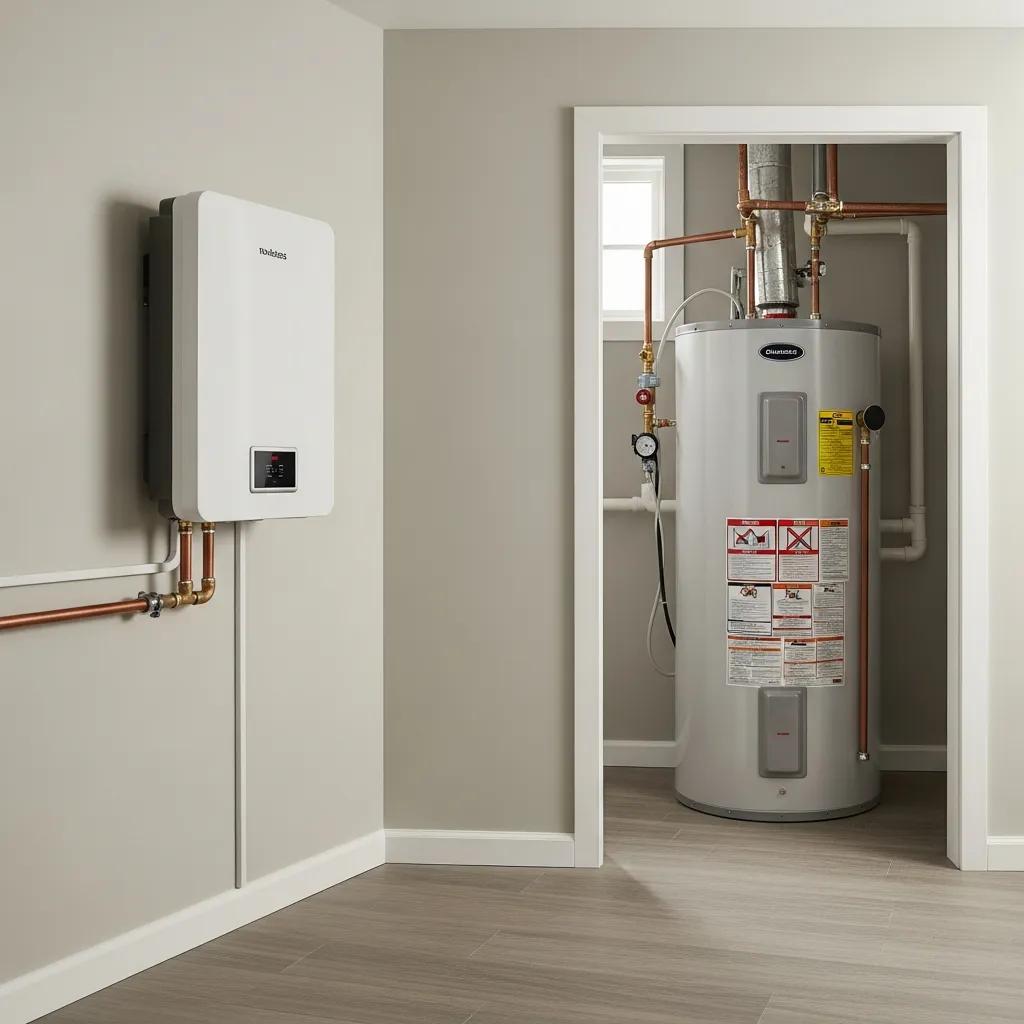
Tankless vs. Traditional Water Heaters: Which Is the Best Choice for Your Michigan Home or Business? Deciding between a tankless (on-demand) water heater and a traditional storage-tank model comes down to how your home or business uses hot water, how much you want to spend up front, and what you want your monthly bills to look like. This guide walks through the real differences—performance, installation costs, energy use, lifespan, and the specific issues we see in Michigan—so you can choose with confidence. Whether you’re dealing with cramped utility space, high energy bills, or not enough hot water during the morning rush, we explain how each system works, list pros and cons, give typical Michigan cost ranges, and provide a practical checklist to help you decide. We also define key terms like GPM, BTU, UEF, and venting along the way and finish with clear next steps for getting a local on-site estimate. What Are the Key Differences Between Tankless and Traditional Water Heaters? Tankless heaters warm water as it flows through a heat exchanger, so you get hot water only when you need it. Traditional heaters keep a tank of water hot and ready until it is used. That basic mechanical difference affects standby energy loss, how long you’ll have hot water during peak use, how much space the unit takes up, and what maintenance looks like. Read on to see how these differences play out in everyday use and which setup tends to match common Michigan household and business needs. How Does a Tankless Water Heater Work? A tankless unit detects water flow and instantly fires a gas burner or activates an electric element to heat water as it passes through a compact exchanger—no storage tank required. Capacity is measured in GPM (gallons per minute) and depends on the unit’s BTU input or electrical power. For example, a 5–7 GPM unit might comfortably handle one shower and a dishwasher at the same time, but two showers plus a dishwasher could push it beyond its rated output and cause a temperature drop. Gas models generally offer higher GPM in the same size but need proper venting; electric models demand sufficient electrical service and can be affected by power outages. That’s why correct sizing and fuel choice matter when choosing tankless. How Does a Traditional Water Heater Operate? Traditional storage-tank heaters use a 30–50 gallon tank (typical for many homes) kept at temperature by a burner or electric element. When you open a hot-water tap, the tank supplies ready-hot water until the stored volume runs low, at which point the heater must recover. Tanks give you an immediate reserve to cover short peaks but do lose a bit of heat over time (standby loss). Recovery speed depends on the burner or element power (BTU or kW). Larger tanks reduce the chance of running out during busy periods but take more space and need periodic tasks like flushing sediment and changing the anode rod to ward off corrosion. These differences also affect how installers plan venting, gas or electrical upgrades, and the maintenance schedule for each job. Feature Tankless Water Heater Traditional Storage-Tank Water Heater Initial Cost (installed) $2,500–$6,000+ (Michigan estimate) $1,500–$3,500+ (Michigan estimate) Operating Behavior On-demand heating; no standby loss Stored hot water with standby heat loss Hot Water Supply Continuous within GPM limits; scales with units Immediate reserve until tank depleted Space Footprint Compact wall-mounted Larger floor or closet footprint Maintenance Descale heat exchanger periodically Flush sediment; replace anode rod periodically What Are the Pros and Cons of Tankless Water Heaters? Tankless systems bring clear advantages—better efficiency for many households, a smaller footprint, and a longer service life—but they also usually cost more to install and sometimes require system upgrades. In Michigan, where winter inlet temperatures reduce delivered GPM, accurate sizing and possible gas- or electrical-upgrades are common considerations. Below we outline the main benefits, then cover energy advantages and practical drawbacks so you can weigh long-term savings against upfront expense. Common operational advantages of tankless units: Lower standby energy loss: No stored hot water means less wasted energy when the system is idle. Smaller physical footprint: Wall-mounted units free up floor or closet space. Longer expected service life: With routine care, tankless systems often last longer than tanks, and parts can be replaced to extend life. Those benefits make tankless attractive for tight spaces and efficiency-minded owners. Below we summarize the trade-offs to consider before deciding. Keep in mind: tankless benefits are real, but they come with higher initial cost and sometimes more complex installation—especially in older homes. What Are the Energy Efficiency Benefits of Tankless Water Heaters? Because they heat water only when it’s needed, tankless units eliminate standby losses and usually show higher UEF/energy-factor performance for typical use patterns. For low- to moderate-use households, studies place savings roughly in the 24–34% range compared with older conventional tanks—though savings shrink for homes with very high hot-water demand. The dollar value saved depends on fuel: gas-fired tankless models often deliver the best percentage savings in gas-friendly regions, while electric tankless units’ savings hinge on local electricity rates and system efficiency. Usage patterns, household size, and Michigan’s climate all affect payback, so we recommend a simple annual-use comparison to estimate realistic ROI. What Are the Common Disadvantages of Tankless Water Heaters? Tankless units are mechanically more complex and often require upgrades that increase installed cost: larger gas lines, dedicated electrical service, or special venting for condensing units. Flow limitations can cause temperature dips when multiple fixtures run at once, which may mean adding a second unit or point-of-use boosters in larger homes or commercial settings. Hard water calls for regular descaling to protect the heat exchanger, and tankless heaters need uninterrupted power or gas—outages mean no hot water. Because Michigan’s inlet water can be cold in winter, professional sizing and a local-condition assessment are essential. What Are the Advantages and Disadvantages of Traditional Water Heaters? Storage-tank heaters remain a smart choice for many owners because they cost less up front,
Benefits & Installation of Tankless Water Heaters

Tankless Water Heaters: Benefits & Installation — A Clear Guide to Energy‑Smart, On‑Demand Hot Water A tankless water heater — often called on‑demand hot water — only heats water when you open a faucet. Instead of storing hot water in a tank, it runs cold water through a flow‑activated heat exchanger and heats it as needed. This guide walks through how tankless systems work, the real benefits you can expect — energy savings, uninterrupted hot water, smaller footprint, and longer service life — and what a professional installation looks like. Many homeowners deal with standby heat losses, inconsistent hot water when multiple fixtures run, or bulky equipment taking up space. Tankless systems address those issues by delivering heat at the point of use. We’ll cover the main benefits, a step‑by‑step installation overview, Michigan‑specific cost drivers, brand comparisons, recommended maintenance, and how to choose a local installer. Throughout, you’ll find practical examples, checklists, and comparison tables to help size a system, estimate costs, and plan for long‑term care. What Are the Key Benefits of Tankless Water Heaters? Tankless water heaters warm water as it flows through a compact heat exchanger, so there’s no standby heat loss from a stored tank. They use a high‑efficiency burner or electric heating element plus a flow sensor that only activates when you need hot water. That design usually means lower energy use and a smaller physical footprint in your home. Homeowners commonly see three main benefits: hot water available on demand for single fixtures, lower water‑heating costs for many households, and a longer service life compared with standard storage tanks. Replacing an older tank can also cut your household’s energy use and carbon footprint. The sections below explain how “endless” hot water works and what kind of energy savings are realistic. Practical advantages at a glance: Endless Hot Water: Heats on demand so you don’t run out like you can with a tank. Energy Savings: Cuts standby losses and can lower water‑heating energy use for many homes. Space Savings & Longer Life: Wall‑mounted, compact design and typically longer useful life than storage tanks. Those benefits make tankless heaters a solid option for homeowners who want efficient, on‑demand hot water. The table below summarizes common benefit metrics and expected lifespan ranges. Useful performance attributes and lifespan expectations for comparisons. Benefit Metric Typical Range Energy efficiency (vs. tank) Reduction in water‑heating energy use ~24%–34% for qualifying profiles Lifespan Years of useful service Often 20 years or more depending on maintenance Space footprint Installation footprint Wall‑mounted, small cabinet footprint This comparison shows energy savings and longer life as the main wins; proper sizing and regular maintenance determine where a given installation lands inside these ranges. Next, we explain how flow‑activated heating delivers effectively limitless hot water for everyday fixtures. How Do Tankless Water Heaters Provide Endless Hot Water? Tankless units heat water as it passes through the heat exchanger and only run the burners or electrical elements while the flow sensor detects demand. That avoids the finite volume limit of a storage tank. The unit’s flow rate (GPM) determines how many fixtures it can serve at once. Typical examples: a shower uses about 1.5–2.5 GPM, a bathroom sink about 0.5–1.0 GPM, and a dishwasher roughly 1.5 GPM. If several fixtures run at the same time, the total GPM can exceed a single unit’s capacity — which is why higher‑capacity models or multiple units are specified for homes with high simultaneous use. Proper sizing with professional load calculations ensures your system delivers continuous hot water when you need it. That flow‑based design also affects how much you can save by switching to tankless; see the next section. What Energy Savings Can Homeowners Expect with Tankless Systems? Most energy savings come from avoiding standby heat loss tied to storage tanks. Recent analyses show typical energy reductions in the mid‑20s to low‑30s percent for households with moderate to low hot‑water demand. For many families, that works out to roughly $100–$200 saved per year on water‑heating bills, though actual savings depend on local fuel prices, household size, and usage patterns. Homes with frequent short draws of hot water (many brief showers or appliance cycles) benefit most because tankless units don’t repeatedly reheat stored water. When weighing upfront cost against savings, factor in both the expected percentage reduction and the longer service life from less thermal cycling — both affect lifecycle cost comparisons. Understanding likely savings helps shape installation choices like sizing and unit type, which we cover next. How Is a Tankless Water Heater Installed? A professional installation starts with a site visit to determine flow‑rate needs, fuel type suitability, venting and combustion‑air requirements, and any necessary gas‑line or electrical upgrades. Proper installation matches unit capacity to peak simultaneous demand and verifies safe venting and clearances so the system runs efficiently and meets code. Typical installation steps include removing the old heater, mounting the tankless unit, connecting water and fuel or electrical supplies, installing or modifying venting, and commissioning the system with leak and combustion checks. Permits and inspections are commonly required when gas or electrical work is involved to confirm safety and code compliance. Typical installation phases and timeframes: Assessment & Sizing: On‑site load calculation and equipment selection, usually 30–60 minutes. Structural & Utility Prep: Venting, gas line or electrical upgrades as needed — hours to a day depending on scope. Mounting & Connections: Install, plumb, and wire the unit — roughly 2–4 hours for most residential jobs. Commissioning & Testing: Leak tests, combustion checks, and a customer walkthrough — generally about 1 hour. This step‑by‑step outline helps homeowners plan for timeline and complexity. The table below summarizes how gas and electric installs typically differ. How installation types compare by venting and extra work required. Installation Type Venting Required Typical Additional Work Required Gas tankless Yes — combustion venting and air intake Possible gas line sizing/upgrade and combustion safety checks Electric tankless No combustion venting (requires proper electrical service) Electrical service upgrade or dedicated circuit installation Condensing/tiered units Specialized venting
Common Traditional Water Heater Repairs
Common Traditional Water Heater Repairs — Troubleshooting Tips and Trusted Repair Options Traditional tank-style water heaters—both gas and electric—store and heat household water using a burner or electric elements and a thermostat. Spotting problems early and addressing them properly keeps your home safe, saves energy, and prevents expensive water damage. This guide walks homeowners through the most common failures, safe DIY checks you can do, and when to call a licensed technician. Frost and Kretsch Plumbing provides local, 24/7 emergency service for urgent hazards; contact us right away if you smell gas or face a major leak. Below you’ll find clear diagnostics for leaks, pilot light problems, element replacement, a repair-versus-replace decision framework, and tips for finding reliable local service in Macomb, Oakland, and Wayne counties. Each section mixes practical troubleshooting, safety-first steps, and the typical professional fixes so you can make confident decisions about maintenance and repairs. Traditional tanks depend on a small set of parts—tank shell, anode rod, drain valve, pressure relief valve (T&P), burner or heating elements, thermostat, and control valves—that wear over time. Knowing what each part does and how it typically fails removes uncertainty when you’re diagnosing an issue. The sections that follow list the top problem categories, explain safe checks you can perform, and give step-by-step guidance for relighting a pilot or replacing elements. At the end you’ll find a decision table to weigh repair versus replacement and criteria for choosing a local service provider with transparent pricing. What Are the Most Common Problems in Traditional Water Heaters? Most traditional water heaters show a predictable set of failures: leaks, no hot water, pilot or ignition problems, noisy tanks from sediment, tripped breakers on electric units, and foul odors from bacterial activity. Each problem has clear symptoms and usual causes that point to the right fix. The first diagnostic step is determining whether the issue is a replaceable part (valve, element, thermostat) or irreversible tank corrosion—this helps decide between repair and replacement. Below is a quick reference mapping symptoms to likely causes and fixes so homeowners can triage issues fast. This table summarizes the top problem categories so you can match what you’re seeing to likely causes and standard fixes before calling a pro. Problem Category Common Symptom(s) Typical Cause(s) Likely Fix (Repair/Replace) Leaking water heater Water pooling nearby; steady drip around the tank Loose fittings, failed drain valve, or corroded tank shell Tighten or replace fittings/valves; replace unit if the tank shell is corroded No hot water Cold taps; temperatures fluctuate Burner/element failure, thermostat issue, pilot/ignition problem, or tripped breaker Replace element or thermostat, repair pilot/ignition, or troubleshoot electrical supply Pilot light out / weak flame Pilot won’t stay lit or flame is small Bad thermocouple, clogged pilot orifice, or gas control valve issue Clean/replace thermocouple, service pilot assembly, or replace gas control Noisy tank Popping, rumbling, or banging while heating Sediment buildup that reduces heat transfer Flush tank to remove sediment; consider professional descaling Rotten-egg odor Sulfur smell in hot water only Bacterial activity reacting with the anode rod Inspect/replace anode rod, shock chlorinate the tank, or call a pro This quick guide shows which issues homeowners can often handle themselves and which require a licensed technician. Knowing the likely fix also helps you get clear, upfront estimates from service providers. Why Is My Water Heater Leaking and How Can It Be Fixed? Leaks are the most urgent problem because they can cause immediate damage. Common leak points are loose pipe fittings, the temperature-and-pressure (T&P) relief valve, the drain valve, or, in the worst case, the tank shell itself. As a first safety step, shut off the cold-water supply and isolate power—turn off the breaker for electric heaters or shut the gas supply for gas units—before you look for the leak. Check visible fittings and valves for drips, feel along the tank base to tell steady seepage from condensation, and confirm the T&P discharge pipe is clear and not actively discharging water due to overpressure. If the leak is at an external fitting, tightening or replacing the fitting and re-sealing threads often fixes it; a leaking drain valve usually needs replacement. If the leak comes from the tank body (rust, a hairline crack, or weeping seams), any patch is only temporary—replacement of the entire heater is the safer, longer-term solution. If you see tank corrosion, extensive water around the unit, or you’re unsure of the source, call a licensed technician for an assessment and safe replacement options—replacing a failing tank prevents repeated service calls and future water damage. Immediate homeowner leak checks: Turn off the cold-water inlet and isolate power to the heater. Check the T&P relief valve and its discharge pipe for active flow. Inspect the drain valve and external plumbing joints for visible dripping. What Causes No Hot Water in Gas and Electric Water Heaters? No hot water can come from different causes depending on whether your heater runs on gas or electricity—identifying the fuel type narrows the troubleshooting quickly. Common gas issues include an out pilot light, a bad thermocouple, a faulty gas control valve, or venting problems. Electric units typically fail because of burned-out heating elements, bad thermostats, or tripped breakers. Sediment buildup affects both types by reducing heat transfer and making recovery slow, which can look like a heating failure even when burners or elements are working. Start by checking basics—thermostat setting and breaker or gas supply—before moving to component tests. Safe homeowner checks include verifying the pilot or ignition status on gas models and checking the breaker and thermostat settings on electric units. If you smell gas, leave the area and call a licensed professional—do not attempt DIY fixes. If basic checks don’t restore hot water, a licensed technician can test thermocouples and gas controls, measure element continuity with a multimeter, and flush heavy sediment safely. Knowing the likely causes helps you prioritize repairs and avoid unsafe attempts on gas or live electrical systems. How Do You Repair Gas Water Heater Pilot Light Issues? The pilot
Why DIY Drain Cleaning Can Harm Your Pipes

Why DIY Drain Cleaning Can Damage Your Pipes — Risks, Costs, and When to Call a Pro Reaching for a bottle of drain cleaner or a rented auger is a common quick fix for slow drains and bad smells. But repeated DIY attempts can hide damage that ends up costing a lot to fix. This article walks you through how chemical drain cleaners and mechanical tools like drain snakes can physically and chemically harm different pipe types, the health and environmental risks involved, and why a professional diagnosis often stops the problem at its source. You’ll get a clear look at how pipes corrode or deform, typical repair cost ranges for 2024, and proven professional options—sewer camera inspection and hydro jetting—that find and fix root causes safely. We also compare short-term DIY “saves” with long-term replacement and remediation costs, and explain when homeowners in Macomb, Oakland, and Wayne counties should bring in a licensed plumber. Keywords like chemical drain cleaner, drain snake damage, hydro jetting, sewer camera inspection, and pipe corrosion appear throughout so you can spot warning signs and decide wisely between repair and DIY. What Are the Hidden Dangers of Using Chemical Drain Cleaners? Chemical drain cleaners are powerful formulas meant to dissolve hair, grease, and organic clogs. They work by creating heat and highly caustic reactions that break down material — and that same action can attack pipe walls, damage seals, and leave corrosive residue behind. Because many products are strongly alkaline or acidic and act broadly, they may only partially clear a clog while attacking surrounding plumbing. That often leads to repeated pours and compounded damage. Knowing the active ingredients and what they do helps you understand which pipe materials are at risk and why pros generally avoid indiscriminate chemical use. The quick reference table below shows common active ingredients and the kinds of damage they can cause to typical residential pipes. Chemical Product Active Ingredient Effect on Pipe Materials Lye-based drain cleaner (sodium hydroxide) Sodium hydroxide (lye) Generates heat and saponifies grease; can soften PVC and damage rubber seals Acid-based drain cleaner Sulfuric acid Produces rapid heat and corrosive by-products; can etch metal and accelerate cast-iron deterioration Enzyme/biological cleaners Bacterial enzymes Gentler and safer for septic systems but slow; limited on established grease or heavy scale In short: lye and sulfuric acid clear clogs fast by creating heat and corrosive residues, but that speed can shorten the life of both metal and plastic plumbing. The next section breaks down how different pipe materials respond to these chemicals. How Do Chemical Drain Cleaners Damage Different Pipe Materials? Chemicals harm pipes through direct reactions, thermal stress, and by degrading seals and joints — but each material responds differently. PVC and PEX can soften or warp from high heat or strong alkalis, which may misalign fittings and lead to leaks. Cast iron and galvanized steel can pit and corrode faster if acidic residues linger, creating pinhole leaks and structural weakness. Copper may show surface etching and solder-joint damage, and rubber gaskets or trap seals can harden or dissolve, compromising watertight connections. Real-life examples make this clear: repeatedly pouring lye down a slow kitchen drain can soften PVC elbows so they separate later, while a sulfuric-acid treatment in an old cast-iron run can speed pitting and force early replacement. For persistent or recurring clogs, the safer move is a professional diagnostic that finds the cause instead of repeating chemical assaults. What Are the Health and Environmental Hazards of Chemical Drain Cleaners? Chemical drain cleaners carry immediate personal hazards: they can cause chemical burns to skin and eyes, and the heated fumes can irritate or damage the respiratory tract. If exposure occurs, flush the area with water and seek medical attention for serious contact — these materials can keep reacting and cause deeper injury. Environmentally, residues that reach septic systems or municipal treatment plants can kill beneficial bacteria, reduce septic performance, and raise treatment costs. Runoff or improper disposal can also harm local waterways and aquatic life. Because of both safety and environmental concerns, professionals usually recommend avoiding household corrosive cleaners for stubborn or complex clogs and opting instead for targeted mechanical or high-pressure solutions that limit toxic discharge and protect septic biology. Next, we’ll cover mechanical DIY tools and the risks they introduce. How Can Drain Snakes Cause Pipe Damage During DIY Drain Cleaning? A drain snake (auger) uses a flexible cable or rigid shaft to break up or extract blockages. In skilled hands it’s useful — misused, it can cause real damage. The wrong cable size, too much force, bad insertion angle, or improper use of a powered auger can puncture thin-walled pipes, scrape inner surfaces, or pry apart joints. Mechanical action that seems to clear a clog can also push debris deeper or compact it against offsets and roots, creating a tougher, recurring obstruction. Common physical damage from snakes: punctures, interior scratching, and joint separation. Older or corroded materials (like aged cast iron) are more likely to fracture under auger stress. Misused power augers can shove debris into the mainline, increasing the chance of repeat clogs. Because of these risks, mechanical clearing without proper diagnosis can make a clog worse instead of fixing the underlying cause. The following subsections explain the damage types and how recurrence happens. What Types of Pipe Damage Can Drain Snakes Cause? Drain snakes can concentrate pressure at the tip and cause hairline punctures in thin or corroded sections, which may become leaks under normal use. Interior scratching strips protective coatings and speeds corrosion by exposing fresh metal, and aggressive angling can stress joints and gaskets, causing separation or extrusion that leads to persistent leaks. In extreme cases, an auger can catch on scale or offsets and lever whole pipe segments out of alignment, requiring localized excavation or section replacement. Why Does Improper Use of Drain Snakes Lead to Recurring Clogs? Improper snaking often results in partial clearing, where the auger breaks a clog into smaller pieces that lodge farther down the
Preventing & Removing Tree Roots in Sewer Lines
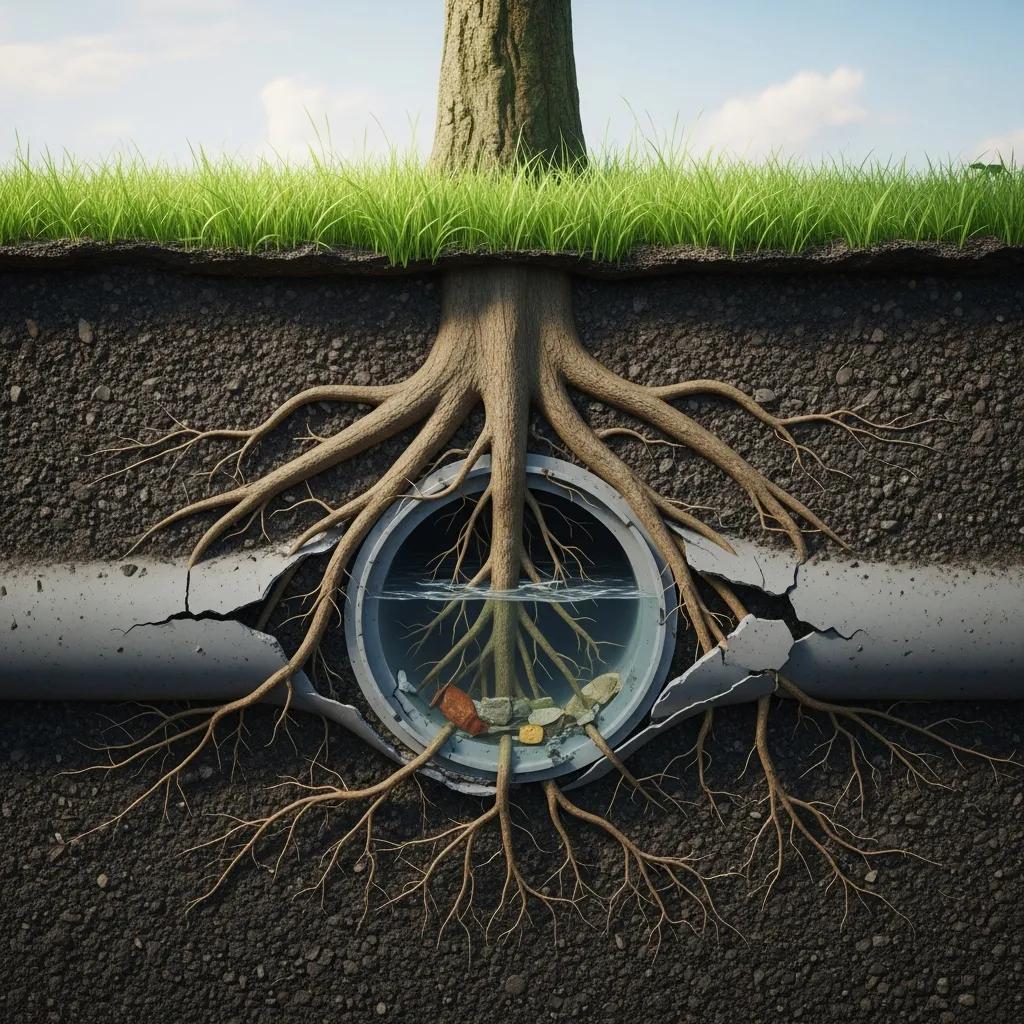
Stopping and Removing Tree Roots from Sewer Lines: Practical Solutions for Michigan Homes and Businesses Tree roots in sewer lines are a frequent—and expensive—headache for Michigan homeowners and business owners, especially in Macomb, Oakland, and Wayne counties. This guide explains what root intrusion looks like, why roots target sewer pipes, and how early detection plus targeted fixes protect your property and cut long-term costs. You’ll find clear warning signs to watch for, landscaping and chemical prevention options, and the professional diagnostic and removal services used by plumbers—camera inspection, hydro jetting, trenchless relines, and full replacements. Frost and Kretsch Plumbing offers local, licensed services including sewer and drain cleaning, camera inspections, hydro jetting, trenchless repair, excavation, and 24/7 emergency response. Contact details are listed later. Read on for practical steps you can take now and what to expect when pros diagnose and fix root-related damage. What Are the Common Signs and Causes of Tree Root Intrusion in Sewer Lines? Root intrusion happens when tree roots find moisture, nutrients, or tiny defects in underground sewer pipes and grow into the line, restricting flow and eventually causing backups or structural damage. Catching problems early—before a full collapse—lets you choose less invasive repairs that protect your yard and save money. Below are the most common, easy-to-recognize signs that point to root intrusion so you can schedule an inspection without delay. Common early warning signs of root intrusion include the following recognizable symptoms: Slow drainage in multiple fixtures: When sinks, tubs, or toilets throughout the building drain slowly, the main sewer line is often the issue—not a single trap. Gurgling sounds from drains or toilets: Air moving past a partial blockage makes gurgling noises, a classic sign of a downstream obstruction. Persistent sewage odors in yard or basement: Smells near cleanouts, drains, or low spots in the yard can mean organic buildup or leaks. Recurring clogs despite snaking: If clogs come back quickly after snaking, roots are often regrowing into the pipe. Wet spots or sinkholes in the yard: Soft, wet areas or unusually lush patches of grass often mark a leak where roots have breached pipe joints. Seeing any of these should prompt a professional camera inspection to confirm where and how badly roots have invaded the line, which informs the right next steps. How Do Tree Roots Enter and Damage Sewer Pipes? Roots are attracted to moisture and organic nutrients. Small cracks, loose joints, or misaligned pipes let feeder roots access that moisture; once inside, those roots thicken into masses that trap solids, obstruct flow, and accelerate corrosion. Over time roots can shift pipe segments, create offsets, and make leaks worse—the leak then attracts more root growth. Knowing this progression explains why a noninvasive video inspection is a smart first move before choosing a removal or repair method. Which Tree Species in Michigan Are Most Likely to Cause Sewer Line Problems? Some common Michigan trees push aggressive, water-seeking roots that can reach sewer lines if planted too close. Willows, silver and red maples, poplars, and certain oaks develop wide lateral roots near the surface and pose higher risk when near laterals or cleanouts. Large, mature trees naturally present a greater threat than small ornamentals, and local soil and moisture patterns influence root behavior. For new plantings, keep trees at least as far from sewer lines as their mature canopy radius to reduce future problems and protect both pipes and trees. How Can You Prevent Tree Roots from Invading Sewer Pipes? Prevention pairs thoughtful planting, physical barriers, routine inspections, and selective chemical control to lower the chance of root intrusion while keeping your landscape healthy. A layered approach cuts emergency repairs and extends pipe life by removing the conditions roots use to find and enter pipes. Below we compare practical landscaping steps, barrier options, and chemical treatments so you can pick a plan that fits your site and environmental concerns. Good landscaping and properly installed root barriers protect sewer lines by keeping aggressive species away and physically stopping lateral root growth. Vertical root barriers—rigid polyethylene or composite panels set in a trench between trees and utility lines—steer roots downward when installed deep enough. Trench barriers or deep geotextiles can work around existing trees but require careful installation to avoid harming roots. Choosing non-invasive species and siting trees outside predicted root zones also lowers risk. Talk to landscapers or utility pros about pipe depth and soil conditions so barrier placement protects pipes without harming trees. The following table compares prevention approaches by recommended use and limitations so you can weigh options for your property. Prevention Approach Recommended Use Limitations Root Barrier (sheet/trench) Best for high-risk zones near lateral lines; effective when installed during new planting Requires trenching, professional placement; can stress tree roots if placed too close Strategic Planting Great for new landscapes and long-term risk reduction Works only if species and setbacks are chosen correctly Chemical Root Killers (copper sulfate, foaming agents) Useful for targeted control inside pipes between cleanings Environmental concerns, requires licensed use, and often needs repeat treatments Mixing these approaches—smart planting, barriers, and scheduled inspections—creates a layered defense that lowers the chance of emergency repairs. What Landscaping and Root Barrier Strategies Help Protect Sewer Lines? To reduce root pressure on sewer lines, choose species with less aggressive lateral roots, keep large trees well away from sewer alignments, and install root barriers where appropriate. Use small shrubs and turf near lines so you don’t sacrifice cover for safety. When barriers are needed, install them vertically and deep enough to intercept feeder roots while staying far enough from the trunk to avoid harming the tree. Professional installation ensures continuity and prevents roots from finding a bypass path. Combine barrier work with routine camera checks to confirm everything is working as planned. Which Chemical Root Killers Are Safe and Effective for Sewer Line Prevention? Chemical root control—commonly copper sulfate crystals or foaming root killers—can reduce regrowth inside pipes without digging, but these treatments have environmental and regulatory limits and should be applied by
DIY Drain Cleaning: Safe Methods for Clogged Drains
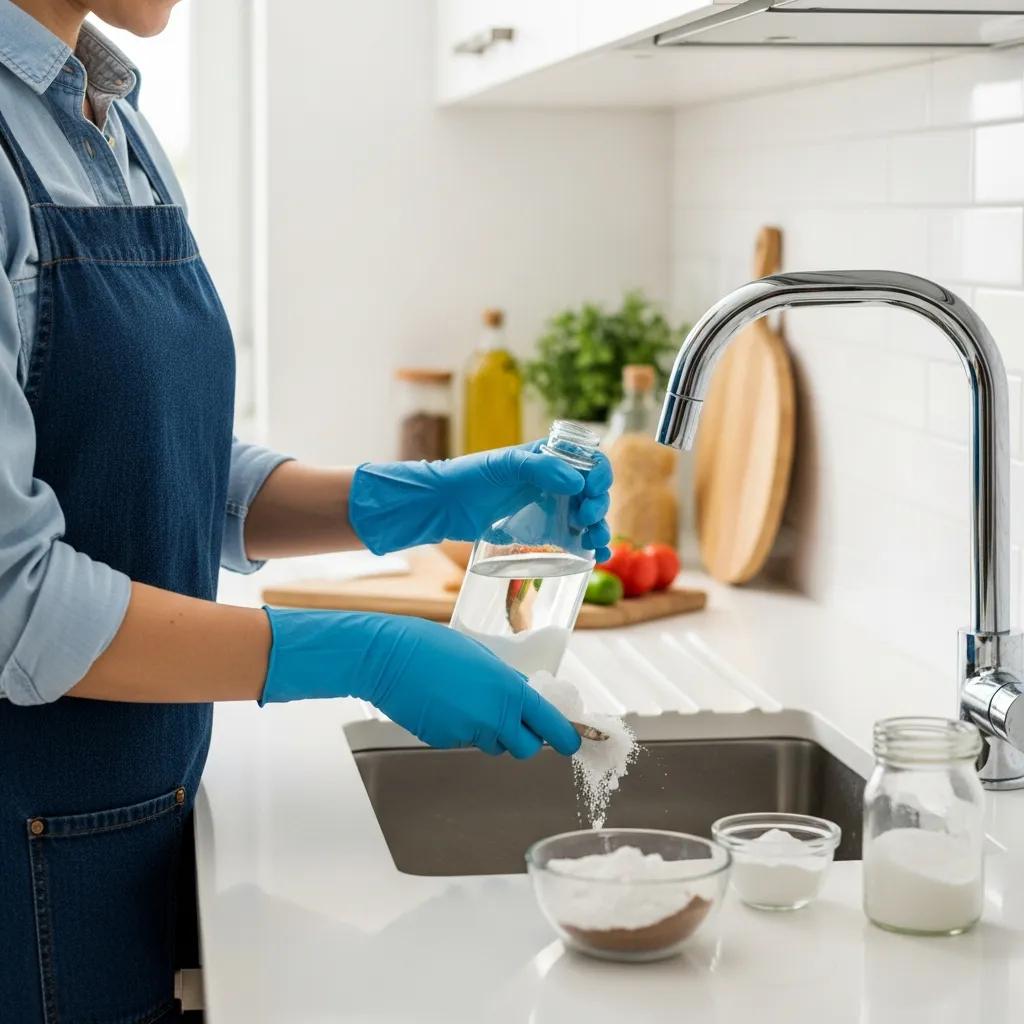
DIY Drain Cleaning: Safe, Natural Ways to Unclog Drains — When to Call a Plumber Clogged drains are a common household nuisance, but many minor blockages can be fixed safely without harsh chemicals. This guide explains what usually causes slow drains, walks you through natural unclogging methods like the baking soda and vinegar routine, and shows basic mechanical techniques — proper plunging and using a hand drain snake. You’ll learn which method fits which clog, spot warning signs that mean the problem is more serious, and adopt simple maintenance habits to cut down on repeat clogs. We also compare chemical cleaners to safer alternatives and explain when professional diagnostics — such as a sewer camera inspection or hydro-jetting — are the smarter, longer-lasting choice. Practical tips throughout will help you unclog a sink, perform DIY drain cleaning safely, and keep your plumbing in good shape without making things worse. What Are the Common Causes of Clogged Drains? Drains clog when solids, grease, or foreign objects build up and slow water flow. The usual suspects are hair and soap scum in bathroom drains, congealed cooking grease and food waste in kitchen sinks, mineral scale in hard-water areas, and items flushed or washed down that don’t break down. Each cause behaves predictably: hair tangles in the P-trap, grease coats pipe walls and narrows the opening over time, and mineral deposits stick to pipe surfaces — especially hot-water lines. Knowing the likely cause helps you pick the right fix — for example, pull hair out mechanically but use hot water and detergent for fresh grease. That matching makes DIY drain cleaning safer and more effective, and it helps you spot when a problem needs professional attention. How Do Hair, Grease, and Soap Scum Cause Drain Blockages? Hair, grease, and soap scum create blockages in different ways. Hair slips into the P-trap and forms a fibrous mat that traps soap and minerals until water slows or stops. Grease and cooking fats flow when hot but solidify as they cool, coating the trap and pipe and encouraging more buildup. Soap scum forms when soap combines with hard-water minerals, leaving an insoluble residue that sticks to pipes and hair, speeding up clogs. Recognizing these behaviors helps you choose a targeted, safer remedy instead of reaching for a one-size-fits-all chemical solution. What Signs Indicate a Serious Drain Clog? Some symptoms point to a clog that’s beyond a simple, local obstruction and that likely needs a pro to diagnose and fix. Watch for multiple fixtures running slow at once, water backing into another fixture, persistent sewage odors, loud gurgling from drains, or visible sewage — all signs of a shared-line or sewer lateral issue rather than a single trap clog. If slow drains persist after two different DIY attempts or get worse over 24–48 hours, the blockage may be deeper or caused by root intrusion or a collapsed pipe. Ignoring these signs can lead to water damage, higher repair costs, and health risks; a prompt professional assessment helps decide whether camera inspection or hydro-jetting is needed. What Are the Best Natural and Homemade Drain Cleaning Methods? Natural and homemade methods offer low-corrosion ways to remove organic build-up and keep water flowing without exposing your pipes or the environment to caustic chemicals. Techniques like baking soda and vinegar, salt and hot-water flushes, and enzymatic cleaners work by fizzing, dissolving, or biologically breaking down organic material in traps and short pipe runs. Each has strengths: baking soda and vinegar create fizz that can loosen soft debris; hot salt or dish soap with boiling water is good for fresh grease; enzymatic products digest organic matter over hours and are great for preventive use. Choosing the right natural method lowers the risk of pipe damage and keeps your plumbing working longer — but stop and call a professional if the clog doesn’t improve after a few safe attempts. Method Suitable Clogs Pipe-Safety / Speed Baking soda + vinegar Soft organic debris, mild soap scum Safe for most pipes; moderate speed (minutes to a few hours) Salt + hot water Fresh grease and fats Safe for metal and plastic; fast when grease is warm Dish soap + boiling water Grease films Safe and immediate for small grease clogs Enzymatic cleaners Organic buildup, recurring slow drains Very pipe-safe; slower action (hours to days) In short: natural options trade immediate chemical force for safer, low-corrosion action — good first-line choices for typical household clogs. The baking soda and vinegar method is a simple, accessible natural unclogger that handles many mild blockages while minimizing the risk of chemical damage. How to Use Baking Soda and Vinegar as a Natural Drain Cleaner? Baking soda and vinegar combine a mild alkali and an acid to create fizzy agitation that can loosen debris and break up organic films in the trap. To use this method, pour about 1/2 cup of baking soda down the drain, follow with 1/2 cup of white vinegar, and cover the drain to focus the fizz for 10–15 minutes. Finish by flushing with a kettle of hot water to wash the loosened material away. The fizz helps dislodge soft residue and the hot-water flush moves grease downstream; never mix this with commercial drain chemicals or bleach — unsafe reactions can occur. If the drain stays slow after two safe attempts spaced a few hours apart, stop mixing chemicals and try mechanical clearing or get a professional inspection. What Are Other Safe Homemade Drain Clog Removers? There are several homemade alternatives that work well against different clog types. For kitchen grease, pour a generous squirt of dish soap down the drain followed by several liters of boiling water to emulsify and carry fats away. For hair, a gloved manual removal or a hand auger is often the fastest and most effective fix. Enzymatic cleaners from hardware stores use bacteria or enzymes to digest organic residue and are ideal for recurring slow drains; they work overnight or over several hours. Use hot-soap flushes for fresh grease,
Best Practices for Commercial Drain Care
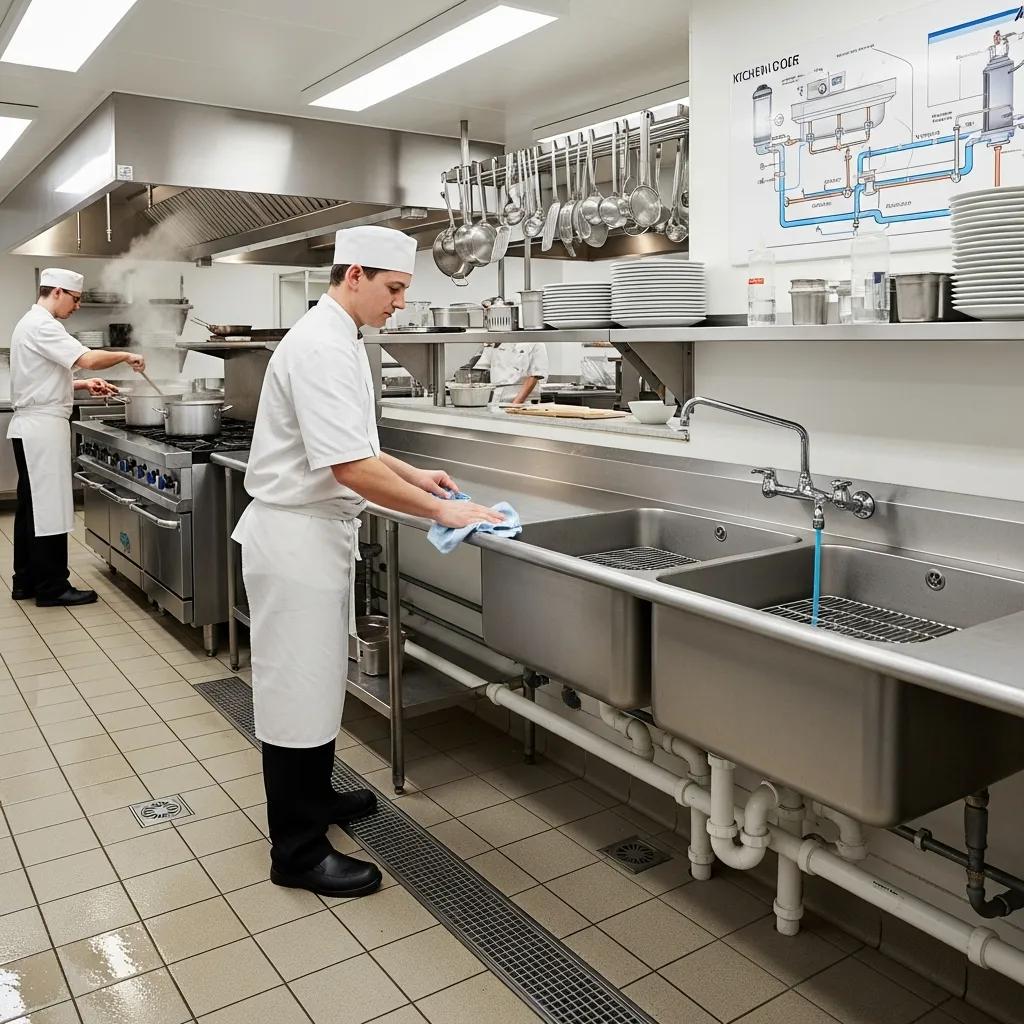
Best Practices for Commercial Drain Care: Clear, Practical Maintenance Tips for Businesses Commercial drain care is a proactive routine of inspections, cleaning, and repairs that keeps business plumbing working, compliant, and interruption-free. It prevents build-up of FOG (fats, oils, grease), food waste, scale, and roots through daily staff habits, scheduled professional servicing, and targeted technologies that clear blockages without harming pipes. The payoff is fewer emergency calls, lower repair costs, and less downtime—protecting revenue and public health for restaurants, offices, and industrial sites across Michigan. This guide covers why drain care matters here, outlines commercial drain components, gives practical preventative schedules, and offers hands-on tips for common problems. You’ll also learn how hydro jetting and camera inspections improve results and when to call a pro. Use the included checklists and escalation steps to build a reliable drain program that prevents clogs and stays code-compliant. Why Commercial Drain Care Matters for Michigan Businesses Well-maintained drains keep your operation running, reduce the chance of health-code violations, and cut long-term capital expenses by catching small issues early. Routine removal of FOG, solids, and biofilm keeps pipes flowing and stops odors and backups that can force closures. The result: fewer emergency repairs, steadier maintenance budgets, and better compliance with local FOG rules and plumbing codes. For Michigan businesses—especially restaurants and multi-tenant properties—consistent drain care protects reputation and helps avoid fines tied to repeated backups or grease-related blockages. When drains are ignored, businesses face lost sales from temporary closures, expensive emergency work, and possible health-department actions that hurt customer trust. Knowing these risks motivates a preventative approach that pays back through reduced downtime and longer pipe life. Next, we’ll look at the most common causes of commercial clogs and what staff and managers can do to stop them early. The most frequent causes of commercial drain clogs include: FOG buildup from kitchen work that solidifies inside lines and interceptors. Food solids and poor disposal habits that collect in kitchen and floor drains. Foreign objects and improper trash disposal that create point blockages. Root intrusion, mineral scale, and failing joints that slowly restrict flow. Different facilities see different problems—restaurants deal mostly with FOG and food solids, while older buildings may experience roots or scale. Pinpointing the main cause helps you choose the right prevention and repair plan. Common Causes of Commercial Drain Clogs Most commercial clogs start with fats, oils and grease, food scraps, or foreign objects that narrow pipes and block flow. In kitchens, emulsified oils cool and coat pipe walls, creating sticky deposits that trap food and speed up build-up—this is the main source of restaurant issues. In non-kitchen areas, hair, soap, and mineral scale bind with sediment to clog restroom and floor drains, while sewer laterals can be invaded by roots that form hard obstructions. Recognizing these failure patterns lets managers train staff on quick prevention steps—scraping plates, using strainers—and schedule the proper professional services before clogs force a shutdown. How Drain Care Affects Operations and Compliance Drain troubles disrupt service with slow drains, bad odors, and full backups that can require temporary closures for cleaning and sanitizing. Each unplanned closure brings lost sales, cleanup costs, and emergency service premiums. Repeat incidents can also trigger fines from health or municipal authorities enforcing FOG management. From a reputation perspective, visible plumbing failures erode customer confidence and spread quickly in reviews. A documented inspection and maintenance program lowers these risks and provides the records you need for compliance or insurance claims. Key Components of a Commercial Drain System A commercial drain system includes kitchen drains, floor drains, restroom drains, grease traps/interceptors, and the sewer lateral that links to the municipal main. Each piece has its own job and maintenance needs: they move wastewater, separate FOG and solids where required, and protect buildings from sewer gas and backups. Important inspection points are trap seals, access to clean-outs, interceptor condition, and pipe soundness via camera checks. Mapping these parts and their common failure modes helps you target preventive tasks and avoid a critical failure during peak hours. Below is a concise comparison of common drain components, what they do, typical problems, and recommended maintenance frequency to help plan upkeep. Drain Component Primary Function Common Problems Recommended Maintenance Frequency Kitchen drains Carry sink and prep wastewater FOG buildup, food solids, odors Daily scraping by staff; monthly strainer cleaning; quarterly pro cleaning Floor drains Handle spills and mop water Debris, lost trap seals, standing water Weekly visual checks; quarterly cleaning; annual pro inspection Restroom drains Remove lavatory and toilet waste Hair, soap scum, odors Daily cleaning; monthly trap checks; annual camera inspection Grease traps / interceptors Separate FOG before sewer Grease saturation, bypasses, smells Daily skimming by staff; pumping per capacity (monthly–quarterly) How Floor, Kitchen, Restroom, and Sewer Drains Work in Commercial Settings Each drain type has a role that determines how it fails: floor drains collect incidental water and mop waste; kitchen drains see heavy FOG and solids; restroom drains get hair and soap; sewer laterals carry combined flows out to the public system. Traps, vents, and gravity keep sewer gas out and water flowing—when traps dry or vents clog you’ll get odors and gurgling. Practical inspection points are trap seals, strainers, odors, and clean-out access. Regular checks and documentation stop a small issue from becoming a full system backup. Grease Traps: What They Do and Why They Matter Grease traps and interceptors separate FOG from wastewater by slowing flow so oils rise and solids settle. That reduces downstream blockages and helps municipal systems. Their performance depends on correct sizing, placement, and a consistent maintenance schedule to avoid saturation and bypass. Warning signs are ongoing odors, slow drains downstream, or grease at outlets—when you see those, schedule pumping and inspection. Combining staff-level scraping with professional cleaning keeps traps effective and helps meet local FOG rules. How to Build an Effective Preventative Commercial Drain Program Preventative maintenance blends daily staff habits, routine inspections, and scheduled professional services to keep drains clear and compliant. Small daily actions—plate scraping, strainers,
Effective Ways to Unclog a Shower Drain
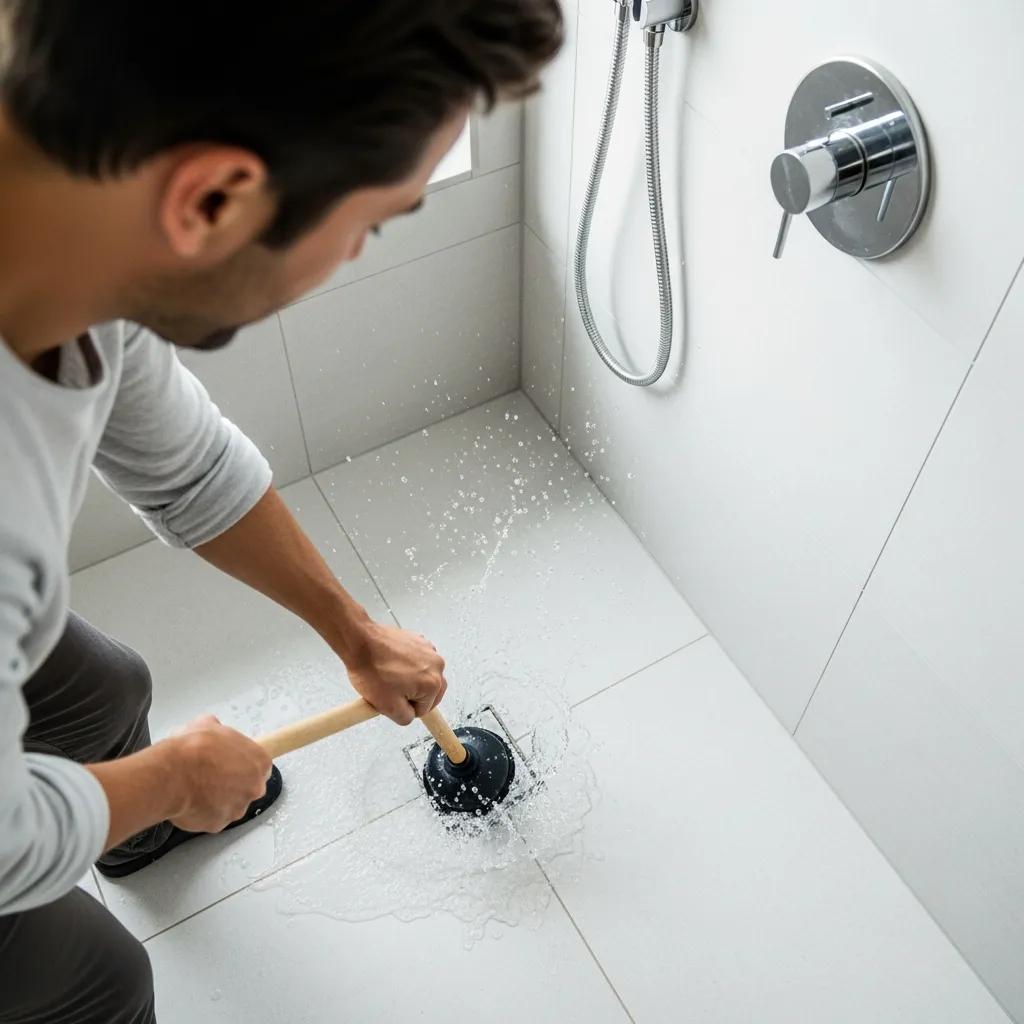
How to Unclog a Shower Drain: Easy DIY Fixes and When to Call a Pro A clogged shower drain happens when hair, soap residue, mineral deposits or small objects block the pipe and slow or stop water from draining. Over time those particles stick to the drain or pipe walls and narrow the passage until water pools or backs up. This guide helps you identify common causes, safely try do-it-yourself fixes with simple tools and natural cleaners, and decide when it’s time to call a licensed plumber for camera inspection or hydro jetting. You’ll get step-by-step DIY instructions (plunger, drain snake, baking soda + vinegar), clear warning signs that point to a deeper problem, and practical prevention tips and products to reduce repeat clogs. Keep reading for straightforward steps, quick-reference tables, and an easy prevention checklist to keep your shower draining freely. What Are the Common Causes of Shower Drain Clogs? Most shower clogs form when materials collect and restrict flow. Hair and soap scum create mats that cling to pipe walls, hard water leaves mineral deposits that shrink pipe diameter, and foreign objects or corrosion can cause solid blockages. Spotting the cause speeds up the right fix: slow drainage with visible hair near the grate usually means a surface clog, while slow drains across multiple fixtures or foul sewer smells often point to a mainline issue. Below are the most common causes to check before you start cleaning. Common contributing causes to check before you begin cleaning: Hair buildup that tangles and forms a mat behind the drain cover. Soap scum and body oils that stick to pipe walls and trap debris. Mineral deposits and rust in hard-water areas that narrow the pipe. Foreign objects—small toys, toiletries, or broken parts—that create blockages. Each cause calls for a different approach: surface debris usually responds to manual removal or a snake, while mineral crusts or mainline problems may need professional diagnosis. Knowing what’s causing the slowdown helps you choose the safest, most effective method. How Do Hair and Soap Scum Contribute to Shower Drain Blockages? Hair and soap scum team up to form stubborn mats that slow drainage. Hair tangles, soap and oils act like glue, and together they create a sticky ring that traps more debris over weeks or months. Usually you’ll notice a ring of gunk around the drain or slower draining after several showers. Removal normally starts at the drain cover and, if needed, continues into the P-trap. Simple prevention—like a strainer and removing visible hair—keeps most clogs from becoming serious jobs. What Other Factors Cause Shower Drain Slowdowns and Odors? Beyond hair and soap scum, slow drains and smells can come from mineral buildup, rust, biofilm (a slimy bacterial layer), or stray objects that collect and trap bacteria. Hard water leaves crusty deposits that narrow pipes, and biofilm can produce persistent odors. If multiple drains are slow or you smell sewage, the issue may be in the sewer or mainline rather than the shower drain. Those signs usually mean you should consider a camera inspection or professional service to diagnose the problem correctly. How Can You Unclog a Shower Drain Yourself Safely? Safe DIY unclogging focuses on mechanical removal and mild, non-corrosive cleaners so you don’t damage pipes. Start by removing visible debris at the strainer, try a plunger or drain snake next, and use a baking soda + vinegar rinse for light residue. Avoid harsh chemical drain cleaners that can corrode pipes or react dangerously. Protect the P-trap and flange by using proper technique—get a good seal when plunging and feed a snake gently to avoid stressing joints. The table below compares common at-home methods so you can pick the right one for your clog. Intro to DIY comparison table: This table compares common at-home unclogging methods so you can choose the safest, most effective approach for your clog. Method Tool / Supplies Effectiveness / When to Use Manual removal Gloves, flashlight, screwdriver or needle-nose pliers High for hair and debris near the drain; first step for most clogs Plunger Cup plunger, towel to seal overflow Good for partial blockages and dislodging compacted debris Drain snake / auger Hand auger (snake) or zip tool High for hair and localized clogs; avoid overfeeding into older pipes Baking soda + vinegar 1/2 cup baking soda, 1/2 cup vinegar, hot water flush Moderate; best for mild soap scum and small organic residues In most cases, manual removal and a snake clear the clog safely. Baking soda and vinegar can help loosen light residue before you use mechanical tools. Below we walk through step-by-step methods so you can proceed with confidence. What Are the Step-by-Step Methods Using a Plunger and Drain Snake? When you use a plunger or drain snake correctly, you can restore flow without harming pipes. First, seal any overflow openings—a wet towel works for tub overflows and an adapter helps on some shower drains—then place a cup plunger over the drain and plunge with steady, controlled strokes for 15–30 seconds. If that doesn’t work, feed a hand auger or snake into the drain slowly while turning the handle; when you feel resistance, rotate and push gently to break or snag the clog, then pull debris out gradually to avoid leaving pieces behind. Don’t use chemical cleaners before mechanical methods, don’t force a snake past strong resistance, and avoid over-rotating in older pipes. If mechanical attempts fail or you see sewage backup, stop and call a professional to avoid causing more damage. How Effective Are Natural Cleaners Like Baking Soda and Vinegar? Baking soda and vinegar fizz and can help loosen mild soap scum and organic residue, but they don’t provide the mechanical force of a snake or hydro jet. The fizzing reaction helps agitate deposits so hot-water flushing and mechanical clearing work better for small clogs. To use: pour baking soda down the drain, add vinegar, wait 15–30 minutes, then rinse with hot water. Use this monthly as preventive maintenance, and never combine with commercial caustic
How to Unclog a Kitchen Sink Drain
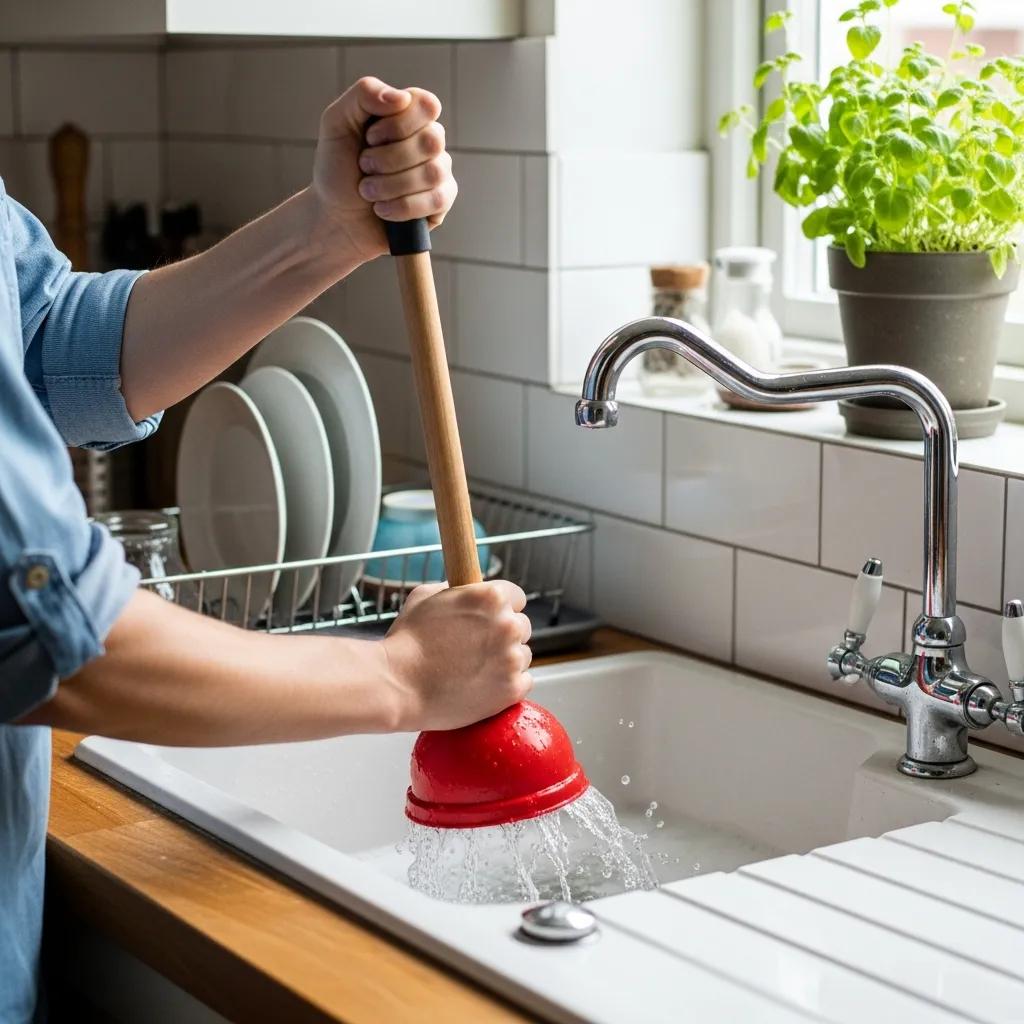
How to Unclog a Kitchen Sink Drain: Practical DIY Steps and Trusted Professional Solutions When a kitchen sink starts to slow or stop, it’s usually because solids or congealed liquids are blocking the drain or trap. Clearing a clog quickly lowers the chance of pipe damage, odors, or sewer backups. This guide walks you through common causes, safe DIY fixes you can try at home (plunging, hot water with dish soap, baking soda and vinegar, and using a drain snake), and the clear warning signs that it’s time to call a pro. You’ll also find prevention tips, eco-friendly maintenance advice, and an overview of professional tools like hydro jetting and sewer camera inspection. Practical lists and comparison tables make it easy to choose the right method for your clog, and we explain how a local plumbing expert can resolve stubborn or hazardous blockages. Read on for straightforward, confidence-building advice so you can act fast when your kitchen sink isn’t draining properly. What Are the Common Causes of Kitchen Sink Drain Clogs? A kitchen sink clog happens when solids or cooled liquids build up inside the drain system and slow or stop flow. The usual causes are grease (fat, oil, and grease, often shortened to FOG), food scraps, soap scum, and items that get trapped in the P-trap or tailpiece. Knowing what’s likely blocking the line helps you pick the right fix—grease tends to cling to pipe walls, while fibrous or starchy foods clump together and resist flushing. Below is a short list of common causes to help you diagnose the problem quickly. Common causes of kitchen sink drain clogs: Grease and Fats: Liquids that cool and stick to pipe walls, gradually narrowing the pipe. Food Waste: Starchy or fibrous bits that clump, especially if they go in the drain often. Garbage Disposal Jams: Hard items, pits, or fibrous peels that jam or damage the disposal. Soap Scum: Films that mix with grease and debris to form stubborn deposits. Foreign Objects: Utensils, packaging, or small items accidentally dropped into the drain. How Do Grease and Food Waste Cause Kitchen Sink Clogs? Grease and food cause clogs by sticking to pipe walls and trapping other debris. Warm fats and oils flow down as liquids but harden as they cool, forming a sticky layer that catches food particles. Over time those layers build up and reduce the pipe’s diameter, slowing drainage and eventually causing backups. Starch-heavy foods like rice and pasta can swell and bind into dense plugs that resist flushing and plunging. Good habits—wiping pans and collecting grease for disposal—cut down buildup, but hardened FOG sometimes requires professional removal like hydro jetting. That’s why pouring hot water alone may only give temporary relief: it can soften surface grease but not remove the underlying coating. What Role Do Soap Scum and Hair Play in Kitchen Sink Blockages? Soap scum forms when soap combines with minerals and oils to make a film that clings to pipe walls. While hair is more common in bathroom drains, fibrous food scraps and towel threads in the kitchen can have a similar tangling effect. Soap scum binds with grease and small particles to create a glue-like matrix that makes clogs stickier and harder to clear. Heavy scum buildup can also reduce the effectiveness of enzyme cleaners. Regular mechanical cleaning and periodic enzyme treatments help, but layered scum and tangled debris often mean a deeper mechanical or hydro-powered cleaning is needed. How Can You Unclog a Kitchen Sink Drain Yourself? Start DIY unclogging with the lowest-risk options and move to mechanical tools only if needed. Begin with a sink plunger or a hot soapy rinse for grease-related slow drains, try a baking soda and vinegar mix for mild organic buildup, and use a hand auger (drain snake) when simpler steps don’t restore flow. Avoid harsh chemical drain cleaners on older metal pipes—these can damage fittings and make later repairs harder. The table below compares common DIY methods so you can pick the right approach and know when to stop and call a professional. Intro to DIY methods table: the table below compares typical home methods, required tools, expected success for common clog types, and risks or signals to stop and seek professional help. Method Tools Needed Success Likely For Risk / When to Stop Plunger Sink plunger, wet cloth Partial blockages near the drain opening Stop if there’s no improvement after several tries or water begins to overflow Hot water + dish soap Kettle or pot, dish soap Fresh grease clogs Stop if drainage stays slow—mechanical removal may be needed Baking soda + vinegar Baking soda, white vinegar, hot water Mild organic or soap scum build-up Stop if the reaction doesn’t clear the clog after repeated attempts Drain snake (hand auger) Hand auger / snake Localized blockages in the P-trap or tailpiece Stop if resistance is deep or you can’t retrieve debris What Are the Best DIY Methods for Kitchen Sink Drain Clog Removal? Begin with a sink plunger: seal the overflow or the second basin, add enough water to cover the plunger bell, and use steady plunges to loosen the clog. For grease clogs, pour a squirt of dish soap followed by several liters of hot (not boiling) water in stages to soften and flush fats. To try baking soda and vinegar, add half a cup of baking soda, pour in half a cup of vinegar, wait 10–15 minutes, then rinse with hot water. If the clog looks reachable, remove and clean the P-trap—place a bucket underneath, loosen the slip nuts, and clear any trapped debris. When those steps don’t work, a hand auger can reach obstructions in the trap or short sections of the tailpiece—feed it slowly, rotate to hook debris, and pull out gently to avoid damaging pipes. Start with the least invasive methods and move up only as needed. Intro to the EAV table below: this table helps you quickly compare DIY methods so you can choose the right one without unnecessary risk. Method
Emergency Clogged Drain Repair & Clearing
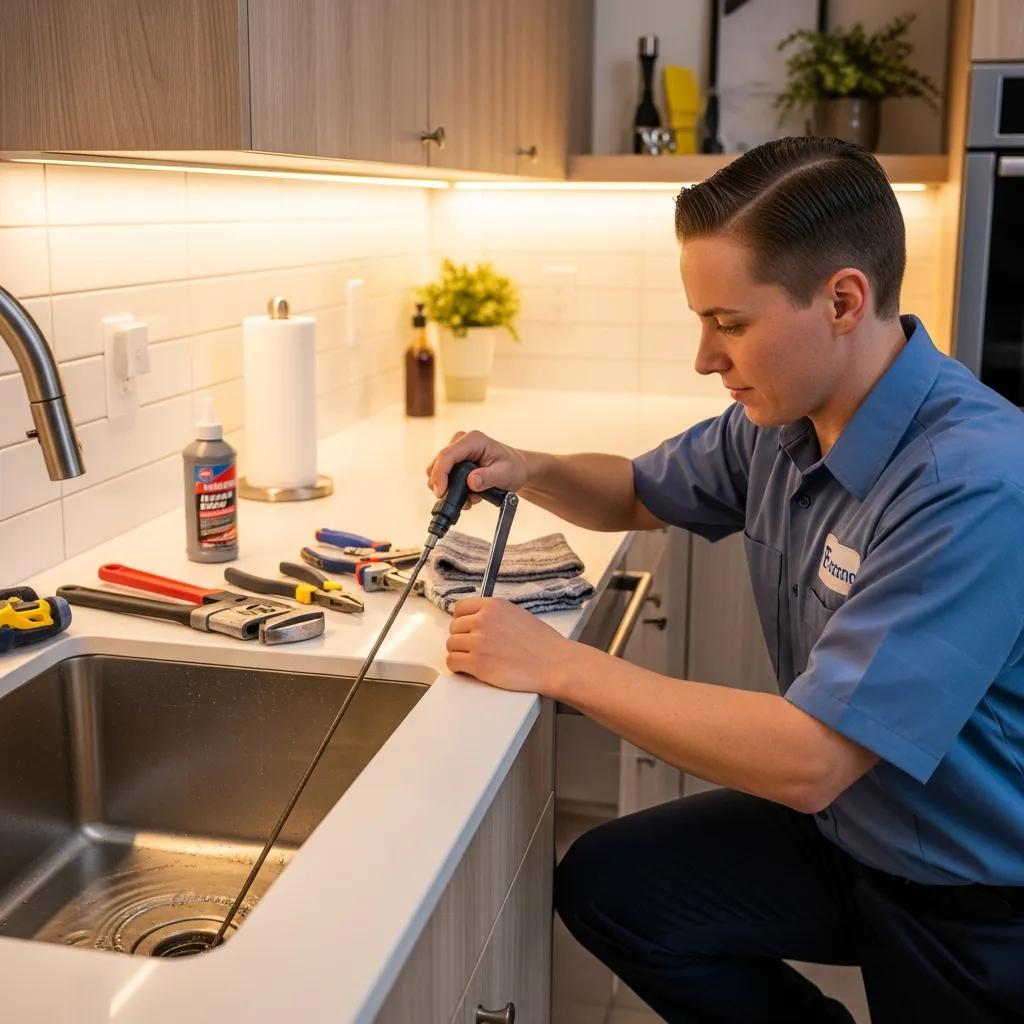
Emergency Clogged Drain Repair & Clearing — 24/7 Urgent Drain Cleaning Services in Michigan Emergency clogged drain repair and clearing stops urgent blockages that threaten your property, health, and daily routines by restoring flow and preventing backups. Severe obstructions can force wastewater into sinks, toilets, or basements—creating sanitation hazards and risking structural damage. Fast, focused action reduces those risks and avoids larger repair bills down the road. This guide helps you spot true emergencies, explains the diagnostic tools that pinpoint problems, and compares the clearing methods that fix serious clogs quickly and safely. You’ll find clear warning signs, practical steps to limit immediate harm, and straightforward pros and cons for snaking, rooter work, hydro jetting, and camera inspection. We also walk through how a professional emergency response works and what trust signals to look for when hiring 24/7 drain services in Macomb, Oakland, and Wayne counties so you can act confidently when time matters. What Are the Key Signs You Need Emergency Drain Cleaning? Call for emergency drain cleaning when symptoms point to a system-level blockage or an imminent sewage backup. True emergencies usually show up as multiple fixtures affected, a persistent sewage smell, visible wastewater, or water pooling where it should drain. Spotting these signs early reduces health risks and can steer you away from more invasive, expensive repairs. Use the checklist below to assess urgency and decide your next steps. Slow drainage in several fixtures: If sinks, tubs, and toilets are all slow, the main line could be blocked. Persistent sewage odor: Ongoing sewer smells inside the building often mean sanitary sewer gas or a backup. Gurgling or bubbling from drains: Noise from toilets or floor drains usually signals trapped air and a partial blockage. Sewage or standing water in basement drains: Visible backup in basement drains needs immediate attention to avoid flooding and contamination. Repeated clogs after temporary fixes: If snaking or plunging keeps failing, you may have roots or heavy grease buildup. When you see these indicators, take quick mitigation steps to limit damage: stop using water, avoid chemical drain cleaners, and arrange emergency diagnostics with a qualified team. Acting now can prevent a single clogged fixture from becoming a main-line collapse or a sanitary-contamination problem. How Do Slow Drains and Multiple Blockages Indicate Severe Drainage Issues? Slow drainage in one fixture usually means a localized clog near that outlet. When several fixtures slow at once, that pattern points to a main sewer line problem because the main serves multiple branches—an obstruction there produces system-wide symptoms that snaking one sink won’t permanently fix. A simple check—run water in several fixtures and watch for where backups appear—helps you tell isolated issues from system-level trouble. If plunging one fixture creates gurgling in another, treat it as a severe condition and prepare for camera inspection or hydro jetting. Knowing the difference saves time and gets professionals on the right diagnostic path sooner. What Are the Warning Symptoms of Basement Drain Backup and Sewer Line Blockage? Basement floor drain backups and sewer line blockages commonly show as standing water, a strong sewage smell, or wet/discolored flooring that signals raw wastewater intrusion. These bring immediate risks: contamination, mold growth, and structural damage if water soaks framing or insulation. Short-term steps you can take include stopping all water use, isolating the affected area, and keeping electricity away from standing water. But you’ll need professional intervention to locate and eliminate the source. When basement backups appear, assume the issue goes beyond a simple trap clog and schedule urgent diagnostics so the clearance can prevent repeats. At Frost and Kretsch Plumbing, we offer 24/7 emergency dispatch and rapid triage for customers who spot these warning signs. We prioritize urgent calls, set clear arrival expectations, and coach immediate mitigation over the phone. Our licensed master plumbers follow a diagnostic-first workflow and back their work with a satisfaction guarantee—so you get safety guidance and a clear path to resolution. If you notice multiple emergency indicators, contact a licensed emergency service that performs camera inspection and hydro jetting to limit further damage. How Does Frost and Kretsch Plumbing Provide 24/7 Emergency Drain Clearing? Frost and Kretsch Plumbing provides round-the-clock emergency drain clearing through an established dispatch and triage process focused on safety and speed. When you call about an urgent clog, intake staff evaluate symptoms, gauge severity, and dispatch licensed technicians trained for emergency work so the on-site response matches the problem. We emphasize transparent upfront pricing and a 100% satisfaction guarantee, and our mastery-level technicians aim for durable repairs rather than temporary fixes. Serving Macomb, Oakland, and Wayne counties helps shorten travel time and supports often prompt response windows for urgent jobs. Our workflow balances rapid arrival with thorough on-site diagnosis: technicians perform safety checks, isolate hazards, and use diagnostic tools to confirm the clog location before clearing. This triage-first approach reduces unnecessary excavation by prioritizing non-invasive diagnostics and targeted clearing. During emergencies we keep customers informed about arrival times and interim steps to limit damage until crews arrive. Choosing a licensed, insured team with clear pricing and a satisfaction guarantee helps you make timely decisions under stress while ensuring accountability and follow-up. What Is the Response Time and Availability for Urgent Blocked Drain Service? Response time depends on your location, traffic, and call volume, but Frost and Kretsch typically aim to respond within an hour for emergency dispatches in our service counties. We achieve rapid response through 24/7 availability and priority routing that sends the nearest qualified technician. Factors like time of day, road conditions, and other emergencies can affect exact ETA, so technicians will stabilize the scene when immediate clearing isn’t feasible. Clear communication during dispatch ensures you understand arrival windows and interim safety steps to limit damage. How Do Licensed Master Plumbers Ensure Quality and Satisfaction in Emergency Repairs? Licensed master plumbers bring the training and code knowledge needed for accurate emergency repairs and long-lasting results. They interpret camera inspections, identify whether a blockage stems from grease, roots, collapse, or scale, and