
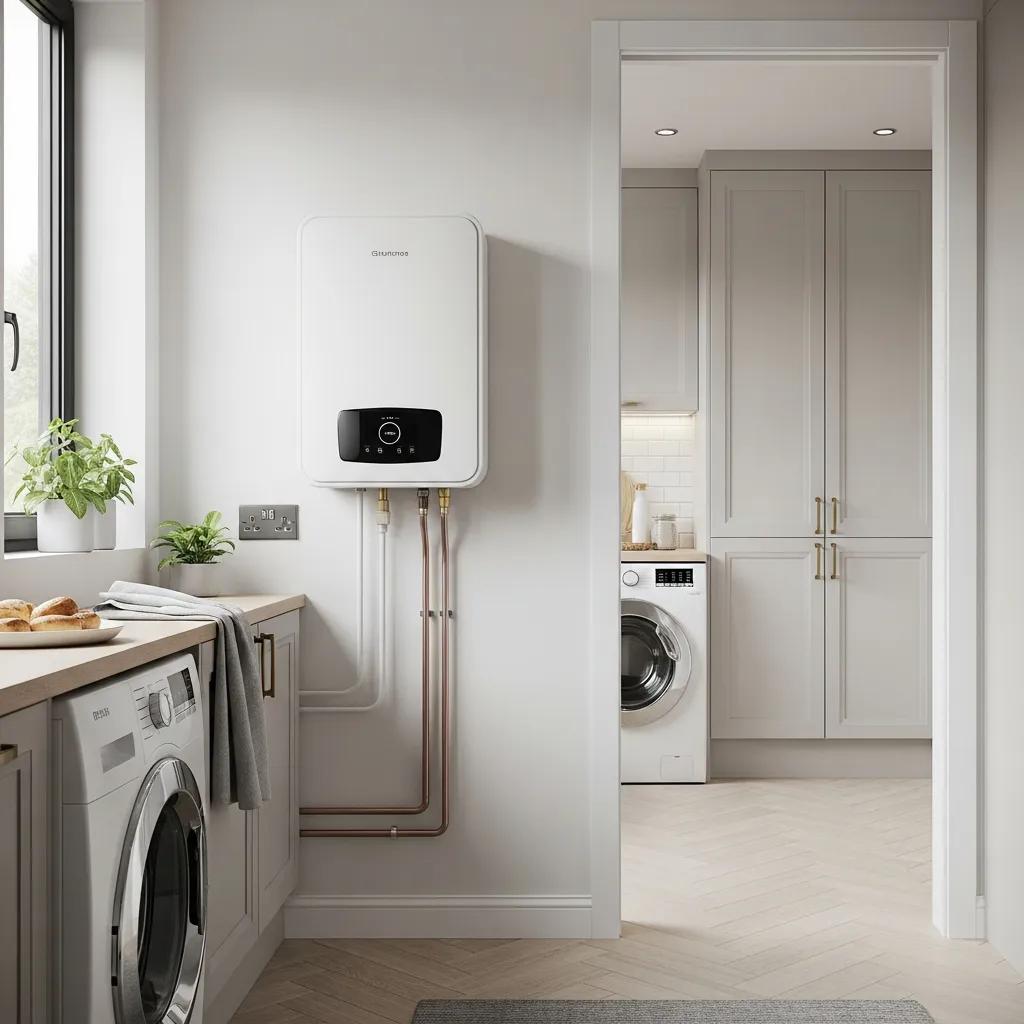
Tankless Water Heaters: Benefits & Installation — A Clear Guide to Energy‑Smart, On‑Demand Hot Water
A tankless water heater — often called on‑demand hot water — only heats water when you open a faucet. Instead of storing hot water in a tank, it runs cold water through a flow‑activated heat exchanger and heats it as needed. This guide walks through how tankless systems work, the real benefits you can expect — energy savings, uninterrupted hot water, smaller footprint, and longer service life — and what a professional installation looks like. Many homeowners deal with standby heat losses, inconsistent hot water when multiple fixtures run, or bulky equipment taking up space. Tankless systems address those issues by delivering heat at the point of use. We’ll cover the main benefits, a step‑by‑step installation overview, Michigan‑specific cost drivers, brand comparisons, recommended maintenance, and how to choose a local installer. Throughout, you’ll find practical examples, checklists, and comparison tables to help size a system, estimate costs, and plan for long‑term care.
What Are the Key Benefits of Tankless Water Heaters?
Tankless water heaters warm water as it flows through a compact heat exchanger, so there’s no standby heat loss from a stored tank. They use a high‑efficiency burner or electric heating element plus a flow sensor that only activates when you need hot water. That design usually means lower energy use and a smaller physical footprint in your home. Homeowners commonly see three main benefits: hot water available on demand for single fixtures, lower water‑heating costs for many households, and a longer service life compared with standard storage tanks. Replacing an older tank can also cut your household’s energy use and carbon footprint. The sections below explain how “endless” hot water works and what kind of energy savings are realistic.
Practical advantages at a glance:
- Endless Hot Water: Heats on demand so you don’t run out like you can with a tank.
- Energy Savings: Cuts standby losses and can lower water‑heating energy use for many homes.
- Space Savings & Longer Life: Wall‑mounted, compact design and typically longer useful life than storage tanks.
Those benefits make tankless heaters a solid option for homeowners who want efficient, on‑demand hot water. The table below summarizes common benefit metrics and expected lifespan ranges.
Useful performance attributes and lifespan expectations for comparisons.
| Benefit | Metric | Typical Range |
|---|---|---|
| Energy efficiency (vs. tank) | Reduction in water‑heating energy use | ~24%–34% for qualifying profiles |
| Lifespan | Years of useful service | Often 20 years or more depending on maintenance |
| Space footprint | Installation footprint | Wall‑mounted, small cabinet footprint |
This comparison shows energy savings and longer life as the main wins; proper sizing and regular maintenance determine where a given installation lands inside these ranges. Next, we explain how flow‑activated heating delivers effectively limitless hot water for everyday fixtures.
How Do Tankless Water Heaters Provide Endless Hot Water?

Tankless units heat water as it passes through the heat exchanger and only run the burners or electrical elements while the flow sensor detects demand. That avoids the finite volume limit of a storage tank. The unit’s flow rate (GPM) determines how many fixtures it can serve at once. Typical examples: a shower uses about 1.5–2.5 GPM, a bathroom sink about 0.5–1.0 GPM, and a dishwasher roughly 1.5 GPM. If several fixtures run at the same time, the total GPM can exceed a single unit’s capacity — which is why higher‑capacity models or multiple units are specified for homes with high simultaneous use. Proper sizing with professional load calculations ensures your system delivers continuous hot water when you need it.
That flow‑based design also affects how much you can save by switching to tankless; see the next section.
What Energy Savings Can Homeowners Expect with Tankless Systems?
Most energy savings come from avoiding standby heat loss tied to storage tanks. Recent analyses show typical energy reductions in the mid‑20s to low‑30s percent for households with moderate to low hot‑water demand. For many families, that works out to roughly $100–$200 saved per year on water‑heating bills, though actual savings depend on local fuel prices, household size, and usage patterns. Homes with frequent short draws of hot water (many brief showers or appliance cycles) benefit most because tankless units don’t repeatedly reheat stored water. When weighing upfront cost against savings, factor in both the expected percentage reduction and the longer service life from less thermal cycling — both affect lifecycle cost comparisons.
Understanding likely savings helps shape installation choices like sizing and unit type, which we cover next.
How Is a Tankless Water Heater Installed?
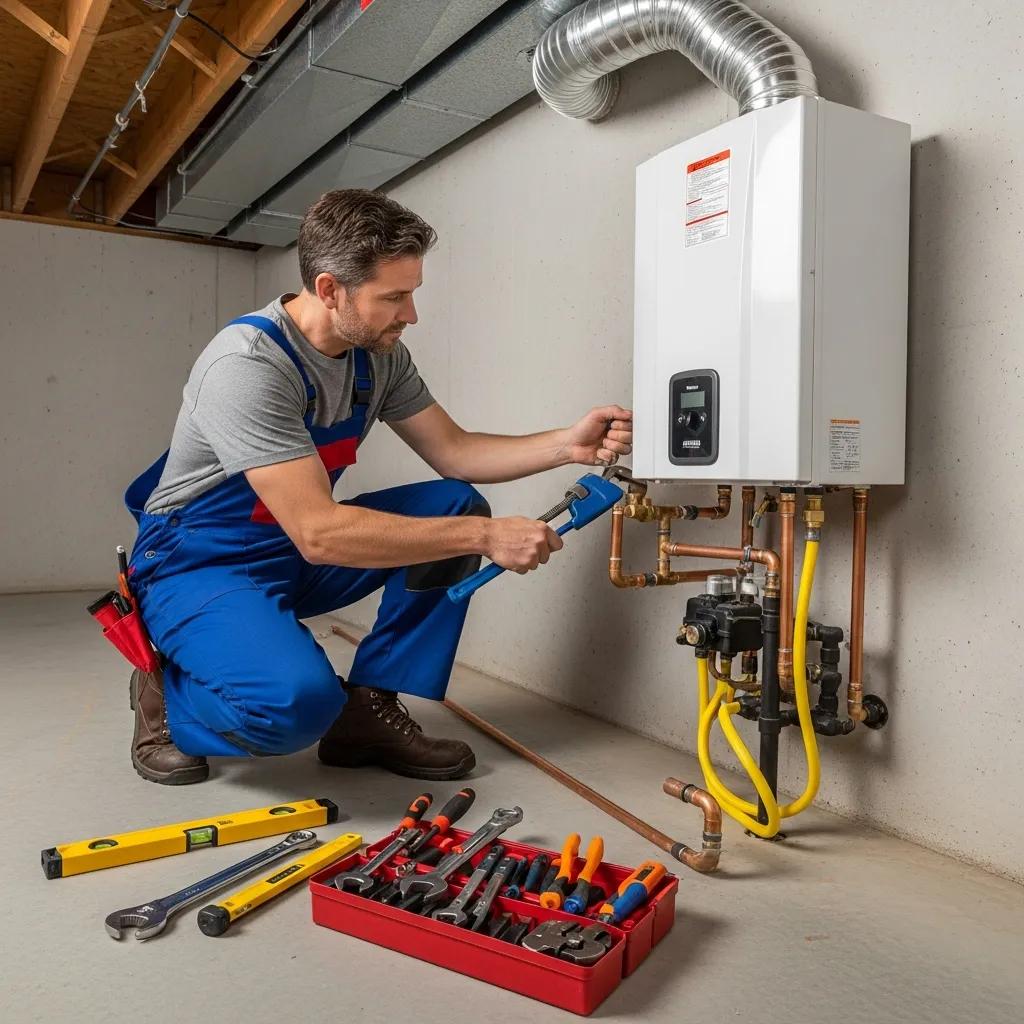
A professional installation starts with a site visit to determine flow‑rate needs, fuel type suitability, venting and combustion‑air requirements, and any necessary gas‑line or electrical upgrades. Proper installation matches unit capacity to peak simultaneous demand and verifies safe venting and clearances so the system runs efficiently and meets code. Typical installation steps include removing the old heater, mounting the tankless unit, connecting water and fuel or electrical supplies, installing or modifying venting, and commissioning the system with leak and combustion checks. Permits and inspections are commonly required when gas or electrical work is involved to confirm safety and code compliance.
Typical installation phases and timeframes:
- Assessment & Sizing: On‑site load calculation and equipment selection, usually 30–60 minutes.
- Structural & Utility Prep: Venting, gas line or electrical upgrades as needed — hours to a day depending on scope.
- Mounting & Connections: Install, plumb, and wire the unit — roughly 2–4 hours for most residential jobs.
- Commissioning & Testing: Leak tests, combustion checks, and a customer walkthrough — generally about 1 hour.
This step‑by‑step outline helps homeowners plan for timeline and complexity. The table below summarizes how gas and electric installs typically differ.
How installation types compare by venting and extra work required.
| Installation Type | Venting Required | Typical Additional Work Required |
|---|---|---|
| Gas tankless | Yes — combustion venting and air intake | Possible gas line sizing/upgrade and combustion safety checks |
| Electric tankless | No combustion venting (requires proper electrical service) | Electrical service upgrade or dedicated circuit installation |
| Condensing/tiered units | Specialized venting materials may be required | Additional condensate drainwork and condensate‑safe piping |
Fuel type and existing home systems drive installation scope and cost. Our professional assessments at Frost and Kretsch Plumbing identify the right approach for your home and handle permits and inspections. Next, we’ll walk through the professional installation process in detail.
What Are the Step-by-Step Processes for Professional Installation?
Installation starts with confirming peak hot‑water demand and running a load calculation to pick a unit with the right GPM capacity and temperature‑rise capability. The installer checks fuel and venting needs: gas units require certified venting and combustion‑air provisions, while electric models need adequate panel capacity and dedicated circuits. After obtaining permits and preparing the site, the old heater is removed, the new unit mounted, and water and fuel/electrical connections completed with leak and pressure tests. Final steps include commissioning the system, verifying temperature and flow, and giving you a walkthrough on operation and maintenance recommendations.
These steps make the differences between gas and electric installations clearer in practice.
What Are the Differences Between Gas and Electric Tankless Installations?
Gas tankless units need combustion venting, proper clearances, and sometimes upgraded gas piping to reach rated BTU input. Electric units don’t need combustion venting but do require sufficient electrical capacity and heavy‑gauge wiring. Gas installs can involve vent routing and occasional exterior or masonry work; electric installs may call for service upgrades or extra breakers. In some cases, gas units offer higher flow rates for a given temperature rise, while electric units can be easier to site and control. The best choice depends on your home’s existing utilities, the hot‑water capacity you need, and your budget for any upgrades.
Understanding these differences leads into cost drivers addressed next.
What Factors Influence Tankless Water Heater Installation Cost in Michigan?
Costs hinge on several main drivers: unit type and capacity, venting complexity, gas‑line or electrical upgrades, labor time, and permit/inspection fees. Equipment choice (condensing vs. non‑condensing, brand, and capacity) sets the baseline price. Long vent runs, wall penetrations, or chimney modifications add material and labor. Local permit and inspection fees and any structural work also affect the final bill. Tight mechanical rooms or hard‑to‑access locations can increase labor time. Because these variables combine differently in each home, we recommend a transparent on‑site estimate for Michigan properties to get an accurate price.
Main cost drivers to watch:
- Unit type and capacity: Higher‑capacity or condensing units cost more.
- Venting and structural work: Long vent runs or specialty materials raise costs.
- Utility upgrades: Gas line sizing or electrical service upgrades add parts and labor.
- Permits and inspections: Local code compliance and municipal fees affect total price.
The table below lays out these drivers and their typical impact on a budget.
Structured view of common cost drivers and their effects.
| Cost Driver | Why It Matters | Typical Impact on Price |
|---|---|---|
| Unit capacity/type | Determines performance and equipment cost | Moderate to high |
| Venting complexity | Affects materials and labor required | Moderate |
| Gas/electrical upgrades | May require utility work or panel changes | Moderate to high |
| Permits/inspections | Required for safety and code compliance | Low to moderate |
Frost and Kretsch Plumbing offers upfront estimates and on‑site assessments to identify these drivers early — especially across Macomb, Oakland, and Wayne counties where codes and inspection steps vary. A licensed assessment helps prevent surprises. The sections below explain how sizing and local permitting affect pricing.
How Do Sizing and Home Requirements Affect Installation Pricing?
Sizing depends on peak simultaneous demand (GPM) and required temperature rise from your incoming water to the setpoint you want. Higher GPM needs or greater temperature rises call for higher‑capacity units, which cost more. Homes that run multiple fixtures at once — for example, two showers and a dishwasher — may need a single higher‑capacity unit or multiple units, increasing equipment and labor costs. If existing gas lines or electrical service are undersized, upgrades are an additional expense. Accurate load calculations during an on‑site visit are the best way to predict capacity needs and estimate price impacts.
Sizing choices also influence the permits and inspections required after installation.
Are There Permit or Local Code Considerations in Macomb, Oakland, and Wayne Counties?
Permits are usually required whenever gas lines or electrical service are modified or when a new appliance with ventilation is installed. Processes vary by county and sometimes by city, so timelines and documentation differ across Macomb, Oakland, and Wayne counties. Inspections typically verify venting, combustion safety, and electrical connections, and some municipalities require contractor licensing checks. Because codes and procedures change, working with licensed installers who handle permits and scheduling reduces risk and helps ensure compliance. Hiring a professional to manage permitting streamlines approval and lowers the chance of costly rework from missed requirements.
With costs and compliance covered, the next section compares popular brands homeowners choose for tankless installations.
Which Are the Best Tankless Water Heater Brands for Home Use?
Several manufacturers lead the residential tankless market, each with distinct strengths. Choose a brand based on efficiency, reliability, local service support, and features like condensing technology or combi capability. Rinnai has a wide model range and strong service network, Navien specializes in high‑efficiency condensing and combi units, and Noritz is known for compact, dependable units for tighter spaces. Brand choice also affects warranty terms, parts availability, and how familiar local installers are with service and repairs. The table below compares these brands by efficiency and feature focus to help homeowners weigh their options.
Brand comparisons to match features with homeowner priorities.
| Brand | Efficiency & Features | Typical Warranty / Note |
|---|---|---|
| Rinnai | Wide model selection, strong service network | Warranty varies by model; check manufacturer |
| Navien | High‑efficiency condensing, combi models available | Warranty varies by model; check manufacturer |
| Noritz | Compact form factors and reliable operation | Warranty varies by model; check manufacturer |
When choosing, weigh condensing vs. non‑condensing efficiency, model range, and local serviceability. Installer familiarity with a brand also affects long‑term performance and ease of repairs. The following subsections summarize each brand’s strengths and compare efficiency and reliability considerations.
What Are the Features and Benefits of Rinnai, Navien, and Noritz Models?
Rinnai offers both non‑condensing and condensing models, broad accessory options, and a large installer network, making it a flexible choice for many homes. Navien focuses on condensing technology that boosts thermal efficiency by recovering heat from exhaust gases, and its combi models combine space heating and domestic hot water in one unit — useful for compact layouts. Noritz builds compact, reliable units that are easy to fit in tight mechanical spaces and emphasize straightforward installation. Each brand’s strengths align with different homeowner needs: broad support and options, top condensing efficiency, or compact dependable units.
These brand traits play into efficiency and long‑term reliability comparisons discussed next.
How Do These Brands Compare in Terms of Efficiency and Reliability?
Efficiency often depends on whether a model uses condensing technology — condensing units recover extra heat from exhaust and typically show higher annual combustion efficiency. Reliability rests on component quality, ease of servicing, and parts availability; a strong local service network and installer familiarity reduce downtime. Warranty terms and expected lifespan vary by model and maintenance history, so pick models with good service coverage locally and schedule regular maintenance to maximize long‑term performance. Balancing efficiency gains with local serviceability and maintenance support is key to choosing the right brand.
Next, we cover maintenance practices that help tankless systems last.
How Should Tankless Water Heaters Be Maintained for Longevity?
Regular maintenance keeps the heat exchanger working well and prevents scale buildup that reduces flow and efficiency — especially important in hard‑water areas. Typical yearly tasks include flushing the heat exchanger with a descaling solution, checking inlet filters and strainers, inspecting venting, and running combustion and safety checks for gas units. Homeowners can watch for early signs of trouble — reduced flow, temperature swings, or error codes — while scheduled professional service tackles deeper descaling and inspections. Proactive care extends unit life, preserves energy savings, and lowers the chance of emergency repairs.
Use this simple checklist to stay on schedule.
Annual maintenance checklist:
- Flush and descale the heat exchanger: Annually, or more often if water hardness requires it, to remove mineral buildup.
- Inspect inlet filters and strainers: Clean monthly or quarterly to prevent flow restriction.
- Check venting and condensate drains: Ensure vents are clear and corrosion‑free and condensate drains function properly.
- Professional combustion and safety inspection: Annually for gas units to confirm safe operation.
Following this checklist helps avoid performance decline and sets the stage for the more detailed procedures below.
What Are the Recommended Flushing and Descaling Procedures?
A homeowner‑friendly descaling routine starts by isolating the unit and circulating a manufacturer‑approved descaling solution through the heat exchanger with a pump kit. The process usually takes about one to two hours and removes mineral deposits that reduce heat transfer. After descaling, flush with clean water, inspect and clean filters, and recommission the unit while checking for leaks and proper temperature control. In high‑mineral areas, semi‑annual professional descaling may be wise; technicians can perform more thorough cleaning where DIY kits aren’t enough. Scheduling descaling based on local water hardness helps protect warranties and maintain efficiency.
How Can Common Problems Be Troubleshooted and When to Call Professionals?
Typical signs of trouble include reduced hot‑water flow, fluctuating outlet temperatures, or error codes on the control panel. Start by checking power and fuel supply, inspecting inlet filters, and following the manufacturer’s reset steps. If those actions don’t help, persistent temperature swings, combustion smells, or repeated error codes need professional attention — they can signal combustion, venting, or electrical safety issues. Licensed technicians read diagnostic codes, replace worn parts, and perform combustion and leak tests that go beyond routine homeowner maintenance. Call a pro at the first sign of combustion or electrical anomalies to protect safety and equipment life.
With maintenance and troubleshooting covered, the final section explains why working with a local pro matters.
Why Choose Frost and Kretsch Plumbing for Tankless Water Heater Installation in Michigan?
Frost and Kretsch Plumbing provides licensed technicians for residential and commercial plumbing work, including water‑heater replacement, maintenance, and tankless installations across Macomb, Oakland, and Wayne counties. We focus on clear, upfront pricing with honest estimates and stand behind our work with a 100 percent satisfaction guarantee. Our team also offers 24/7 emergency service to handle urgent plumbing or water‑heating problems. For homeowners looking to upgrade to tankless, our local knowledge, transparent estimates, and full service range help ensure code‑compliant installations that perform reliably over time.
What Unique Value Does Frost and Kretsch Plumbing Offer for Tankless Services?
Frost and Kretsch Plumbing combines licensed technicians, clear upfront estimates, and a 100 percent satisfaction guarantee to give homeowners confidence during complex tankless projects. Our 24/7 emergency response gets you help fast when you need it. We provide end‑to‑end services — from drain cleaning to water‑heater maintenance and excavation when necessary — and we manage permits, venting and gas/electrical assessments, plus post‑installation commissioning. Handling these steps reduces homeowner risk and streamlines compliance with local codes — exactly what most people want when upgrading to on‑demand hot water.
Which Service Areas Are Covered for Tankless Water Heater Installation?
We serve homes and businesses across Macomb County, Oakland County, and Wayne County and tailor on‑site assessments to the permit and inspection practices in each area. Homeowners in these counties get localized guidance on code requirements, venting allowances, and typical inspection timelines that affect project planning. For precise pricing and compliance details, we recommend an on‑site assessment and a transparent written estimate that lists any upgrades and permit steps required by your municipality. Local expertise minimizes unexpected changes during installation and helps match system selection to county rules.
Our county‑specific coverage means you get accurate, code‑compliant planning for tankless installs.
Frequently Asked Questions
1. How do I choose the right size tankless water heater for my home?
Start by estimating your peak hot‑water demand in gallons per minute (GPM). Add the GPM for fixtures you’ll run at the same time — showers, sinks, and appliances each have typical GPM values. That total tells you the capacity you need. A professional installer can verify your calculation, recommend the right unit, and make sure you’re not paying for more capacity than you’ll use.
2. What maintenance is required for tankless water heaters?
Regular maintenance keeps a tankless unit efficient and reliable. Flush and descale the heat exchanger at least annually (more often in hard‑water areas), check inlet filters, inspect venting, and have a professional perform combustion and safety checks on gas units. Doing this extends service life and helps prevent costly breakdowns.
3. Can I install a tankless water heater myself?
We don’t recommend DIY for tankless installation. Proper installation involves venting, correct gas‑line or electrical work, and code compliance. A licensed technician performs accurate load calculations, handles permits, ensures safe venting, and provides warranties on labor. DIY installs can create safety risks, void warranties, or lead to expensive fixes down the road.
4. What are the environmental benefits of tankless water heaters?
Tankless systems reduce energy use by eliminating standby heat loss from storage tanks, which lowers fuel consumption and greenhouse gas emissions. Their typically longer service life also means fewer units retired to landfills. Together, these factors make tankless a greener option compared with many conventional tanks.
5. How do I troubleshoot common issues with tankless water heaters?
Common issues include low hot‑water flow, temperature swings, and error codes. First check power and fuel supply, inspect inlet filters for blockages, and try the manufacturer’s reset procedure. If problems persist, especially combustion smells or repeated error codes, call a licensed technician — those symptoms can indicate safety issues that require professional diagnosis.
6. What should I consider when comparing different tankless water heater brands?
Compare efficiency ratings, warranty terms, local service availability, and features like condensing or combi capabilities. Choose brands with a reputation for reliability and good local parts and service support. Installer familiarity with a brand also makes repairs and maintenance easier over time.
7. Are there any rebates or incentives for installing tankless water heaters?
Many utilities and government programs offer rebates or incentives for energy‑efficient appliances, including tankless water heaters. These incentives can reduce initial costs. Check with your local utility and state energy offices for programs in your area, and ask manufacturers about any current promotions.
Conclusion
Switching to a tankless water heater offers real benefits: better energy efficiency, on‑demand hot water, and a compact design that frees up space. This guide gives you the essentials on how they work, what installation and maintenance involve, and how brands compare. If you’re ready to explore tankless options for your home, reach out to a licensed installer for a site visit and a clear estimate. Contact Frost and Kretsch Plumbing to get advice tailored to your home and to make sure you get the full benefit of tankless technology.