Why DIY Drain Cleaning Can Damage Your Pipes — Risks, Costs, and When to Call a Pro
Reaching for a bottle of drain cleaner or a rented auger is a common quick fix for slow drains and bad smells. But repeated DIY attempts can hide damage that ends up costing a lot to fix. This article walks you through how chemical drain cleaners and mechanical tools like drain snakes can physically and chemically harm different pipe types, the health and environmental risks involved, and why a professional diagnosis often stops the problem at its source. You’ll get a clear look at how pipes corrode or deform, typical repair cost ranges for 2024, and proven professional options—sewer camera inspection and hydro jetting—that find and fix root causes safely. We also compare short-term DIY “saves” with long-term replacement and remediation costs, and explain when homeowners in Macomb, Oakland, and Wayne counties should bring in a licensed plumber. Keywords like chemical drain cleaner, drain snake damage, hydro jetting, sewer camera inspection, and pipe corrosion appear throughout so you can spot warning signs and decide wisely between repair and DIY.
What Are the Hidden Dangers of Using Chemical Drain Cleaners?
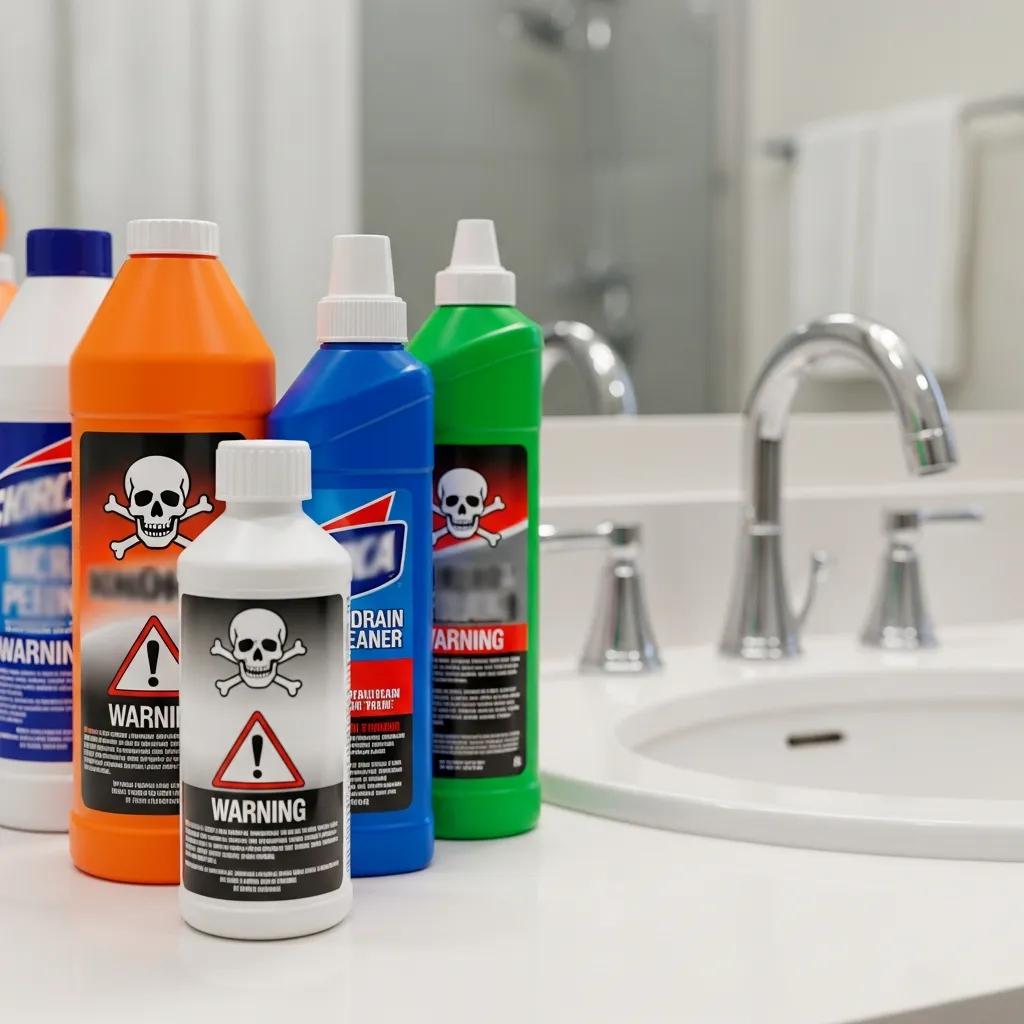
Chemical drain cleaners are powerful formulas meant to dissolve hair, grease, and organic clogs. They work by creating heat and highly caustic reactions that break down material — and that same action can attack pipe walls, damage seals, and leave corrosive residue behind. Because many products are strongly alkaline or acidic and act broadly, they may only partially clear a clog while attacking surrounding plumbing. That often leads to repeated pours and compounded damage. Knowing the active ingredients and what they do helps you understand which pipe materials are at risk and why pros generally avoid indiscriminate chemical use.
The quick reference table below shows common active ingredients and the kinds of damage they can cause to typical residential pipes.
| Chemical Product | Active Ingredient | Effect on Pipe Materials |
|---|---|---|
| Lye-based drain cleaner (sodium hydroxide) | Sodium hydroxide (lye) | Generates heat and saponifies grease; can soften PVC and damage rubber seals |
| Acid-based drain cleaner | Sulfuric acid | Produces rapid heat and corrosive by-products; can etch metal and accelerate cast-iron deterioration |
| Enzyme/biological cleaners | Bacterial enzymes | Gentler and safer for septic systems but slow; limited on established grease or heavy scale |
In short: lye and sulfuric acid clear clogs fast by creating heat and corrosive residues, but that speed can shorten the life of both metal and plastic plumbing. The next section breaks down how different pipe materials respond to these chemicals.
How Do Chemical Drain Cleaners Damage Different Pipe Materials?
Chemicals harm pipes through direct reactions, thermal stress, and by degrading seals and joints — but each material responds differently. PVC and PEX can soften or warp from high heat or strong alkalis, which may misalign fittings and lead to leaks. Cast iron and galvanized steel can pit and corrode faster if acidic residues linger, creating pinhole leaks and structural weakness. Copper may show surface etching and solder-joint damage, and rubber gaskets or trap seals can harden or dissolve, compromising watertight connections.
Real-life examples make this clear: repeatedly pouring lye down a slow kitchen drain can soften PVC elbows so they separate later, while a sulfuric-acid treatment in an old cast-iron run can speed pitting and force early replacement. For persistent or recurring clogs, the safer move is a professional diagnostic that finds the cause instead of repeating chemical assaults.
What Are the Health and Environmental Hazards of Chemical Drain Cleaners?
Chemical drain cleaners carry immediate personal hazards: they can cause chemical burns to skin and eyes, and the heated fumes can irritate or damage the respiratory tract. If exposure occurs, flush the area with water and seek medical attention for serious contact — these materials can keep reacting and cause deeper injury. Environmentally, residues that reach septic systems or municipal treatment plants can kill beneficial bacteria, reduce septic performance, and raise treatment costs. Runoff or improper disposal can also harm local waterways and aquatic life.
Because of both safety and environmental concerns, professionals usually recommend avoiding household corrosive cleaners for stubborn or complex clogs and opting instead for targeted mechanical or high-pressure solutions that limit toxic discharge and protect septic biology. Next, we’ll cover mechanical DIY tools and the risks they introduce.
How Can Drain Snakes Cause Pipe Damage During DIY Drain Cleaning?
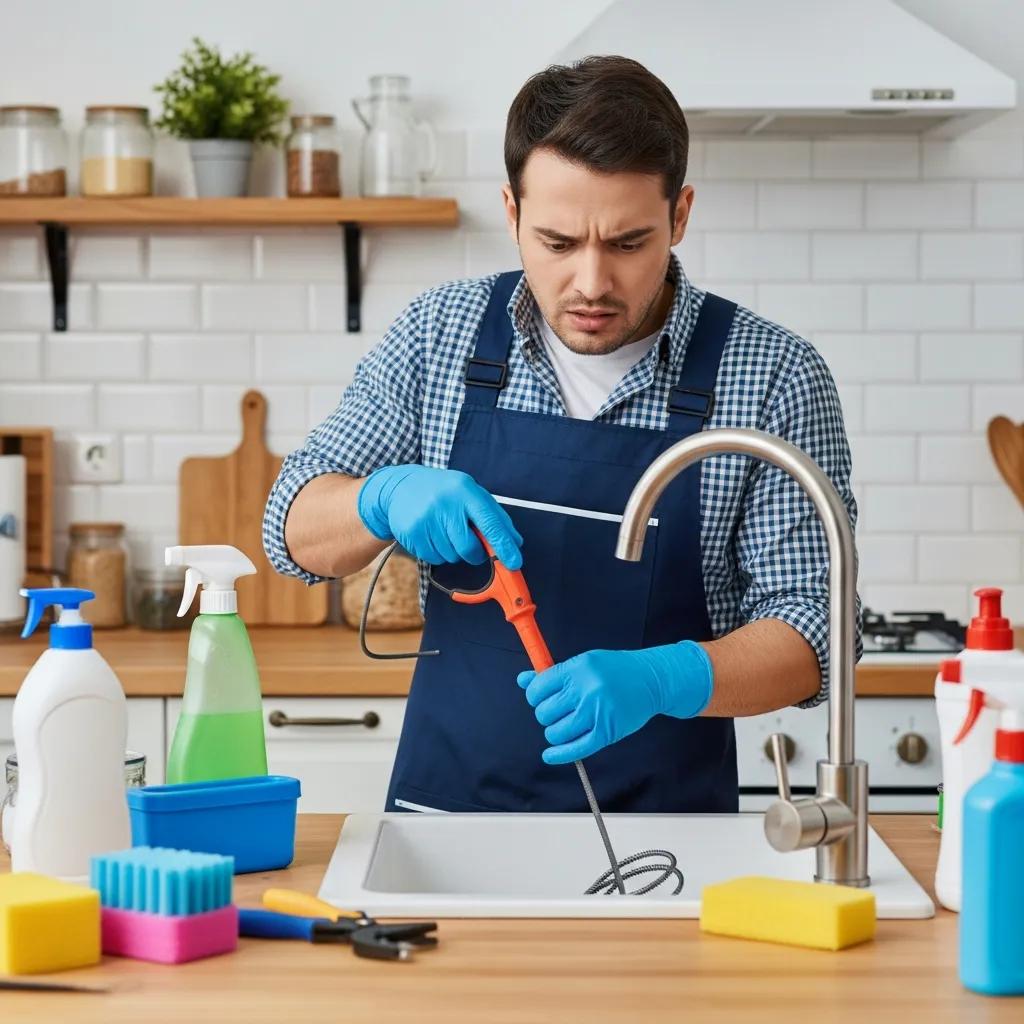
A drain snake (auger) uses a flexible cable or rigid shaft to break up or extract blockages. In skilled hands it’s useful — misused, it can cause real damage. The wrong cable size, too much force, bad insertion angle, or improper use of a powered auger can puncture thin-walled pipes, scrape inner surfaces, or pry apart joints. Mechanical action that seems to clear a clog can also push debris deeper or compact it against offsets and roots, creating a tougher, recurring obstruction.
- Common physical damage from snakes: punctures, interior scratching, and joint separation.
- Older or corroded materials (like aged cast iron) are more likely to fracture under auger stress.
- Misused power augers can shove debris into the mainline, increasing the chance of repeat clogs.
Because of these risks, mechanical clearing without proper diagnosis can make a clog worse instead of fixing the underlying cause. The following subsections explain the damage types and how recurrence happens.
What Types of Pipe Damage Can Drain Snakes Cause?
Drain snakes can concentrate pressure at the tip and cause hairline punctures in thin or corroded sections, which may become leaks under normal use. Interior scratching strips protective coatings and speeds corrosion by exposing fresh metal, and aggressive angling can stress joints and gaskets, causing separation or extrusion that leads to persistent leaks. In extreme cases, an auger can catch on scale or offsets and lever whole pipe segments out of alignment, requiring localized excavation or section replacement.
Why Does Improper Use of Drain Snakes Lead to Recurring Clogs?
Improper snaking often results in partial clearing, where the auger breaks a clog into smaller pieces that lodge farther down the line or compact against irregularities, turning a removable mass into a stuck bolus. Pushing debris deeper can also shove root-laden fragments into joints where they tangle and create chronic blockages. Snaking without inspection also misses root causes — root intrusion, collapsed runs, or misaligned pipes — so homeowners end up treating symptoms instead of solving the problem.
A sewer camera inspection shows whether a blockage is organic buildup or structural. Without that diagnostic step, repeated snaking becomes maintenance rather than a real fix. Professional tools and a diagnosis-first approach reduce repeat calls and lower long-term expense.
What Are the Financial Consequences of DIY Drain Cleaning Mistakes?
DIY errors can turn a simple clog into a repair project that includes pipe replacement, water-damage cleanup, and mold remediation — costs that often exceed a professional diagnosis. Repair price depends on which section is damaged, the pipe material, and how accessible the work area is. Small, accessible repairs are relatively affordable; mainline replacements or excavation are much pricier. Indirect costs like lost use, replacing flooring or cabinets, and mold remediation add up quickly. Comparing common DIY damage scenarios with professional intervention shows why accurate diagnosis often saves money.
| Problem (DIY action) | Typical Damage | Estimated Repair Cost Range (2024) |
|---|---|---|
| Repeated chemical pouring | Corrosion, joint failure, degraded seals | $500 – $2,500 |
| Aggressive snaking without inspection | Punctures, joint separation, pushed debris | $600 – $3,200 |
| Delayed professional diagnosis | Mainline root intrusion or collapse | $1,500 – $4,700 |
That comparison shows how a small DIY attempt can escalate into mid- to high-thousand-dollar repairs for mainline problems. Often, a single pro visit with camera diagnostics avoids repeated costs and narrows the repair to what’s actually needed. The next sections break down typical repair ranges and explain why professional work pays off over time.
How Much Can Pipe Repair and Water Damage Cleanup Cost?
Costs depend on scope: a small, accessible section repair or joint replacement may run from the low hundreds to a few thousand dollars, while main sewer line replacement, deep lateral repairs, or collapsed runs commonly reach several thousand. Water damage cleanup — removing wet insulation, drywall, or flooring — adds remediation and mold mitigation costs that can range from hundreds to several thousand dollars depending on affected area and drying time. Accessibility and local labor rates also affect the final bill; 2024 estimates reflect current materials and remediation demand.
Because many cost drivers hinge on access and whether excavation is required, homeowners should favor a fast professional diagnosis when structural damage or repeat failures are suspected, instead of continuing DIY fixes that increase complexity and expense.
Why Is Professional Intervention More Cost-Effective Long-Term?
Professional service is more economical long-term because it combines targeted diagnostics with the right corrective action, avoiding repeated partial fixes that make problems worse. A sewer camera inspection pinpoints root intrusion, offsets, or collapse early, allowing focused repairs or hydro jetting instead of blind excavation or repeated chemical use. Licensed technicians use calibrated equipment and protocols that minimize collateral damage, preserve existing materials, and often include warranties that limit future liability. Preventive maintenance programs tailor cleaning intervals to actual conditions, cutting emergency calls and extending pipe life.
Those long-term savings come from accurate diagnosis, professional-grade methods, and warranty-backed workmanship that lower repeat service costs and reduce the chance of surprise large repairs. For many homeowners, a short diagnostic visit prevents a much larger expense down the road. The next section explains the professional methods that protect your pipes.
What Are the Benefits of Professional Drain Cleaning Services?
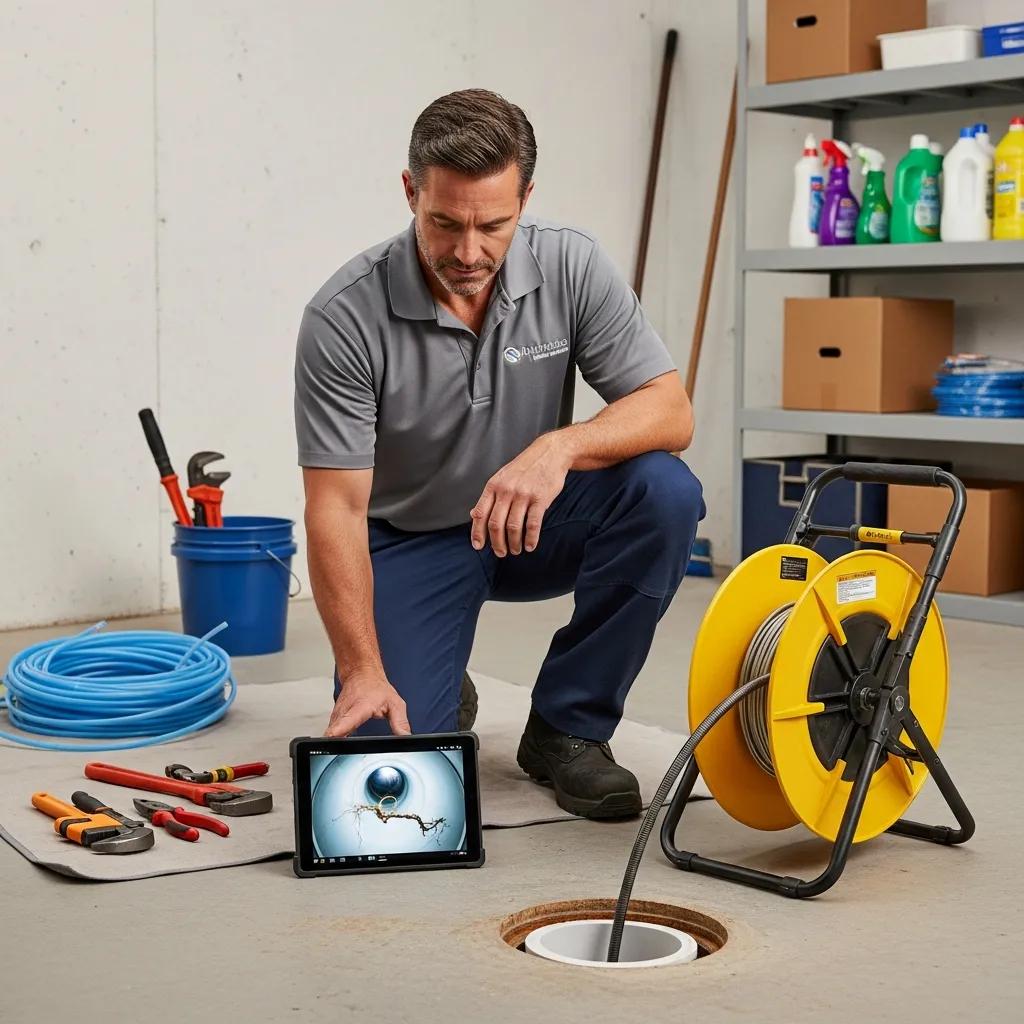
Professional drain cleaning combines precise diagnostics, safer clearing methods, and preventive plans that protect pipes and household health. Licensed technicians pair a camera inspection to diagnose structural issues with hydro jetting or professional mechanical tools sized to the problem. These methods remove grease, scale, and roots without resorting to harsh chemicals. That calibrated approach cuts collateral damage, addresses the root cause — whether biological, mechanical, or structural — and reduces repeat clogs and invasive repairs while giving you a predictable maintenance plan based on real conditions.
| Professional Method | What It Diagnoses/Fixes | Typical Benefits |
|---|---|---|
| Sewer camera inspection | Locates root intrusion, cracks, offsets, and buildup | Accurate diagnosis; targeted repairs; avoids unnecessary excavation |
| Hydro jetting | Removes grease, scale, and roots with high-pressure water | Non-chemical, thorough clearing; restores flow; reduces recurrence |
| Mechanical auger (professional-grade) | Cuts roots, extracts obstructions in a controlled way | Controlled force, less risk of puncture; useful for targeted blockages |
That table shows why camera inspection plus hydro jetting is a best-practice: the camera finds the issue and hydro jetting cleans it without caustic residues. For homeowners in Macomb, Oakland, and Wayne counties, Frost and Kretsch Plumbing offers sewer and drain cleaning using camera inspection and hydro jetting, backed by 24/7 emergency service, clear pricing, licensed technicians, and a 100 percent satisfaction guarantee. Our approach protects pipe integrity while fixing the underlying problem.
The following subsections explain hydro jetting and camera inspections in practical terms and why licensing and insurance matter for safety and liability protection.
How Do Hydro Jetting and Sewer Camera Inspections Protect Your Pipes?
Hydro jetting uses high-pressure water through a specialized nozzle to cut and flush away grease, mineral scale, and roots without leaving chemical residues — when applied at the right pressure for the pipe material, it can restore near-original pipe diameter. Sewer camera inspection sends a camera head into the line to visually assess internal conditions, pinpointing cracks, offsets, and the exact location of intrusions so technicians can choose the least invasive repair. Together, they prevent repeat blind fixes, match cleaning pressure to pipe type, and reduce the need for exploratory excavation.
Recommended service intervals depend on use and pipe condition. For many homes, a camera inspection every 1–2 years and hydro jetting when scale or roots are detected strike the right balance between prevention and cost control. These diagnostic-first workflows are why professionals prefer planned, targeted work over reactive DIY methods.
Why Trust Licensed and Insured Plumbers for Drain Cleaning?
Licensed, insured plumbers bring standardized training, safety procedures, and calibrated equipment that reduce the risk of accidental damage or improper repairs. Licensing ensures technicians know code requirements and the right repair methods for different pipe materials, while insurance protects homeowners if unintended damage occurs during service. Professional companies also maintain and calibrate equipment and follow safety practices for confined-space and wastewater work, minimizing health risks.
When hiring, look for transparent pricing and written guarantees — these shift liability away from the homeowner and make long-term maintenance predictable. With those benefits in mind, the next section helps you decide when to call a licensed pro, especially in an emergency.
When Should You Call Frost and Kretsch Plumbing for Drain Cleaning?
Call Frost and Kretsch Plumbing when your issue looks more serious than a simple DIY fix: multiple fixtures backing up, persistent sewage odors, slow drainage across several drains, or any sign of sewage backup. Those signs usually point to mainline or lateral problems and need prompt professional diagnosis to prevent water damage and health risks. In true emergencies — sewage backing into living areas or sudden major backups — fast dispatch can limit damage; our team can advise basic mitigation steps over the phone while help is on the way.
- Two or more fixtures are clogged or draining slowly at the same time.
- A strong sewage odor persists and doesn’t clear with ventilation.
- You see sewage backing up into the home or yard.
- Repeated clogs occur after DIY attempts or chemical treatments.
If two or more of these apply, contact a licensed professional right away. Frost and Kretsch Plumbing serves Macomb, Oakland, and Wayne counties with 24/7 emergency availability, local expertise, on-site sewer camera inspection, hydro jetting capability, clear pricing, and a 100 percent satisfaction guarantee. For urgent help, call our dispatch line at (586) 675-0097 to reach local technicians who can recommend immediate mitigation steps and schedule a prompt evaluation.
What Emergency Services Does Frost and Kretsch Plumbing Offer?
We provide 24/7 emergency dispatch for severe backups and active sewage events, offering temporary mitigation like controlled bypass pumping, temporary plugs, and short-term containment to limit structural damage until permanent repairs are completed. Technicians perform on-site camera inspections to identify the emergency’s root cause and recommend immediate next steps — hydro jetting, targeted repair, or excavation. We also coordinate with restoration pros when water damage and mold remediation are needed for a smoother overall response.
While you wait for emergency techs, avoid running water, limit movement in affected areas, and keep children and pets away from contaminated zones. Our rapid-response model shortens downtime and reduces secondary damage, which is especially important in close-knit local neighborhoods.
How Does Local Expertise Benefit Macomb, Oakland, and Wayne County Customers?
Local experience shortens response times and improves diagnosis because technicians know regional building stock, common pipe materials in older neighborhoods, and typical causes of recurring clogs like local root patterns and municipal connection types. Familiarity with local codes and permitting smooths repair approvals and reduces surprises during replacements or excavations. Local crews also work with nearby remediation and excavation partners, enabling coordinated responses when multi-trade work is needed.
That local knowledge makes repairs more targeted and less invasive, saving homeowners time and money while helping preserve neighborhood infrastructure. If you notice the warning signs we listed earlier, contacting a local licensed team gives you fast relief and a defensible long-term repair plan.
Frequently Asked Questions
What are the signs that I need professional drain cleaning services?
Look for multiple fixtures backing up at once, persistent sewage odors, slow drainage in several drains, or visible sewage backup. These are clear signals that you should call a licensed plumber — delaying service can increase damage and costs.
How often should I schedule professional drain cleaning?
Frequency depends on household use and pipe condition. A sewer camera inspection every 1–2 years is a good rule of thumb, especially for older pipes or frequent clogs. Homes with heavy use or older plumbing may need inspections and cleanings more often. Regular checks help prevent major issues and extend pipe life.
Can I use natural alternatives to chemical drain cleaners?
Yes — baking soda and vinegar followed by hot water can help with minor clogs and deodorize drains. But for stubborn or recurring clogs, a professional inspection is safer to avoid damaging pipes or masking a bigger problem.
What should I do if I experience a sewage backup?
Stop using water immediately to prevent further overflow. Keep children and pets away from the area and call a licensed plumber for emergency help. They’ll inspect the situation and recommend safe, effective next steps.
Are there any preventative measures I can take to avoid drain issues?
Yes. Flush drains with hot water regularly, avoid pouring grease or coffee grounds down sinks, and use drain screens to catch debris. For lasting protection, schedule routine professional inspections so issues are found and addressed before they escalate.
What are the risks of ignoring plumbing issues?
Ignoring problems can lead to water damage, mold growth, and structural issues that are expensive to fix. Small leaks can become major repairs, and unresolved clogs can cause sewage backups with health risks. Timely intervention prevents those outcomes.
How can I choose the right plumbing service for my needs?
Choose a company that’s licensed and insured, has solid local reviews, and uses modern diagnostic tools like sewer camera inspection. Look for transparent pricing and written guarantees so you know what to expect and have protection if something goes wrong.
Conclusion
DIY drain cleaning can be tempting, but it often trades a quick fix for long-term risk. Choosing professional services gives you accurate diagnostics and effective solutions that protect pipe integrity and household health. Don’t wait for a small issue to become a big, costly problem — schedule a professional inspection. Contact Frost and Kretsch Plumbing today to learn about our drain cleaning services and how we can protect your home.