
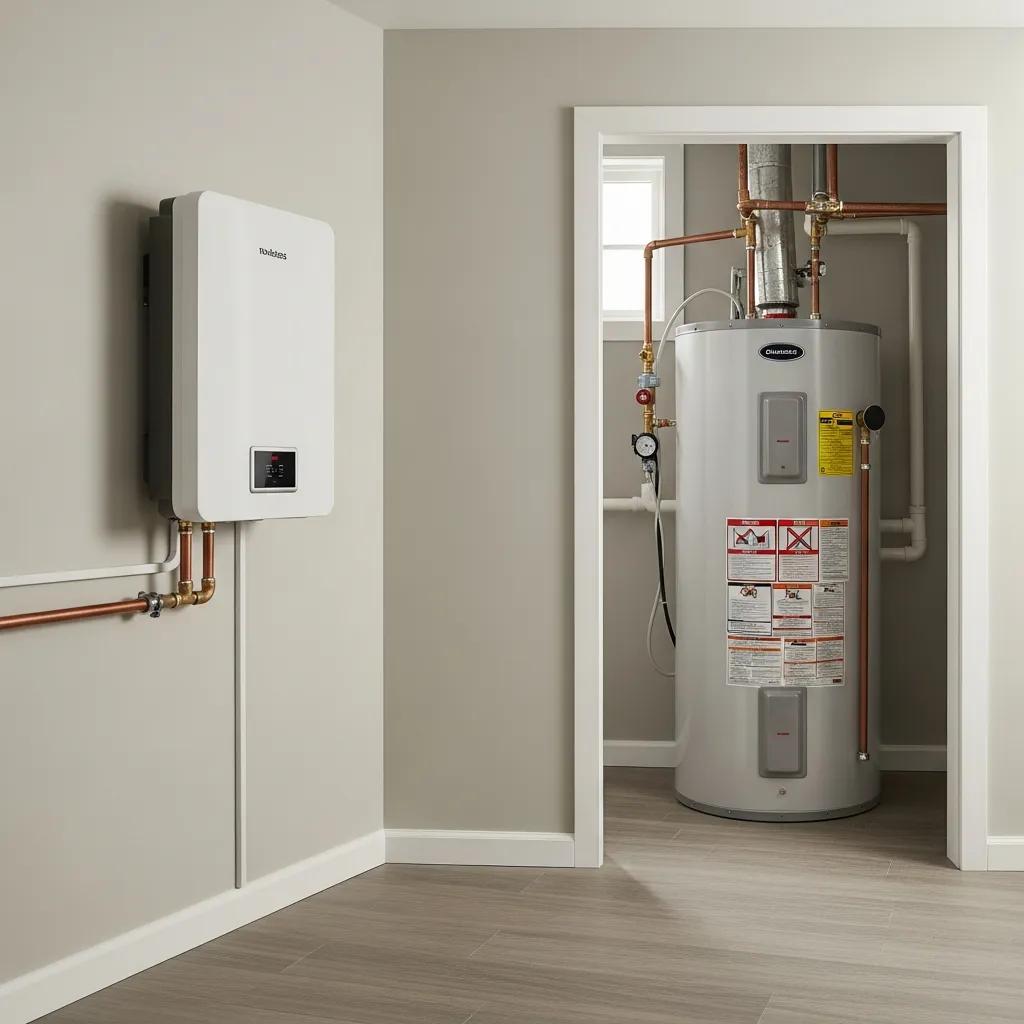
Tankless vs. Traditional Water Heaters: Which Is the Best Choice for Your Michigan Home or Business?
Deciding between a tankless (on-demand) water heater and a traditional storage-tank model comes down to how your home or business uses hot water, how much you want to spend up front, and what you want your monthly bills to look like. This guide walks through the real differences—performance, installation costs, energy use, lifespan, and the specific issues we see in Michigan—so you can choose with confidence. Whether you’re dealing with cramped utility space, high energy bills, or not enough hot water during the morning rush, we explain how each system works, list pros and cons, give typical Michigan cost ranges, and provide a practical checklist to help you decide. We also define key terms like GPM, BTU, UEF, and venting along the way and finish with clear next steps for getting a local on-site estimate.
What Are the Key Differences Between Tankless and Traditional Water Heaters?
Tankless heaters warm water as it flows through a heat exchanger, so you get hot water only when you need it. Traditional heaters keep a tank of water hot and ready until it is used. That basic mechanical difference affects standby energy loss, how long you’ll have hot water during peak use, how much space the unit takes up, and what maintenance looks like. Read on to see how these differences play out in everyday use and which setup tends to match common Michigan household and business needs.
How Does a Tankless Water Heater Work?
A tankless unit detects water flow and instantly fires a gas burner or activates an electric element to heat water as it passes through a compact exchanger—no storage tank required. Capacity is measured in GPM (gallons per minute) and depends on the unit’s BTU input or electrical power. For example, a 5–7 GPM unit might comfortably handle one shower and a dishwasher at the same time, but two showers plus a dishwasher could push it beyond its rated output and cause a temperature drop. Gas models generally offer higher GPM in the same size but need proper venting; electric models demand sufficient electrical service and can be affected by power outages. That’s why correct sizing and fuel choice matter when choosing tankless.
How Does a Traditional Water Heater Operate?
Traditional storage-tank heaters use a 30–50 gallon tank (typical for many homes) kept at temperature by a burner or electric element. When you open a hot-water tap, the tank supplies ready-hot water until the stored volume runs low, at which point the heater must recover. Tanks give you an immediate reserve to cover short peaks but do lose a bit of heat over time (standby loss). Recovery speed depends on the burner or element power (BTU or kW). Larger tanks reduce the chance of running out during busy periods but take more space and need periodic tasks like flushing sediment and changing the anode rod to ward off corrosion.
These differences also affect how installers plan venting, gas or electrical upgrades, and the maintenance schedule for each job.
| Feature | Tankless Water Heater | Traditional Storage-Tank Water Heater |
|---|---|---|
| Initial Cost (installed) | $2,500–$6,000+ (Michigan estimate) | $1,500–$3,500+ (Michigan estimate) |
| Operating Behavior | On-demand heating; no standby loss | Stored hot water with standby heat loss |
| Hot Water Supply | Continuous within GPM limits; scales with units | Immediate reserve until tank depleted |
| Space Footprint | Compact wall-mounted | Larger floor or closet footprint |
| Maintenance | Descale heat exchanger periodically | Flush sediment; replace anode rod periodically |
What Are the Pros and Cons of Tankless Water Heaters?
Tankless systems bring clear advantages—better efficiency for many households, a smaller footprint, and a longer service life—but they also usually cost more to install and sometimes require system upgrades. In Michigan, where winter inlet temperatures reduce delivered GPM, accurate sizing and possible gas- or electrical-upgrades are common considerations. Below we outline the main benefits, then cover energy advantages and practical drawbacks so you can weigh long-term savings against upfront expense.
Common operational advantages of tankless units:
- Lower standby energy loss: No stored hot water means less wasted energy when the system is idle.
- Smaller physical footprint: Wall-mounted units free up floor or closet space.
- Longer expected service life: With routine care, tankless systems often last longer than tanks, and parts can be replaced to extend life.
Those benefits make tankless attractive for tight spaces and efficiency-minded owners. Below we summarize the trade-offs to consider before deciding.
Keep in mind: tankless benefits are real, but they come with higher initial cost and sometimes more complex installation—especially in older homes.
What Are the Energy Efficiency Benefits of Tankless Water Heaters?
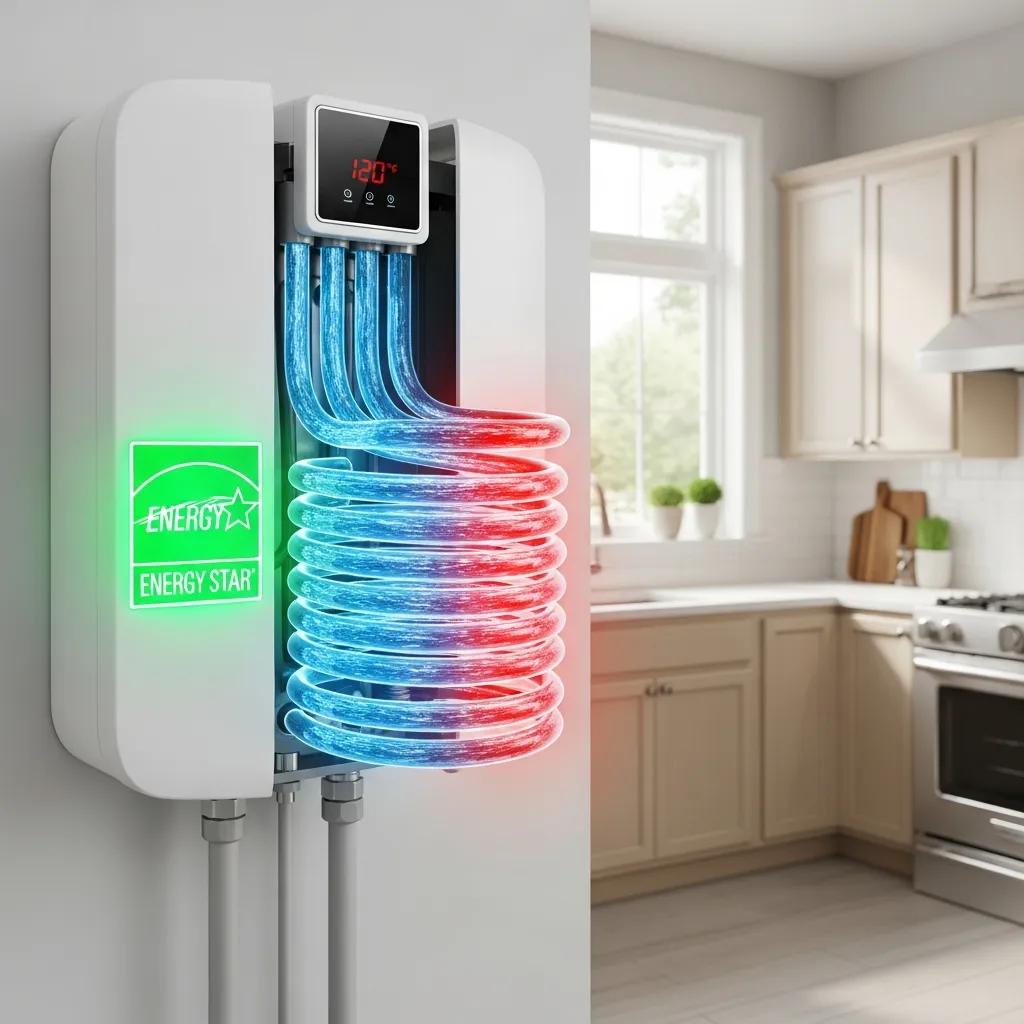
Because they heat water only when it’s needed, tankless units eliminate standby losses and usually show higher UEF/energy-factor performance for typical use patterns. For low- to moderate-use households, studies place savings roughly in the 24–34% range compared with older conventional tanks—though savings shrink for homes with very high hot-water demand. The dollar value saved depends on fuel: gas-fired tankless models often deliver the best percentage savings in gas-friendly regions, while electric tankless units’ savings hinge on local electricity rates and system efficiency. Usage patterns, household size, and Michigan’s climate all affect payback, so we recommend a simple annual-use comparison to estimate realistic ROI.
What Are the Common Disadvantages of Tankless Water Heaters?
Tankless units are mechanically more complex and often require upgrades that increase installed cost: larger gas lines, dedicated electrical service, or special venting for condensing units. Flow limitations can cause temperature dips when multiple fixtures run at once, which may mean adding a second unit or point-of-use boosters in larger homes or commercial settings. Hard water calls for regular descaling to protect the heat exchanger, and tankless heaters need uninterrupted power or gas—outages mean no hot water. Because Michigan’s inlet water can be cold in winter, professional sizing and a local-condition assessment are essential.
What Are the Advantages and Disadvantages of Traditional Water Heaters?
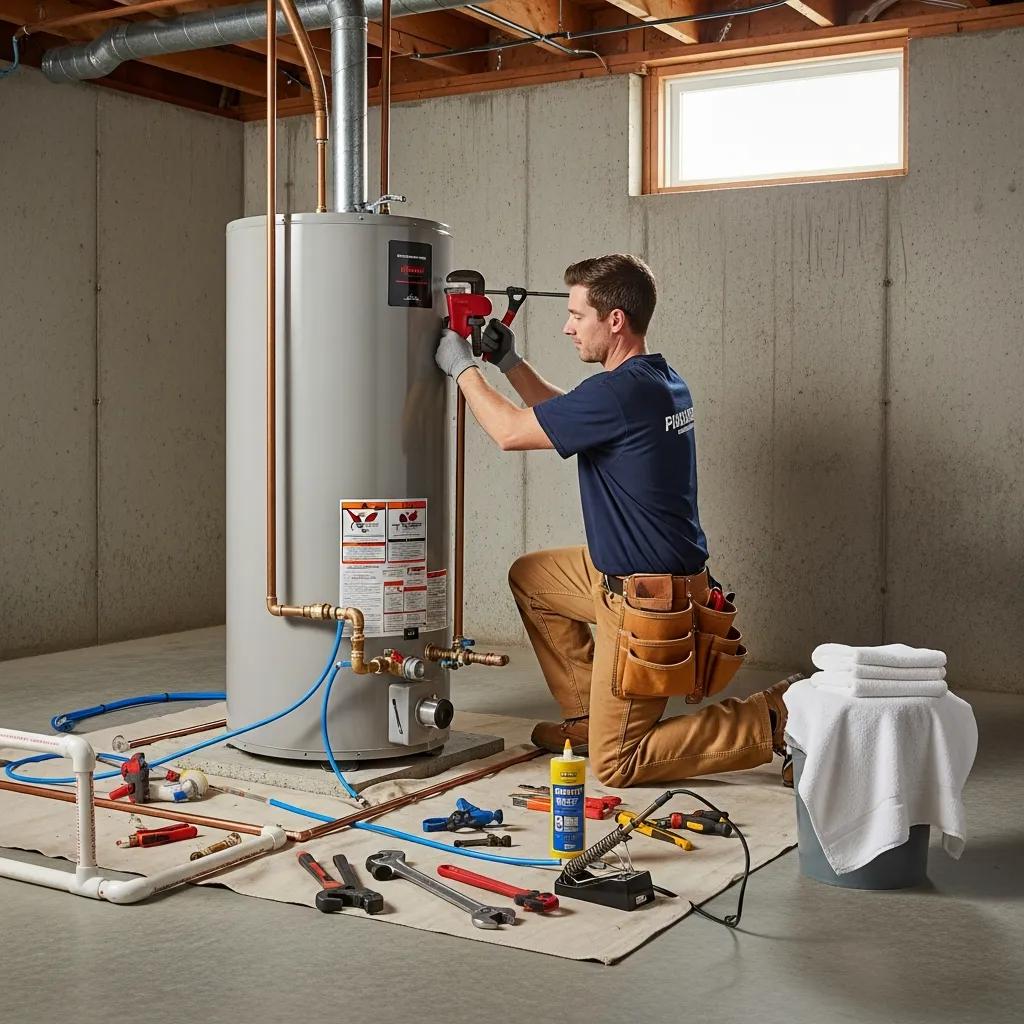
Storage-tank heaters remain a smart choice for many owners because they cost less up front, perform predictably under simultaneous demand, and are straightforward to replace in most homes. The tank’s stored volume handles short peak use without immediate performance loss, which is handy for larger families. Installation usually fits existing hookups, keeping labor and permit costs lower. Downsides include standby heat loss, generally shorter lifespan than tankless, and a larger footprint that can be awkward in small utility areas. Below we explain why tanks are often the cheaper option initially and what limitations come with that low entry price.
Why Are Traditional Water Heaters Often More Affordable Initially?
Prebuilt tanks are standardized and widely stocked, which cuts equipment lead time and labor. A straight replacement usually involves removing the old tank, setting the new one, connecting pipes and venting or electricity, and filing basic permits—work that’s familiar and predictable for installers. Extra costs only appear when access is tight or when venting or remediation (like asbestos) is needed. That predictability is why many homeowners opt for a tank when budget and fast turnaround matter.
What Are the Limitations of Traditional Water Heaters?
Tanks lose some heat while idle, which raises operating costs over time compared to on-demand systems, and they commonly last about 8–12 years depending on water quality and maintenance. They take up more space and may need careful placement for drainage and ventilation. Regular maintenance—flushing sediment and replacing the anode rod—helps extend life, but over the long run tanks can be more expensive on a lifecycle basis in homes with high operating costs or corrosive water.
How Do Installation Costs Compare Between Tankless and Traditional Water Heaters in Michigan?
Installed cost depends on the unit plus any retrofit work: venting, gas-line or electrical upgrades, permits, and labor. In Macomb, Oakland, and Wayne counties, traditional tanks tend to sit at lower installed price points because they usually match existing hookups. Tankless systems commonly require venting upgrades, larger gas lines, or electrical work, which raises the final bill. When you budget, include permit fees, removal and disposal of the old unit, and potential extra labor for tight access or commercial installs. The table below summarizes typical installed ranges and the common cost drivers we see locally.
| Installed System | Typical Installed Range (Macomb/Oakland/Wayne) | Common Cost Drivers |
|---|---|---|
| Traditional tank | $1,500–$3,500+ | Tank size, access, disposal, basic venting |
| Tankless | $2,500–$6,000+ | Venting upgrade, gas line upgrade, electrical work |
| Retrofit/Conversion | Varies widely, often adds $500–$3,000+ | Fuel switch, permits, structural access, multiple units |
What Is the Typical Cost Range for Installing a Traditional Water Heater in Macomb, Oakland, and Wayne Counties?
Most straightforward residential tank replacements in these counties fall in the lower end of the $1,500–$3,500+ range—especially when it’s a like-for-like swap in the same location. Jobs get pricier when access is tight, venting needs repair, or larger commercial tanks are required. Permit fees and inspection timelines vary by city, and older houses sometimes reveal unexpected issues during removal that add labor. For a reliable budget, we recommend an on-site estimate from a local pro.
What Additional Expenses Are Associated with Tankless Water Heater Installation?
Tankless installs often involve retrofit items that tanks don’t: upsized gas lines for higher BTU demand, specialized high-temp or condensing venting, electrical panel upgrades for electric models, and condensate drainage for condensing units. In hard-water areas you may want a water softener or a planned descaling routine to protect the heat exchanger. For large homes or commercial sites, multiple units or modular arrays add both hardware and labor. Those requirements explain why installed tankless costs typically start higher than a simple tank swap.
Common tankless cost drivers include gas-line sizing, venting materials and labor, electrical panel capacity, and the potential need for multiple units to meet peak GPM demand.
How Does Energy Efficiency and Lifespan Compare Between Tankless and Conventional Water Heaters?
Tankless units usually run more efficiently during normal use because they avoid standby losses, and they commonly last longer—often 20+ years with proper maintenance—whereas storage tanks typically last 8–12 years. Maintenance, water quality, and how much hot water you use all affect efficiency and longevity, so lifecycle comparisons should factor in local energy prices and expected maintenance. The table below highlights typical efficiency and lifespan differences to help you compare total ownership cost.
| System Type | Typical UEF / Efficiency Impact | Expected Lifespan |
|---|---|---|
| Tankless | Higher operational efficiency; no standby loss | 20+ years |
| Traditional | Lower due to standby heat loss; variable UEF | 8–12 years |
| Maintenance Impact | Regular descaling or flushing improves efficiency and life | N/A |
How Much Energy Can You Save with a Tankless Water Heater?
Savings depend mostly on how you use hot water. Industry guidance and studies suggest tankless units can save around 24–34% for low-use households compared with older storage tanks; that gap narrows for very high-demand homes. Actual dollar savings depend on local fuel costs—gas-fired tankless often shows larger dollar savings where natural gas is cheap, while electric tankless savings depend on electricity rates and conversion efficiency. Key factors include inlet water temperature, fixture flow rates, and how often you use hot water. For a realistic payback estimate, compare your current annual hot-water energy use to projected use with a properly sized tankless unit using local utility rates.
What Is the Expected Lifespan of Tankless vs. Traditional Water Heaters?
Tankless systems commonly reach 20+ years with routine maintenance like descaling, while traditional tanks typically last 8–12 years before corrosion or component failure makes replacement likely. Replacing components—burners, heating elements, or heat exchangers—can extend life for both types, but tanks usually need full replacement sooner. Annual inspections and scheduled maintenance reduce failure risk and keep systems running efficiently for their expected lifetimes.
Which Water Heater Is Right for Your Household or Business in Michigan?
Picking the right water heater mixes technical sizing, budget, and local installation realities like permits and contractor availability. Think about household size, peak simultaneous fixtures, available fuel, space limits, and how much maintenance you want to do. Commercial properties may need continuous flow, redundancy, or engineered solutions to meet codes. Michigan winters also affect inlet temperature and tankless performance, so plan sizing accordingly. Use the checklist below to narrow options and know when to call a pro for an on-site assessment.
- Assess demand: Estimate peak simultaneous GPM for your household or business.
- Evaluate space: Confirm whether a compact wall-mounted unit or a floor tank fits your utility area.
- Compare budget: Weigh upfront installation cost against long-term energy and replacement expenses.
- Check fuel availability: Verify gas, electric, or hybrid options and whether upgrades are needed.
- Plan maintenance: Account for water quality and scheduled descaling or flushing.
This checklist helps you translate core needs into a recommended approach and flags when professional sizing and permits are required. For a definitive recommendation, a contractor can run a demand calculation and perform a site inspection.
What Factors Should Influence Your Water Heater Choice?
Key factors are peak hot-water demand (GPM), budget for the unit plus any retrofit work, available space and venting, and local utility prices that determine operating cost. Water hardness affects maintenance and might make one option easier to protect from scale. For businesses, consider uptime, redundancy, and code compliance. A simple load calculation—adding fixture GPM and estimating simultaneous use—will point you toward a single tankless, multiple tankless, hybrid, or traditional tank solution that fits your needs.
How Can Frost and Kretsch Plumbing Help You Choose and Install the Best Water Heater?
Frost and Kretsch Plumbing provides local assessments, installations, repairs, and replacements for both tankless and traditional water heaters across Macomb, Oakland, and Wayne counties. We’ll perform an on-site evaluation, give a transparent written estimate with no hidden fees, and offer 24/7 emergency service backed by our satisfaction guarantee. To find the right system for your property, request a professional load calculation and walk-through so we can check venting, gas or electrical service, and access. Call Frost and Kretsch Plumbing at (586) 675-0097, (248) 600-0426, or (313) 881-2818 to schedule a free consultation or on-site estimate—our local experience ensures correct sizing and code-compliant installation.
- When to call: Book an assessment if you have low hot water flow, frequent repairs, or are planning a renovation.
- What to expect: A clear, itemized estimate that lists any required upgrades and permit needs.
- Emergency support: 24/7 availability for urgent leaks or system failures.
These steps make it easy to move from evaluation to installation while keeping workmanship and pricing transparent.
Frequently Asked Questions
1. What are the environmental impacts of tankless vs. traditional water heaters?
Tankless heaters are generally kinder to the environment because they use less energy in typical operation by avoiding standby loss. That usually means lower greenhouse gas emissions over time, though the exact impact depends on the energy source—gas-fired units still produce combustion emissions. Traditional tanks are less efficient in use but can be easier to recycle at end of life. For a full picture, weigh operational emissions, the unit’s lifespan, and disposal practices.
2. How do I maintain my tankless water heater?
Regular descaling is the most important maintenance step—especially where water is hard. We recommend descaling at least once a year, more often if you notice reduced flow or fluctuating temperatures. Also check intake and exhaust vents and keep filters clean. Annual professional inspections catch small issues before they become big problems and help extend the unit’s life.
3. Can I install a tankless water heater myself?
DIY installation is not recommended for most homeowners. Tankless units often require plumbing, gas, and electrical work and must meet local building codes. Mistakes can reduce efficiency, create safety hazards, or damage the unit. Hiring a licensed professional ensures a safe, code-compliant installation and can prevent costly problems down the road.
4. What should I consider when sizing a tankless water heater?
Size the unit to handle your peak hot-water demand in GPM (showers, faucets, appliances running at once) and factor in the required temperature rise—the difference between incoming water temp and your desired output. Michigan’s colder inlet temperatures mean you’ll usually need more capacity than in warmer climates. A professional can run a load calculation to pick the right-sized unit for your needs.
5. Are there any rebates or incentives for installing energy-efficient water heaters?
Yes—many utilities and government programs offer rebates or incentives for energy-efficient water heaters, including some tankless models. Programs vary by location and equipment, so check with local utility companies and state or federal resources for current offers and eligibility rules to maximize your savings.
6. How do tankless water heaters perform in cold climates?
Tankless units work in cold climates but performance depends on inlet temperature. Colder incoming water reduces the GPM a unit can deliver at a given temperature rise. To avoid problems in Michigan winters, choose a higher-rated unit, consider preheating or a hybrid approach, and have the system professionally sized and installed with proper insulation and venting.
7. What are the signs that my traditional water heater needs replacement?
Look for inconsistent water temperature, rusty or discolored water, unusual noises like popping or rumbling, visible leaks, or sharply rising energy bills. If your tank is near the 8–12 year range or repairs are becoming frequent, replacement is often the more cost-effective option.
Conclusion
Your choice between tankless and traditional water heaters affects efficiency, space, and long‑term costs. Understanding the practical trade-offs—installation, maintenance, and local climate effects—helps you pick the right system for your home or business. If you’d like a personalized recommendation, our team can run a load calculation and provide a clear, written estimate. Contact us to explore options and make sure your property gets the best water heating solution for your needs.