
How to Unclog a Kitchen Sink Drain: Practical DIY Steps and Trusted Professional Solutions
When a kitchen sink starts to slow or stop, it’s usually because solids or congealed liquids are blocking the drain or trap. Clearing a clog quickly lowers the chance of pipe damage, odors, or sewer backups. This guide walks you through common causes, safe DIY fixes you can try at home (plunging, hot water with dish soap, baking soda and vinegar, and using a drain snake), and the clear warning signs that it’s time to call a pro. You’ll also find prevention tips, eco-friendly maintenance advice, and an overview of professional tools like hydro jetting and sewer camera inspection. Practical lists and comparison tables make it easy to choose the right method for your clog, and we explain how a local plumbing expert can resolve stubborn or hazardous blockages. Read on for straightforward, confidence-building advice so you can act fast when your kitchen sink isn’t draining properly.
What Are the Common Causes of Kitchen Sink Drain Clogs?
A kitchen sink clog happens when solids or cooled liquids build up inside the drain system and slow or stop flow. The usual causes are grease (fat, oil, and grease, often shortened to FOG), food scraps, soap scum, and items that get trapped in the P-trap or tailpiece. Knowing what’s likely blocking the line helps you pick the right fix—grease tends to cling to pipe walls, while fibrous or starchy foods clump together and resist flushing. Below is a short list of common causes to help you diagnose the problem quickly.
Common causes of kitchen sink drain clogs:
- Grease and Fats: Liquids that cool and stick to pipe walls, gradually narrowing the pipe.
- Food Waste: Starchy or fibrous bits that clump, especially if they go in the drain often.
- Garbage Disposal Jams: Hard items, pits, or fibrous peels that jam or damage the disposal.
- Soap Scum: Films that mix with grease and debris to form stubborn deposits.
- Foreign Objects: Utensils, packaging, or small items accidentally dropped into the drain.
How Do Grease and Food Waste Cause Kitchen Sink Clogs?
Grease and food cause clogs by sticking to pipe walls and trapping other debris. Warm fats and oils flow down as liquids but harden as they cool, forming a sticky layer that catches food particles. Over time those layers build up and reduce the pipe’s diameter, slowing drainage and eventually causing backups. Starch-heavy foods like rice and pasta can swell and bind into dense plugs that resist flushing and plunging. Good habits—wiping pans and collecting grease for disposal—cut down buildup, but hardened FOG sometimes requires professional removal like hydro jetting. That’s why pouring hot water alone may only give temporary relief: it can soften surface grease but not remove the underlying coating.
What Role Do Soap Scum and Hair Play in Kitchen Sink Blockages?
Soap scum forms when soap combines with minerals and oils to make a film that clings to pipe walls. While hair is more common in bathroom drains, fibrous food scraps and towel threads in the kitchen can have a similar tangling effect. Soap scum binds with grease and small particles to create a glue-like matrix that makes clogs stickier and harder to clear. Heavy scum buildup can also reduce the effectiveness of enzyme cleaners. Regular mechanical cleaning and periodic enzyme treatments help, but layered scum and tangled debris often mean a deeper mechanical or hydro-powered cleaning is needed.
How Can You Unclog a Kitchen Sink Drain Yourself?
Start DIY unclogging with the lowest-risk options and move to mechanical tools only if needed. Begin with a sink plunger or a hot soapy rinse for grease-related slow drains, try a baking soda and vinegar mix for mild organic buildup, and use a hand auger (drain snake) when simpler steps don’t restore flow. Avoid harsh chemical drain cleaners on older metal pipes—these can damage fittings and make later repairs harder. The table below compares common DIY methods so you can pick the right approach and know when to stop and call a professional.
Intro to DIY methods table: the table below compares typical home methods, required tools, expected success for common clog types, and risks or signals to stop and seek professional help.
| Method | Tools Needed | Success Likely For | Risk / When to Stop |
|---|---|---|---|
| Plunger | Sink plunger, wet cloth | Partial blockages near the drain opening | Stop if there’s no improvement after several tries or water begins to overflow |
| Hot water + dish soap | Kettle or pot, dish soap | Fresh grease clogs | Stop if drainage stays slow—mechanical removal may be needed |
| Baking soda + vinegar | Baking soda, white vinegar, hot water | Mild organic or soap scum build-up | Stop if the reaction doesn’t clear the clog after repeated attempts |
| Drain snake (hand auger) | Hand auger / snake | Localized blockages in the P-trap or tailpiece | Stop if resistance is deep or you can’t retrieve debris |
What Are the Best DIY Methods for Kitchen Sink Drain Clog Removal?
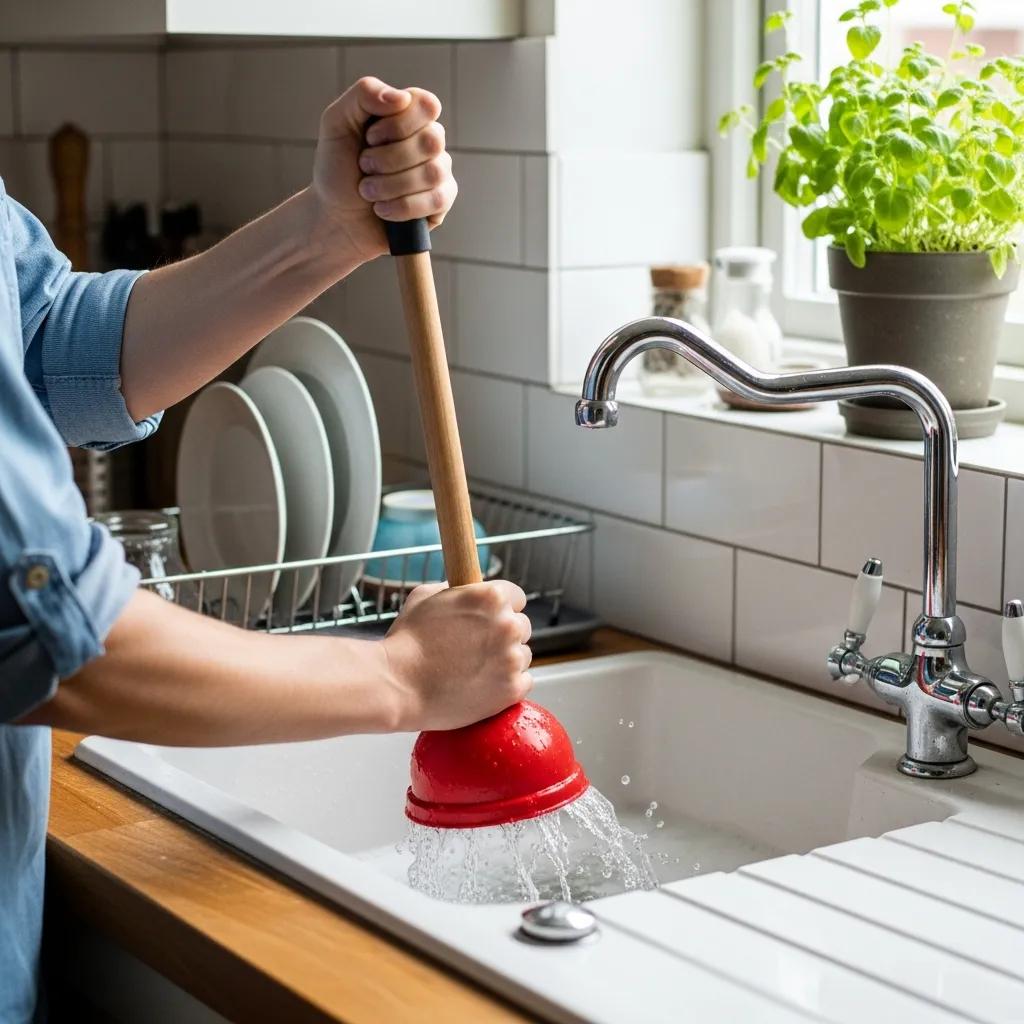
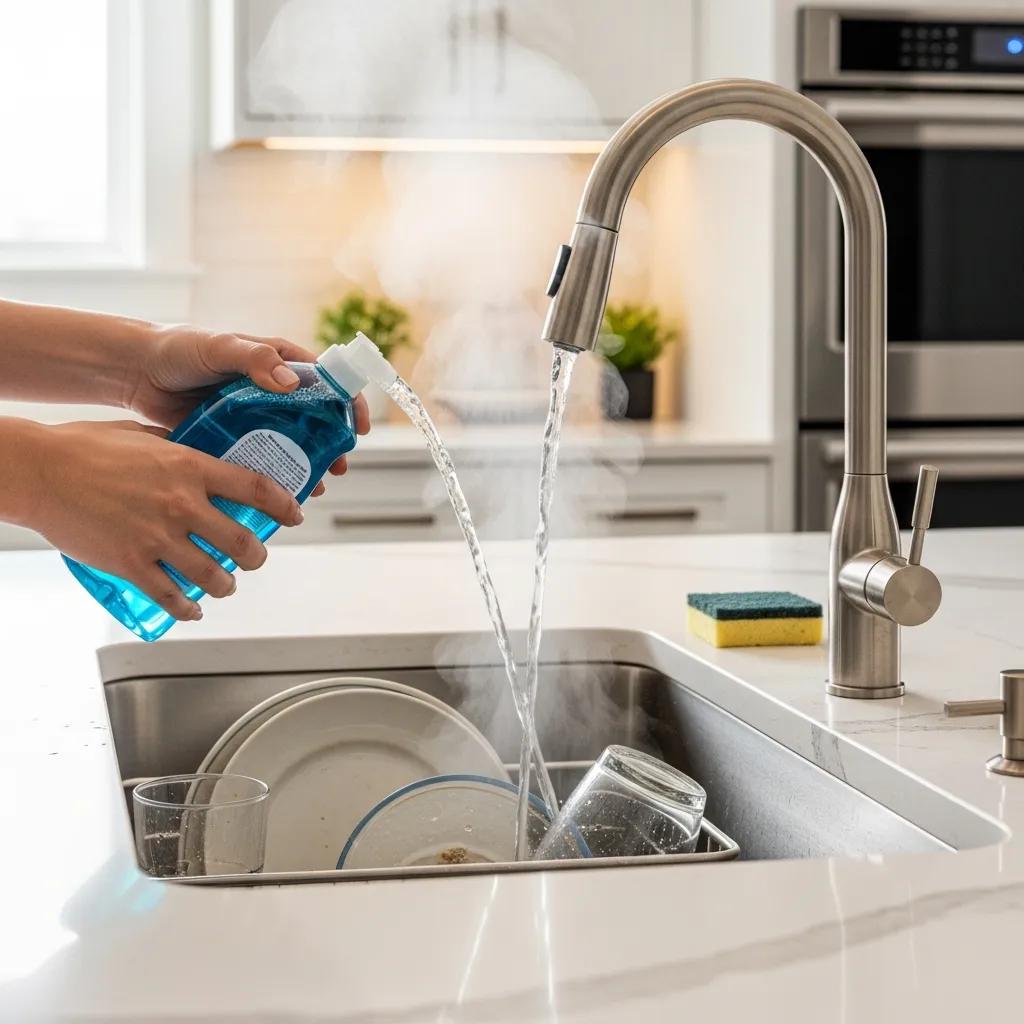
Begin with a sink plunger: seal the overflow or the second basin, add enough water to cover the plunger bell, and use steady plunges to loosen the clog. For grease clogs, pour a squirt of dish soap followed by several liters of hot (not boiling) water in stages to soften and flush fats. To try baking soda and vinegar, add half a cup of baking soda, pour in half a cup of vinegar, wait 10–15 minutes, then rinse with hot water. If the clog looks reachable, remove and clean the P-trap—place a bucket underneath, loosen the slip nuts, and clear any trapped debris. When those steps don’t work, a hand auger can reach obstructions in the trap or short sections of the tailpiece—feed it slowly, rotate to hook debris, and pull out gently to avoid damaging pipes. Start with the least invasive methods and move up only as needed.
Intro to the EAV table below: this table helps you quickly compare DIY methods so you can choose the right one without unnecessary risk.
| Method | Tools Needed | Success Likely For (clog type) | Risk / When to Stop |
|---|---|---|---|
| Plunger | Sink plunger, wet cloth | Surface blockages and partial clogs | Stop if nothing changes after 5–10 minutes or water level rises |
| Hot water + soap | Hot water, dish soap | Fresh grease and oil | Stop if grease is hardened or the problem keeps returning |
| Baking soda + vinegar | Baking soda, vinegar, hot water | Mild soap scum and organic films | Stop if there’s no effect after two attempts |
| Drain snake | Hand auger, gloves | P-trap debris, disposal clogs near the outlet | Stop if the snake won’t turn or you hit solid resistance |
Summary: try low-impact methods first and only use mechanical tools when necessary; if a method fails or you meet solid resistance, a professional inspection is the safest next step.
When Is DIY Unclogging Not Enough?
DIY methods aren’t enough when clogs come back quickly, affect multiple fixtures, or produce strong sewage smells—these are signs of a deeper issue farther down the line. If plunging or snaking gives only temporary relief and the sink clogs again within days, hardened grease or root intrusion may be present. Multiple fixtures backing up, water entering dishwashers or floor drains, visible pipe damage, persistent sewage odor, or raw sewage in the sink are all red flags. In those cases, stop DIY attempts and call a professional for diagnosis and repair to avoid worsening the problem.
When Should You Call a Professional for Kitchen Sink Drain Clog Removal?
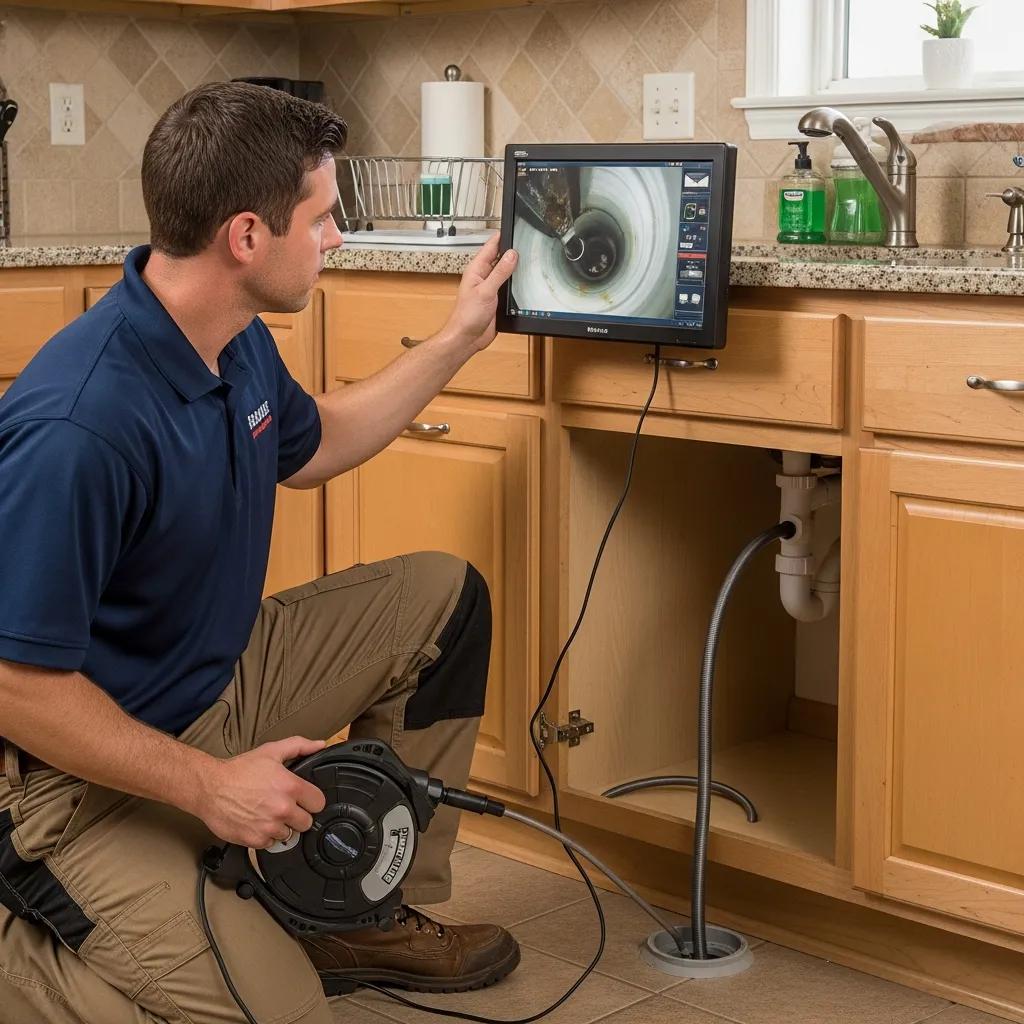
Call a professional when symptoms point to a non-localized problem, DIY methods fail repeatedly, or there’s a risk to your property or health. Don’t wait if you have multiple fixtures backing up, strong sewage odors, standing water that won’t respond to plunging, visible leaks or corrosion, or recurring clogs after mechanical clearing. Professionals use tools like sewer video cameras to locate blockages and hydro jetting or snaking to clear them thoroughly—solutions that address root causes and reduce recurrence. If you’ve run out of DIY options, pick a service with 24/7 emergency availability, clear pricing, and a satisfaction guarantee for peace of mind.
Signs-to-action mapping table intro: this table links common symptoms to likely causes and whether a DIY attempt is worth trying before calling a pro.
| Symptom | Likely Cause | DIY Worth Trying? | Professional Service Recommended |
|---|---|---|---|
| Slow drain in single sink | Local trap or disposal issue | Yes (plunge, clean P-trap) | Snaking if unresolved |
| Multiple fixtures backing up | Mainline or sewer blockage | No (call pro) | Camera inspection + hydro jetting |
| Strong sewage odor | Sewer line breach or backflow | No (call pro) | Camera inspection + repair |
| Recurrent clogs after clearing | Fat/grease buildup on pipe walls | Limited (temporary fixes) | Hydro jetting for a full clean |
This mapping helps you decide when to try a quick DIY fix and when to get professional help to avoid bigger problems.
What Are the Signs That Indicate the Need for Professional Kitchen Drain Cleaning?
Call a pro if mechanical clearing doesn’t stop backups, if you smell sewage, if slow drainage affects multiple fixtures, or if dirty water backs into appliances. Professional assessment is also recommended if you see visible corrosion or pipe damage, or if DIY attempts make the problem worse by pushing debris deeper. Because raw sewage risks contamination, certified technicians should handle cleanup and repairs. When these signs appear, stop DIY work and schedule a professional inspection to diagnose and fix the issue for good.
What Professional Services Does Frost and Kretsch Plumbing Offer for Kitchen Sink Clogs?
Frost and Kretsch Plumbing offers residential and commercial sewer and drain cleaning using proven professional methods: high-pressure hydro jetting, sewer video camera inspection for precise diagnosis, and mechanical snaking for localized obstructions. These services tackle hardened grease, scale, and hidden blockages that resist DIY fixes and are suitable for routine maintenance or emergency response. Technicians arrive ready to inspect, diagnose, and explain options and pricing before work begins—aiming for fast, thorough clearing and fewer repeat clogs. If you’re dealing with persistent or multi-fixture backups, contact Frost and Kretsch Plumbing for an on-site assessment and tailored recommendations.
How Does Frost and Kretsch Plumbing Provide Expert Kitchen Sink Drain Cleaning Services?
Frost and Kretsch Plumbing combines diagnostic tools and high-capacity cleaning equipment with customer-focused policies to deliver reliable drain cleaning. The process starts with a sewer camera inspection to pinpoint the blockage, then technicians select the right method—snaking for localized debris or hydro jetting to remove grease and scale from pipe walls. Licensed technicians serve both homes and businesses, and key benefits include 24/7 emergency response, transparent pricing with no hidden fees, and a satisfaction guarantee. That inspect-choose-execute-verify sequence minimizes repeat calls and gets your drains flowing again while keeping you informed throughout the job.
Service comparison table intro: the table below summarizes the main professional services, what they do, ideal uses, and typical time-to-result for kitchen sink issues.
| Service | What It Does | Ideal For | Time-to-Result |
|---|---|---|---|
| Sewer video camera inspection | Visualizes the pipe interior to pinpoint blockages | Unknown or recurring obstructions | Minutes to inspect; guides next steps |
| Hydro jetting (high-pressure water) | Blasts grease, scale, and debris from pipe walls | Hardened FOG and long-term buildup | Immediate flow restoration |
| Mechanical snaking | Cuts and removes localized obstructions | P-trap debris, disposal clogs | Immediate but may be temporary |
What Are the Benefits of Hydro Jetting and Sewer Video Camera Inspection?
A sewer camera gives a visual diagnosis so technicians can see the exact location and nature of a blockage and target their work precisely. Hydro jetting uses high-pressure water to remove grease, mineral scale, and bacterial slime from pipe walls, restoring full pipe diameter and reducing the chance of quick re-clogging. Unlike snaking, which often just punches a hole through a clog, hydro jetting cleans the pipe surface and lowers recurrence. Used together, camera inspection and hydro jetting shorten repair time and give homeowners clear, documented results.
How Does Transparent Pricing and 24/7 Emergency Service Enhance Customer Experience?
Clear pricing and around-the-clock service reduce stress and help you make informed decisions when a clog threatens property or health. A quoted final bill guarantee and no hidden fees let customers compare options without surprise charges. 24/7 emergency response addresses urgent situations that could cause damage or unsanitary conditions, and licensed technicians with straightforward policies build trust. These customer-first practices encourage homeowners to call early, which prevents escalation and delivers predictable outcomes.
How Can You Prevent Kitchen Sink Drain Clogs?
Preventing clogs takes a few consistent habits and simple hardware to keep FOG and solids out of the plumbing. Key steps: scrape plates into the trash or compost, collect grease in a sealed container for disposal instead of pouring it down the drain, and use sink strainers to catch scraps before they reach the tailpiece or P-trap. Regular maintenance—monthly enzyme cleaner treatments and routine hot soapy flushes—keeps organic films soft and less likely to stick. For busy homes or businesses, scheduled professional cleanings reduce buildup and extend pipe life. The sections that follow outline practical behaviors and eco-friendly maintenance options to minimize clogs.
Practical prevention measures list intro: the list below highlights everyday actions that meaningfully lower the risk of a kitchen sink clog.
- Wipe and dispose of grease: Let fats cool, collect them in a sealed container, and throw them away—don’t pour grease down the drain.
- Use a sink strainer: Catch food scraps and small solids before they enter the drain line.
- Scrape plates into trash or compost: Remove solids instead of rinsing them into the sink.
- Run hot water and dish soap regularly: Periodic hot soapy flushes keep fats mobile until they reach the main sewer.
Summary of prevention list: small habits and a simple strainer can dramatically reduce FOG and food debris in drains, cutting the frequency of clogs and the need for professional cleaning.
What Are the Best Practices for Preventing Grease and Food Waste Buildup?
Good prevention starts with simple kitchen habits: let grease cool and collect it for trash, don’t rinse large amounts of oil or food into the sink, and empty compost or trash bins often. Use drain strainers and clean them regularly, and run water while the disposal operates to help carry particles through. For households that cook heavily, consider periodic professional maintenance to remove early buildup before it becomes a problem. These steps slow accumulation and make occasional DIY cleaning more effective.
Which Eco-Friendly Drain Maintenance Tips Help Keep Your Kitchen Sink Clear?
Choose enzyme-based cleaners and mechanical removal over harsh chemical cleaners. Enzymes break down organic matter slowly without damaging septic systems or pipe materials and are safe for regular preventive use. Occasional baking soda and vinegar treatments followed by hot water can help dislodge light films, and running hot soapy water after greasy tasks keeps fats from sticking. Avoid frequent use of strong chemical drain cleaners, which can corrode pipes and create hazards during repairs. These sustainable habits protect your plumbing and the environment while keeping drains clearer longer.
Frequently Asked Questions
What should I do if my kitchen sink is draining slowly but not completely clogged?
A slow drain usually means a partial blockage. Start with a plunger to push or pull debris free. If that doesn’t work, pour hot water mixed with dish soap to help dissolve grease. A baking soda and vinegar rinse can help with organic buildup. If those steps don’t clear it, inspect the P-trap or try a drain snake for deeper blockages.
How can I tell if my kitchen sink clog is a simple issue or a more serious plumbing problem?
Check the symptoms: if only one sink is slow and the problem is intermittent, it’s likely food debris or grease. If multiple fixtures are backing up, you smell sewage, or the issue persists despite DIY attempts, the mainline or sewer may be the problem. In those cases, call a professional plumber.
Are there any long-term solutions to prevent kitchen sink clogs?
Yes. Adopt good habits—scrape food into the trash, don’t pour grease down the drain, and use a sink strainer. Run hot soapy water regularly, use enzyme cleaners every few months, and consider periodic professional cleanings every few years to remove buildup and keep your system healthy.
What are the risks of using chemical drain cleaners on kitchen sink clogs?
Chemical drain cleaners can work but carry risks. They can corrode older metal pipes, create hazardous fumes, and sometimes only push debris further down the line. Because of those drawbacks, mechanical methods or professional help are often safer and more effective for persistent clogs.
How often should I perform maintenance on my kitchen sink drain?
Perform basic maintenance like hot soapy flushes at least once a month. Use enzyme-based cleaners every few months. If your household cooks heavily, consider more frequent professional inspections and cleanings to prevent serious buildup.
What signs indicate that I need to replace my kitchen sink plumbing?
Consider replacement if clogs are frequent, leaks appear, pipes show visible corrosion or rust, or foul odors persist. Water pooling under the sink or gurgling sounds when you drain can also indicate failing plumbing. If these issues continue despite maintenance, have a professional evaluate the system and recommend replacements if needed.
Conclusion
Clearing a kitchen sink clog restores normal drainage and helps prevent damage and unpleasant smells. With the right techniques you can handle minor clogs yourself and recognize the signs that require professional help. Regular maintenance and simple habits go a long way toward keeping your plumbing in good shape. If you need expert help or a long-term solution, reach out to our team—we’re ready to help.