Emergency Clogged Drain Repair & Clearing — 24/7 Urgent Drain Cleaning Services in Michigan
Emergency clogged drain repair and clearing stops urgent blockages that threaten your property, health, and daily routines by restoring flow and preventing backups. Severe obstructions can force wastewater into sinks, toilets, or basements—creating sanitation hazards and risking structural damage. Fast, focused action reduces those risks and avoids larger repair bills down the road. This guide helps you spot true emergencies, explains the diagnostic tools that pinpoint problems, and compares the clearing methods that fix serious clogs quickly and safely. You’ll find clear warning signs, practical steps to limit immediate harm, and straightforward pros and cons for snaking, rooter work, hydro jetting, and camera inspection. We also walk through how a professional emergency response works and what trust signals to look for when hiring 24/7 drain services in Macomb, Oakland, and Wayne counties so you can act confidently when time matters.
What Are the Key Signs You Need Emergency Drain Cleaning?
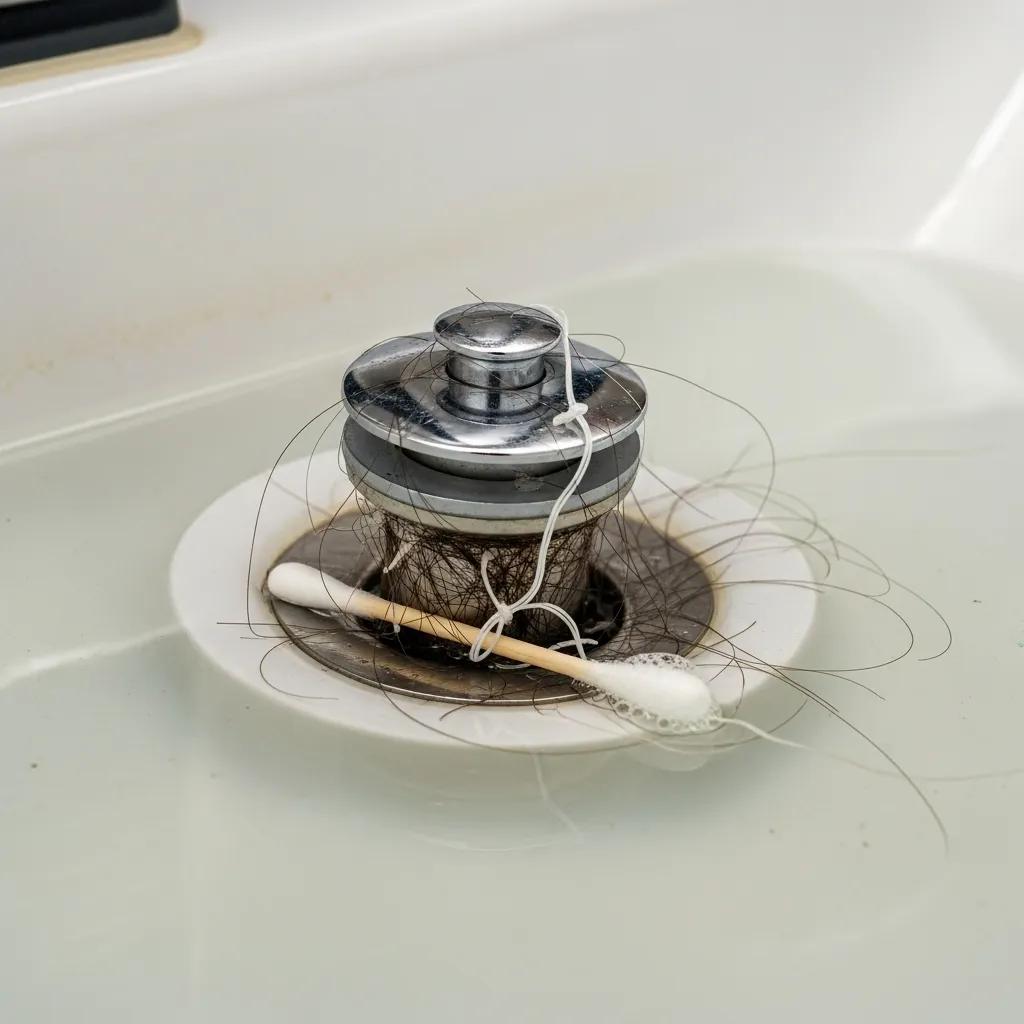
Call for emergency drain cleaning when symptoms point to a system-level blockage or an imminent sewage backup. True emergencies usually show up as multiple fixtures affected, a persistent sewage smell, visible wastewater, or water pooling where it should drain. Spotting these signs early reduces health risks and can steer you away from more invasive, expensive repairs. Use the checklist below to assess urgency and decide your next steps.
- Slow drainage in several fixtures: If sinks, tubs, and toilets are all slow, the main line could be blocked.
- Persistent sewage odor: Ongoing sewer smells inside the building often mean sanitary sewer gas or a backup.
- Gurgling or bubbling from drains: Noise from toilets or floor drains usually signals trapped air and a partial blockage.
- Sewage or standing water in basement drains: Visible backup in basement drains needs immediate attention to avoid flooding and contamination.
- Repeated clogs after temporary fixes: If snaking or plunging keeps failing, you may have roots or heavy grease buildup.
When you see these indicators, take quick mitigation steps to limit damage: stop using water, avoid chemical drain cleaners, and arrange emergency diagnostics with a qualified team. Acting now can prevent a single clogged fixture from becoming a main-line collapse or a sanitary-contamination problem.
How Do Slow Drains and Multiple Blockages Indicate Severe Drainage Issues?
Slow drainage in one fixture usually means a localized clog near that outlet. When several fixtures slow at once, that pattern points to a main sewer line problem because the main serves multiple branches—an obstruction there produces system-wide symptoms that snaking one sink won’t permanently fix. A simple check—run water in several fixtures and watch for where backups appear—helps you tell isolated issues from system-level trouble. If plunging one fixture creates gurgling in another, treat it as a severe condition and prepare for camera inspection or hydro jetting. Knowing the difference saves time and gets professionals on the right diagnostic path sooner.
What Are the Warning Symptoms of Basement Drain Backup and Sewer Line Blockage?
Basement floor drain backups and sewer line blockages commonly show as standing water, a strong sewage smell, or wet/discolored flooring that signals raw wastewater intrusion. These bring immediate risks: contamination, mold growth, and structural damage if water soaks framing or insulation. Short-term steps you can take include stopping all water use, isolating the affected area, and keeping electricity away from standing water. But you’ll need professional intervention to locate and eliminate the source. When basement backups appear, assume the issue goes beyond a simple trap clog and schedule urgent diagnostics so the clearance can prevent repeats.
At Frost and Kretsch Plumbing, we offer 24/7 emergency dispatch and rapid triage for customers who spot these warning signs. We prioritize urgent calls, set clear arrival expectations, and coach immediate mitigation over the phone. Our licensed master plumbers follow a diagnostic-first workflow and back their work with a satisfaction guarantee—so you get safety guidance and a clear path to resolution. If you notice multiple emergency indicators, contact a licensed emergency service that performs camera inspection and hydro jetting to limit further damage.
How Does Frost and Kretsch Plumbing Provide 24/7 Emergency Drain Clearing?
Frost and Kretsch Plumbing provides round-the-clock emergency drain clearing through an established dispatch and triage process focused on safety and speed. When you call about an urgent clog, intake staff evaluate symptoms, gauge severity, and dispatch licensed technicians trained for emergency work so the on-site response matches the problem. We emphasize transparent upfront pricing and a 100% satisfaction guarantee, and our mastery-level technicians aim for durable repairs rather than temporary fixes. Serving Macomb, Oakland, and Wayne counties helps shorten travel time and supports often prompt response windows for urgent jobs.
Our workflow balances rapid arrival with thorough on-site diagnosis: technicians perform safety checks, isolate hazards, and use diagnostic tools to confirm the clog location before clearing. This triage-first approach reduces unnecessary excavation by prioritizing non-invasive diagnostics and targeted clearing. During emergencies we keep customers informed about arrival times and interim steps to limit damage until crews arrive. Choosing a licensed, insured team with clear pricing and a satisfaction guarantee helps you make timely decisions under stress while ensuring accountability and follow-up.
What Is the Response Time and Availability for Urgent Blocked Drain Service?
Response time depends on your location, traffic, and call volume, but Frost and Kretsch typically aim to respond within an hour for emergency dispatches in our service counties. We achieve rapid response through 24/7 availability and priority routing that sends the nearest qualified technician. Factors like time of day, road conditions, and other emergencies can affect exact ETA, so technicians will stabilize the scene when immediate clearing isn’t feasible. Clear communication during dispatch ensures you understand arrival windows and interim safety steps to limit damage.
How Do Licensed Master Plumbers Ensure Quality and Satisfaction in Emergency Repairs?
Licensed master plumbers bring the training and code knowledge needed for accurate emergency repairs and long-lasting results. They interpret camera inspections, identify whether a blockage stems from grease, roots, collapse, or scale, and pick a remediation method that preserves pipe integrity. Quality controls—post-service inspections, documented repair notes, and follow-up commitments—support our 100% satisfaction guarantee and ensure the work meets safety and functional expectations. Using licensed personnel for emergency jobs gives you immediate clearing plus professional recommendations about repairs, prevention, or monitoring to avoid repeats.
Which Advanced Diagnostic Tools Are Used for Accurate Clog Detection?
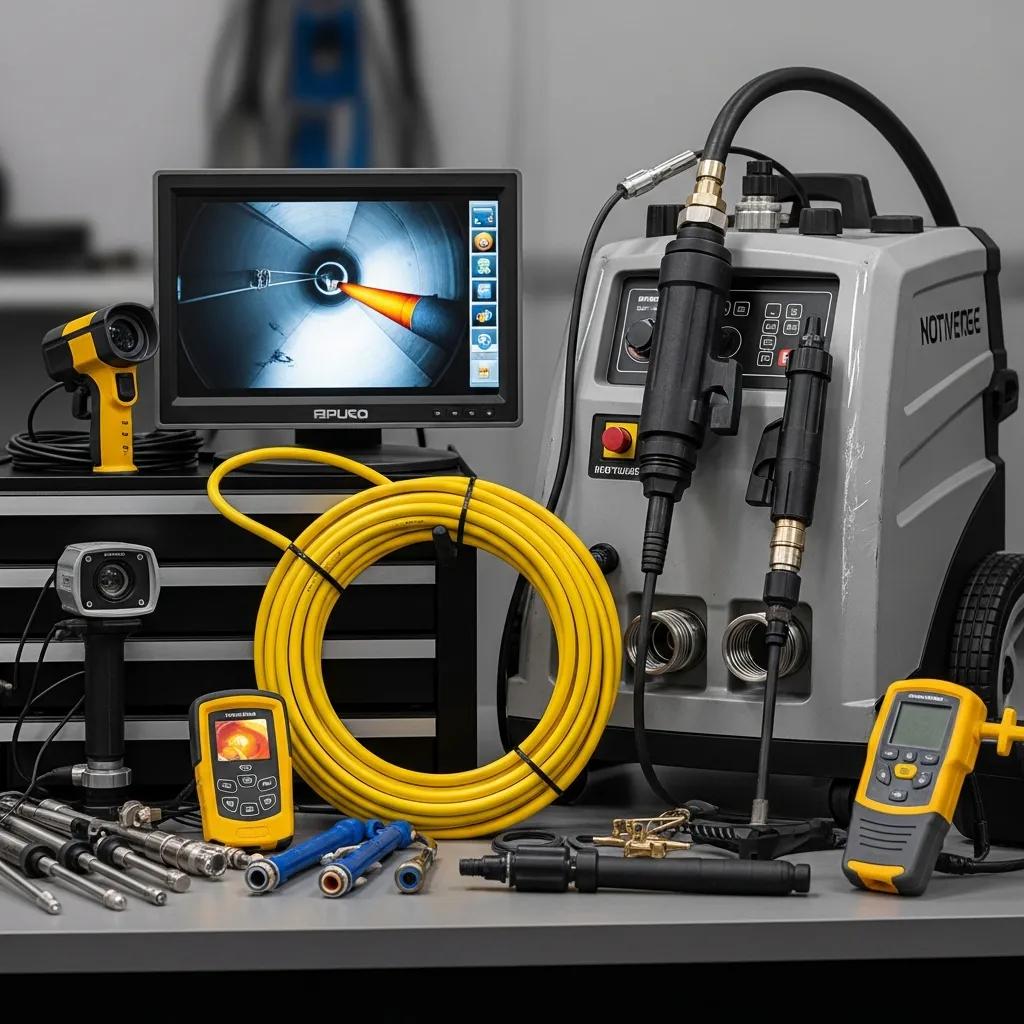
Advanced tools—sewer camera inspection, high-pressure hydro jetters, and powered augers—clarify a clog’s location and makeup so we can choose the most effective repair. A sewer camera feeds a flexible video probe into the pipe to record real-time images, revealing roots, grease, collapse, or foreign objects without digging. Hydro jetters use controlled high-pressure water to scour pipe walls and dislodge heavy buildup, a mechanical, non-chemical option that’s effective on severe grease and sludge. Using the right tool at the right time reduces repeat service and protects pipes; combining camera inspection with hydro jetting often provides both diagnosis and definitive cleaning in one visit.
Below is a quick reference that pairs tools with common findings and outcomes so you know when each tool is appropriate.
| Tool | Attribute | Typical Findings |
|---|---|---|
| Sewer Camera Inspection | Visual diagnosis of interior pipe condition | Root intrusion, grease build-up, pipe collapse, offset joints |
| High-Pressure Hydro Jetter | Mechanical cleaning with pressurized water | Grease layers, sludge, mineral scale, soft root material removal |
| Snake / Power Auger | Mechanical cutting and clearing | Localized obstructions like hair, small debris, or compacted waste |
How Does Sewer Camera Inspection Identify Clog Location and Cause?
Sewer camera inspection finds clogs by pushing a compact camera on a flexible cable through the pipe while recording video that shows the obstruction’s position, composition, and the surrounding pipe condition. The footage helps technicians differentiate tree roots, grease, scale, or structural collapse and lets us mark the exact depth from access points for targeted work. Camera evidence removes guesswork—often avoiding excavation or confirming where a repair is needed—and it creates a diagnostic record we use for warranties and follow-up planning.
What Are the Benefits of Using High-Pressure Water Jetters in Hydro Jetting Services?
Hydro jetting uses a high-pressure water jetter to scour pipe interiors, removing grease, sludge, mineral deposits, and soft roots that a snake may only partially clear. The main benefits are restoring full pipe diameter by cleaning the walls and reducing quick re-accumulation by flushing away the grease and biofilm where clogs start. Hydro jetting is especially useful for severe main-line blockages and recurring clogs. Before we hydro jet, technicians assess pipe material and condition to set pressure and nozzle types that clean effectively while protecting fragile lines.
What Emergency Drain Clearing Solutions Does Frost and Kretsch Offer?
Our emergency solutions range from simple mechanical snaking to aggressive hydro jetting and rooter services, chosen after diagnostics to match the severity and pipe condition. For localized fixture clogs, a powered auger or snake can restore flow quickly. For grease, sludge, or recurring clogs, hydro jetting delivers deeper, longer-lasting cleaning. When camera inspection shows root intrusion, our rooter service cuts and clears roots and helps us decide if longer-term repair or excavation is needed. We follow an inspect → diagnose → clear workflow so the method fits the cause—not the other way around.
The table below compares common clearing approaches to help property owners choose the right solution for their situation.
| Solution | Ideal for | Typical outcome |
|---|---|---|
| Hydro Jetting | Grease/sludge, heavy buildup, recurring clogs | Thorough cleaning, restored flow, reduced recurrence |
| Rooter Service | Root intrusion into sewer lines | Root removal and immediate relief; may indicate need for repair |
| Snaking / Augering | Localized fixture clogs | Quick clearing of hair/debris; may be temporary for severe cases |
| Camera-Guided Repair | Unknown obstruction source | Targeted diagnosis, less excavation, precise repair planning |
How Does Hydro Jetting Effectively Remove Severe Grease and Sludge Blockages?
Hydro jetting removes grease and sludge by firing a powerful water stream along the pipe interior to shear and flush away material that clings to the walls. That mechanical action restores the pipe’s full diameter and removes the sticky layer where future clogs form—something snaking often can’t do. In severe or recurring cases, pairing hydro jetting with camera verification often converts a temporary fix into a long-term solution. Technicians control pressure and nozzle choice to balance cleaning power with the pipe material’s tolerance, protecting your infrastructure while clearing the line.
When Is Rooter Service Necessary for Tree Root Removal in Sewer Lines?
Rooter service is necessary when camera footage shows root intrusion—visible root masses, stringy debris, or recurring clogs at the same pipe section. Root cutting tools and augers remove intrusive roots and restore flow, giving immediate relief and preventing total blockage. If roots come back repeatedly or camera inspection shows a collapsed or offset pipe, cutting roots is only a temporary fix and a structural repair or excavation may be required. We use camera evidence to recommend whether rooter service alone is enough or if the pipe needs a longer-term repair.
Which Common Types of Emergency Drain Clogs Are Addressed?
Emergency services cover clogs from simple fixture blockages to full main sewer line obstructions; responses scale from snaking to excavation based on diagnostics. Typical categories include kitchen sink clogs from grease, bathroom clogs from hair and soap, toilet blockages from solids or foreign objects, main line obstructions from roots or collapse, and basement floor drain backups from municipal or private failures. Technicians use camera inspection to map each scenario to the right response. Knowing common patterns helps you do immediate triage and choose the correct emergency service level.
Use this quick-reference table to match clog type to common causes and likely responses.
| Clog Type | Common Cause | Typical Response / Method |
|---|---|---|
| Kitchen sink | Grease, food debris | Snaking or hydro jetting for grease; camera if recurring |
| Bathroom sink / shower | Hair, soap scum | Snaking; hydro jetting if recurring or widespread |
| Toilet | Solid waste, foreign objects | Augering; camera if persistent or multiple fixtures affected |
| Main sewer line | Roots, collapse, heavy grease | Camera inspection → hydro jetting or rooter → repair/excavation |
| Basement floor drain | Municipal backup, severe clog | Immediate isolation, camera inspection, hydro jetting or excavation |
How Are Kitchen Sink and Bathroom Drain Clogs Cleared Quickly?
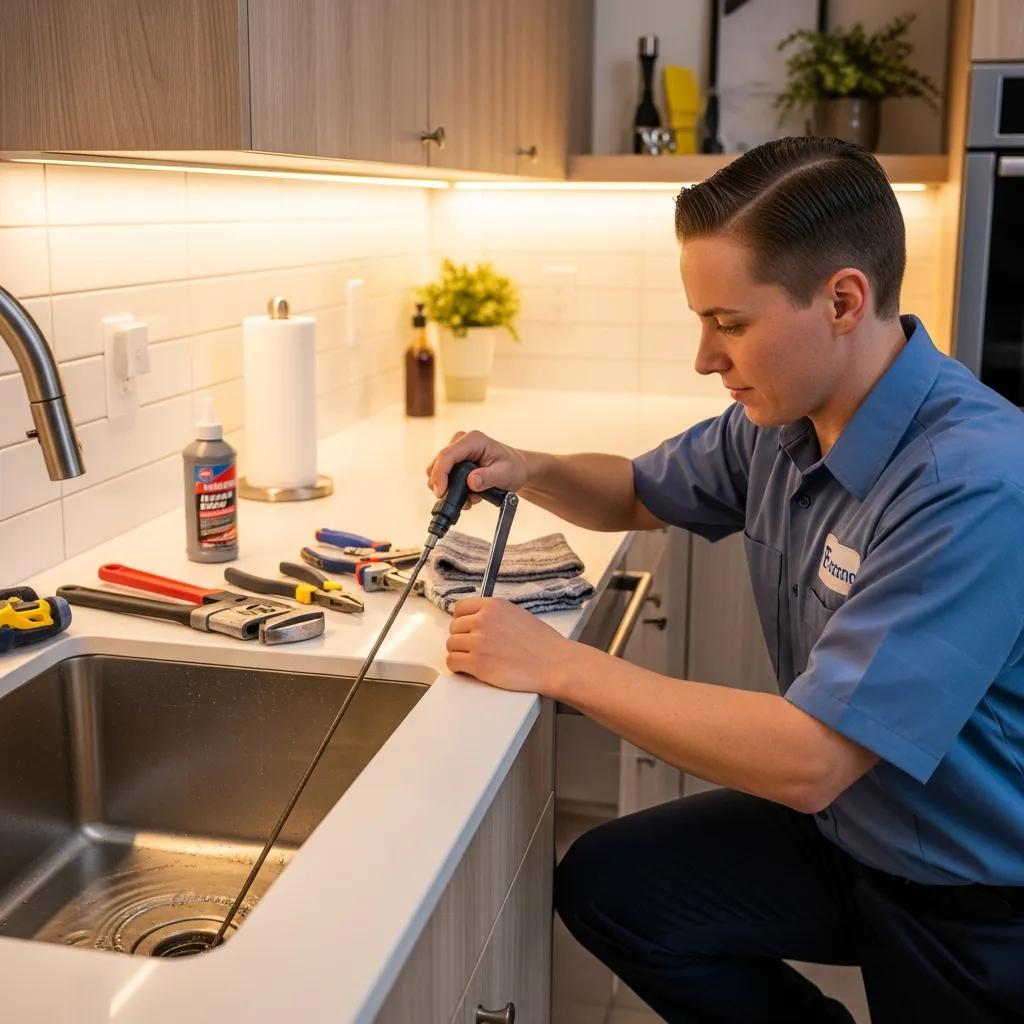
Most kitchen and bathroom clogs are cleared quickly with mechanical snaking or mini-jetting that target a localized blockage without full main-line work. Kitchens with heavy grease or compacted food may need hydro jetting to remove wall deposits that cause recurring slow drains; bathrooms typically respond to snaking that pulls hair and soap out. While plunging or removing visible debris can buy time, don’t delay calling a pro if multiple fixtures are affected or plunging fails. Fast, appropriate clearing limits water damage and gets your fixtures back in service.
What Solutions Exist for Main Sewer Line Blockages and Basement Floor Drain Backups?
Main sewer line blockages and basement backups require a diagnostic-first approach: camera inspection to locate and identify the cause, followed by the least-invasive effective clearing method—often hydro jetting or rooter service. If camera footage shows structural damage, offsets, or repeated root growth, technicians may recommend excavation or sectional repairs to restore long-term reliability. For basement backups, we also determine whether a municipal backup or private lateral failure is to blame and advise containment and cleanup to reduce contamination. The inspect → clear → repair flow prioritizes targeted intervention and avoids needless destruction.
Why Choose Frost and Kretsch Plumbing for Emergency Clogged Drain Repair?
When time is critical, choose a service that combines speed, accurate diagnosis, and clear outcomes. Frost and Kretsch Plumbing focuses on those elements with licensed staff, diagnostic-first practices, and customer-first policies. Our key value props: 24/7 emergency availability, often prompt response times (typically within an hour), transparent upfront pricing, and a 100% satisfaction guarantee. Serving Macomb, Oakland, and Wayne counties gives us local knowledge that shortens arrival times and informs repair choices. Those trust signals reduce uncertainty during an emergency and help property owners pick a provider ready for diagnostic-led work.
The practical benefits of a licensed, local emergency team are faster dispatch, documented diagnostics, and accountable repairs—all of which limit downtime and long-term costs.
Below are the core reasons to consider when evaluating emergency drain services.
- 24/7 emergency availability for urgent clogged drain response and clearing.
- Licensed master plumbers and continuously trained technicians to ensure quality workmanship.
- Transparent, upfront pricing and a 100% satisfaction guarantee to reduce risk for customers.
- Local service presence in Macomb, Oakland, and Wayne counties for faster arrival and regional expertise.
These differentiators matter when minutes count. Choosing a provider that documents diagnosis, communicates clearly, and stands by their work increases the chance of a single-visit resolution and fewer follow-ups.
If an urgent clog threatens property or health, prioritize a provider with these capabilities for faster, safer outcomes.
What Are the Unique Value Propositions Including Transparent Pricing and Satisfaction Guarantee?
Transparent pricing means you get an upfront estimate or clear cost explanation before work begins—no surprise charges during an emergency. A 100% satisfaction guarantee shows a commitment to fix issues if the initial service doesn’t fully resolve the problem, including follow-up inspections when needed. Combined with licensed master plumbers and a diagnostics-first approach, these policies reduce unnecessary escalation and give property owners confidence that the solution will hold. Clear pricing and guarantees turn an uncertain emergency into a managed response with accountable results.
How Does Local Expertise in Macomb, Oakland, and Wayne Counties Benefit Customers?
Local expertise shortens travel time and brings practical knowledge of regional infrastructure, soil conditions, and common sewer issues that shape diagnostics and repair choices. Technicians familiar with Macomb, Oakland, and Wayne counties can anticipate frequent failure modes and choose solutions that reflect typical pipe materials and installation practices in the area. Faster arrivals reduce how long water contacts building materials, and local reputation often means established follow-up processes and community accountability. For property owners, choosing a locally focused emergency provider improves the chance of timely, context-aware solutions that limit damage and recurrence.
This guide has covered how to spot urgent clog symptoms, when to call for diagnostics-first emergency service, and which clearing methods deliver durable results for severe drain blockages. If you see multiple emergency signs or a basement backup, prioritize isolation and a professional camera inspection to guide effective clearing and long-term repairs.
Frequently Asked Questions
What should I do if I notice multiple drains backing up at the same time?
If several drains back up at once, treat it as a serious issue—this often points to a main sewer line blockage. Stop using water in affected fixtures to avoid worsening the backup. Contact a licensed emergency plumbing service for a professional diagnosis; they will likely use camera inspection to locate the blockage and recommend the most effective clearing method.
How can I prevent future drain clogs in my home?
Prevent clogs with regular maintenance and careful use. Don’t pour grease, large food scraps, or non-biodegradable items down the sink. Use drain screens to catch hair and debris in showers and sinks. Periodically flush drains with hot water or a vinegar-and-baking-soda rinse to help break down buildup. Schedule professional inspections and cleanings for older systems to catch issues before they become emergencies.
What are the risks of using chemical drain cleaners?
Chemical drain cleaners can damage pipes—especially older ones—by corroding metal and harming seals. They can also produce hazardous fumes and pose health risks if mishandled. For severe clogs, chemicals often don’t work and can make the problem worse. It’s safer and more effective to call a professional plumber for stubborn or recurring clogs.
How do I know if my plumbing issue requires emergency services?
Call emergency services when you see severe signs such as multiple fixtures backing up, persistent sewage odors, visible wastewater, gurgling sounds from drains, or standing water in basements. These indicators can mean immediate risk to property and health. If you’re unsure, err on the side of caution and contact a professional for an assessment.
What is the difference between snaking and hydro jetting for drain clearing?
Snaking uses a flexible auger to break up and remove blockages and is effective for localized clogs. Hydro jetting uses high-pressure water to clean the entire pipe interior, removing grease, sludge, and buildup that cause recurring problems. Hydro jetting is often better for severe blockages and for preventing near-term recurrence by cleaning pipe walls completely.
Can I perform any temporary fixes before the plumber arrives?
Yes. Stop using water in affected fixtures to reduce backup. Try plunging the drain to dislodge minor clogs. A wet/dry vacuum can help remove standing water if used safely. Avoid chemical drain cleaners—they can complicate repairs and create hazards for technicians.
What should I expect during a professional drain inspection?
During a professional inspection, a licensed plumber will usually run a sewer camera through the pipe to view the interior. The camera records video that shows blockages, damage, or deterioration. After the inspection, you’ll get a clear explanation of findings and recommended solutions based on your plumbing condition.
Conclusion
Addressing emergency clogged drains quickly protects your property and health—timely intervention prevents costly damage and sanitation risks. By recognizing warning signs and understanding the effective methods available, homeowners can make informed choices when urgent situations arise. Trusting a licensed, local plumbing team ensures a rapid response and quality repairs tailored to your needs. For reliable emergency drain clearing, contact Frost and Kretsch Plumbing and let our trained technicians help safeguard your home.