Plumber Macomb Township, MI: Residential & Commercial Services
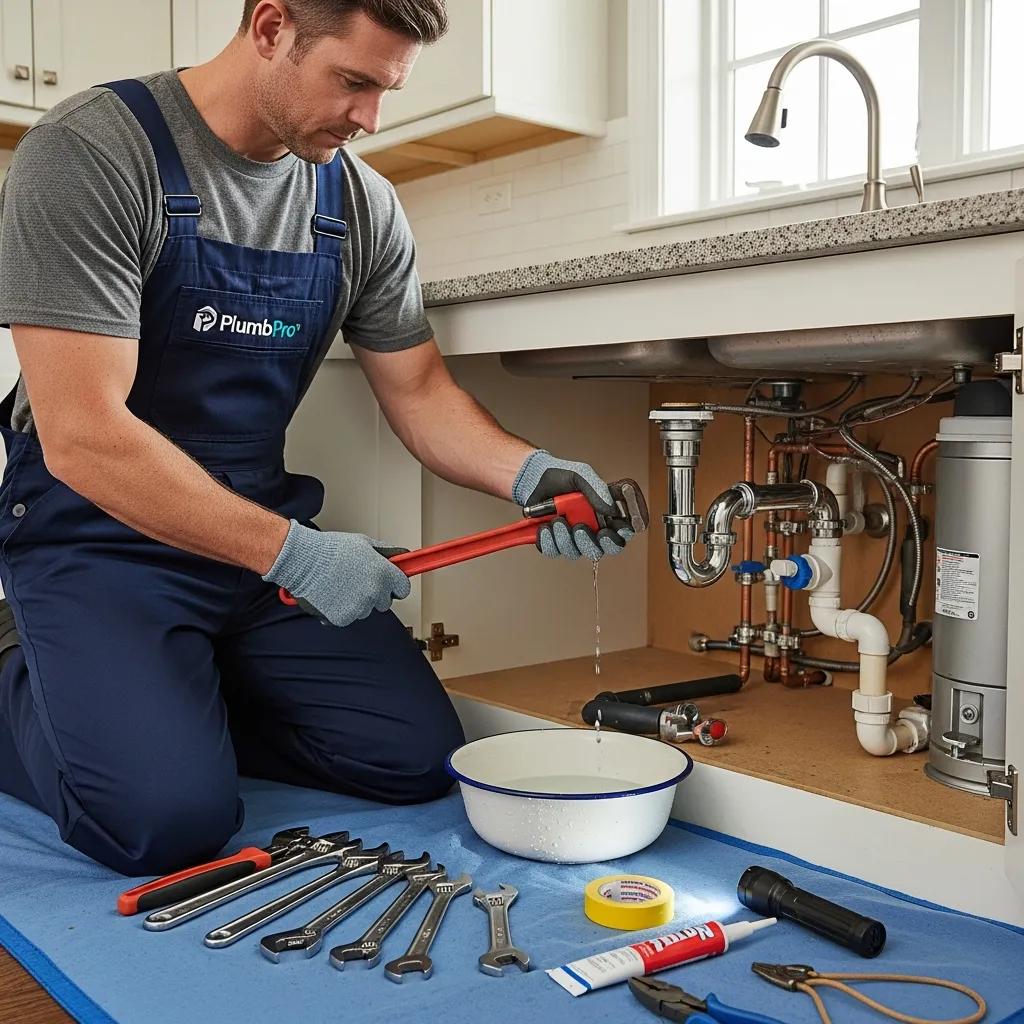
Plumber Macomb Township, MI: Trusted Residential & Commercial Plumbing Services When You Need Them Plumbing problems in Macomb Township need quick, dependable fixes that protect homes and businesses from water damage, health hazards, and costly downtime. This guide walks through the residential and commercial services available locally, explains how to spot urgent issues, and outlines diagnostic and repair choices for sewer and excavation work. You’ll learn when to call an emergency plumber, what a camera inspection or trenchless repair looks like, and how routine work—like sump pump checks and hydro-jetting—helps avoid bigger failures. Practical checklists and comparison tables make it easier to weigh repair versus replacement, and we highlight how Frost & Kretsch Plumbing supports Macomb Township customers with 24/7 emergency response, licensed techs, clear pricing, and a satisfaction promise. What Residential Plumbing Services Are Available in Macomb Township? Residential plumbing covers everything that brings water in, sends waste out, and keeps your home dry and safe. Common services include water heater repair and replacement, drain cleaning and hydro-jetting, leak detection and pipe repair, sump pump service, fixture installs, and sewer diagnostics. Recognizing signs—like weak hot water, slow drains, recurring odors, or damp spots—helps you act before small problems become emergencies. Local conditions in Macomb Township, such as freeze-thaw cycles and older plumbing materials, make timely maintenance and targeted diagnostics like camera inspection especially important. Below we explain how homeowners decide whether to repair or replace a water heater and what timing looks like for tank and tankless options. Residential services in Macomb Township commonly include: Water heater repair and replacement: Troubleshooting no-heat, leaks, or sediment and replacing units safely when needed. Drain cleaning and hydro-jetting: Removing hair, grease, and mineral buildup to restore flow and prevent repeat clogs. Leak detection and pipe repair: Finding hidden leaks with acoustic and thermal tools and performing focused repairs. Sump pump and basement protection: Inspecting, testing, and repairing pumps to keep basements dry during storms. Intro to residential service comparisons: Service Typical Signs When to Call a Pro Water Heater Service No hot water, discolored water, rumbling noises If a simple part swap or pilot relight won’t restore hot water Drain Cleaning Slow drainage, recurring backups, odors When plunging or a basic snake doesn’t solve the issue Leak Detection New stains, higher water bills, damp floors When the leak source isn’t visible or keeps returning Use this table to match symptoms to services and pick the next step. The following section details our water heater process so you know what to expect. How Does Frost & Kretsch Plumbing Handle Water Heater Repair and Installation? We start water heater work with a full diagnostic to decide whether repair or replacement will restore reliable hot water. Our technicians check heating elements, thermostats, pressure relief valves and tank condition, then explain repair options and expected life so you can choose with confidence. If replacement is the best path, we size the unit for your household, remove the old system, install the new tank or tankless unit, and pressure- and leak-test everything before we leave. We also give simple maintenance tips—like periodic flushing and temperature checks—to help extend the unit’s life. All water heater work follows licensed diagnostic procedures and transparent pricing. We provide upfront estimates and stand behind our work with a satisfaction guarantee so you know costs and outcomes before you commit. Next, we cover drain cleaning and leak-detection tools that often accompany water heater diagnostics. What Solutions Are Offered for Residential Drain Cleaning and Leak Detection? Drain cleaning and leak detection pair inspection tech with mechanical and hydro-mechanical methods to restore flow and find hidden issues. Camera inspection shows blockages and structural problems, while hydro-jetting blasts away grease, roots, and mineral scale that a snake can’t remove. Acoustic and thermal tools pinpoint leaks behind walls and under slabs so we can fix them with minimal digging. Regular maintenance—flushing, using strainers, and scheduled hydro-jetting for older lines—reduces clogs and lengthens pipe life. If you notice slow drains, gurgling fixtures, or unexplained damp spots, start with a diagnostic inspection. Finding the root cause up front makes repairs last longer and cuts down on repeat visits. The next H2 extends these ideas to commercial settings, where scale and regulations change how we schedule and perform work. Which Commercial Plumbing Services Does Frost & Kretsch Provide in Macomb Township? Commercial plumbing covers larger systems, stricter regulations, and the need to keep businesses running. We offer commercial-grade drain cleaning, grease trap maintenance, large water heater and boiler support, pipe repair and relining, and backflow prevention and testing to meet local rules. Facility managers balance preventive maintenance, compliance paperwork, and fast emergency response to avoid downtime. The sections below explain how we manage commercial drain and grease-trap programs, backflow solutions, and practical maintenance schedules to reduce regulatory risk. Commercial maintenance priorities typically include: Scheduled drain and grease trap cleaning: Keeps kitchens running, reduces backups and odors, and meets code. Backflow prevention and testing: Protects drinking water and satisfies certification requirements. Large-scale pipe repair and relining: Restores service with minimal disruption when full repiping isn’t practical. Next we outline recommended schedules and on-site procedures tailored for restaurants and larger facilities. Intro to commercial service comparisons: Commercial Service Frequency / Regulatory Notes Service Offered Grease Trap Maintenance Monthly or quarterly, depending on volume and local rules Inspection, pumping, cleaning, and disposal Backflow Prevention Annual testing and certification Installation, testing, and required documentation Commercial Drain Cleaning As-needed and scheduled preventative cleanings Hydro-jetting, mechanical cleaning, and camera inspections How Are Commercial Drain Cleaning and Grease Trap Services Managed? We begin commercial programs with an assessment of flow rates, waste type, and regulatory needs to set a maintenance cadence. Busy kitchens often need monthly or bi-monthly service: inspection, removal of fats, oils, and grease, compliant disposal, and follow-up camera checks to confirm line condition. Hydro-jetting tackles persistent buildup, mechanical methods clear local obstructions, and we provide documentation—service dates and waste manifests—for health-code inspections. Routine care cuts odors, downtime, and enforcement risk while extending the
Greywater Recycling Systems for Sustainable Homes

Greywater Recycling for Sustainable Homes — Installation, Benefits, Costs & Regulations Greywater recycling systems capture lightly used household wastewater — from showers, sinks and laundry — and redirect it for safe, non‑potable uses like landscape irrigation and toilet flushing. This guide breaks down what greywater is, how common systems work, and why homeowners focused on sustainable plumbing and water resilience consider them a smart investment. With rising water costs and seasonal watering limits, greywater can lower your potable demand, cut runoff, and reduce loads on treatment plants. You’ll find clear explanations of system types, typical installation costs in Michigan, maintenance expectations, and the local regulatory picture so you can judge whether greywater is a fit for your home. We also cover system selection, cost drivers, homeowner benefits, Michigan permit points, and practical troubleshooting—linking topics such as irrigation, septic compatibility, and state statutes so you can plan with confidence. What Are Greywater Recycling Systems and How Do They Support Sustainable Living? Greywater recycling systems are engineered assemblies that collect and redirect household greywater for safe, non‑potable reuse, helping households use less municipal water and operate more sustainably. Most systems gather water from showers, bathroom sinks and laundry, pass it through screens, filters or simple diversion fittings, and send it to irrigation zones or toilet tanks. By keeping that water on site instead of sending it to the sewer, homeowners lower their potable use, reduce utility bills, and ease pressure on local treatment systems. Less runoff and smaller sewage volumes also benefit local watersheds. Knowing how these systems function makes it easier to see why they’re a practical upgrade for water-conscious homeowners. Frost & Kretsch Plumbing can assess whether a greywater solution fits your property and goals. Our team offers on‑site evaluations and consultations that explain options, limits and likely savings so you can move from an idea to a permit‑ready plan. Local know‑how is especially useful when we evaluate plumbing layouts, septic interactions and landscape needs for distribution. If you’d like an estimate or appointment, request a consultation and we’ll build a plan that matches your sustainability objectives. What Is Greywater and How Is It Different from Blackwater? Greywater is household wastewater that comes from showers, bathtubs, bathroom sinks and laundry. It’s different from blackwater, which contains toilet waste and typically kitchen wastewater with food solids and fats. Because greywater generally has fewer pathogens and solids than blackwater, it’s often suitable for on‑site, non‑potable reuse with simpler treatment and diversion methods than full sewage systems. Safe greywater management focuses on preventing cross‑connections to drinking water, avoiding stagnation, and minimizing human contact with untreated flows. Understanding this distinction helps you pick the right system and meet local health requirements when planning irrigation or toilet‑reuse systems. How Do Greywater Recycling Systems Conserve Water in Residential Homes? Greywater systems cut potable water use by replacing drinking‑quality water with treated or diverted household effluent for uses that don’t require potable standards. Reusing laundry and shower water for irrigation or toilet flushing can reduce a home’s potable demand substantially — often in the 30–50% range depending on what you choose to reuse. Technically, systems reroute source flows through diverters, filters and distribution lines so the water offsets what would otherwise come from the municipal supply or a private well. That means lower water bills, less strain on treatment plants, and greater drought resilience for properties that can rely on local recycled supplies. What Are the Types of Greywater Recycling Systems for Homes? Residential greywater systems typically fall into a few categories: gravity‑fed systems, branched drain setups, pump‑based systems, and filtered/treated whole‑house solutions. Gravity systems are the most passive and economical where slope allows easy distribution to landscape. Branched drain systems collect flows from multiple fixtures with simple routing and few moving parts. Pump‑based and filtered systems add tanks and mechanical components to enable toilet flushing or remote irrigation, but they cost more and need more upkeep. Selecting the right approach depends on your reuse goals, property layout, available space and any local rules that limit certain practices. Below is a comparison to help match system categories to household needs and site constraints. Introductory table: This comparison helps homeowners match system categories to typical household needs and site constraints. System Type Typical Use Case / Pros Cons Laundry-to-Landscape (gravity-fed) Low‑cost irrigation for nearby beds; few components Needs slope or nearby planting; seasonal limits in freezing climates Branched Drain Systems Diverts multiple fixtures for dispersed irrigation; simple to install Not suitable for toilet flushing; can clog without screening Pump-Based Filtered Systems Supports toilet flushing and remote irrigation; includes storage and filtration Higher upfront cost, routine maintenance, risk of mechanical failure Filtered/Treated Whole-House Systems Maximizes potable‑water offsets including indoor reuse Highest cost and regulatory oversight; professional installation required This layout clarifies trade‑offs so you can align system capability with reuse objectives and budget. How Do Gravity-Fed Systems Like Laundry-to-Landscape and Branched Drain Work? Gravity‑fed systems route greywater — commonly from a washing machine — through a diverter and short distribution lines into garden beds where it soaks into the soil. They rely on natural slope and simple fittings rather than pumps, which keeps costs and maintenance low for properties with the right topography. Routine care is minimal: periodic line checks and using low‑salt, biodegradable detergents to protect soil and plants. Limitations include seasonal inactivity when temperatures drop below freezing and restrictions on which plants or areas should receive untreated greywater. For many homeowners, gravity systems are a practical, low‑cost first step toward onsite water reuse. What Are Pump-Based and Filtered Greywater Systems? Pump‑based and filtered systems collect greywater in a holding tank, run it through mechanical filtration or biological media, and use pumps to distribute treated water for irrigation, subsurface drip or toilet flushing. Components can include screens, sediment traps, retention tanks, pumps and distribution manifolds that allow pressure and dosing control to remote parts of the property. These systems expand reuse options beyond downhill landscaping but come with higher initial cost and ongoing maintenance for filters and
Professional Plumber Services in Canton, MI
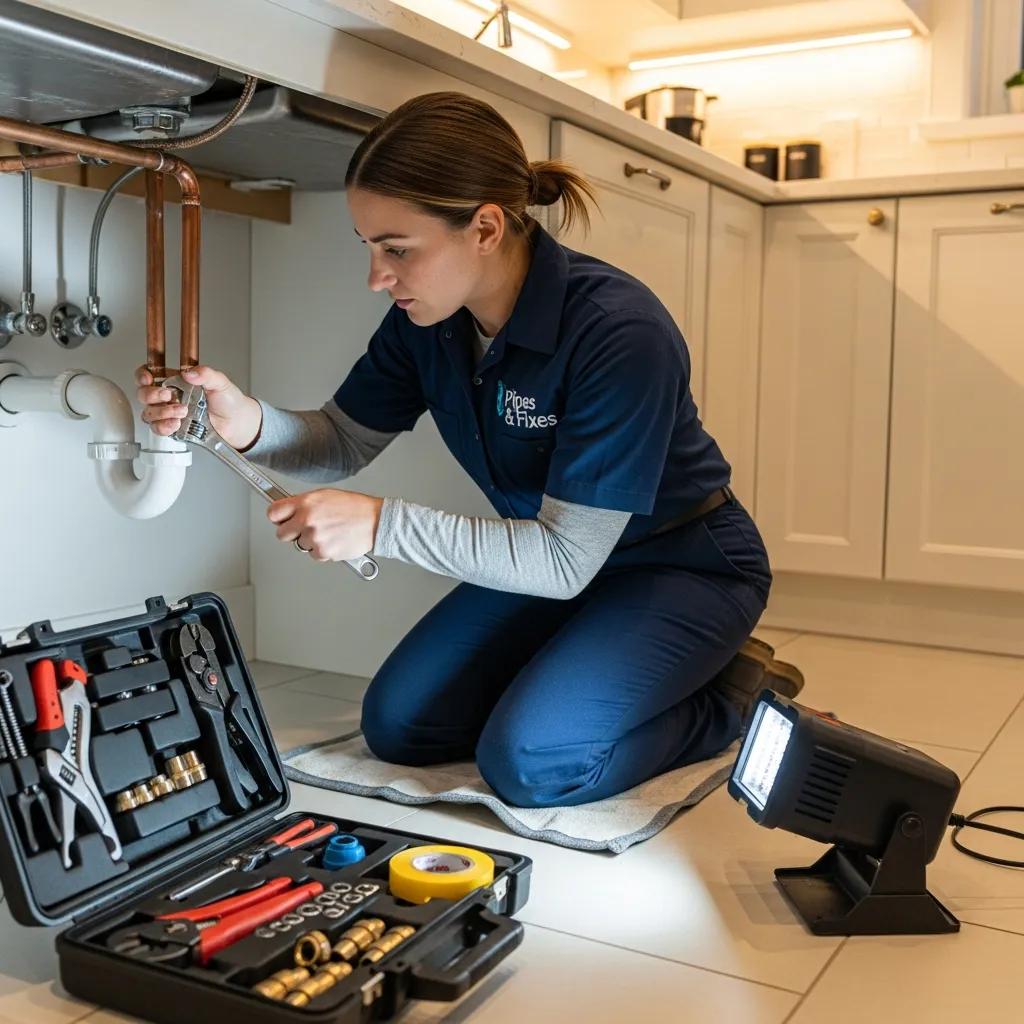
Canton Plumbing You Can Count On — Residential & Commercial Solutions When you need a reliable plumber in Canton, MI, you want fast fixes, clear answers, and work that lasts. This guide walks homeowners and business owners through the services they’re most likely to need, the tools and methods technicians use to diagnose and repair problems, and how to evaluate local plumbers for emergencies, installations, and upkeep. You’ll read about common residential jobs — leak detection, water heater options, sump pump replacement — and commercial services like hydro jetting, backflow prevention, and maintenance contracts. We also explain what to do in an emergency, which factors shape a quote, and how a company’s local reputation matters. Throughout, local search phrases such as “Canton plumbing,” “licensed plumber Canton,” and “Canton sewer camera inspection” help you find the right options and make confident decisions about repairs and upgrades. Why Frost and Kretsch Plumbing Is a Smart Choice for Canton, MI A dependable plumbing company blends technical skill, fair pricing, and quick response to protect your property and reduce downtime. Choosing a local, licensed team in Canton shortens travel time, ensures familiarity with regional codes, and gives you access to help when problems happen after hours. Licensed techs follow proven diagnostics — camera inspection, electronic leak detection, and pressure testing — so they fix root causes instead of just treating symptoms. That means fewer return visits and more predictable results for homeowners and businesses. Frost and Kretsch Plumbing brings hometown experience to Macomb, Oakland, and Wayne counties. As a family-owned business, we focus on practical solutions built for Michigan homes and commercial sites. Our core promises include 24/7 emergency service, transparent pricing, satisfaction guarantees, and licensed, experienced technicians. For emergency or scheduled work, reach out to Frost and Kretsch Plumbing to discuss your situation and book a visit with a trained technician. Here are the trust signals Canton customers should consider when choosing a plumber: 24/7 Emergency Service: Fast access to technicians for burst pipes and sewer backups. Transparent Pricing: Upfront estimates that separate parts and labor so there are no surprises. Licensed, Experienced Technicians: Crews who use diagnostic tools and follow code-compliant repair methods. Those features lower risk for property owners and make the path from diagnosis to repair clearer. Understanding how emergency coverage and honest pricing translate to real benefits helps you pick the right provider. Benefits of 24/7 Emergency Plumbing Service in Canton Around-the-clock emergency service limits property damage and health risks by enabling immediate triage and mitigation of serious failures. Common emergencies include burst pipes, major leaks, sewer overflows, and failed water heaters — and quick action reduces water intrusion, mold growth, and structural harm. Emergency response usually starts with instructing occupants to shut off the main water valve and avoid electrical hazards. When a licensed crew arrives, they stabilize the site with temporary repairs, remove standing water if needed, and use cameras or pressure tests to diagnose the root cause and plan permanent repairs. Fast response narrows the scope and cost of later repairs by stopping ongoing damage and securing systems until a full fix is possible. The usual emergency workflow — immediate mitigation, diagnostic assessment, temporary stabilization, then planned restoration — minimizes downtime and helps property owners move quickly with insurance and restoration choices. Knowing these steps helps Canton residents act decisively when a plumbing crisis occurs. How Transparent Pricing Builds Trust Transparent pricing means an upfront, itemized estimate that separates parts, labor, and any permit or disposal fees so you know exactly what you’re paying for. A reliable estimate starts with diagnostics — inspection and testing — so the technician can explain cost drivers and options like repair versus replacement. Providing the estimate in writing and clarifying warranty terms creates accountability and avoids surprise charges after the job is done. Transparency also means walking through alternatives and long-term trade-offs, for example recommending replacement when a water heater’s age and efficiency make it the smarter choice. With a clear estimate, customers can compare proposals and choose solutions that balance reliability and budget. That approach focuses on fixing root causes instead of quick patches. Ask for a site-specific estimate to align expectations with actual job complexity and avoid common post-repair disputes. Residential Plumbing Services Available in Canton, MI Residential plumbing covers routine maintenance, diagnostic inspections, repairs, and full-system installs that protect comfort and property value. Canton homeowners commonly need leak detection & repair, water heater service, drain cleaning, sump pump installation or replacement, fixture repair or replacement, and sewer-line work including camera inspection and hydro jetting. Technicians use tools such as drain snakes, sewer cameras, hydro jetters, and sump pumps to address both symptoms and underlying causes, improving long-term performance. Knowing these services helps homeowners prioritize preventive care and choose cost-effective upgrades. The table below helps compare common service types, the typical problems that trigger them, and the usual solutions or benefits delivered by a professional plumber. Service Typical Issue Common Solution / Benefit Leak detection & repair Hidden pipe leaks, water stains, high bills Electronic detection and targeted repair to prevent structural damage Water heater service No hot water or poor efficiency Repair or replacement; maintenance improves reliability and efficiency Drain cleaning Slow or clogged drains Camera inspection plus snaking or hydro jetting to restore flow and prevent backups Sump pump installation Basement flooding or persistent moisture Correct sizing and installation to reduce flood risk and protect finishes Sewer camera inspection Frequent backups or root intrusion Video diagnosis to guide targeted repair or hydro jetting This comparison shows common outcomes: focused diagnostics avoid unnecessary excavation, and proper repairs restore system capacity while reducing repeat service. Knowing expected benefits helps homeowners discuss options and long-term value. Residential choices generally fall into preventive care, reactive repairs, and lifecycle replacements. Preventive steps — regular drain maintenance and water heater tune-ups — cut emergency calls and extend equipment life. Reactive repairs stop immediate problems, while lifecycle replacements (for example, upgrading to a tankless or modern tank water heater) weigh capacity, energy
Wall-Mounted Toilets: Space-Saving & Modern Design
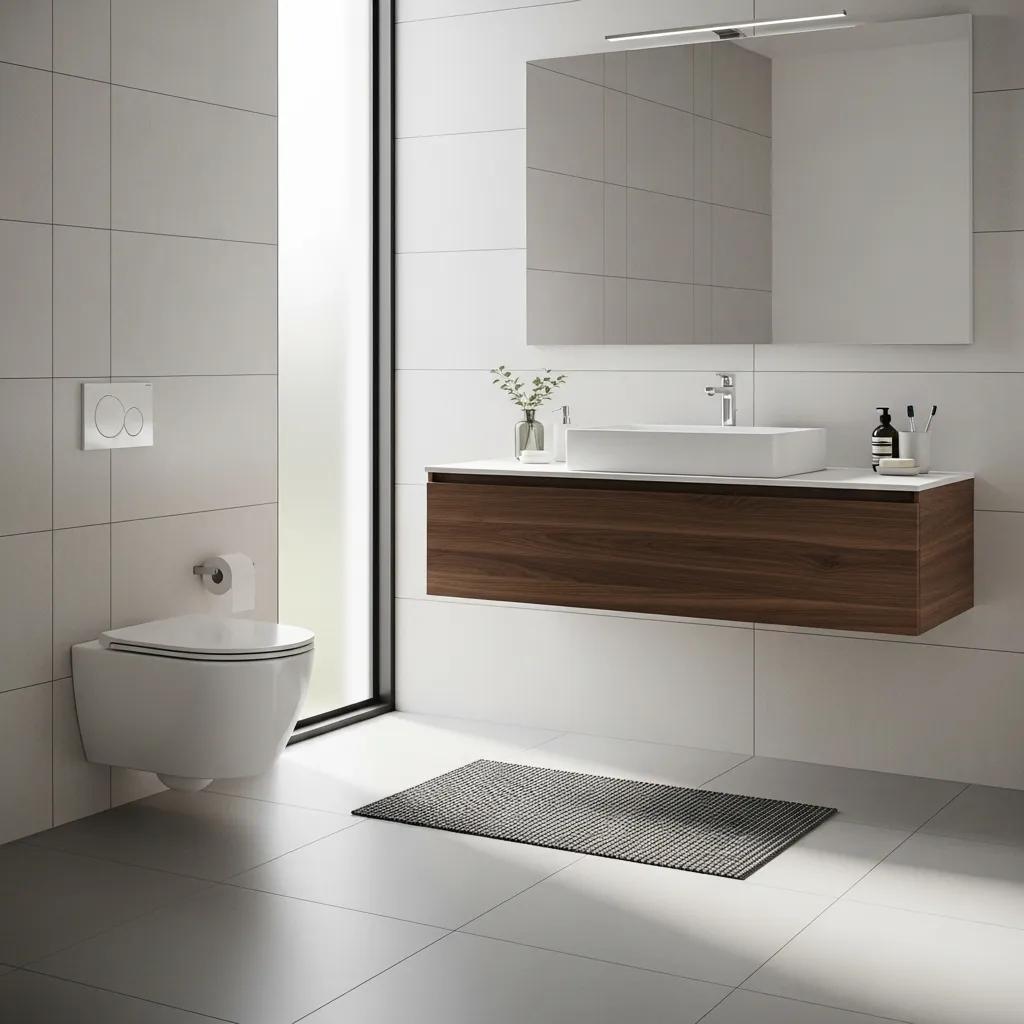
Wall-Mounted Toilets: Space-Saving, Modern Solutions for Grosse Pointe Homes & Businesses Wall-mounted toilets — also called wall-hung or floating toilets — mount the bowl to an in-wall carrier while hiding the tank inside the wall. That gives bathrooms in Grosse Pointe homes and businesses a slimmer profile, cleaner lines, and easier floor cleaning. Below you’ll find a clear, practical guide to how concealed cistern systems work, how floating toilets free up usable space, and the installation and maintenance points that matter when you’re choosing one. Many homeowners and designers want to maximize usable square footage without losing comfort; wall-hung toilets answer that need by cutting visual bulk and letting you set seat height for accessibility. Read on for benefits, a professional installation walkthrough, cost and brand comparisons, design tips, and straightforward maintenance advice — all designed to help you decide if a wall-mounted toilet fits your project. Keywords used here include floating toilet, concealed tank toilet, wall hung toilet installation, and in-wall toilet carrier system to keep the guidance practical and searchable. Key benefits of wall-mounted toilets Wall-mounted toilets save space, simplify cleaning, support modern bathroom aesthetics, allow adjustable seat height, and work with efficient flush systems. Because the carrier frame and tank sit inside the wall, the bowl appears to float and the fixture projects less into the room. That opens the floor plane for easier cleaning, reduces hidden dirt traps, and lets you fit shallower bowls in tight layouts. Most wall-hung designs also accept dual-flush valves and low-consumption fittings so you can reduce water use without losing performance. Below we quantify the space and cleaning advantages, then cover the design and accessibility benefits that often drive the decision. In tight powder rooms or narrow bathrooms, reclaiming a few inches of floor depth can make a real difference. The table below summarizes the core benefits, a measurable attribute, and a typical result to simplify comparison for homeowners and planners. Benefit Measurable Attribute Typical Result Space savings Reduced floor projection by 2–4 inches More clearance and easier circulation in compact rooms Easier cleaning No bowl-to-floor contact Faster mopping and fewer hidden grime spots Adjustable ergonomics Seat height set at installation Better accessibility and personalized comfort Water efficiency Compatibility with dual-flush valves Lower per-flush water use and utility savings Modern aesthetic Concealed cistern + flush plate Cleaner sightlines and a minimalist finish Overall, the floating-toilet approach blends functional gains with measurable space and hygiene improvements — a strong option when layout and cleanability are priorities. If you’re in Grosse Pointe and thinking about a wall-mounted toilet, we at Frost & Kretsch Plumbing can assess your space and provide a no-obligation estimate. Our local experience helps match the right carrier frame and bowl style to your wall structure. Contact us through our business profile or listed contact methods to request a site visit. How wall-mounted toilets free up bathroom space Wall-mounted toilets reclaim usable floor space by moving the tank and support into the wall cavity, reducing how far the fixture projects into the room and leaving a clear floor plane beneath the bowl. Because the carrier frame anchors to studs or blocking, you can pick shallower bowl profiles that still feel comfortable while making more room for vanities, storage, or door clearance. In practice, that often recovers about 2–4 inches of floor depth versus a standard floor-mounted trapway — a meaningful gain in small bathrooms where every inch counts. Understanding these trade-offs helps you rearrange fixtures and improve perceived room size without major structural work. The next section explains how the clear floor plane also simplifies cleaning and upkeep. Why floating designs are easier to clean and maintain Floating toilets remove the bowl-to-floor seam where dirt and bacteria gather, so sweeping and mopping under and around the bowl is quick and thorough. Most modern wall-hung bowls are vitreous china with smooth glazes and finishes that resist staining. Because the cistern is hidden, service access is usually provided through a removable flush plate — that lets technicians replace valves or seals without tearing out drywall. Routine care is straightforward: surface cleaning, occasional checks of the flush mechanism through the access panel, and a professional inspection of in-wall fittings as needed. The next section lays out the installation steps and component roles that make reliable performance possible. How professionals install wall-hung toilets Professional installation starts with a site assessment to confirm wall depth, stud locations, and plumbing rough-in. From there installers choose a suitable carrier frame, anchor it securely, connect the concealed cistern plumbing, and position the flush plate for future access. Installers verify load ratings, fasten frames to blocking or studs so weight transfers safely into the structure, align supply and waste connections to the cistern and outlet, and coordinate the finish work so tile or wall materials integrate neatly with the flush plate. Finally, the bowl is mounted, seals are checked, flush function is tested, and the user-height is confirmed. Here’s a concise sequence of the main installation stages: Site assessment and measurements: Confirm wall cavity depth, framing, and rough-in locations. Carrier frame and cistern selection: Pick a load-rated in-wall system compatible with your wall finish. Frame anchoring and plumbing hookup: Secure the frame to studs/blocking and connect water and waste lines. Wall finishing and flush plate installation: Close the wall, fit the flush plate access, and mount the bowl. Testing and user-height adjustment: Verify structural integrity, seals, and flush performance. The table below outlines key components, their roles, and installer notes so you can see how each part contributes to a serviceable system. Component Role Installation Notes In-wall carrier frame Structural support for bowl weight Anchored to studs/blocking and rated for dynamic loads Concealed cistern Water storage and flush mechanism Installed inside the wall cavity with access via the flush plate Flush plate User interface and service access Secures to cistern access and is removable for maintenance Outlet fitting (P-trap/S-trap configuration) Waste connection and trap seal Must align with existing drain lines and maintain correct slope Mounting bolts and
Home Water Testing: What to Test For and Why

Home Water Testing: What to Test — A Practical Guide for Grosse Pointe Homeowners Testing the water that runs through your home means taking samples and checking them for chemical, biological, and physical contaminants that can affect health and your plumbing. Knowing which tests matter locally helps protect your family, extends the life of appliances, and points to the right repairs or filtration systems so you don’t spend money on the wrong fix. This guide walks Grosse Pointe and southeastern Michigan homeowners through the most important contaminants to check, compares quick at‑home screens versus certified lab work, recommends how often to test and what events should trigger testing, and gives straightforward next steps for reading results and moving to remediation. You’ll find useful checklists, clear comparisons, and practical remediation steps that tie test results to plumbing and treatment options so you can act with confidence. Read on to learn which tests to run first, when a DIY kit is enough, and how to go from a failed test to a durable, effective solution that protects both health and home systems. We balance public‑health concerns with plumbing realities so you can weigh short‑term fixes against long‑term repairs. The guide reflects local conditions — older homes, private wells, and regional water chemistry — so the recommendations are relevant to Grosse Pointe homeowners. After we cover what to test and how often, you’ll see common remediation options and how a licensed local plumber can carry out the necessary repairs or install the right equipment. First, let’s explain why testing matters for both health and household systems and which signs should prompt immediate testing. Why Home Water Testing Matters for Your Health and Your Plumbing Water testing reveals contaminants that can harm people and water chemistry issues that wear out pipes and appliances. Regular checks catch biological hazards like coliform bacteria and chemical threats such as lead or nitrates, and they measure hardness and total dissolved solids that cause scale and corrosion. Finding problems early prevents illness, lowers long‑term exposure for vulnerable family members, and helps water heaters, dishwashers, and pipes run better and last longer. Knowing both the health and plumbing impacts helps you decide whether to use a quick mitigation or plan a longer repair. Problems from contaminated or poor‑quality water usually show up in three straightforward ways that affect daily life and safety: Health effects: contaminated water can cause stomach sickness, developmental problems in children, and higher long‑term disease risk. Plumbing and appliance effects: corrosive or very hard water shortens equipment life and raises energy bills. Convenience and appearance: bad taste, odor, or staining makes tap water unusable for drinking and can force you to install filters or replace fixtures. Seeing a pattern between symptoms and your water often leads homeowners to test; below we summarize the specific health risks tied to common contaminants so you can see why testing matters for young children, pregnant people, and anyone with a weakened immune system. Health Risks from Contaminated Drinking Water Contaminated water can cause immediate illness or longer‑term health effects depending on what’s present and who’s drinking it. Microbes like coliform bacteria or E. coli often cause gastrointestinal symptoms, dehydration, and can be dangerous for infants and people with weakened immune systems. Lead exposure harms childhood brain development and learning — even low-level exposure matters. Nitrates, usually from agricultural runoff or failing septic systems, can cause methemoglobinemia (“blue baby syndrome”) in infants. Emerging chemicals such as PFAS have potential long‑term health concerns and are still being regulated, so testing is recommended when exposure is possible. Public‑health guidance recommends prompt testing and remediation when vulnerable people live in the home or when results exceed health‑based action levels. If bacteria are detected, short‑term steps like boiling or using bottled water for drinking and cooking are often advised while a permanent fix is arranged. With health risks in mind, the next section explains how water chemistry affects your plumbing. How Water Quality Impacts Your Home’s Plumbing The minerals and chemistry of your water drive corrosion, scale, and biofilm — all of which shorten equipment life and reduce efficiency. Aggressive (low pH) water can eat away at copper and older lead‑bearing fixtures, releasing metal particles and creating leaks. Hard water (high calcium and magnesium) leaves scale on heating elements and inside pipes, cutting flow and making water heaters use more energy. Iron and manganese stain fixtures and laundry and build up sediment in tanks and filters. These problems increase service calls and replacement costs, so catching them early usually saves money. Watch for practical signs like lower water pressure, white or crusty scale around faucets, rusty or discolored water, or frequent water‑heater and softener service. Targeted testing identifies whether you need point‑of‑use filters, a water softener, or plumbing repairs such as pipe replacement or corrosion control. With that link between health and plumbing established, here’s which contaminants Grosse Pointe homeowners should prioritize. Which Contaminants Should Grosse Pointe Homeowners Test For? Which tests to run depends on local sources, who lives in the home, and plumbing risk. For many Grosse Pointe properties, priority tests include lead, coliform bacteria, nitrates, hardness minerals, iron, and PFAS. Lead often comes from older service lines or interior plumbing and is a top concern for homes built before lead‑free rules. Bacterial contamination is more likely in private wells or after distribution disturbances and can cause acute gastrointestinal illness. Nitrates usually come from nearby agriculture or failing septic systems and are especially dangerous for infants. Hardness and iron damage appliances and plumbing over time. PFAS are persistent industrial compounds with evolving guidance; test when exposure is possible. Use the quick comparison below to prioritize tests and relate signs in your home to likely causes. This table summarizes common contaminants, where they come from, health effects, household signs, and the recommended tests. Contaminant Common Source(s) Health Impact Signs in Home/Plumbing Recommended Test Lead Older service lines, interior plumbing Impaired childhood development; neurological effects Metallic taste, discolored water, visible corrosion First‑draw lead sample; compare
Residential Plumbing Services in Wayne County, MI
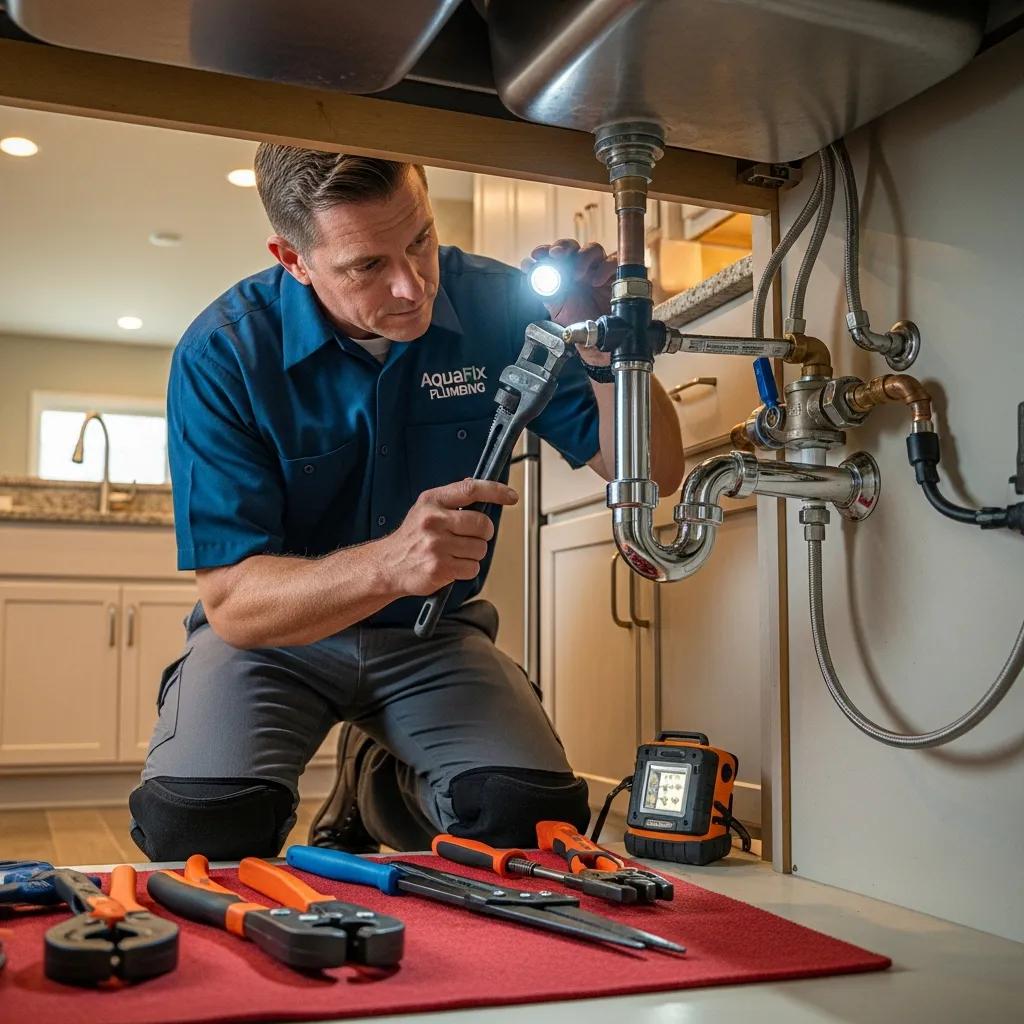
Residential Plumbing Services in Wayne County, MI — Trusted Solutions for Your Home Keeping your home’s plumbing safe and reliable is what we do. This guide walks Wayne County homeowners through the residential plumbing services that prevent damage, restore function, and save you time and money. You’ll learn the difference between routine fixes and urgent repairs, why professional methods beat DIY for common problems like leaks, clogged drains, failing water heaters, and basement flooding, and when to call a licensed technician. We also cover emergency response, the advantages of professional drain cleaning and hydro jetting, water heater options, and sump pump strategies that protect basements. Use the checklists and comparisons here to assess issues quickly and decide the next steps. If you need a price estimate or 24/7 help, a local Wayne County technician can evaluate symptoms and recommend immediate actions to limit damage while a full repair plan is prepared. What Residential Plumbing Services Are Available in Wayne County? In Wayne County, residential plumbing covers preventive maintenance, diagnostics, and repairs for fixtures, pipes, and all water-using systems that keep homes safe and efficient. Technicians work to fix root causes—corrosion, mineral buildup, freeze damage, or blockages—so systems run reliably and meet code. A qualified plumber uses modern tools like camera inspections, acoustic leak detection, and pressure testing to diagnose problems accurately and deliver durable repairs. Below is a quick overview of the core services homeowners commonly schedule to maintain plumbing systems and avoid emergency calls. Leak detection and repair for both hidden and visible leaks. Pipe repair and replacement for damaged or corroded lines. Fixture installation and repair for sinks, faucets, toilets, and disposals. Water heater maintenance and installation, including tank and tankless systems. Drain cleaning, snaking, and hydro jetting for fixture and mainline clogs. Sump pump installation, testing, and backup power solutions. 24/7 emergency plumbing repairs for burst pipes and sewer backups. Use this list to match symptoms with likely services; the next section breaks down common repair scenarios so you can prioritize what to address first. Which Common Home Plumbing Repairs Do We Handle? Our technicians handle the usual household plumbing issues: dripping faucets, running toilets, low water pressure, slow or blocked drains, burst or leaking pipes, and failing water heaters. A dripping faucet is usually a worn seal or cartridge — a quick part swap often fixes it. Running toilets normally need a flapper or fill-valve adjustment. Low water pressure can come from restricted supply lines or partly closed valves and typically starts with simple diagnostics before targeted repairs. Knowing these common fixes helps you decide if a safe DIY step is possible or if a licensed plumber should intervene to avoid bigger problems. Most repairs start with a short inspection and pressure or flow tests to pinpoint the issue. From there, work can range from a quick repair—like replacing a washer—to more extensive jobs such as repiping or water heater replacement. When multiple fixtures act up or you see signs of corrosion, that can indicate a systemic problem that needs a professional assessment. Spotting patterns—such as metallic-tinted water that hints at pipe corrosion—helps homeowners focus on permanent solutions and cut down on repeat service calls. How Do We Perform Leak Detection and Pipe Repair? We begin leak detection with focused diagnostics to find the leak’s location and severity. Technicians use visual inspection, acoustic listening devices, thermal imaging, and in-line cameras for sewer lines. Repairs range from localized patches and clamps to rerouting a section of pipe or full repiping when damage is extensive. The choice balances longevity, cost, and disruption. Catching leaks early prevents structural damage, mold growth, and high water bills by stopping hidden water loss, and precise detection often avoids unnecessary excavation. After diagnosing the problem, we explain repair options and expected outcomes before starting work. Technicians verify repairs with pressure testing and run-time checks to ensure the issue is fixed at the source—not just patched temporarily. When leaks present immediate risk, this process ties directly into our emergency response procedures. How Can Emergency Plumbing Services in Wayne County Protect Your Home? Emergency plumbing stops active water loss fast, stabilizes systems to prevent secondary damage, and provides temporary measures that allow for safe permanent repairs later. An emergency technician will locate and shut off the correct water supply, apply temporary repairs to limit flow, and mitigate risks like electrical contact or sewage exposure. Rapid response reduces structural damage, lowers restoration costs, and limits mold risk by shortening the time water sits. Here’s a quick checklist of protective steps emergency crews take to safeguard your home. Shut off the main or local water supply to stop ongoing leaks or flooding. Apply temporary patches or clamps to stabilize burst or leaking pipes. Pump out standing water and ventilate affected areas to reduce moisture. Isolate and secure compromised systems (gas, electrical) to keep the scene safe. These emergency actions prioritize safety and containment, then set the stage for permanent repairs once the immediate threat is under control. The next section lists the specific 24/7 emergency solutions we provide. What 24/7 Emergency Plumbing Solutions Do We Offer? Our 24/7 emergency service handles burst pipes, major leaks, sewer backups, and total loss of water pressure. We stabilize the situation with rapid diagnosis and common repair parts—clamps, temporary reroutes, and blockage clearance—to stop active flooding or backups until a permanent fix is scheduled. Safety is central: technicians may advise turning off power to flooded areas and avoiding contact with contaminated water until the scene is secure. Expect clear next-step guidance, a temporary stabilization plan, and a follow-up schedule for permanent repair. A prompt emergency visit often cuts overall repair costs by preventing extended exposure to water and contaminants. The emergency call usually includes an assessment report and an estimate for the permanent work. Telling us where shutoff valves are and how long symptoms have been present speeds response and helps us prioritize actions to protect your home. When Should You Call an Emergency Plumber in Wayne County? Call an
Gas Line Repair & Installation in Wayne County, MI
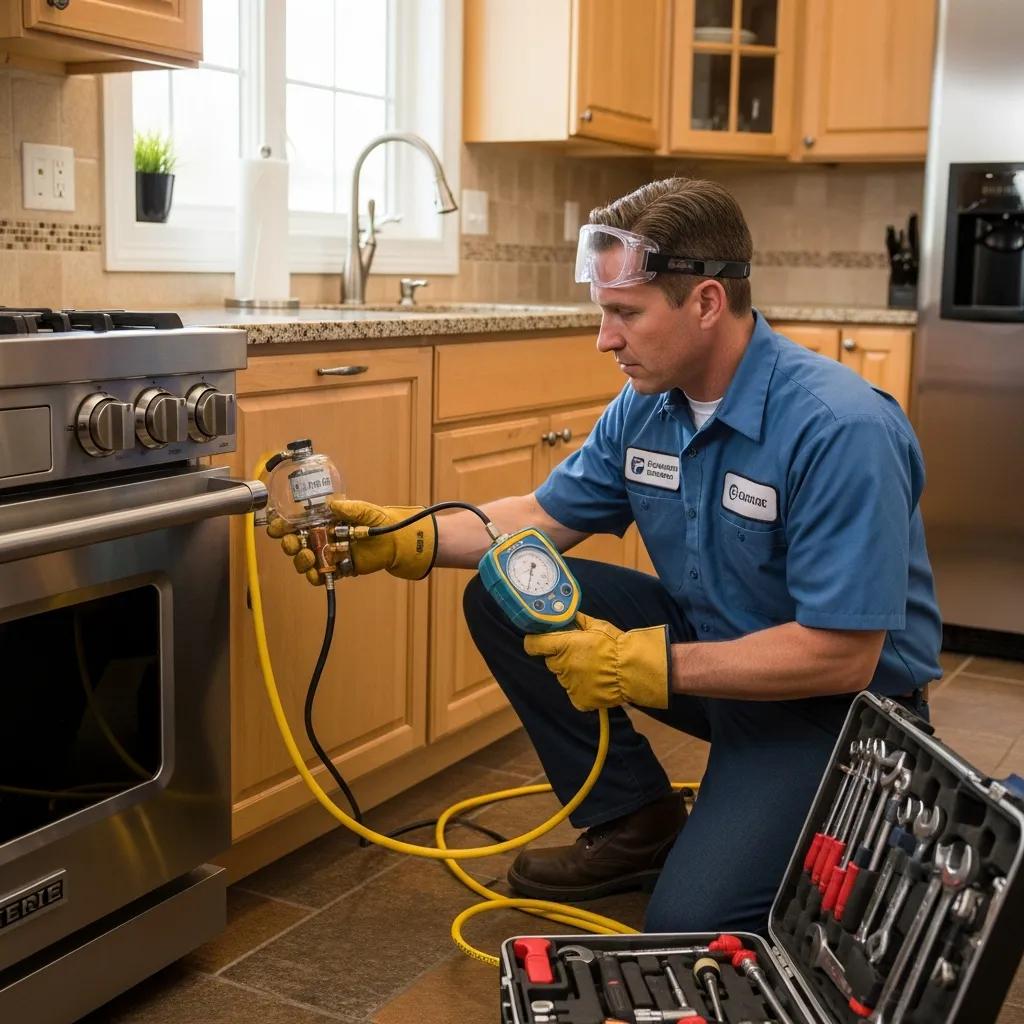
Gas Line Repair & Installation — Trusted Service in Wayne County, MI We handle the full range of gas line services to keep natural gas and propane systems safe, code-compliant, and working reliably for homes and businesses across Wayne County. This guide explains what gas line work involves, why timely repairs and correct installations prevent hazards, and how professional detection and repair steps reduce risk while restoring service. You’ll learn how to spot a gas leak, what to do first in an emergency, which materials and methods technicians commonly use, and how local permits and inspections affect every project. We also cover cost drivers and maintenance tips to help property owners make informed choices and prioritize safety. Throughout, we reference local service realities and the benefits of working with licensed pros in Wayne County, and we include practical checklists, comparison tables, and clear next steps if you suspect a leak. Why Choose Frost and Kretsch Plumbing for Gas Line Services in Wayne County? Gas line work demands technical skill, strict adherence to local codes, and a fast response when safety is at stake. Hiring a qualified contractor reduces risk, ensures code compliance, and gets service restored faster. Our licensed, insured master plumbers use industry-standard materials and testing—like pressure tests and electronic leak detection—to confirm system integrity after any repair or installation. That protects occupants and helps satisfy insurance and inspection requirements. We communicate scope and permitting clearly to avoid surprises, and we document tests so homeowners and inspectors have proof of compliance. Below are the key trust signals and practical benefits to consider when choosing a contractor for gas line work. Licensed, insured master plumbers who perform code-compliant work and protect homeowners from liability. 24/7 emergency response to limit exposure and mobilize technicians quickly when leaks are suspected. Upfront, transparent pricing and documented testing so you understand scope and avoid hidden fees. Local experience that reflects Wayne County inspection practices and common site conditions. These factors reduce homeowner liability, improve safety outcomes, and speed repairs. Choosing a contractor who pairs rapid response with regulatory know-how leads into the technical services typically offered for gas piping systems. What Are the Benefits of Licensed and Insured Gas Line Experts? Licensed gas-line technicians bring verified training and competency to permit-driven work, ensuring installations meet Michigan’s plumbing and fuel gas requirements and local inspection standards. Licensing is tied to specific training and testing, so licensed techs follow approved welding, joining, and leak-testing methods that lower the chance of post-installation failures. Insurance protects property owners by covering accidental damage or on-site injuries that might otherwise become out-of-pocket costs during excavations or repairs. Together, licensing and insurance deliver both technical quality and financial safeguards essential for modifying or replacing pressurized gas piping. Those protections also smooth the permit and inspection process, reducing delays and the chance of corrective orders. Understanding how licensed professionals streamline compliance naturally raises the importance of emergency availability when a leak is suspected. How Does 24/7 Emergency Service Ensure Your Safety? Gas leaks and ruptures can escalate quickly, so around-the-clock emergency service matters. A fast triage limits exposure for occupants and reduces the chance of a larger incident. Emergency response usually begins with remote or on-site triage—confirming the report, advising evacuation, and coordinating with the local gas utility to isolate supply when needed—then moves to visual inspection, electronic sniffing, and pressure testing once the area is secure. Immediate containment and temporary shutoff stop further gas migration while a repair plan is developed. On-site technicians prioritize ventilation and removal of ignition sources before any work begins. Quick containment and repair initiation reduce health risks and property damage while preparing for permanent remediation. Prompt action also helps with inspections and insurance claims: timely documentation of actions and tests shows hazards were handled professionally. After containment and planning, the work continues into the full suite of repair and installation services described next. What Comprehensive Gas Line Services Are Available in Wayne County? Comprehensive gas line services include diagnosis, repair, replacement, new installations, appliance hookups, and preventative maintenance for residential and commercial systems. Technicians assess pressure profiles, inspect fittings and pipe condition, and use electronic and pressure-based leak detection before recommending repairs or re-piping. Services also cover underground line locating and excavation, appliance connections for stoves, dryers, furnaces, and water heaters, and final pressure testing and inspection sign-off to confirm safe operation. Below is a practical list of common offerings for Wayne County properties. Leak detection and targeted sealing to stop active leaks and stabilize systems. Partial or full re-piping when corrosion or multiple failures make repairs uneconomical. New gas line installs for appliances and outdoor features, including underground routing. Appliance hookups and conversions with final pressure testing and inspection documentation. A short comparison of pipe materials helps clarify when each is appropriate and how material choice affects longevity and cost. Material Durability / Typical Use Pros / Cons CSST Flexible tubing for indoor runs and retrofit jobs Pros: flexible and easier to route. Cons: must be properly bonded/grounded and protected from damage. Black iron pipe Rigid pipe for main services and many commercial uses Pros: durable and time-tested. Cons: heavier, requires threaded or welded joints. Copper gas pipe Rigid or semi-rigid runs for some indoor applications Pros: corrosion-resistant in certain settings. Cons: more costly and uncommon for buried lines. No single material fits every job—technicians weigh site conditions, code requirements, and accessibility when recommending a material. That sets the stage for common repair scenarios and installation steps described next. Which Gas Line Repair Services Do We Provide? Typical repair scenarios include sealing accessible small leaks, replacing damaged fittings, partial re-piping of deteriorated sections, and excavating for underground repairs when corrosion or external damage is found. Techs start with leak localization using electronic sniffers and pressure decay tests, then decide whether a targeted repair or a larger re-pipe is the safer, more cost-effective solution. Repairs follow approved joining methods—mechanical fittings, threaded or welded connections for black iron, and correctly installed CSST with required bonding—followed by
How to Use a Drain Snake for Stubborn Clogs
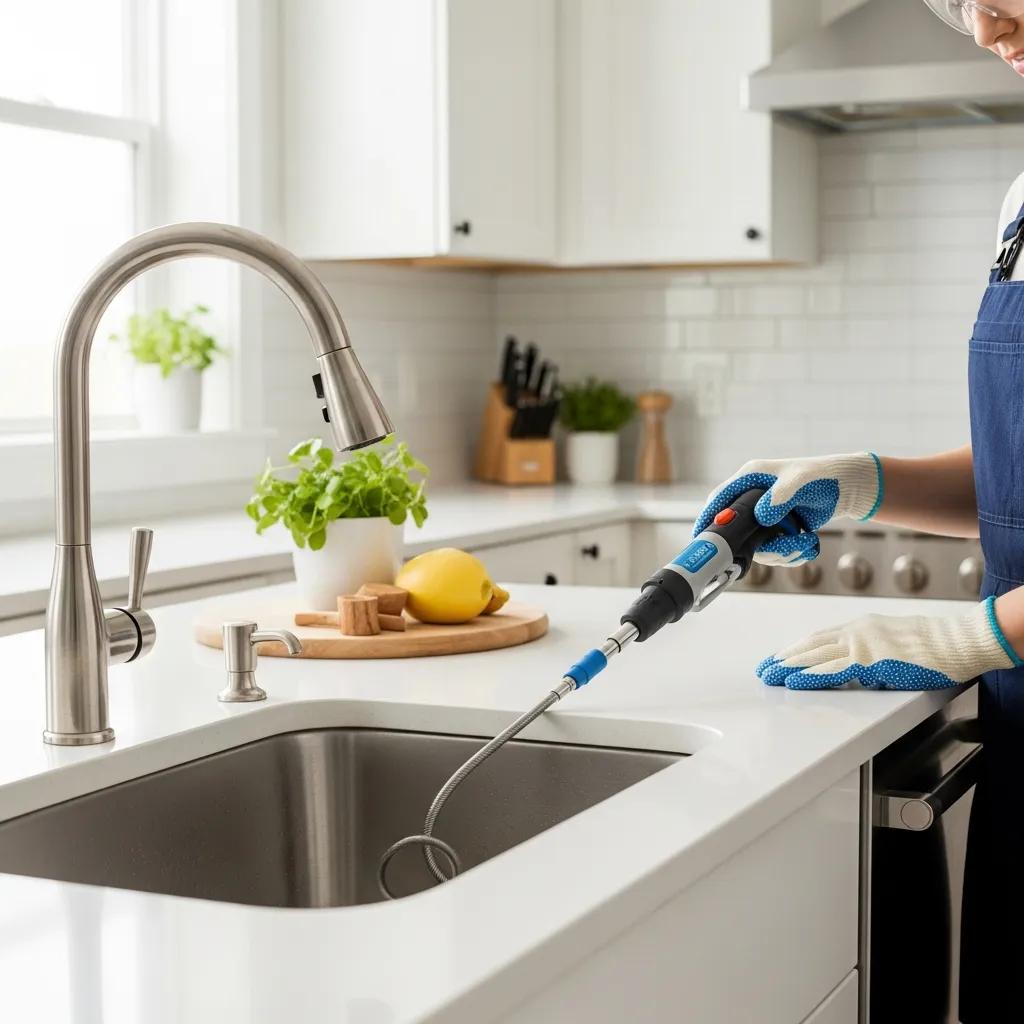
How to Use a Drain Snake for Stubborn Clogs — A Practical DIY Guide and When to Call the Pros Stubborn clogs that shrug off plungers and store-bought liquids are common in home plumbing. A drain snake — also called a plumbing auger — gives you a mechanical option to break up or pull out blockages without harsh chemicals. This guide walks through what a snake does, which style suits each job, step-by-step instructions for manual snaking, safety and troubleshooting tips, and clear signals that it’s time to call a licensed plumber. You’ll learn how cable length, head type, and stiffness affect performance in sinks, tubs, toilets and main lines, and how to choose the right tool for common obstructions like hair, grease and food debris. We also compare snaking to professional methods like hydro jetting and camera inspection so you can decide when DIY is appropriate and when calling in experts is the safer, more effective choice. The guide is organized into five practical sections: what drain snakes are and the main types, when and how to use them with step-by-step direction, safety precautions and troubleshooting, clear reasons to contact a professional, and prevention habits to reduce future clogs. Each section includes short comparison tables and actionable checklists so you can find the right approach quickly. Throughout, terms like manual drain cleaner, plumbing auger, toilet auger, kitchen sink snake and hydro jetting are used to connect the advice here with the tools and services available to Grosse Pointe homeowners. What Is a Drain Snake and Which Types Are Best for Stubborn Clogs? A drain snake is a flexible cable with a working head that transmits rotation and forward pressure into a pipe to break apart or grab a blockage. Because it works mechanically, a snake is often more effective than chemical cleaners for hair, soap scum and compacted food or grease — and it doesn’t risk corrosion from caustic chemicals. Picking the right snake matters: a hand auger is good for shallow sink and P-trap clogs, a toilet auger fits the closet bowl, and electric or drum augers reach deeper lines and tougher residues. Matching tool to drain reduces the chance of pushing a clog further down or damaging the pipe. Different snake styles fit different jobs. The table below summarizes common use cases and practical limits so you can choose quickly. Tool Type Best For Typical Limitations Hand auger (handheld) Shallow sink and P-trap clogs; bathroom fixtures Short reach (15–25 ft); lower torque on heavy grease Toilet auger (closet auger) Toilet bowl blockages and caught objects Designed for the bowl and trapway; not for main-line roots Electric drain snake / drum auger Deeper household lines and tougher obstructions Requires care to prevent pipe damage; needs power Drum auger (motorized) Stubborn kitchen or main-line blockages Heavy-duty — can harm older pipes if misused Hydro jetting (professional) Severe main-line blockages, grease or root removal Professional-only equipment; not a handheld tool This short comparison shows why many homeowners start with a hand or toilet auger and call for powered equipment or hydro jetting when clogs are deep, recurring, or root-related. The right choice saves time and lowers the risk of damage while improving the odds of a full clearance. What Are the Different Types of Drain Snakes and Plumbing Augers? Snakes come in several common forms — hand augers, toilet (closet) augers, drum augers and electric snakes — each designed for certain pipes and clog material. Hand augers are compact, manual tools that work well on kitchen and bathroom sinks where a short cable and gentle torque can extract hair and small debris; they’re affordable and easy to control. Toilet augers include a protective sleeve and a curved shape to follow the trapway, letting you pull objects or clear soft obstructions without scratching porcelain. Electric and drum augers feed longer, thicker cable from a powered drum and reach deeper lines, but they require steady hands and attention to cable tension to avoid kinking or harming older cast-iron pipes. When picking a snake, consider weight, cable diameter, head type (corkscrew, cutting blade or bullet) and the reach you need for the likely clog. Choosing the correct tool helps avoid using one that’s too powerful for delicate plumbing — or too weak for a deep or hardened clog — striking the right balance of safety and effectiveness. How Do Drain Snake Sizes and Features Affect Clog Removal? Cable length, diameter and head style determine what a snake can reach and how effectively it cuts or grabs material. Long cables (50–100+ ft) reach main lines; shorter 15–25 ft cables are usually enough for sinks and tubs. Thicker cables transmit more torque to cut through grease and roots, while stiffer cables push through heavy obstructions but can stress older pipes. More flexible cables navigate bends and traps but may struggle against dense blockages. Head designs matter too: corkscrew heads bite into organic debris, cutting heads shave through compacted grease, and bullet heads push through minor blockages. Picking the right mix of length, stiffness and head type raises success rates and lowers the chance of stuck cables or pipe damage. When and How Should You Use a Drain Snake for Clogged Drains? Use a drain snake when the clog is reachable from a single fixture or trap and appears to be organic or localized. Snaking is a direct, chemical-free fix that works well for hair, soap and small grease buildups by physically breaking up or extracting the obstruction. DIY snaking is suitable for single-fixture slow drains and visible obstructions but is not appropriate for repeated clogs across multiple fixtures, main-line backups or suspected root intrusion — those situations need professional inspection and more powerful methods. Below are quick checkpoints to decide if snaking is a good first step and a basic approach for common fixtures. When to try a snake (quick reference): If only one sink, tub or shower is slow while the rest of the house drains normally. If the likely cause is organic
Emergency Water Heater Repair & Replacement Services

Emergency Water Heater Repair & Replacement Services in Grosse Pointe: 24/7 Solutions for Urgent Hot Water Issues When your hot water stops or a heater starts leaking, you need fast, trustworthy help. Our 24/7 emergency water heater repair and replacement service moves quickly to stop damage and get reliable hot water back in your home or business. This guide walks you through immediate triage, common mechanical causes, and practical steps you can take right now to limit harm. You’ll learn how to spot a leaking tank, why a loss of hot water matters for hygiene and operations, and how to decide whether a repair or full replacement makes more sense. We also outline the technician response process, compare tank and tankless — gas and electric — options, and summarize commercial-grade solutions and preventive maintenance. Throughout you’ll find checklists and clear next steps to help Grosse Pointe homeowners and facility managers handle hot water emergencies safely and efficiently. What Are the Most Common Emergency Water Heater Problems in Grosse Pointe? Most emergencies are caused by major leaks, sudden loss of hot water, pressure-relief valve issues, or alarming noises that hint at imminent failure. Each symptom points to a mechanical cause — corrosion eats away at tanks, sediment makes elements overheat, and gas-control problems can put pilots out — and spotting the right cause gets you the right fix faster. Acting quickly protects your property and usually lowers repair costs, since shutting off supply and containing the leak prevents floor and structural damage while a tech evaluates the unit. Below are the urgent failure types you’re most likely to see and what they usually mean for priority and next steps. Leaking tanks: Water pooling or continuous dripping at the base usually means a tank breach or failed fittings — immediate shutoff and inspection are required. No hot water: A complete loss of heat can come from burned elements, failed ignitors, or interrupted gas or electrical supply — urgent for sanitation or business use. Strange noises: Loud popping or rumbling typically signals sediment buildup creating hot spots that can damage elements and the tank. Pressure-relief valve discharge: Water coming from the T&P valve or its drain indicates overpressure or overheating and needs fast containment to reduce rupture risk. That short list helps you prioritize what to do first and prepares you for the quick triage steps that follow. How to Identify Signs of a Leaking or Burst Water Heater Look for puddles, rusty-colored water, a tank wall that looks swollen, or sudden loud bangs — these are clear signs a heater is leaking or near failure and need immediate action. First, shut off the cold-water inlet to stop more water from entering the tank, then cut power or gas to avoid electrical or combustion hazards. These steps lower pressure and limit further damage while you prepare for service. Check the drain pan and fittings at the top and bottom of the tank and the temperature-and-pressure relief valve for visible sources; pinhole leaks commonly start at welded seams or corroded spots. If the tank is bulging or water is flowing freely, clear the area and call a professional — structural failures require safe removal and replacement to meet code and prevent injury. Following these triage steps protects your home and gives technicians the information they need to decide between repair and replacement. Why Is No Hot Water an Urgent Repair Issue? Loss of hot water impacts cleaning, daily routines, and business operations — and sometimes it’s a sign of a larger failure that can worsen if ignored. Causes include failed heating elements or thermostats in electric models, pilot or gas-control problems in gas units, or electrical issues such as tripped breakers. The urgency varies: households with elderly people, infants, or food-service businesses need hot water restored quickly for sanitation. Start with simple checks: make sure power and gas are on, reset breakers, and inspect the pilot or electronic ignitor. If those steps don’t restore heat, call for emergency service to prevent prolonged disruption or hidden damage. Knowing the likely causes helps you explain the problem to the technician and weigh a quick repair versus a planned replacement if the unit shows deeper issues. Problem Symptom Likely Cause Urgency Leaking tank Pooling under tank or continuous drip Corrosion, failed fittings, ruptured seam High — immediate shutoff No hot water Cold taps only Burned element, failed thermostat, gas supply fault High — urgent for sanitation Loud knocking/popping Rumbling during heat cycles Sediment buildup causing hotspots Medium-High — schedule service soon T&P valve discharge Water out of relief pipe Overpressure or thermostat failure High — immediate check to prevent rupture Use this table to triage symptoms and decide what to do before the technician arrives. How Does Frost & Kretsch Plumbing Provide 24 Hour Emergency Water Heater Repair? Frost & Kretsch Plumbing offers 24/7 emergency response with licensed technicians who perform fast diagnostics, containment, and either repair or replacement with clear, written estimates. Their approach focuses on immediate containment — shutoff, temporary drainage, and safety checks — followed by a targeted diagnostic to determine if parts can be replaced or the whole unit needs swapping. They provide an upfront written estimate and explain any satisfaction or warranty terms so customers know costs and options before work starts. Licensed, insured technicians handle repairs, cleanup, and a post-service inspection to confirm safe operation and a watertight result. Below is a straightforward step list that shows what to expect when you request emergency service. Call intake and dispatch: 24/7 intake routes your urgent call to the nearest licensed technician and gives an arrival window. On-site safety containment: The technician isolates water, power, or gas and secures the area to limit further damage. Diagnostic and estimate: A focused inspection identifies failed parts or tank breaches and a written estimate is provided before any work starts. Repair or replacement: With your approval, the technician completes the agreed work, removes old components as needed, and tidies the area. Final inspection and follow-up:
What is Good Water Pressure? Home Plumbing Guide
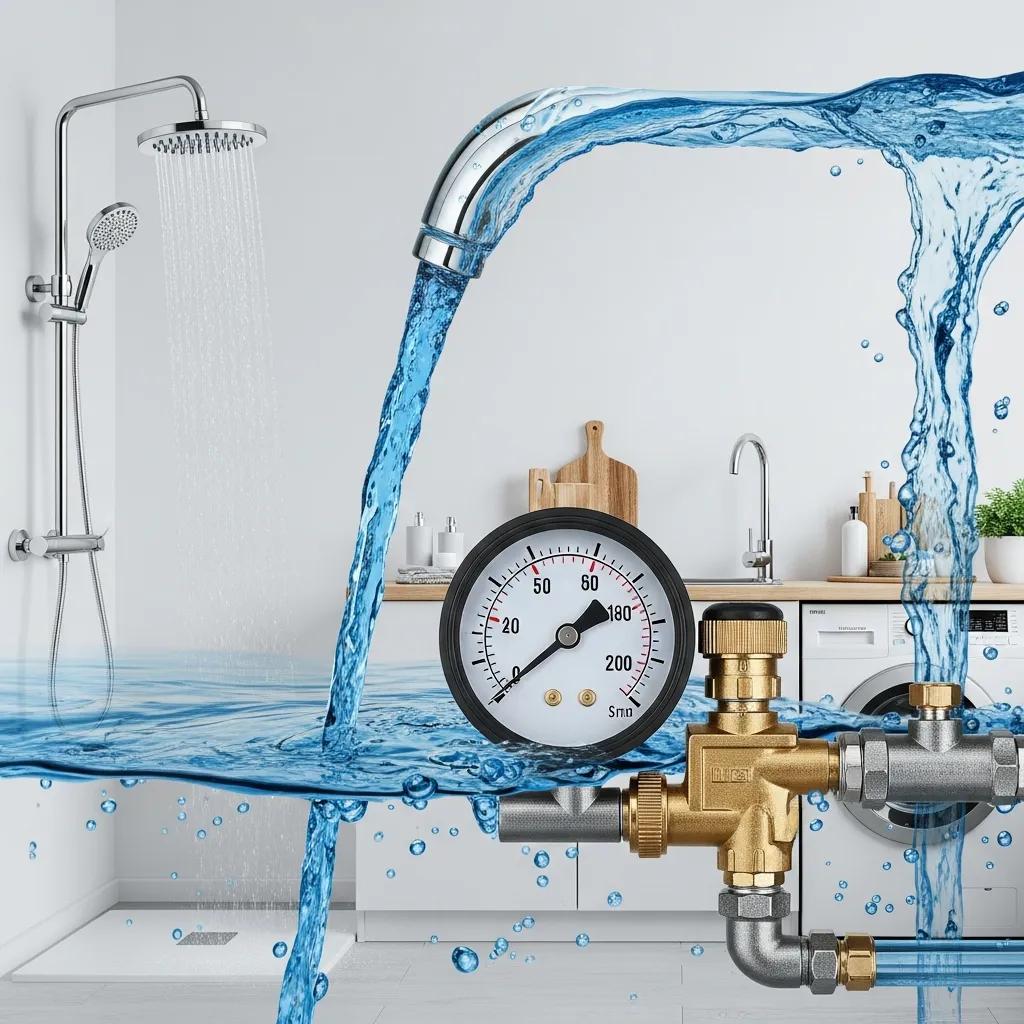
What Is Good Water Pressure? A Homeowner’s Guide to Ideal PSI and Practical Solutions Good water pressure means your plumbing delivers the right force (PSI) and flow (GPM) so faucets and showers work well, appliances run reliably, and pipes and fittings aren’t put under unnecessary stress. This guide breaks down what “good” pressure looks like in measurable terms, explains the difference between pressure and flow, and shows why a balanced system matters for showers, washing machines, and water heaters. You’ll find recommended PSI ranges for common fixtures, steps to diagnose low or high pressure, practical DIY checks, and clear guidance on when to call a pro. We walk through common causes—mineral buildup, leaks, or faulty valves—show how to test with a pressure gauge, and outline preventive options like pressure reducing valves (PRVs), expansion tanks, and booster pumps. Everything here is focused on straightforward, actionable advice homeowners can use to measure, interpret, and fix pressure problems while avoiding unnecessary repairs. What Is Ideal Home Water Pressure and Why It Matters Ideal home water pressure balances force (PSI) with usable flow (GPM) so fixtures perform without adding wear to the system. Pressure is what pushes water through pipes; flow is the volume you get at the tap. Together they determine shower strength, appliance fill times, and how long seals and valves last. Keeping pressure in the recommended residential range reduces leaks, lowers the chance of water hammer, and extends appliance life. Below you’ll find practical PSI ranges for typical fixtures and a quick list of why it’s worth checking your pressure. Fixture Recommended PSI Effect on Performance Shower 45–70 PSI Consistent spray, stable temperature, comfortable flow Kitchen Faucet 45–70 PSI Fills pots and dishwashers efficiently with less splashing Washing Machine 40–60 PSI Valves work properly, cycles run reliably, less wear Water Heater (incoming) 40–60 PSI Smoother burner cycles and reduced thermal stress Hose Bib / Exterior 40–75 PSI Good irrigation pressure for hoses and sprinklers Most fixtures perform best near the 50–70 PSI sweet spot; pressures well below or above that range can cause usability problems or shorten component life. Keeping your system near that window makes appliances more reliable and reduces plumbing wear—good reasons to measure and, if necessary, correct system pressure. Quick takeaways on why ideal pressure matters and when to test: Comfort: Proper pressure gives a steady shower and predictable faucet flow. Appliance life: Correct pressure reduces stress on valves and seals in dishwashers and water heaters. Leak risk: Excessive pressure speeds up joint and seal failure, which leads to leaks. Next we define the units used to measure pressure and flow, and explain how to interpret gauge readings. What Is Water Pressure and How Is It Measured (PSI and GPM)? Water pressure measures the force pushing water through the plumbing and is shown in pounds per square inch (PSI). Flow rate measures how much water comes out over time, usually in gallons per minute (GPM). PSI tells you how hard the water is pushed; GPM tells you how much water arrives. Think of a garden hose: PSI is the force, while the nozzle size affects GPM—narrow the nozzle and pressure feels higher while flow drops. Check PSI when you’re concerned about stress on pipes or appliances; check GPM when fill times or shower volume seem slow. Together, these measurements help pinpoint whether an issue is pressure-related, a flow restriction, or a fixture problem. Recommended PSI Range for Residential Plumbing Homes generally operate safely between 40 and 80 PSI, with a comfortable household target around 50–70 PSI—many pros aim for about 60 PSI. Below about 40 PSI, showers and appliances can feel weak; sustained pressure above 80 PSI raises the chance of leaks, burst fixtures, and faster wear. Municipal supply, elevation, and private wells affect where your home sits in that range, so test regularly. If a simple gauge test shows readings outside the recommended window, the next steps are minor regulator adjustments or professional diagnostics to check for leaks or corroded piping. What Causes Low Water Pressure and How to Fix It Low pressure can come from a single fixture problem or a whole-house supply issue—diagnosing which is the first step. Localized issues, like a clogged aerator, affect one tap; whole-house drops point to the main shut-off, PRV failure, leaks, or changes in municipal supply. The table below helps you triage low pressure with causes, signs, DIY checks, and guidance on when to bring in a pro. Cause Diagnostic Sign DIY Check When to Call a Pro Clogged aerator or cartridge Low flow at one fixture only Remove and clean the aerator or cartridge If cleaning doesn’t restore flow Partially closed shut-off valve Low flow throughout house Make sure main and meter valves are fully open If the valve is stuck or leaking Faulty PRV Whole-house pressure drift or fluctuating PSI Test pressure at a hose bib with a gauge If PRV replacement is likely Hidden leak or pipe corrosion Sudden drop, wet spots, higher bills Inspect visible lines and joints If you see signs of a leak or excavation is needed Municipal supply issue Low pressure at multiple homes Check with neighbors or the local supply If the supply stays low and isn’t resolved This troubleshooting table gives a clear path from basic DIY checks to situations that need professional inspection. If simple fixes don’t help, or you spot signs of a hidden leak or corroded main, a licensed plumber can run targeted diagnostics and repairs. Common causes of low pressure include mineral buildup, aging or corroded pipes, partially closed valves, failing PRVs, and municipal maintenance events. Mineral scale often affects a single fixture and improves after cleaning an aerator or showerhead. Corrosion or pipe damage usually causes persistent, whole-house pressure loss and may come with discolored water or wet spots. Knowing whether the issue is localized or systemic helps decide whether to try maintenance first or call for leak detection and pipe repair. For many DIY fixes, follow a safe sequence: check faucets and aerators,