
Wayne County Plumbing Standards & Best Practices
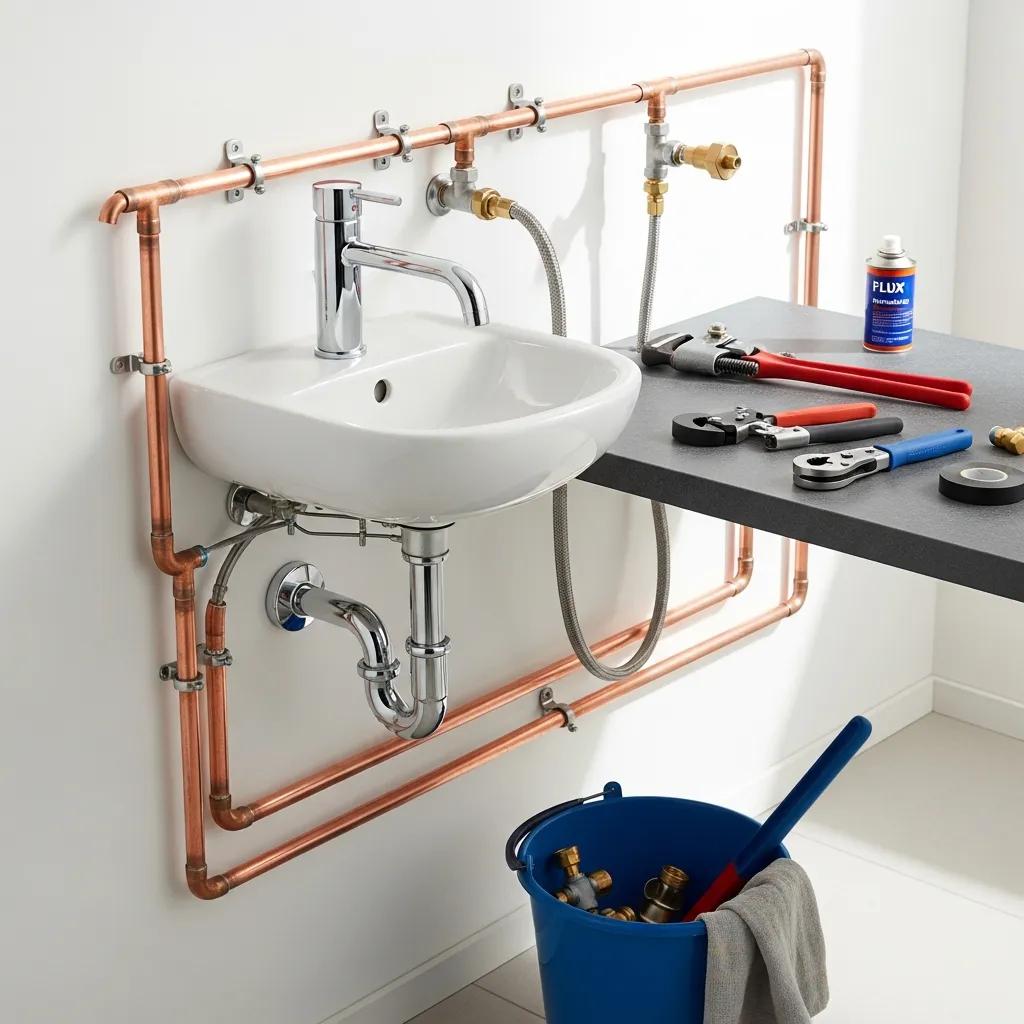
Wayne County Plumbing Standards & Best Practices: Your Practical Guide to Codes, Permits, and Inspections This guide lays out Wayne County plumbing standards and clear, practical best practices — from local code rules and permit steps to commercial differences, installation tips, and typical inspection pitfalls. We explain how the Wayne County Plumbing Code ties into the Michigan Plumbing Code 2021, walk through permit applications and inspections, and give targeted installation and maintenance advice so homeowners and facility managers can avoid violations and get smooth approvals. If you’re unsure when a permit is needed or which materials meet local expectations, use the checklists, side-by-side tables, and step-by-step procedures here to make confident, inspection-ready decisions. What are the key requirements of the Wayne County Plumbing Code? The Wayne County Plumbing Code sets minimum standards for pipe sizing and slope, vent and trap layout, backflow prevention, fixture counts, approved materials, and potable water protection for both homes and businesses. These rules control flow, stop cross-connections, and require listed products and proper installation methods — most of which align with the Michigan Plumbing Code 2021 while allowing local clarifications. The immediate payoff is lower contamination risk, dependable drainage, and clearer inspection results. Knowing these core rules helps homeowners and contractors design systems that pass inspections and work reliably for years. Below are the most practical code highlights for quick reference. Wayne County plumbing code highlights: Fixture and fixture‑unit minimums set demand and sizing so supply and drainage meet the building’s use. Correct trap and vent layouts stop sewer gas and keep trap seals intact for sanitary protection. Drain slope and pipe-sizing rules promote self‑cleansing flow to reduce clogs and backups. Backflow prevention and cross‑connection controls protect drinking water and usually require approved devices and testing. Only approved materials and joining methods are acceptable — inspectors expect listed products and proper techniques. Water heater installations must include T&P relief, expansion control, and accessible shutoffs for safety and serviceability. These points guide project planning and feed directly into permit applications and inspection checklists, which we cover next. This table summarizes common fixture requirements and quick notes for inspection focus. Fixture Type Minimum Requirement Notes/References Toilet Approved trap and supply with shutoff Protect the inlet and ensure correct venting Lavatory sink Accessible trap arm and vent Include a supply shutoff and consider backflow risks Shower/tub Proper trap size and correct drain slope Shower receptors must meet code slope requirements Water heater T&P relief valve and expansion control Keep drain and service clearances accessible Dishwasher Air gap or branch-waste protection Prevent backflow into the potable system Use this table to quickly scan inspection priorities before you submit plans. Next we explain how county interpretation ties into the statewide Michigan Plumbing Code 2021. How does the Wayne County Plumbing Code align with the Michigan Plumbing Code 2021? Wayne County mainly enforces the Michigan Plumbing Code 2021 as its technical baseline. Practically, that means the county applies state code language for materials, sizing, and fixture-unit calculations while sometimes issuing local clarifications on administrative details, product lists, or inspection focus. The benefit is consistency — designers and contractors familiar with the state code will recognize most requirements — but you should always check county guidance during plan prep to avoid rework. Confirming how local rules interpret state code reduces uncertainty when turning code language into a field-ready installation. What residential plumbing standards must Wayne County homeowners follow? For homes, standards require correctly sized water and drain piping, properly pitched drains, functional traps and vents, approved fixture installation, and backflow protection where irrigation or auxiliary systems exist. These rules prevent pressure loss, protect trap seals, and eliminate cross‑connections so systems run safely and predictably. Homeowners should plan renovations with clear expectations — proper trap arms, accessible shutoffs, and approved water heater setups are frequent inspection points. Regular maintenance, like checking for leaks, keeping vents clear, and testing backflow devices when present, keeps systems compliant and extends equipment life. Following residential standards makes permit approval smoother and cuts the chance of corrective orders after inspection. How to obtain and comply with Wayne County Plumbing Permits? Getting a Wayne County plumbing permit follows a clear sequence: confirm whether a permit is needed, prepare drawings and documentation showing code compliance, submit the application with fees, schedule required inspections, and secure final sign‑off after passing inspections. The permitting process validates that plans and installations meet public health and safety standards — and gives you legal proof the work meets the minimum code. Complete paperwork and using a licensed contractor typically speed plan review and reduce correction cycles. Below is a straightforward, step-by-step guide to applying for a plumbing permit. How to apply for a plumbing permit: Define the project scope and confirm permit needs with the county building department. Prepare application forms, site drawings, a fixture schedule, and a brief code‑compliance narrative if required. Submit the application and pay plan‑review and permit fees to start the review. Respond to plan‑review comments and schedule inspections for rough and final stages. Receive final approval and keep the permit paperwork as proof of compliance. This sequence clarifies key milestones and typical timelines. The table below compares common permit types and the documentation usually needed. Project Type Permit Required? Typical Documentation / Steps New residential plumbing Yes Full plans, fixture schedule, licensed installer info Water heater replacement Often yes Equipment specs, location diagram, T&P relief details Fixture replacement (minor) Sometimes exempt Manufacturer instructions and no change to piping layout Sewer lateral repair Yes Excavation plan, connection details, backflow control as needed Use this comparison to self-assess whether you need a permit and what paperwork to prepare. If you’d like help with permit documents, inspection scheduling, or a free estimate for permit-related work, licensed local plumbers can assist — engaging one early often shortens the review and inspection cycle, especially for mains, sewer work, or required backflow devices. What is the process for applying for plumbing permits in Wayne County? Start by defining the work and assembling drawings and specs
Whole House Repiping Services in Troy, MI
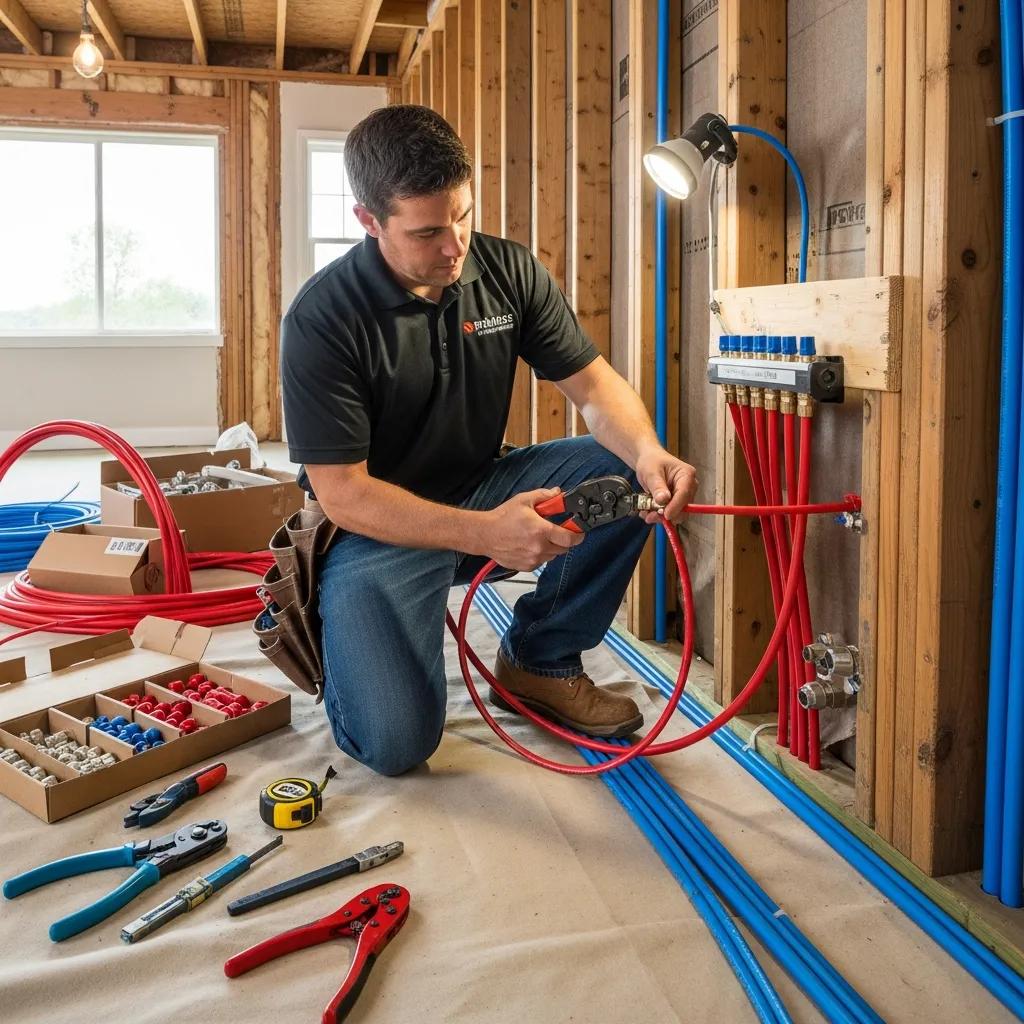
Whole‑House Repiping in Troy, MI — Expert Solutions from Frost and Kretsch Plumbing Whole‑house repiping means replacing a home’s entire water distribution system to restore flow, improve water quality, and stop recurring leaks. This page walks Troy homeowners through why a full repipe may be needed, the common symptoms — like rusty water or low pressure — and which pipe materials work best in Michigan’s climate. You’ll find straightforward guidance on spotting system‑wide pipe failure, a clear comparison of PEX, copper, and CPVC, realistic cost factors, and a step‑by‑step overview of the repipe process from inspection to final testing. Practical checklists and comparison notes make decisions easier, and we explain how Frost and Kretsch Plumbing — a licensed, insured local company serving Troy and nearby counties — conducts diagnostic inspections and delivers transparent, upfront estimates. Our goal is to give you the information and next steps needed to decide whether whole‑house repiping is right for your home. What Are the Key Signs You Need Whole House Repiping in Troy, MI? Whole‑house repiping is usually the right answer when multiple, system‑level symptoms point to aging or failing plumbing rather than a single faulty fixture. Mineral buildup, internal corrosion, or brittle and recalled materials often show patterns that affect water pressure, clarity, and leak frequency across the house. Catching these signs early limits structural damage and helps decide whether a spot repair will do or a full repipe is necessary. Below is a concise list of common, homeowner‑visible symptoms that suggest systemic pipe problems. The most common warning signs include: Rusty or discolored water from several taps — a strong sign of internal corrosion in supply lines. Low water pressure at more than one fixture, which can mean scaling or reduced pipe diameter throughout the system. Repeated leaks or bursts in different areas, pointing to widespread material failure rather than isolated faults. Unusual noises — knocking, banging, or high‑pitched whines — when several fixtures run at once, indicating failing supply lines or water hammer issues. These clues help separate one‑off problems from a failing network. If you see several of these together, schedule a diagnostic inspection that includes pressure testing and material ID to confirm whether a whole‑home repipe in Troy is the right move. How Does Low Water Pressure Indicate the Need for Repiping? Low pressure at multiple fixtures usually means the restriction is spread through the supply network, not just a clogged aerator or single valve. Mineral scale, internal corrosion, or years of sediment can shrink the effective diameter of main and branch lines, reducing flow to sinks, showers, and outdoor spigots at the same time. During a diagnostic visit we test pressure under load and compare readings to expected service levels — consistent drops under use point to a distributed restriction. Knowing the difference between a local blockage and whole‑system loss is important: small repairs may help short‑term, but repiping restores full flow and long‑term reliability. What Do Frequent Leaks and Pipe Bursts Reveal About Your Plumbing? Frequent leaks and repeated bursts are clear indicators of material fatigue, corrosion, or wide‑spread deterioration that patch repairs can’t reliably fix. When leaks crop up in multiple spots or a repaired section fails again, adjacent pipes are often weakened too. That raises the risk of hidden water damage, mold, and ruined finishes or framing, so timely action matters. Homeowners seeing recurring leaks should consider whole‑house repiping to remove the root cause by replacing old or failing materials across the system rather than fixing symptoms one at a time. After spotting these system‑level signs, many Troy homeowners schedule a professional inspection. Frost and Kretsch Plumbing can diagnose symptoms, identify pipe materials, and deliver a clear, upfront repipe estimate that explains options and next steps. A diagnostic inspection ties homeowner observations to a professional scope of work and helps plan the safest, most efficient path forward. Which Pipe Materials Are Best for Whole House Repiping in Troy, MI? Choosing pipe material is a balance of durability, cost, installation complexity, and local conditions like freeze risk. The modern choices are PEX, copper, and CPVC, while older homes may still have galvanized or polybutylene that should be replaced. Each material has different lifespans and installation needs in Michigan’s seasonal climate, so weigh long‑term reliability against upfront cost. The compact comparison below helps homeowners evaluate trade‑offs when planning a repipe in Troy. Different pipe types and their typical attributes: Pipe Type Attribute Typical Value PEX Lifespan 30–50 years under normal conditions PEX Cost Range Generally lower material and labor costs than copper PEX Pros/Cons Pros: flexible, fewer fittings, better resistance to freeze‑related bursts; Cons: cannot be exposed to sunlight (UV) Copper Lifespan 50+ years when water chemistry is neutral Copper Cost Range Higher material and installation costs compared with PEX Copper Pros/Cons Pros: proven longevity, heat resistant, recyclable; Cons: higher cost and soldering labor CPVC Lifespan 30–40 years depending on water chemistry CPVC Cost Range Mid‑range material cost; easier joins than copper CPVC Pros/Cons Pros: corrosion resistant, cost effective; Cons: can become brittle with UV or extreme cold exposure Galvanized (legacy) Typical Use Older supply lines that often cause discolored water and reduced flow Galvanized (legacy) Issue Internal corrosion that restricts flow and hurts water quality This comparison shows why PEX is often the best balance of cost and speed for many Troy homes, while copper remains the premium long‑term choice where longevity and heat resistance are priorities. Frost and Kretsch Plumbing installs all modern piping options and will recommend the best fit for your house while addressing local code and conditions across Macomb, Oakland, and Wayne counties. What Are the Benefits of PEX Repiping for Troy Homes? PEX repiping fits many Troy homeowners’ needs: faster installs, fewer joints, and easier routing through framing cavities. Because PEX is flexible, plumbers can run long, continuous lengths with fewer fittings — lowering leak risk and cutting installation time. It resists pinhole leaks caused by corrosion and tolerates minor freeze‑thaw events better than brittle materials. Homeowners usually see lower
Drain Clog Prevention Tips for Macomb Township, MI
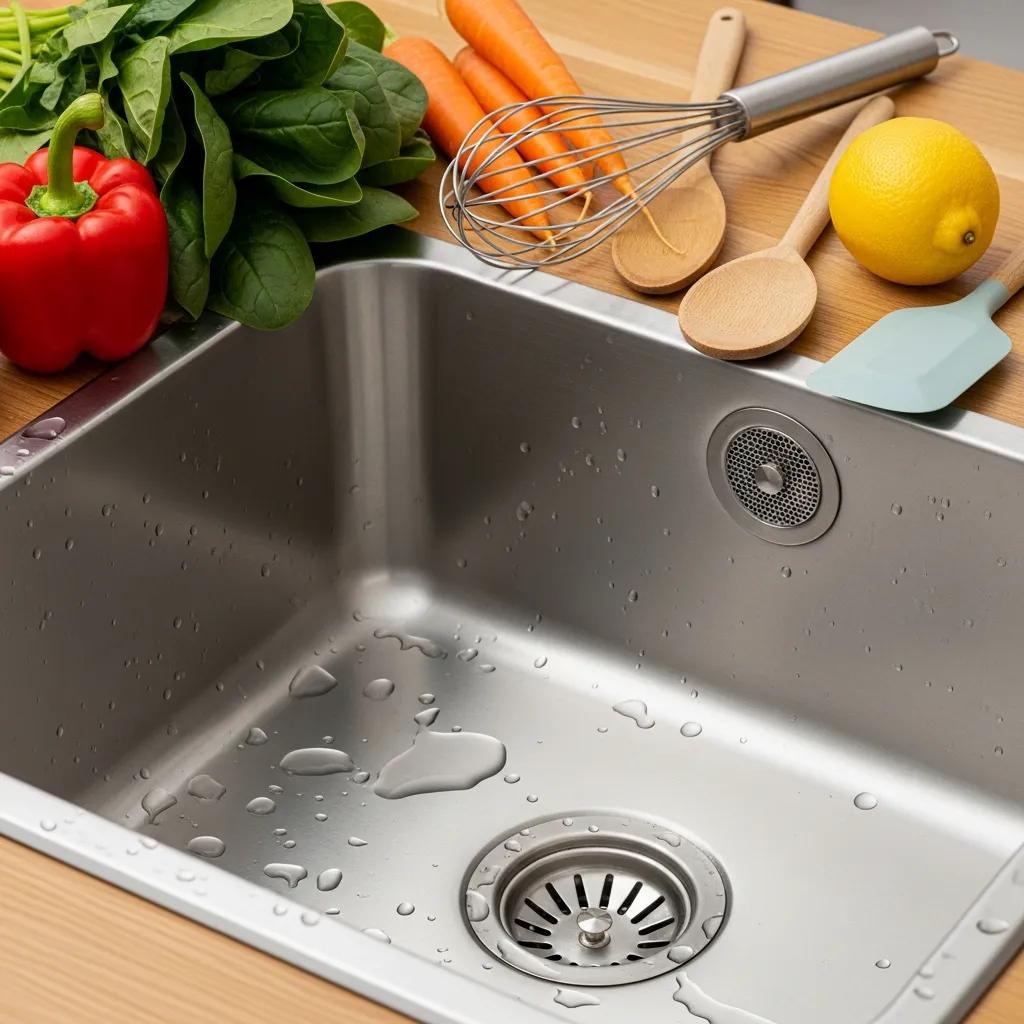
Drain Clog Prevention Tips for Macomb Township, MI — Simple, Effective Ways to Keep Your Drains Clear Preventing drain clogs is about small, consistent actions that stop solids, grease, hair, and roots from restricting flow and causing backups. Those steps reduce emergency repairs and protect your home’s plumbing. In Macomb Township, MI, local soil, mature trees, and older sewer connections can raise the risk of main-line problems, so homeowners do best combining everyday habits with periodic professional checks. This guide lays out the common causes of clogs, clear kitchen and bathroom routines, how to protect main sewer lines, and when to handle things yourself versus calling a pro. You’ll also get a straightforward look at advanced diagnostics and cleaning options, and why regular inspections save time and money. For local help, Frost and Kretsch Plumbing serves Macomb and nearby counties for residential and commercial drain needs — see our contact details later if you need service. What Are the Common Causes of Drain Clogs in Macomb Township Homes? Clogs form when material builds up inside pipes and slows or blocks flow. That happens through physical trapping, materials hardening, or roots and foreign objects entering lines. In Macomb Township homes the usual culprits are kitchen grease and food, bathroom hair and soap scum, flushed non-flushables, tree roots in old sewer lines, and mineral or scale buildup in aging plumbing. Each cause has a simple prevention tip homeowners can use right away. Knowing why a clog starts helps you pick the right action — installing screens, changing disposal habits, or scheduling an inspection when multiple fixtures go slow. The quick list below points out the top causes and a one-line fix for each. Grease and food buildup: Cooled grease sticks to pipe walls — collect and discard grease instead of pouring it down the sink. Hair and soap scum: Hair tangles with soap residue to form mats — use drain screens and remove hair after showers. Foreign objects and wipes: Non-flushables clump and trap solids — throw these items in the trash, don’t flush them. Tree root intrusion: Roots seek water and enter pipe joints — watch for soggy spots in the yard and schedule camera inspections as needed. Mineral and scale buildup: Hard-water deposits narrow pipes over time — periodic professional cleaning helps slow progressive clogs. These quick tips point homeowners to immediate steps and lead into the kitchen and bathroom practices that follow — simple habits that break the clog cycle. How Do Grease and Food Scraps Affect Kitchen Drains? Grease is fluid when hot but sticky when it cools, coating pipe interiors and trapping food particles. Over time these coatings narrow the pipe and create a scaffold for heavier blockages. Food scraps, especially starchy or fibrous bits, collect behind grease or in trap bends and speed up slow drains and odors. Garbage disposals reduce solids but don’t give license to dump everything — they work best with cold water, small amounts, and no fibrous or starchy overload. Practical steps: scrape plates into the trash or compost, wipe pans before washing, run cold water with the disposal, and clean the P-trap occasionally. Those habits limit grease adhesion and keep disposals working safely, which lowers the chance of kitchen backups. What Role Do Hair and Soap Scum Play in Bathroom Drain Blockages? Hair and soap scum join to form stubborn, fibrous blockages near shower drains and at P-traps where flow slows. Hair strands entwine while soap residues bind them into a growing mat. Soap scum — a mix of fatty acids and minerals — clings to pipe walls and gives hair something to grab onto. Enzyme-based cleaners can help by breaking down organic material without harming pipes. Simple fixes include removing visible hair after each use, using a hair-catcher or mesh screen, and monthly enzyme treatments to digest buildup. Avoid relying on harsh chemical drain cleaners — they can damage finishes and only offer short-term relief. Mechanical removal and enzyme maintenance are safer long-term approaches. How Can You Prevent Kitchen Drain Clogs in Macomb Township? Keeping kitchen drains clear comes down to steady habits that stop solids and grease from entering plumbing, plus occasional maintenance to clear gradual buildup. Build a kitchen routine: scrape plates into the trash or compost, collect grease in a sealed container for disposal, and use a drain screen to block solids at the sink. These small steps prevent most clogs and reduce the need for harsh chemicals, protecting pipes and cutting odors. Below are practical, product-agnostic suggestions you can start today. Scrape and contain food: Clear plates and wipe grease into a disposable container before rinsing or washing. Use cold water with disposals: Run cold water while the garbage disposal runs to help flush fats without melting them in the pipes. Install and clean screens: Fit a mesh or perforated screen over the drain and empty it after each use to stop solids from reaching the trap. These simple practices form your first line of defense for kitchen drains and set up the routines described next for disposals and screens. What Are the Best Practices for Grease Disposal and Garbage Disposal Use? Handle grease and disposal use correctly to avoid hardened pipe buildup. Let cooking oil and pan grease cool, then wipe or pour residues into a sealed container and throw it away — never pour warm grease down the drain. For garbage disposals, feed small food pieces with plenty of cold water, avoid fibrous items like corn husks or celery, and limit starchy loads that can form paste. Regular maintenance — such as grinding ice with a little salt to clean blades or removing the splash ring to clear trapped debris — keeps the unit running smoothly. These habits cut grease buildup and prolong your kitchen drainage components. How Do Drain Screens Help in Preventing Kitchen Sink Clogs? Drain screens are a simple mechanical barrier that catches food before it reaches the trap and downstream pipes. Pick a mesh size that balances flow with
Sump Pump Repair Services in St. Clair Shores, MI
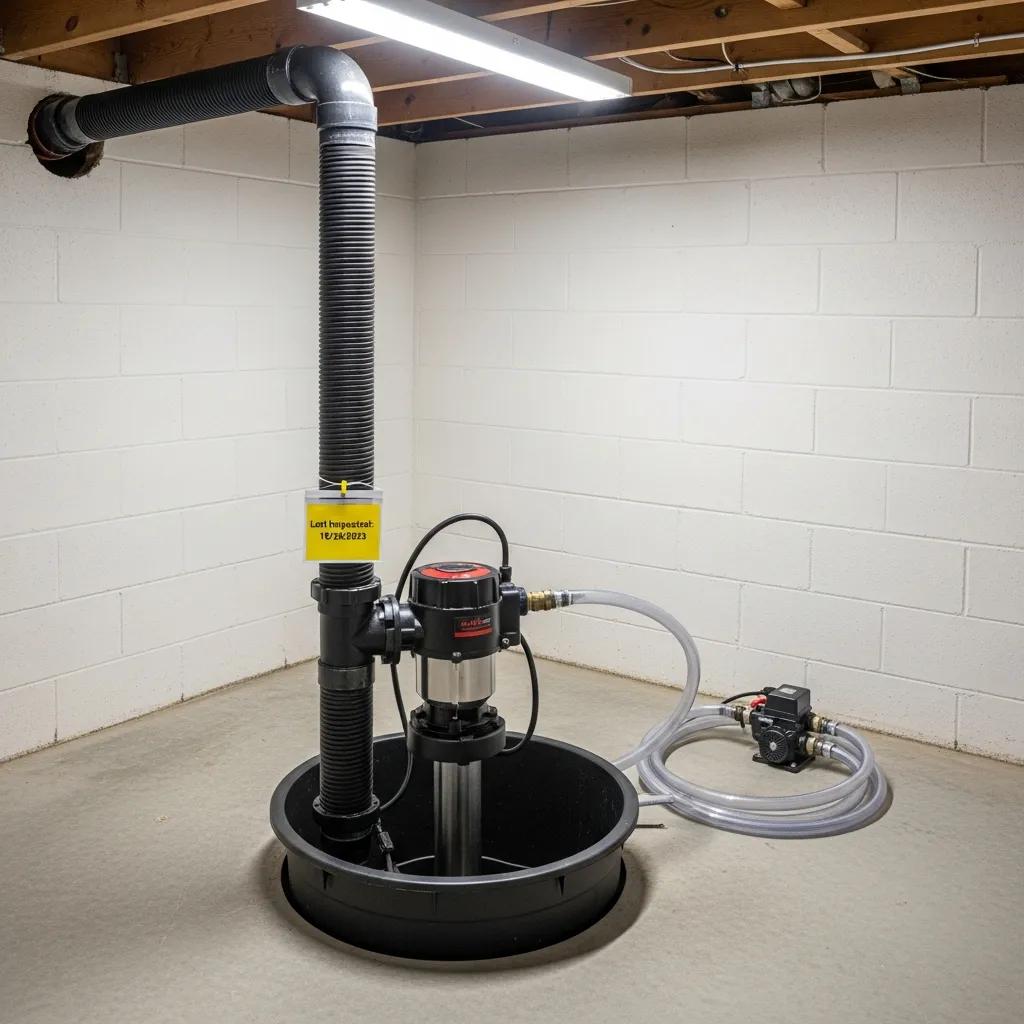
Sump Pump Repair in St. Clair Shores, MI — Fast, dependable basement protection Homes in St. Clair Shores are more likely to see basement flooding because of Lake St. Clair, seasonal storms, and changing groundwater levels. Prompt sump pump repair and professional installation control excess water and relieve hydrostatic pressure before it damages your foundation, finishes, or belongings. This guide walks through why timely repair matters, how sump pumps and backup systems work, common warning signs of failure, and the step-by-step approach technicians use to diagnose, repair, or replace systems. You’ll get practical maintenance tips, guidance on when to add a battery backup or a sewage ejection pump, and how local conditions across Macomb, Oakland, and Wayne counties affect service needs. Use the quick checklists and comparison tables to match symptoms to actions and choose the right solutions for your St. Clair Shores basement. We explain things clearly and locally so you can make the right call when water becomes a threat. If the sump pump is acting up right now, call Frost and Kretsch Plumbing at (586) 675-0097 — our line is open 24/7 for emergency triage and scheduling. We provide emergency response, honest, upfront estimates, and a satisfaction guarantee for area homeowners. Frost and Kretsch Plumbing serves Macomb, Oakland, and Wayne counties for sump pump repair, installation, maintenance, battery backups, and sewage ejection pump work. For current hours and recent reviews, check our Google Business Profile. This article aims to educate first; if anything here signals an urgent problem, call the number above for immediate help. Why Is Sump Pump Repair Critical for St. Clair Shores Homes? A working sump pump stops basement flooding by removing groundwater before it harms structure, finishes, or stored items. In St. Clair Shores, lake-influenced groundwater and local drainage patterns increase the chance of saturated soil and higher hydrostatic pressure against foundation walls, so a failing pump raises the risk of expensive repairs and mold. Quick repairs preserve structural integrity, reduce mold and indoor air issues, and prevent electrical or appliance damage from standing water. When you understand the local causes of basement intrusion, you can prioritize repairs and choose backups that match your property’s exposure. Repairing a sump pump is preventive: it saves money over time by avoiding emergency remediation and long-term damage. Here are the top three reasons repair is important in this area. Keep an eye on local signs that a failed pump could quickly lead to property damage — the next section explains factors that raise flood risk here. Lake and groundwater influence: Groundwater near Lake St. Clair can rise and enter basements when lake levels are high. Seasonal storms and runoff: Heavy rains and spring thaw can overwhelm exterior drainage in minutes. Poor grading or clogged drains: Low slopes or blocked exterior drains concentrate water at foundations. These local drivers show why quick repairs and the right pump choice are key to protecting your basement long term. What Local Factors Increase Basement Flooding Risks? St. Clair Shores sits next to Lake St. Clair, so seasonal lake level shifts and storm surge can push the groundwater table up and keep soils saturated after heavy rain. Saturated ground lowers how much water the soil can absorb, increases lateral pressure on basement walls, and can force water through cracks and joints; in severe cases hydrostatic pressure can push water through porous concrete and unsealed penetrations. Poor lot grading, clogged catch basins, and older storm sewers can make runoff worse, turning a manageable event into basement intrusion. Knowing these local pressures helps homeowners and technicians size pumps correctly and decide if backups or extra drainage work are needed. Once you understand local risk, the next step is knowing how a properly working sump pump keeps water out. How Does a Functional Sump Pump Prevent Water Damage? A sump pump system uses a pit, float switch, pump motor, discharge pipe, and check valve to sense and expel collected groundwater before it reaches damaging levels. When water raises the float, the pump motor turns on and pushes water through the discharge line away from the foundation; the check valve stops returned water from re-entering the pit. Submersible pumps sit in the pit and run quieter; pedestal pumps keep the motor out of the water and are easier to service. The right choice depends on pit size, debris, and household needs. Regular maintenance, correct discharge routing, and proper pump sizing shorten run time, reduce motor wear, and extend system life. Even a good pump benefits from redundancy — many homes are safer with backup power or an additional ejection pump for below-grade fixtures. We cover that below. What Comprehensive Sump Pump Services Does Frost and Kretsch Plumbing Offer? Frost and Kretsch Plumbing provides a full suite of sump pump and sewage ejection services for St. Clair Shores homeowners: diagnostics, repair, replacement, installation, and routine maintenance that reflect local conditions. We handle routine repairs and full replacements, install battery backup systems for outages, and service sewage ejection pumps for below-grade fixtures. Our technicians perform on-site assessments and recommend either submersible or pedestal models, the right motor size, and discharge routing tailored to your property. If you spot an urgent failure, call our 24/7 line at (586) 675-0097 to request immediate service and a clear, upfront estimate. The table below summarizes typical services so you can match needs to likely benefits and lifecycle considerations. Service Type Typical Use Case Expected Benefit Repair (diagnostics & part replacement) Intermittent failures, odd noises, reduced discharge Quickly restores function and delays full replacement Installation (submersible vs pedestal) New systems or complete replacements Right sizing and placement improve performance and life Maintenance (inspection, cleaning) Seasonal checkups and preventative care Fewer emergencies and a longer pump lifespan Battery backup systems Power outage protection Keeps pumps running during storms and grid failures Sewage ejection pump service Basement bathroom or laundry Prevents sewage backups and protects health This comparison helps you prioritize repairs, upgrades, or adding a backup based on property vulnerability and use.
Outdoor Plumbing Services in Rochester Hills, MI
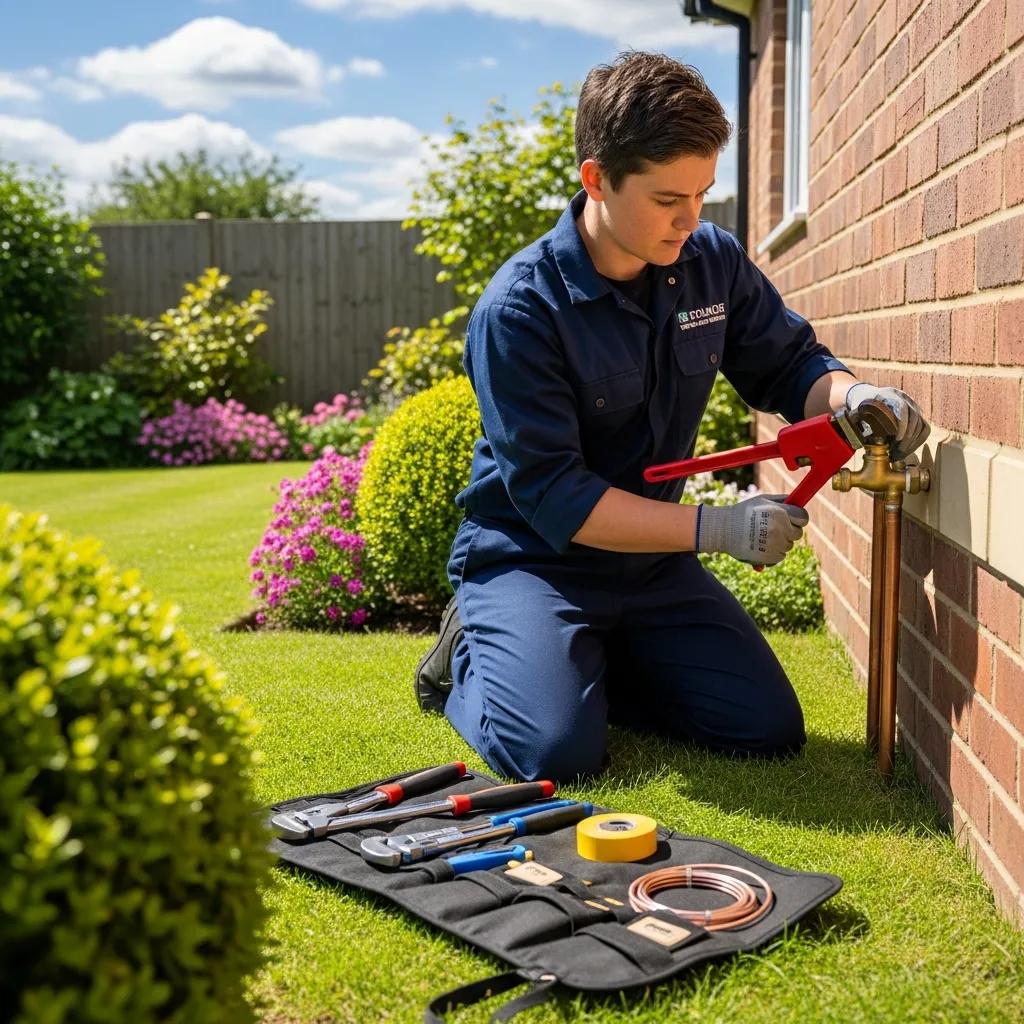
Outdoor Plumbing Services in Rochester Hills, MI: Installation, Repair & Maintenance You Can Rely On Outdoor plumbing includes the water systems outside your home — hose bibs, irrigation hookups, yard drainage, backflow preventers, and emergency exterior pipe repair in Rochester Hills, MI. These services protect your home from water damage, keep your landscaping healthy, and guard drinking water from contamination. In our area the freeze–thaw cycle, uneven irrigation coverage, and poor drainage can lead to foundation and yard problems. Preventive maintenance, timely repairs, and code‑compliant testing are the best defenses. This guide walks Rochester Hills homeowners through the outdoor plumbing services to expect, how irrigation and backflow testing protect your property and health, drainage fixes that stop standing water, and emergency steps for burst exterior lines. You’ll get practical diagnostic checks, the benefits of smart irrigation and frost‑free spigots, when to call a pro, and how to schedule service across Macomb, Oakland, and Wayne County. We use local climate realities and industry best practices so you can prioritize work by risk and value. What Outdoor Plumbing Services Are Essential for Rochester Hills Homeowners? Common outdoor services for Rochester Hills homes include hose bib replacement, outdoor faucet repair, irrigation system service, backflow testing, French drains and sump pump discharge management, winterization, and exterior pipe excavation when needed. These jobs seal leaks, redirect runoff, prevent backflow contamination, and restore pressure and flow to irrigation systems — all actions that protect foundations and cut water waste. Early warning signs like pooling, dripping spigots, uneven irrigation zones, or frozen fittings mean it’s time for professional evaluation to avoid bigger repairs. Below is a quick list of core services and short descriptions to help you decide what to tackle first. Essential outdoor plumbing services for Rochester Hills homeowners: Hose bib and outdoor faucet replacement: Restores dependable water access and reduces freeze risk with frost‑free spigot options. Irrigation system repair and valve servicing: Stops leaks, evens out zones, and improves turf health while cutting water bills. Backflow testing and preventer maintenance: Protects your potable water and keeps you compliant with local rules. French drains and yard drainage installation: Moves groundwater away from foundations to prevent seepage. Sump pump discharge and discharge‑line management: Routes sump output safely so basements stay dry. Each service addresses a different failure mode common in Michigan’s freeze–thaw climate. Knowing which one applies helps you choose basic troubleshooting or call a pro. The table below shows typical problems and fixes to help with quick self‑diagnosis before you schedule service. Entity Typical Problem Typical Solution When to Call Hose bib (spigot) Leaks, low flow, frozen or broken stem Replace with frost‑free spigot or repair packing nut If the leak keeps running after shut‑off or freeze damage is visible Irrigation system Broken heads, valve leaks, zone imbalance Replace heads, repair valves, rebalance zones, tune smart controller If several zones fail or repair requires excavation Backflow preventer Failed test, worn seals Repair or replace RPZ / double‑check and recertify After a failed annual test or if corrosion/leaks are visible Drainage / French drain Standing water, soggy yard, foundation seepage Install subsurface French drain or regrade yard If pooling returns after rain or occurs near the foundation Sump pump discharge line Improper routing, freezing, water re‑entry Re‑route discharge, add heat trace, install proper termination If water pools near foundation or pump cycles excessively Use this comparison to pinpoint the likely fix and whether excavation, testing, or replacement is needed. Next, we’ll focus on how replacing a hose bib improves outdoor water access and freeze protection. How Does Hose Bib Replacement Improve Your Outdoor Water Access? Replacing a hose bib fixes common failures — corrosion, worn packing, and freeze damage — by installing a new spigot that gives you leak‑free operation and steady water flow. A frost‑free spigot moves the valve seat inside the heated area of your home so trapped water can’t freeze in the stub, lowering the chance of winter rupture. Installation usually requires cutting a small section of exterior wall or siding, shutting the branch valve, removing the old bib, and fitting a new unit with the right slope and insulation; expect minor landscaping disruption. Many frost‑free units are also backflow‑friendly for irrigation tie‑ins, so replacing a damaged bib improves both durability and safety. Knowing these benefits makes it easier to spot when a faucet needs repair or a full replacement. What Are the Signs You Need Outdoor Faucet Installation or Repair? Look for persistent drips, visible corrosion on the spigot, weak flow, or pooling under the faucet — these are clear signs it’s time for repair or replacement to avoid water waste and possible foundation issues. Quick checks homeowners can do: Shut off the indoor isolation valve, remove any hoses, and watch the stem and packing nut. If water still flows or the valve is stiff, the seals are likely bad. If one bib has low pressure while others are normal, expect a localized blockage or damaged supply line that needs inspection — cracked fittings from freezing require immediate replacement to prevent underground leaks. Visible damage, recurring leaks, or seasonal freeze problems mean it’s safest to call a licensed outdoor plumbing technician to limit property damage. How Can Irrigation System Repair Enhance Your Rochester Hills Landscape? Irrigation repair restores even water distribution across lawns and planting beds, promoting healthier turf, fewer dry spots, and lower overall water use through better coverage and less runoff. The fix is simple: stop leaks, replace failed sprinkler heads, and balance zone run times so each area gets the correct amount of water. Adding smart irrigation—weather‑based controllers and soil sensors—further cuts waste by adjusting schedules for local conditions, often producing measurable savings across Rochester Hills’ changing seasons. Use the short diagnostic list below to prioritize irrigation work and decide when spot repairs are enough or full line replacement is needed. Puddling or pooling near sprinkler heads: Likely a line leak or misaligned emitter. Dry patches despite scheduled runs: Usually broken heads, blocked nozzles, or pressure problems. Overspray onto
Garbage Disposal Repair in Canton, MI
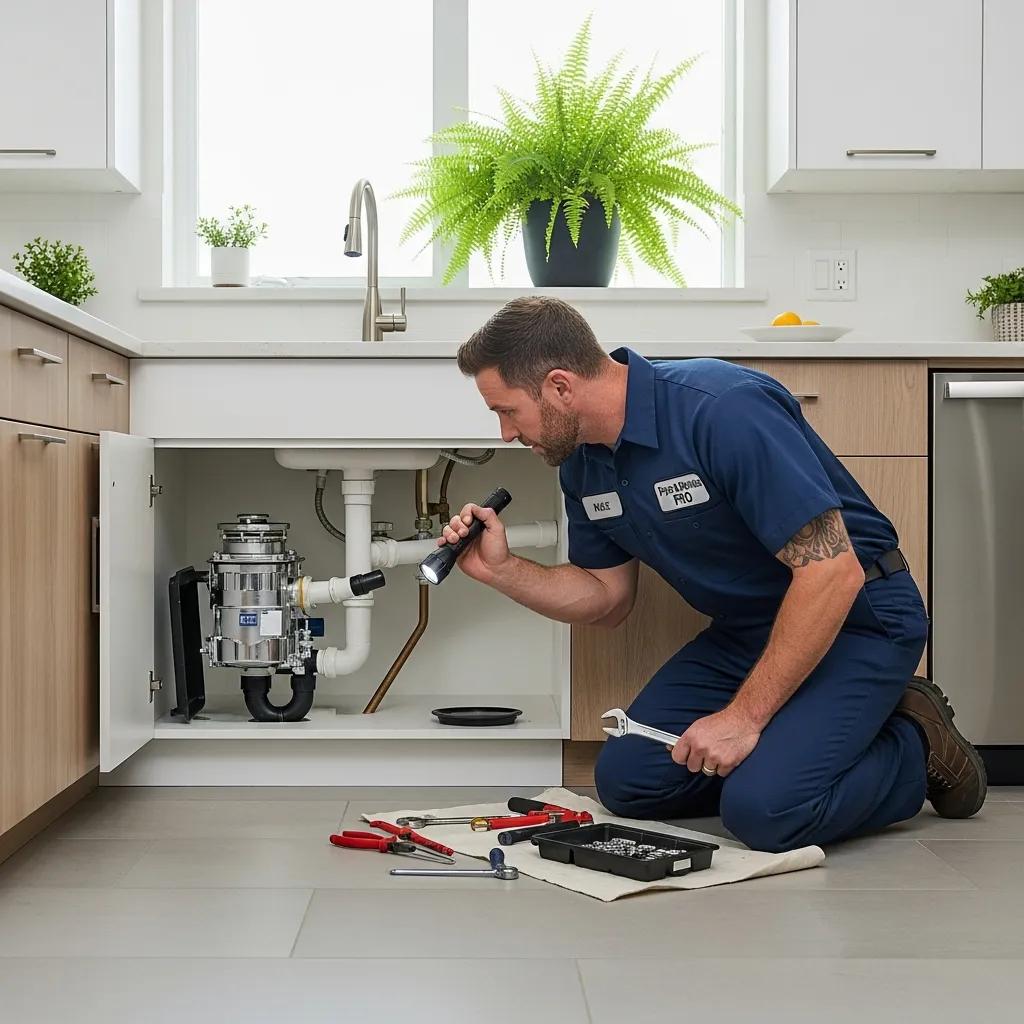
Expert Garbage Disposal Repair & Installation in Canton, MI — Frost and Kretsch Plumbing A garbage disposal repair or installation gets your kitchen back to normal. We check both mechanical and electrical issues on sink-mounted disposers, repair worn parts, or install a new unit so your sink drains, stays odor-free, and won’t cause water damage. In Canton, MI, fast, correct service prevents bigger problems down the line. Below we cover common disposal troubles Canton homeowners see, safe troubleshooting for humming or dead units, how to decide between repair and replacement, typical Canton pricing ranges, our installation process, and how to schedule either emergency or routine service. Read on for symptom-based fixes, when to call a licensed tech, clear cost info, and simple steps to keep your disposal running smoothly. What Are the Most Common Garbage Disposal Problems in Canton, MI? Garbage disposals fail when mechanical, electrical, or sealing parts stop working—anything that keeps the unit from grinding and draining properly. The usual culprits are leaking gaskets, jams from foreign objects or fibrous food, electrical faults that cause humming or no power, and trapped food or grease that creates persistent odors. Catching the symptom early helps you decide whether it’s a safe DIY check or a job for a pro. Canton homes also see spikes after big family meals and holidays when fat and fibrous scraps build up. Below is a short list of what we see most often and what each sign usually means. Common disposal problems Canton homeowners encounter: Leaking seals or flange: Water under the sink usually points to a worn gasket or a loose mounting assembly. Jammed rotor: The disposal stops grinding and feels stuck after a hard or foreign object gets inside. Humming but no spin: Power reaches the motor but it won’t turn—often from overload or a jammed blade. Persistent odors: Food residue, grease, or trapped debris in the unit or drain creates ongoing smells. Many of these symptoms trace back to the same root causes—debris buildup or wear—so identifying the likely source points you to safe DIY checks or to call a licensed technician. At Frost and Kretsch Plumbing, we help Canton residents with fast diagnosis and repair when basic checks don’t fix the problem. We offer local emergency response for active leaks or electrical issues, which is the right move after you complete the simple safety steps or if the unit keeps leaking despite your attempts. How Do You Fix a Leaking Garbage Disposal in Canton? A leak usually comes from one of three places: the sink flange, the drain line connections, or the disposal body seals and gaskets. Start by running water and watching where it appears. Tighten mounting bolts or hose clamps if they’re loose. If the leak is at the flange, reseating the flange and replacing an old gasket often stops it. Leaks from the disposal body itself—caused by cracks or metal fatigue—are usually best solved with a replacement to avoid repeated water damage. After any repair, test the unit under normal flow; if the leak keeps showing up, a professional inspection will confirm whether the mounting assembly or the unit needs to be replaced. These steps reduce the risk of water damage and often reveal related issues—jams and misalignment commonly show up alongside leaks. What Causes a Jammed Garbage Disposal and How Is It Resolved? Jams happen when hard items, fibrous foods (like celery or onion skins), utensils, or mineral buildup stop the rotor from turning. The safe sequence: cut power at the wall and, if needed, at the breaker; never stick your hand inside the unit. Use the manual hex-key access on the bottom to free the rotor, and use pliers to remove accessible objects. If the jam clears, reset and test the unit. Persistent jams can indicate damage to the motor or flywheel and will need professional tools and replacement parts. To avoid jams, don’t put grease, bones, coffee grounds, or fibrous vegetable scraps in the disposal, and always run water while it’s operating to flush particles through. Safely clearing a jam often fixes operation problems and leads naturally into troubleshooting humming or power faults if the unit still won’t run after a manual reset. How to Troubleshoot Garbage Disposal Not Turning On or Humming in Canton? A humming or non-starting disposal usually means the motor is stalled, overloaded, or there’s an electrical interruption rather than a simple mechanical block. Start with safety: turn the unit off at the wall, cut power at the breaker before inspecting, and check the reset button on the underside. Those steps separate mechanical jams from wiring or breaker issues and protect you from shock. If reset and breaker checks don’t work, humming often means the motor has power but is stalled—commonly a jam—while silence can mean a wiring, switch, or motor failure that needs a licensed technician. The short checklist below walks you through the ordered actions to decide whether you can fix it safely or should call a pro. Follow this compact troubleshooting checklist: Step Action Safety Note 1 Turn off power at the wall and breaker Prevents electrical shock during inspection 2 Press the unit reset button after power is off Only after ensuring power is removed 3 Use the hex-key to manually free the rotor Keep hands out of the chamber; use insulated tools 4 Check the breaker and wall switch continuity If tripped or faulty, do not repair wiring yourself 5 Call a licensed technician if humming persists Humming with no free rotor suggests motor overload or wiring fault This checklist helps you separate safe DIY fixes from electrical or mechanical failures that need professional diagnostics, and it sets you up for the reset steps below if a manual fix is possible. What Are the Steps to Reset a Garbage Disposal Safely? Resetting a disposal is a simple, safety-first fix for many minor stalls. First, switch off power at the wall and the breaker so the unit can’t come on while you work. Wait 10–15 seconds
Whole House Water Filtration in Royal Oak, MI
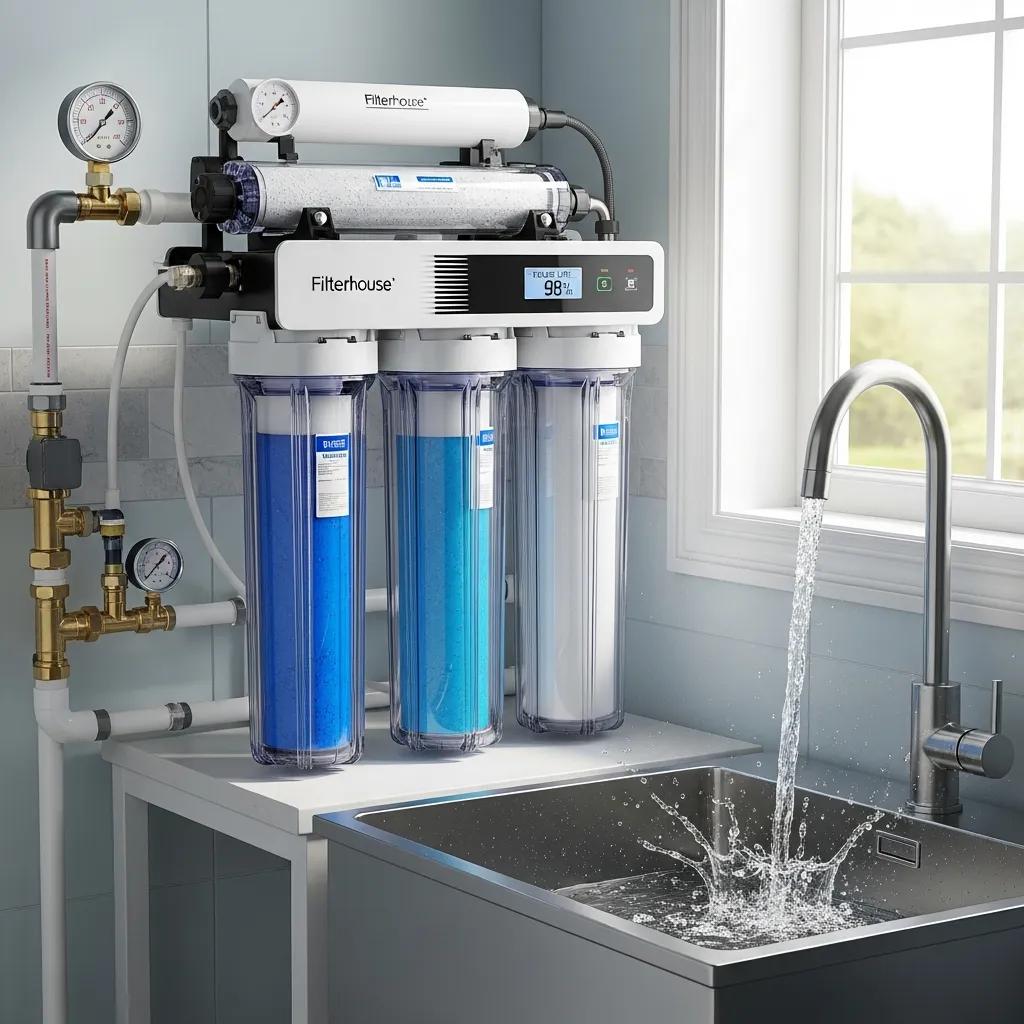
Whole-House Water Filtration in Royal Oak, MI: Installation, Benefits, and Cost Guide Whole-house water filtration is a single-point system installed where your main water line enters the home so every faucet, shower, and appliance gets treated water. In Royal Oak, municipal treatment and older distribution lines can leave behind chlorine, minerals that cause hard water, and occasional pipe-sourced contaminants. A properly staged whole-home filter gives you consistent water quality for drinking, bathing, and appliances. This guide walks through how whole-house systems work, the contaminants commonly found locally, system types and when to use them, and what to expect during installation and maintenance. You’ll also learn how filtration helps health and appliance life, how to compare softeners, carbon filters, RO, and UV options, and which factors drive cost. Practical checklists and answers to common Royal Oak questions make it easy to decide when to schedule a free water test or estimate. Why Choose Whole House Water Filtration for Your Royal Oak Home or Business? Installing a whole-house system treats water right where it enters the building, so cleaner water reaches every outlet instead of just a single tap. By using pre-filters, sediment stages, and targeted media, these systems reduce chlorine taste, remove sediment, and control hardness—helping plumbing and appliances run better. The result is consistently better-tasting water, fewer limescale problems, and reduced chlorine exposure when you shower. Here’s a quick, practical list of benefits Royal Oak homeowners and businesses see. Whole-house filtration offers these primary benefits for local homes and businesses: Better Taste and Fewer Odors: Cuts chlorine and organic tastes so drinking water is more pleasant. Protects Appliances: Reduces scale buildup to extend the life of water heaters, dishwashers, and laundry machines. Softer Skin and Hair: Lowers chlorine and particulates that can dry skin and hair after showers. Coverage for the Whole Property: Treats every tap and fixture—no need for multiple point-of-use units. Whole-home protection typically means fewer filter swaps at individual fixtures and broader peace of mind. The next section covers the contaminants and local water conditions that make whole-house filtration useful in Royal Oak. What Are the Common Water Contaminants in Royal Oak, MI? Royal Oak homeowners often face a combination of municipal treatment residuals and distribution-line issues. The typical concerns are hardness minerals (calcium and magnesium), chlorine or chloramine used for disinfection, sediment and rust from aging pipes, and occasional trace metals like lead in older service lines or plumbing. Emerging contaminants such as PFAS may be present in some sources and require lab testing to confirm. Hard water causes scale on heaters and fixtures, while chlorine affects taste and can dry skin. A water test pinpoints exactly what’s in your supply and tells you which media to choose—carbon for chlorine, ion-exchange softeners for hardness, or specialty media for iron and manganese. Knowing your water profile helps you pick a targeted system that delivers noticeable household improvements. The next section explains the main system types available locally. How Does Whole House Filtration Improve Health and Appliance Longevity? Whole-house filtration lowers your household’s exposure to chemicals and particulates while shielding plumbing and appliances from scale and sediment damage. Removing chlorine and sediment improves drinking-water taste and reduces skin irritation from showers. Controlling hardness with a softener prevents mineral buildup that reduces appliance efficiency, meaning fewer repairs and longer equipment life for water heaters, dishwashers, and washers. Cleaner water also cuts down on soap scum and fabric wear, improving laundry results and helping clothing last longer. Those combined health and household benefits often make filtration a cost-effective upgrade for Royal Oak properties. Next, we’ll outline the common filtration categories and when each makes sense. What Types of Whole House Water Filtration Systems Are Available in Royal Oak? Whole-house systems differ by how they treat water and which contaminants they target. Your water test and household priorities determine the right mix. Common stages include sediment pre-filters, activated carbon for chlorine and organics, water softeners for hardness, specialized media for iron or hydrogen sulfide, under-sink reverse osmosis for drinking water, and UV systems for biological threats. Often a multi-stage setup delivers the best, broad coverage for local water conditions. To simplify selection, the table below compares common system types, what they remove, and the typical use-cases or limits to consider. Different whole-house system types and their best use-cases: System Type What it Removes Best Use-Case / Limitation Sediment Filter Sand, rust, particulates Shields downstream equipment; cartridges require regular replacement Activated Carbon Chlorine, taste, odor, organic compounds Great for municipal chlorine; not effective on dissolved salts Water Softener (Ion Exchange) Calcium, magnesium (hardness) Prevents scale; won’t remove most chemical contaminants Iron Removal Media Dissolved and particulate iron, manganese Fixes staining and metallic tastes; may need pre-treatment UV Purification Bacteria and viruses Effective for microbes; does not remove chemicals or particulates Point-of-Use RO TDS, lead, PFAS (often) Best for drinking water at a tap—typically installed under the sink That’s why multi-stage systems are common: sediment protects media, carbon handles chlorine, and softeners stop scale. The next sections explain softeners and RO/UV options in more detail and when to include them. How Do Water Softeners Address Hard Water Issues? Most water softeners use ion-exchange resin to swap hardness minerals (calcium and magnesium) for sodium or potassium ions. That prevents scale on heating elements and fixtures, improves soap performance, and reduces spotting on dishes. Salt-based softeners need periodic salt refills and occasional resin servicing; salt-free conditioners use technologies like template-assisted crystallization to change how minerals behave without ion exchange. Correct sizing—based on household hardness and daily water use—keeps regeneration and salt use efficient. Softeners are excellent at preventing scale but don’t remove chlorine, bacteria, or many chemical contaminants, so they’re often paired with carbon or other stages for fuller protection. The next section covers RO and UV solutions you might add for drinking-water quality or microbial safety. What Are the Benefits of Reverse Osmosis and UV Purification Systems? Reverse osmosis (RO) uses a semi-permeable membrane to remove dissolved solids, many heavy metals, and some
Water Softener Installation in Clinton Township, MI
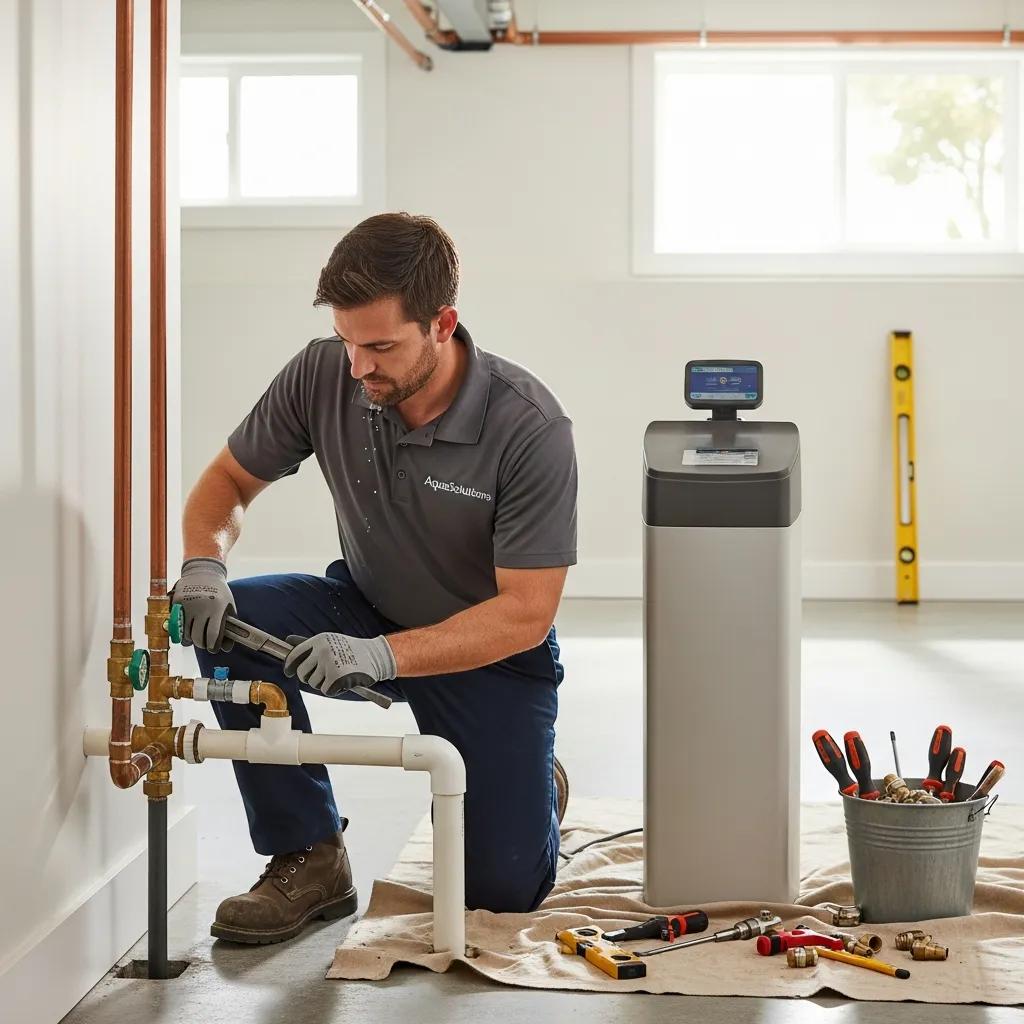
Water Softener Installation — Clinton Township, MI | Expert Service from Frost and Kretsch Plumbing Hard water is common in Clinton Township and can cause scale buildup, reduced appliance efficiency, and poorer water quality. A professionally installed water softener removes those hardness minerals, protects your plumbing and appliances, and restores better water throughout your home. This page explains how softeners work, the signs of hard water, and the real benefits of a whole‑house system. You’ll find clear guidance on when a softener is needed, how salt‑based, salt‑free, and dual‑tank systems differ, and what our step‑by‑step installation and follow‑up process looks like. We also cover routine repairs and troubleshooting—things like salt bridges and control‑valve issues—and outline the realistic savings homeowners can expect. Wherever helpful, we call out local Clinton Township considerations and how our licensed plumbers make sure installations perform long term. Why work with Frost and Kretsch Plumbing for your Clinton Township water softener? Hiring a trusted local plumbing team means your system is sized correctly, installed to code, and backed by dependable service. Frost and Kretsch Plumbing serves Macomb, Oakland, and Wayne Counties with licensed, insured technicians who focus on preventing scale, extending equipment life, and keeping your water consistently softened. We offer transparent pricing and a satisfaction guarantee so you can compare options confidently and budget without surprises. Those service standards give homeowners the peace of mind they need—from the first estimate to ongoing care. Local expertise and licensed technicians you can count on Our licensed techs use consistent testing and installation methods to match softener capacity to your household’s demand and measured hardness. We check all major components—the resin tank, brine tank, control valve, and bypass—to make sure they work together for reliable ion exchange and regeneration cycles. Because we work across Clinton Township and nearby communities, our installers know regional water patterns and common well‑water issues. That local experience reduces mistakes at install and helps systems run better for years through correct siting, pipe connections, and regeneration scheduling. How transparent pricing and 24/7 service help you Clear pricing gives you predictable project costs and fewer surprises when choosing between salt‑based, salt‑free, or dual‑tank systems. Around‑the‑clock emergency service means we can respond quickly to failures that interrupt softened water or cause leaks, reducing downtime and potential damage. We explain parts, labor, and maintenance expectations up front so you know how to budget for salt or future resin service. Those practical service elements make owning a water softener less stressful. How to tell if you need a water softener in Clinton Township You’ll want a water softener when mineral content starts interfering with everyday tasks, damaging fixtures, or raising appliance energy use. Hard water leaves visible scale on faucets and showerheads, reduces soap lather, and causes soap scum. You may notice dry skin or hair after showering, spotting on dishes and glassware, or your water heater running less efficiently. Watching for these signs and performing a hardness test will quickly show whether a softener or other conditioning is the right next step. Common household signs of hard water to watch for. Each item is an easy symptom homeowners can check themselves. If several are present, schedule a water test to confirm. White or chalky scale on faucets, showerheads, and tile. Persistent soap scum and weak soap lather in sinks and showers. Spots or a cloudy film on dishes, glassware, and cookware. Dry, brittle hair or skin that feels coated; laundry that looks dull or feels stiff. Use this checklist as a quick home inspection—if several items apply, a hardness measurement will guide proper system selection and sizing. How hard water affects your home and appliances Calcium and magnesium in hard water create scale that builds up inside pipes, on heating elements, and in appliances. Scale reduces flow and heat transfer, so water heaters, dishwashers, and washers work harder and use more energy—often shortening their useful life. Mineral deposits can also block small passages in fixtures, causing low flow and increasing the risk of clogs. Seeing how scale forms and where it damages equipment helps explain why water conditioning is an investment in performance and long‑term savings. Common symptoms that point to hard water problems Simple checks at home can confirm hard water: poor soap lather, visible scale on fixtures, and cloudy or spotted glassware are early warnings. Try lathering soap—if it rinses away quickly and doesn’t suds well, minerals are interfering with the soap. If your hot water system needs more frequent heating cycles or repairs, mineral buildup may be to blame. When you spot these signs, schedule a professional test to measure hardness and get a tailored recommendation. Benefits of installing a water softener in your Clinton Township home A whole‑house water softener improves water quality, extends appliance life, and cuts down on maintenance by removing or conditioning hardness minerals. Soft water reduces scale on heating elements and inside pipes, saving energy and lowering repair needs for water heaters and dishwashers. Homeowners usually notice cleaner dishes with fewer spots, softer laundry with less detergent, and softer skin and hair. Those everyday improvements add up to real savings and more comfort for Clinton Township families. Different systems deliver different benefits depending on how they treat water. The table below links common house systems to the advantages soft water provides. System Area Benefit from Soft Water Practical Impact Water Heater Less scale on heating elements Better efficiency, lower energy bills Plumbing Pipes Reduced mineral buildup Improved flow, fewer clogs Dishwashers & Faucets Fewer spots and scale Cleaner results with less scrubbing Laundry Softer fabrics and better detergent performance Use less detergent, clothes last longer This quick mapping shows where a softener pays back most in the home and helps prioritize which areas matter most for system choice. How soft water improves quality and extends appliance life Salt‑based systems use ion exchange to swap calcium and magnesium for sodium or potassium ions, while salt‑free systems change how minerals crystallize so they don’t form hard scale. Either way, less scale
Hot Water Heater Installation in Roseville, MI
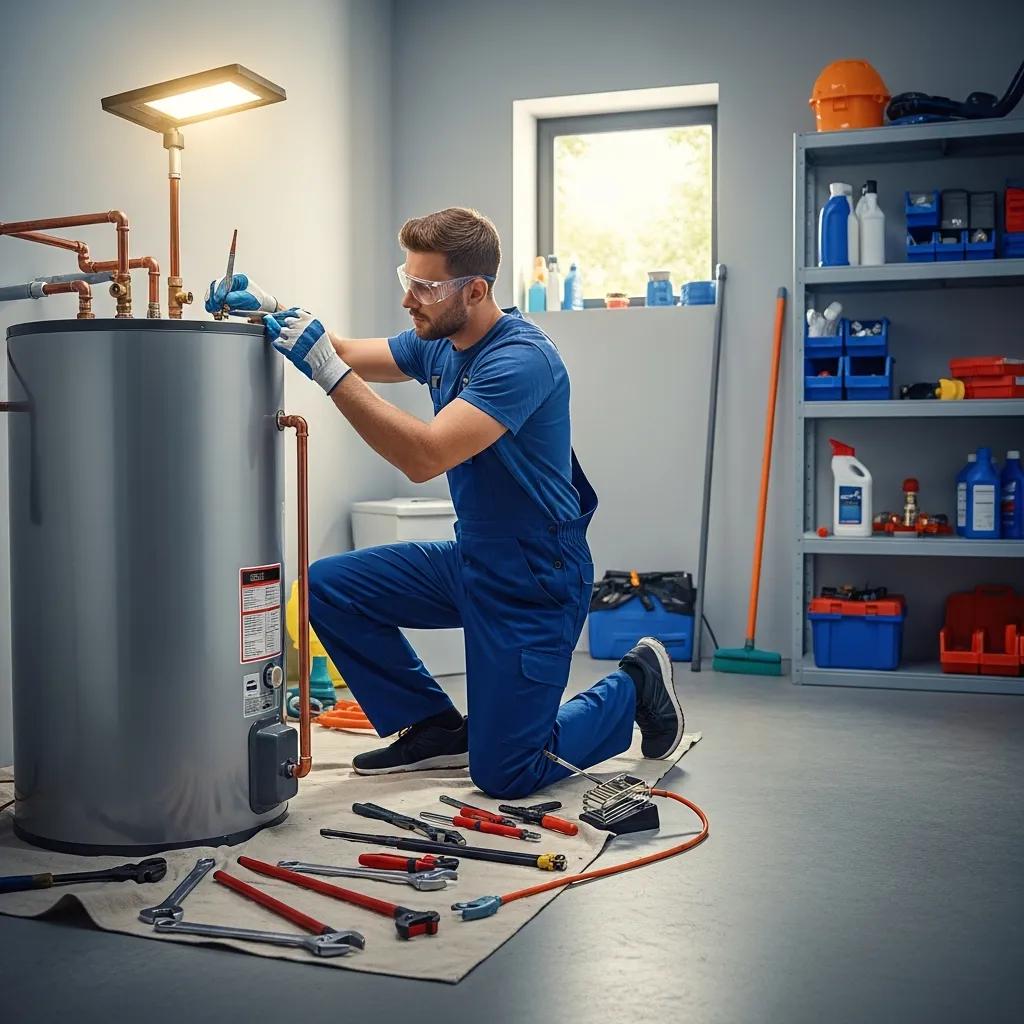
Hot Water Heater Installation in Roseville, MI — Trusted Service, Clear Costs Installing a hot water heater in Roseville, MI means more than swapping equipment — it’s about safe plumbing, local code compliance, and making sure your family has reliable hot water without leaks or surprise bills. This guide walks Roseville homeowners through the common heater types, what to expect during a professional installation, clear signs you need a replacement, and the main factors that affect cost. We compare tank vs. tankless and gas vs. electric options, give a concise step-by-step installation overview you can use for quick decisions, and offer practical comparisons so you can pick the right solution. Keywords like hot water heater installation Roseville, tankless installation Roseville, and water heater replacement Roseville are woven naturally to help you find the services that match your home’s needs. Why Choose Frost and Kretsch Plumbing for Your Roseville Water Heater Installation? When it comes to water heater work, licensed and insured technicians plus honest pricing matter. At Frost and Kretsch Plumbing we focus on reliable workmanship, safety-first practices, and experience across Macomb, Oakland, and Wayne counties so your installation meets local permit and inspection expectations. Proper venting, pressure control, and leak prevention protect your home — and that’s why our teams emphasize clear estimates, service guarantees, and 24/7 availability for emergencies. If you’re in Roseville and ready to schedule an assessment or need emergency replacement, contact Frost and Kretsch Plumbing via our website or Google Business Profile and tell us you need a hot water heater installation. That way we can send the right technician and parts. The section below explains why licensed, insured plumbers make a big difference on technical installs and urgent calls. What Makes Our Licensed and Insured Roseville Plumbers Reliable? Licensing means our technicians passed required exams and stay current with code updates; insurance protects homeowners if something goes wrong during a job. Our techs get ongoing training and quality checks, especially on newer systems like tankless and heat-pump hybrids. Knowing a contractor’s credentials helps you judge bids based on long-term reliability instead of just the lowest price — and that focus on quality is critical when systems fail or require complex installs. How Does Our 24/7 Emergency Water Heater Service Benefit You? Our 24/7 emergency response gets you help fast, limits time without hot water, and reduces the chance of water damage. For active leaks or total loss of hot water, we prioritize shutting off supply valves, containing leaks, and deciding whether a repair or immediate replacement is safest. Emergency checks include gas-safety inspections, temporary isolation of affected piping, and clear recommendations so you know the next steps. Understanding our emergency process helps you prepare for the call and shows why certified technicians are essential in urgent situations. What Types of Water Heaters Can Be Installed in Roseville? Roseville homeowners typically choose between storage tanks, tankless (on-demand) units, gas or electric-fired systems, and hybrid/heat-pump water heaters. Each type has different performance, space, and installation needs. Your choice depends on household hot-water demand, whether you have natural gas or electric service, space constraints, and long-term energy goals. The table below highlights core attributes to help you narrow options by cost, lifespan, efficiency, and installation complexity. Different heater types trade off efficiency, footprint, and maintenance: Heater Type Characteristic Typical Value Storage Tank (Gas/Electric) Installation complexity Moderate; requires venting for gas units Tankless (On-demand) Energy efficiency High; reduces standby losses Hybrid / Heat Pump Operating cost Lower in moderate climates; requires space and airflow Electric Resistance Upfront cost Generally lower equipment cost but higher operating cost This side-by-side view helps homeowners match priorities to system type. Below we dig into why tankless is popular and how fuel choice affects installation. Many homeowners choose tankless for continuous hot water and improved efficiency. The key benefits below explain when tankless is a good fit for Roseville homes. On-demand hot water: Heats water only when you need it, cutting standby energy loss. Longer service life: Tankless units often outlast conventional tanks with proper maintenance. Space savings: Smaller footprint frees up utility room or basement space. Lower operating costs: For many households, tankless units use less energy than older storage tanks. These advantages make tankless a solid choice for homes with peak demand or limited space. The next section compares gas and electric installations. What Are the Benefits of Tankless Water Heater Installation in Roseville? Tankless heaters warm water on demand by forcing cold water through a compact heat exchanger, eliminating the standby losses of a tank. For households with variable or high peak use, a properly sized tankless unit can lower operating costs and provide long-term value. Installation may require checking gas-line capacity or upgrading electrical service, and accurate sizing is important to meet simultaneous shower and appliance needs. Knowing these trade-offs helps you weigh installation complexity against energy and space savings. How Do Gas and Electric Water Heater Installations Compare in Roseville? Gas heaters usually recover faster and cost less to operate where natural gas is available, but they need correct venting and combustion-air provisions to meet code and stay safe. Electric units avoid venting concerns but may require panel upgrades and can cost more to run over time. Gas installs focus on flue sizing, vent termination, and gas-line capacity; electric installs focus on circuit capacity and dedicated breakers. A professional assessment will reveal if venting, gas, or electrical upgrades are needed to install your chosen system safely and compliantly. What Is the Water Heater Installation Process in Roseville, MI? A professional water heater installation follows a clear workflow: site assessment, written estimate, permit handling when required, installation and hookups, safety and pressure testing, then handoff with warranty and care information. This sequence keeps work code-compliant, safe, and predictable. Below is a concise, featured-snippet-style overview you can use to know exactly what happens on install day. Initial assessment: Technician inspects the old unit, piping, venting, and space to set scope. Written estimate & permit planning: We provide transparent pricing
Using Pipe Wrenches: A Guide for Plumbing Tasks
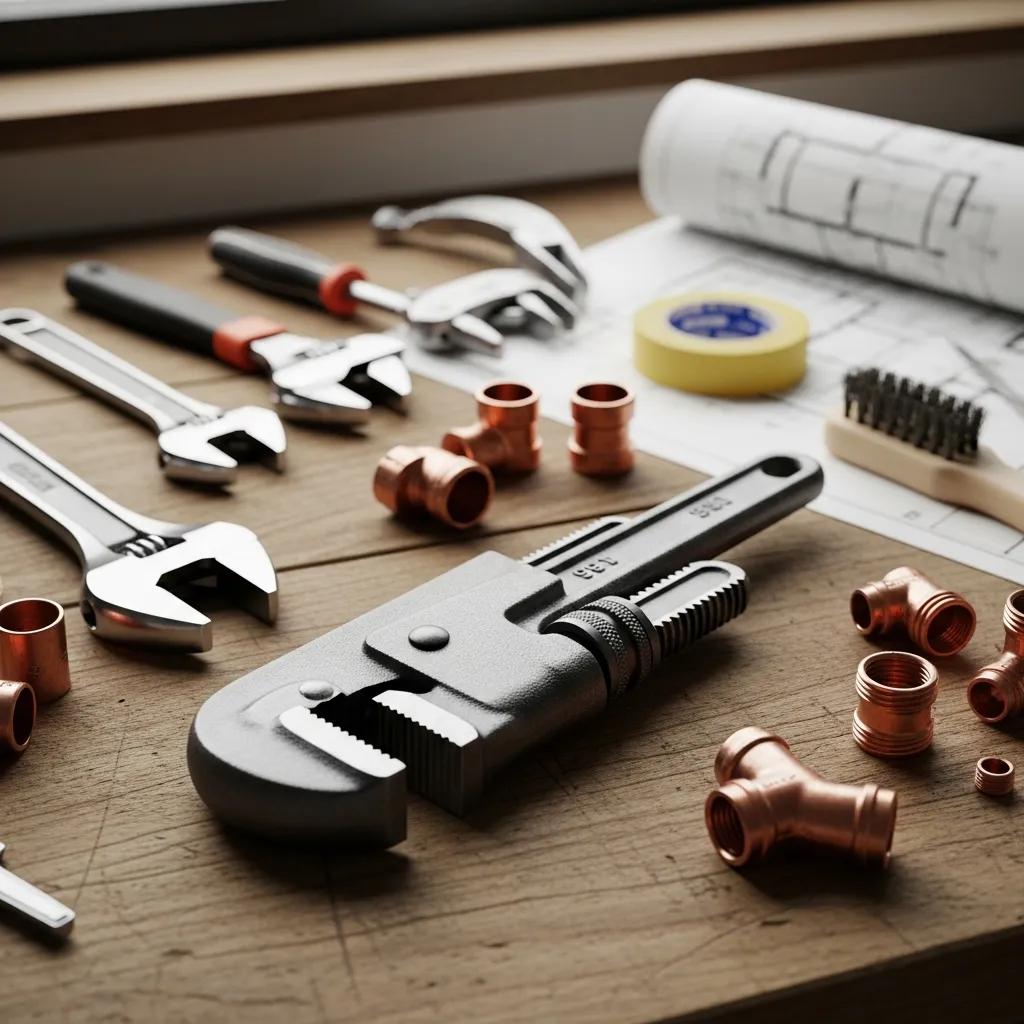
How to Use a Pipe Wrench: A Practical Guide for Plumbing Tasks and Techniques The pipe wrench is a go-to tool for many plumbing jobs — it grips round pipe and fittings where flats aren’t available. Used correctly, it saves time and prevents damage. This guide covers what a pipe wrench is, how its jaw-and-leverage design works, and when it’s the right choice for tasks like tightening black iron or galvanized pipe joints. You’ll learn how to pick the right size, set the jaws, use safe body mechanics, and recognize when an adjustable or specialty wrench is the better option. We also walk through common mistakes homeowners and DIYers make, provide clear criteria for when to call a local pro in Grosse Pointe, and include step-by-step instructions, tool comparisons, safety checks, and contact info so you can decide whether to DIY or get help. What is a pipe wrench and why is it essential for plumbing? A pipe wrench is a heavy-duty hand tool that grips round pipes with angled, serrated jaws and uses a levered handle to turn or hold the workpiece. That jaw bite plus leverage is what lets you rotate cylindrical fittings that don’t have flats for a box or adjustable wrench. It’s the standard tool for tightening and loosening threaded pipe joints on materials such as black iron and galvanized pipe where you need reliable rotational control. Knowing the wrench’s role helps you avoid stripped threads and leaky connections. What are the key parts and functions of a pipe wrench? A typical pipe wrench has four main parts: the hook jaw (the movable top jaw), the heel jaw (the fixed lower jaw), the adjustment nut, and the handle. The hook jaw bites into the pipe as you apply torque; the heel jaw gives a stable counter surface. The adjustment nut sets jaw clearance to match the pipe diameter, and the handle provides leverage — longer handle, more torque. Most good wrenches use forged steel for strength and wear resistance. Familiarity with these parts helps you inspect the tool before work and replace worn components when needed. How does a pipe wrench differ from other plumbing wrenches? Pipe wrenches use serrated jaws that bite round surfaces; adjustable wrenches use smooth jaws to grip flats. Basin wrenches reach behind sinks, and strap wrenches protect polished finishes. Use the wrong tool and you risk gouging a faucet or slipping on round pipe. Choosing the right wrench for the surface and fastener reduces repair time and prevents costly cosmetic or functional damage. Which types of plumbing wrenches should you know? Plumbing work calls for several wrench types, each built for a different situation: long-handled pipe wrenches for heavy leverage, compact styles for tight spots, and non-marring options for finished fixtures. Knowing names like straight pipe wrench, offset pipe wrench, end pipe wrench, compound-leverage wrench, and chain pipe wrench helps you pick the best tool for the job. Strap and basin wrenches protect finishes and reach awkward places, while adjustable wrenches work on flats. These categories are a practical toolkit for both home repairs and professional jobs. Common wrench types and quick use cases: Straight pipe wrench: Best for general pipe work with clear access and where steady leverage is needed. Offset pipe wrench: Great when you’re working near a wall or obstruction and need clearance. End pipe wrench: Short and compact for tight spaces where a long handle won’t fit. Introductory comparison of common wrench types: Wrench Type Best Use Case Notes Straight pipe wrench General-purpose pipe turning Strong leverage; ideal for exposed runs Offset pipe wrench Tight clearances near walls Handle is offset to avoid obstructions End pipe wrench Confined spaces Short handle—less torque but fits tight spots Chain pipe wrench Seized or irregular round stock Wraps around pipe for a concentrated grip; avoid on polished finishes Strap wrench Finished or polished pipes Non-marring; good for chrome or soft materials Use this quick guide to match tool choice with pipe material and access constraints so you can move from identifying the problem to taking the right action. Summary: Picking the correct wrench prevents damage and speeds the job. Next, we’ll walk through step-by-step use so you can work safely. What are the different types of pipe wrenches and their uses? Straight pipe wrenches give maximum leverage; offset models clear obstacles; chain and compound-leverage wrenches grab better on seized or very large pipe. For a rusty galvanized joint, a chain wrench can wrap around the pipe for a firm grip; for a fitting near a wall, an offset wrench keeps the handle from hitting the surface. Be mindful of limits: chain wrenches can mark softer finishes and end wrenches don’t give as much torque. Choose by pipe material, access, and finish — and know when a pro is the safer bet. How do adjustable and specialty wrenches complement pipe wrenches? Adjustable wrenches and specialty tools protect finished surfaces and reach where a pipe wrench can’t. An adjustable wrench grips hex flats without serration; a strap wrench removes chrome or soft pipes without marring them; a basin wrench reaches the hard-to-access nuts behind sinks. Use pipe wrenches for round stock and keep adjustable or strap wrenches for flats and polished fixtures to reduce slips and preserve parts. How to use a pipe wrench safely and effectively for plumbing tasks Start by choosing a wrench size that fits the pipe snugly and gives the right leverage for the job. Set the hook jaw so it bites in the direction you’ll pull, apply steady controlled force rather than jerks, and use a backup wrench on the mating fitting to protect nearby joints. Inspect jaw teeth and the adjustment nut before you start; worn teeth or a sticky nut cause slips. Wear gloves and eye protection to reduce injury risk. These habits help you work cleanly and safely — the list below shows the basic sequence. Follow these essential steps for safe, effective pipe wrench use: Select the correct wrench size: Match the