Why Annual Plumbing Inspections Matter: Benefits, Costs, and Preventative Care for Homes and Businesses
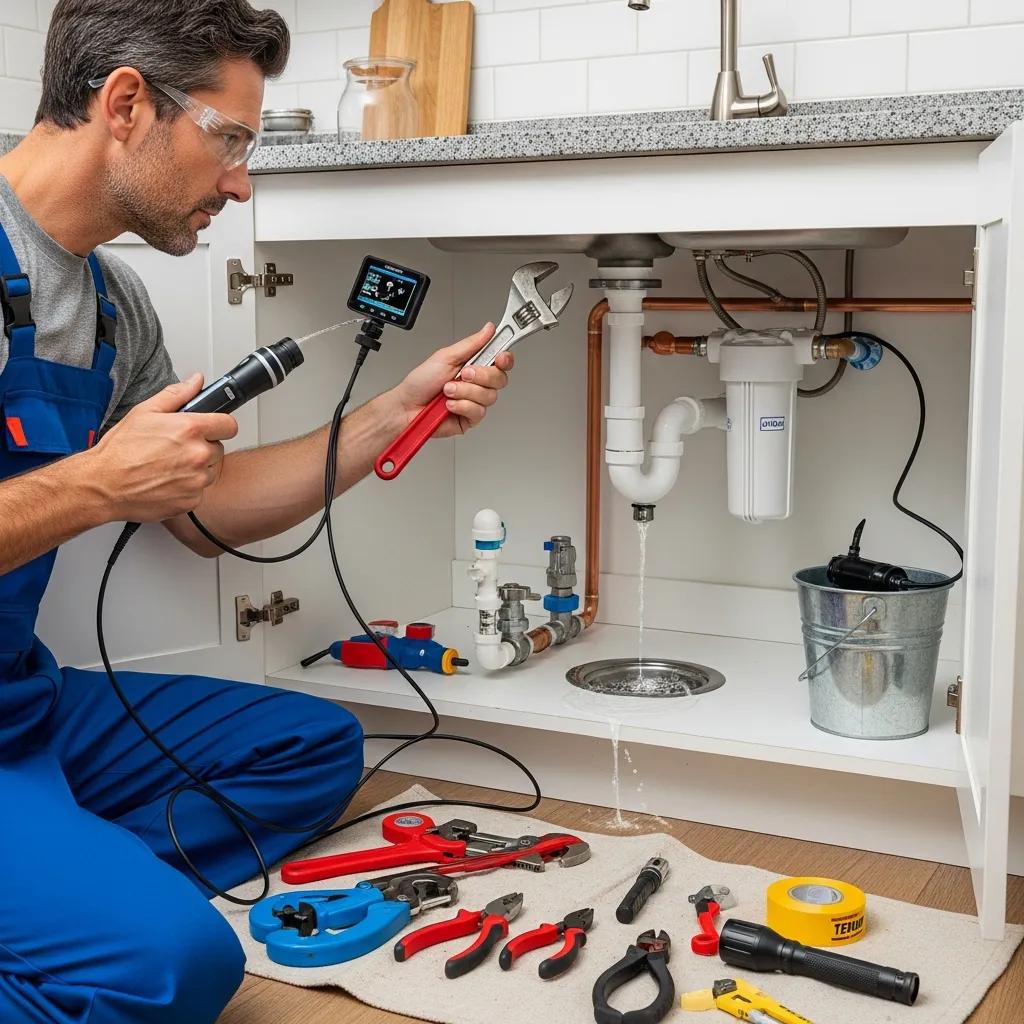
An annual plumbing inspection is a thorough, professional check of a property’s water, waste, and drainage systems. The goal is to spot wear, leaks, and code issues before they turn into emergencies. Regular inspections act as planned maintenance—catching small problems early to avoid sudden pipe failures, sewer backups, and costly water damage. This guide walks through what a full inspection covers, how inspections save you money, the differences between residential and commercial checks, when to schedule one, what affects cost and ROI, and how targeted tools like sewer cameras and leak detection improve results. We also reference services a local provider offers so you can see next steps for your property.
What Are Annual Plumbing Inspections and Why Are They Essential?
An annual plumbing inspection is a routine assessment of a building’s plumbing using visual checks, functional testing, and focused diagnostics to confirm system health. In short: find corrosion, mineral buildup, leaks, loose fittings, and drainage problems early so fixes are planned—not emergency. The main benefits are fewer emergency calls, longer system life, and lower overall plumbing costs over time. Below are the immediate advantages that make yearly inspections a smart choice.
Annual plumbing inspections provide three clear benefits:
- Catch small leaks and weakened pipes early to prevent expensive emergencies.
- Keep systems running longer through scheduled maintenance and timely part replacement.
- Protect health and property by stopping contamination risks and water damage before they spread.
Those benefits lead naturally into what a thorough inspection looks like and which tests reveal common failure points.
What Does a Comprehensive Plumbing Inspection Include?
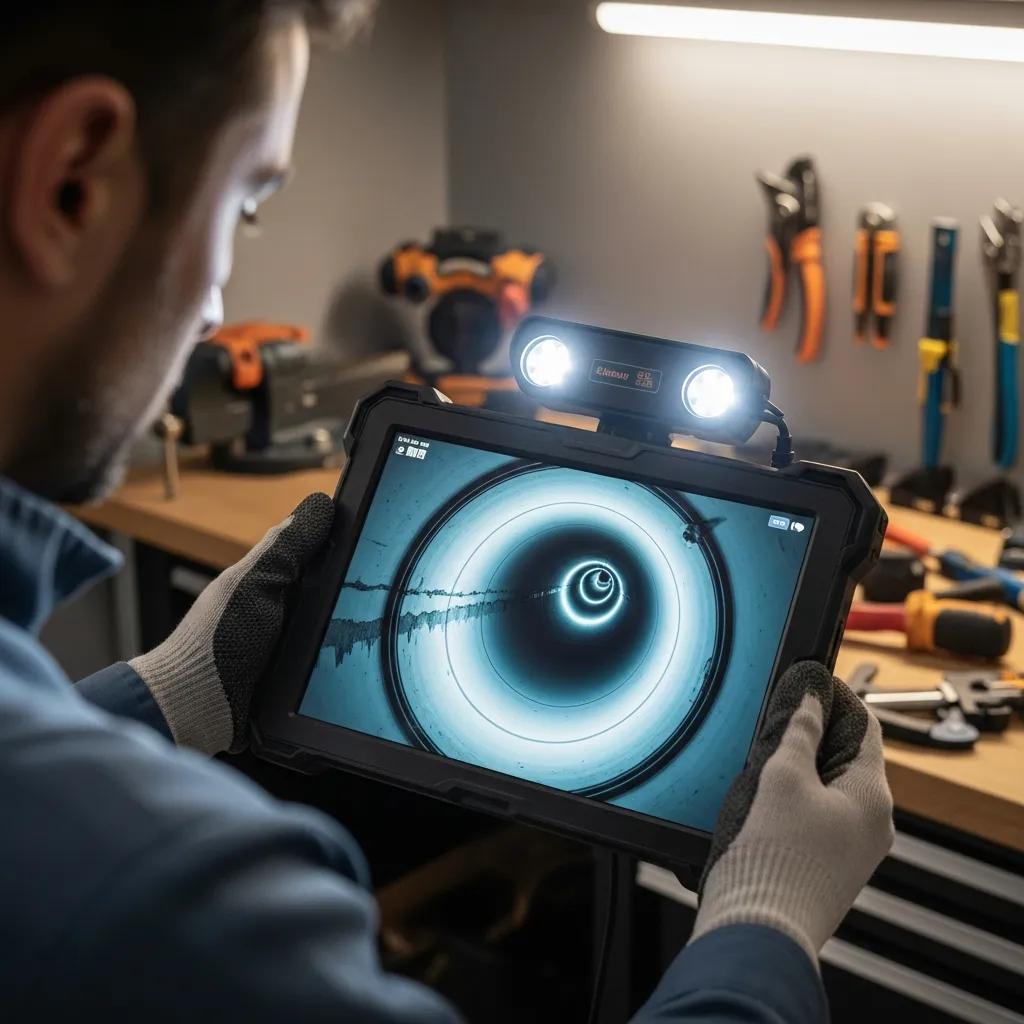
A full inspection combines visual assessment, hands-on functional tests, and targeted diagnostics to map system condition and uncover hidden issues. Technicians usually inspect fixtures, visible piping, water heaters, sump pumps, drains, and sewer lines. Common methods include pressure testing, acoustic leak detection, and sewer camera inspection to find corrosion, blockages, or concealed leaks. The table below summarizes core inspection elements, how they’re checked, and the typical problems each uncovers.
| Inspection Component | Method / Checkpoint | What It Reveals |
|---|---|---|
| Sewer Line | Camera inspection | Blockages, root intrusion, cracks or bellied pipe |
| Water Heater | Pressure/TPR check, thermostat test | Failing element, leaking tank, unsafe pressure relief |
| Sump Pump & Basin | Operational test, float check | Stuck pump, clogged basin, failed backup systems |
| Drains & Fixtures | Flow test, visual check | Slow drainage, hair/grease buildup, fixture leaks |
This breakdown shows which diagnostics target which failure modes and why using multiple techniques improves detection. Knowing these components helps explain how inspections stop small issues from becoming emergencies.
How Do Plumbing Inspections Prevent Costly Repairs and Emergencies?
Inspections turn unseen wear into planned repairs, avoiding the higher cost and disruption of emergency fixes. Early leak detection—using acoustic or infrared tools—lets technicians make small, localized repairs instead of replacing long runs of pipe. Finding a failing water heater element or a weak joint allows for scheduled part replacement before a catastrophic failure. For example, spotting a slowly corroding sewer section can lead to targeted relining or limited excavation instead of a sudden backup that closes a building. Regular inspection schedules also reduce how often emergency crews are needed, cutting both direct repair bills and indirect costs like downtime and mold remediation. Once you see prevention in action, the broader value of inspections becomes clear.
What Are the Key Benefits of Annual Plumbing Inspections?
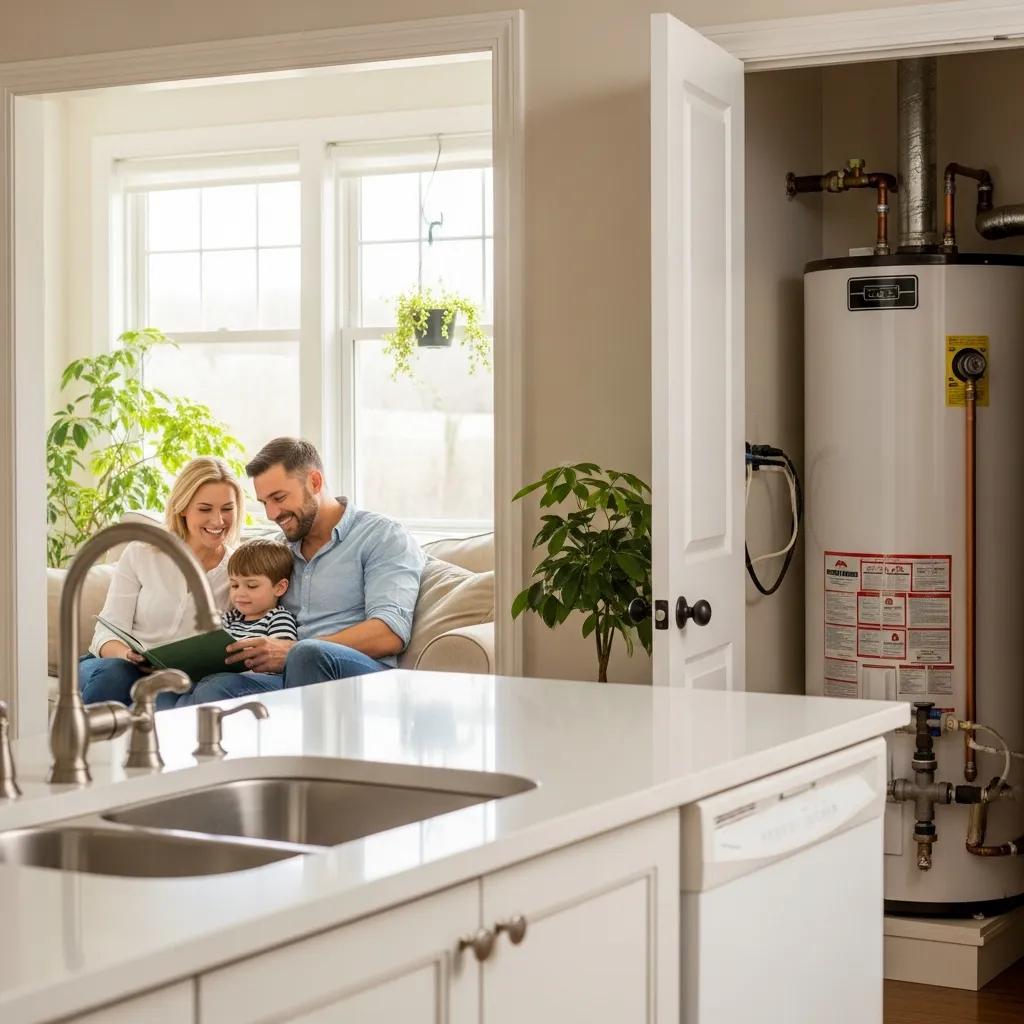
At their core, annual inspections deliver financial, safety, and operational benefits that build up over time through early detection and routine upkeep. By addressing leaks, corrosion, and blockages on a schedule, inspections reduce emergency risk, extend the life of fixtures and piping, and lower health hazards from sewage or contaminated water. The table below links common inspection actions to the concrete benefits property owners see.
| Maintenance Activity | Benefit | Outcome |
|---|---|---|
| Early Leak Detection | Smaller repair scope | Lower repair cost and less property damage |
| Sewer Camera Diagnostics | Precise problem location | Less excavation and faster repairs |
| Routine Component Testing | Planned part replacement | Longer system life and more reliable performance |
| Drain Cleaning & Flow Tests | Restored hydraulic performance | Fewer backups and better water efficiency |
When inspection actions are combined, those outcomes add up to long-term savings and reduced risk for homeowners and businesses.
How Do Inspections Save Money Through Early Leak Detection and Maintenance?
Inspections save money by shifting fixes from emergency responses to scheduled maintenance, which is usually cheaper and less disruptive. Leak-detection tools—visual checks, pressure tests, infrared scans, and acoustic sensors—spot small failures before they grow. Repairing a joint or replacing a short corroded run costs far less than dealing with a burst pipe and widespread water damage. Preventing chronic leaks also cuts water waste and avoids indirect costs like mold cleanup, structural repairs, and lost business time. Routine maintenance can improve fixture efficiency too, lowering utility bills over the long run. In short, a regular inspection program is an investment that brings predictable, lower operating costs instead of surprise expenses.
In What Ways Do Inspections Extend Plumbing System Longevity and Ensure Safety?
Inspections address common wear factors—corrosion, mineral scaling, mechanical fatigue, and blockages—by spotting conditions that speed failure and recommending fixes. Technicians check safety-critical parts like pressure relief valves, backflow preventers, and water heater thermostats to prevent scalding, contamination, or overpressure events. Regular drain and grease-trap cleaning prevents buildup that stresses the system, and replacing worn seals or sacrificial anodes on heaters slows corrosion. These actions preserve materials, keep systems operating safely, and protect occupants from waterborne hazards and structural harm—ultimately lengthening functional service life.
How Do Residential and Commercial Plumbing Inspections Differ?
Residential and commercial inspections share the same aim—system health and safety—but they differ in scale, regulations, and priorities. Commercial systems often include higher-capacity fixtures, heavier usage patterns, grease traps, backflow devices, and code-driven checks you don’t see in typical homes. Residential inspections focus on household items like water heaters, sump pumps, and fixture leaks. The techniques—visual checks, pressure testing, and video diagnostics—overlap, but the checklist and recommended remedies vary based on use, occupancy, and code requirements.
What Are the Unique Focus Areas in Residential Plumbing Check-Ups?
Residential inspections concentrate on what affects daily comfort, safety, and property protection: water heater performance and TPR safety, sump pump operation, visible pipe condition, and fixture function. Inspectors look for slow drains from hair or minor buildup, confirm hot water delivery and thermostat accuracy, and test sump pump activation and backup options in basements. Homeowners should clear access to water heaters and basins and note intermittent issues like low pressure or odd odors—these details help the inspector focus the evaluation so small problems don’t become major headaches.
What Specialized Services Are Included in Commercial Plumbing Inspections?
Commercial inspections add services such as backflow assembly testing, grease trap assessments, high-capacity drain checks, and code compliance verification tied to occupancy and health regulations. Inspectors evaluate risers, large drains, and mechanical rooms with commercial water heaters or boilers, and they often run grease-management reviews for food-service operations. The priority is uninterrupted operation, meeting permits and inspections, and avoiding fines or service interruptions. Larger diagnostic tools—industrial sewer cameras and high-volume flow testing—help size problems accurately and select the least disruptive repairs.
When Should You Schedule a Plumbing Inspection?
Yearly inspections are the baseline for most homes and businesses because annual checks balance cost, detection likelihood, and maintenance cycles. Some situations need more frequent checks: older plumbing, high occupant turnover, recent renovations, or a history of leaks. Seasonal events—freeze/thaw in winter or heavy spring rains—also justify inspections before and after extreme weather. Below is a short schedule guide and an urgent-sign checklist to help prioritize inspection timing.
Recommended inspection schedule and triggers:
- Standard: Annual inspection for most homes and businesses to keep systems healthy.
- Elevated Risk: Biannual or quarterly checks for older systems, high-usage sites, or known problem areas.
- Event-Driven: Schedule an inspection after renovations, flooding, or any suspected contamination.
Use this guidance to plan routine maintenance and reserve immediate resources for urgent conditions that need same-day attention. Next are the signs that mean you should call for an inspection right away.
How Often Should Homeowners and Businesses Get Plumbing Inspections?
Annual inspections are the standard because yearly checks match typical wear rates, fixture lifespans, and seasonal risk. Properties with older piping, heavy use, or unresolved past problems benefit from more frequent monitoring—often every six months—or targeted diagnostics like a sewer camera when symptoms appear. Inspections are also a good idea before buying or selling a property and right after major construction or excavation around water lines. This simple frequency model helps owners balance prevention and budget.
What Are the Signs That Indicate Immediate Plumbing Inspection Is Needed?
These signs call for prompt professional inspection and possibly emergency service to avoid bigger damage:
- Active leaks or standing water that persist after turning off likely sources.
- Strong sewage odors, slow drains, or repeated backups suggesting sewer trouble.
- Sudden loss of water pressure or loss of hot water across several fixtures.
- Unexpected spikes in water use or new damp spots on walls, ceilings, or floors.
If you see any of these, shut off affected valves if it’s safe, limit water use, and contact a qualified plumber for immediate diagnostics. Fast action reduces the scope and cost of repairs.
What Is the Typical Cost of an Annual Plumbing Inspection and Its Return on Investment?
Inspection cost depends on scope, diagnostics, and property complexity. More useful than the sticker price is the return on investment—how much you avoid in emergency repairs and how long your system lasts. Factors like property size, sewer camera needs, accessibility, and commercial compliance checks increase time and equipment use. When evaluating value, consider avoided emergency expenses, reduced business downtime, and longer fixture life. The list below explains cost drivers and how they tie to inspection value.
Key factors that influence inspection cost:
- Depth of diagnostics needed—e.g., sewer camera work or pressure testing.
- Property size and type—larger commercial systems need more time and tools.
- Accessibility and component condition—hard-to-reach piping raises labor time.
Knowing these variables helps you read quotes and pick inspections that deliver measurable ROI through fewer emergencies and longer equipment life. The next section breaks down the main cost drivers.
What Factors Influence the Cost of Residential and Commercial Inspections?
Several things affect inspection cost and complexity: the property’s square footage, number and type of fixtures, whether sewer camera or backflow testing is needed, and if commercial code checks are required. Older systems with corroded piping or limited access add diagnostic time, and commercial sites often need coordination with facilities staff and regulatory paperwork. Prior damage or repairs can lengthen the inspection because technicians confirm fixes. These elements add to labor and equipment time—so clear scopes and transparent pricing are essential in any professional proposal.
How Does Regular Inspection Provide Long-Term Financial Benefits?
Regular inspections turn uncertain risk into planned maintenance, reducing the chance of costly, disruptive failures and optimizing lifecycle costs for fixtures and piping. Detecting small leaks, replacing worn parts proactively, and keeping drains flowing reduces indirect costs like mold remediation, structural repairs, and business downtime. For commercial properties, steady preventative programs help maintain compliance and avoid fines or interruptions. Thinking about long-term benefits means valuing steady, predictable maintenance over erratic emergency spending.
Why Choose Frost and Kretsch Plumbing for Your Annual Plumbing Inspection Needs?
Frost and Kretsch Plumbing blends proven diagnostic tools with local experience across Macomb, Oakland, and Wayne Counties—making their inspections practical for homeowners and businesses in the area. Their services include common inspection diagnostics—sewer video camera inspection, leak detection, water heater checks, sump pump tests, and drain cleaning—to find and fix problems efficiently. Frost and Kretsch treats inspection programs as preventative investments that cut emergency calls and extend system life. Their local focus also helps align inspection timing with regional seasons and risks. Below we explain why that matters for nearby property owners.
What Unique Value Propositions Does Frost and Kretsch Offer?
Frost and Kretsch highlights a few customer-focused strengths that support inspection outcomes: 24/7 emergency service to reduce downtime when urgent defects appear; licensed and insured technicians who meet safety and code standards; transparent pricing so there are no surprises; and a 100 percent satisfaction guarantee that keeps repairs aligned with owner priorities. Those commitments mean that when an inspection leads to repair—whether a water main fix, water heater replacement, sump pump install, or excavation—the handoff from diagnosis to repair happens under one reliable, code-compliant service plan.
How Does Local Expertise in Macomb, Oakland, and Wayne Counties Benefit Customers?
Local knowledge shortens response times and improves diagnosis because technicians familiar with Macomb, Oakland, and Wayne Counties know regional plumbing patterns, common pipe materials, and seasonal risks like freeze-related stress or spring runoff. That insight helps prioritize items—sump pump readiness in flood-prone areas or sewer camera follow-up where root intrusion is common—and smooths interactions with local permitting when commercial systems need paperwork. By aligning inspections with local conditions, Frost and Kretsch delivers more targeted preventative care and faster fixes when issues are found.
- Schedule an inspection with a trusted local provider if you see warning signs or as part of annual maintenance planning.
- Document previous issues and be ready to point out known problem areas so the inspector can focus the evaluation.
- Prioritize diagnostics like sewer camera inspection or leak detection when symptoms suggest hidden problems.
These steps help property owners turn inspection findings into an effective maintenance plan. For scheduling or to discuss your inspection needs, contact Frost and Kretsch Plumbing and speak with Dave Kretsch for advice tailored to your property and location.
Frequently Asked Questions
What should I do to prepare for a plumbing inspection?
Preparing is simple: clear access to areas with plumbing—under sinks and around water heaters—so the inspector can work without obstacles. Write down any past plumbing issues or strange noises you’ve noticed; that helps focus the inspection. Finally, try to be available during the visit so you can review findings and next steps with the technician.
How can I find a qualified plumbing inspector?
Look for licensed, insured local plumbing companies with positive reviews and clear credentials. Ask neighbors or friends for referrals, and check whether the inspector is affiliated with trade groups that require standards of practice. Contact a few companies to compare services, pricing, and availability before you decide.
Are plumbing inspections covered by homeowners insurance?
Routine plumbing inspections are generally not covered by homeowners insurance since they’re preventative. However, if an inspection uncovers a problem that leads to a covered loss—like water damage from a burst pipe—your policy may cover the repair. Check your policy and talk to your agent to understand what’s included.
What are the consequences of skipping annual plumbing inspections?
Skipping inspections can let small issues go unnoticed until they become costly emergencies. Undetected leaks or corrosion may cause water damage, mold, and health hazards, and neglect can shorten the life of your plumbing system—leading to more frequent replacements and higher long-term costs. Regular inspections are a proactive way to protect your property and budget.
Can I perform my own plumbing inspection?
You can do basic visual checks—look for leaks, check drains, and test water pressure—but a professional inspection is recommended for a complete assessment. Licensed plumbers have the tools and experience to find hidden issues, perform pressure tests, and run sewer camera inspections. If you suspect a problem, call a pro to get an accurate diagnosis.
What should I expect during a plumbing inspection?
Expect a thorough review: the inspector will check pipes, fixtures, water heaters, and drainage systems with visual assessments and functional tests. They may use specialized tools like cameras for sewer lines. Afterward, you’ll get a report that outlines issues found and recommended repairs or maintenance so you can make informed decisions.
Conclusion
Annual plumbing inspections protect your system’s health, extend equipment life, and reduce the chance of expensive emergencies. Catching problems early saves money and stress for homeowners and businesses alike. Don’t wait for a leak—schedule an inspection to protect your property and your peace of mind. Contact Frost and Kretsch Plumbing for local, expert service tailored to your needs.