
Your Home’s Water Supply: A Practical Guide to Water Lines, Shutoff Valves, and Leak Detection
Your home’s water supply is the system that brings municipal or well water from the street into your house, sends it to faucets and appliances, and routes wastewater out to the sewer or septic system. Knowing how that system works helps you avoid damage, lower bills, and act quickly in emergencies — which often saves time and money. This guide walks through the main parts—water meter, service line, shutoff valves, branch lines, and pressure regulators—plus common pipe materials, leak-detection tips, and when to call a pro. You’ll learn how to read a meter, find and operate your main shutoff, spot pipe types like copper, PEX, and PVC, and take practical steps to find hidden leaks or prevent frozen pipes in Michigan winters. The guide ends with clear signs you might need water main repair and how professionals handle complex jobs so you can make informed choices about inspections, repairs, or repiping. Relevant search terms like water meter, water supply lines, main water shutoff, water leak detection, and water main repair are included to help local homeowners find the right information and action steps.
What Are the Key Components of Your Home Water Supply System?
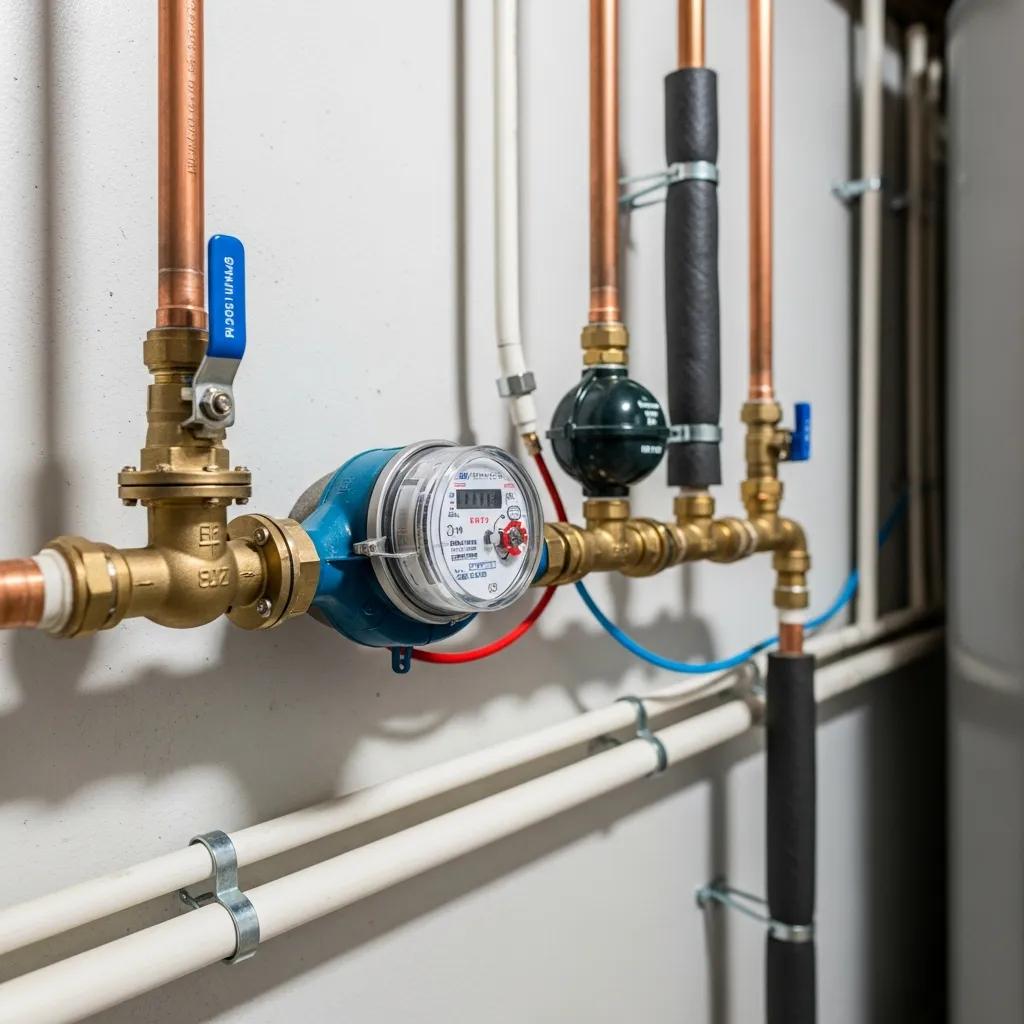
Think of your water supply as a chain of parts that bring clean water into the house and protect your plumbing from pressure and leaks. The system begins at the municipal connection or a private well, travels through the service line and water meter, passes a main shutoff and pressure regulator, and then splits into branch lines to fixtures and appliances. The water heater ties into the hot-water branches. Every piece has a job: the meter tracks usage, the main line moves the water in, shutoff valves let you isolate sections for repairs, and regulators keep pressure at safe levels. Understanding these parts makes it easier to diagnose low pressure, discolored water, or leaks — and to describe the problem clearly when you call a plumber. Below are the main components and what each one does.
Key components of a typical residential water supply system include:
- Water Meter: Tracks how much water your household uses and helps spot unexplained consumption.
- Main Water Line: The service pipe that connects the municipal supply to your home and feeds the meter.
- Main Shutoff Valve: The single valve that isolates your entire home’s water supply for emergencies or major repairs.
- Branch/Fixture Shutoffs: Local valves that let you turn off individual fixtures or appliances for maintenance.
- Pressure Regulator: Lowers incoming pressure to a safe level to protect pipes and fixtures.
These parts link the street to your fixtures. Knowing their names and roles helps you inspect issues and explain them when you contact a technician. Next we’ll cover where to find your water meter and how to read it.
Where Is the Water Meter Located and How Does It Work?
A water meter records how much water flows into your property. Where it’s located depends on local setup — it’s often at the property line in a meter box near the street, or inside a basement or utility room. Meters can be mechanical, using a rotating element and odometer-style readout, or electronic “smart” meters that send usage data to the utility. You can read a standard meter by noting the odometer digits for total use and watching the small sweep hand or leak indicator for continuous flow, which signals a possible leak. If your meter is outside in a freeze-prone spot, insulating the box or moving the meter indoors (if the utility allows) can prevent freeze damage. Unexpected or erratic meter readings usually lead to troubleshooting to determine whether the meter itself, a hidden leak, or an appliance is the cause.
How Does the Main Water Line Connect to Your Home?
The main water line ties the municipal distribution main to your service via a curb stop or shutoff, a buried (or sometimes exposed) service line, and the water meter before the pipe enters your house at the service entry point and reaches the main shutoff and distribution manifold. Common materials include copper, galvanized steel, and plastics like PVC or PEX; each affects longevity, flexibility, and how the line responds to corrosion or freezing. Service lines under driveways or sidewalks can fail from ground movement, corrosion, or freeze-thaw cycles — often showing up as reduced flow, damp spots in the yard, or sudden meter spikes. When fixes require excavation or curb-stop access, professionals handle permits and coordinate with the utility because the municipal connection and service routing determine the scope of work. Recognizing these connection parts helps you tell whether a yard symptom is a buried service-line issue rather than an indoor fixture problem.
How Do You Locate and Use Your Main Water Shutoff Valve?
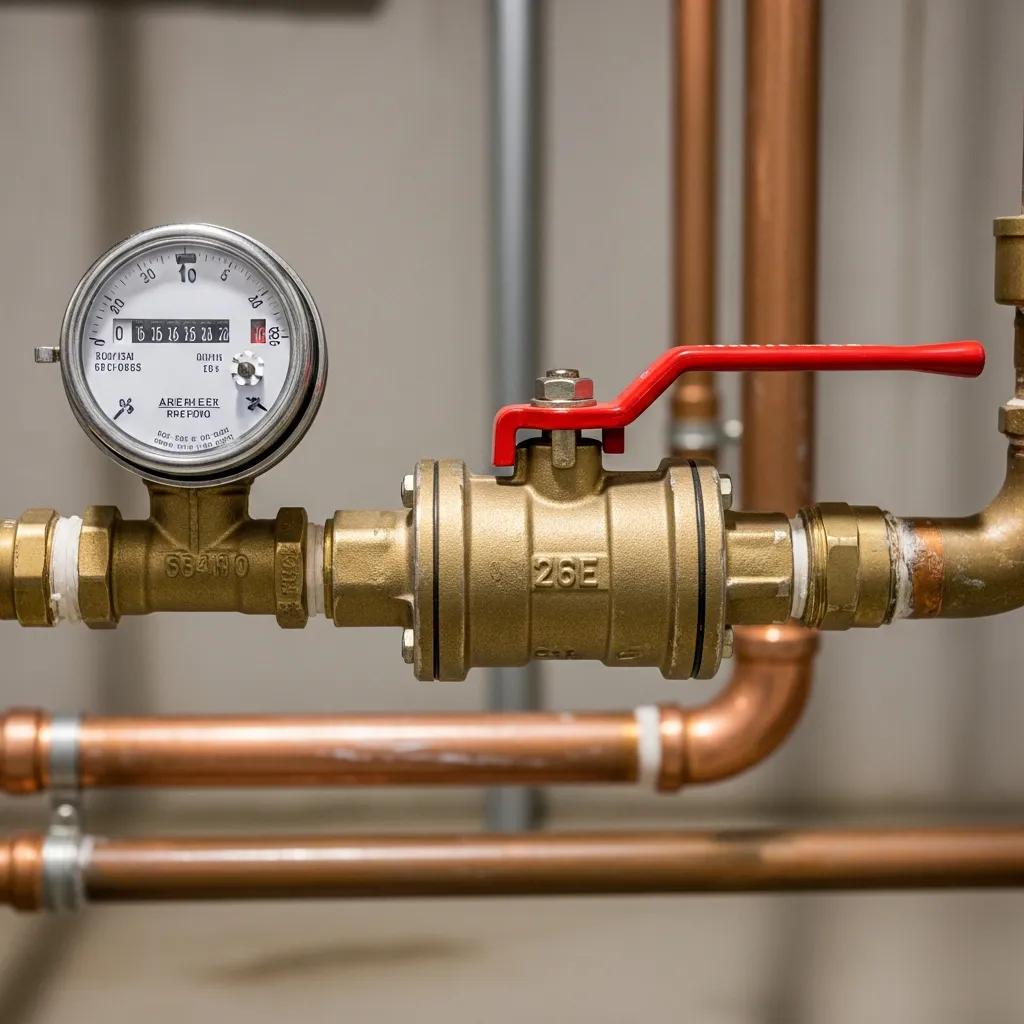
The main shutoff valve is the single control that isolates your house from the water supply — and it’s essential for emergencies, maintenance, and controlled repairs. Operating the main shutoff correctly prevents flooding, limits damage, and lets you or a technician work on internal plumbing without shutting service at the street. You’ll typically find it near the water meter, inside the basement where the service line enters, or outside in a ground box near the foundation. Valve types range from older multi-turn gate valves with wheel handles to modern quarter-turn ball valves that are less likely to seize. Knowing its location and how to use it is high-value preparedness: during a leak, closing this valve quickly reduces water loss and gives time to call for help. The next section walks through typical placements and a safe, step-by-step shutoff routine.
Where Is the Main Water Shutoff Valve Typically Found?
Most homes have the main shutoff installed right after the water meter or inside where the service line enters the basement or crawlspace. In slab homes it may be in a utility closet or mechanical room. Outside shutoffs are often in a protective curb box near the street; that curb stop may be controlled by the utility or the homeowner depending on local rules. Older systems use wheel-handle gate valves while newer installs commonly use lever or T-handle ball valves for quick quarter-turn operation. Some shutoffs at the curb are municipal and require the utility to operate; knowing whether your valve is homeowner-accessible or utility-controlled tells you if you can isolate supply immediately. Identifying the valve style and location saves time in an emergency and helps you decide if replacement is needed when valves are corroded or hard to turn.
What Are the Steps to Safely Turn Off Your Home's Water Supply?
Follow a safe sequence to avoid water hammer or stress on plumbing. First, locate the main shutoff near the meter and confirm whether it’s a quarter-turn ball valve or a multi-turn gate valve. Second, turn the valve slowly to the closed position — don’t force it. Third, open a low faucet (like a basement sink) to relieve pressure and drain the lines, then check fixtures to make sure water has stopped. After shutting off water, power down or follow manufacturer guidance for water-fed appliances like dishwashers and water heaters to prevent damage. If the valve won’t move, stop and call a technician rather than forcing it. These steps stabilize the situation and create safe conditions for repairs, and in many cases a pro should handle stubborn or corroded valves.
If you find a leak that needs immediate attention after shutting off the water, Frost and Kretsch Plumbing offers 24/7 emergency service. Our technicians can locate, operate, or replace main shutoff valves when homeowners can’t safely access them. Licensed techs handle valve replacement and emergency isolation to prevent further property damage, and we provide transparent, upfront pricing so you know expected costs before work begins. For urgent situations, calling a local emergency service with round-the-clock response gets qualified help on site quickly. Having Frost and Kretsch Plumbing’s phone and address handy speeds contact during a crisis and clarifies local support for Macomb, Oakland, and Wayne counties.
What Types of Residential Water Pipes Are Common in Homes?
Homes use several pipe materials — copper, PEX, PVC, and galvanized steel — each with different performance traits, life expectancy, and common failure modes that affect repair or repipe decisions. Material choice influences corrosion resistance, routing flexibility, freeze tolerance, and compatibility with your water chemistry. When evaluating pipes, look for corrosion, green staining, pinhole leaks, reduced flow, or frequent repairs — especially if multiple materials are present, which can cause galvanic corrosion at joints. The table below compares common residential pipe types to help you decide between targeted repairs, partial replacement, or a full repipe.
Comparison of common residential pipe types:
| Pipe Type | Material/Characteristic | Typical Lifespan | Pros | Cons |
|---|---|---|---|---|
| Copper | Metal alloy, rigid | 50+ years (varies) | Durable, heat-tolerant, recyclable | Can corrode in acidic water; higher material cost |
| PEX | Cross-linked polyethylene, flexible | 25-40 years | Flexible, faster install, resists scale buildup | Sensitive to UV; potential plastic taste if poor quality |
| PVC (Cold Water) / CPVC (Hot Water) | Rigid plastic | 25-50 years | Corrosion-resistant and affordable | PVC not for hot water; can become brittle in freezing |
| Galvanized Steel | Zinc-coated steel | 20-50 years | Common in older homes | Prone to internal corrosion and flow restriction over time |
This comparison helps you weigh material traits when considering repairs or a repipe; the next section explains practical differences and repiping triggers.
What Are the Differences Between Copper, PEX, and PVC Pipes?
Copper, PEX, and PVC behave differently under pressure, temperature swings, and varying water chemistry — which affects installation, long-term performance, and repair methods. Copper handles heat well and is known for longevity but can corrode in aggressive water and costs more to install. PEX is flexible, reduces joints, and installs quickly with good freeze resistance. PVC is economical and corrosion-resistant for cold-water lines but isn’t ideal for hot water or exposed sunlight. Repairs vary too: copper repairs often require soldering or section replacement, PEX uses crimp or push-fit fittings, and PVC needs solvent welding or replacement fittings. Local code can limit material use in some cases, so balance budget, expected life, and disruption when choosing between partial and full replacement.
When Is Whole House Repiping Necessary?
Whole-house repiping is usually the right choice when problems are widespread — repeated leaks in many places, extensive corrosion, persistent discolored water, or water chemistry that accelerates deterioration. Signs include frequent repairs, multiple pinhole leaks, low flow from internal buildup, or overall poor pipe condition. Repiping requires planning for access (walls, ceilings, or exterior routes), possible excavation if the service line is failing, and scheduling to limit disruption. A professional inspection will recommend the best material and staging. Often, a single, well-planned repipe is more cost-effective over time than ongoing patch repairs.
How Can You Detect and Prevent Water Leaks in Your Home?
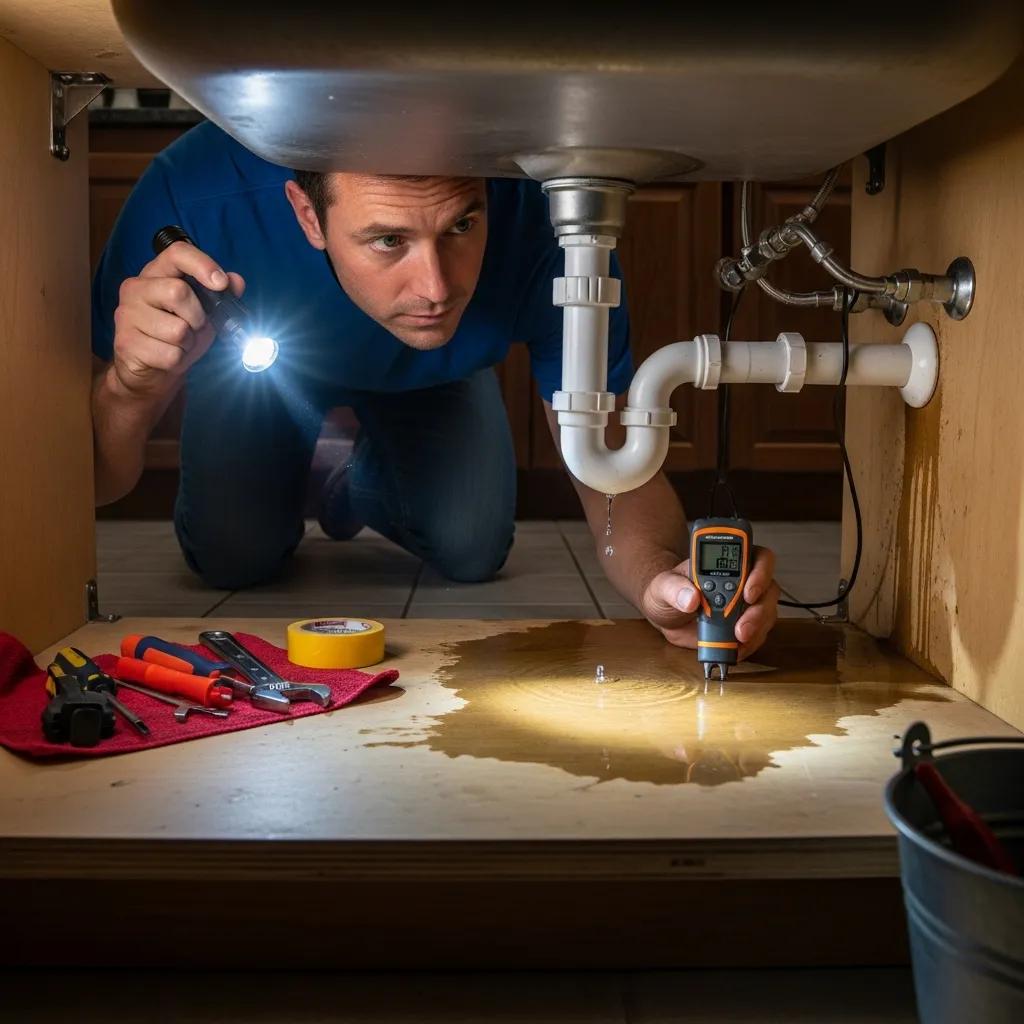
Finding leaks early and preventing them protects your home’s structure, indoor air quality, and your water bill. Use a mix of visual checks, meter tests, and modern tools to reduce the chance of hidden damage. Regularly watch your water meter for unexplained flow, inspect under sinks and around appliances, and consider smart leak detectors or simple drip sensors for high-risk spots. For hidden slab or buried leaks, professionals use acoustic listening, thermal imaging, and tracer gas methods to locate problems without unnecessary digging — reducing repair scope and disruption. Below are the most reliable signs of hidden leaks and a summary of what to expect during a professional diagnostic visit.
Signs that could indicate hidden water leaks include:
- Unexplained High Water Bill: A spike or steady increase without more household use often points to a leak.
- Persistent Damp Spots: Carpet, drywall, or flooring that stays wet or shows stains with no obvious source.
- Musty Odors or Mold Growth: Smells or visible mold in hidden areas usually mean ongoing moisture.
- Sound of Running Water: Hearing water flow when fixtures are off is a strong sign of active leakage.
- Floor or Foundation Movement: Soft subflooring, bowing floors, or foundation dampness can result from long-term leaks.
- Meter Shows Flow When House Is Idle: A rotating dial or digital flow reading with everything off is a simple, telltale test for leaks.
Spotting these signs early means targeted inspection or immediate action. If your checks don’t find the source, professional leak detection pinpoints the problem and recommends repairs.
What Are the Signs of Hidden Water Leaks?
Hidden leaks usually show up as indirect clues rather than obvious dripping. Watch for sudden water bill increases, damp spots on walls or ceilings, musty smells or mold, and the sound of running water when everything’s off — these often point to concealed pipe breaks or slab leaks. A continuous meter reading while the house is idle is another quick test you can do yourself. Early detection cuts down on structural damage and mold risk, so act promptly and call a pro if you can’t find the source.
How Do Professional Water Leak Detection Services Work?
Professional leak detection starts with a diagnostic visit: technicians gather symptom details, inspect accessible plumbing, and run targeted, non-invasive tests to locate leaks accurately. Methods include acoustic listening devices to capture pipe noise, thermal imaging to show temperature differences from leaking water, and tracer gas or dye tests for buried or slab leaks. Meter-isolation tests may be used to narrow the source. After locating the leak, the tech will outline options — targeted repair, partial rerouting, or excavation-based fixes — and provide a timeline and estimate. The result is a clear plan showing location, recommended remediation, and transparent pricing so you can decide with confidence.
If you need professional leak detection beyond DIY checks, Frost and Kretsch Plumbing has advanced equipment and scheduling available for diagnostic visits. Our technicians combine acoustic, thermal, and targeted excavation when necessary to minimize disruption while locating the issue precisely. You’ll get straightforward repair recommendations and upfront pricing so you can choose the right path. Scheduling a diagnostic early prevents ongoing damage and clarifies whether a local repair or a larger intervention is needed.
What Are Common Water Supply Problems and How Can You Fix Them?
Common water supply issues include low pressure, discolored water, water main breaks, frozen pipes, and visible or hidden leaks — each with different causes and homeowner actions to limit harm. Simple fixes like cleaning aerators, opening a partially closed valve, or tightening an isolated connection can solve many small problems. More serious issues — pressure regulator failure, major corrosion, or buried main breaks — need professional attention. The table below summarizes typical problems, symptoms, short-term homeowner steps, and when to call a licensed plumber so you can prioritize repairs and urgency.
Common water supply problems quick reference:
| Problem | Symptoms | Short-term Fixes | When to Call a Pro |
|---|---|---|---|
| Low Water Pressure | Weak flow at multiple fixtures | Check main shutoff; clean aerators; inspect pressure regulator | If whole-house pressure is low or regulator is suspected |
| Discolored Water | Brown, yellow, or rusty water | Run cold taps; contact the utility if widespread | If discoloration persists or follows plumbing work |
| Water Main Break | Sudden loss of service, sinkholes | Shut off main, avoid using appliances | Immediate professional response for excavation and repair |
| Frozen Pipes | No flow, visible frost on exposed pipes | Open faucets; gently warm the area | If thawing risks burst pipes or access is difficult |
This quick reference helps you choose immediate actions versus when to call a professional. Next we cover common causes and fixes in more detail.
What Causes Low Water Pressure and How Is It Resolved?
Low water pressure can come from a partially closed valve, clogged aerators, mineral buildup inside pipes, a failing pressure regulator, or leaks that reduce available flow. Start by confirming the main shutoff is fully open, clean faucet aerators, and test multiple fixtures to tell if the problem is local or whole-house. If the issue affects the entire house, it may be a pressure regulator failure, municipal pressure changes, or internal line restriction from corrosion or scale — these usually need professional diagnosis and repair. Pros can replace regulators, descale lines, or locate and fix main-line leaks; fixing whole-house pressure issues often improves appliance performance and extends fixture life.
How Can You Prevent Frozen Pipes During Michigan Winters?
In Michigan winters, preventing frozen pipes means a mix of insulation, maintaining indoor heat, and winterizing exposed fixtures. Insulate pipes in unheated spaces, keep indoor temperatures steady (avoid big overnight drops), disconnect and drain outdoor hoses, and consider allowing a slow drip from vulnerable faucets during extreme cold to keep water moving. Seal gaps where cold air reaches plumbing, use heat tape on problem runs, and winterize outdoor spigots and irrigation lines before sustained freezes. If a pipe freezes, never use an open flame — use a hairdryer, heat gun on low, or warming pads, and call a professional if the frozen section is inaccessible or if thawing reveals leaks or damage.
When Should You Call a Professional for Water Main Repair and Maintenance?
Call a professional when the issue is beyond basic homeowner fixes — visible main breaks, repeated leaks in different areas, major pressure loss, or work that requires excavation, permits, and utility coordination. Professionals bring the tools, diagnostics, and permitting knowledge needed for safe excavation, trenching, and service-line replacement, and they handle coordination with municipal connections and inspections. Recognizing the signs that warrant a service call helps you avoid bigger damage and surprise costs by addressing problems early with qualified technicians. The table below explains common service types, what each includes, and typical response scope so you know what to expect when hiring a licensed provider.
Service offerings and scope for water main and related work:
| Service Type | What It Includes | Typical Response/Scope |
|---|---|---|
| Diagnostic & Leak Detection | Acoustic, thermal, meter isolation | On-site assessment, pinpoint location, repair options |
| Local Pipe Repair | Sectional replacement, joint repair | Same-day to a few days depending on access |
| Water Main Repair/Replacement | Excavation, pipe replacement, curb-stop work | Requires permits, utility coordination, multi-day work |
| Whole-House Repiping | Interior or exterior rerouting, fixture reconnections | Planned project with staging to limit disruption |
Knowing these service types helps you decide whether to try a temporary fix or request an on-site quote from a pro.
What Is the Typical Cost of Water Main Repair?
Water main repair costs vary widely depending on the pipe material, length to replace, excavation depth and complexity, permits, and whether municipal coordination is needed — so an on-site assessment is required for an accurate estimate. Rather than single numbers, professionals evaluate these factors and offer transparent quotes that explain cost drivers. Ask for a scoped estimate to compare strategies like trenchless repairs versus open excavation, and include possible restoration costs for landscaping or hardscapes disturbed during the work. Choose providers who give clear, written estimates and explain the pricing before work starts.
Why Choose Frost and Kretsch Plumbing for Your Water Supply Needs?
Frost and Kretsch Plumbing provides residential and commercial plumbing services for water main and sewer work, installations, repairs, and repiping across Macomb, Oakland, and Wayne counties. We focus on what homeowners care about: 24/7 emergency response, transparent pricing with upfront project costs that won’t be exceeded, and a 100% satisfaction guarantee or your money back. Our licensed technicians handle water main breaks, city hookups, full-home repiping, water main repairs, water heater replacements, sump pump installs, drain cleaning, and excavation — giving you a single local team for complex jobs. To request a quote or schedule service, call Frost and Kretsch Plumbing at (586) 675-0097 or visit our office at 47212 Jefferson Avenue, New Baltimore, MI 48047 for in-person consultations and assessments.
Frequently Asked Questions
What should I do if I suspect a water leak in my home?
If you suspect a leak, check your water meter with all fixtures off for unusual readings. Look for damp spots on walls, ceilings, or floors, and listen for running water when everything is off. If you find signs, shut off the main water valve to limit damage and call a professional plumber for a full inspection and repair. Early action helps minimize repair costs and long-term damage.
How can I maintain my home's water supply system?
Keep visible pipes and connections checked for leaks, monitor your water meter for unexpected use, and exercise shutoff valves occasionally to keep them operable. Flush your water heater yearly to remove sediment and inspect pipes for corrosion. Insulate exposed pipes in cold areas to prevent freezing. Regular professional inspections catch problems early and extend the life of your system.
What are the risks of ignoring water supply problems?
Ignoring water issues can lead to water damage, mold growth, and structural problems. Low pressure can harm appliances, while discolored water may signal contamination. Unaddressed leaks raise your water bill and can cause costly, emergency repairs. Addressing issues early reduces risk and long-term expense.
How can I tell if my water pressure regulator is failing?
Signs of a failing regulator include fluctuating pressure, inconsistent faucet flow, and repeated leaks in fixtures. If pressure is too high or too low across the house, or appliances aren’t working correctly, have a professional inspect the regulator. A technician can test and, if needed, replace the regulator to restore steady pressure.
What should I do if my pipes freeze during winter?
If you suspect frozen pipes, turn off the main water supply to reduce the chance of bursting. Open faucets to relieve pressure and let thawed water run. Gently warm the frozen area with a hairdryer or heat tape — never use an open flame. If you can’t access the frozen section or if a pipe bursts, call a professional plumber immediately. Preventive steps include insulating pipes and letting faucets drip during extreme cold.
How often should I have my water supply system inspected?
Have your water supply system inspected at least once a year. Annual checks help find leaks, corrosion, or pressure issues before they escalate. Also consider inspections after major weather events like heavy rains or freezes. A professional plumber can provide a full assessment and recommend preventive maintenance.
What are the benefits of upgrading to PEX or PVC pipes?
Upgrading to PEX or PVC reduces corrosion and scale issues and can improve flow and water quality. PEX is flexible and quick to install, which cuts labor and fewer joints means fewer leak points. PVC is lightweight and cost-effective for cold-water runs. Both are less prone to freezing than some metals and can lower long-term repair costs.
Conclusion
Knowing how your home’s water supply works helps you prevent costly damage, cut water waste, and respond quickly when problems arise. Learn the key parts — water meter, main shutoff, and common pipe types — so you can make confident decisions about maintenance and repairs. For complex or urgent issues, reach out to a professional plumbing service to ensure the job is done safely and correctly. Explore Frost and Kretsch Plumbing’s services today to protect your home’s water system and gain peace of mind.