
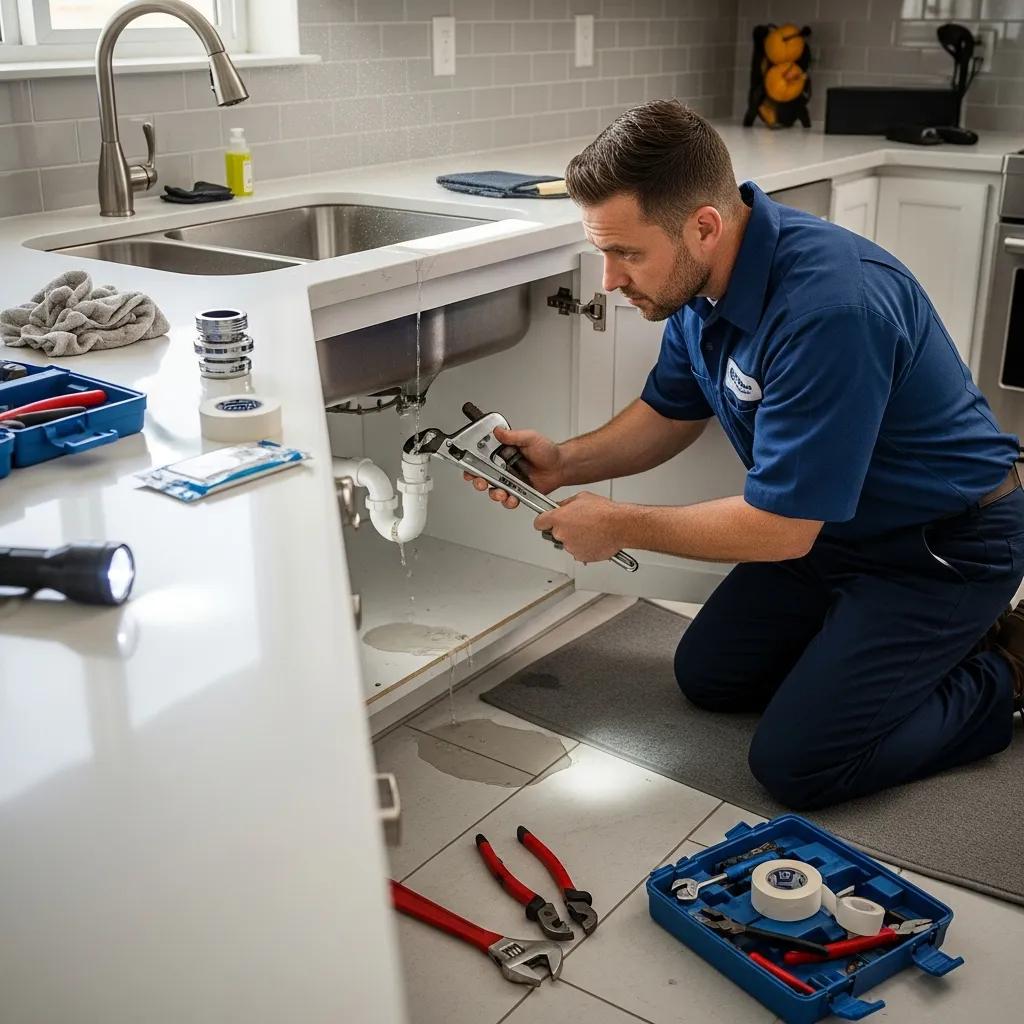
Michigan Plumbing Costs Explained — Your Clear Guide to Pricing & Estimates
Plumbing costs in Michigan can range from hourly service calls to full project prices for installations and major repairs. This guide helps homeowners and business owners read those numbers with confidence. You’ll find typical hourly rates, common project cost ranges, what drives price differences across Macomb, Oakland, and Wayne counties, and practical tips for getting clear, accurate estimates. We break down how labor, materials, permits, and emergency fees add up, and when an hourly rate makes sense versus a flat project quote. Read the tables, checklists, and examples below to compare estimates, spot red flags, and ask local plumbers the right questions.
Average Plumbing Costs and Rates in Michigan
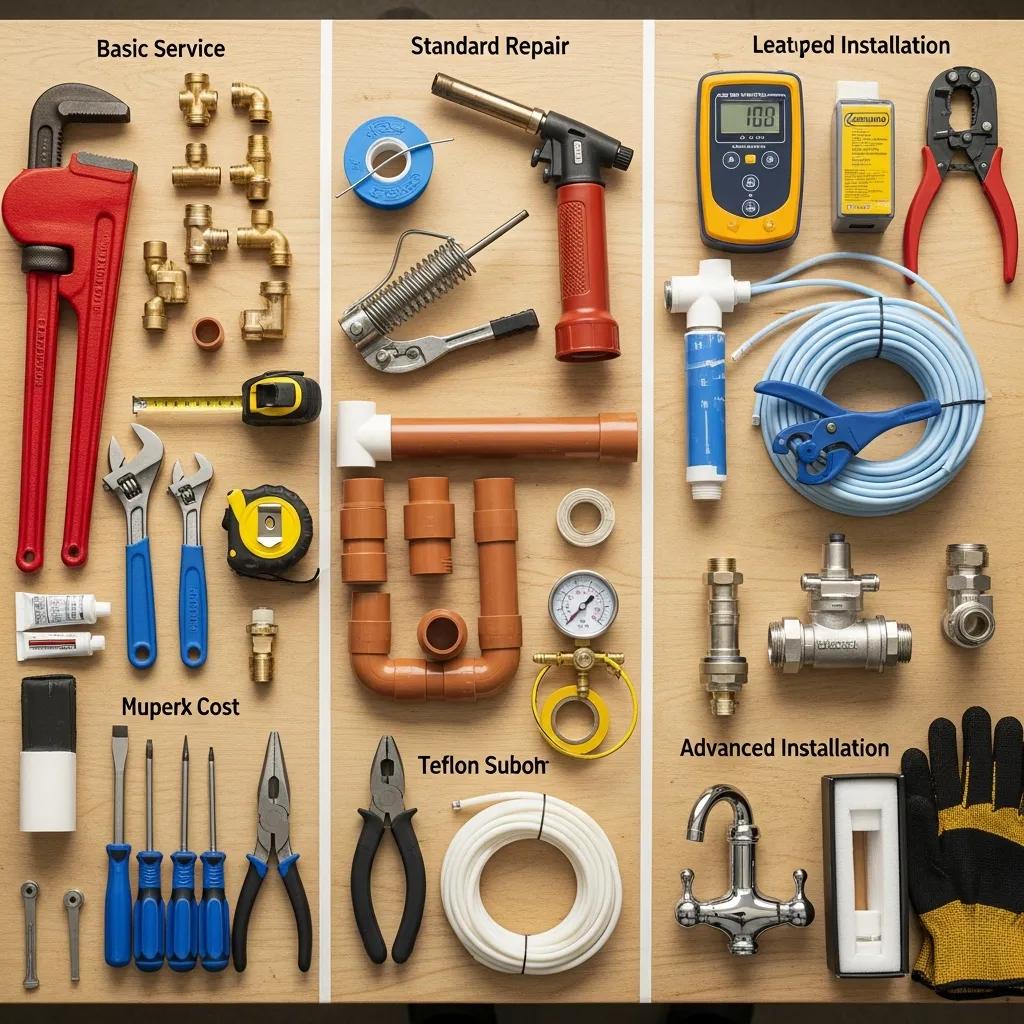
In Michigan, plumbing pricing usually falls into two buckets: hourly/service-call rates and project-based quotes. Hourly charges cover diagnostics and small repairs; project pricing bundles labor, parts, permits, and disposal into a single price for larger jobs. The ranges below assume basic materials are included in average quotes; specialty parts, permit costs, and difficult access push estimates higher. These figures help you decide whether a phone or virtual quote is reasonable or if an in-person estimate is necessary.
Common Michigan plumbing cost ranges for quick reference:
| Service Type | Typical Cost Range (USD) | What’s Included |
|---|---|---|
| Service call / small repair (hourly) | $75 – $150 per hour | Technician time, basic diagnostics, minor parts |
| Drain cleaning (basic) | $125 – $350 | Snaking, minor root clearing, labor |
| Water heater replacement (tank) | $900 – $2,500 | New unit (mid-range), labor, basic venting |
| Water heater replacement (tankless/HP) | $1,500 – $5,000+ | Unit cost, more complex install, permits |
| Sewer line repair (traditional) | $3,000 – $10,000+ | Excavation, pipe, labor, disposal |
| Camera inspection | $200 – $600 | Diagnostic inspection and report |
Use this table as a baseline: small repairs and service calls sit at the lower end, while installations and underground work require permits and more labor, which raises costs. Knowing what a price typically covers makes it easier to compare bids fairly.
How Much Does a Plumber Cost Per Hour in Michigan?
Expect plumber hourly rates in Michigan to fall roughly between $75 and $150 per hour, depending on experience, company size, and job complexity. Hourly billing usually covers the technician’s time and basic tools; parts and special equipment are often billed separately or added to a flat fee. Emergency or after-hours service typically comes with a surcharge, and long travel times can raise the effective hourly cost. Hourly pricing is usually best for short repairs; for larger jobs, a flat project price can offer better predictability.
Understanding hourly rates helps you decide whether to request a time-and-materials visit or a fixed-price quote for a bigger project.
Typical Project-Based Plumbing Costs
Project-based pricing covers full jobs such as water heater swaps, partial repiping, sewer fixes, and complete fixture installs. These quotes reflect materials, labor, permits, and disposal. Project pricing transfers more risk to the contractor by bundling expected costs, but unexpected issues—old pipes, difficult access, or structural repairs—can still increase the final bill. Below are common project examples and their usual ranges, with notes on what pushes a job toward the higher end.
- Water heater replacement (tank): $900–$2,500 depending on unit size and complexity.
- Tankless or heat-pump water heater installs: $1,500–$5,000+ for additional venting or electrical/gas work.
- Sectional repiping (per room or area): $1,000–$4,000 based on access and materials.
- Trenchless sewer repair: $3,000–$8,000+ depending on length and site access.
Project complexity—permit fees, wall or slab access, and specialty parts—explains why similar jobs can have very different quotes. Always ask for a written scope that lists included parts, permit handling, and what triggers a change order.
Which Factors Affect Plumbing Service Costs in Michigan?
Multiple factors combine to form a plumbing price: labor, materials, permits, job complexity, location, and urgency. Labor reflects skill level and local wages; materials range from budget to premium; permits add fixed costs and time; and difficult access or older systems increase labor hours. Michigan’s freeze-thaw seasons also drive demand for emergency work, which affects market pricing. Knowing these drivers helps you spot negotiable items on a bid and those you’ll likely have to pay for.
Below is a quick breakdown of how key factors affect price:
| Cost Factor | How It Impacts Price | Example (Michigan-specific) |
|---|---|---|
| Labor skill & availability | Higher-skilled, licensed plumbers cost more per hour | Urban areas or specialized techs for sewer work increase rates |
| Materials & parts | Premium fixtures and OEM parts raise totals | Corrosion-resistant piping choices add to material cost |
| Permit & inspection fees | Adds fixed costs and time for compliance | Water heater or repiping often requires municipal permits |
| Access & complexity | More demolition or confined access increases labor hours | Frozen slab or hard-to-reach lines in older homes |
| Emergency/after-hours | Premiums for rapid response | Burst pipes in winter requiring immediate mitigation |
This table ties each cost factor to a practical Michigan example so you can see why one estimate might be higher than another. Use it to prioritize which details to share with contractors when requesting a quote.
How Do Labor, Materials, and Job Complexity Shape Pricing?
Labor, parts, and complexity usually make up most of your plumbing bill. Labor covers technician time and expertise; materials are the parts installed; and complexity multiplies both when jobs need extra hours or special tools. A water heater swap in a utility room is straightforward, but doing the same swap behind finished walls with electrical or venting changes adds labor and sometimes subcontractors. Choices like copper versus PEX affect both upfront cost and long-term value—ask to see material line items so you can compare lifecycle costs. Transparent estimates break out labor hours, material costs, and known unknowns so you can compare offers fairly.
That transparency makes it easier to understand emergency pricing and when surcharges apply.
Why Emergency Plumbing Services Cost More in Michigan
Emergency pricing reflects urgency, staffing, and logistics. Technicians on call must be available on short notice, after-hours work disrupts schedules, and urgent mitigation often requires immediate parts and equipment. Common Michigan emergencies—frozen or burst pipes in winter, sewer backups after heavy rain, or sudden hot-water failures—need quick action to limit damage, and that service comes at a premium. Extra costs can include rush parts, overtime labor, travel during off-hours, and temporary repairs until a full fix is done. Ask providers what emergency fees cover and whether follow-up work is included.
Typical reasons emergency premiums are applied:
- After-hours, weekend, or holiday call-out fees.
- Immediate dispatch and travel time for rapid response.
- Safety and mitigation measures to limit property damage.
Knowing what those surcharges pay for helps you evaluate whether the emergency fee is reasonable.
How Can You Get an Accurate Plumbing Estimate in Michigan?
Accurate estimates start with clear information from you and a consistent assessment process from the contractor. Good estimates are based on photos, appliance make and age, access notes, and an on-site inspection when needed. Remote quotes work for simple jobs; in-person inspections reduce unknowns. Require that an estimate list materials, labor hours, permit responsibilities, and conditions that would change the price—this detail prevents surprises. Use the checklist below to improve quote accuracy.
- Take photos and measurements of the affected area, including visible piping and fixture connections.
- Write down appliance brands, model numbers, and ages for water heaters, pumps, and other equipment.
- Describe symptoms and recent changes (for example, recurring clogs or slow drains).
- Clear access to the work area and note any timing or structural constraints.
- Request a written scope that lists included materials, permit handling, and change-order conditions.
Following this checklist reduces ambiguity and helps contractors give realistic project pricing that accounts for permits and access. After you prepare, a good contractor will explain the difference between a preliminary phone or virtual estimate and a guaranteed in-person quote. For precise work and installations, an in-person inspection is often required to provide a guaranteed project price that reflects permits and access.
If you want transparent, guaranteed pricing, Frost and Kretsch Plumbing offers upfront project costs and a commitment that the final charge won’t exceed the quoted price when the agreed scope is followed.
How Should You Prepare for a Plumbing Quote?
Preparing for a quote means gathering information and clearing the workspace so a tech can assess the job accurately. Photograph pipes, fixtures, and visible damage. Record make, model, and age for heaters and pumps. Note when the issue started and any temporary fixes you’ve tried. Clear access to the area before the appointment. Finally, ask each contractor exactly what their estimate includes—labor, materials, permits, and cleanup—so you can compare bids on the same basis.
Being ready helps both you and the contractor have a productive inspection and leads to clearer pricing.
How Frost and Kretsch Plumbing Delivers Transparent Pricing
At Frost and Kretsch Plumbing, we follow clear pricing and service policies to reduce surprises and build trust. Our approach includes:
- 24/7 emergency service so you can get help when you need it most.
- Upfront project estimates with a promise not to exceed the quoted price when the agreed scope is followed.
- Licensed, insured technicians who provide line-item estimates for labor and materials.
- A 100% satisfaction commitment—we’ll make it right if something isn’t right.
These practices set clear expectations about how estimates are prepared and honored. Ask us for a detailed written quote so you know exactly what’s included.
Costs for Common Residential Plumbing Services in Michigan
Residential plumbing work ranges from small repairs to major installs. Routine jobs like toilet repairs and basic drain cleaning are generally lower-cost and often billed hourly or at a flat rate. Bigger jobs—water heater replacements and repiping—are project-priced and may need permits and inspections. Below are typical service groups, cost ranges, and factors that affect price. Preventive maintenance or bundling jobs can lower lifetime costs.
| Residential Service | Typical Range (USD) | What Drives Cost |
|---|---|---|
| Toilet repair/replacement | $100 – $600 | Parts, fixture choice, floor access |
| Drain cleaning (basic vs advanced) | $125 – $800 | Snaking vs camera + hydro-jetting |
| Water heater install (tank vs tankless) | $900 – $5,000+ | Unit type, venting, electrical/gas work |
| Leak detection & repair | $150 – $1,500+ | Location, access, required demo |
For any of these services, contact Frost and Kretsch Plumbing for a detailed, written quote. Regular maintenance—annual water heater flushing and periodic drain care—can reduce emergency calls and long-term costs.
Water Heater Installation Costs in Michigan
Water heater pricing varies widely between conventional tank models and tankless or heat-pump options because of equipment cost and installation complexity. A standard tank replacement usually runs $900 to $2,500 for a mid-range unit with straightforward installation. Tankless or heat-pump systems typically start around $1,500 and can exceed $5,000 when electrical upgrades, venting changes, or structural work are needed. Permit fees, disposal of the old unit, and plumbing or gas-line changes also affect the final price. We’ll provide a clear quote listing unit options, permit handling, and total project cost so you can compare lifecycle value.
Next, let’s look at drain and toilet service pricing.
Typical Prices for Drain Cleaning and Toilet Repairs
Drain cleaning ranges from a simple snake job to camera inspections and hydro-jetting for stubborn blockages. Basic snaking usually costs $125–$350, while camera inspection plus hydro-jetting often falls in the $400–$800 range or higher if roots or damaged piping are found. Simple toilet repairs (flapper, fill valve) are typically $100–$300; full replacement with a new fixture usually runs $250–$600. Regular maintenance and periodic camera checks can help avoid costly sewer repairs later. Contact Frost and Kretsch Plumbing for a precise scope and a written estimate.
How Commercial Plumbing Costs Differ in Michigan
Commercial plumbing reflects larger systems, stricter codes, and uptime needs—so costs are often higher than residential work. Commercial jobs usually need larger crews, heavier equipment, and coordination with building management to minimize downtime. Businesses commonly use service contracts and scheduled maintenance to control costs and ensure fast response when issues arise. Here are the main differences between commercial and residential pricing:
- Commercial jobs often require bigger crews, specialized equipment, and more complex permits.
- Work windows scheduled around business hours can increase labor costs and limit availability.
- Long-term service agreements and preventive maintenance programs help control costs and prevent emergencies.
These differences mean businesses should plan procurement and budgeting differently than homeowners.
Average Costs for Commercial Drain Cleaning and Water Heater Repairs
Commercial drain cleaning and water heater work are priced for system capacity, access, and urgency—usually higher than residential jobs. A restaurant’s mainline hydro-jetting or grease issue costs more because of contamination handling and capacity. Large commercial water heaters or boilers require specialized techs and parts at higher prices. Volume contracts and maintenance agreements can lower per-incident costs by reducing emergency work. Ask for line-item bids that include downtime mitigation and compliance work to compare proposals accurately.
Next: grease trap pricing for foodservice operations.
Grease Trap Installation Pricing in Michigan
Grease trap costs depend on capacity, materials, and local rules. Larger or underground traps and commercial-strength units cost more to install, and local health codes can require specific sizing, inspections, or permits that add to the bill. Ongoing maintenance—regular pumping and inspections—impacts lifecycle cost and should be part of your budget. When comparing bids, ask for a lifecycle estimate that includes installation, required inspections, and routine maintenance pricing.
These commercial cost drivers point to variation across counties and regional labor markets.
How Plumbing Costs Vary Across Michigan Counties
Prices differ across Macomb, Oakland, and Wayne counties because of local labor markets, permit fees, and travel times. Urban density, municipal permitting, and seasonal demand spikes affect hourly rates and project bids. The table below shows typical deltas versus the state average and the main reasons for variation.
| County | Typical Price Delta vs State Average | Main Reasons |
|---|---|---|
| Macomb County | +0% to +5% | Suburban labor costs, moderate permit fees |
| Oakland County | +5% to +12% | Higher labor rates, stricter permit/regulations |
| Wayne County | -2% to +8% | Mix of urban and suburban areas, variable demand |
County-level differences explain why one contractor might quote different prices across neighboring towns. For accurate budgeting, request a local, itemized estimate that reflects municipal fees and access conditions.
Plumber Rates in Macomb County
Macomb County typically shows suburban pricing with slightly higher labor costs than rural areas. Permits and site access create predictable project pricing, and seasonal frozen-pipe incidents often drive higher emergency demand in winter. For a precise Macomb estimate, ask for a written quote that documents permit handling and seasonal considerations.
Comparing this with Oakland and Wayne highlights urban versus suburban influences.
How Oakland and Wayne County Prices Compare
Oakland County generally runs above the state average because of higher labor rates and stricter permitting. Wayne County is more variable, mixing dense urban areas and suburbs—this can increase labor on difficult-access jobs but sometimes lowers prices in other neighborhoods. When getting quotes, ask contractors to list permit fees, expected inspection timelines, and any travel or staging charges that may apply in specific municipalities.
These local comparisons show why a localized, written estimate that accounts for municipal rules is valuable.
Contact Frost and Kretsch Plumbing to request an itemized estimate for work in Macomb, Oakland, or Wayne counties. Our regional focus and upfront pricing policy help ensure quotes reflect local permit requirements and site conditions.
Frost and Kretsch Plumbing serves Macomb, Oakland, and Wayne Counties with licensed technicians, guaranteed upfront pricing, 24/7 emergency availability, and a 100% satisfaction commitment. For immediate help or to request a detailed estimate, reach out via our website or Google Business Profile to schedule an inspection or ask about scope and guarantees.
Frequently Asked Questions
What should I consider when choosing a plumbing service in Michigan?
Look for licensing, insurance, and consistent customer reviews. Confirm the company has experience with your specific issue and offers reliable emergency service. Ask about pricing—hourly versus flat rates—and request a detailed estimate that lists labor, materials, and permits. Also check warranty and follow-up service policies so you know how issues are handled after the job.
Do seasonal factors affect plumbing costs in Michigan?
Yes. Winter brings higher demand for frozen and burst-pipe repairs, which raises emergency prices. Spring and summer often see more renovation and repair work after winter, which can also affect availability and pricing. Knowing these seasonal trends helps you plan non-urgent work for lower-demand months.
How can I prevent plumbing emergencies at home?
Regular maintenance is key. Schedule annual inspections to check for leaks and corrosion, insulate pipes in unheated areas to prevent freezing, and keep drains clear of debris. A trusted plumber on call can also reduce damage if an unexpected problem occurs.
Why get multiple plumbing estimates?
Multiple estimates let you compare prices, scopes, and contractor qualifications. Different approaches can produce wide price ranges, so getting several bids helps you find the best value. Use written scopes to compare the same materials and services across contractors.
What should I do in a plumbing emergency?
First, shut off the water supply at the main valve to limit damage. For burst pipes or severe leaks, turn off the main immediately. Then call a licensed emergency plumber and describe the problem and any steps you’ve taken. Quick action reduces damage and repair costs.
How can I make sure my plumbing estimate is accurate?
Provide as much information as possible: photos, symptom descriptions, and equipment ages. Whenever feasible, allow an in-person inspection for a guaranteed quote. Request a detailed written estimate that lists labor, materials, and potential permit fees to avoid surprises.
Conclusion
Knowing what drives plumbing costs in Michigan puts you in control when comparing estimates and budgeting for repairs or installs. By understanding labor, materials, permits, and complexity, you can make smarter decisions and avoid unexpected expenses. For clear, upfront pricing that reflects local conditions, contact Frost and Kretsch Plumbing. Request your detailed estimate today and get the reliable plumbing solution you need.