
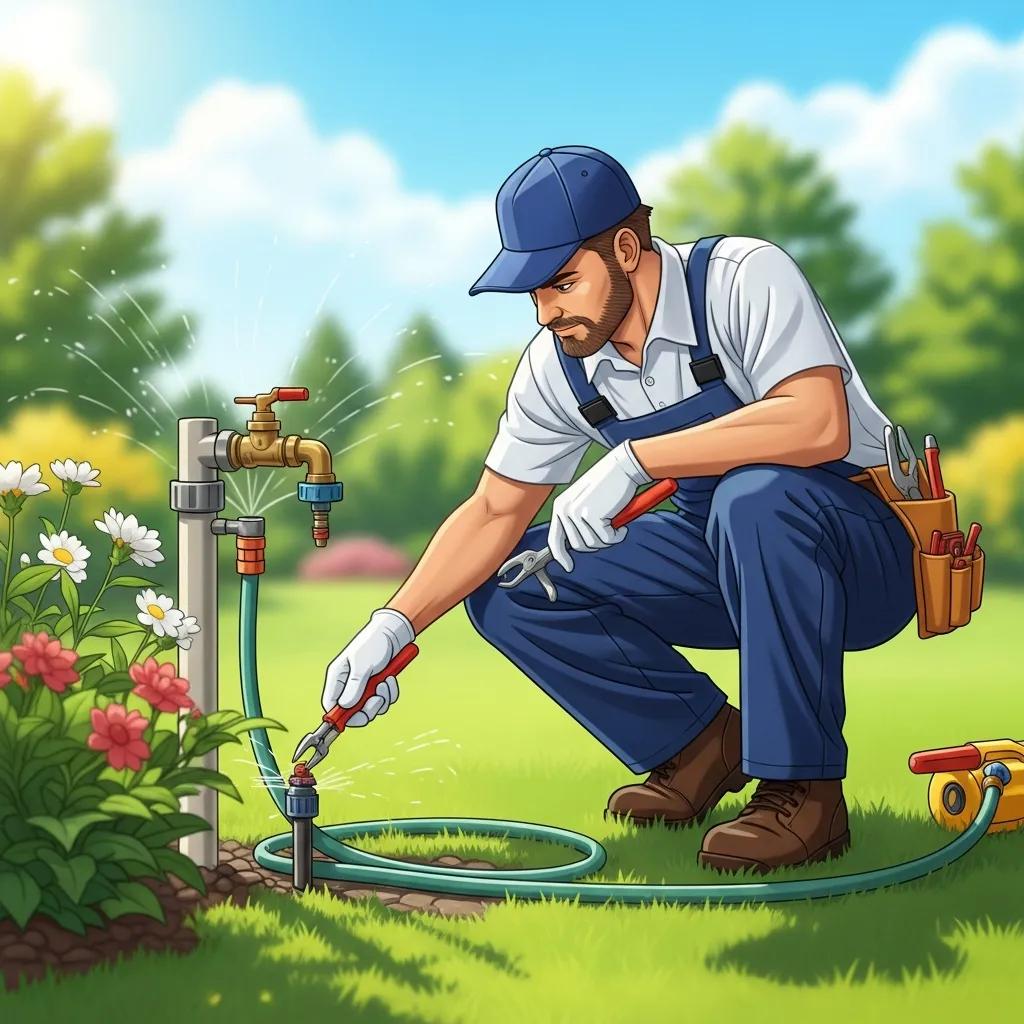
Summer Plumbing Maintenance: Outdoor & Indoor Tips for Grosse Pointe Homes and Businesses
Summer puts extra strain on pipes, fixtures and drains. This practical guide explains why seasonal plumbing care matters for Grosse Pointe homes and businesses, how irrigation, pool fills and summer storms raise risk, and what to inspect before a small problem becomes an expensive repair. You’ll find hands‑on outdoor checks for hose bibs, sprinkler systems and yard drains plus indoor steps like flushing your water heater, testing the sump pump and adopting drain‑safe habits. There’s also a short pre‑vacation checklist to reduce hidden leaks while you’re away and clear rules for when to call a pro. Concise checklists, comparison tables and prioritized steps make it easy to act now and avoid surprise costs later.
Why Is Summer Plumbing Maintenance Essential for Your Home or Business?
Summer maintenance is simple, seasonal plumbing work that prevents failures and helps systems last longer. Higher outdoor water use and hot weather increase wear on seals and joints, while heavy storms can overload drains and sump pumps. The result of proactive care: fewer emergency calls, less wasted water and steadier utility bills during peak use. Addressing small issues — a dripping hose bib or a slow yard drain — keeps them from turning into structural, sanitary or business‑interruption problems. Knowing these drivers helps you focus inspections and do the simple tasks described below.
Summer risks tend to show up as a few common problems:
- Extra outdoor water use wears seals and valves, raising leak risk.
- Heat and thermal expansion stress fittings and water‑heater parts.
- Summer storms and runoff can overwhelm outdoor drains and sump pumps.
Those three factors explain why a short seasonal checklist delivers big benefits — and they point to the outdoor and indoor tasks that follow.
How Does Increased Water Usage Impact Plumbing Systems in Summer?
When you run more irrigation, fill pools or use more outdoor water, overall system throughput rises. That means faster wear on faucets, valves and pump seals. Higher flows can create pressure swings that loosen fittings or make water heaters and pumps cycle more often, shortening component life and raising energy use. Heavy or repeated flows also stir up settled sediment in tanks and lines, which can abrade parts and clog aerators. Watch for sudden pressure drops, noisy pipes during irrigation, or a water heater that cycles more frequently — these are signs it’s time to inspect. Fixing throughput‑related issues early prevents cascading failures like seal breaks or accelerated corrosion during the busiest months.
Understanding this operational side makes it easier to spot summer‑specific problems before they turn into emergencies.
What Plumbing Problems Are Common During Summer Months?
Typical summer plumbing issues include dripping outdoor faucets, clogged yard drains from debris and grass clippings, sump pumps overwhelmed after storms, and water heaters suffering from sediment buildup. Tree roots can grow more aggressively and damage sewer laterals, and increased irrigation or pool fills often show up as higher water bills or unexplained wet spots around the yard.
Symptoms to watch for: slow or gurgling drains after watering, sewer odors inside, wet areas near foundations, or inconsistent hot‑water temperatures. Simple DIY checks — inspecting hose bibs, running drains and testing the sump pump — catch many problems. But if issues persist or affect multiple fixtures, call a professional to diagnose and avoid larger repairs.
Spotting these patterns helps you prioritize the outdoor tasks below.
What Are the Key Outdoor Plumbing Maintenance Tips for Summer?
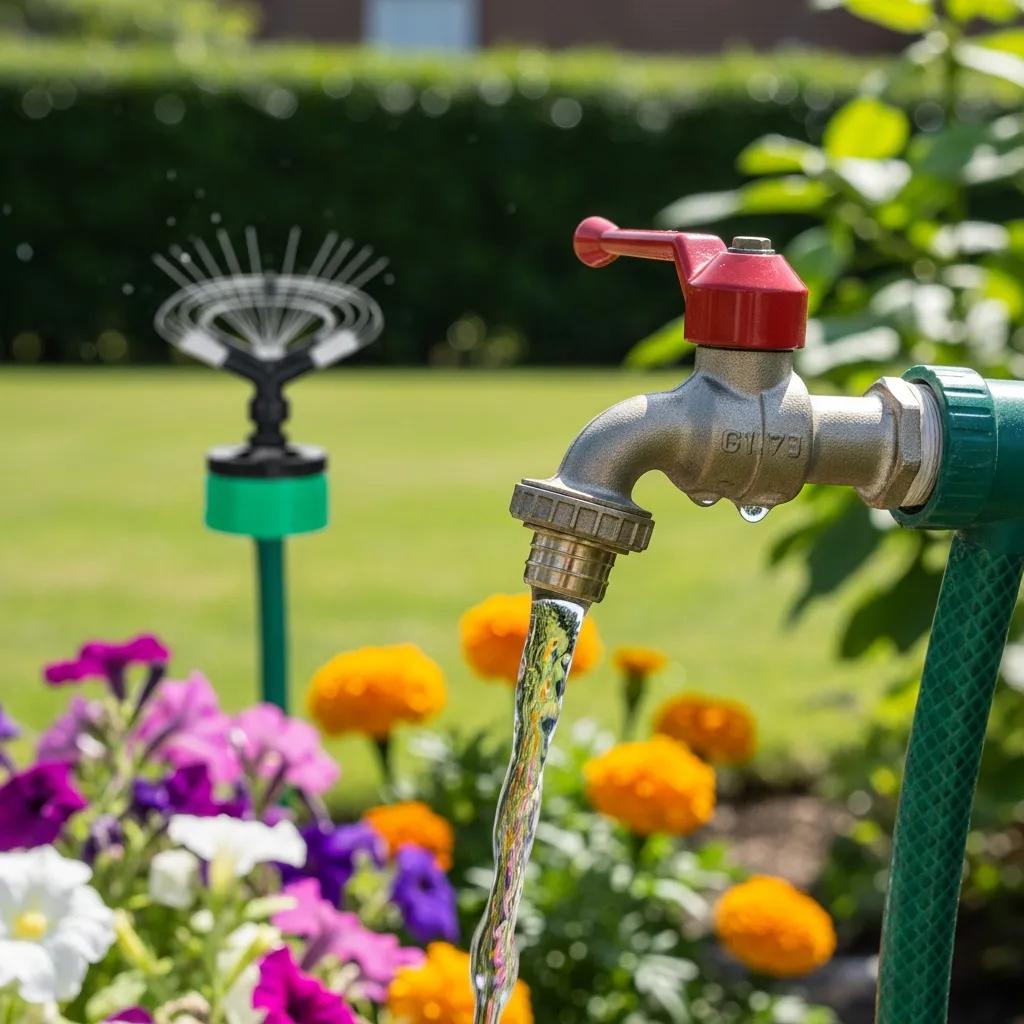
Outdoor maintenance focuses on stopping leaks at hose bibs, keeping sprinkler systems aligned and clear, and making sure gutters and yard drains move stormwater away from your foundation. In practice that means visual inspections, a few mechanical checks and seasonal tune‑ups: tighten fittings, replace worn parts and clear debris so systems run at the pressures and flows they were designed for. The payoff is fewer leaks, healthier landscaping and lower repair costs if you catch issues early. Regular checks also reveal root intrusion or ground movement that can affect sewer lines.
Do this short outdoor checklist at the start of summer and repeat every 4–6 weeks during peak use.
- Check hose bibs and hose connections for drips and damp soil around the fixture.
- Flush and observe each sprinkler zone for uneven spray or low pressure.
- Clear leaves and debris from outdoor drains, grates and gutters to keep water moving.
- Inspect backflow preventers and anti‑siphon devices for leaks or corrosion.
- Look near sewer cleanouts for root activity or unusually saturated ground.
- Test pool fill lines and outdoor kitchen fixtures to confirm fittings are tight and leak‑free.
These steps stop most outdoor failures and get systems ready for summer storms and heavy watering. Regular attention lowers the chance of emergency digs or unexpected service interruptions.
Intro to table: The table below compares common outdoor fixtures with recommended maintenance and suggested frequencies so you can prioritize inspections.
| Fixture Type | Recommended Maintenance Action | Suggested Frequency |
|---|---|---|
| Hose bib / Outdoor faucet | Look for drips, test shut‑off, replace washers or packing nuts as needed | Monthly while in use |
| Sprinkler head / System | Inspect heads, flush supply lines, adjust nozzles and test zone pressure | Start of season + monthly checks |
| Outdoor drain / Gutter grate | Remove debris, flush with water and verify downstream flow | Every 2–4 weeks during stormy periods |
That simple comparison shows which outdoor fixtures need frequent attention and which are seasonal. Keeping to this schedule reduces water waste and lowers the risk of foundation or landscape damage.
If you find recurring leaks, uneven pressure or signs of root intrusion, schedule a pro inspection. Frost & Kretsch Plumbing offers local outdoor fixture inspections and sprinkler tune‑ups from licensed technicians who’ll recommend repairs or estimates so a recurring worry becomes a short service visit instead of a summer escalation.
How to Inspect and Maintain Outdoor Faucets and Hose Bibs?
Start with a close visual and hands‑on check: look for corrosion, feel for moisture at the base and operate the valve to check for stiffness or drips when closed. Routine maintenance is usually replacing worn washers, tightening the packing nut or flushing the line to clear sediment that stops a full shut‑off. That prevents slow leaks that waste water and cause low pressure or soggy ground around your foundation. A practical DIY method: shut off the interior isolation valve if you have one, remove the hose, open the faucet fully for 60 seconds to flush, then close and watch for drips. If the valve still leaks after simple repairs or a shutoff is corroded, call a licensed plumber — trying to force a stuck valve can make the problem worse.
These faucet checks lead naturally into sprinkler and yard drain best practices, which often require zone testing or component replacements.
What Are Best Practices for Sprinkler System and Outdoor Drain Maintenance?
Care for sprinklers by checking head alignment, flushing supply lines, testing each zone for steady pressure and replacing any broken heads so coverage stays even. Clogged nozzles and shifted heads cause overspray and water waste; correcting them restores intended flow patterns. Inspect backflow preventers for leaks and keep yard drain grates clear so runoff reaches storm drains instead of pooling near structures. An annual professional sprinkler tune‑up and occasional camera inspections for recurring blockages or suspected root intrusion help preserve long‑term system health. Together, these steps lower water bills, keep landscapes healthy and reduce demand on sump pumps and drainage systems.
Once outdoor systems are in order, shift focus indoors to hot‑water systems and drain care for summer.
How Can You Protect and Maintain Indoor Plumbing During Hot Weather?
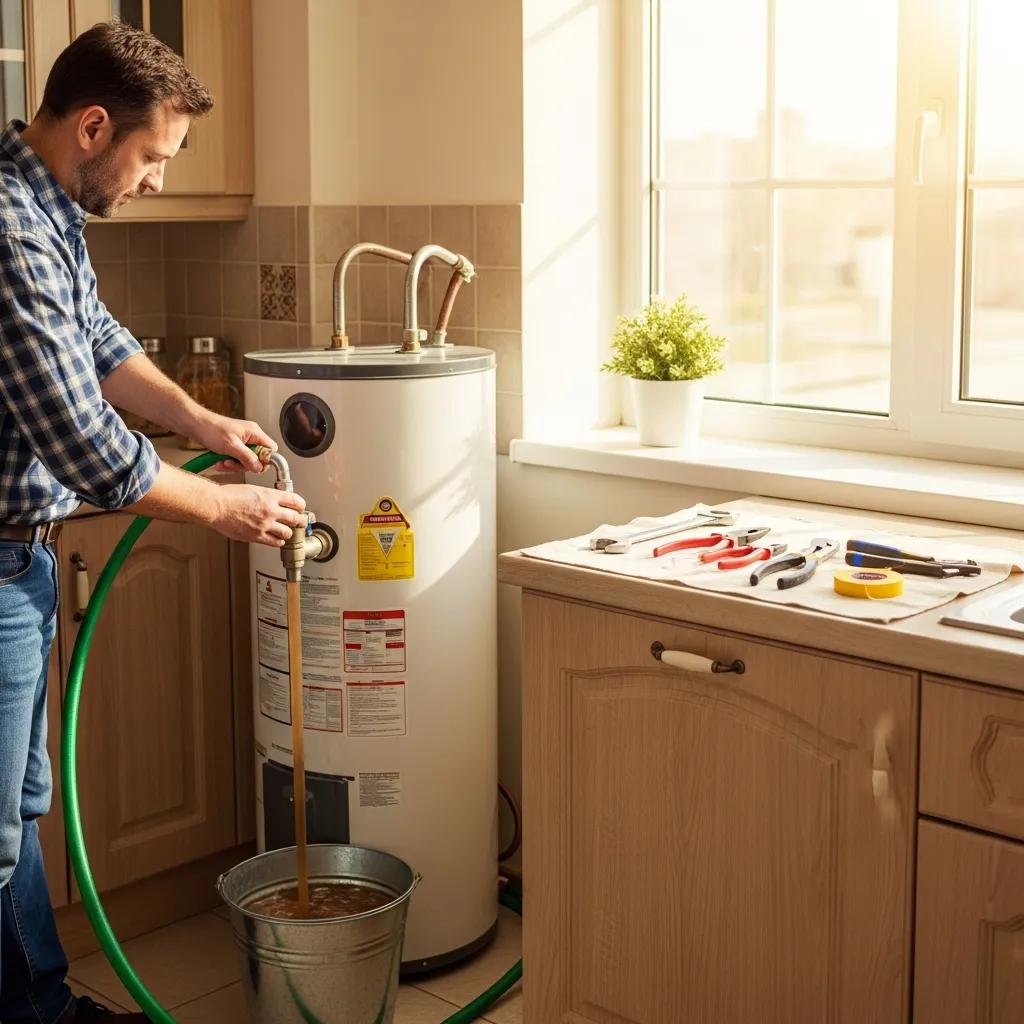
Indoor summer maintenance focuses on the water heater, sensible drain habits, leak detection and keeping sump pumps ready — each step reduces failures tied to higher hot‑water use and storm season basement risks. Practical actions include flushing sediment from tanks, clearing kitchen and bath drains, and testing backup systems so everything stays ready. The payoff is better water‑heater efficiency, fewer clogs and a lower flood risk during heavy rains. Regular checks also find slow leaks under sinks or near appliances before they lead to mold or structural damage. The sections below explain water‑heater flushing, clog prevention and when to call a pro.
Prioritize these household actions:
- Flush the water heater to remove sediment and restore efficiency.
- Use sink strainers and keep grease out of drains to prevent kitchen clogs.
- Test the sump pump and any battery backup before storm season peaks.
These three tasks deliver the most reliable protection for indoor plumbing during hot months.
Intro to table: The table below summarizes indoor systems, key issues and recommended actions so you can decide what to DIY and when to call a pro.
| System Component | Key Attribute | Recommended Action |
|---|---|---|
| Water heater tank | Sediment buildup | Flush annually; call a pro if it’s noisy or temperatures fluctuate |
| Garbage disposal | Jams and grease buildup | Use enzyme cleaner monthly; professional service for repeated jams |
| Drains (kitchen/bath) | Slow flow or odors | Use strainers, flush with hot water; pro cleaning if problem persists |
| Sump pump basin | Backup readiness | Test monthly; professional check for battery backups |
This quick reference shows when you can handle maintenance yourself and when professional inspection is safer or more effective. Keeping to these intervals helps preserve indoor plumbing performance all summer.
Why Is Water Heater Flushing Important in Summer?
Flushing your water heater removes sediment that reduces heating efficiency, causes rumbling noises and leads to uneven temperatures — especially noticeable when hot‑water demand rises for showers, dishwashing and pool fills. Flushing clears mineral deposits that otherwise insulate the heating element or burner and put extra strain on thermostats and pressure‑relief devices. The benefits: a longer tank life, fewer emergency replacements and steadier hot water during heavy use. Manufacturers usually recommend annual flushing; in hard‑water areas or for tanks under heavy summer use, check more often. If your tank is noisy, releases visible sediment when drained, or shows persistent temperature swings, schedule a professional flush to safely drain the tank and inspect the anode rod.
Knowing how flushing works points directly to everyday leak and clog prevention that reduces indoor emergencies.
How to Prevent Indoor Leaks and Drain Clogs in Summer?
Prevent clogs and leaks with simple habits and short inspections: always use strainers, never pour grease down the sink and routinely look under cabinets for moisture or stains. Prevention captures solids before they reach trap assemblies and lets you spot supply‑line wear early. Replace old supply hoses on dishwashers and washers, and tighten slip‑joint fittings under sinks to avoid sudden failures. If a drain remains slow after basic clearing or several fixtures back up, that usually means a deeper blockage or sewer issue that needs a professional. Regular prevention and seasonal checks keep indoor plumbing dependable throughout the summer.
These habits naturally lead into preparing your home’s plumbing before travel.
What Steps Should You Take for Vacation Plumbing Preparation?
Vacation prep is a short, targeted routine to lower the chance of leaks, wasted water and costly damage while your property is unattended. It means isolating water sources, lowering water‑heater settings, draining or storing outdoor hoses and checking appliance connections so small problems don’t become big ones. The outcome: lower bills while you’re away and less chance of returning to a major issue. Below is a step‑by‑step checklist plus a quick table of vacation‑mode settings for common fixtures and when to ask a pro for a pre‑trip check.
Follow this pre‑vacation checklist before you leave:
- Locate and close the main shutoff or relevant branch valves to isolate water supply.
- Set the water heater to its “vacation” or lower temperature setting to save energy.
- Run a short cleaning cycle on the dishwasher and disposal to clear traps, then shut off supply valves if possible.
- Remove, drain and store garden hoses; set irrigation controllers to minimal or off.
- Ask a neighbor or house‑sitter to check the property periodically, especially after storms.
Completing these steps reduces the most common vacation‑related plumbing losses and lowers the chance you’ll need emergency service while away.
Intro to table: Use this quick reference for vacation‑mode settings and last‑minute checks before departure.
| Item | Action | Vacation-Mode Setting / Check |
|---|---|---|
| Main shutoff valve | Turn off or clearly label for a house‑sitter | Shut off if away >7 days; test beforehand |
| Water heater | Lower temperature or set vacation mode | Set to ~120°F or use the manufacturer’s vacation setting |
| Appliance supply lines | Inspect and secure | Check for corrosion; shut supply valves if available |
| Outdoor hoses / irrigation | Drain/remove and adjust controller | Remove hoses; reduce or pause irrigation schedule |
This compact list is a helpful day‑before checklist that cuts leak and energy risk. A final walk‑through using these items often prevents the most common vacation plumbing headaches.
If you’d rather leave it to a pro, schedule a pre‑vacation inspection — we’ll verify shutoffs, test the water heater and sump pump, and check visible supply lines. Frost & Kretsch Plumbing can provide a focused pre‑travel checklist and an estimate to help you leave with confidence.
How to Shut Off Water and Set Water Heater for Vacation Mode?
Find the main shutoff near the meter or where the service line enters the building, then close the valve to stop water flow. If you prefer to leave some systems active, close branch valves to appliances or outside lines. Water heaters vary by model — many have a “vacation” setting that keeps the tank at a low temperature to save energy while preventing freezing, or you can set the thermostat lower per the manufacturer’s guidance. Test valve operation and note valve locations for a house‑sitter; if valves are corroded or stuck, call a licensed plumber rather than risking damage. Proper shutoffs and heater settings greatly reduce the chance a small leak becomes a major loss while you’re away.
After adjusting shutoffs and heater settings, run the final departure checks below to cover common failure points.
What Are Essential Plumbing Checks Before Leaving for Vacation?
Do a final walk‑through: flush toilets, check under‑sink cabinets for dampness, confirm appliance supply valves are closed or secured, and make sure outdoor hoses and fittings are dry and stored. These redundant checks catch slow drips or running fixtures a single test might miss and prevent damage that develops over days. Quick fixes include replacing a worn supply hose, tightening a running toilet flapper, or running a short dishwasher cycle to clear standing water. Leave a neighbor instructions on how to shut off the main in an emergency. If anything looks corroded, stiff or questionable, book a pre‑vacation inspection with a licensed plumber to avoid coming home to a disaster.
Finishing these checks ties into knowing when to call 24/7 professional help, especially during summer storm season.
When Should You Call a Professional for Summer Plumbing Emergencies?
Call a professional for visible or rapid failures — burst pipes, large leaks, sewer backups or electrical hazards near water — because those events need immediate containment, safe diagnosis and licensed repairs. The decision is risk‑based: if water is uncontrolled, threatens structure, or involves sewage, DIY steps can make things worse. Immediate homeowner actions include shutting the main valve, turning off electricity near standing water and moving valuables out of harm’s way. A professional will stabilize the situation, provide temporary containment and plan permanent repairs. Knowing the clear emergency signs reduces response time and limits damage.
When in doubt, err on the side of calling a licensed plumber to secure the situation safely.
What Are Signs of Burst Pipes, Sewer Backups, and Major Leaks?
Signs of major leaks or burst pipes include gushing water from walls, ceilings or fixtures, sudden low pressure throughout the building, rapidly spreading water stains and unexplained pooling. Sewer backups typically cause multiple drains to back up at once, strong sewage odors indoors and gurgling sounds from floor drains or toilets — stop using water and call emergency service if you see these. Short‑term containment: shut the main, move belongings to higher ground and shut off electricity if water is near outlets. Take photos and note the time — that helps technicians diagnose the cause faster and speeds planning for permanent repairs.
How Does Frost & Kretsch Plumbing Provide 24/7 Emergency Summer Services?
Frost & Kretsch Plumbing offers 24/7 emergency response with a focus on safety, rapid containment and clear repair plans. When you call for an urgent summer plumbing issue, our technicians prioritize safety — shutting off water, addressing electrical risks and containing water to limit structural damage — then present repair options with transparent pricing and a satisfaction guarantee. Our local experience in Grosse Pointe and surrounding areas helps us quickly diagnose storm‑related and seasonal problems, from overloaded sump pumps to sewer backups caused by root intrusion. For fast service or a pre‑vacation check, contact Frost & Kretsch Plumbing and ask for Dave Kretsch or our emergency team to arrange prompt assistance.
This description is meant to help you decide when to call and what to expect from emergency response.
Frequently Asked Questions
What are the signs that my outdoor plumbing needs maintenance?
Look for visible leaks at hose bibs, pooled water around yard drains and uneven pressure in your sprinkler system. A sudden increase in your water bill can also point to a hidden leak. Regularly inspect outdoor fixtures for corrosion, debris buildup and proper operation to catch problems early and avoid bigger repairs.
How often should I perform indoor plumbing maintenance during summer?
A good rule is a monthly check during summer: flush the water heater if it’s due, inspect under sinks for leaks and test the sump pump. These quick checks help keep systems running smoothly during peak use. If you notice noises from the water heater or recurring slow drains, increase the frequency or call a pro.
What should I do if I find a leak during my plumbing inspection?
If you find a leak, first shut off the water to the affected area to limit damage. Assess whether it’s a simple fix — tightening a fitting or replacing a washer — or something larger. For anything beyond a small, obvious repair, contact a licensed plumber to make sure the job’s done correctly and to avoid structural or mold issues.
How can I prepare my plumbing for heavy summer storms?
Clear gutters and outdoor drains so water can flow freely, test your sump pump and consider a battery backup if you don’t have one. Inspect the foundation for cracks or points of entry and make sure landscaping directs runoff away from the house. These steps reduce flood risk during severe weather.
What are the benefits of scheduling a professional plumbing inspection?
A professional inspection identifies issues before they become costly repairs. Technicians can spot hidden problems like root intrusion, significant sediment buildup or worn components you might miss. Regular professional checks extend system life and give you peace of mind.
Are there specific plumbing tasks I should prioritize before going on vacation?
Before you leave, shut off the main if you’ll be away more than a few days, set the water heater to vacation mode, drain outdoor hoses and check appliance supply lines. Also confirm the sump pump is working and leave a neighbor instructions for emergencies. These measures greatly reduce the risk of coming home to water damage.
What should I do if I experience a plumbing emergency while away from home?
If an emergency happens while you’re away, contact a trusted plumbing service immediately and give clear access instructions. Ask a neighbor to check the property and shut off the main if needed. Document the situation with photos to help the plumber diagnose and repair the issue quickly. Fast action reduces damage and speeds recovery.
Conclusion
Simple, seasonal plumbing care prevents most summer headaches. By following these outdoor and indoor tips — checking hose bibs and sprinklers, flushing the water heater, testing the sump pump and using basic drain‑safe habits — you’ll reduce emergency repairs and protect your property. If you’d rather leave it to local experts, schedule a professional inspection with Frost & Kretsch Plumbing for peace of mind this season.