
Smart Water Heaters: Features, Benefits, and Easy Control for Homes & Businesses
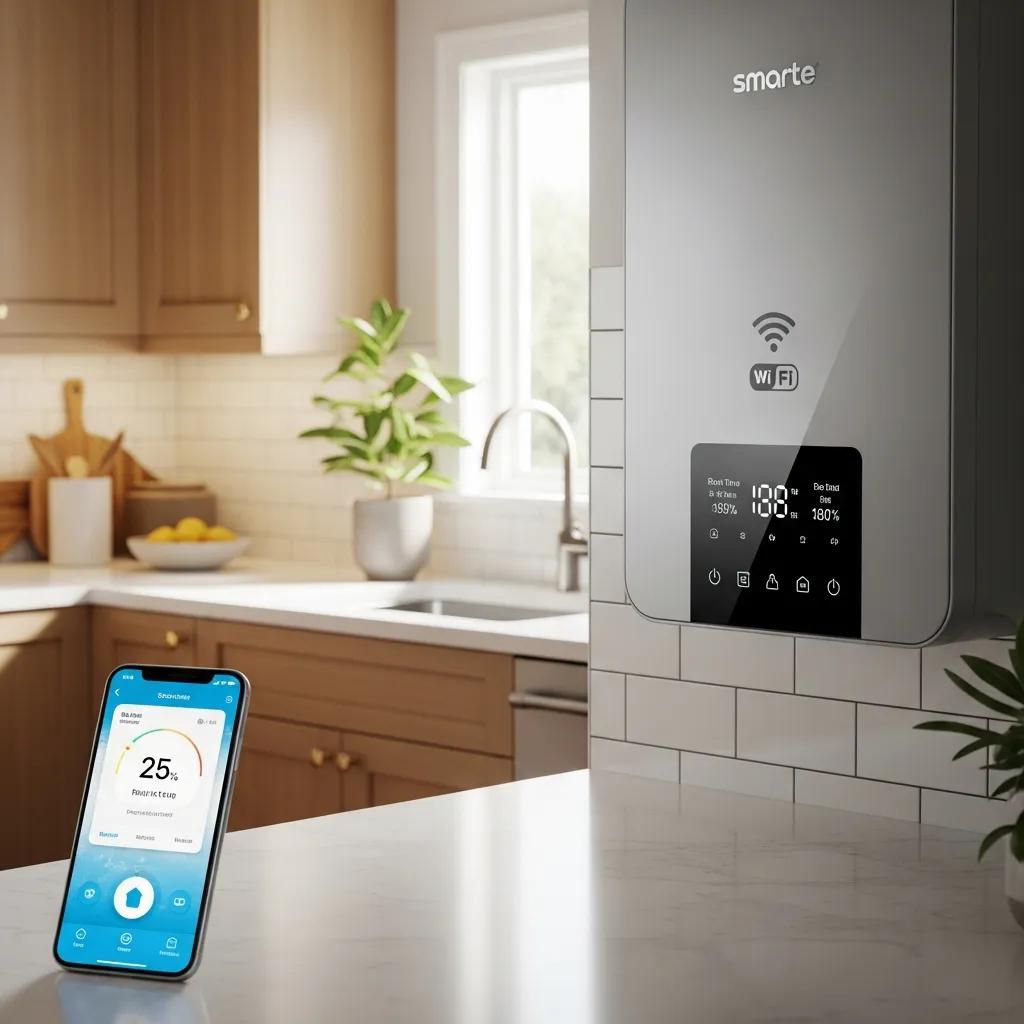
Smart water heaters connect sensors, networked controls, and energy monitoring so you get hot water when you need it — with less waste. They use temperature probes, smart thermostats, and Wi‑Fi modules to adjust heating cycles, cut standby losses, and give homeowners and business operators clear usage data. This guide explains how smart water heaters work, highlights features like energy tracking and leak detection, compares electric, gas, hybrid and tankless smart models, and shows how to control and maintain them with apps and smart‑home systems. You’ll also find practical cost considerations for the Grosse Pointe area, typical savings examples, and clear signs to call a licensed local technician. Read on for a straightforward, actionable overview that helps you choose, install, and keep a smart water heater running reliably.
What Is a Smart Water Heater and How Does It Work?
A smart water heater adds sensors, a controller, and internet connectivity to a standard water heater so it can monitor temperature, track energy use, and accept remote commands. Sensors read tank or outlet temperature and flow, the controller adjusts elements or burners on a schedule, and a Wi‑Fi module sends data to an app or cloud service for monitoring and remote control. The result is on‑demand control, automatic schedules that cut energy waste, and diagnostic alerts that can spot problems before they interrupt service. Understanding these basics makes it easier to see how features like leak detection and utility demand‑response actually save money and hassle.
What Are the Key Components of Smart Water Heaters?
Smart systems depend on a few simple parts: temperature sensors, a thermostat/controller, a Wi‑Fi comms module, and a mobile app for the user. Sensors feed real‑time data to the controller, which runs heating cycles and can trigger modes like vacation or boost; the Wi‑Fi module relays usage and diagnostic information to the app for remote control and energy reports. Optional add‑ons include leak sensors that can shut off supply and energy monitors that log kWh and estimated cost. The chain is straightforward: sensor → controller → cloud/app — enabling automated responses and actionable alerts that reduce downtime and waste.
How Do Smart Water Heaters Integrate with Home Automation Systems?
Most smart water heaters work with common home automation tools — voice assistants and automation platforms — so you can use hands‑free commands and set routines. Integrations commonly let you change setpoints by voice, schedule preheats during off‑peak hours, and pause heating if a leak is detected or the house is set to “away.” These links usually run over Wi‑Fi, cloud APIs, or IFTTT‑style services; some brands may need a proprietary account or hub for full features. Planning your integration before a retrofit helps avoid compatibility issues and ensures the heater fits into your broader home energy plan.
What Are the Main Features of Smart Water Heaters?
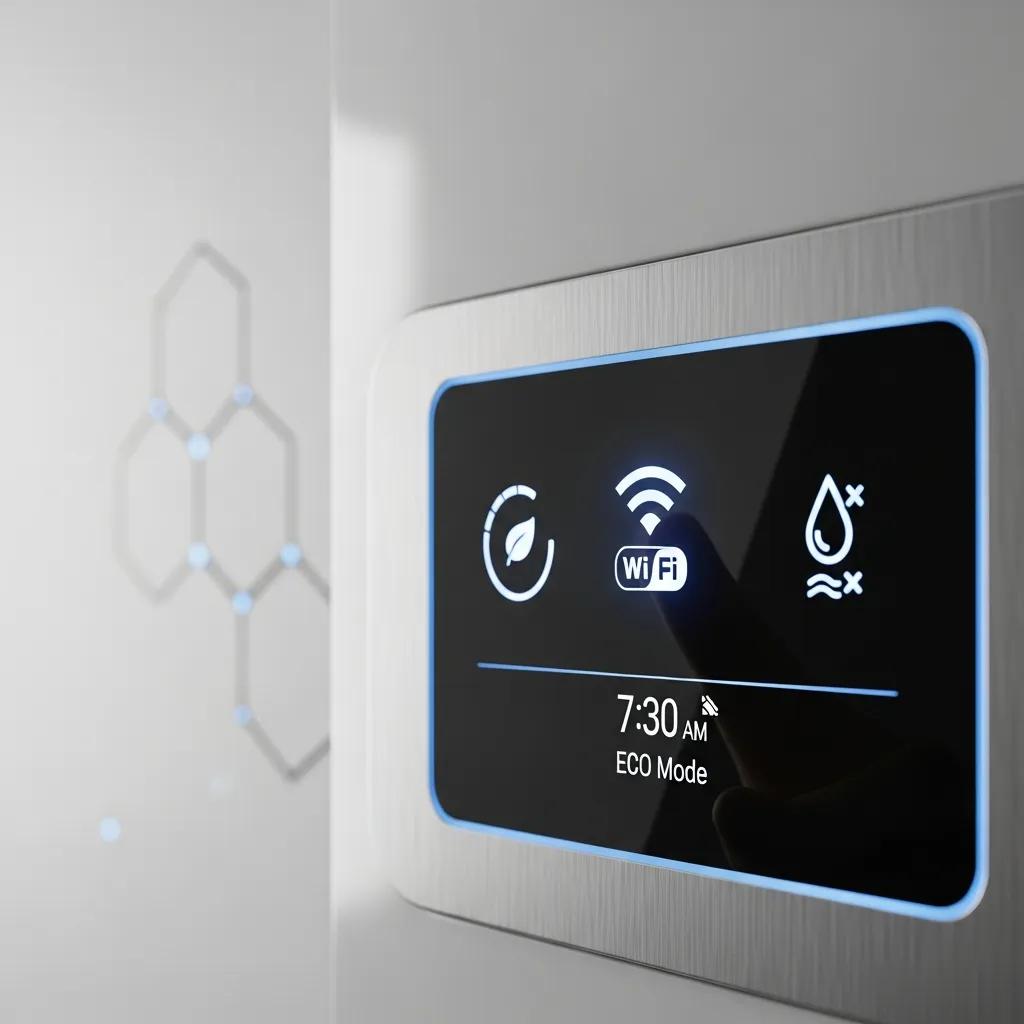
Smart water heaters combine connectivity and sensors to save energy, increase safety, and simplify management. Core features include Wi‑Fi control and scheduling, energy monitoring with usage history, automatic leak detection and shutoff, remote diagnostics and alerts, plus demand‑response and vacation modes to shift use to cheaper times. Those features translate to lower bills, fewer emergencies, and more predictable hot water for homeowners and property managers. Below is a compact comparison of common features and the user value they provide.
| Feature | Mechanism | User Value |
|---|---|---|
| Wi‑Fi control | Remote setpoint and scheduling through an app | Convenience and the ability to preheat before you arrive |
| Energy monitoring | kWh tracking and simple cost estimates | Clear bill insights and behavior‑driven savings |
| Leak detection | Sensor alerts and automatic shutoff | Helps prevent water damage and costly repairs |
| Demand response | Off‑peak scheduling and utility signaling | Lower bills and more grid‑friendly operation |
This table shows how each feature moves from hardware to real benefits at home or work. The sections below look closer at Wi‑Fi control and energy monitoring in everyday use.
How Does Wi‑Fi Control Enhance Water Heater Management?
Wi‑Fi control turns a heater from a passive device into an actively managed system with schedules, remote temperature changes, and instant alerts. App features usually include programmable schedules, boost and eco modes, and push notifications for errors or leaks — so you can preheat for guests, scale back during long absences, and react fast to problems. Wi‑Fi also lets technicians check diagnostics before a visit, cutting unnecessary trips and speeding repairs. When planning an upgrade, check the app’s security, update policies, and account requirements so your connection stays reliable and private.
What Energy Monitoring Benefits Do Smart Water Heaters Offer?
Energy monitors show real‑time kWh and compile historical use so you can spot patterns and make smarter schedule choices. Seeing when the heater uses the most power — and how setpoints affect use — helps shift heating to off‑peak hours or lower standby temperatures during extended absences. Paired with adaptive scheduling, monitoring often reduces consumption by trimming unnecessary reheats and standby losses. For businesses, these reports make it easy to allocate costs across departments or tenants and find more efficiency opportunities.
What Are the Benefits of Upgrading to a Smart Water Heater?
Upgrading brings economic, safety, and operational gains for homes and businesses. Financially, smart scheduling and reduced standby loss lower energy bills and can speed payback, especially with efficient heat‑pump hybrids or tankless units. Safety features like leak detection with automatic shutoff and remote alerts reduce the risk of water damage, while remote diagnostics and predictive alerts cut downtime and repair expenses. There’s an environmental upside too: smarter use and load shifting reduce overall energy demand and emissions. Together, these benefits make smart water heaters a strong option for owners focused on efficiency and peace of mind.
If you’re considering an upgrade, a local service partner can do a site assessment to estimate savings and recommend the right model for your hot‑water needs. Frost & Kretsch Plumbing provides clear estimates, works with brands such as Lochinvar and Bradford White, and sends licensed, insured technicians for installations and repairs. We offer 24/7 emergency response and stand behind our work with a satisfaction guarantee for customers in Grosse Pointe and nearby communities. An on‑site visit turns general savings estimates into a specific plan that accounts for plumbing, electrical, or venting needs.
How Do Smart Water Heaters Save Energy and Reduce Costs?
Smart heaters cut energy by heating on demand, running during off‑peak times, and reducing standby losses through smarter setpoint control. Learning algorithms and usage analytics adapt schedules to real patterns, avoiding reheats when demand is low and preheating only when needed. Actual savings depend on household habits and the model, but measurable gains come from eliminating wasted heating hours and shifting large cycles to lower‑cost electricity windows. With energy monitoring, owners can track those savings and refine schedules to improve ROI and lower their environmental footprint.
What Safety and Convenience Features Improve User Experience?
Modern smart systems add leak detection, automatic shutoff valves, temperature limits, and remote diagnostics to boost safety and cut repair time. Leak alerts let you stop water flow remotely or call a technician before damage gets worse. Remote diagnostics let service teams review error codes and suggest fixes quickly. Convenience features — vacation mode, voice control, and preheat scheduling — reduce daily hassle and make hot water available when you need it without wasting energy. Together, these changes make a smart water heater more a managed system than a simple appliance.
Which Types of Smart Water Heaters Are Available?
Smart heaters come as electric tanks, gas tanks, hybrid (heat‑pump) models, and tankless/on‑demand units. Each has different energy profiles, installation needs, and smart‑control compatibility, so your choice depends on fuel availability, peak demand, space, and efficiency goals. Electric tanks are often the simplest retrofit if electrical capacity allows; gas models need venting and gas‑line checks. Hybrids deliver strong efficiency but need space and suitable ambient temperatures. Smart tankless units provide on‑demand heat with minimal standby loss but may require electrical or gas upgrades. The table below compares common attributes and use cases.
| Type / Model | Energy Source & Size | Typical Use Case |
|---|---|---|
| Smart Electric Tank | Electric, available in many tank sizes | Easy retrofit where electricity is the main fuel |
| Smart Gas Tank | Natural gas or propane, requires venting | Homes with high hot‑water demand and gas hookup |
| Smart Hybrid / Heat‑Pump | Electric with heat‑pump module | Energy‑focused homes with space and mild climate |
| Smart Tankless | Electric or gas, on‑demand delivery | Properties needing continuous flow or limited space |
That comparison shows the trade‑offs: choose tankless for space and on‑demand needs, hybrid for top efficiency in the right setting, and electric or gas tanks for simpler installs. The sections below explain tankless advantages and how the different fuels compare in real installs.
What Are the Advantages of Smart Tankless Water Heaters?
Tankless heaters warm water only when you need it, removing standby heat loss and often improving efficiency. They’re compact and pair well with Wi‑Fi controls that manage flow, prioritize outlets, and adjust based on use. Trade‑offs include higher upfront equipment and installation costs, possible electrical upgrades for electric tankless models, or venting and gas‑line sizing for gas units, and attention to meeting concurrent flow needs. For properties with intermittent hot‑water use or tight mechanical spaces, a smart tankless unit can be a great fit.
How Do Smart Electric, Gas, and Hybrid Water Heaters Compare?
Electric, gas, and hybrid smart heaters differ in operating cost, installation complexity, and efficiency gains when paired with smart controls. Electric units are straightforward to add Wi‑Fi and monitoring to, but operating costs depend on local electricity rates. Gas units can be cheaper to run per equivalent heat but need venting and safety checks. Hybrid heat‑pump models are the most efficient by moving heat rather than creating it, though they need space and favorable ambient conditions. Evaluate electrical capacity, venting needs, and long‑term running costs, and confirm smart features with manufacturers and your installer before choosing.
How Much Does Smart Water Heater Installation Cost in Grosse Pointe?
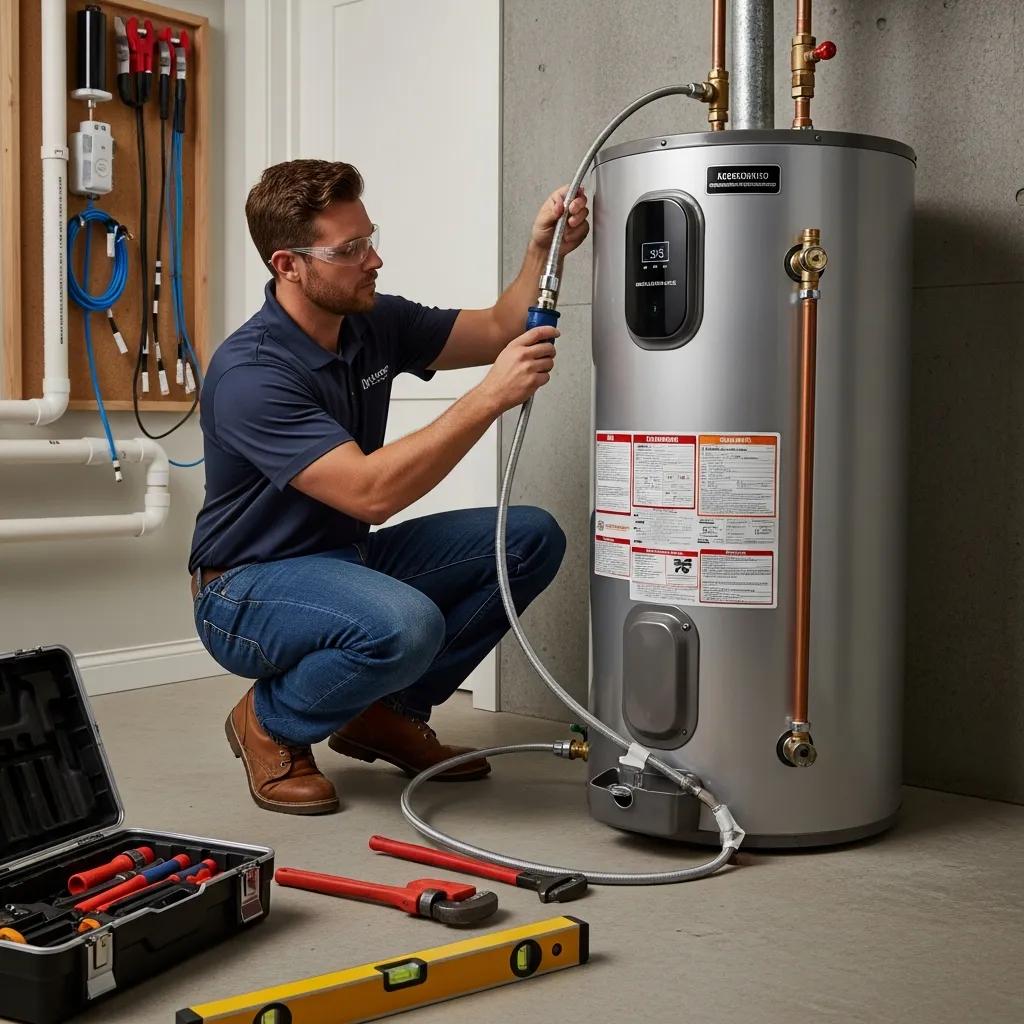
Installation costs in Grosse Pointe vary by model, labor complexity, and any required upgrades. Local installers provide clear estimates after an on‑site assessment. Costs include the unit, added components (Wi‑Fi modules, leak shutoff valves), labor for piping or venting changes, and any electrical or gas work. Major drivers are technology choice (tankless and hybrid often cost more up front), extent of upgrades, permit and inspection fees, and necessary safety devices. The table below outlines common cost factors to help homeowners and businesses plan their budget.
| Cost Factor | Typical Range / Impact | Examples |
|---|---|---|
| Unit cost | Moderate to high | Tankless and hybrid units usually command higher prices |
| Labor / time | Low to high | Simple swap vs. full retrofit or utility line upgrades |
| Permits & inspections | Small to moderate | Local code requirements and inspections add cost |
| Additional components | Small to moderate | Leak shutoff valves, expansion tanks, Wi‑Fi modules |
That table shows why a detailed site visit matters. For an accurate local price, schedule an inspection so a licensed professional can list needed upgrades and provide a clear, written estimate.
What Factors Influence Installation Pricing?
Pricing depends on model and capacity, the condition of existing plumbing and electrical systems, required upgrades, access and location complexity, and permit needs. A like‑for‑like tank replacement is usually less expensive than converting to tankless because of venting and line work. Tight spaces (attics, crawlspaces, mechanical closets) increase labor time and cost. Clearing access and documenting current hookups before the visit can speed the estimate and reduce labor hours.
Why Choose Frost & Kretsch Plumbing for Local Installation Services?
Frost & Kretsch Plumbing offers local, licensed, and insured technicians who provide upfront estimates and 24/7 emergency support for residential and commercial customers. We work with trusted brands like Lochinvar and Bradford White and focus on transparent pricing and a satisfaction guarantee for Grosse Pointe and nearby communities. A local specialist will inspect your site to meet regional codes and utility requirements, then recommend whether a smart tankless, hybrid, or conventional upgrade best fits your needs and budget. Contact Frost & Kretsch Plumbing at our Grosse Pointe location or by phone to schedule an assessment and get a clear written estimate.
How Can You Control and Maintain Your Smart Water Heater?
Control and maintenance start with a secure Wi‑Fi connection, a compatible control app, and a routine service plan to keep the system efficient and reliable. Setup steps include registering the unit in the manufacturer app, setting schedules that match occupancy and off‑peak rates, and enabling alerts for leaks or faults. Regular maintenance — tank flushing for tank units, anode rod checks, and firmware updates through the app — extends life and maintains savings. The sections that follow list recommended app features and simple troubleshooting steps to keep your smart heater running smoothly.
What Are the Best Smart Water Heater Control Apps?
Good control apps offer straightforward scheduling, clear energy dashboards, diagnostic alerts, and secure account controls. Look for remote setpoint changes, usage history with kWh and cost estimates, configurable leak and fault alerts, and simple firmware update flows. Voice assistant integrations are handy but check account security. Prefer apps that let you export data, support role‑based access for property managers, and use strong encryption. A well‑designed app improves daily convenience and makes it easier to diagnose issues before a service call.
How Do You Troubleshoot and Maintain Smart Water Heaters?
Start troubleshooting by checking Wi‑Fi signal at the unit and verifying the app’s credentials; rebooting the router and restarting the control module often fixes connection issues. For performance problems, read error codes in the app, check inlet and outlet temperatures, and review recent energy logs to spot unusual draws that could mean sediment or failing elements. Regular maintenance includes annual or semiannual tank flushing, anode rod inspection, and prompt firmware and app updates. If diagnostics point to hardware failure or safety alerts persist, call a licensed technician to protect warranty coverage and safety.
- Control Setup Checklist: Register the unit, secure app credentials, and set schedules that match occupancy and off‑peak rates.
- Routine Maintenance Tasks: Flush the tank, inspect the anode rod, check pressure‑relief valves, and test leak sensors.
- When to Call a Professional: Persistent error codes, gas‑line or venting concerns, or major component failures require a licensed technician.
Following this routine helps keep efficiency high, improves reliability, and extends system life. Local pros can handle complex troubleshooting and ensure repairs meet local codes.
- Selecting a Smart Water Heater: Match capacity and flow to household or commercial demand and verify energy‑monitoring compatibility.
- Preparing for Installation: Clear access to the existing unit, document current hookups, and note electrical or venting limits to speed the estimate.
- Maximizing Savings Post‑Install: Use energy dashboards to refine schedules, enable vacation and demand‑response modes, and track kWh and cost improvements.
| Component | Recommended Frequency | Purpose |
|---|---|---|
| Tank flush (tank models) | Annually or biannually | Remove sediment that lowers efficiency |
| Anode rod inspection | Every 1–3 years | Prevent tank corrosion and extend life |
| Firmware & app checks | Quarterly | Keep security and features current |
| Leak sensor test | Monthly | Confirm auto‑shutoff and alerts work |
This maintenance schedule helps protect performance and avoid surprise downtime. Regular checks and timely service preserve energy savings and extend the unit’s usable life.
- Common Troubleshooting Tips: Check Wi‑Fi strength, restart the app and device, and review energy logs for odd consumption.
- Preventive Practices: Keep firmware updated, test safety sensors, and schedule regular in‑person inspections.
- When to Escalate: If alerts keep appearing after basic fixes or if gas/venting issues are suspected, contact a licensed technician.
Following these troubleshooting and maintenance steps keeps smart water heaters efficient and safe for people and property.
Frequently Asked Questions
What are the environmental benefits of using smart water heaters?
Smart water heaters reduce wasted energy by heating water only when it’s needed and by shifting use to off‑peak periods. That lowers overall energy consumption and associated greenhouse gas emissions. Participation in utility demand‑response programs can further ease grid strain. In short, smarter water heating saves money and cuts your carbon footprint.
How can I ensure my smart water heater is secure from cyber threats?
Protect your heater like any other smart device: use a strong, unique Wi‑Fi password, keep the app and firmware updated, and enable two‑factor authentication if available. Avoid public Wi‑Fi when accessing the app remotely, disable remote access when it’s not needed, and regularly review devices on your home network for anything unfamiliar.
What should I do if my smart water heater is not connecting to Wi‑Fi?
First, check signal strength where the unit is installed and make sure the router is working. Restart the router and the heater’s control module, then confirm the correct Wi‑Fi name and password are entered in the app. If it still won’t connect, follow the model’s troubleshooting steps or contact customer support for help.
Can smart water heaters be integrated with solar water heating systems?
Yes — many smart heaters can work with solar water systems to prioritize solar energy and reduce reliance on grid power. Smart controls can automate when the backup heater runs and when to use solar heat. Compatibility varies by model, so consult a professional installer to confirm integration and get the best setup.
What maintenance is required for smart water heaters?
Maintain smart heaters by flushing tank models to remove sediment, checking the anode rod every 1–3 years, testing leak sensors monthly, and keeping firmware and apps up to date. Regular reviews of energy data help spot issues early. These simple steps extend life and keep efficiency up.
How do I choose the right smart water heater for my needs?
Match hot‑water capacity and peak flow to your household or business demand, check fuel availability, and weigh space constraints. Compare efficiency, features like energy monitoring and leak detection, and total installation cost. A local service provider can run a site assessment and recommend models that fit your infrastructure and budget.
Conclusion
Moving to a smart water heater delivers real benefits: better energy efficiency, added safety features, and easier control of your hot‑water system. For homeowners and businesses in Grosse Pointe, a smart upgrade can lower bills, reduce risk, and give you more predictable hot water. Contact Frost & Kretsch Plumbing to schedule an on‑site assessment and find the best smart water heater for your needs.