

Seasonal Sprinkler Checks: Complete Maintenance & Repair Services in Michigan
Seasonal checks are scheduled inspections and tune-ups timed to protect your irrigation system from weather-related damage and to keep your lawn watering efficient. In Michigan, freeze/thaw cycles and variable precipitation put extra stress on heads, valves, pipes, controllers and backflow preventers. Regular seasonal maintenance cuts the risk of expensive failures, conserves water, and keeps your landscape healthy. Below we cover when to schedule spring startups and fall winterization, what professionals do, common failures and repairs, and how to evaluate service costs for your property. You’ll find practical checklists, troubleshooting tips, and cost factors to help decide between DIY and professional services. We also note local timing for Macomb, Oakland and Wayne counties and explain when it’s best to call licensed, insured technicians — including 24/7 emergency response.
Why Seasonal Sprinkler Checks Matter for Michigan Homes and Businesses
Seasonal checks are preventive maintenance that catch wear, leaks and freeze risk before components fail — protecting system performance and your landscaping investment. A sprinkler system is made up of heads, valves, pipes, controllers and backflow preventers, and each part can fail from temperature swings or mechanical wear. A seasonal inspection checks each component, reduces water waste, improves coverage uniformity, and lowers the chance of emergency repairs that disrupt property use and raise costs. The next section explains how Michigan’s climate affects system performance and why timing is important.
How Michigan’s Climate Affects Sprinkler System Performance
Michigan’s weather brings early fall cool-downs, intermittent freezes, and spring thaws. Trapped water that freezes can expand, crack pipes and damage valves if the system isn’t drained. First-freeze dates in Macomb, Oakland and Wayne counties often fall in late October to early November; irrigation lines left pressurized through a freeze can burst or ruin valve seals. Repeated freeze/thaw cycles also loosen fittings and misalign heads, producing uneven watering and hidden leaks that raise water bills and cause erosion. Knowing these local patterns helps homeowners schedule winterization and spring startup to reduce repair needs and replacement costs.
Benefits of Regular Seasonal Irrigation Maintenance
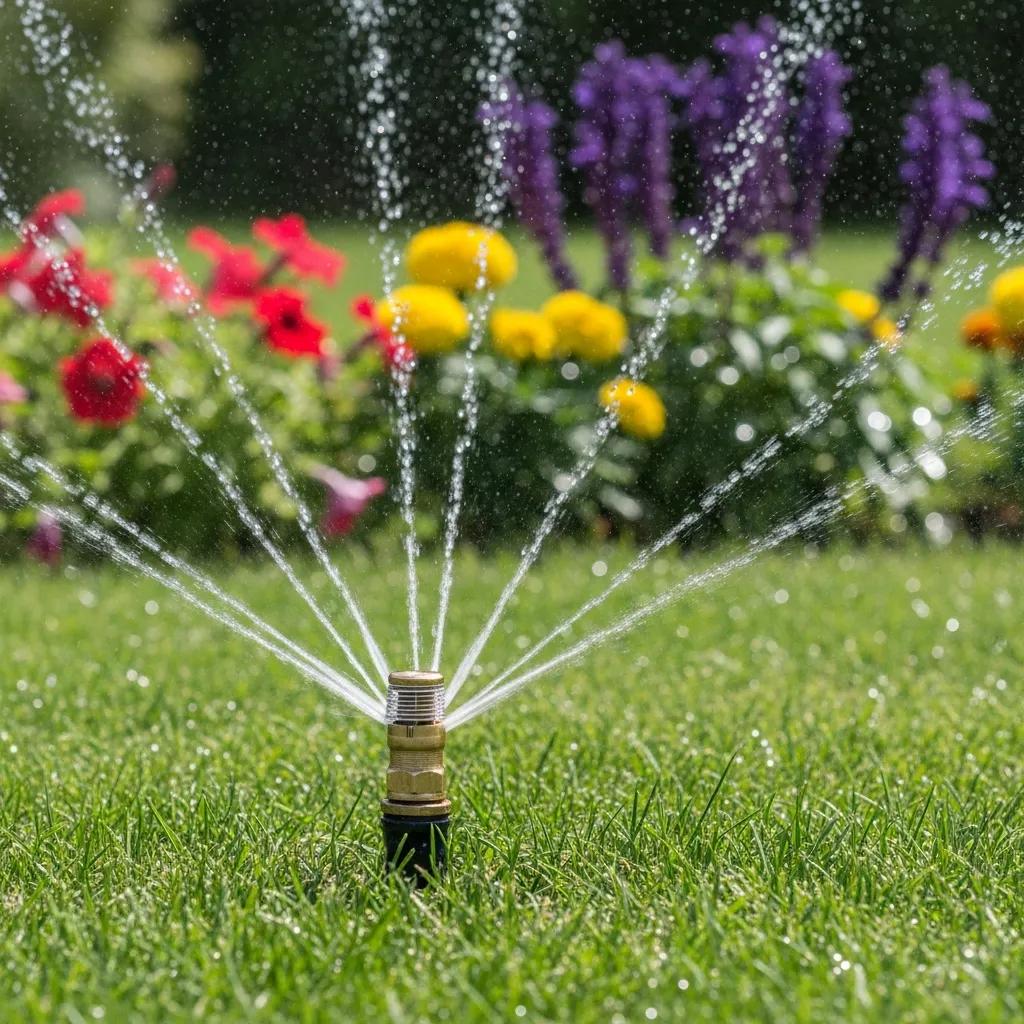
Regular seasonal maintenance delivers clear benefits: better efficiency, lower utility bills and a longer system life when problems are caught early. Tune-ups clear clogged nozzles and realign heads to prevent dry spots and runoff. Adjusting zones and pressure improves distribution and saves water. Preventive checks also cut emergency callouts by repairing small leaks and weak valves before they worsen. Below is a quick summary of primary benefits and practical steps to get them.
- Save water and money: Correct nozzles and pressure reduce runoff and waste.
- Fewer emergency repairs: Early detection prevents costly failures.
- Longer equipment life: Routine servicing reduces wear on valves and controllers.
Keeping your system maintained protects both the lawn and your budget. Next we walk through a professional spring startup checklist so you know what to expect.
How to Prepare Your Sprinkler System for Spring: Professional Startup Services and Checklists
A spring startup is a controlled sequence — inspect, power, pressurize, test zones and adjust heads — to bring irrigation back online after winter and confirm leak-free operation. Professionals follow a methodical process to verify controller settings, test each zone for coverage, inspect the backflow device and run pressure and leak checks with diagnostic tools. That reduces missed problems compared with a quick DIY power-up. The following subsections list common startup tasks and show how professional techniques prevent issues that commonly appear after winter. The EAV table that follows links each task to the tool used and the outcome achieved.
What’s Included in a Professional Spring Sprinkler Startup?
A standard professional startup covers controller inspection and reprogramming for seasonal run times, visual and pressure checks of valves, activation and observation of each zone to confirm coverage, and nozzle alignment and adjustment for even distribution. Technicians also inspect the backflow preventer for visible damage and may run a functional test to confirm seals and isolation. Pros estimate time per task and use tools like pressure gauges, multizone activation systems and leak-detection gear to find buried issues early. Completing these steps ensures the system runs efficiently and prevents small defects from becoming bigger problems later.
Introductory table: this EAV table links common startup tasks to the tool or method used and the benefit achieved.
| Startup Task | Tool / Method | Benefit / Outcome |
|---|---|---|
| Controller check and schedule setup | Controller interface / programming | Accurate run times and seasonal scheduling |
| Zone activation and spray pattern test | Multizone activation and visual inspection | Correct coverage and detection of misaligned heads |
| Pressure test and leak scan | Pressure gauge and leak detection tools | Identifies hidden leaks and pressure irregularities |
This table explains why each step matters and how it contributes to an efficient spring startup. The next subsection describes the preventive impact of these professional actions.
How a Professional Spring Startup Prevents Common Irrigation Issues
A professional startup intercepts small leaks, cracked fittings and valve problems before they cause soil damage, higher bills or system-wide failures during peak season. For example, finding a slow leak during a zone test lets a technician repair it before it erodes pipe bedding or discolors turf. Technicians also match run times and head types to lawn slope and plant needs, which reduces runoff and promotes healthier turf. If you prefer professional help, we schedule spring startups across Macomb, Oakland and Wayne counties and provide emergency response when serious leaks are found.
- Reduces escalation of hidden leaks.
- Aligns pressure and run times with landscape needs.
- On-the-spot diagnostics prevent late-spring failures and wasted water.
If urgent leaks or damage are uncovered during startup, prompt repair protects your landscape and keeps repair costs from rising. Next we cover winterization timing and methods so you can protect systems before freezing returns.
When and How to Winterize Your Sprinkler System in Michigan
Winterization should happen after the last growing-season watering and before sustained freezing — typically late October through mid-November in our service area — using a controlled blowout and drain process to remove water and protect pipes and valves from freeze expansion. Removing water is key because frozen water expands and can crack pipes, split fittings and damage valve bodies. Pros use calibrated air pressure for blowouts rather than over-pressurization, which safely clears zones and protects backflow devices. The following subsections detail the step-by-step process and why trained technicians lower winterization risks compared with DIY attempts.
Steps in a Fall Sprinkler Winterization Process
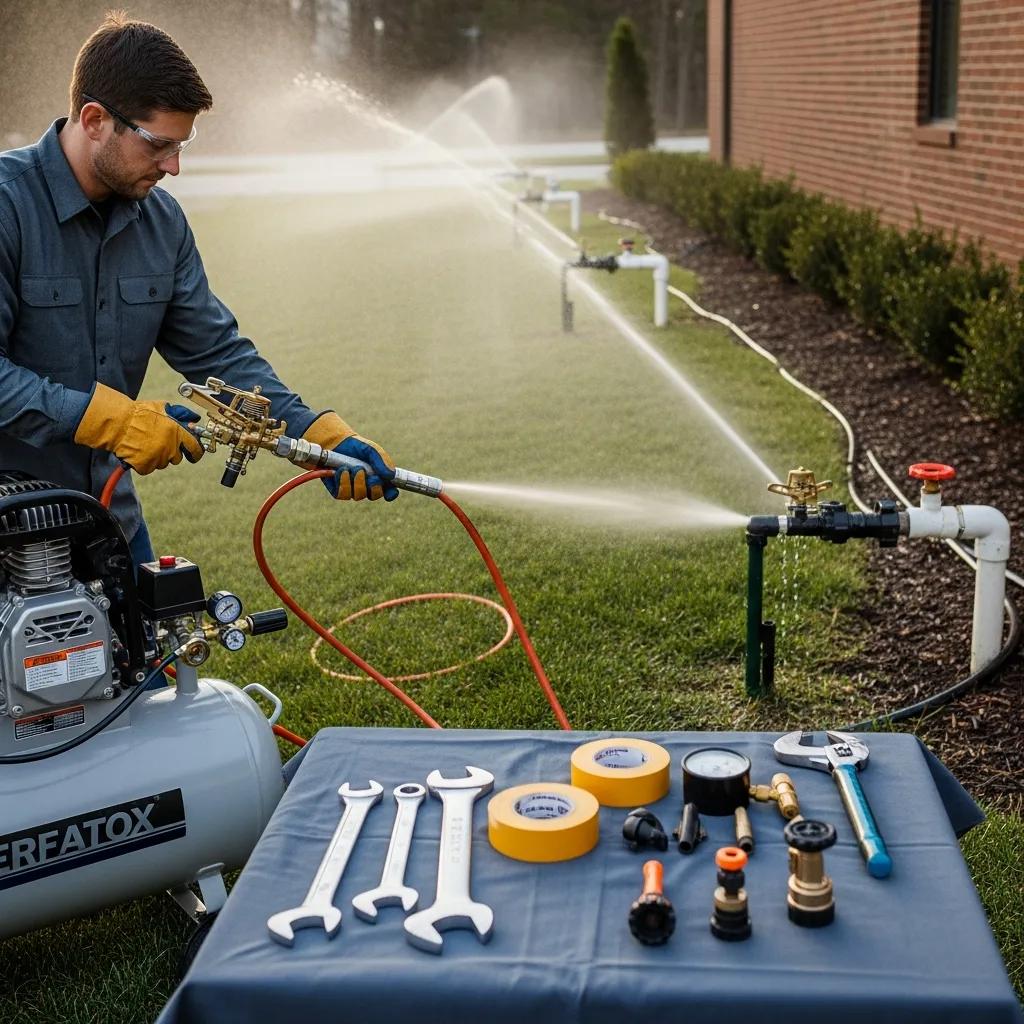
A correct fall winterization follows these steps: shut off the system’s water supply, open low points and drain valves, perform a zone-by-zone compressor blowout at safe pressures, and protect or bypass backflow preventers per local code and device design. Technicians first confirm the irrigation main is isolated from domestic water, then clear each zone with pressurized air while monitoring gauges to avoid over-pressurization. They close and secure valves, note weak fittings that need spring attention, and check low spots where water can collect. These measures reduce freeze risk and minimize spring surprises.
- Isolate and shut off the water supply before work begins.
- Drain low points and open test ports to remove trapped water.
- Blow out zones with controlled pressure; inspect and protect backflow devices.
When trained technicians handle winterization, the system is left dry and secured — preventing the emergency repairs we describe next.
Why Professional Winterization Prevents Frozen Pipes and Damage
Professional winterization matters because experienced technicians use calibrated procedures and correct equipment to remove water without over-pressurizing the system — a common cause of DIY damage. A pro assesses system age, pipe material and low-point drains, then adjusts blowout sequence and pressure to match those conditions and reduce micro-cracks that become major leaks. Skipping professional winterization can lead to burst mains or damaged valve banks in spring that cost far more than preventive service. Investing in professional winterization trades a small, predictable seasonal cost for avoidance of unpredictable, high-cost repairs.
Common Sprinkler System Problems and How They’re Repaired
Typical sprinkler problems include broken or misaligned heads, clogged nozzles, valve failures, controller issues and mainline leaks. Each problem has clear signs and targeted repairs to restore normal performance. Mainline leaks and buried pipe repair usually require plumbing expertise for leak detection and pipe replacement, while head replacement or nozzle cleaning are quick technician tasks. The diagnostic table below helps match symptoms to likely fixes and shows when to call a licensed professional. Following the table, we explain how to spot leaks and outline available repair services.
| Problem | Diagnostic Sign | Typical Fix |
|---|---|---|
| Broken sprinkler head | Visible stream or gushing water at the head | Replace head and adjust nozzle |
| Clogged nozzle | Reduced spray radius and uneven coverage | Clean or replace nozzle, flush line |
| Valve failure | Zone won’t activate or cycles intermittently | Test and replace solenoid or valve assembly |
| Mainline leak | Wet areas when system is off, high water bill | Leak detection and pipe repair by plumber |
This table helps you interpret symptoms and weigh repair options. The next section shows how to identify common signs during everyday use.
How to Spot Sprinkler Leaks and Broken Heads
Look for saturated turf when the system is off, sudden increases in water usage, puddles near valve boxes, visible jets during operation, or zones that miss intended coverage. Run each zone manually and watch for heads that spray unevenly, stream vertically, or sit crooked; note the zone numbers and head locations to speed technician diagnosis. Temporary steps include shutting off affected zones to avoid flooding and protecting exposed soil until repairs are scheduled. These checks help you decide whether a quick nozzle swap will do or if you need professional leak detection.
Sprinkler Repair Services from Frost and Kretsch Plumbing
Frost and Kretsch Plumbing handles plumbing-focused irrigation repairs: leak detection and mainline pipe repair, valve and solenoid replacement, backflow inspection and repair, and emergency response for burst lines or severe leaks. Our licensed, insured technicians work on pipes, valves, controllers and backflow devices, so we can fix underlying plumbing failures as well as visible head problems. We bring diagnostic tools for buried leaks and can coordinate temporary shutdowns to limit landscape and property damage during repairs. When symptoms suggest significant plumbing work, using a licensed, insured team with 24/7 availability reduces homeowner liability and downtime.
How Much Does Lawn Sprinkler Maintenance Cost in Michigan?
Maintenance cost depends on system size and number of zones, parts and materials required, accessibility of buried components, whether leak detection or mainline repair is needed, and timing (regular service vs emergency). Major cost drivers include backflow service, leak repair, controller programming and seasonal blowouts. The table below compares these components, the issues each addresses, and whether they typically push costs low, medium or high. After the table we explain how professionals can save you money over time by preventing escalated repairs.
Introductory table: an EAV comparison of service components and what influences their cost.
| Service Component | Typical Issue Addressed | Typical Cost Influence |
|---|---|---|
| Backflow testing/repair | Device leaks or fails to isolate | Medium |
| Leak detection and mainline repair | Hidden or buried leaks | High |
| Controller programming and minor tune-up | Incorrect schedules, nozzle adjustments | Low to Medium |
| Blowout winterization | Preventative freeze protection | Low to Medium |
This table highlights which services most strongly affect price. The following subsection breaks down the main pricing factors in practice.
What Factors Influence Seasonal Irrigation Check Pricing?
Key pricing factors are number of zones (more zones = more time), system age and complexity (older systems often need parts), accessibility (buried mains increase diagnostic time) and whether repairs are needed during the visit. Travel and scheduling across Macomb, Oakland and Wayne counties can affect on-site rates, and emergency or after-hours calls usually carry premiums. Parts like fittings, solenoids and replacement heads are extra material costs beyond labor. A transparent estimate separates labor and parts so you can compare offers and plan a maintenance budget.
- More zones increase inspection and testing time.
- Hidden leaks and buried mains raise diagnostic and repair costs.
- Emergency or off-hours service adds premium charges.
If you want a firm estimate for your system, contact a licensed provider like Frost and Kretsch Plumbing for an on-site quote; we’ll assess complexity and give transparent pricing based on local conditions.
Are Professional Services More Cost-Effective Than DIY?
Over time, professional services often cost less than DIY because technicians use specialized leak-detection and pressure-diagnostic tools that reduce misdiagnosis and repeat failures. DIY work can handle nozzle cleaning or simple head swaps, but tasks like mainline repairs, buried leak tracing, backflow service and properly calibrated blowouts require pro experience and equipment. For example, a missed micro-leak can lead to a pipe failure and a multi-thousand-dollar excavation, while an annual professional check that catches the leak early is typically a small fraction of that cost. For complex systems or freeze-prone yards, professional preventive maintenance is a smart investment.
Why Choose Frost and Kretsch Plumbing for Seasonal Sprinkler Services?
Frost and Kretsch Plumbing provides licensed, insured technicians with local experience across Macomb, Oakland and Wayne counties, 24/7 emergency service, transparent pricing and a 100% satisfaction guarantee — all important when protecting irrigation from seasonal weather extremes. Working with a licensed provider reduces homeowner liability and ensures code-aligned work on backflow devices and mainline repairs. Our local knowledge also guides timing — knowing typical first-freeze windows and thaw dates helps us schedule winterization and startups to match local conditions. The next subsection summarizes homeowner benefits tied to licensing, insurance and emergency availability.
Benefits of Licensed, Insured, 24/7 Emergency Sprinkler Services
Licensed, insured teams bring accountability, permitting knowledge and coverage that protects homeowners during on-site work, while 24/7 emergency availability minimizes landscape damage and indoor flooding risk when sudden failures occur. Licensing signals adherence to regional plumbing codes and training in backflow and mainline repair. Insurance protects both crew and property owner if something goes wrong. Emergency response capability lets technicians isolate and stabilize major leaks quickly, preventing further water damage and higher repair costs. Together, these benefits provide reliable seasonal maintenance and peace of mind.
Which Michigan Counties We Serve for Sprinkler Maintenance and Repair
Frost and Kretsch Plumbing serves Macomb County, Oakland County and Wayne County for seasonal sprinkler maintenance, repair and plumbing-related irrigation emergencies. Our local timing and weather awareness guide startup and winterization schedules. Homeowners in these counties get on-site assessments that reflect local soil conditions and common installation practices, which helps us deliver better-targeted repairs and timing. If you need an assessment or emergency response in these areas, our licensed, insured technicians and satisfaction guarantee support reliable seasonal irrigation care.
Frequently Asked Questions
1. How often should I schedule seasonal checks for my sprinkler system?
We recommend at least two seasonal checks per year: a spring startup and a fall winterization. Those visits keep the system running efficiently and prevent weather-related damage. Depending on system complexity or unusual performance, an extra mid-season check may help.
2. Can I winterize my sprinkler system myself, or should I hire a professional?
Some homeowners do DIY winterization, but hiring a professional is usually safer. Pros use calibrated equipment to remove all water without over-pressurizing the system and spot issues that an untrained eye can miss. Professional winterization reduces the risk of costly spring repairs.
3. What signs indicate that my sprinkler system needs repair?
Watch for uneven watering, visible leaks, unusually high water bills, or malfunctioning heads. Dry or overly saturated areas, or the sound of running water when the system is off, are red flags. Regular inspections catch these issues before they worsen.
4. How can I improve the efficiency of my sprinkler system?
Improve efficiency with regular maintenance: clean clogged nozzles, realign heads, and program the system seasonally. Upgrading to a smart irrigation controller that adjusts for weather can significantly reduce waste and lower bills.
5. What should I do if I suspect a leak in my sprinkler system?
Turn off the system to stop water loss, then visually check for wet spots, puddles near valves or obvious damage. If you can’t find the source, call a professional for leak detection — they have the tools to find and fix hidden leaks effectively.
6. Are there specific regulations for sprinkler systems in Michigan?
Yes. Michigan has regulations around backflow prevention and water use. Many local codes require backflow devices to protect the water supply. Work with licensed professionals who know local rules to ensure compliance and avoid fines.
7. How can I find a reliable sprinkler maintenance service in my area?
Ask neighbors for recommendations and check online reviews. Choose licensed, insured providers and look for companies that offer emergency service and satisfaction guarantees. Those factors indicate professionalism and accountability.
Conclusion
Regular seasonal checks are essential in Michigan to keep your sprinkler system efficient, prevent costly repairs and extend the life of irrigation components. Professional maintenance gives you confidence that your system is protected from seasonal weather risks. Don’t wait for problems to appear — schedule your spring startup or fall winterization to protect your landscape and budget. Contact Frost and Kretsch Plumbing for experienced, local service tailored to your needs.