
Rain Barrels: Benefits, Installation, Maintenance, and Harvesting Rainwater for Garden Use
Rain barrels are a simple, practical way to capture roof runoff through your gutters and downspouts so you can use that water in the garden. They cut down on stormwater runoff, ease pressure on local sewers, and give you a free source of soft, unchlorinated water for plants. This guide walks through how rainwater harvesting works, the clear benefits for home gardens and nearby ecosystems, step-by-step installation, routine maintenance and mosquito-prevention tips, product-selection guidance, and Michigan-specific notes. Whether you’re a weekend gardener or a landscape pro, you’ll find easy yield calculations, safe-use advice for irrigation, and guidance on when it’s time to move from a single barrel to linked systems or a cistern. We move from basic definitions to hands-on installation steps, seasonal checklists, model comparisons, and local rules that affect Grosse Pointe and surrounding Michigan communities—so you can make practical choices and know when to call a licensed pro.
What Are Rain Barrels and How Do They Support Rainwater Harvesting?
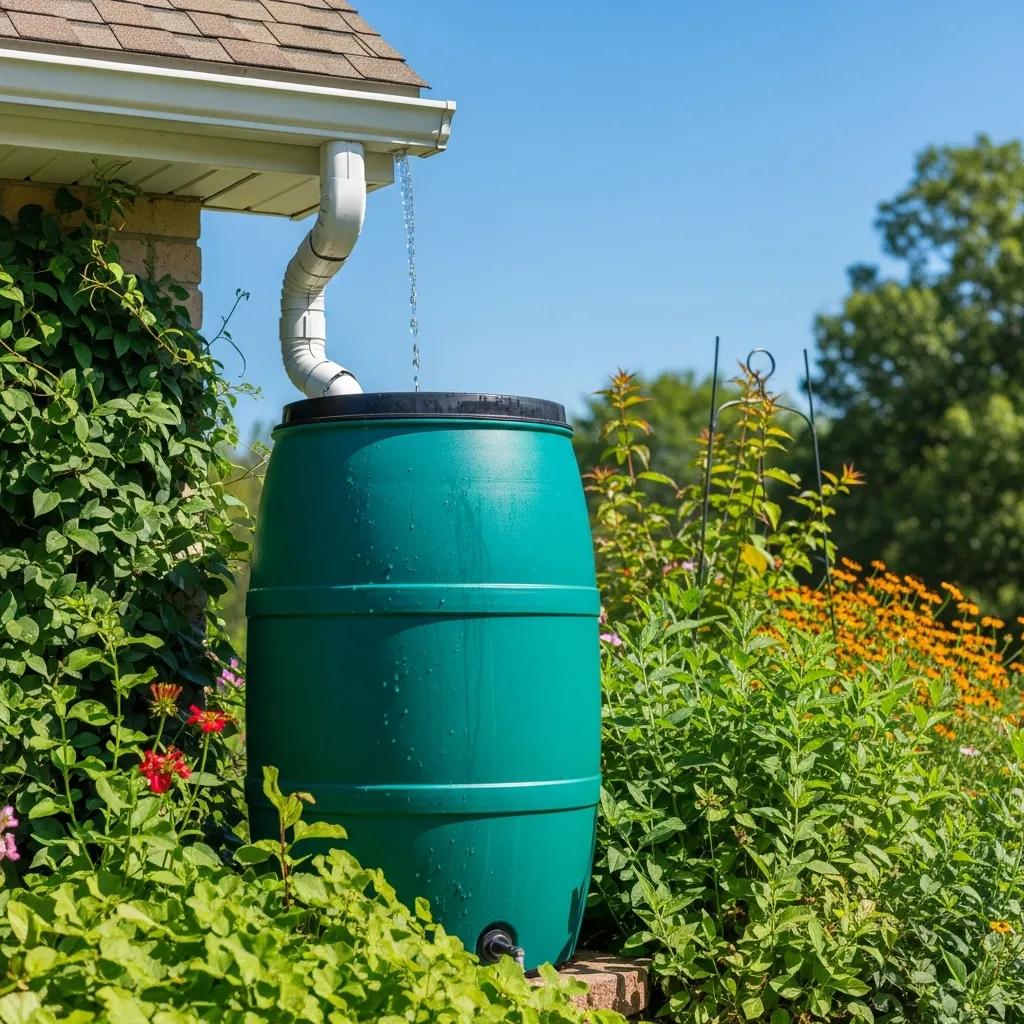
A rain barrel is simply a storage container placed beneath a downspout to capture roof runoff for later use in the garden. Gutters collect rainfall and send it down the downspout, a diverter or adapter directs some of that flow into the barrel, and a spigot or outlet lets you release water to a hose or watering can. The system is gravity-fed, easy to maintain, and helps conserve treated municipal water. Captured rainwater is typically slightly acidic and free of chlorine, which many plants prefer. Knowing the parts and how water flows through them explains why correct siting, overflow routing, and mosquito-proofing matter for a safe, efficient setup.
What Is a Rain Barrel and What Are Its Main Components?
Most rain barrels include a covered lid or fine mesh screen to keep out leaves and insects, an inlet or diverter for the downspout, a coarse filter or chamber to settle sediment, an outlet spigot for access, and an overflow outlet to send excess water away from your foundation. Materials range from recycled plastic and polyethylene to decorative wood or metal—a choice that affects durability and upkeep. A stand raises the barrel for better water pressure, and linking ports let multiple barrels work together for larger gardens. Together these parts form a compact harvesting system that needs periodic checks on seals, screens, and fittings to protect water quality and avoid problems.
How Does Rainwater Harvesting Work for Garden Use?
Rainwater harvesting starts with a catchment surface—usually your roof—whose area and the rainfall amount determine potential yield (roof area × rainfall × runoff coefficient). Water flows from gutters into a diverter or downspout adapter and into the barrel; heavier particles settle and screens keep debris out. You can use the stored water with a gravity-fed hose or watering can, or add a small pump for drip irrigation on larger beds. Remember: harvested rainwater is non-potable, so use it for ornamental plants, lawns, and vegetables with common-sense hygiene measures.
What Are the Key Benefits of Using Rain Barrels for Your Garden?
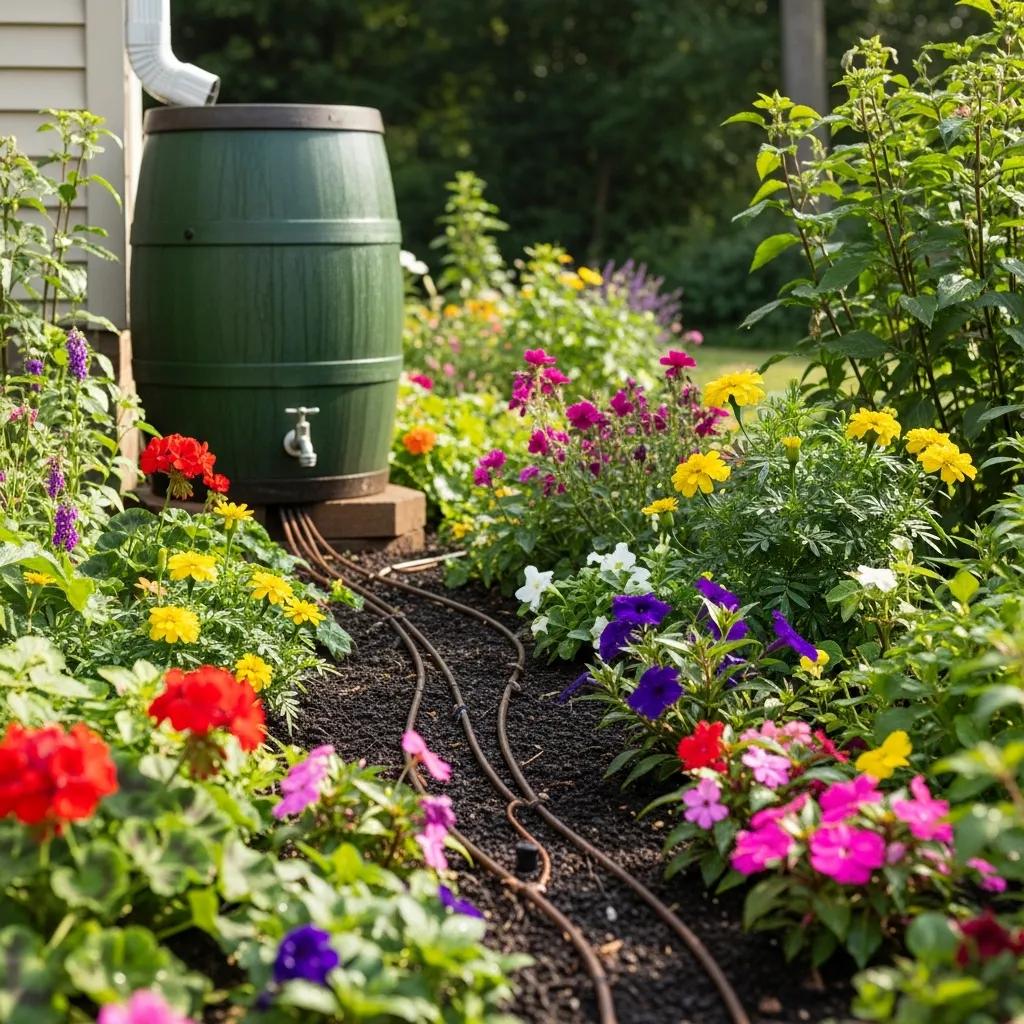
Rain barrels save water, lower outdoor watering bills, reduce stormwater runoff that causes erosion and pollution, and give plants soft, untreated water that can help soil life and plant vigor. Together these benefits improve resilience during dry spells, lessen strain on storm systems during heavy rains, and protect local waterways by cutting pollutant-laden runoff. Practical estimates in the table below show typical gallons saved and other impacts to help you decide whether a single barrel or a linked array fits your landscape.
Rain barrels offer these primary advantages:
- Water Savings: Capture rain for irrigation and reduce municipal water use.
- Stormwater Reduction: Lower peak runoff and reduce erosion risk.
- Plant Health: Provide chlorine-free water that can benefit soil biology and plant growth.
These benefits create both economic and ecological value for residential landscapes and help homeowners decide how to size their systems.
Different benefits translate into measurable outcomes for homeowners and communities.
| Benefit | Attribute | Typical Value |
|---|---|---|
| Water Savings | Annual gallons saved (per 50-gal barrel) | ~1,300 gallons/year estimate under moderate rainfall |
| Cost Reduction | Reduced municipal watering cost | Varies by local rates; lowers seasonal outdoor bill |
| Runoff Mitigation | Peak runoff reduction | Decreases local street/driveway runoff and erosion risk |
This table illustrates how a properly used barrel contributes to household savings and neighborhood stormwater management. If you have larger water needs or higher runoff goals, scale up with more barrels or a cistern.
How Do Rain Barrels Contribute to Water Conservation and Cost Savings?
Rain barrels reduce potable water use by substituting captured rain for garden irrigation, which is most helpful during the growing season when outdoor demand peaks. For example, a 1,000 sq ft roof collecting one inch of rain yields roughly 600 gallons—so a 50-gallon barrel will collect a portion of that each storm and add up over the season. Actual savings depend on local rainfall and how much you irrigate, but even modest capture cuts the frequency and volume of municipal watering, lowering seasonal bills and easing pressure on local supply. Think about seasonal patterns and storage limits when deciding whether to use a single barrel or link several for more retention.
In What Ways Do Rain Barrels Help Reduce Stormwater Runoff and Protect Local Ecosystems?
Keeping rain on your property reduces the volume and speed of runoff that carries urban pollutants into lakes and streams, lowering sediment and nutrient loads that fuel algal growth. Stored water reduces peak flows during storms, helping prevent erosion near foundations, yards, and streambanks, and it can reduce combined sewer overflows in older systems. In Michigan’s neighborhoods, cutting runoff helps protect lakes and rivers from road oils, fertilizers, and other contaminants—improving aquatic habitat. The environmental benefits grow as more homeowners adopt simple capture systems and direct overflow into vegetated areas or proper drains.
How To Install a Rain Barrel: Step-by-Step Guide for Homeowners
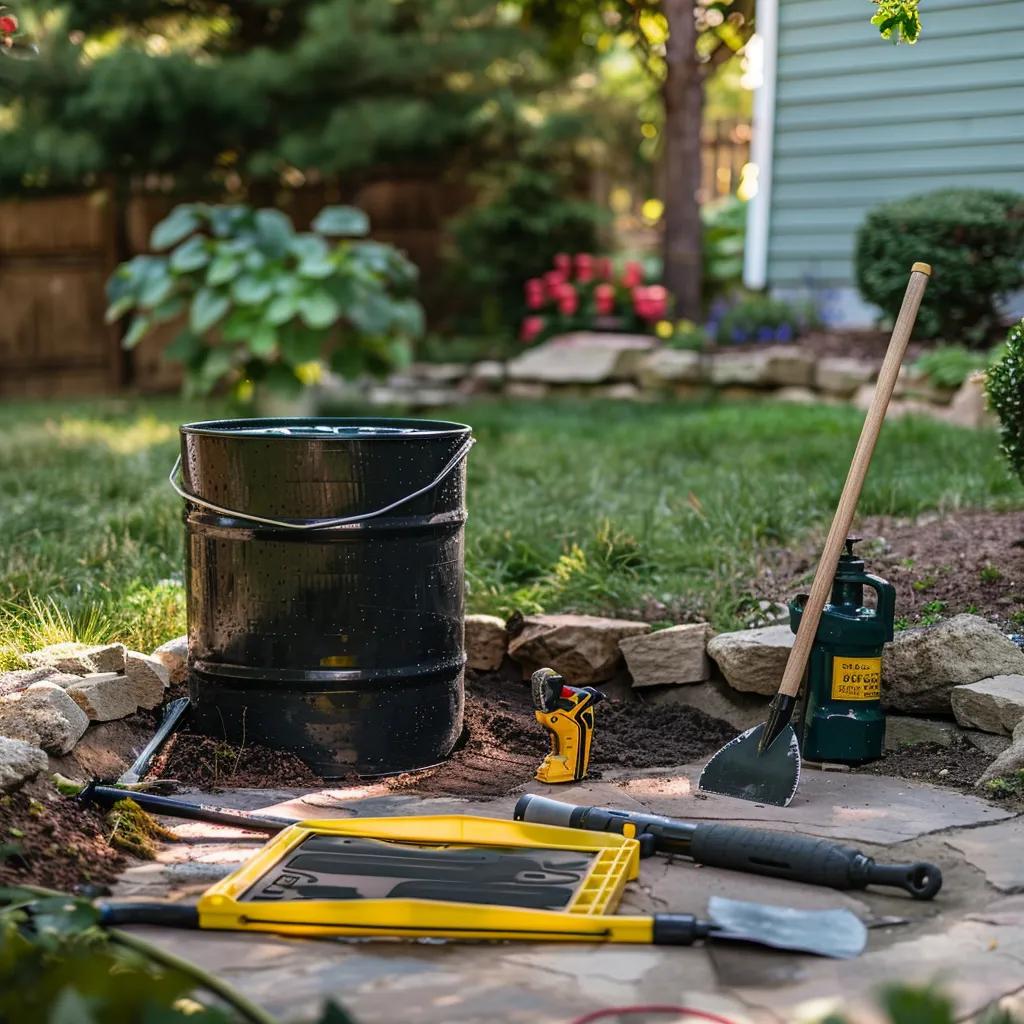
Installing a rain barrel means choosing a stable spot, preparing a level pad or stand, fitting a downspout diverter or cutting the downspout for an adapter, securing screens, routing overflow safely, and testing the system for leaks. Place the barrel so overflow goes away from your foundation and so the barrel can gravity-feed to your watering tools—this reduces the need for pumps and potential failure points. Proper mounting improves safety and makes the spigot easier to use. The table and checklist below list the tools, estimated time, and difficulty for each core step to help you decide whether to DIY or call a pro.
Essential tools and materials for installation are:
- Level and shovel: To prepare a compact, level pad.
- Concrete pavers or stand: To elevate the barrel for better water pressure.
- Downspout diverter kit: To route water from the downspout into the barrel.
Having these items ready makes installation safer and smoother and sets you up for the overflow and routing steps described next.
| Installation Step | Tool Required | Estimated Time |
|---|---|---|
| Site preparation | Level, shovel, pavers | 30–60 minutes |
| Diverter installation | Drill, diverter kit | 30–45 minutes |
| Final hookup & testing | Wrench, screens, spigot | 15–30 minutes |
This table helps you budget time and effort; call a professional if routing overflow to existing drains or making permanent downspout changes feels complex.
What Are the Essential Tools and Materials Needed for Rain Barrel Installation?
A lean toolkit keeps installation quick: level, shovel, crowbar, silicone sealant, a diverter sized to your downspout, coarse mesh screens, a sturdy stand or paving stones, and hoses or fittings for your irrigation setup. Material choice matters—UV-stabilized polyethylene resists sun damage, while wooden or metal barrels look nice but need more care. Wear gloves and eye protection when cutting or sealing, and use a helper for lifting. Laying out materials in advance shortens the job and reduces mistakes that can cause leaks or poor overflow control.
What Are the Detailed Steps to Properly Set Up a Rain Barrel System?
Typical installation steps: build a level pad or place a stand; cut and adapt the downspout or install a diverter; install the inlet screen and fittings; attach the spigot and any connectors; then run a controlled fill to check overflow routing. Link multiple barrels with inline hoses or connector kits if you need more capacity, and consider a small pump for drip irrigation or remote beds. Always manage overflow so it drains away from foundations into planted areas or approved drains. If overflow needs to tie into existing drainage or sewer lines, have a licensed plumber review the work to ensure compliance and prevent foundation damage.
When overflow connects to existing systems, homeowners should consider professional assessment to avoid drainage errors and foundation risks.
Frost & Kretsch Plumbing can inspect complex overflow routing and provide estimates for foundation-related drainage work; our licensed pros evaluate connections and recommend solutions that protect structures while keeping your rainwater system effective.
How To Maintain Your Rain Barrel for Optimal Performance and Longevity
Routine upkeep keeps water clear, prevents pests, and extends barrel life. Schedule spring cleaning to remove sediment, check and repair seals, clear gutters and screens, and winterize by draining or storing barrels depending on your climate. Regular checks for leaks, cracked fittings, and spigot function prevent waste and damage—replacing a washer or seal is cheap and quick. Flush sediment seasonally and keep overflow paths clear so water never pools near foundations. A short seasonal checklist saves time and keeps your system ready when you need it.
Maintenance practices include the following checklist:
- Inspect and clean mesh screens and inlets every spring.
- Flush accumulated sediment from the barrel twice per season.
- Empty or insulate barrels before hard freezes to prevent cracking.
These recurring tasks keep systems reliable and lead naturally into mosquito-prevention steps.
What Are the Best Practices for Regular Cleaning and Winterizing Rain Barrels?
Start spring with a full clean: remove lids and screens, scoop or vacuum settled sediment, scrub interior walls with a non-toxic brush, and rinse before refilling. For winter, either disconnect and store barrels upright in a sheltered spot or fully drain and cap overflow lines while keeping screens in place. Inspect seals, spigots, and stands for wear so freeze-thaw cycles don’t cause damage. Good winter care preserves materials and fittings, making spring startup quick and reducing replacement needs.
How Can You Prevent Mosquito Breeding and Ensure Water Quality in Rain Barrels?
Prevent mosquitoes with fine mesh screens on the inlet and overflow, a tight-fitting lid, and by avoiding open containers nearby. Sealed systems and regular water use often prevent larvae from establishing. If needed, use biological larvicides like mosquito dunks in areas where you’re not irrigating edible crops, but many gardeners rely on screens and turnover alone. A first-flush diverter and basic filtration help reduce debris and organics that can degrade water quality. For vegetable beds, avoid chemicals—mechanical screening and regular use keep irrigation water safe.
Which Are the Best Rain Barrels for Garden Use and How to Choose Them?
Pick a barrel based on capacity, durability, built-in features (diverter, screen, spigot), and how it fits into your yard’s look. Common choices include recycled plastic barrels, decorative resin models, and modular linkable tanks. Small patios and container gardens usually suit 20–50 gallon barrels, while large vegetable plots benefit from 50–100 gallon barrels or multiple linked units. Accessories—stands, pumps, and filter kits—shape how you’ll use the water and connect with drip systems. The table below compares common models and features to help you choose.
Consider these accessory priorities when choosing a barrel:
- Diverter compatibility: Makes connection to standard downspouts quick and easy.
- Screen quality: Fine mesh stops insects and most debris.
- Elevation stand: Gives better water pressure and easier access for buckets or hoses.
These factors determine whether a barrel suits a small balcony or a larger landscape; the comparison table shows typical tradeoffs.
| Rain Barrel Model | Capacity | Material | Feature |
|---|---|---|---|
| Standard 50-gal | 50 gal | Recycled plastic | Diverter included |
| Decorative Resin | 60–75 gal | UV-stable resin | Aesthetic finish, screen top |
| Linkable Modular | 100+ gal (stackable) | Polyethylene | Ports for connecting multiple barrels |
Smaller barrels are easy to site and use, decorative units blend with landscaping, and modular systems scale for larger needs—pick the features that match how you water.
What Types and Sizes of Rain Barrels Are Suitable for Different Garden Needs?
Match barrel size to your watering demand: balcony and window-box gardeners do well with compact 20–50 gallon units that are easy to move, while suburban vegetable growers often choose 50–100 gallon barrels or linked arrays to bridge dry spells. Material matters for longevity—UV-resistant polyethylene holds up with little care, while wood or metal give a classic look but require more upkeep. If your landscape needs lots of water or you get unpredictable rainfall, consider modular systems or a cistern upgrade to increase storage and drought resilience. Good sizing balances catchment area, desired storage, and available space.
What Accessories Enhance Rain Barrel Functionality and Ease of Use?
Accessories turn a barrel into a useful irrigation source: downspout diverters capture water without permanent downspout changes, stands increase gravity pressure for hoses and buckets, inline pumps hook barrels to automated drip systems, and first-flush diverters send the dirtiest water away. Filters and fine-mesh screens protect water quality and keep pests out, while quick-connect hose fittings speed daily watering. For manual watering, spigots and buckets work fine; automated systems often need a small pump and pressure regulator. The right accessories depend on garden scale and how you prefer to water.
What Local Regulations and Resources Should Michigan Homeowners Know About Rain Barrels?
Michigan generally allows residential rain barrels, but local codes and neighborhood rules vary—check with your city or county before making permanent downspout changes. State guidance supports small-scale, non-potable capture, but municipalities may have specific rules about overflow routing, drainage, or reservoir placement. Extension services, community programs, and local nonprofits sometimes offer rebates, workshops, or bulk discounts—contact regional resources to confirm compliance and find supplies. When overflow routing or foundation drainage looks complex, consult a licensed professional for a site-specific review.
Are Rain Barrels Legal in Michigan and What Incentives Are Available?
Yes—rain barrels are broadly legal in Michigan and are commonly used for non-potable irrigation. Incentives or rebates, however, vary by municipality and change over time. Check with your city, county, or local watershed group for current programs or cost-share opportunities. Because rules differ, confirm with local authorities before altering downspouts or stormwater connections. If you’re unsure, a professional site assessment can clarify allowed configurations and any paths to incentives.
Where Can Grosse Pointe Residents Find Support and Supplies for Rainwater Harvesting?
Grosse Pointe residents can find diverter kits and barrels at hardware and garden centers, shop online for specialty systems and pumps, and look to regional extension services or local nonprofits for workshops and guidance. For questions about overflow routing near foundations, drainage inspections, or tying systems into existing sump pumps, contact licensed local professionals for an on-site evaluation. Frost & Kretsch Plumbing serves the Grosse Pointe area and nearby Michigan counties and can help with plumbing, drainage, and installation questions when projects get complex.
This completes the step-by-step guidance and local resource overview for Michigan homeowners thinking about rainwater harvesting.
Frequently Asked Questions
1. How much rainwater can a typical rain barrel collect?
That depends on your barrel size and the roof area feeding it. For example, a standard 50-gallon barrel can help capture roughly ~1,300 gallons per year under moderate rainfall—based on a 1,000 sq ft roof receiving one inch of rain. Use your roof area and local rainfall to estimate your likely yield.
2. Can rainwater collected in barrels be used for drinking?
No. Water from standard rain barrels is considered non-potable and not safe to drink. It’s best for watering ornamentals, lawns, and vegetables if you use sound hygiene practices. If you want potable water, you’ll need proper filtration and treatment systems beyond a simple rain barrel.
3. What should I do if my rain barrel overflows?
Make sure your barrel has a clear overflow route that directs excess water away from the house foundation—either to a planted area, a gravel swale, or an approved storm drain. Use a hose or pipe on the overflow outlet if needed, and keep the outlet clear of debris so it works during heavy rain.
4. How can I ensure my rain barrel is mosquito-proof?
Use fine mesh screens on the inlet and overflow, keep lids sealed tightly, and eliminate nearby open containers. For added protection in non-edible gardens, biological larvicides like mosquito dunks can be used, but most homeowners find that well-sealed systems and regular turnover prevent breeding.
5. What are the signs that my rain barrel needs maintenance?
Look for visible leaks, noticeable sediment buildup, foul smells, or a spigot that won’t operate smoothly—these are signs it’s time to clean or repair fittings. Regularly inspect screens, seals, and hoses and perform seasonal cleanings to keep the system functioning well.
6. Are there any specific local regulations for rain barrels in Michigan?
Rain barrels are generally allowed in Michigan, but local rules vary. Check with your city or county for specifics about installation, overflow management, and any permits or restrictions. Some municipalities may also offer grants or rebates—ask local officials or watershed groups for current programs.
7. How can I connect multiple rain barrels for increased capacity?
Connect barrels using linking ports, inline hoses, or connector kits so they fill together and share storage. Position barrels at the same level to aid gravity flow, and consider a first-flush diverter to keep the initial, dirtier runoff out of the tanks.
Conclusion
Rain barrels are a simple, effective step toward a more sustainable garden: they save water, reduce stormwater runoff, and can improve plant health. For homeowners ready to try it, start with one well-sited barrel and add capacity as needed. If you want help with installation, overflow routing, or drainage concerns, we’re here to help—explore quality barrels and accessories or contact a local pro to get started.