Preventative Drain Maintenance for Homeowners — How to Avoid Clogs and Keep Your Plumbing Lasting Longer
Clogged drains cost homeowners time, money, and a lot of stress. The simplest way to avoid slow fixtures, backups, and surprise emergency calls is regular preventative drain care. This guide walks Grosse Pointe homeowners through the common causes of clogs, practical weekly habits you can do yourself, safe cleaning options, and clear signs that it’s time to call a pro. You’ll learn how grease, hair, soap scum and roots create blockages, which DIY steps work best, and when camera inspections or hydro-jetting are the right solutions. We also cover eco-friendly choices like baking soda with vinegar and enzyme cleaners, plus an annual maintenance checklist to help reduce emergency visits. Read on for step-by-step DIY actions, simple triage tables, and local service options when professional help is needed.
What Are the Common Causes of Drain Clogs in Homes?
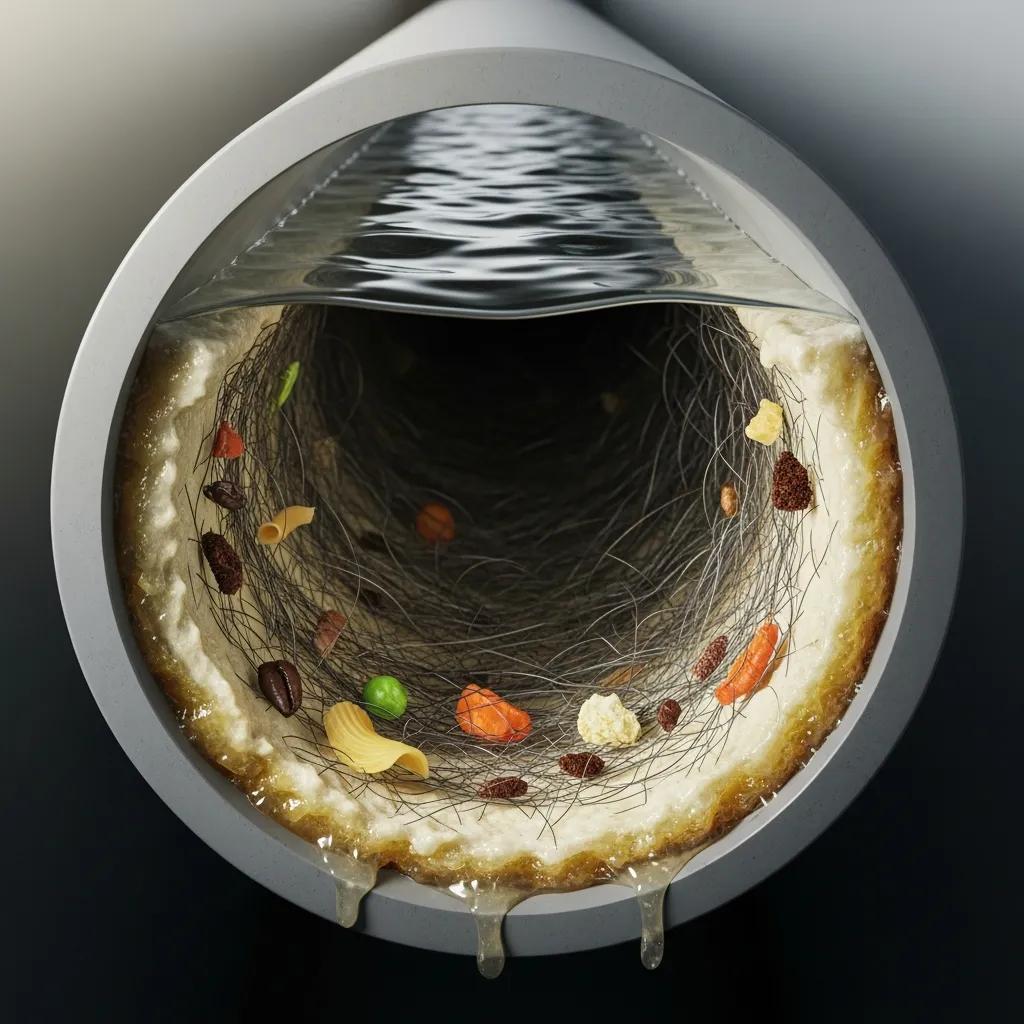
A clog happens when debris builds up inside pipes or traps and restricts water flow. Most blockages form from material sticking to pipe walls or collecting in the P-trap. Grease, hair, soap scum and mineral deposits often combine to narrow pipes over time, while roots or damaged sewer lines create more serious problems. Knowing whether a slow drain is limited to one fixture or affects several tells you whether a DIY fix is realistic or a plumber should be called. Below are the top household clog causes and a quick note on whether each is normally DIY-fixable.
Common causes of household drain clogs include:
- Grease and food scraps — Warm oils cool and solidify, creating sticky deposits in kitchen drains.
- Hair and soap scum — Hair tangles with residue in bathroom drains and slows flow.
- Foreign objects and debris — Small items or too much paper can block traps or pipes.
- Mineral scale and sediment — Hard water leaves deposits that reduce pipe diameter over time.
- Tree roots and sewer issues — Roots enter joints or cracks in sewer lines and cause major blockages.
Each cause varies in urgency and remedy. Understanding how the clog formed helps you prioritize prevention and choose the right response.
How Do Grease and Food Scraps Contribute to Kitchen Drain Blockages?
Grease and food waste lead to blockages because fats and oils poured down the sink cool and congeal, forming a sticky film that traps food particles. A quick rinse won’t remove this residue — it builds up and can overwhelm disposals over time. Simple kitchen precautions work well: collect grease in a container, wipe pans before washing, and use a sink strainer to catch solids. Run hot water after dishwashing and consider occasional enzyme treatments to keep organic films from forming. Avoid putting fibrous or starchy waste in the disposal to lower your risk of clogs.
Why Is Hair a Major Factor in Bathroom Drain Clogs?
Hair causes bathroom clogs because strands tangle and settle in the P-trap or pipe bends, then bind with soap scum and minerals into dense lumps that slow drainage. The problem often starts as a slightly slower shower and gets worse as more hair accumulates. Install hair catchers, brush or comb before showering, and remove hair from strainers regularly. If clogs keep returning despite these habits, the buildup is likely deeper in the line and may need a mechanical snake or a professional inspection to fully clear.
How Can Homeowners Perform Effective DIY Drain Maintenance?
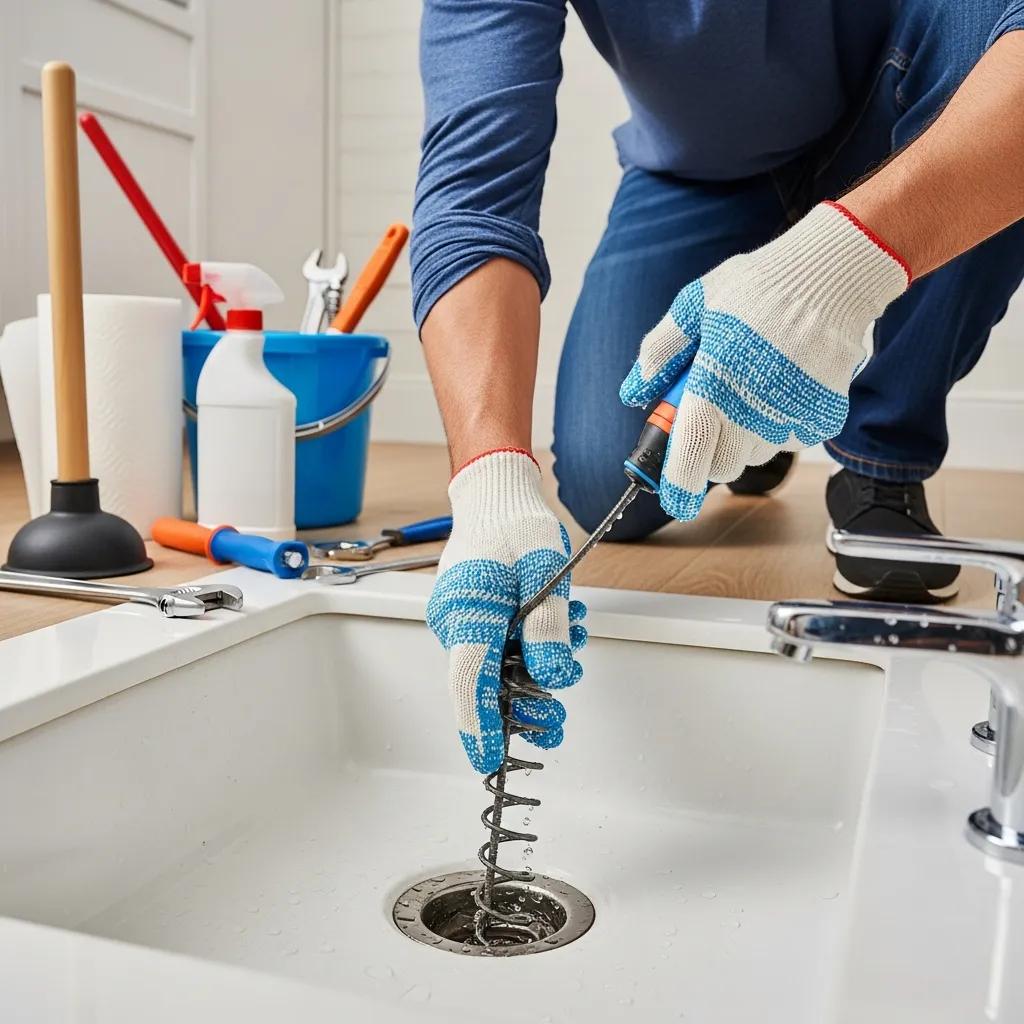
DIY drain care is about steady, safe habits and the right tools so buildup never becomes a major blockage. The approach is simple: stop debris from entering the pipes, flush organic films regularly, and remove early clogs before they harden. Weekly hot-water flushes for the kitchen, frequent strainer cleaning, and periodic enzyme treatments handle most organic buildup. The table below compares common DIY tools and methods so you can pick the simplest, safest routines for your home.
| Tool/Method | Best Use Case | Frequency |
|---|---|---|
| Drain strainer | Catch food scraps and hair at sink or tub | Daily / after use |
| Plunger | Dislodge localized clogs in sinks or toilets | As needed |
| Drain snake (hand auger) | Remove hair and small obstructions within reach | As needed (occasional) |
| Hot water flush | Soften grease films in kitchen drains | Weekly after dishwashing |
| Enzyme cleaner | Break down organic residue safely | Monthly or per product directions |
These simple tools and habits prevent most organic clogs. Using strainers and running hot water regularly keeps many problems from ever needing a tool.
Below is a short, repeatable checklist to make maintenance easy.
- Clear strainers and screens: Empty sink and shower strainers after each use to stop buildup at the source.
- Run hot water: After washing dishes, run hot water for about one minute to flush grease toward the sewer before it cools in the pipe.
- Use enzyme cleaners: Apply enzyme-based treatments monthly to digest organic films without harming pipes.
- Employ a plunger or snake: Try a plunger first on slow drains; if that fails, use a hand auger to reach and remove the clog.
These steps are quick to do and greatly reduce the chance of a severe clog. The next section covers cleaning details like baking soda with vinegar and safe tool use.
What Are the Best Practices for Using Drain Strainers and Hair Catchers?
Strainers and hair catchers stop solids before they enter your plumbing — but they only work if they fit and are cleaned regularly. Choose a strainer matched to the drain: flat screens for kitchen sinks and mesh or dome catchers for showers. Make sure it sits snugly and clean it daily or after heavy use. Rinse and sanitize to prevent odors and bacteria. Pair strainers with good habits — wipe pans, avoid pouring grease, and brush hair before showering — and you’ll cut down on mechanical clearing later.
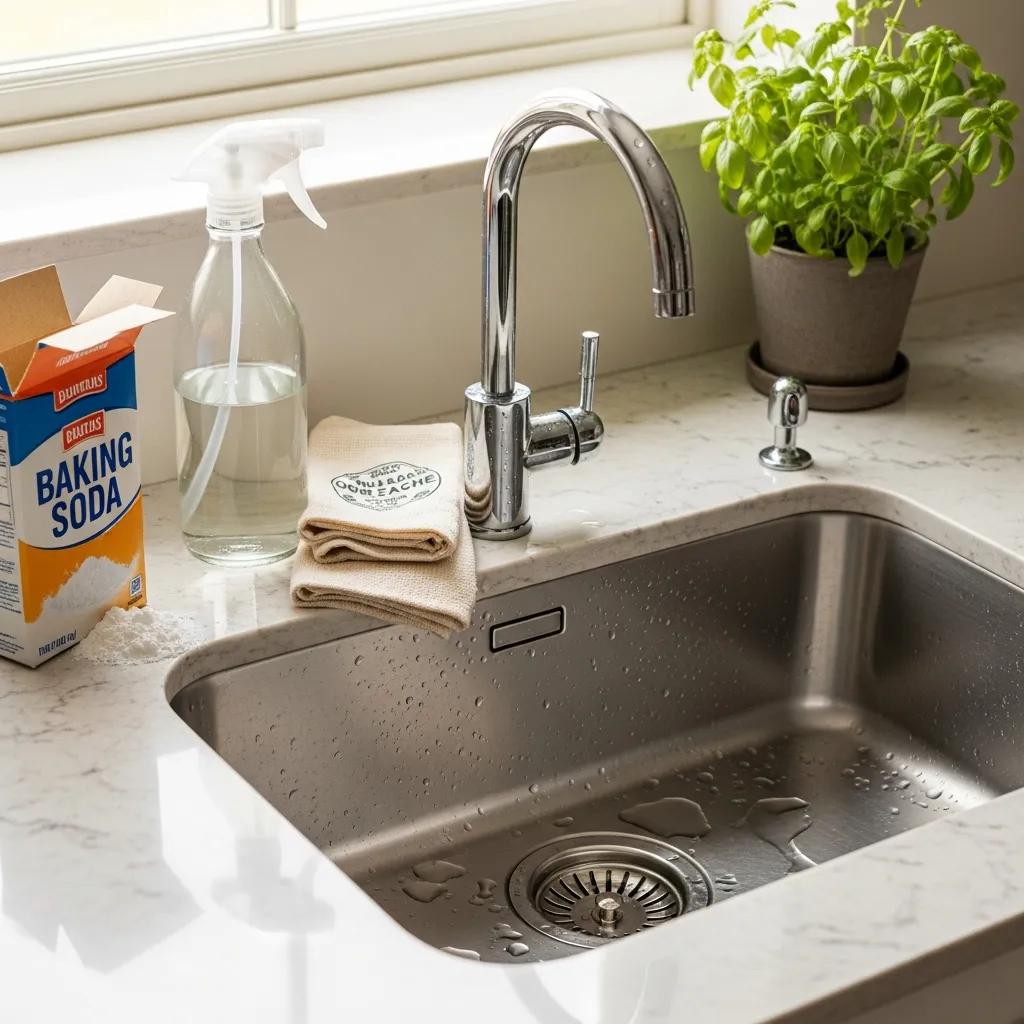
How to Use Baking Soda and Vinegar for Natural Drain Cleaning?
The baking soda and vinegar method uses a mild fizzy reaction to loosen light organic residue and remove odors. It works mostly by agitation, followed by a hot-water flush. Pour about 1/2 cup baking soda into the drain, add 1/2 cup white vinegar, wait 15–30 minutes for fizzing, then flush with several liters of hot (not boiling) water. This is useful for light buildup and smells but won’t clear hardened grease, heavy mineral scale, or deep blockages. Use it monthly for maintenance and never mix this method with commercial chemical cleaners — if it doesn’t work, switch to mechanical clearing or call a professional.
When Should You Call Professional Drain Cleaning and Inspection Services in Grosse Pointe?
Call a professional when the problem is beyond safe DIY repair or when several fixtures are affected. Issues like root intrusion, collapsed or cracked pipes, and hardened grease often require professional tools and diagnostics. A camera inspection will identify structural problems before excavation becomes necessary. The table below helps you match common symptoms to likely causes and the right next steps so you can decide whether to call a technician.
| Issue / Sign | Possible Cause | Recommended Action |
|---|---|---|
| Multiple slow drains | Main sewer blockage or partial collapse | Schedule a professional inspection |
| Sewage backup or strong odor | Sewer line break, clog, or root intrusion | Stop water use and call a plumber immediately |
| Recurrent single-drain clogs | Local buildup, disposal misuse, or trap clog | Try mechanical removal; call a pro if it keeps returning |
| Gurgling toilets or sinks | Venting issue or partial blockage | Inspect vents and sewer line with a camera |
| Standing water / slow flushing | Severe blockage or pipe damage | Professional hydro-jetting or repair |
Red-flag signs that usually require a plumber include persistent backups, sewage odors, gurgling across multiple fixtures, visible pooling, or repeated clogs after DIY attempts. For urgent issues that risk property damage or health concerns, calling a licensed plumber is the safest move. While you wait, stop using water and isolate affected fixtures to limit damage.
What Are the Signs That Indicate the Need for Expert Plumbing Help?
Look for multiple slow drains, sewage smells inside the house, recurring backups, visible pooling, or loud gurgling when fixtures run — these often point to sewer-line problems or advanced blockages. Sewage backups are urgent and need immediate attention. A single slow drain can sometimes be handled at home, but document what you see and when it started; those details help technicians diagnose the issue faster during an inspection.
How Do Sewer Camera Inspections and Hydro-Jetting Prevent Serious Drain Issues?
Sewer camera inspections let a technician see the inside of your pipes to find blockages, root intrusion, cracks, or bad joints without digging. Hydro-jetting uses high-pressure water to cut through grease, roots, and scale, restoring pipe diameter and improving flow without caustic chemicals. Together these tools treat the root cause instead of just removing surface debris, reducing the chance of repeat clogs and costly emergency repairs.
Frost & Kretsch Plumbing in Grosse Pointe provides residential and commercial sewer and drain services, including sewer video inspections and hydro-jetting. They offer 24/7 emergency availability and clear, upfront estimates. Their licensed technicians diagnose whether a camera inspection or hydro-jetting is the best next step and handle everything from routine maintenance to larger repairs or excavation when needed. If you notice red-flag signs like backups or sewage odors, schedule a professional inspection to find and fix the root cause efficiently.
What Are the Best Practices for Annual Home Plumbing and Drain Maintenance?
Annual and seasonal plumbing care prevents emergencies and extends the life of your system by addressing wear, scale buildup, and seasonal stresses. Regular maintenance finds early problems — partial blockages, corroded fittings, or sediment — before they fail completely. A good annual plan includes a professional inspection, hydro-jetting when recurring organic buildup is present, and a water heater service to manage sediment and pressure. The table below lays out typical tasks, their purpose, and recommended timing to help you plan.
| Task | Purpose | Recommended Frequency |
|---|---|---|
| Professional drain inspection | Find hidden blockages and pipe damage | Annually or as needed |
| Hydro-jetting (if needed) | Remove hardened grease, roots, and scale | Per inspection recommendation |
| Water heater flush | Remove sediment and improve efficiency | Annually |
| Sump pump test | Confirm operation before wet seasons | Twice yearly (spring and fall) |
| Pipe insulation / freeze checks | Prevent freeze damage in winter | Annually before cold weather |
Following this schedule lowers the chance of emergency repairs and helps you budget for needed work instead of reacting to failures.
If you’d rather not manage these items yourself, many local providers offer annual maintenance packages that bundle inspections, drain cleaning, and water heater service into one visit. Frost & Kretsch Plumbing recommends scheduled inspections and can perform routine maintenance — including camera inspections and hydro-jetting when indicated — so your system runs reliably and you get clear, upfront pricing. Regular professional attention documents your plumbing’s condition over time, making it easier to prioritize repairs and upgrades before they become emergencies.
How to Create a Seasonal Plumbing Care Checklist for Your Home?
A seasonal checklist groups tasks by room and weather-related risk so you can take the right steps at the right time. Spring should focus on sump pumps and basement drainage; summer on irrigation and outdoor spigots; fall on pipe insulation and clearing gutters; and winter on freeze protection and indoor temperature control. Keep records of inspections and services to spot trends like recurring clogs or gradual flow reduction that point to deeper issues. A written schedule with reminders makes upkeep manageable and ensures professionals are called when needed.
Why Is Regular Water Heater Maintenance Important for Plumbing Longevity?
Water heater care matters because sediment and incorrect temperature settings can create pressure changes, scale, and corrosion that stress pipes and fixtures. Flushing the tank annually removes sediment that reduces efficiency and shortens equipment life, and checking the temperature and pressure-relief valve prevents unsafe pressure buildup. A professional can also spot leaks, corrosion, or a depleted anode rod that signal replacement is needed. When in doubt, schedule a service visit so small water heater issues don’t turn into bigger plumbing problems.
Which Eco-Friendly and Safe Drain Cleaning Solutions Are Recommended for Homeowners?
Eco-friendly drain cleaning focuses on removing organic buildup without harming pipes or the environment. Biological or thermal methods — not strong caustics — are the preferred approach. Safe routine choices include hot water flushes, baking soda with vinegar for light residue, and enzyme-based cleaners that break down organic films. The table below compares common options by effectiveness and risk so you can pick what’s right for your pipes and your clog.
| Product/Approach | Characteristic | Benefit / Risk |
|---|---|---|
| Baking soda + vinegar | Mild fizzy reaction | Good for odors and light buildup; low risk |
| Enzyme cleaner | Biological breakdown | Targets organic films; pipe-safe and eco-friendly |
| Hot water flush | Thermal softening | Dissolves grease films; avoid boiling on PVC |
| Chemical drain cleaner | Caustic agents | Fast on heavy clogs but risks pipe damage and environmental harm |
Overall, enzyme cleaners and hot-water flushes balance effectiveness with pipe safety. Harsh chemical cleaners should be a last resort because they can damage plumbing and the environment.
Frost & Kretsch Plumbing prefers and recommends eco-friendly methods like enzyme cleaners and non-corrosive approaches when appropriate. During an inspection we’ll advise which option is safest for your pipe materials and the type of clog you have. We can also set a maintenance schedule for enzyme treatments or perform targeted cleaning with minimal environmental impact. Choosing safe, sustainable practices helps protect your plumbing and the environment.
What Are the Benefits of Using Enzyme Cleaners Over Harsh Chemicals?
Enzyme cleaners use biological enzymes to break down fats, proteins, and carbohydrates over time, clearing organic buildup without corroding metal or plastic pipes. They’re safe for septic systems, produce no toxic fumes, and work well as part of a monthly maintenance routine. Enzyme products act more slowly than caustic chemicals, so they’re best for prevention and mild clogs rather than hard blockages that need mechanical clearing. For long-term pipe health and a smaller environmental footprint, enzyme treatments are a smart choice.
How to Safely Perform Hot Water Flushes to Maintain Clear Drains?
Hot water flushes soften grease and move loosened residue down the line. Run hot tap water or carefully pour heated (not boiling) water down the drain for one to two minutes after dishwashing or disposal use. Don’t use boiling water on PVC, which can warp plastic — use very hot tap water instead. Do weekly hot flushes for kitchen sinks and occasional rinses for bathroom drains. If hot-water flushing doesn’t restore flow, the blockage is likely deeper and will need mechanical or professional attention.
- Bake the basics into a routine: Use strainers, run hot flushes, and apply enzyme cleaners on a schedule to manage organic buildup.
- Avoid harsh chemistry: Choose enzyme-based products for regular maintenance and save professional cleaning for severe blockages.
- Know when to call a pro: Recurrent clogs, sewage odors, or multiple slow drains mean it’s time for an inspection and possibly hydro-jetting.
Combine these habits with periodic professional inspections to keep drains clear and plumbing systems running reliably for years.
Frequently Asked Questions
What are the signs that my drains need immediate attention?
Immediate warning signs include multiple slow drains, strong sewage odors, loud gurgling, and visible water pooling. These point to serious issues like sewer line blockages or damage. If you see persistent backups or foul smells, stop using water and call a professional right away to prevent further damage and health risks.
How often should I perform DIY drain maintenance?
Aim for basic DIY maintenance weekly: run hot water in the kitchen after dishwashing, clean strainers, and use enzyme cleaners monthly. Regular upkeep prevents buildup and extends the life of your plumbing. Add seasonal checks for weather-related issues to keep things running year-round.
Can I use chemical drain cleaners safely?
Chemical drain cleaners can clear some severe clogs but pose risks to plumbing and the environment. They can corrode pipes and release harmful fumes. If you use them, follow instructions carefully and never mix chemicals. For routine care, safer alternatives like enzyme cleaners or natural methods are better choices.
What should I do if my drain is still clogged after DIY attempts?
If clogs persist after several DIY tries, the issue may be deeper — roots, severe buildup, or damaged pipes. Contact a licensed plumber who can perform a camera inspection and recommend targeted solutions such as hydro-jetting or repairs.
How can I prevent tree roots from invading my sewer lines?
Plant trees away from sewer lines and inspect your drains for signs of root intrusion like slow drains or backups. If roots are present, professionals can clear them with hydro-jetting and apply root inhibitors. Good landscaping practices also reduce root-related problems.
What eco-friendly options are available for drain cleaning?
Eco-friendly choices include enzyme-based cleaners, baking soda and vinegar, and regular hot water flushes. Enzyme cleaners break down organic matter without harming pipes, and the baking soda/vinegar method helps with odors and light residue. These options are safer for your plumbing and the environment than harsh chemicals.
How can I create a plumbing maintenance schedule for my home?
Build a maintenance schedule by listing tasks by season and frequency. Include monthly enzyme treatments, weekly hot flushes, and annual professional inspections. Note spring sump-pump checks, fall pipe insulation, and winter freeze protection. Record services and set reminders to keep your plumbing in good shape and avoid emergencies.
Conclusion
Preventative drain maintenance saves time and money and keeps your home running smoothly. By learning common clog causes and adopting a few simple habits — strainers, hot flushes, and enzyme cleaners — you can avoid most blockages. When problems go beyond DIY, Frost & Kretsch Plumbing offers experienced local service to diagnose and fix issues quickly. Schedule an inspection to keep your drains clear and your home worry-free.