
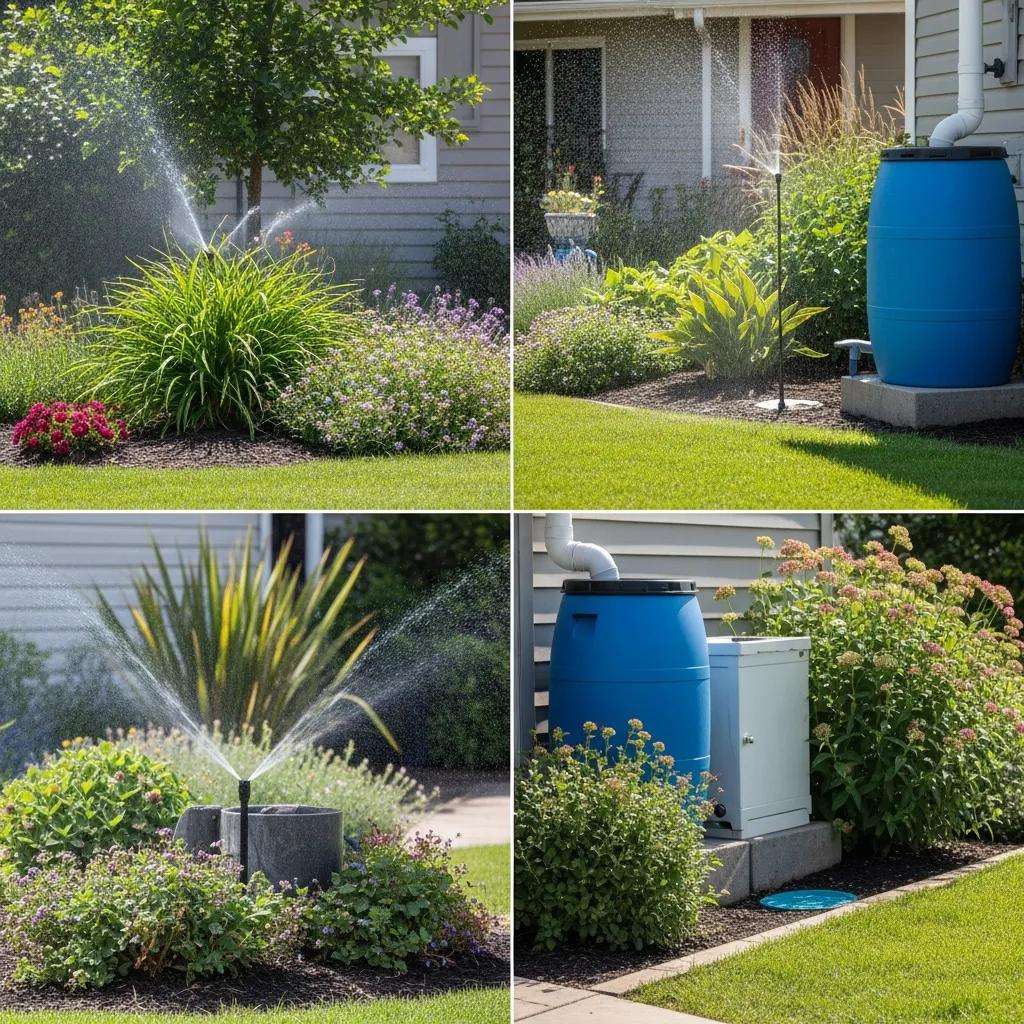
Outdoor Water Conservation for Landscaping & Gardening — Practical Plumbing Solutions to Save Water and Cut Costs
Outdoor water conservation combines thoughtful design, irrigation technology, and solid plumbing practices to shrink landscape water use without sacrificing plant health or curb appeal. In Grosse Pointe and similar Michigan climates, irrigation systems and hidden leaks are often the biggest sources of household water waste—so smart plumbing choices and better garden design reliably lower bills and keep yards healthy. This guide walks through proven approaches—smart irrigation, outdoor leak detection, rainwater capture, drought‑tolerant planting, and water‑efficient design—and explains how plumbing supports each one. You’ll learn how smart controllers and soil sensors work, which leak‑detection methods find hidden losses, what plumbing is needed for rainwater systems, and which xeriscape techniques pair best with drip and sensor‑driven irrigation. Where a licensed plumber adds value, we show how Frost & Kretsch Plumbing helps with diagnostics, installations, and maintenance to protect your savings and system performance. Read on for clear steps, side‑by‑side comparisons, and practical lists that make outdoor water savings achievable for homeowners and landscape pros alike.
How Can Smart Irrigation Systems Optimize Water Use in Your Garden?
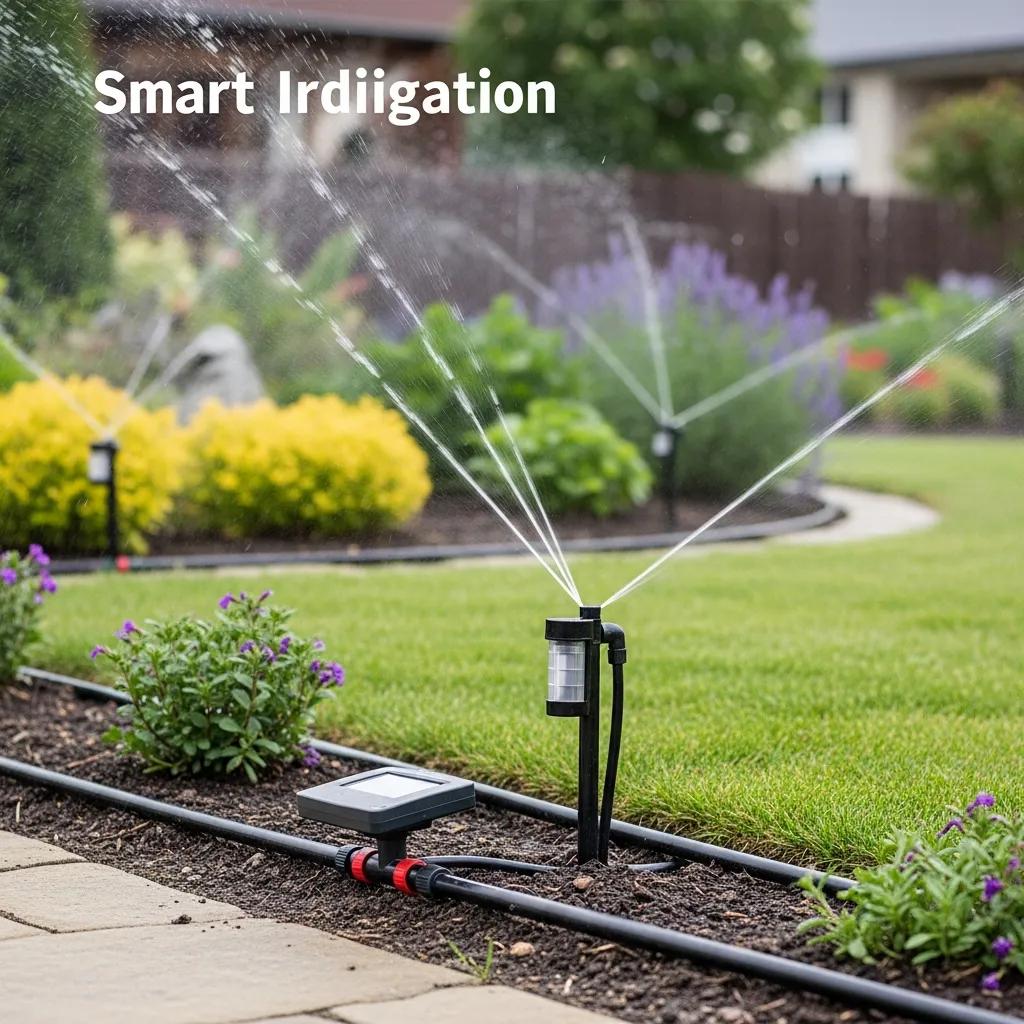
Smart irrigation ties automated controllers to local sensors and adaptive schedules so watering time matches actual plant needs, weather, and soil moisture. These systems pull data—weather forecasts, soil‑moisture probes, or evapotranspiration (ET) calculations—and convert it into shorter, better‑timed cycles that protect roots while cutting waste. Benefits include measurable water savings, less runoff, healthier plants, and the convenience of remote control and diagnostics. Knowing controller types and upkeep requirements helps homeowners select systems that work with drought‑tolerant plantings and existing valves or manifolds. Below is a concise comparison to help you choose the right smart controller for common yard types and water‑wise goals.
Smart irrigation controller comparison and attributes:
| Controller Type | Sensors / Inputs | Typical Water Savings | Ideal Use-Cases |
|---|---|---|---|
| Weather-based (cloud-connected) | Weather station or online forecast | 15–30% | Lawns, mixed beds in suburban yards |
| Soil-moisture-based | In-ground moisture probes | 20–50% | Plant beds, vegetable gardens, deep-rooted shrubs |
| Evapotranspiration (ET)-based | Local climate data | 15–35% | Larger landscapes, areas with reliable weather data |
In short: sensor‑driven controllers respond to measured soil needs, while forecast‑driven systems work best where weather data is accurate and connectivity is reliable. Use this table to weigh installation and maintenance trade‑offs for your yard.
What Are the Benefits of Installing Smart Irrigation Controllers?
Smart controllers cut outdoor water use by adjusting schedules to real‑time conditions, which improves plant health and lowers utility bills. Homeowners typically see shorter runtimes, fewer overwatered areas, and quicker recovery after heat or rain because the controller prevents unnecessary cycles. Beyond water savings, smart systems offer remote programming, basic diagnostics, usage reports, and seasonal adjustment tools that help demonstrate return on investment. Understanding these outcomes helps you decide between weather‑based, soil‑moisture, or hybrid controllers and plan for valve and manifold access during installation.
Which Types of Smart Irrigation Systems Are Best for Drought Tolerant Landscaping?
Drought‑tolerant landscapes pair best with drip irrigation and soil‑moisture sensors, since they deliver precise water at the root zone with minimal evaporation. Drip lines and low‑flow emitters match xeriscaping and native plantings by targeting roots, while soil sensors prevent unnecessary cycles by reading root‑zone moisture directly. Hybrid setups that use zone‑specific drip plus short, infrequent spray runs for transitional turf work well for mixed yards, and weather‑based controllers are useful on larger properties with varied microclimates. When planning, consider emitter spacing, valve zoning by plant water need, and easy manifold access for seasonal adjustments and winterization to keep systems efficient long term.
Why Is Outdoor Plumbing Leak Detection Crucial for Water Conservation?
Outdoor leak detection finds hidden losses—underground lateral breaks, damaged irrigation lines, or failing valves—that can waste large volumes of water and harm your landscape if ignored. Catching leaks early prevents chronic loss, lowers bills, and protects soil, plants, and hardscape from saturation damage; it can also reduce the scope of excavation if addressed quickly. Modern detection uses acoustic listening, pressure testing, infrared or moisture imaging, and targeted excavation with cameras or tracer dyes; the right method depends on leak type and location. Spotting warning signs and calling a pro when needed restores efficiency and avoids bigger repairs.
Comparing common outdoor leak types and recommended responses:
| Leak Type | Detectable Signs | Typical Water Loss | Recommended Professional Service |
|---|---|---|---|
| Underground lateral breaks | Soggy patches, sudden vegetation changes | High (gallons/day) | Acoustic detection, targeted excavation |
| Sprinkler head leaks | Pooling near heads, uneven spray | Moderate | Head replacement, zone pressure adjustment |
| Faucet/drip leaks | Constant drip, meter running | Low to moderate | Valve replacement, seal repair |
This table underscores that underground lateral breaks usually cause the biggest losses and often need professional locating tools—timely action prevents prolonged waste and landscape damage.
How Does Professional Leak Detection Prevent Water Waste in Landscaping?
Professionals use diagnostic tools and proven workflows to locate and repair leaks with minimal disruption, restoring efficient irrigation and stopping ongoing waste. Typical steps include meter checks and zone isolation, followed by acoustic or pressure diagnostics to find underground failures before recommending targeted repairs or excavation. Quick professional intervention reduces immediate water loss and avoids secondary problems like root rot, soil erosion, and foundation saturation that can raise repair costs. Local technicians can also complete repairs, replace faulty valves, and rebalance system pressure to prevent recurrence—saving water and giving homeowners peace of mind. Knowing when to move from DIY checks to professional diagnostics limits the risk of long‑term damage and higher bills.
What Are Common Signs of Outdoor Plumbing Leaks in Gardens?
Homeowners often spot leaks through visual and utility clues: unexpectedly lush or soggy patches, persistently wet soil, unexplained spikes in the water bill, or a meter that keeps running when irrigation is off. Look for puddles, depressions, or irregular sprinkler patterns and perform zone isolation tests. A simple meter test—record the reading, avoid using water, then recheck—can confirm continuous loss before you call a pro. If your checks point to hidden loss, contacting a qualified service helps stop the waste and prevents further landscape or subsurface damage.
How Does Rainwater Harvesting Support Sustainable Garden Irrigation?
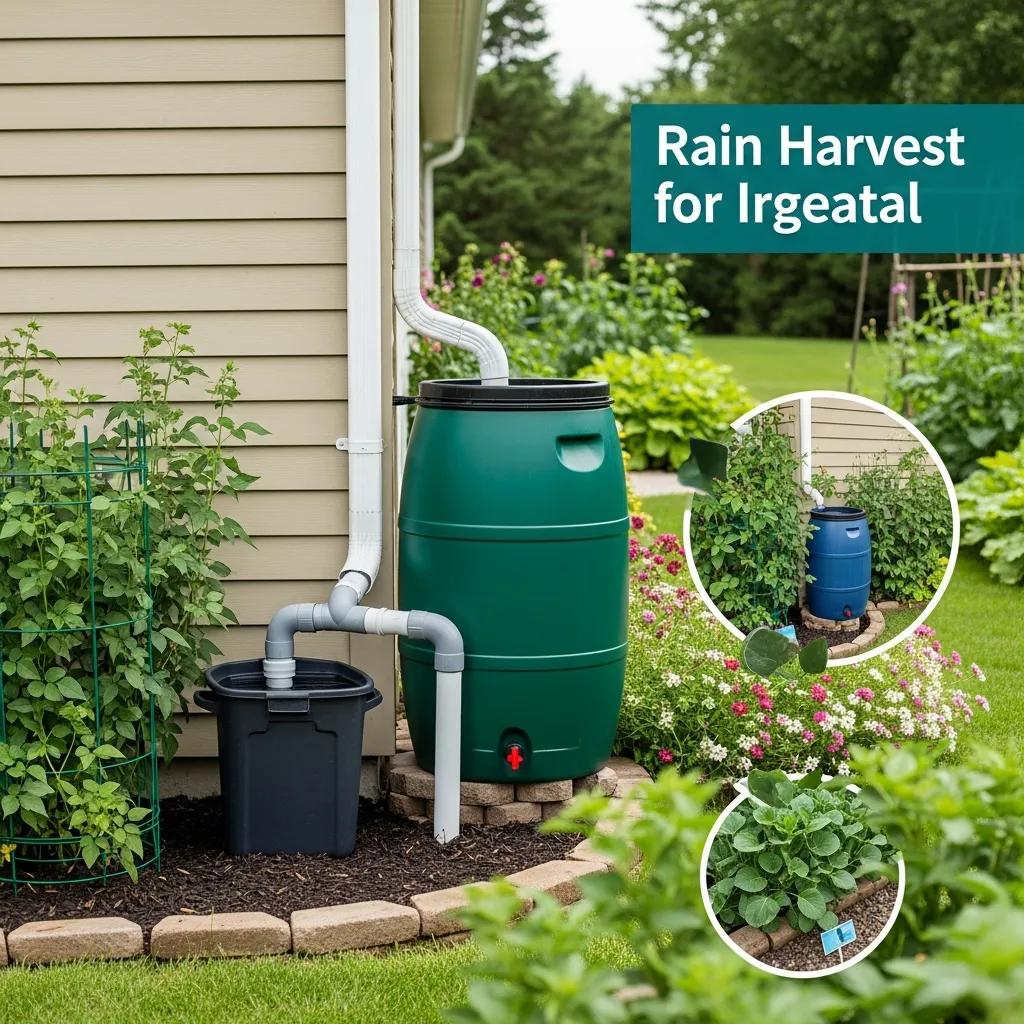
Rainwater harvesting captures roof runoff and stores it for later irrigation, cutting demand on potable water and giving your garden a buffer during dry spells. Systems range from simple rain barrels to large cisterns with pumps and filtration and require plumbing components—gutters and diverters, first‑flush devices, inlet filters, pumps, and backflow prevention—to integrate safely with irrigation. Properly plumbed systems lower mains demand during normal seasons, increase resilience in dry periods, and reduce runoff and erosion.
Rainwater capture options compared:
| Capture Option | Typical Storage | Plumbing Requirements | Best Uses |
|---|---|---|---|
| Rain barrel | 40–60 gallons | Simple diverter, overflow | Small gardens, container plants |
| Small cistern | 200–1,000 gallons | Diverter, pump, filter, backflow preventer | Medium beds, supplemental irrigation |
| Large cistern | 1,000+ gallons | Pump station, filtration, full backflow control | Whole-yard irrigation, irrigation-centric systems |
In short: rain barrels are affordable and simple, while cisterns require more plumbing and investment but offer substantial storage and irrigation independence. Correct plumbing and code compliance keep systems safe when they interact with potable supplies.
What Are the Plumbing Requirements for Rainwater Harvesting Systems?
A rainwater system needs a roof‑to‑storage diverter, a first‑flush device to shed the dirtiest runoff, filtration appropriate for irrigation, a pump sized for the pressure you need, and backflow prevention where systems connect to potable or pressurized lines. Installations should include secure overflow routing, accessible maintenance points, and freeze protection for cold climates; screens and filters limit leaves and sediment. Backflow prevention is essential to protect the municipal supply and meet code. Selecting pumps and controls that integrate with irrigation controllers lets the system switch automatically between mains and captured water. Regular maintenance—cleaning screens, checking seals, and servicing pumps—keeps the system dependable and maximizes its contribution to your garden.
How Can Homeowners Integrate Rain Barrels and Cisterns for Water Savings?
Start small and scale up: place rain barrels at downspouts for immediate, low‑cost capture, then add a small cistern if your irrigation needs or yard size justify more storage. Gravity‑fed barrels work well for containers and nearby beds, while cisterns with pumps can feed drip systems and hose bibs across larger areas. Typical steps include sizing storage to roof catchment and irrigation demand, installing diverters and first‑flush devices, connecting filtered outlets to irrigation zones, and scheduling regular maintenance. Cost‑benefit thinking favors incremental upgrades—begin with barrels, track savings, and add cistern capacity when demand and space make it worthwhile.
What Are Effective Drought Tolerant Landscaping Ideas to Reduce Water Use?
Drought‑tolerant landscaping lowers irrigation needs through plant choice, soil care, and design that promote deep roots, water capture, and reduced evaporation. Xeriscape principles—grouping like plants, replacing turf with native groundcovers, and using generous mulch—create resilient yards that need less supplemental water. Adding drip irrigation, permeable paving, and rain gardens that retain runoff further improves water savings while supporting local wildlife. Below are practical strategies homeowners can apply to cut landscape water use while keeping strong curb appeal.
Key drought-tolerant strategies to reduce water demand:
- Xeriscaping and plant grouping: Place species with similar water needs together to simplify irrigation and avoid overwatering.
- Mulch and soil amendment: Use organic mulch and improve soil structure to boost moisture retention.
- Drip irrigation and reduced turf: Replace spray‑heavy irrigation and lawn areas with drip lines and native groundcovers.
- Rain gardens and contouring: Capture runoff in planted depressions to recharge soil and support drought resilience.
Used together, these strategies compound: better soil moisture means fewer waterings, and smart plant choices lower overall demand—simplifying plumbing and sensor strategies for efficient watering.
Which Plants and Mulching Techniques Promote Water Efficiency?
Native grasses, ornamental sedges, drought‑tolerant perennials, and hardy shrubs with deep roots make an excellent low‑water plant palette for Michigan‑edge climates when paired with good soil preparation. Mulches such as shredded hardwood, composted bark, or gravel (for dry beds) reduce evaporation, moderate soil temperature, and suppress weeds—aim for about two to three inches depending on material. Adding compost improves water‑holding capacity and helps roots establish after planting. Choosing plants suited to local rainfall and pairing them with targeted mulching results in landscapes that need little supplemental irrigation while staying healthy and attractive.
How Does Xeriscaping Complement Outdoor Water Conservation Plumbing?
Xeriscaping simplifies irrigation plumbing by concentrating water needs into defined zones that work well with drip systems and low‑flow emitters. Grouping similar water‑use plants and cutting turf lets you design fewer, more efficient valve zones, smaller manifolds, and easier winterization—reducing maintenance and leak risk. Lower run times and pressure needs also allow smaller pipe sizes and pumps for rainwater systems, improving durability and energy use. When converting a conventional yard, phase the plumbing changes—add manifolds, convert spray heads to drip, and install soil sensors—so the irrigation system supports the new, water‑wise landscape without unnecessary complexity.
How Can Water Efficient Garden Design Enhance Outdoor Water Conservation?
Water‑efficient design aligns plant choices, grading, soil improvements, and irrigation so every element supports lower water use and precise delivery. Key ideas include zoning plants by need, building soil organic matter to hold moisture, and using smart irrigation with sensors and correctly sized manifolds to avoid overwatering. Integrating sensors and zoning into the plumbing plan ensures each microclimate gets only what it needs, while accessible valves and frost protection preserve reliability through seasonal cycles. Below are practical plumbing and sensor approaches that enable precise watering and long‑term savings.
What Plumbing Considerations Support Water-Wise Garden Layouts?
Plumbing for water‑wise gardens favors accessible manifolds and valve boxes, pipe sizes that minimize friction loss, and frost‑protected routing where winters freeze. Group valves by plant water needs to make efficient zones, and place manifolds where seasonal adjustments and repairs are easy. Durable pipe materials reduce leak risk and long‑term upkeep, while isolation valves simplify testing and winterization. Planning plumbing early in the design minimizes later disruption and makes it straightforward to connect drip lines, sensors, and rainwater supply lines.
How Do Soil Moisture Sensors and Zoning Improve Irrigation Efficiency?
Soil moisture sensors measure volumetric water content at root depth and talk to controllers to prevent unnecessary cycles—cutting run time while keeping plants healthy. When paired with sensible zoning (deep‑rooted shrubs separate from shallow annuals), sensors let each zone run on schedules based on real moisture instead of fixed timers. Correct sensor placement and calibration, plus redundant sensors on larger properties, produce reliable savings and healthier plantings by avoiding overwatering. Tying sensors into smart controllers and seasonal maintenance routines delivers measurable reductions in water use and steadier garden performance.
Why Choose Frost & Kretsch Plumbing for Sustainable Outdoor Water Solutions?
Frost & Kretsch Plumbing offers local, licensed plumbing expertise that supports outdoor water conservation through leak detection, smart irrigation installation, rainwater harvesting integration, and excavation for underground repairs. Our team focuses on diagnosing outdoor water waste, installing and commissioning sensor‑driven controllers, and tying rain‑capture systems into irrigation with proper backflow prevention and pump sizing. Homeowners get transparent pricing, insured workmanship, and a customer‑first approach that emphasizes accurate diagnostics and long‑term maintenance to protect savings. If you want a local partner to install and maintain water‑wise systems, Frost & Kretsch Plumbing delivers practical, locally informed solutions that align reliability with conservation goals.
Services that specifically support water-wise outdoor systems:
- Outdoor leak detection and repair: Find underground lateral and irrigation line leaks before they get worse.
- Smart irrigation installation and maintenance: Install controllers, sensors, and drip systems to optimize water use.
- Rainwater harvesting and greywater integration: Connect storage, pumps, and filtration to irrigation for non‑potable use.
These focused services reduce water waste, simplify irrigation management, and deliver measurable savings when combined with proper landscape design and seasonal care. Homeowners requesting an assessment or estimate can expect a diagnosis‑driven approach that prioritizes efficient, long‑lasting solutions.
What Unique Plumbing Services Support Water Conservation in Grosse Pointe?
Our local services are tailored to Grosse Pointe conditions: precise outdoor leak detection, irrigation retrofits that replace spray zones with drip, and rainwater integration sized to neighborhood lot capture potential—each aimed at cutting outdoor water use. Our diagnostic‑first workflow uses meter testing, acoustic locating, and zone isolation to find losses with minimal soil disturbance. Combining conservation‑focused installs with seasonal commissioning and tuneups keeps systems efficient year after year. Whether you want a simple smart controller swap or a larger cistern or repair project, our service menu supports practical, phased upgrades.
How Does Professional Installation and Maintenance Ensure Long-Term Savings?
Professional installation gets systems commissioned right: controllers set to local ET or sensor thresholds, drip lines flushed and pressure‑regulated, and valves zoned by plant need—steps that prevent early failures and maximize first‑year savings. Ongoing maintenance—seasonal checks, filter cleaning, pump servicing, and sensor recalibration—preserves performance and extends component life, turning an initial investment into sustained conservation gains. Typical results include lower annual water use, fewer emergency repairs, and predictable irrigation across seasons; those operational benefits add up to clear payback over time. Professional oversight ties design, plumbing, and routine tuning together to deliver reliable, long‑term outdoor water efficiency.
Frequently Asked Questions
What are the best practices for maintaining a rainwater harvesting system?
Keep gutters and downspouts clear, inspect and clean inlet filters regularly, and check plumbing connections for leaks. Verify overflow routing and monitor tank levels, and perform seasonal checks before heavy rain or freeze cycles. Regular maintenance—clearing screens, servicing pumps, and replacing worn seals—keeps the system running efficiently and prevents problems before they affect performance.
How can I determine the right size for a rainwater harvesting system?
Estimate storage based on roof catchment, average rainfall, and irrigation needs. A common starting formula is: Roof Area (sq ft) x Rainfall (inches) x 0.623 = Gallons collected. Compare that potential capture to your garden’s demand during dry spells to choose between rain barrels, a small cistern, or a larger system that better meets ongoing irrigation needs.
What types of plants are best suited for drought-tolerant landscaping?
Choose native grasses, ornamental sedges, drought‑tolerant perennials, and hardy shrubs with deep roots. Plants like lavender, salvia, and many native varieties establish deep root systems and need less supplemental watering. Groundcovers such as creeping thyme or sedum help reduce evaporation and suppress weeds—mixing these species improves biodiversity and keeps landscapes attractive with lower water use.
How can I identify if my irrigation system is overwatering?
Signs include consistently soggy soil, pooling water, mold or fungus, yellowing foliage, or root decline. An unexpected jump in your water bill can also be a clue. Check soil moisture by digging a few inches down—if it’s overly wet, adjust the schedule or inspect for malfunctioning components and zone issues.
What are the environmental benefits of using smart irrigation systems?
Smart systems conserve water and reduce runoff by adjusting schedules using weather data and soil moisture readings. That saves local water resources and the energy used to treat and transport water. Preventing overwatering also reduces erosion and nutrient runoff, protecting nearby waterways and supporting healthier local ecosystems.
How can I integrate xeriscaping principles into my existing garden?
Make changes gradually: replace high‑water plants with drought‑tolerant species, group plants by water need, add organic mulch to retain moisture, and install targeted drip irrigation. Over time, redesign sections to include rain gardens or permeable hardscape to capture runoff and strengthen the yard’s water resilience.
What role does soil health play in outdoor water conservation?
Healthy soil holds more moisture and supports stronger plants, reducing how often you need to irrigate. Adding compost, mulching, and minimizing soil disturbance improves structure and microbial activity, increasing water retention. Focusing on soil health creates landscapes that thrive on less supplemental water and provide long‑term conservation benefits.
Conclusion
Putting proven outdoor water conservation strategies in place reduces utility costs and creates healthier, more resilient landscapes. Smart irrigation and timely leak detection deliver immediate savings, while rainwater harvesting and drought‑tolerant design build long‑term resilience. Working with a licensed local plumber like Frost & Kretsch Plumbing ensures systems are installed and maintained for dependable performance. Start saving water—and money—today by exploring the practical services and solutions we offer.