
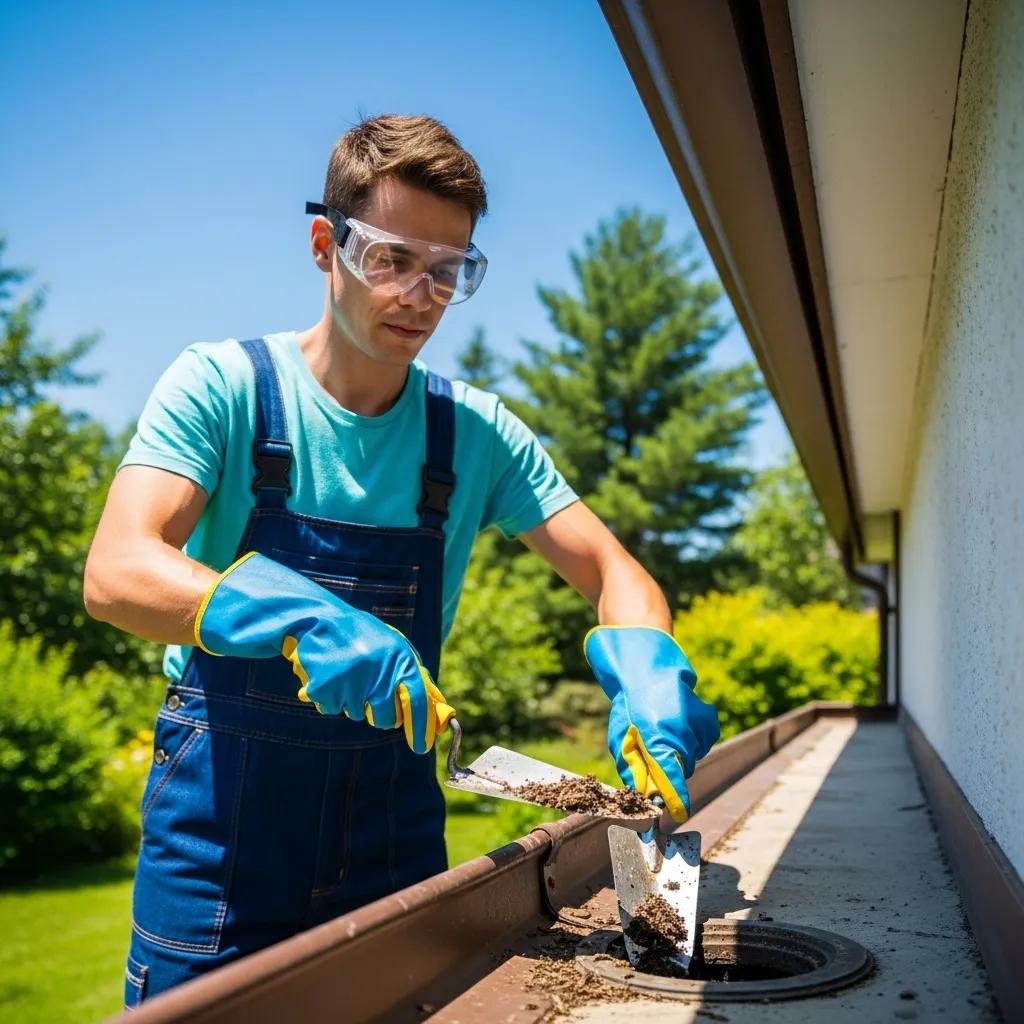
Summer Care for Outdoor Drains & Gutters: Practical Tips to Keep Water Moving
Summer storms, falling seed pods, and extra yard work can quickly clog drains and gutters if you don’t stay on top of them. This guide walks through what outdoor drains and gutters do, why summer is a critical season for upkeep, and how routine care prevents costly water damage to foundations, basements, and siding. You’ll get straightforward DIY steps for storm and yard drains, safe inspection and gutter-cleaning techniques, and clear signs that mean it’s time to call a pro. We also cover advanced repairs used in Michigan — camera inspections, hydro-jetting, and excavation — plus practical tips for homeowners in Macomb, Oakland, and Wayne counties. Read on for step-by-step procedures, checklists, simple maintenance schedules, and where to go for emergency help if prevention isn’t enough.
Why summer matters for outdoor drains and gutters
Drains and gutters handle roof runoff, yard runoff, and stormwater — and in summer they face more stress from sudden downpours and seasonal debris. Heavy, short-lived storms boost runoff while leaves, seed pods, and grass clippings raise the chance of blockages. Faster vegetation growth and more insect activity add organic material that clogs lines and traps moisture. Regular summer maintenance reduces erosion, stops basement seepage, and keeps storm drain cleaning from becoming an emergency.
Summer creates a few predictable pressures on drainage systems:
- Heavy, intense thunderstorms that can exceed system capacity.
- More organic debris from trees, lawn work, and gardens.
- Frequent quick storms that send fast surges of water.
Together, these factors put gutters and storm drains under strain — which is why timely inspection and clearing matter.
How summer storms and heavy rain affect drainage
Summer storms often dump a lot of rain in a short time, producing peak flows that can overwhelm gutters, downspouts and catch basins. When those parts can’t keep up, water spills over eaves, sidewalks, and the soil next to your foundation. Concentrated flow erodes topsoil near footings and creates pooling that raises the risk of basement seepage during the next heavy event. In Michigan, late-summer convective storms are common and can produce sudden surges — so inspect and clear systems before forecasted storm windows when possible.
That’s why quick debris removal and correct downspout routing are essential; we’ll cover both in the cleaning and maintenance sections below.
What clogged gutters and drains can do to your home
Left unattended, clogged gutters and drains lead to a chain of problems. Water directed toward the house can weaken foundation soils and change grading around footings. Basements and lower floors become susceptible to flooding and mold from repeated seepage and the hydrostatic pressure on walls — repairs that get costly fast. Roof edges and siding suffer from trapped water, and clogged systems invite pests and speed up rot in fascia and soffits.
Routine inspections are a small expense that prevent much larger structural repairs. With those risks in mind, the next section shows practical cleaning steps you can take safely this summer.
How to clean outdoor drains effectively this summer
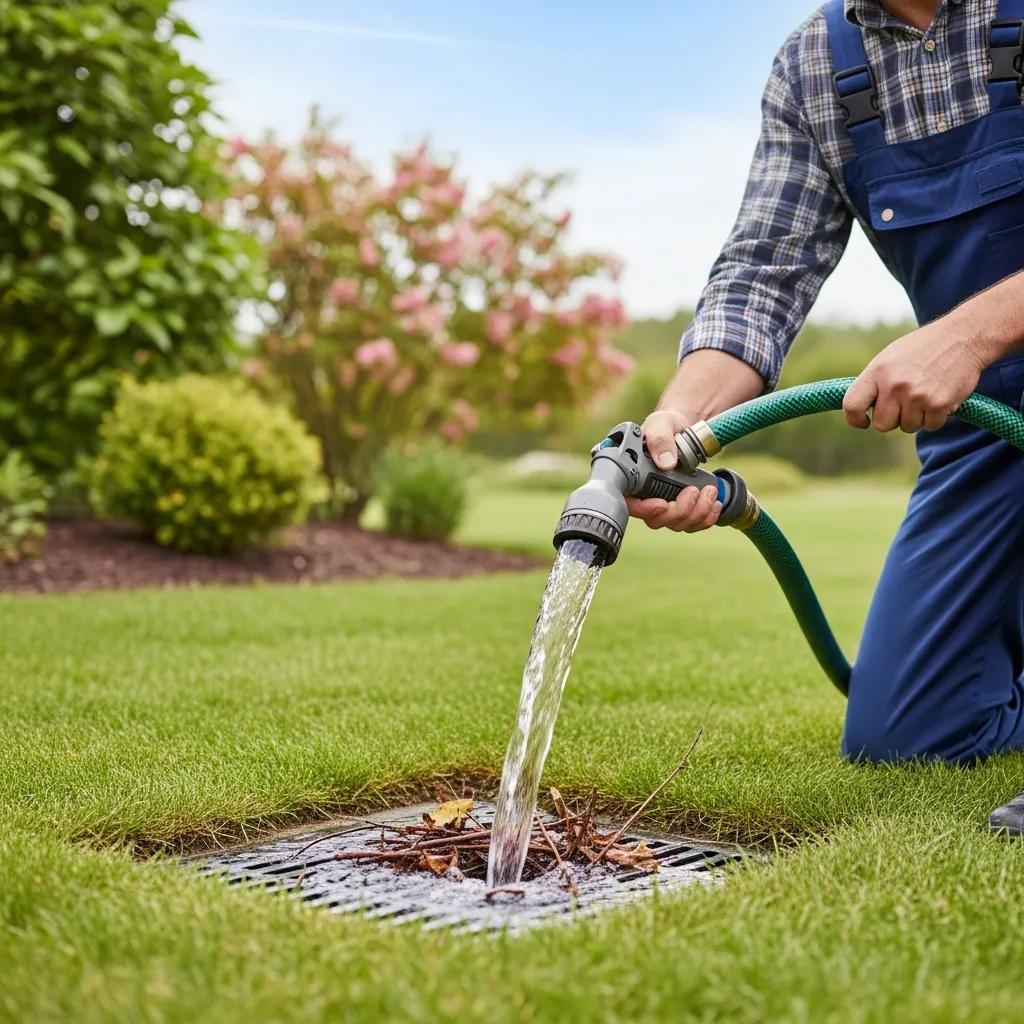
Good outdoor drain cleaning blends safety prep, manual debris removal, and flushing to confirm flow — plus photos or notes if you need to bring in a pro. Start with basic PPE and the right tools, clear visible blockages, flush the line, and run a controlled water test. Use visual checks and a hose test to verify capacity, and photograph persistent issues for professional diagnosis. These steps prioritize safety and documentation before moving to more invasive methods or calling a contractor.
Follow this practical sequence for typical storm and yard drains:
- Prepare safely: Wear gloves, eye protection, and slip‑resistant shoes; set ladders securely if needed.
- Remove surface debris: Lift grates, scoop leaves and trash with a trowel or gloved hand, and bag the waste.
- Flush the line: Use a garden hose with steady pressure to push sediment through the drain, watching the outlet for clear flow.
- Inspect and test: Run extra water to confirm continuous flow; take photos of any backflow or pooling.
- Stop and document: If flushing doesn’t restore flow, pause and collect photos and notes for a professional inspection.
These steps keep the job safe and set the stage for deciding whether you can handle repairs yourself or need a pro.
Here’s a quick comparison of DIY methods versus professional approaches to help you choose the right option.
| Approach | Effectiveness / Risk | Typical Cost / When to Use |
|---|---|---|
| DIY debris removal & flushing | Solid for surface clogs; low safety risk with PPE | Low cost; use for visible trough clogs and routine maintenance |
| Plumbing snake (basic auger) | Good for soft clogs; more risk with deep or brittle lines | Low–medium cost; try when hose flushing fails and line is reachable |
| Professional camera inspection | High diagnostic value; minimal system risk | Medium cost; use when cause is unclear or clogs recur |
| Hydro-jetting (pro) | Very effective for roots and compacted debris; requires trained operator | Higher cost; use for severe or persistent blockages |
Step-by-step DIY tips for storm and yard drains
Start with safety gear and basic tools: gloves, safety glasses, a bucket, and a hose with a spray nozzle. Remove surface debris from grates and catch basins, carefully lift covers, and scoop out leaves and sediment with a small trowel. Flush the drain from the upstream side so water pushes debris toward the outlet; keep pressure steady and watch the outflow. Photograph any recurring backups or suspect pipe sections and avoid harsh chemical cleaners on outdoor storm lines — they can damage soil and plants.
These DIY steps often clear immediate problems and give you useful documentation if you later need professional help.
When to call professional outdoor drainage services
Call a professional if backups persist after safe DIY attempts, if you notice visible pipe damage, foul sewage odors, or standing water near your foundation. Recurring clogs often point to deeper issues like root intrusion, collapsed sections, or misaligned pipes that flushing won’t fix. Signs such as soil depressions, sinkhole formation, or repeated basement seepage should prompt a camera inspection so technicians can locate structural problems.
In Macomb, Oakland, and Wayne counties, Frost and Kretsch Plumbing offers sewer and drain cleaning with camera inspection and hydro-jetting, plus excavation for severe problems when trenchless options aren’t possible. Trained technicians diagnose hidden defects and recommend lasting repairs — the right move when DIY fixes fail and you want to avoid repeat emergencies.
| Method | Use Case | Severity / Time to Resolve |
|---|---|---|
| Camera inspection | Locate blockages, cracks, and root intrusion | Low disruption; fast diagnosis |
| Hydro-jetting | Clear roots, grease, and compacted debris | Moderate disruption; thorough cleaning |
| Excavation & replacement | Replace broken or collapsed pipes | High disruption; permanent solution |
Gutter maintenance best practices for summer storms
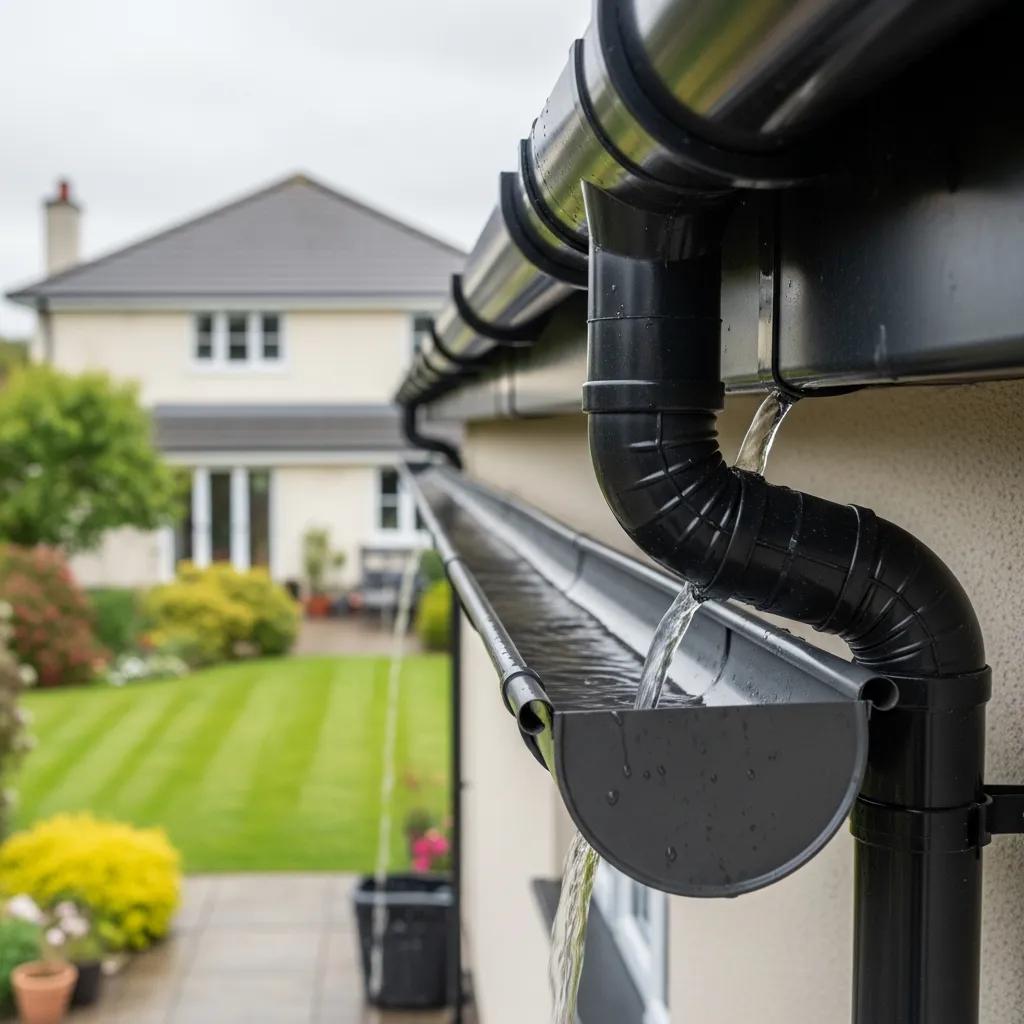
Summer gutter care focuses on inspection, safe debris removal, minor repairs, and preventive upgrades so runoff keeps moving away from the house. Check that gutters are securely fastened, seams are sealed, and runs are pitched toward downspouts. Remove debris regularly during peak yard and tree seasons, verify downspout capacity, and make sure outlets discharge well away from the foundation. Regular upkeep lowers the chance of emergency drain cleaning and reduces foundation and basement risk.
Use this checklist for routine summer gutter care; each step is safe for most homeowners and flags when you should call a pro.
- Inspect hangers and seams for sagging, separation, or leak stains.
- Clear debris from troughs and remove blockages at outlets.
- Test flow by running water and watching proper downspout discharge.
- Repair minor damage with sealant and new fasteners, or call a professional for major fixes.
Following this routine helps keep systems working and prevents overflow during summer storms. The table below gives a simple maintenance plan showing frequency and whether it’s DIY-friendly or better for a pro.
| Task | Tools / Frequency | DIY or Pro |
|---|---|---|
| Visual inspection of gutter pitch and hangers | Ladder, level / Monthly in summer | DIY; pro if major sagging appears |
| Debris removal and flushing | Gloves, trowel, hose / Every 4–8 weeks | DIY |
| Seal leaks at seams | Sealant, brush / As needed | DIY; pro for recurring leaks |
| Install or inspect gutter guards | Screwdriver, guard system / Annually | Pro recommended for complex rooflines |
How to inspect and clean residential gutters in summer
Use a stable ladder and begin at the low end of the run to check pitch and fastenings. Look for sagging hangers, rust, holes, or failing sealant at seams. Scoop debris with a hand tool and wear gloves, then flush downspouts with a hose to confirm clear flow. Tighten loose hangers and note sections that need sealant or replacement. Take photos and measurements of damaged areas to speed up an accurate quote if you call a professional.
Consistent, methodical inspections stop small issues from becoming urgent repairs and prepare you for the next steps if flow problems persist.
How gutter guards and downspout checks reduce buildup
Gutter guards cut down on large debris entering the trough, but no guard eliminates maintenance entirely. Mesh, foam, and reverse-curve guards each have trade-offs: mesh keeps out leaves but allows fine sediment; foam fills the trough but can trap small debris; reverse-curve systems shed water while diverting larger debris. Downspout capacity matters too — undersized or kinked downspouts will overflow even when gutters are clear. Aim to discharge water several feet from the foundation to prevent pooling near footings.
Even with guards installed, check periodically for fine buildup and make sure downspouts stay securely attached and directed away from the house.
Advanced solutions for clogged storm drains in Michigan
When DIY methods don’t fix the problem, advanced diagnostics and repairs can. Camera inspections pinpoint the blockage and show pipe condition, hydro-jetting clears heavy buildup and roots, and excavation replaces structurally failed sections when necessary. Michigan’s soils and mature trees make thorough diagnostics important — older lateral lines in some neighborhoods are especially prone to root intrusion and other issues.
The table below compares advanced solutions for common outdoor drain failures to help you choose the right intervention.
| Solution | Use Case | Severity / Typical Time to Resolve |
|---|---|---|
| Camera inspection | Locate blockages, cracks, and root intrusion | Low disruption; same-day diagnosis |
| Hydro-jetting | Remove roots, grease, and compacted debris | Moderate disruption; quick cleaning |
| Excavation & replacement | Broken, collapsed, or severely blocked pipes | High disruption; longer repair time |
How hydro-jetting clears severe outdoor drain blockages
Hydro-jetting uses high-pressure water to scour the inside of pipes and remove roots, grease, and compacted sediment without chemicals. Pressure varies by pipe size and obstruction type, and hydro-jetting often succeeds where mechanical snaking can’t. It restores full flow and, when used after a camera inspection, reduces the chance of immediate re-clogs. Proper nozzle selection and operator experience are important because excessive pressure can harm weakened pipes.
Frost and Kretsch Plumbing offers hydro-jetting as part of their sewer and drain cleaning services. Our technicians pair camera inspection with hydro-jetting so cleaning is targeted, safe, and effective.
When excavation is necessary for outdoor drain and sewer repairs
Excavation is needed when inspections show broken, crushed, or irreparably collapsed pipes, or when repeated blockages point to structural failure. Look for sinkholes, collapsing lawn areas, offset pipe alignment on camera, or severe root intrusion that compromises pipe integrity. Excavation lets crews replace or reroute lines but causes more site disruption and restoration than trenchless options. Work with local professionals for permits and a restoration plan to minimize impact and meet municipal rules.
A professional assessment will confirm whether trenchless alternatives are possible — but excavation is the definitive fix for structural failures and repeated collapse.
How to protect your home from water damage from poor drainage
Protecting your home starts with diverting water, correct grading, and quickly addressing weak points that lead to foundation and basement damage. Good diversion includes properly pitched gutters, sufficient downspout capacity, and extenders or splash blocks that move water several feet from the foundation. Complement that with positive grading, working sump pumps, and sealing small cracks in the foundation to reduce infiltration risk. Combine preventive maintenance with an emergency plan so you can act fast if heavy rain overwhelms systems.
Use this emergency mitigation checklist to reduce immediate water intrusion while you organize permanent repairs.
- Redirect runoff with extenders or temporary trenches away from foundations.
- Use sandbags or barriers to block concentrated flow near entryways or low windows.
- Engage temporary pumping (sump or portable pumps) to remove standing water quickly.
- Document damage with photos and notes for insurance and contractors.
After immediate measures, follow up with a professional assessment to plan permanent repairs — licensed technicians and rapid-response services are often required.
Signs of foundation issues and basement flooding
Warning signs build from minor to severe. Early clues include hairline cracks, efflorescence on walls, and musty odors that suggest moisture. More serious signs are widening cracks, floor heave, visible soil settlement near the foundation, and persistent dampness or mold. Emergencies include active seepage, standing water in the basement, or rapidly worsening cracks — these need urgent mitigation to protect the structure.
Spotting this progression lets homeowners take temporary steps and schedule professional help before problems become catastrophic.
How proper water diversion and emergency plumbing services help
Good diversion lowers hydrostatic pressure and channels water away from vulnerable areas using extenders, swales, and corrected grading, which buys time and reduces seepage. Emergency plumbing services deliver fast assessments, temporary mitigation (pumps, temporary reroutes), and plans for permanent repairs that fix root causes. For urgent situations in Macomb, Oakland, and Wayne counties, Frost and Kretsch Plumbing provides 24/7 emergency service, clear upfront estimates, licensed technicians, and a 100% satisfaction guarantee. Our emergency response usually includes a rapid on-site assessment, temporary measures to limit damage, and scheduling of camera diagnostics and repairs as needed.
Having a trusted local contractor on call ensures temporary fixes are safe and that permanent solutions are planned and documented correctly.
| Method | What to Prepare | What to Expect |
|---|---|---|
| Emergency call | Address, symptoms, recent events | Rapid assessment, temporary mitigation |
| Camera inspection request | Photos, prior attempts, blockage behavior | Diagnostic report and repair options |
| Scheduled repair | Access to work area, permits if needed | Permanent repair plan and cost estimate |
Local summer plumbing tips for Michigan homeowners
Factor local storm patterns, soils, and vegetation into your summer drainage plan. Wayne County’s urban areas can create heavy impervious-surface runoff, while Macomb and Oakland properties often deal with mature trees and clay-rich soils that encourage root intrusion over time. Check local rules for stormwater connections and never dump yard debris into public storm drains. Tailor gutter guards, downspout routing, and grading to your lot and neighborhood conditions.
These local factors suggest practical steps like reviewing tree proximity, confirming outlet routing, and scheduling seasonal inspections with local technicians — all of which lead into how to reach a trusted emergency service quickly.
Drainage challenges unique to Macomb, Oakland, and Wayne counties
Each county has patterns that affect drainage choices. Wayne County’s denser neighborhoods can overload street drains and private downspouts, stressing older combined systems. Oakland and Macomb often have clay soils and mature trees whose roots invade lateral lines over time, creating root-related blockages. Varied lot grading across neighborhoods also calls for site-specific diversion plans. Homeowners should consider these regional traits when planning upgrades or hiring pros.
Knowing these differences helps you prioritize preventive work like root-resistant repairs or longer downspout extensions for heavier urban runoff.
How to access Frost and Kretsch Plumbing’s 24/7 emergency services
If a drainage or sewer issue threatens your home, call Frost and Kretsch Plumbing at (586) 675-0097 for fast help. Be ready to give your address (for reference: 47212 Jefferson Avenue, New Baltimore, MI 48047), describe what you see (standing water, sewage smells, active leaks), and note recent events like heavy storms or digging. Frost and Kretsch Plumbing provides 24/7 emergency response, clear upfront estimates, licensed technicians, and a 100% satisfaction guarantee across Macomb, Oakland, and Wayne counties. Expect a quick assessment, temporary mitigation to limit damage, and scheduling for camera inspection or full repair as needed.
| Method | What to Prepare | What to Expect |
|---|---|---|
| Emergency call | Address, symptoms, recent events | Rapid assessment, temporary mitigation |
| Camera inspection request | Photos, prior attempts, blockage behavior | Diagnostic report and repair options |
| Scheduled repair | Access to work area, permits if needed | Permanent repair plan and cost estimate |
Frequently Asked Questions
What preventive measures can I take to avoid clogged gutters and drains during summer?
Prevent clogs by inspecting and cleaning gutters and drains regularly. Remove leaves, seed pods, and debris every 4–8 weeks — especially after storms. Consider gutter guards to reduce big debris, and make sure downspouts discharge 3–5 feet from the foundation. Keep grading positive around your home so water flows away from the foundation, cutting the chance of pooling and clogs.
How often should I inspect my outdoor drainage systems in summer?
Inspect your drainage systems at least once a month during summer. That frequency helps you catch debris buildup and early signs of wear. After heavy storms, do a thorough check to ensure gutters and drains are moving water properly. Regular attention prevents costly repairs down the road.
What tools do I need for DIY outdoor drain and gutter maintenance?
Essentials for DIY maintenance include gloves, safety goggles, and a sturdy ladder. Use a trowel or scoop to remove debris and a garden hose to flush drains. A camera or smartphone is handy for documenting problems you may need a pro to address later.
What are the signs that my gutters need immediate attention?
Immediate red flags include sagging gutters, separation from the house, water spilling over edges in rain, and mold or mildew on siding. Water pooling around your foundation or in the basement is a serious sign that gutters aren’t directing water away from the home. Address these issues quickly to avoid major damage.
Can I use chemical cleaners for outdoor drains and gutters?
Don’t use harsh chemical cleaners on outdoor storm lines — they can harm soil and plants. Stick with mechanical methods like scooping and flushing. If clogs persist, call a professional who uses safe, effective methods such as hydro-jetting.
What should I do if I notice persistent drainage issues after cleaning?
Persistent problems after cleaning may indicate root intrusion, misaligned pipes, or structural damage. Contact a professional for a camera inspection and diagnosis; they can recommend the right repairs to restore reliable drainage.
How can I prepare for a professional drainage inspection?
Before a pro arrives, document visible issues (standing water, slow drainage, or odors), clear access to the work area, and gather any past maintenance records or photos. This helps the technician diagnose the problem faster and plan the right repair.
Conclusion
Keeping outdoor drains and gutters maintained through the summer helps prevent expensive water damage and keeps your home functioning as it should. Regular, simple maintenance goes a long way, and when problems persist, professional services provide advanced, local solutions tailored to Michigan conditions. Protect your home: start with routine checks and contact our expert drainage team when you need reliable repairs or emergency help.