How to Stop a Toilet from Running Constantly: Simple DIY Fixes and When to Call a Plumber
A toilet that runs non‑stop is more than a nuisance — it wastes water, drives up your bill, and can hide a more serious plumbing problem. This guide helps homeowners quickly diagnose why a toilet keeps running after a flush, walks through safe DIY fixes for the most common issues, and explains when it’s time to call a licensed plumber. You’ll learn how the flapper, fill valve, float, and overflow tube work together, step‑by‑step fixes for each part, what affects a professional estimate, and simple maintenance to prevent repeat problems. We include checklists, tool lists, and quick troubleshooting so you can act confidently — whether you fix it yourself or arrange professional service. Safety, efficient diagnosis, and clear signs that a job is beyond DIY are emphasized throughout.
Why Does My Toilet Keep Running? Common Causes Explained
A running toilet means water keeps flowing from the tank into the bowl after the flush cycle ends. That usually happens when a tank component won’t seal or shut off: a worn flapper, a misadjusted float, a failing fill valve, or a cracked overflow tube that lets water siphon away. The immediate result is wasted water and noise; left unchecked, these problems can get worse. Below we list common causes and the symptoms you can spot without special tools — this helps you decide whether a DIY fix is reasonable or if you should call a pro.
What Is a Running Toilet and How Does It Waste Water?
A toilet runs when the tank can’t stop water from flowing into the bowl after the tank should be full. The flapper or seal must close tightly and the fill valve must shut off at the correct level; if they don’t, water constantly bypasses into the bowl. Depending on the leak, one running toilet can waste dozens to hundreds of gallons a day, which raises your water bill and strains local supplies. In an emergency, close the toilet’s shut‑off valve to stop the flow, then start the diagnosis. Knowing how the parts interact will help you tell if the issue is a simple seal problem or a deeper internal fault.
Which Toilet Components Cause Constant Running?
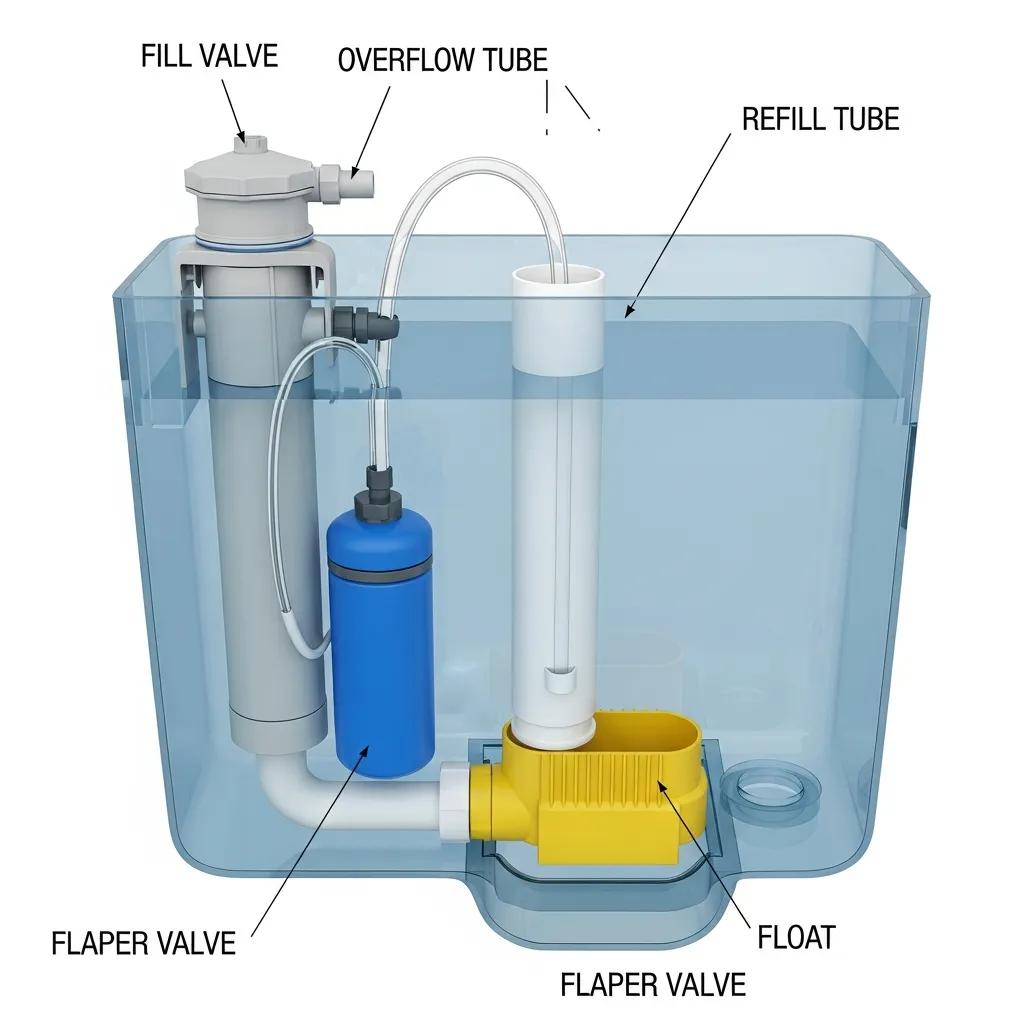
Several tank parts must work together to control flushing and refill. The flapper seals the flush valve, the fill valve lets water in, the float tells the valve when to stop, and the overflow tube prevents overfilling. Common signs: a worn flapper often causes a slow hiss or intermittent refill; a misadjusted float lets water spill into the overflow tube; and a tired fill valve may constantly run or be noisy. Start by checking the chain, seat, and rubber flapper for wear or debris — that often points to the problem. More subtle issues, like internal valve failure or a cracked fitting, may need deeper troubleshooting. Identifying the faulty component directs you to the right repair steps below.
How Can I Fix a Running Toilet Myself? Step-by-Step DIY Repairs
Many running toilets can be fixed by a handy homeowner with a few basic tools, common sense, and the right steps. The usual process: shut off the water, drain the tank, inspect the flapper and seat, test and adjust the float/fill valve, and replace worn parts as needed. The sections that follow include a tools list, concise float adjustment tips, step‑by‑step flapper replacement, and fill valve troubleshooting so you can stop the most frequent causes of running. Use the correct replacement parts for your toilet model and follow manufacturer instructions; if you see tank damage or anything unclear, stop and call a professional. The quick reference table below links parts to likely fixes and suggested tools.
| Component | Common Fix | Suggested Tool/Part |
|---|---|---|
| Flapper valve | Replace worn rubber flapper | Replacement flapper kit, adjustable wrench |
| Fill valve | Clean or replace the valve assembly | Fill valve replacement kit (model specific), pliers |
| Float (ball/ cup) | Adjust the level or swap the float | Screwdriver, adjustment clip or new float |
| Overflow tube | Lower water level or replace tube | Overflow assembly or trim tool, utility knife |
Gathering the right parts and tools before you start cuts down trips to the store and makes testing adjustments faster. The following H3s break each repair into clear, actionable steps.
What Tools Do I Need to Repair a Running Toilet?
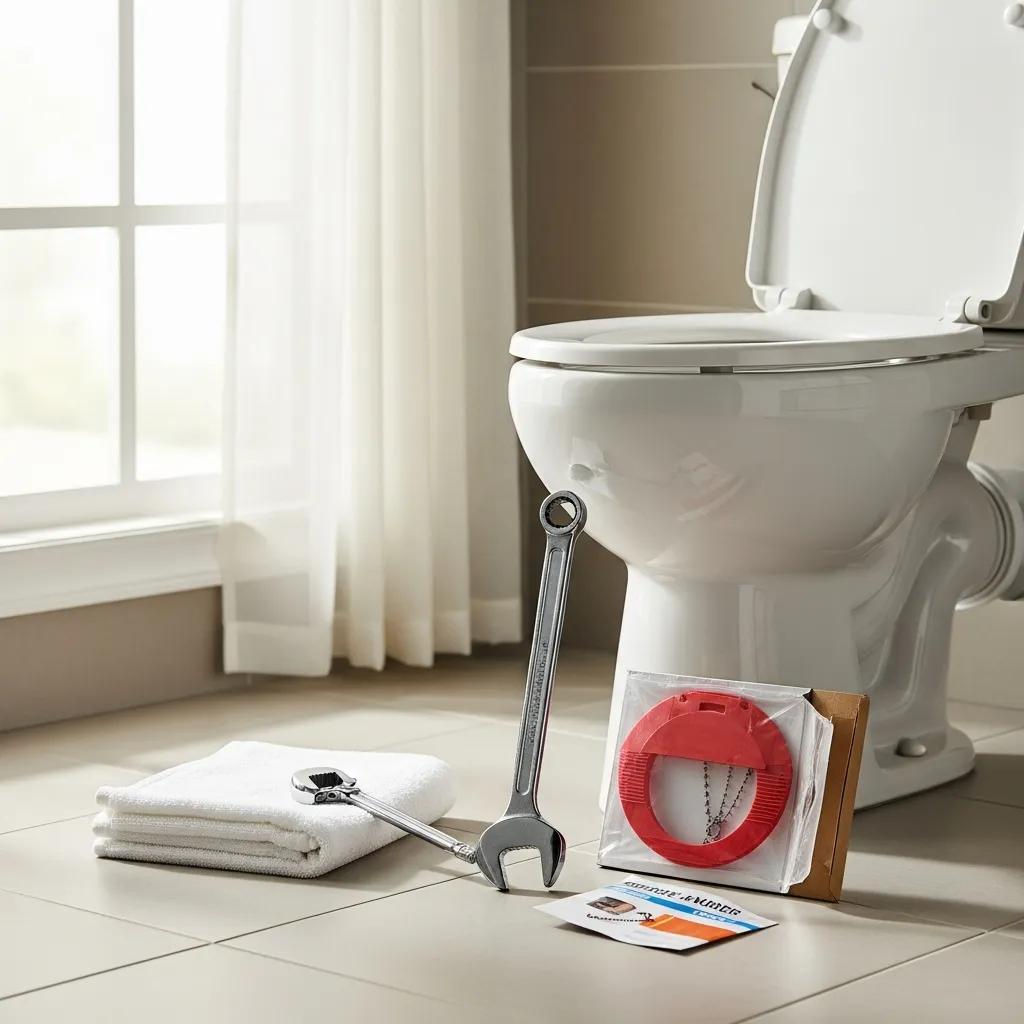
Put together a small toilet repair kit so each task is quick and clean. Essentials: an adjustable wrench for the shut‑off nut, flat and Phillips screwdrivers for clamps and brackets, a replacement flapper or universal kit, a fill valve kit if needed, and a sponge or towel for tank water. Optional but useful: needle‑nose pliers, a small flashlight to peer into the tank, and a bucket for catching water. Having parts and tools ready reduces mistakes and lets you test changes right away. If you find corrosion or cracked parts, consider a professional assessment.
How to Adjust the Toilet Float to Stop Running Water
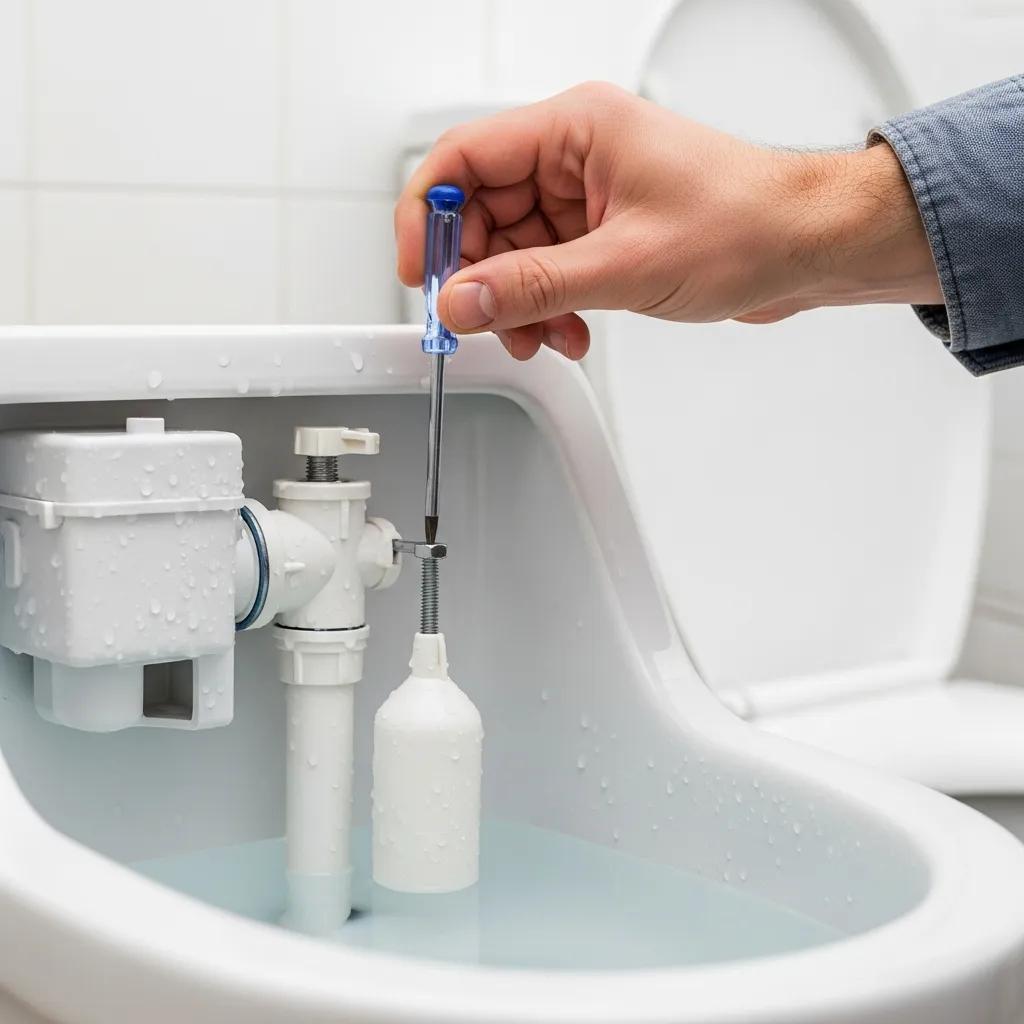
Setting the float correctly stops the fill valve at the right water level and prevents overflow. For a ball float, gently bend the arm or turn the adjustment screw to lower the water level. For a float cup, squeeze the clip or turn the adjustment screw on the fill valve body to move the cup down a little at a time. After each small change, flush and watch the refill — the water should stop about one inch below the overflow tube. If adjustments don’t fix continuous running, the fill valve may be worn and need replacement. Float adjustments are quick and often solve the problem.
How to Replace a Leaky Flapper Valve
Replacing the flapper is one of the easiest, most effective fixes for a running toilet caused by a poor tank seal. Turn off the water and flush to drain most of the tank, disconnect the chain from the flush handle, and remove the old flapper from its pegs or seat. Wipe the valve seat to remove mineral buildup before installing the new flapper, and set the chain so the flapper can seal fully without binding. Restore the water, flush several times, and watch for a proper seal — a correctly seated flapper stops most continuous‑running issues tied to the tank seal.
How to Troubleshoot and Adjust the Fill Valve
A bad fill valve can cause nonstop filling, loud operation, or slow shutoff. Start by observing where the water level sits compared with the overflow tube. Check the valve inlet for debris and follow the manufacturer’s instructions for flushing the valve if supported. If cleaning doesn’t help, try adjusting the valve height or flow control (many modern valves include these). If the valve remains noisy, runs continuously, or won’t regulate the level, replace it with a modern adjustable fill valve kit. Correct diagnosis avoids unnecessary parts changes and keeps your tank refilling quietly and reliably.
When Should I Call a Professional Plumber for Running Toilet Repair?
Many running‑toilet problems are DIY fixes, but some need a pro. Call a licensed plumber if the toilet keeps running after you’ve tried basic repairs, if you see water damage to floors or ceilings, if the tank is cracked, or if valves and fittings are hard to access or corroded. A professional brings diagnostic tools, parts knowledge, and repair guarantees that reduce risk and get the job done right. Homeowners in Macomb, Oakland, and Wayne Counties can get fast local service for emergencies or when DIY fixes don’t hold.
What Are the Signs That Require Expert Plumbing Help?
Stop DIY and call a pro if your toilet still runs after replacing the flapper and adjusting the float, if water pools around the base (which may mean a failed wax ring), or if you find water damage to subfloors or ceilings below. Also seek help for cracked tanks, stuck or corroded internal valves, or when several fixtures show similar problems — these can signal wider supply or sewer issues. A professional diagnosis protects your home and gives you a clear repair plan.
What Are the Benefits of Hiring Frost and Kretsch Plumbing for Toilet Repair?
Hiring a local, experienced plumbing company gives you speed, certainty, and peace of mind. Frost and Kretsch Plumbing sends licensed, insured technicians who diagnose issues accurately, spot related problems, and finish repairs with professional parts and workmanship. We provide transparent pricing, back our work with a 100% satisfaction guarantee, and offer 24/7 emergency service so you can get prompt help when a running toilet threatens damage or keeps you up at night.
How Much Does It Cost to Fix a Running Toilet? Transparent Pricing Insights
Costs vary depending on parts, labor, access, and whether additional repairs are needed, so a single flat price rarely tells the whole story. Common cost drivers include whether you replace a simple flapper or a full fill valve, how long the repair takes, whether it’s an after‑hours call, and any hidden damage found during inspection. The best way to get an accurate number is a diagnostic visit to identify the exact failing component. Frost and Kretsch Plumbing uses a diagnostic‑first approach and provides clear, itemized estimates with no hidden fees.
| Repair Cause | Primary Attribute | Typical Impact on Estimate |
|---|---|---|
| Worn flapper | Simple part replacement | Low parts cost & short labor |
| Misadjusted float | Adjustment or minor part | Minimal labor and low cost |
| Faulty fill valve | Valve replacement | Moderate parts cost, more labor |
| Hidden leak/damage | Requires diagnostics & repairs | Higher labor and possible extra parts |
What Factors Influence Toilet Repair Costs?
Several things affect the final price: the part type and brand, how long the job takes, difficulty of access in older or tight installations, and whether the issue is isolated or part of a larger plumbing problem. Emergency or after‑hours calls add a premium, and finding related damage such as cracked tanks, corroded bolts, or rotted subfloors raises the scope and cost. Choosing OEM or premium parts also changes the parts line item. Ask for a diagnostic that lists parts, labor, and timeline for the clearest estimate.
How Does Frost and Kretsch Plumbing Ensure Transparent Pricing?
Frost and Kretsch Plumbing starts with a diagnostic visit to identify the failing component and give an itemized repair estimate before work begins. Our technicians are licensed and insured, and we explain the scope, parts, and labor so homeowners know what to expect. Our 100% satisfaction guarantee and clear quotes help remove the guesswork when you decide between DIY and professional service. Request an on‑site inspection for a tailored, transparent estimate.
How Can I Prevent My Toilet from Running Constantly? Maintenance Tips for Homeowners
Regular, simple maintenance prevents many running‑toilet problems and extends the life of internal parts. Inspecting components, using gentle cleaners, and replacing rubber parts like flappers before they fail are the most effective steps. Avoid harsh chemicals and do not flush non‑degradable items — both speed wear and can cause problems. For older homes, a professional inspection can spot aging parts before they fail. The checklist and table below give easy, periodic tasks to keep your toilet working reliably.
- Check the flapper and chain for wear and correct slack.
- Confirm the water level sits about one inch below the overflow tube.
- Flush and listen for hissing or continued filling that indicates leaks.
- Operate the shut‑off valve to ensure it closes fully and doesn’t seep.
| Maintenance Item | Action | Frequency/Notes |
|---|---|---|
| Flapper & chain | Inspect for cracks or hardening; replace if needed | Every 6–12 months |
| Water level | Adjust float to sit roughly 1″ below overflow | Quarterly or after any adjustment |
| Fill valve | Listen for smooth shutoff and inspect for leaks | Annually or if noisy |
| Shut-off valve | Operate to confirm it fully closes; replace if stuck | Annually |
What Regular Checks Help Avoid Running Toilet Issues?
Simple checks catch problems early and save time and money. Quarterly look‑overs of the flapper and chain for hardening or fraying, verifying the water level sits about an inch below the overflow tube, and listening for prolonged hissing during refill help you spot issues before they worsen. Testing the shut‑off valve makes sure you can stop the water quickly if needed. These easy habits form a reliable maintenance routine that prevents repeat running issues.
Which Habits and Products Should I Avoid to Protect My Toilet?
Certain practices speed wear on toilet parts. Avoid frequent use of harsh chemical cleaners that can degrade rubber flappers and seals — instead use mild, manufacturer‑recommended cleaners and inspect parts periodically. Never flush wipes, sanitary products, or other non‑degradable items that can interfere with valves or cause partial blockages. When replacing parts, choose reputable, compatible kits so seals and valves fit properly and last longer.
Frequently Asked Questions
What Are the Long-Term Effects of a Running Toilet?
Long term, a running toilet wastes water and raises utility bills. Continuous flow also accelerates wear on internal parts, leading to more frequent repairs or replacements. If left alone, it can cause water damage to floors and ceilings, encourage mold growth, and create structural issues. Regular checks and prompt repairs prevent these consequences and extend the life of your toilet.
Can I Use Chemical Cleaners to Fix a Running Toilet?
Chemical cleaners won’t fix a running toilet and can make things worse by degrading rubber flappers and seals. For repairs, focus on mechanical fixes: replace worn parts or adjust the float. If you need to clean, use mild, manufacturer‑approved products so you don’t damage internal components.
How Often Should I Perform Maintenance on My Toilet?
Do a basic inspection at least every six months: check the flapper and chain, confirm the water level, and test the shut‑off valve. Listen for unusual noises during refill. Regular maintenance helps catch issues early and avoids costly repairs.
What Should I Do If My Toilet Is Still Running After Repairs?
If the toilet still runs after your repairs, the problem may be more complex and require professional diagnosis. Look for persistent leaks, water pooling, or similar symptoms at other fixtures — these are signs to call a licensed plumber who can pinpoint the issue and provide a lasting fix.
Are There Any DIY Solutions for Older Toilets?
Many older toilets can be repaired with DIY fixes, but they may need model‑specific parts. Common repairs include replacing the flapper, adjusting the float, or cleaning the fill valve. If the toilet shows broad wear or uses obsolete parts, replacement might be more cost‑effective. Check the toilet manual or consult a plumber for guidance on older models.
What Are the Signs of a Hidden Leak Related to a Running Toilet?
Signs of a hidden leak include unexplained increases in your water bill, damp or soft spots on the floor, water pooling at the base, or damp ceilings below a bathroom. You might also notice mold or a musty smell. Address suspected hidden leaks quickly — they can cause major damage if ignored.
Why Does My Toilet Keep Running After Flushing?
If a toilet keeps running after a flush, the most likely causes are a flapper that won’t seal, a float set too high, or a fill valve that doesn’t shut off. Watch the tank during refill: if the flapper doesn’t seat, the tank will slowly empty into the bowl; if water pours into the overflow tube, lower the float. Start by replacing hardened flappers and adjusting the float; if the fill valve remains noisy or continuous, replace the valve assembly. These steps will resolve most running‑toilet problems.
Can a Running Toilet Fix Itself Over Time?
Not usually. Rubber parts keep degrading and mineral deposits build up inside valves, so running toilets tend to get worse. Delaying repair wastes water and risks secondary damage like floor rot or mold. Do basic checks and repairs promptly — replace the flapper or adjust the float — and call a pro if DIY fixes don’t solve it.
What Part Makes a Toilet Run Constantly?
The flapper valve is the most common cause because it seals the flush valve and wears out over time, but the fill valve and float are frequent culprits too. A faulty fill valve can keep admitting water, and a float set too high allows overflow into the tube. Check parts in this order: flapper, float, then fill valve — replacing the faulty component usually restores normal operation.
How Quickly Should I Address a Running Toilet?
Fix a running toilet within days, not weeks. Continuous flow wastes significant water and raises bills; act immediately if you see water damage, pooling, or a sudden spike in your water bill. If a flapper replacement or float adjustment stops the running, keep an eye on it. If problems persist or you see signs of structural or hidden leaks, contact a professional promptly to avoid bigger repairs. Early action saves money and water.
Conclusion
Stopping a running toilet saves water, cuts your utility bill, and prevents possible water damage. With a bit of knowledge — how the flapper, float, and fill valve work — many homeowners can handle the fix themselves. When a repair looks beyond your comfort level or the problem persists, reach out to a licensed plumber. If you’d like help, Frost and Kretsch Plumbing is ready to diagnose and repair the issue quickly. Explore our resources for more tips to keep your plumbing running smoothly.