Fixing a Weak or Incomplete Toilet Flush: Clear Causes, Simple DIY Fixes, and When to Call a Pro
A weak or incomplete toilet flush happens when the bowl doesn’t get enough water flow to form a proper siphon, leaving waste behind, prompting extra flushes, or causing slow drainage. It matters because a poor flush leads to recurring clogs, bad smells, and wasted water. This guide walks you through how the tank, rim jets, siphon action, and drain/vent system work together, shows practical DIY checks and fixes you can try safely, and explains when it’s time to call a professional. You’ll find common causes, step‑by‑step home repairs for water level and jet cleaning, clear signs that need a plumber, the professional services that fix the full range of problems, and simple maintenance tips to keep your toilet flushing reliably. Read on for straightforward, actionable steps to restore flush power and for help getting expert service if needed.
What Are the Common Causes of a Weak or Incomplete Toilet Flush?
Most weak flushes come from one of a few issues: not enough water in the tank, blocked rim or siphon jets, worn tank parts like the flapper or fill valve, or a partial clog or vent issue in the drain line. The tank’s job is to release enough water to start a siphon in the bowl—if volume or jet flow is reduced, that siphon never fully forms and the bowl won’t clear. Start diagnosing by watching symptoms: continuous running usually points to a flapper or fill valve problem, a weak swirl points to clogged jets, and gurgling drains point to venting or downstream clogs. Work through checks in order: tank water level and flapper first, visible jets and the trap next, and if problems persist move on to drain and vent diagnostics. The table below matches common causes to typical symptoms, homeowner fixes, and urgency to help you prioritize.
The table below helps match observable symptoms to probable causes and recommended next steps.
| Cause | Symptom | Typical DIY Fix | Urgency |
|---|---|---|---|
| Low tank water level | Weak flush, low waterline | Adjust fill valve/float, check for leaks | Low–Moderate |
| Clogged rim jets / siphon jet | Poor bowl sweep, lingering solids | Clean jets with vinegar/brush, manually clear siphon jet | Low–Moderate |
| Faulty flapper valve | Continuous running or weak suction | Replace flapper or adjust chain | Moderate |
| Malfunctioning fill valve | Slow refill, wrong water height | Replace or rebuild fill valve assembly | Moderate |
| Partial drain or vent blockage | Gurgling, slow drain, repeated clogs | Snaking, camera inspection, vent clearing | Moderate–High |
This quick comparison shows that many weak flushes start with tank or jet issues and can escalate into drain or vent problems if ignored. Next up: homeowner troubleshooting steps you can try safely.
How Does Low Water Level in the Toilet Tank Affect Flush Power?
Tank water level matters because flush force depends on the volume and height of water pushing into the trapway. If the fill valve is set too low or the tank leaks, there isn’t enough mass to create a full siphon, so each flush is weaker. To check the level, remove the lid, look for the marked water line or compare to the overflow tube height, and run a manual fill test to see if the valve stops where it should. If the level is low, adjust the float or replace an aging fill valve. If the water won’t hold, inspect the flapper for leaks or other hidden leaks. Once you understand tank volume, you’ll know which float or valve adjustments to make next.
What Role Do Clogged Toilet Rim Jets and Siphon Jets Play?
Rim jets and the siphon jet focus water to start the bowl’s swirl and lift waste into the trapway. Mineral deposits and debris shrink those openings and scatter flow, so the flush won’t form a full siphon. When rim jets are partly blocked the flush feels weak and solids may linger—use a flashlight to inspect the rim holes for reduced flow. Many deposits come off with safe household methods: vinegar soaks, brushing, or running water through the siphon jet. Severe encrustation may need professional descaling or part replacement. Since jet cleaning is low risk and often effective, try safe cleaning first before replacing tank parts or calling for drain work.
How Can Homeowners Troubleshoot and Fix a Weak Toilet Flush Themselves?
You can resolve many weak‑flush problems by following a simple, safety‑first sequence that moves from easy checks to basic repairs. Start with the tank water level, watch a full flush to see how the tank and bowl behave, inspect the flapper and chain, and look into the rim and siphon jets for buildup. If the water level is low, adjust the float or fill valve; if the flapper leaks or chain is off, reseat or replace it; if jets are clogged, try a vinegar soak and a small brush or flexible wire to clear deposits. Keep tools basic—adjustable pliers, a screwdriver, a small brush, vinegar, and gloves—and stop and call a pro if you find persistent leaks, sewage smells, or backups in multiple fixtures. These steps catch the most common causes and prepare you for any next actions.
Before you start, gather tools and safety items and make sure you’re comfortable following step‑by‑step adjustments—accurate adjustments stop overflows and avoid repeat visits.
- Gather basic tools: adjustable pliers, screwdriver, towel, rubber gloves, small brush, and vinegar.
- Observe one complete flush: watch tank and bowl behavior and note whether water level or flapper action looks abnormal.
- Start with the easiest fixes: adjust float height, reseat or replace flapper, clean rim jets, then retest flush performance.
Work through these steps in order to raise the odds of fixing the issue yourself and to avoid replacing parts you don’t need.
How to Adjust the Water Level in Your Toilet Tank Step-by-Step
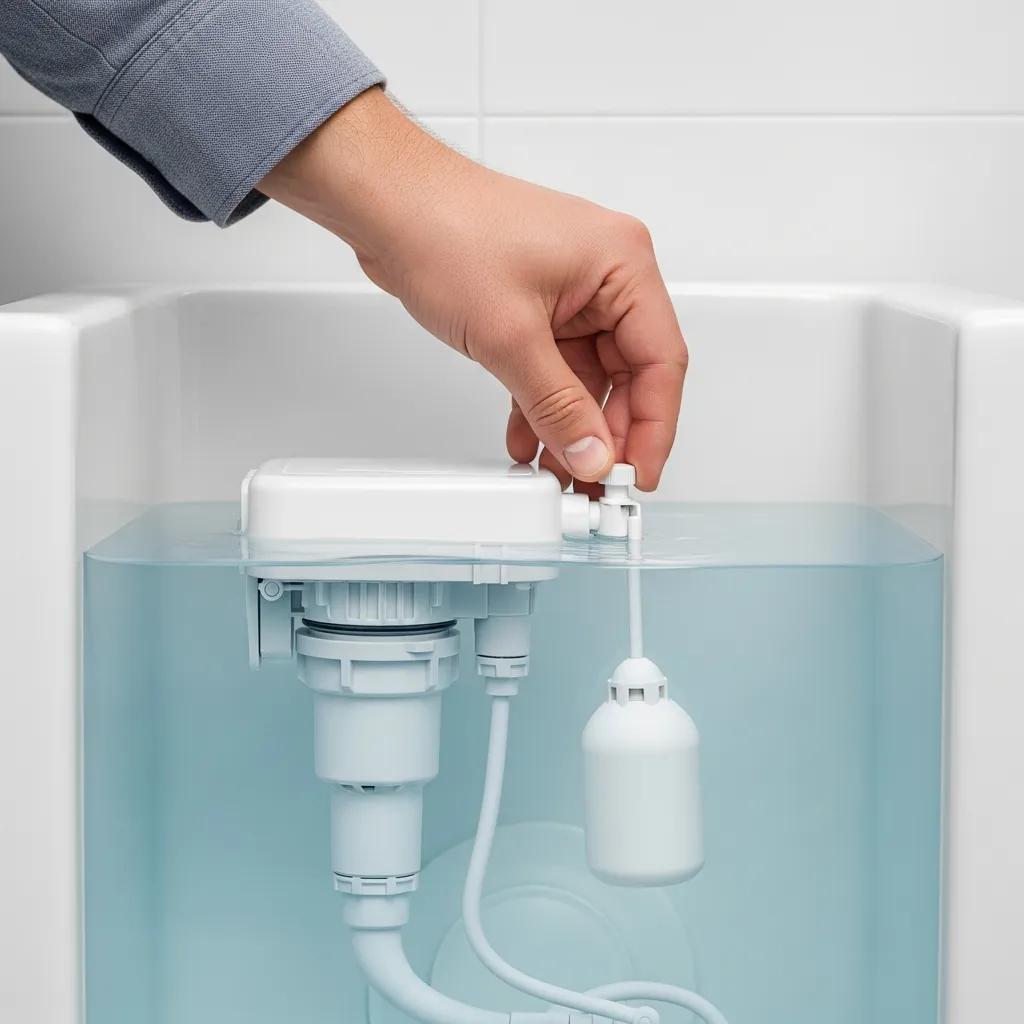
Adjusting the tank level depends on the fill valve and float type. Common setups are float cup assemblies, float arms, and modern integrated fill valves—each adjusts a little differently. For a float cup, pinch the clip on the cup and slide it up to raise the water line or down to lower it. For a float arm, bend or tweak the arm gently or use the valve’s adjustment screw. For integrated valves, turn the adjustment screw or move the clip to set the water level just below the overflow tube. After adjusting, flush and confirm the tank refills to the correct line and the fill valve shuts off cleanly. If the level won’t hold, check the flapper for leaks or consider replacing a worn fill valve. Proper adjustment restores the water mass needed for a full siphon and may solve the problem without further work.
What Are the Best Methods to Clean Clogged Toilet Rim Jets Safely?
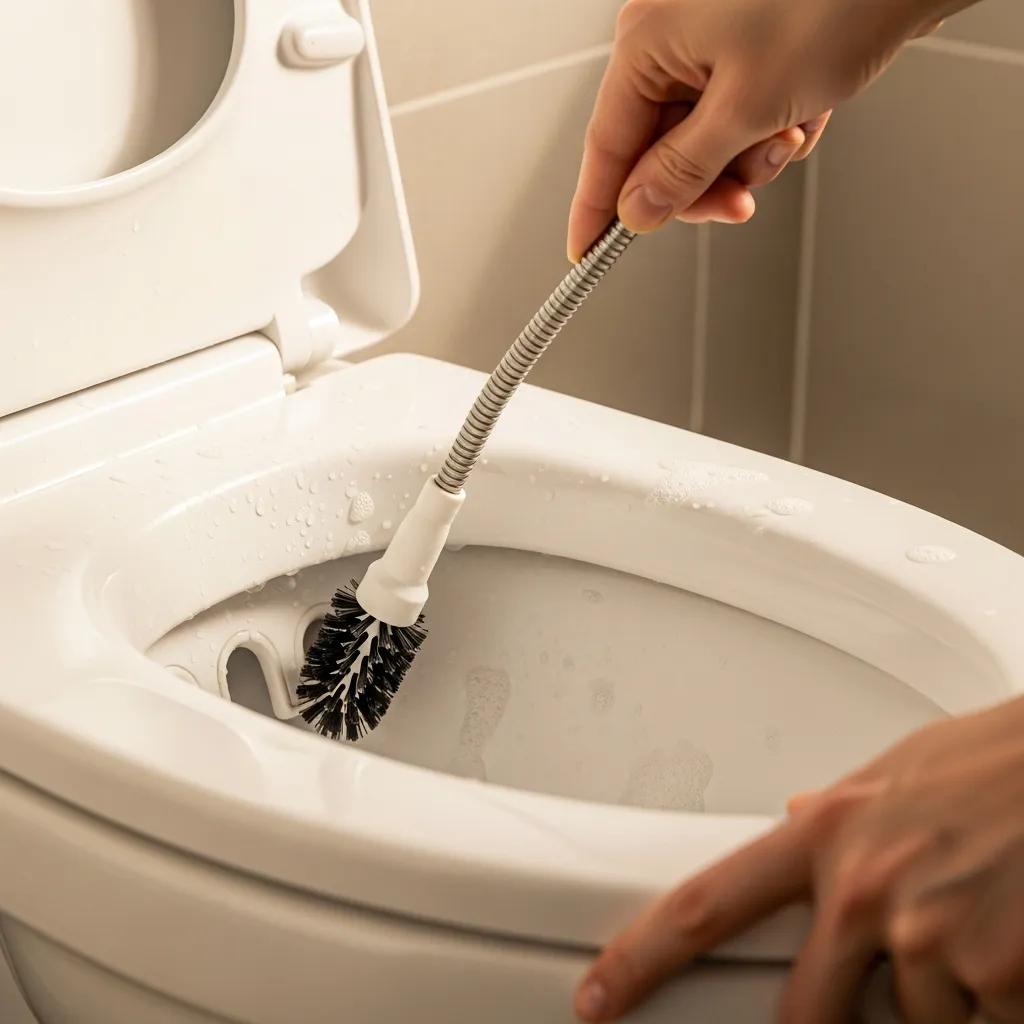
Safe jet cleaning starts with mild cleaners and physical brushing to avoid damaging porcelain or rubber parts; heavy mineral build‑up may need professional descaling. A common approach is to pour white vinegar into the tank and let it soak for several hours to loosen deposits, then gently clear rim holes with a flexible brush or small wire while flushing to wash out debris. Don’t use harsh acids or abrasive powders that can harm seals or finishes. If deposits won’t come off with household methods or cleaning requires disassembly, schedule professional descaling or part replacement to get the jets flowing properly again.
Start with non‑corrosive methods and only escalate to professional services for stubborn scaling or when parts must be taken apart.
List of safe supplies to clean jets:
- White vinegar: soaks and softens mineral deposits.
- Flexible jet brush or small bottle brush: clears rim holes without scratching.
- Disposable gloves and towel: protect hands and keep the area tidy.
After cleaning, test the flush. If bowl sweep is still weak, recheck water level or consider replacing a valve or calling a technician.
When Should You Call a Professional Plumber for Toilet Flush Issues?
Call a licensed plumber when symptoms point to mechanical failure, persistent drain or vent problems, or when DIY fixes don’t restore reliable performance. Red flags include toilets that run nonstop after you’ve checked the flapper and fill valve, repeated clogs in the same fixture, sewage backup or slow drains across several fixtures, strong sewer odors, or visible leaks at the toilet base. Pros have tools—camera inspection, hydro‑jetting, and pressure testing—that find partial clogs and vent problems you can’t see. For overflowing sewage or major leaks, request immediate emergency service to limit damage. For non‑emergency but persistent problems, schedule a same‑day diagnostic so the issue doesn’t get worse. Below is a quick checklist to help you decide when to escalate.
Below is a quick decision checklist to help you decide when to escalate to a professional.
- Toilet runs continuously after checking flapper and fill valve.
- Repeated clogs or backups occur despite snaking.
- Multiple fixtures drain slowly or gurgle, indicating vent or main line problems.
Use this checklist to choose between trying more DIY steps and scheduling professional diagnostics—accurate diagnosis often requires specialty tools and experience.
What Are the Signs That Indicate Professional Toilet Flush Repair Is Needed?
If the flush remains weak after you’ve set the water level and cleaned jets, it’s time for professional diagnostics. Problems like internal trapway damage, worn seals, or partial blockages downstream need a plumber’s inspection. If you’ve already replaced the flapper or fill valve and the issue persists, technicians will check the trapway, test for hidden leaks, and inspect downstream flow and venting with cameras and pressure tests. Emergencies such as overflowing sewage or major leaks require immediate attention and temporary mitigation. Catching these signs early reduces the scope and cost of repairs and helps decide whether to replace parts or clear drains.
How Does Frost and Kretsch Plumbing Provide Emergency Toilet Repair Services?
At Frost and Kretsch Plumbing we offer rapid emergency response with licensed technicians who provide on‑site diagnostics, temporary containment, and clear estimates before any work begins. Our emergency process includes fast dispatch to limit water damage, a focused diagnosis to determine whether the issue is a tank part, trapway, or drain/vent problem, and straightforward repair recommendations. Customers can expect transparent pricing and our satisfaction guarantee, and our techs will explain options—like flapper or fill valve replacement, snaking, or hydro‑jetting—before starting work. If it’s urgent, request emergency service to minimize damage; for persistent but non‑urgent issues, book a diagnostic visit.
What Professional Services Does Frost and Kretsch Plumbing Offer for Toilet Flush Repair?
We treat weak flushes with targeted services: component replacement (flapper, fill valve), rim and siphon jet cleaning, drain clearing (snaking or hydro‑jetting), vent pipe clearing, and full toilet replacement when needed. Each service addresses specific causes—flapper or fill valve swaps fix running and refill issues, jet cleaning restores bowl sweep, and drain or vent clearing removes downstream restrictions that block siphon formation. The table below links common services to what they fix, typical completion times, and the benefits you can expect so you can pick the right option after diagnosis.
| Service | What It Fixes | Typical Time to Complete |
|---|---|---|
| Flapper valve replacement | Stops running and restores seal for proper siphon | 20–40 minutes |
| Fill valve replacement/adjustment | Corrects refill height and tank volume | 30–60 minutes |
| Rim/siphon jet cleaning | Restores bowl sweep and reduces repeat flushes | 30–60 minutes |
| Drain clearing (snaking/hydro-jetting) | Removes partial blockages that reduce siphon power | 1–3 hours |
| Vent pipe clearing/camera inspection | Repairs venting issues that cause gurgling/backups | 1–3 hours |
This mapping shows many fixes are quick part swaps, while drain and vent work typically take longer and require special tools—so you’ll know what to expect on arrival.
Which Toilet Components Do We Repair or Replace: Flapper Valve, Fill Valve, and More?
Our technicians commonly replace worn flappers that let water seep through, install modern fill valves that hold the correct water level, and repair or swap other tank parts like fill tubes, flush levers, and seals that wear out. A bad flapper shows up as continuous flow or a tank that won’t hold water; a failing fill valve causes wrong refill heights or slow refilling. Often replacing the part is more cost‑effective than repeated repairs. If component changes don’t fix the problem, we move on to drain and vent diagnostics to find downstream restrictions preventing a full siphon.
How Do Drain Clearing and Vent Pipe Services Improve Toilet Flush Performance?
Partial blockages in the trapway, main drain, or blocked vent pipes slow flow and prevent the siphon needed for a full flush. Technicians use snaking, hydro‑jetting, and camera inspection to find and remove those obstructions and confirm flow is restored—hydro‑jetting is especially effective on grease, mineral buildup, and scale that resist a snake. Clearing vents restores proper air balance so drains flow freely and cuts down on gurgling and slow drainage across fixtures. When clearing is successful, normal flush performance usually returns and repeat clogs are less likely. Camera footage also documents the fix and helps avoid unnecessary part replacements.
How Can Preventative Maintenance Help Avoid Weak Toilet Flush Problems?
Regular maintenance prevents the gradual buildup and part wear that lead to weak flushing. A simple routine of cleaning, quick inspections, and an annual professional check keeps performance steady and reduces emergency calls. Recommended actions include monthly rim‑jet cleaning, seasonal checks of the flapper and fill valve, and yearly professional inspections that include vent and drain evaluation. The table below compares preventive actions, how often to do them, who should do them, and what to expect so you can build a practical plan that fits your home.
| Preventive Action | Frequency | Who Should Do It | Expected Outcome |
|---|---|---|---|
| Clean rim and siphon jets | Monthly | Homeowner | Maintains bowl sweep, reduces mineral buildup |
| Inspect flapper and chain | Every 3–6 months | Homeowner | Prevents running and maintains waterline |
| Fill valve function check | Annually | Homeowner or Pro | Ensures correct refill and water volume |
| Annual plumbing inspection (valves/drains/vents) | Yearly | Licensed technician | Early detection of vent/drain issues |
Combining simple homeowner tasks with an annual pro check gives the best balance of cost and long‑term reliability.
What Regular Cleaning and Inspection Practices Are Recommended?
Do a monthly visual check of the tank and bowl, wipe deposits from rim holes, and test the flapper seal with a dye test: add a few drops of food coloring to the tank and check the bowl after 15 minutes—if color shows up, the flapper leaks. Make sure the fill valve shuts off promptly after a refill. Use mild cleaners like vinegar for mineral buildup and avoid harsh chemicals that can damage seals. Clear rim jets mechanically with a small brush if flow looks uneven. Keep notes on recurring issues—like a slipping flapper or a fill valve that won’t shut off—and get a pro involved before a small problem becomes an emergency.
How Does Annual Plumbing Inspection Prevent Flush Issues?
An annual inspection by a licensed technician covers tank parts, trapway condition, main drain flow, vent operation, and hidden leaks with tools homeowners usually don’t have. Pros can run camera inspections to find partial clogs, test vent flow, measure refill performance, and recommend targeted maintenance such as descaling or selective part replacement. The cost of a yearly inspection can prevent bigger expenses like hydro‑jetting or full replacements later, and you’ll get a simple maintenance checklist to follow between visits. Regular assessments keep flush performance predictable and reduce unexpected failures.
How to Schedule Expert Toilet Flush Repair Services with Frost and Kretsch Plumbing
Booking service is easy: tell us the symptoms, choose emergency or scheduled service, and gather any notes or photos about what you’ve already tried. Call or use our online service request form and describe the flush behavior, any visible leaks, and whether other fixtures are affected—photos or short videos help our techs triage before arrival. Frost and Kretsch Plumbing provides 24/7 emergency availability, clear pricing, licensed technicians, and a satisfaction guarantee so you know what to expect. Sharing details ahead of time—what DIY steps you’ve taken, when the issue started, and whether the toilet runs continuously—helps us diagnose faster on the first visit.
What Are the Steps to Book a Service Appointment?
When you book, have these details ready: the toilet’s symptoms, when the problem started, any recent plumbing work, and whether other fixtures are affected. That helps us decide if you need an emergency dispatch or a standard diagnostic visit. The usual process is: report the issue and urgency, get an arrival window and a clear estimate for diagnostics, and the technician will perform an on‑site evaluation and present repair or replacement options before any work starts. Send photos or video if you have them, and ask about warranties and our satisfaction guarantee. Clear information at booking means an efficient on‑site diagnosis and fewer surprises.
What Makes Frost and Kretsch Plumbing the Trusted Choice in Michigan?
Frost and Kretsch Plumbing is a local team serving Macomb, Oakland, and Wayne Counties with licensed technicians, transparent pricing, and a 100% satisfaction guarantee designed to remove guesswork from repairs. Our local focus gives us faster response times for emergencies and experience with area issues like hard water scaling and older vent systems. Our techs bring the right tools and options to avoid unnecessary part swaps. Customers get clear estimates, a range of service choices (component repair, drain clearing, or full replacement), and the peace of mind of emergency availability and our satisfaction guarantee. If you need help with a weak flush, gather your symptom notes and request a service appointment—we’ll respond promptly.
Frequently Asked Questions
1. What should I do if my toilet continues to run after adjusting the flapper?
If the toilet still runs after adjusting the flapper, the flapper may be warped or the fill valve could be failing. First, make sure the flapper is seated correctly and the chain isn’t too tight or too loose. If it still runs, check the fill valve for signs of leakage or improper shutoff. Replacing the flapper is a quick, inexpensive fix; if that doesn’t work you may need a new fill valve. If those steps don’t stop the running, call a professional so they can find any hidden causes.
2. How can I tell if my toilet has a hidden leak?
Use a dye test: drop a few drops of food coloring into the tank and wait 15 minutes without flushing. If color shows up in the bowl, the flapper is leaking. Also check around the toilet base for pooling water—this can signal a failing wax seal or loose connections. Catching leaks early saves water and prevents damage.
3. What are the risks of ignoring a weak toilet flush?
Ignoring a weak flush can lead to frequent clogs, bad odors, higher water use, and eventually bigger plumbing repairs. Small problems can grow into mainline or vent issues if left untreated. Fixing a weak flush promptly keeps your bathroom sanitary and avoids more costly work down the road.
4. Are there any preventative measures to avoid toilet flush problems?
Yes. Do monthly visual checks, clean rim jets, and test the flapper and fill valve regularly. Use mild cleaners like vinegar to prevent mineral buildup, and schedule an annual plumbing inspection to catch hidden issues early. These simple habits reduce the chance of unexpected problems.
5. How often should I clean my toilet's rim and siphon jets?
We recommend cleaning rim and siphon jets at least once a month. A vinegar soak and a flexible brush usually do the job. Regular cleaning keeps water flow even and helps maintain strong flush performance.
6. What should I do if multiple fixtures in my home are draining slowly?
If several fixtures are slow, the issue may be a main drain blockage or a venting problem. Start with plunging and snaking individual drains, but if the issue continues call a plumber. A pro can inspect the main line and vents with cameras and clear the problem safely.
7. Can I use chemical drain cleaners to fix toilet flush issues?
We don’t recommend chemical drain cleaners for toilets. They can harm seals, pipes, and the porcelain surface. For minor issues, try vinegar and baking soda, but for persistent problems get a professional assessment to avoid further damage.
Conclusion
Fixing a weak or incomplete toilet flush improves sanitation, cuts water waste, and saves you time on repeat fixes. Many problems can be solved at home with a few checks—water level adjustment, jet cleaning, or a flapper swap—but persistent or widespread symptoms are best handled by a professional. If you’d like expert help, contact Frost and Kretsch Plumbing for a prompt, transparent service visit and reliable repairs.