
Essential Tips for Preventing Basement Flooding: A Practical Guide for Homes and Businesses
Basement flood prevention means installing smart systems and following simple habits that keep water out of below-grade spaces — protecting your foundation, systems, and possessions from moisture and contamination. In Michigan, heavy rain, fast snowmelt, and freeze‑thaw cycles increase pressure under foundations, so preventing basement flooding saves you from costly repairs and stress. This guide gives clear, practical steps for homeowners and business owners: how sump pumps and backwater valves work, which drainage solutions help most, what installation typically costs, the warning signs of a problem, and seasonal upkeep to keep systems reliable. You’ll learn how sump pump systems remove collected water, how exterior and interior drainage work together, when a backwater valve is needed to stop sewer backup, and when to call a professional for emergency help. We also map typical cost factors, offer pre-storm checklists, and point to local pros who can inspect and respond quickly.
How Does a Sump Pump Prevent Basement Flooding?
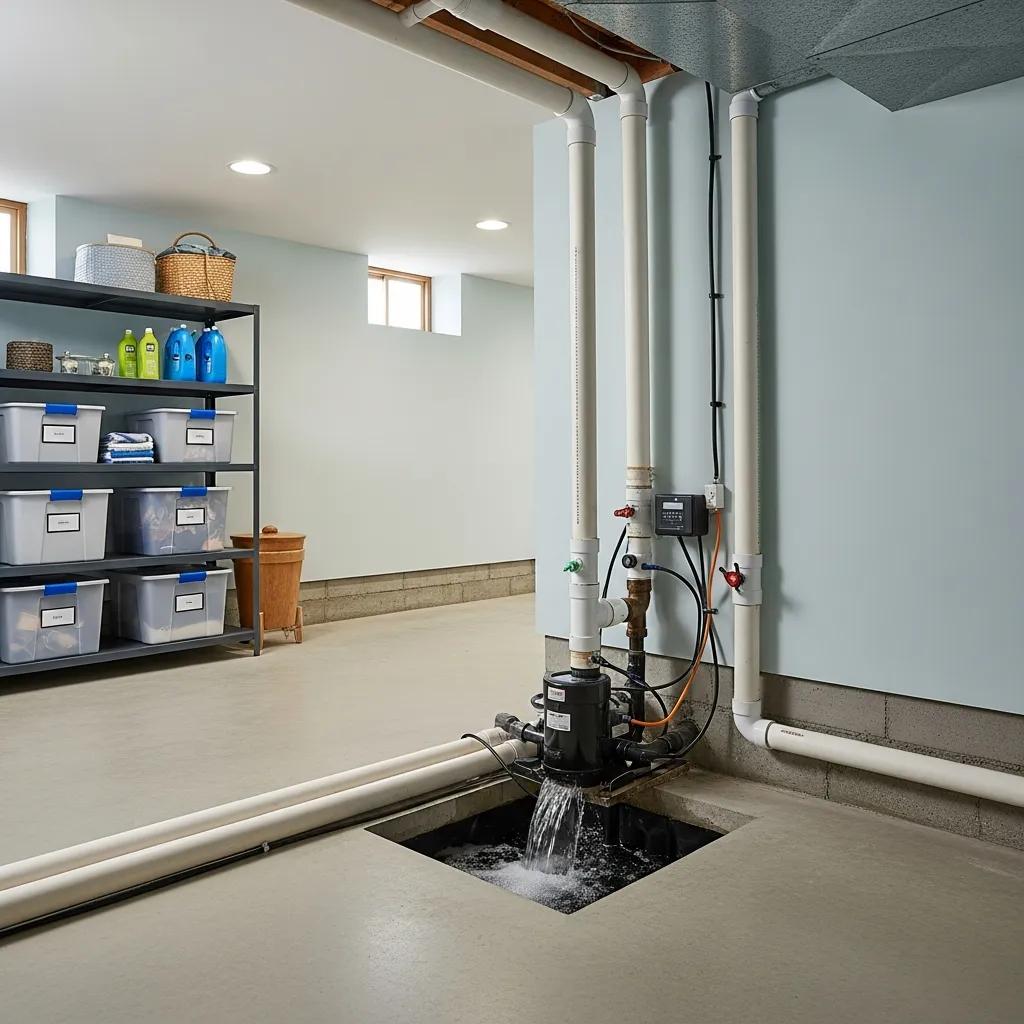
A sump pump keeps your basement dry by collecting groundwater or seepage in a sump pit and pumping it away before water reaches damaging levels. Water flows into the pit through gravity or perimeter drains, a float or pressure sensor senses the rise, and the pump activates to push water out through a discharge pipe to a safe outlet. That lowers the hydrostatic pressure on foundation walls and reduces seepage through cracks. Common failure causes are power loss, clogged discharge lines, stuck floats, and worn motors — which is why regular testing and a backup (battery or secondary pump) are important for dependable protection. The next section breaks down the main pump types so you can match a system to your Michigan basement.
What Are the Different Types of Sump Pumps and Their Benefits?
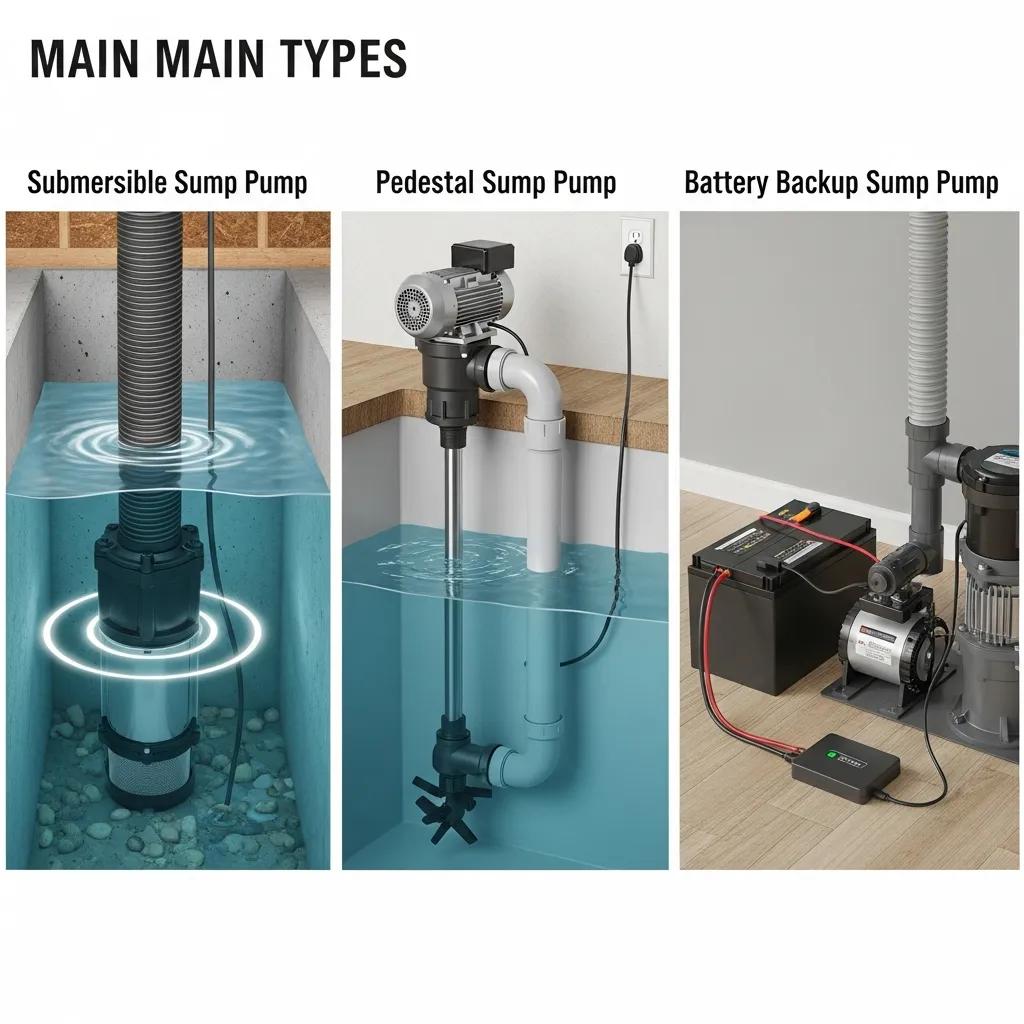
Most basements use one of three sump pump setups: submersible, pedestal, and battery backup units. Submersible pumps sit in the pit and are built to run submerged — they’re quieter and handle higher volumes. Pedestal pumps keep the motor above the pit, making servicing easier and often costing less when water entry is intermittent, though they’re louder. Battery backup pumps give you emergency pumping during power outages and are essential in areas with winter outages; runtime depends on battery size and charger quality. Often the best protection combines a primary pump with a backup, sized for your basement and local power reliability.
Different sump pump types compared for Michigan basements:
| Sump Pump Type | Installation Location | Best Use Case |
|---|---|---|
| Submersible sump pump | Inside sump pit | High-volume discharge, quiet operation |
| Pedestal sump pump | Motor above pit | Low-to-moderate flow, easy servicing |
| Battery backup sump pump | Paired with primary pump | Power-outage redundancy, emergency runs |
In short: submersible units are the heavy lifters, pedestal pumps are easier to service for lighter needs, and battery backups protect you during outages. Choosing a combination usually gives the best, most reliable protection.
How to Maintain Your Sump Pump for Reliable Flood Protection
Regular maintenance keeps the pump’s key parts — float switch, discharge pipe, check valve, and sump pit — working when you need them. Monthly checks should include a quick look for debris in the pit, a manual test of the float or pressure switch, and confirming the discharge line is clear and routed away from the foundation. Seasonal tasks include cleaning the pump inlet screen, testing any battery backup under load, and checking the check valve for backflow. Have a pro inspect the system yearly to catch motor wear or control issues before they fail. If a test shows the pump won’t turn on, cycles erratically, or the float sticks, schedule service right away to avoid surprises during a storm.
Following this checklist helps homeowners spot problems early and reduces the chance of emergency flooding. The next section covers exterior drainage systems that work with a properly functioning sump pump.
What Are Effective Basement Drainage Solutions to Prevent Water Damage?
Good drainage reduces how much water reaches your foundation so it never faces long periods of hydrostatic pressure. Exterior fixes like grading, downspout extensions, and French drains send water away before it soaks into soil near footings. Interior solutions — perimeter drains and sump pits — intercept water that still gets below grade and move it out. Exterior measures lower inflow volume; interior systems remove what gets past the exterior defenses. Proper installation and maintenance matter because frozen soils, clogged backfill, or poorly routed downspouts can undo the benefits. The subsection below explains how French drains and common exterior components work in practice.
How Do French Drains and Exterior Drainage Systems Work?
A French drain uses a perforated pipe surrounded by gravel and filter fabric to collect and redirect groundwater away from the foundation, lowering the water table beside the building and preventing seepage through walls or slabs. It works by giving subsurface water an easy, sloped path to an outlet — a storm drain, daylighted grade, or swale. French drains work best in well-draining soils; in heavy clay or frost-prone ground, installers account for freeze‑thaw and may place components below frost depth where practical. Installation choices depend on yard access, underground utilities, and whether exterior excavation or an interior perimeter system is the less disruptive option for your property.
That leads into simple fixes like grading and gutters, which are often the first, most effective steps to keep water away from the foundation.
Why Is Proper Yard Grading and Gutter Maintenance Crucial?
Yard grading and maintained gutters are your first defense. Proper grading directs surface runoff away from the house — typically at least 6 inches drop over the first 10 feet — and downspouts should carry roof runoff well beyond that zone. Inspect gutters seasonally for clogs, leaks, and loose hangers; when gutters fail they concentrate runoff near the foundation and can overwhelm subsurface drains. If DIY grading or gutter fixes don’t solve persistent pooling, a professional exterior drainage or excavation service can design a more durable solution.
How Can Backwater Valve Installation Protect Against Sewer Backup Flooding?
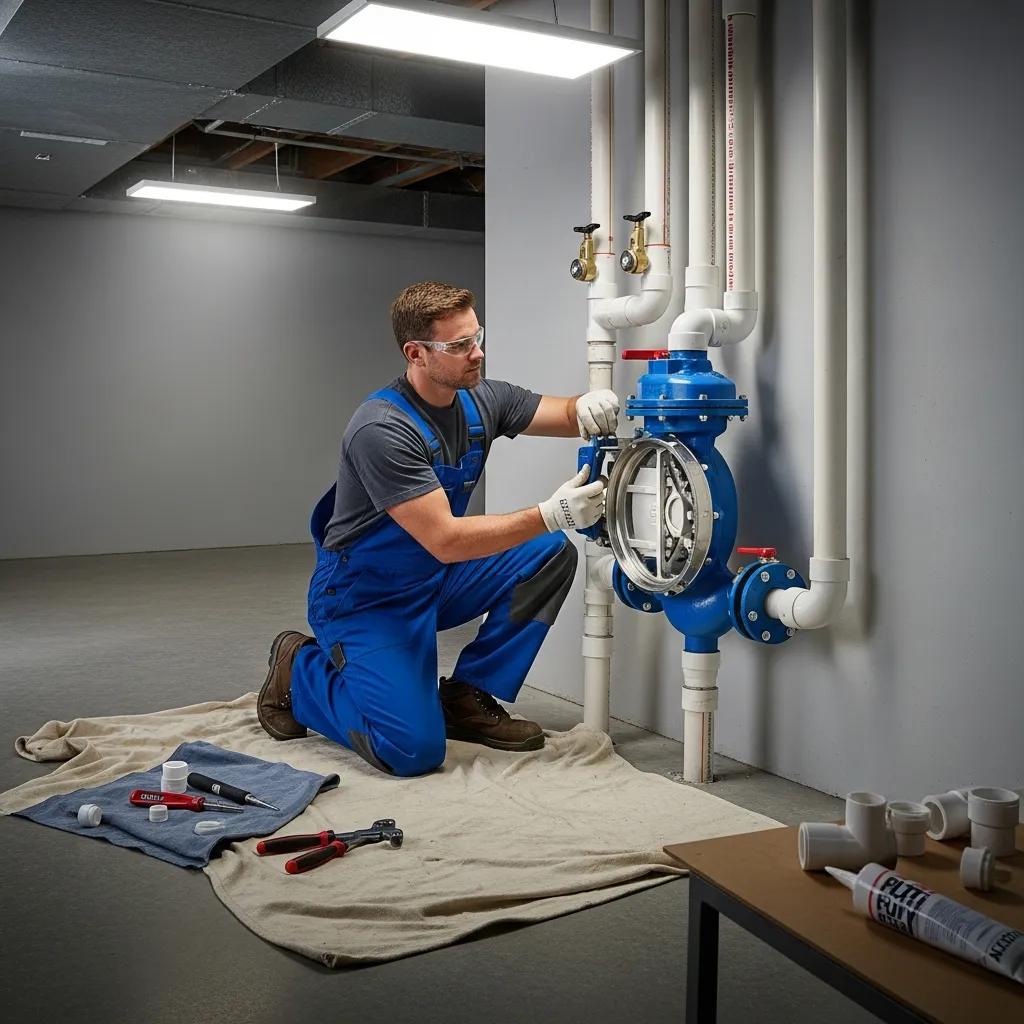
A backwater valve stops sewer backup by letting wastewater flow out while automatically closing if flow reverses, keeping sewage from entering the home through drains or fixtures. Installed in the main sewer line — inside the basement or in an external pit — the valve’s flap or gate seals when the municipal system surges, creating a one-way barrier against contaminated water. This protects finished basements from health‑hazardous backups; regular inspection and cleaning keep the seals moving and debris-free. The following sections explain valve types and when a backwater valve is a wise investment.
What Is a Backwater Valve and How Does It Function?
A backwater valve is a mechanical device fitted into the sewer lateral that lets sewage exit but closes if flow reverses. A hinged flap or gate seals under back-pressure to stop sewage from re-entering. Automatic models work without homeowner action and are best placed at the main outlet; manual valves need to be closed by the homeowner or seasonally and are used where automatic units aren’t practical. Regular checks are necessary because debris, grease, or roots can jam the mechanism. Periodic cleaning and a professional video sewer inspection give the best assurance of long‑term performance. Given the damage a sewer backup can cause, correct placement and maintenance are critical.
When Should You Consider Installing a Backwater Valve?
Consider a backwater valve if you’ve had past sewer backups, live in a low-lying area, have finished living space in the basement, or if your neighborhood’s sewer system is known to surcharge during storms. Other factors include fixtures below street level, frequent heavy rains, and any insurance or municipal requirements. If several risk signs apply, get a licensed inspection and consider installation to reduce the chance of sewage damage and costly remediation. Work with a pro to follow local codes and avoid ineffective placements or permit issues.
What Are the Costs and Considerations for Sump Pump Installation?
Sump pump installation costs come from equipment, labor, excavation, and optional upgrades like battery backups, alarms, and warranties. Equipment choice (submersible vs. pedestal, horsepower, materials) sets the baseline; labor and site work (access, floor removal, electrical hookup), excavation, and permits add variable costs. Other considerations are warranty length, pump capacity versus expected inflow, brand reliability, and extras like alarms or automatic transfer switches for backups. For Michigan homes, include battery backup sizing and frost-resistant discharge routing because winter outages and freezing can increase failure risk. The next subsection summarizes the main cost drivers to expect when planning installation.
What Factors Influence Sump Pump Installation Cost?
Key cost drivers are equipment specs, labor and excavation difficulty, electrical work and permits, and optional add-ons like battery backup and alarms. Equipment costs rise with pump capacity and certifications; higher-capacity submersible pumps and certified check valves cost more but add reliability. Labor climbs when access is tight, finished flooring must be repaired, or extra foundation work is needed; excavation and soil disposal are common line items. Upgrades such as battery backups, sump alarms, and extended warranties increase upfront cost but lower long-term emergency expenses — often a smart trade for higher-risk properties.
| Cost Component | Typical Impact | Consideration |
|---|---|---|
| Equipment | Moderate to High | Choose capacity for expected inflow |
| Labor & Excavation | Variable | Tight access raises cost |
| Electrical & Permits | Low to Moderate | Licensed work ensures safety |
| Upgrades (battery, alarm) | Moderate | Improve reliability in outages |
This table shows equipment and labor usually drive cost, but proper sizing and thoughtful upgrades provide better long-term value than a minimal install that might fail when you need it most.
How to Choose the Right Sump Pump for Your Michigan Home or Business
Match pump capacity (GPM and head), pump type, and backup plan to your basement’s expected inflow and use — whether storage, finished living space, or business-critical equipment. Estimate inflow from basement area, past seepage, and local groundwater; pick a submersible pump for steady high-volume needs and a pedestal pump for intermittent, lower-volume situations. Add a battery backup if you face winter outages or protect essential equipment; consider units with alarms and a certified check valve to prevent reverse flow. Have a licensed pro verify electrical supply, float placement, and proper discharge routing to meet codes and ensure a durable installation.
When Should You Call Emergency Flood Prevention Services?
Contact emergency flood prevention services when water is rising fast, sewage is backing into fixtures, or your primary controls (pump, float, or breakers) fail during active inflow — delaying professional help increases structural and content damage. An immediate response can include stopping the source where possible, temporary dewatering, deploying emergency pumps, and short-term mitigation to limit contamination and hydrostatic pressure. Professionals use tools like sewer video cameras and high-pressure jetters to find blockages or failures that need repairs or excavation. Knowing when to call helps you triage safely and reduces the chance of prolonged exposure to contaminated water. The next subsection lists red flags to watch for.
What Are Signs of Imminent Basement Flooding?
Watch for fast-rising water at or above foundation grade, persistent saturation near walls, active seepage through seams or window wells, gurgling drains, and foul sewage smells or backflow at fixtures. Other signs include a sump pit that stays full after the pump runs, repeated tripping of circuit breakers tied to sump equipment, or reports of municipal sewer surcharges during storms. These symptoms signal system overload or failure and call for immediate action. If you see any of them, shut off power to wet areas if safe, protect valuables, and arrange professional help right away.
How Does Frost and Kretsch Plumbing Provide 24/7 Emergency Support?
Frost and Kretsch Plumbing offers 24/7 emergency flood response across Macomb, Oakland, and Wayne counties with licensed, insured technicians who can triage the situation, provide temporary mitigation, and recommend permanent repairs. In emergencies their teams diagnose the cause, stop active ingress when possible, deploy dewatering pumps, and outline next steps — sump pump replacement, drain cleaning, or excavation to restore lasting protection. The company focuses on clear pricing and stands behind its work with a satisfaction guarantee, giving property owners confidence during urgent calls. For time-sensitive events, contacting a local 24/7 provider gets a faster response and access to specialized equipment like sewer cameras and high-pressure jetters to address root causes.
What Seasonal Maintenance Tips Help Prevent Basement Flooding?
Seasonal maintenance adjusts your flood-prevention routine for fall leaves, winter freeze, spring thaw, and summer storms so systems stay reliable year-round. In fall, clean gutters and downspouts, extend discharge lines away from the foundation, and check grading before the ground freezes. In winter, verify battery backups and insulate or route discharge lines to avoid ice blockages. After thaw, in spring, test the sump pump, clear perimeter drains, and check for any frost-related movement at the foundation. A calendar of monthly visual checks, quarterly cleaning, and an annual professional inspection reduces emergency risk and keeps pumps, valves, and drainage systems working properly.
How to Prepare Your Basement for Heavy Rain and Snowmelt?
Before heavy rain or rapid snowmelt, test the sump pump and any battery backup under load, clear gutters and downspouts, and make sure outdoor discharge points are unobstructed so water can’t pond near the foundation. Move valuables and electronics off the floor, plug low drains if sewer backup is possible, and have emergency contacts for licensed responders ready. Temporary sandbags or water‑blocking strips help during short-term high flows, but these are stopgaps — long-term protection depends on functioning pumps, clear drainage, and backwater valves where needed. These pre-storm steps reduce immediate damage and buy time until professional mitigation arrives.
What Regular Inspections and Upkeep Are Recommended?
Keep a maintenance schedule: monthly visual checks of the sump pit, float, and discharge line; quarterly gutter cleaning and debris removal around exterior drains; and an annual professional inspection that includes electrical checks and optional sewer camera assessment. Monthly tests confirm the pump activates and the float moves freely; quarterly work addresses debris and keeps downspouts and grading effective. Annual professional service checks motor condition, battery backup health, check valves and seals, and uses video inspection when sewer blockages are suspected. Following this routine preserves the layered defenses that prevent basement flooding and reduces surprises during storms or thaw cycles.
Common prevention steps include:
- Test the sump pump monthly to confirm it activates and discharges correctly.
- Keep gutters and downspouts clear so roof runoff moves away from the foundation.
- Schedule annual professional inspections to catch hidden issues early.
This guide covered the major systems, risks, maintenance routines, and when to bring in professionals. Use these steps to prevent basement flooding and to choose the right services when a problem goes beyond DIY.
Frequently Asked Questions
What are the common causes of basement flooding?
Basement flooding usually comes from heavy rain, fast snowmelt, poor surface or subsurface drainage, and high groundwater. Other causes include plumbing failures, sewer backups, and improper grading around the foundation. Clogged gutters and downspouts can also cause water to pool near the foundation and increase flood risk. Knowing these causes helps you prioritize fixes that actually reduce water entry.
How often should I inspect my basement for potential flooding issues?
Check your basement at least once a month for signs of moisture, stains, or mold. During those checks, test the sump pump, look for blocked drainage, and inspect gutters and downspouts. Also perform seasonal checks before major rain or snowmelt events to make sure preventive measures are in place.
What should I do if my basement starts to flood?
First, protect yourself: if water reaches electrical outlets or appliances, shut power to the area if it’s safe to do so. Use a sump pump or wet/dry vacuum to remove standing water if you can do so safely. Move valuables to higher ground and call a professional flood response service for water removal and damage assessment. Document damage for insurance and avoid entering contaminated water without proper protection.
Can landscaping affect basement flooding risk?
Yes. Proper grading directs water away from the foundation, and well-placed plants can help absorb moisture. Avoid planting large trees too close to the foundation because roots can damage drains. Also make sure beds and landscaping features don’t trap water that would otherwise run away from the house.
What are the benefits of installing a battery backup sump pump?
A battery backup keeps your basement protected during power outages — especially important in storms and winter outages common in Michigan. Backups provide emergency pumping capacity when the primary pump can’t run and reduce the risk of catastrophic water or sewage damage during long outages.
How can I tell if my sump pump is functioning properly?
Pour water into the sump pit to confirm the pump turns on and discharges properly. Listen for unusual noises, watch for irregular cycling, and inspect the float to make sure it moves freely. Regular cleaning of the inlet screen and verifying the discharge line is clear are simple steps that keep the pump reliable.
What should I include in my emergency flood preparedness plan?
Include emergency contacts (local flood responders, your plumber, and your insurance agent), an inventory of valuables and important documents in waterproof containers, and a plan to move items to higher ground quickly. Keep supplies like sandbags, flashlights, and extra batteries on hand, and make sure everyone in the household knows the plan.
Conclusion
Taking steps now to prevent basement flooding protects your property and gives you peace of mind through heavy rain and snowmelt. Understanding sump pumps, drainage options, backwater valves, and a simple maintenance schedule goes a long way toward avoiding costly water damage. Start with the basics — gutters, grading, and a working sump pump with a backup — and call a licensed professional when a job goes beyond DIY. Don’t wait for the next storm: make a plan and secure your basement today.