
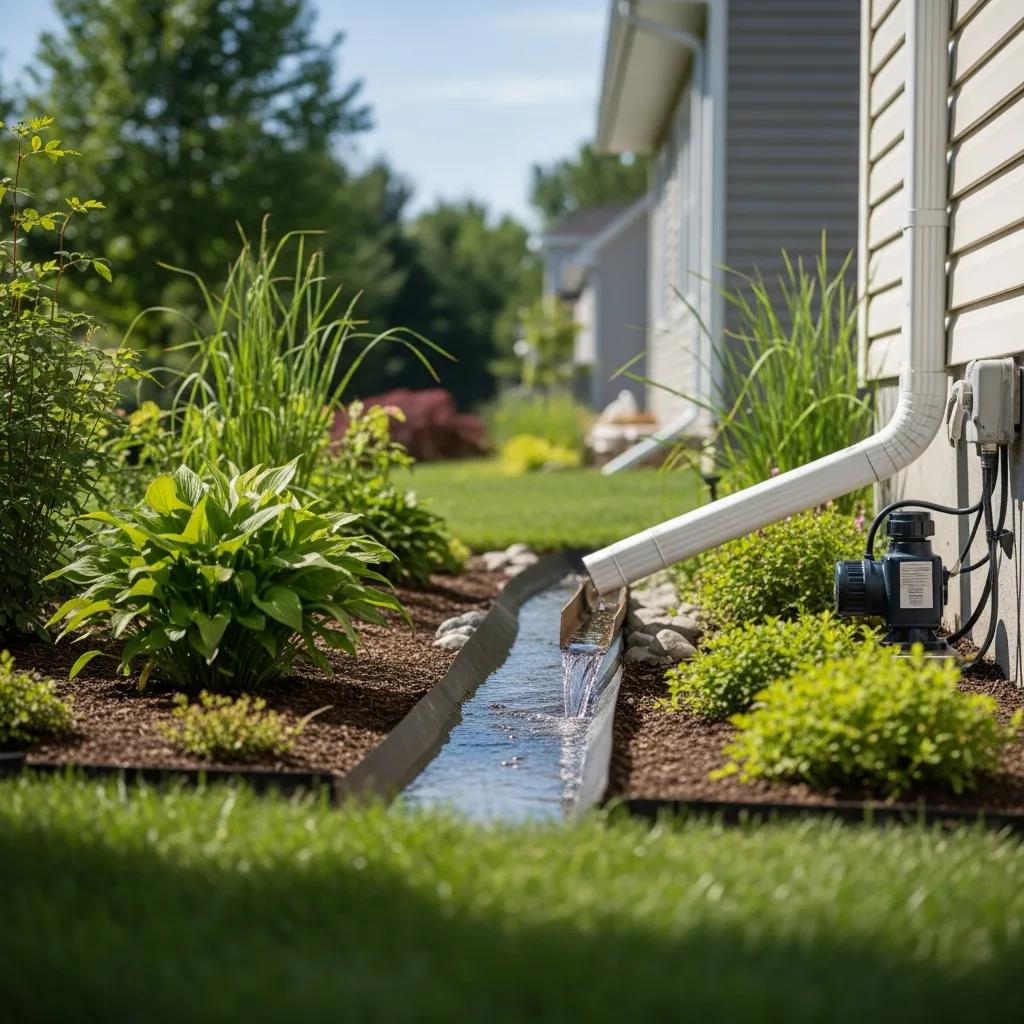
Stormwater Management That Protects Your Property — Practical Solutions to Keep Your Land Dry
Stormwater management is about controlling rain and melting snow so your home or business stays dry, landscapes stay intact, and foundations remain protected. This guide walks you through how runoff forms, why it raises flood and basement risks, and which proven systems—both hardscape and green infrastructure—reduce runoff and protect structures. You’ll get a clear look at residential fixes like French drains, sump pumps, and downspout extensions, see what commercial-scale options are used, and learn which sewer and storm drain services restore reliable flow. We also cover green infrastructure solutions—rain gardens, bioswales, permeable pavement—that improve water quality while managing volume, plus a summary of Michigan permit considerations. Read on for easy comparisons, maintenance checklists, and practical steps to evaluate your site and plan stormwater controls that boost long-term resilience.
What stormwater management is — and why your property needs it
Stormwater management means collecting, directing, storing, or treating rain and snowmelt so runoff doesn’t damage your property or overload municipal systems. It interrupts uncontrolled surface flow with collection (gutters, catch basins), conveyance (pipes, channels), and infiltration or storage (soakaways, detention basins). The payoff is fewer basement floods, less erosion around footings and landscaping, and better local water quality because fewer pollutants reach drains and streams. With storms trending stronger across the Midwest, proactive stormwater measures are more important than ever for homes and businesses. Understanding how these systems work helps you pick solutions that match your soil, slope, and hardscape so you avoid damage and stay within local rules.
Stormwater management provides three practical benefits for property owners:
- Protects your property: Redirects or stores runoff to cut basement flooding and foundation issues.
- Improves water quality: Captures sediments and pollutants before they reach drains and waterways.
- Keeps you compliant: Helps meet local permit rules and post-construction best practices.
Those three benefits guide how to choose the right mix of systems for a particular site, which we cover in the sections below.
How runoff affects drainage and flood risk on your site
Runoff happens when rain or melting snow moves faster than the ground can absorb it or it runs off roofs, driveways, and compacted soil. Water follows slopes until it pools, soaks in, or enters a drain. That concentrated flow often ends up near foundations, low spots in yards, and the base of slopes — where ponding and basement water intrusion are most likely. Common early signs of poor drainage are persistently soggy patches, slow drainage after storms, repeated sump pump cycling, or slow interior drains. Spotting these signs early lets homeowners prioritize fixes — improved grading, localized infiltration, or better conveyance — before landscape or structural damage starts. Knowing how runoff travels points directly to the residential fixes that will help your property.
Environmental and regulatory impacts to keep in mind
Stormwater picks up sediments, nutrients, oils, and metals from urban and suburban surfaces and can harm waterways if left untreated. Federal guidance from the EPA and state agencies encourages post-construction best practices and, in many cases, requires permits for projects that add impervious surfaces or change grades. Major redevelopments, significant grading, or expanded parking areas commonly trigger review and stormwater-control requirements. Reviewing state guidance and talking to your local permitting office early helps you plan compliant solutions and avoid costly retrofits or enforcement. Good documentation and early planning are especially important when adding detention, infiltration, or conveyance systems to a property.
Residential stormwater solutions that prevent basement flooding and soggy yards
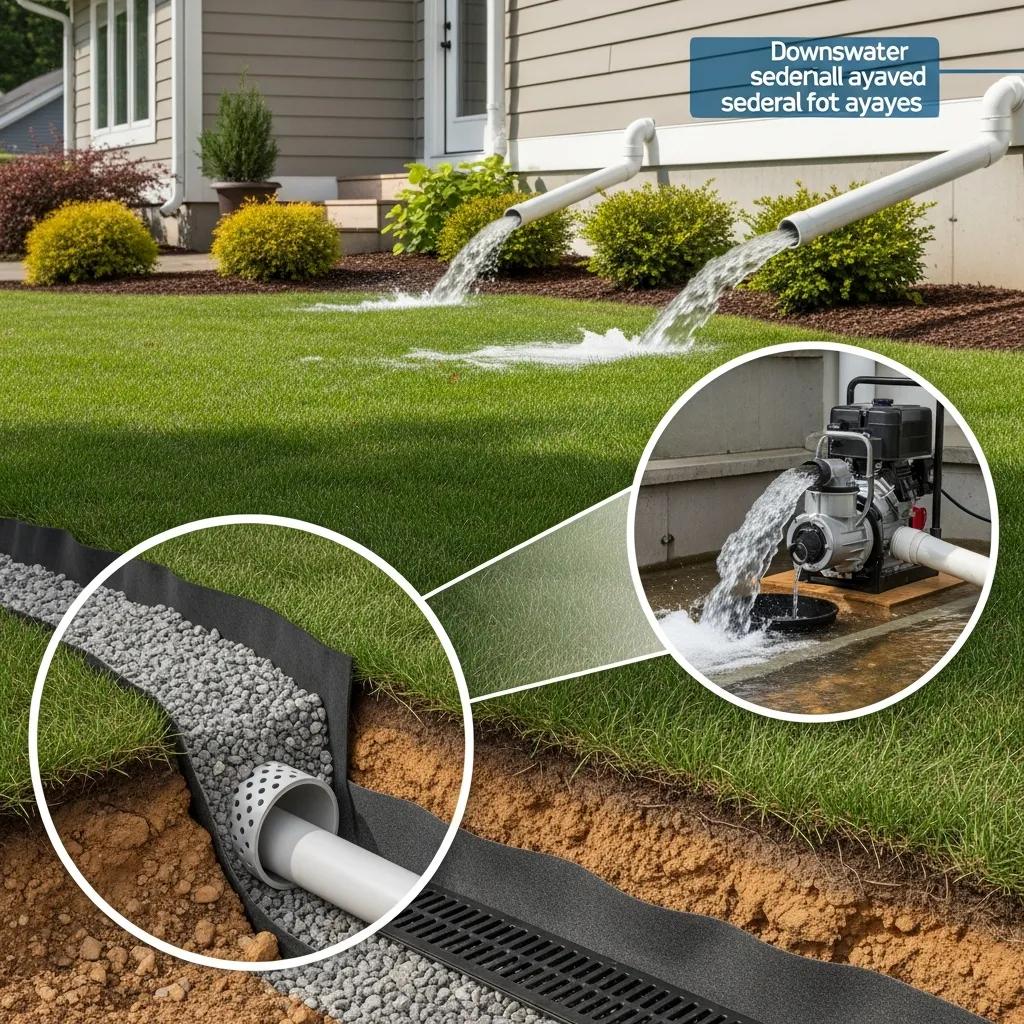
Residential stormwater systems tackle the most common causes of basement flooding and wet yards by moving groundwater and surface runoff away from buildings and by letting water infiltrate in controlled places. Common, effective options include French drains, rain gardens, sump pumps with backups, downspout extensions, and correcting surface grades. Each approach does something different: French drains handle subsurface seepage, rain gardens boost on-site infiltration and filter pollutants, and sump pumps remove water from low points. Picking the right combination depends on your soil, slope, and how severe the issues are. Regular maintenance and inspections help systems last and work when storms hit.
Here are common residential options and what they do:
- French drain installation: Moves groundwater away from foundations and reduces hydrostatic pressure.
- Sump pump systems: Pumps out accumulated groundwater from basements and low areas.
- Downspout extensions and grading: Direct roof runoff away from foundations and improve surface drainage.
These measures work best when layered together. A professional assessment will identify the most cost-effective combination for your property.
Intro to comparison table: The table below outlines common residential solutions, their purpose, and where they fit best.
| Solution | Purpose | Typical Site Fit |
|---|---|---|
| French drain | Collects and redirects groundwater to reduce subsurface pressure | Homes with high water tables or perimeter seepage |
| Sump pump (with backup option) | Pumps out collected water from basements or low-lying basins | Homes with low basements, basins, or crawlspaces prone to accumulation |
| Rain garden | Encourages infiltration and filters pollutants from surface runoff | Lawns and landscaped areas where a shallow depression fits |
How French drains and rain gardens help your yard and foundation
A French drain lowers the water table around a foundation by collecting subsurface groundwater in a perforated pipe set in a gravel trench and directing it to an outlet or dry well. Typical installation includes trenching, geotextile fabric to keep soil out, the perforated pipe, and a gravel envelope; this reduces hydrostatic pressure and cuts seepage into basements. Rain gardens are shallow, planted depressions that capture roof and surface runoff, increase infiltration, and filter pollutants through soil and plants. For many homeowners, pairing gutters and downspouts with a rain garden for overflow provides strong flood protection and a landscape benefit. In short: French drains are great for subsurface seepage, while rain gardens are ideal where surface runoff and pollutant filtering are the main concerns.
Why sump pumps and downspout extensions matter
Sump pumps remove groundwater collected in a pit or basin and discharge it to a safe outlet, protecting basements during heavy rain. A battery backup or combination backup is critical to keep pumps running during power outages—exactly when you need them most. Electric primary pumps handle everyday flows; battery or generator backups add redundancy for storm events. Downspout extensions and splash blocks move roof runoff several feet away from the foundation, reducing surface saturation near basements. Proper grading—sloping soil away from structures at a minimum of about 5% (roughly 6 inches over 10 feet)—also helps. Routine checks—testing pump operation, clearing float switches, and confirming discharge paths—keep systems reliable. Pair passive conveyance (downspouts, grading) with an active pump for layered protection.
Commercial stormwater services available in Michigan
Commercial stormwater work focuses on handling larger runoff volumes, meeting permit requirements, and protecting parking lots, loading areas, and storm infrastructure with engineered solutions. Typical commercial options include linear trench drains, detention and retention basins, permeable pavement for parking, and bioswales that convey and treat runoff. These projects usually require coordination among civil engineers, landscapers, and plumbing or excavation contractors to size systems correctly and maintain compliance. Commercial clients often use maintenance contracts and monitoring to preserve capacity, prevent clogging, and document inspections for regulators.
Commercial projects usually follow a predictable path: assessment, design coordination, permit compliance, installation, and a maintenance plan. Timelines depend on project scope, seasonal windows, and permitting. Clear communication between trades ensures systems tie into existing networks and minimizes business disruptions while protecting pavement and building assets.
How parking lot drainage and industrial BMPs are put in place
Parking lot drainage combines grading, trench drains, catch basins, and permeable paving to prevent ponding and route runoff to treatment or infiltration areas. Work starts with a site survey and hydrologic calculations to map flow paths and peak runoff rates, then selects linear drains, catch basins, or permeable pavers based on traffic loads and maintenance preferences. Industrial best management practices (BMPs)—oil-water separators, sediment forebays, and treatment swales—may be required to remove pollutants before discharge. Typical maintenance includes periodic sediment removal, CCTV pipe inspections, and checking inlet protections to keep systems performing and compliant.
How Frost & Kretsch helps ensure Michigan compliance
Frost & Kretsch Plumbing helps commercial clients with on-site evaluations, assessments, and installations that align with local stormwater rules and best practices. We look for permit triggers, follow specifications for conveyance and detention systems, and provide documentation to streamline municipal review. As licensed and insured local contractors serving Grosse Pointe and nearby counties, we coordinate with civil teams and handle the plumbing and excavation work many commercial projects require. Involving an experienced local contractor early reduces the chance of costly redesigns and helps ensure systems pass inspections.
How green infrastructure strengthens stormwater control
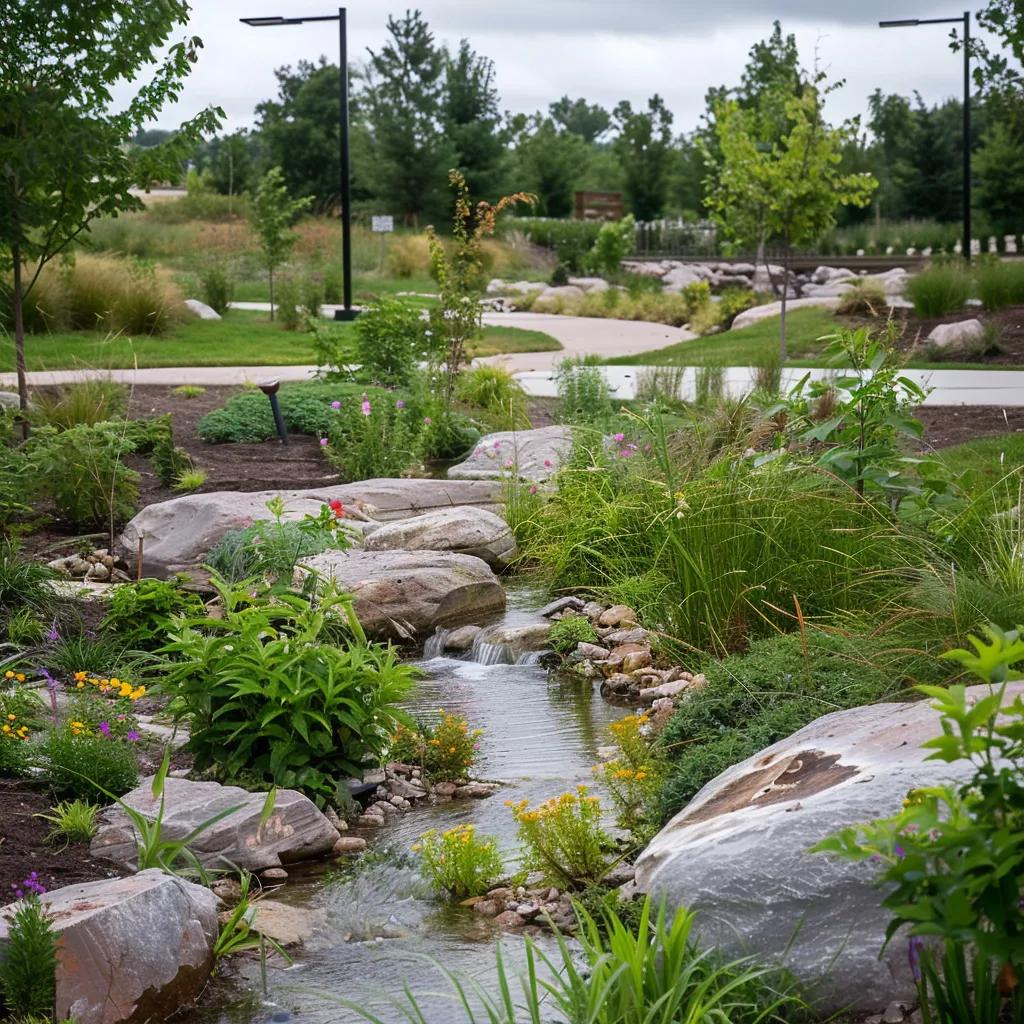
Green infrastructure uses plants, soil, and design to manage stormwater where it falls. Rain gardens, bioswales, permeable pavements, and rain barrels all reduce runoff volume and slow peak flows by storing, filtering, and infiltrating water in the landscape. These measures ease pressure on pipes and reduce ponding near foundations while trapping sediments and nutrients that harm water quality. Combining GI with conveyance and plumbing solutions creates resilient systems that protect infrastructure and improve site appearance and habitat value.
The table below compares common GI options, their environmental benefits, and typical installation contexts.
| Option | Environmental Benefit | Typical Installation Context |
|---|---|---|
| Rain garden | Filters pollutants and boosts infiltration | Residential lawns and landscape setbacks |
| Permeable pavement | Allows infiltration and reduces runoff volume | Commercial parking lots and light-traffic drives |
| Bioswale | Conveys runoff while treating it with vegetation | Roadside strips and commercial edge-of-lot areas |
Benefits of rain gardens, bioswales, and permeable pavement
Rain gardens, bioswales, and permeable pavements cut runoff volumes, filter pollutants, and lower peak flows downstream. Rain gardens capture roof and surface runoff in planted depressions that increase infiltration and support pollinators; bioswales are vegetated channels that slow water so sediment settles and plants take up nutrients; permeable pavements let water pass through the surface into gravel layers to recharge groundwater. These GI options scale from small residential sites to larger commercial areas and reduce stress on municipal storm systems while improving water quality and site value.
How rain barrels and erosion control help water quality
Rain barrels collect roof runoff for later landscape use, cutting immediate runoff and conserving water. Proper sizing and placement make sure barrels catch a meaningful amount without overflowing toward foundations. Erosion-control measures—native plantings, terraces, and mulched buffers—stabilize soil, reduce sediment movement, and protect slopes during storms. Combined, rainwater harvesting and erosion control reduce volume entering drains and prevent sediment from clogging systems and degrading waterways. Using these tactics alongside larger GI projects strengthens overall site resilience and improves long-term water quality.
Sewer and storm drain services that support effective drainage
Sewer and storm drain services restore capacity and prevent backups that worsen flooding and property damage. Common services include camera inspections, high-pressure jetting and cleaning, catch basin repair, and sewer-line excavation or replacement for collapsed or separated pipes. These services clear blockages, fix structural problems, and restore flow so your drainage system works reliably. Knowing when to call professionals and what to expect from diagnostics and repairs helps property owners reduce downtime and secure long-term performance.
The table below links common services to the issues they address and the typical outcomes property owners can expect.
| Service | Typical Issue Addressed | Typical Outcome |
|---|---|---|
| Drain cleaning (jetting) | Grease, sediment, or roots blocking pipes | Restored flow and lower risk of backups |
| Camera inspection | Unknown internal pipe conditions | Accurate diagnosis and a targeted repair plan |
| Sewer line excavation/repair | Collapsed, separated, or badly damaged lines | Structural repair and long-term flow recovery |
How excavation and cleaning protect your property
Cleaning and excavation address different failure modes: cleaning removes obstructions and restores capacity, while excavation and replacement fix structural failures like collapsed or shifted pipes. Inspections usually start with a video camera to identify blockages, cracks, root intrusions, and separations. Cleaning handles routine obstructions; excavation is planned when structural defects prevent adequate flow. Excavation can cause temporary disruption and requires coordination with utility locates; trenchless options like pipe-lining or spot repair may reduce surface impacts in some cases. Restoring pipe integrity stops infiltration, lowers backflow risk, and keeps your stormwater system functioning.
Maintenance practices that keep drains working long-term
Regular maintenance keeps storm drains and sewer connections operating: scheduled cleanings, seasonal inspections, and catch basin care remove sediment and debris before they cause blockages. Recommended steps include biannual visual checks, annual jetting for high-debris systems, leaf and debris clearing in the fall, and prompt inlet clearing after big storms. Documenting maintenance helps with future planning and shows due diligence for regulators or insurers. Proactive professional scheduling reduces emergencies and extends the life of drainage infrastructure.
Michigan stormwater rules and what they mean for property owners
Michigan’s stormwater rules reflect federal guidance and state-level implementation focused on protecting water quality and managing post-construction runoff. Permits are commonly required for land-disturbing activities that increase impervious area, change grading, or affect drainage patterns. Local ordinances may add more requirements. That typically means documented stormwater plans, installations to specification, and inspection records for many projects—especially commercial ones. Knowing when permits apply and engaging professionals early reduces the chance of non-compliance and costly changes later.
Typical permit triggers and next steps for property owners include:
- Adding impervious area: New driveways or structures can require stormwater controls.
- Major grading or reconfiguration: Changing flow paths usually triggers review and permits.
- Commercial redevelopment: Larger projects often require engineered stormwater plans.
Recognizing these triggers helps owners reach the right contacts and plan permitting and compliance early in the design process.
Local ordinances and permits — who needs what
Common permit triggers include work that increases impervious surfaces, significant grading that alters drainage, and commercial redevelopment that changes runoff volumes. Permitting typically asks for a stormwater management plan, engineered calculations for peak flow or infiltration, and in some places inspection and maintenance agreements. Check with your municipal building and engineering departments to confirm local thresholds and required documentation, and allow time for reviews. Early consultation avoids delays and ensures designs meet both engineering and environmental expectations.
How Frost & Kretsch Plumbing supports compliance
Frost & Kretsch Plumbing offers site assessments, installation to specification, and documentation support to help projects meet local stormwater requirements and best practices. We evaluate whether proposed work triggers permits, coordinate installations to technical specs, and provide records that assist municipal reviews. As licensed and insured professionals serving Grosse Pointe and surrounding counties, we combine plumbing, excavation, and storm drain services for compliance-focused projects and advise when to involve civil engineers or permitting authorities. Requesting an assessment early helps match solutions to regulatory needs and avoid costly redesigns.
We emphasize clear pricing, stand behind our work, and offer 24/7 emergency response for urgent drainage failures.
If you’re ready to evaluate or fix stormwater issues, scheduling an inspection or requesting a free estimate is the next step. Frost & Kretsch Plumbing provides on-site assessments, camera diagnostics, professional installation of residential and commercial drainage systems, and coordinated excavation or repairs as needed. Our local experience across Grosse Pointe, Macomb, Oakland, and Wayne counties — and our licensed, insured technicians — help ensure installations meet local rules and perform reliably. If you see signs of poor drainage—soggy lawns, frequent sump activity, or slow drains—contact a trusted local provider to prioritize fixes that protect your property and its value.
Frequently Asked Questions
What are the signs that my property needs stormwater management solutions?
Look for persistent wet spots in your yard, slow drainage after rain, frequent sump pump run cycles, or water pooling near your foundation or in low areas. Addressing these issues early can prevent basement flooding, erosion, and more costly repairs down the road.
How can I choose the right stormwater management system for my property?
Start with a property assessment: note soil type, slope, existing drainage patterns, and how much runoff your site generates. Those factors determine whether a French drain, rain garden, sump pump, or a combination is best. A professional assessment will give you a tailored plan and cost estimate.
What maintenance is required for stormwater management systems?
Maintenance varies by system but generally includes checking for blockages, cleaning gutters and downspouts, testing sump pumps, and removing debris from rain gardens and bioswales. Scheduling professional maintenance at least once or twice a year helps prevent failures and extends system life.
Are there financial incentives for implementing stormwater management solutions?
Many local agencies and environmental groups offer incentives—grants, rebates, or tax credits—for installing rain gardens, permeable pavements, or rain barrels. Check with your municipality or regional programs to see what’s available to offset installation costs.
How do I know if my stormwater management system is compliant with local regulations?
Consult your municipal building or engineering department to learn local permit requirements. Working with a professional who understands local rules helps ensure compliance. Keep installation records and inspection reports as proof of adherence to required standards.
What role does green infrastructure play in stormwater management?
Green infrastructure manages runoff where it falls by promoting infiltration and filtering pollutants with plants and soil. Rain gardens, bioswales, and permeable pavements reduce runoff volume, improve water quality, and add landscape value—making them a smart part of a stormwater plan.
Can stormwater management systems improve property value?
Yes. Effective drainage systems prevent water damage, reduce erosion, and improve curb appeal. Buyers value properties with reliable, compliant drainage and visible green infrastructure features, which can boost marketability and long-term value.
Conclusion
Good stormwater management protects your property from flooding, improves water quality, and helps you meet local rules. Knowing the options—French drains, rain gardens, sump pumps, and more—lets you make informed choices that strengthen your property’s resilience. Taking action now prevents costly damage later and preserves your property’s value. Contact Frost & Kretsch Plumbing to schedule an inspection and explore solutions tailored to your needs.