
When replacing a showerhead is simple, what mistakes to avoid, and how to tell if the real issue is deeper in the plumbing.
Replacing a showerhead is one of the easier plumbing upgrades a homeowner can make, but it still helps to do it correctly. A rushed install can leave you with leaks at the shower arm, poor spray performance, or the wrong fixture for the water pressure in the home. In some cases, a weak shower does not need a new head at all. It needs diagnosis.
This guide explains when showerhead replacement makes sense, how to handle it safely, and when low flow or poor performance points to a larger plumbing issue.

Key Takeaways
- Many showerheads can be replaced without opening walls or changing plumbing lines.
- Leaks usually come from poor sealing or overtightening at the threaded connection.
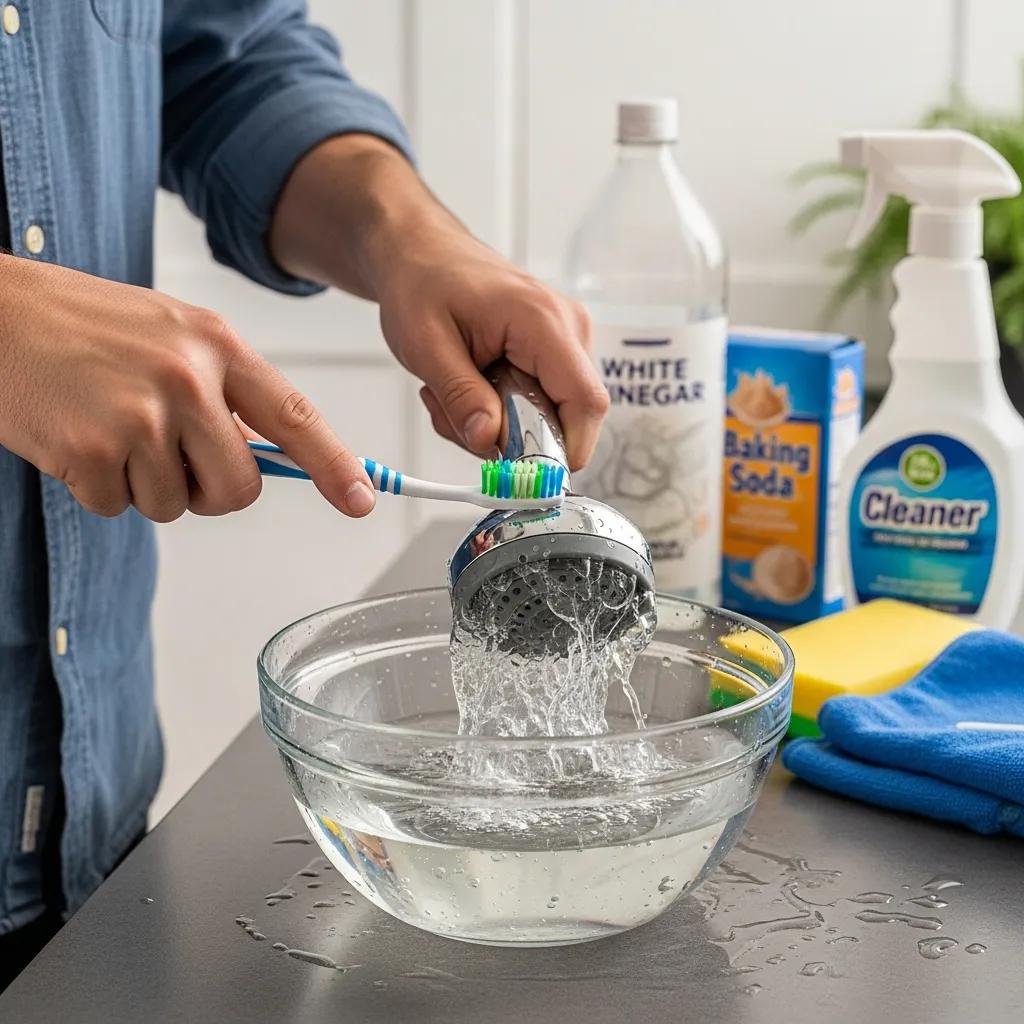
- Mineral buildup can mimic fixture failure.
- Low flow is not always a showerhead problem.
- Choosing the right head matters for comfort, efficiency, and pressure expectations.
When Showerhead Replacement Makes Sense
A replacement is usually worth it when the existing showerhead is clogged, leaking, damaged, outdated, or simply delivering a poor spray pattern. It is also a common upgrade when homeowners want a more efficient fixture or a more comfortable spray style.
Basic Replacement Steps
| Step | Purpose | Common Mistake |
|---|---|---|
| Remove old showerhead carefully | Protect shower arm threads | Twisting too aggressively |
| Clean old tape or residue | Prepare a clean threaded connection | Leaving buildup behind |
| Apply fresh thread seal tape | Help prevent leaks | Using too little or wrapping poorly |
| Tighten correctly | Create seal without damaging threads | Overtightening |
When the Problem Is Not the Showerhead
If the spray is weak, inconsistent, or changes when other fixtures run, the issue may be tied to system pressure rather than the fixture itself. In that case, replacing the head may not solve the problem, and broader diagnostics like the ones in this low water pressure guide may be more useful.
Common Replacement Mistakes
- cross-threading the new showerhead
- overtightening and damaging the shower arm
- ignoring mineral buildup inside the arm or fixture
- assuming every weak shower needs a new head
- choosing a fixture that does not match the home’s pressure expectations
Related Resources
Related resources: Diagnosing & Fixing Low Water Pressure Issues, DIY Faucet Repair Guide, Residential Plumbing Services, Contact Frost & Kretsch Plumbing.
Local Service CTA
If a new showerhead does not fix weak flow, if the shower arm leaks, or if the issue seems tied to bathroom plumbing behind the wall, Frost & Kretsch Plumbing can help. Homeowners in Chesterfield and nearby Macomb, Oakland, and Wayne County service areas often need a quick diagnosis when a simple fixture swap does not solve the problem.
Call (586) 675-0097 or request service here.
Frequently Asked Questions
Do I need a plumber to replace a showerhead?
Not always. Many showerheads can be replaced by a homeowner if the threads and shower arm are in good shape.
Why does a new showerhead still have weak pressure?
Because the real issue may be mineral buildup, system pressure, or another plumbing restriction.
Can overtightening damage a showerhead install?
Yes. Overtightening can damage threads or create sealing problems.
When should I call a plumber?
Call if the shower arm leaks, the wall connection seems unstable, or pressure issues affect more than one fixture.
Conclusion
Showerhead replacement is a good DIY project when the fixture is truly the problem. But if low flow or leaks continue after installation, the better move is diagnosing the plumbing behind the symptom.
If you need shower or bathroom plumbing help in Chesterfield or nearby service areas, call (586) 675-0097 to reach Frost & Kretsch Plumbing.