
Ensuring Safe Drinking Water in Your Home

Protecting Your Home’s Drinking Water: Clear Testing, Treatment, and Plumbing Solutions Safe drinking water means water free of contaminants at levels that can harm health. Keeping water safe at home requires three things: accurate testing, the right treatment, and good plumbing care. This guide walks homeowners through professional water-quality testing, how to choose filtration and purification systems, and simple plumbing upgrades to reduce risks like lead, bacteria, and emerging chemicals such as PFAS. You’ll learn which tests matter, how common technologies work (activated carbon, reverse osmosis, UV), and the practical steps for installation and upkeep for both municipal and well supplies. Along the way you’ll find checklists and clear next steps to help you read results and decide when to call local pros for remediation and follow-up testing. How Can Professional Home Water Quality Testing Protect Your Family in Grosse Pointe? Professional testing finds contaminants, measures how serious they are, and points to the most effective fixes so families don’t have to guess. Certified labs measure chemical and biological markers—lead, coliform/E. coli, nitrates, PFAS—with methods that give reliable numbers and detection limits. Good testing turns lab results into plain-language guidance and clear action steps, which is especially important for households with children, pregnant people, or immunocompromised members. Below is a concise summary homeowners can use, followed by a contaminants table and the typical next steps when you order a professional test. Professional testing usually follows three straightforward steps homeowners can expect: Sample collection: A licensed technician gathers representative samples from drinking taps or well outlets using chain-of-custody procedures to preserve accuracy. Laboratory analysis: Samples go to accredited labs and are analyzed with methods matched to the contaminants of concern, producing measurable results and detection limits. Interpretation and remediation: A technician explains the numbers in plain terms and recommends remediation—options can include point-of-use filters, whole-house systems, or plumbing repairs. That step-by-step workflow leads directly to the question of which contaminants show up most often and what their health impacts are. The table below summarizes those common targets and how they’re detected. Different contaminants need different tests and responses. The table below outlines common residential targets, typical sources, health risks, and the standard detection methods used in a professional water-quality panel. Contaminant Common Source Health Risk Typical Detection Method Lead Corroding service lines or older plumbing fixtures Harmful to child neurodevelopment; increased cardiovascular risks for adults ICP‑MS or atomic absorption after acid digestion Coliform / E. coli Failing well caps, cross-connections, or biofilm growth Gastrointestinal illness; sign of fecal contamination Membrane filtration or Colilert culture/ID Nitrate/Nitrite Agricultural runoff or septic system leachate Risk of methemoglobinemia in infants; long-term exposure concerns Ion chromatography or colorimetric analysis PFAS (per- and polyfluoroalkyl substances) Industrial runoff, legacy contamination, consumer products Potential effects on endocrine, immune, and developmental systems LC‑MS/MS with low ppt reporting limits What Contaminants Are Commonly Tested in Residential Water Supplies? Home testing panels usually cover metals, bacterial indicators, nutrients like nitrate, and emerging contaminants such as PFAS because each group carries different risks and needs distinct treatment. Lead is a top priority when older pipes or fixtures are present since even low exposure affects children. Bacterial contamination calls for immediate action because it can cause acute illness. PFAS and similar synthetic chemicals are tested more often now because they persist in the environment and may require specialized filters. Knowing which contaminants are in your water helps determine whether you need a point-of-use cartridge, a whole-house system, or plumbing replacement. How Does Frost & Kretsch Plumbing Conduct Accurate Water Testing? When you schedule testing, Frost & Kretsch Plumbing coordinates sampling, follows chain-of-custody protocols, and works with accredited labs so you get defensible results and clear recommendations. The process includes scheduling a visit, choosing representative sampling points, collecting samples under standard conditions, and submitting them to certified labs using EPA-referenced methods. After results come back, a technician reviews the numbers with you, explains any health implications in everyday language, and suggests practical remediation—ranging from targeted point-of-use filters to whole-house systems or necessary plumbing repairs. If you install treatment, we can arrange verification testing to confirm the system is performing as promised. If you have questions about testing or need help interpreting results, call Frost & Kretsch Plumbing to discuss options and schedule a professional water test with follow-up planning. What Are the Benefits of Whole House Water Filter Installation for Safe Drinking Water? A whole-house filter treats water at the point where it enters your home, protecting every faucet, shower, and appliance—not just the drinking tap. These systems reduce sediment and chlorine taste/odor, remove particulates that can damage fixtures, and, when fitted with the right media, reduce specific chemicals and scale. Whole-house filtration can extend appliance life, improve bathing and cooking water quality, and serve as one layer in a multi-barrier approach to safe water. The table below compares common filter families so you can match a system to test results and household priorities. Filter Type Removes / Reduces Typical Effectiveness / Use Case Activated Carbon Chlorine, many organic compounds, taste & odor Very effective for chlorine and organics; a common choice for municipal water with taste or odor issues Sediment Pre-filter Sand, rust, silt and other particulates Protects downstream media and appliances; essential before carbon or UV units UV Disinfection Bacteria and viruses (inactivates pathogens) Good where microbiological contamination is documented; requires low turbidity Reverse Osmosis (POU) Dissolved solids, some PFAS, and heavy metals at the tap Best for point-of-use drinking water; whole-house RO is usually impractical due to waste and flow limits Which Types of Whole House Water Filtration Systems Are Most Effective? For municipal supplies, activated carbon at the point of entry is often the first-line whole-house option because it removes chlorine and many organics that affect taste and odor while protecting plumbing and water heaters. Sediment filters are essential pre-filters to keep particulates from fouling carbon beds or UV lamps. UV units work well when tests show biological contamination, but they need clear water to be effective. Reverse osmosis is
Leak Detection Services in Macomb County, MI
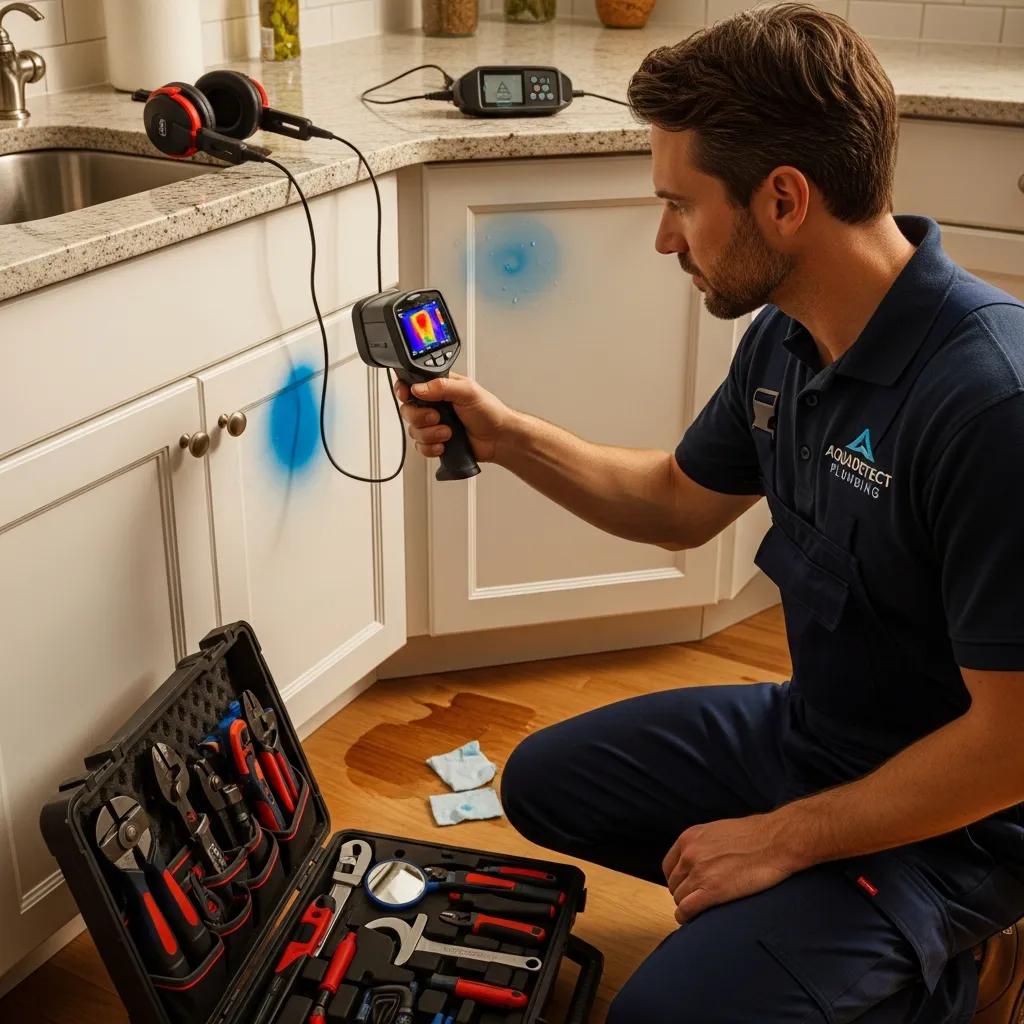
Leak Detection in Macomb County, MI — Fast, Reliable Solutions to Find and Fix Water Leaks If you suspect a hidden leak at your Macomb County property, call Frost and Kretsch Plumbing right away at (586) 675-0097 for emergency response and professional diagnostics. Below we explain how modern leak detection works, what warning signs to watch for, and when to call a licensed technician so you can stop water damage and rising utility bills quickly. Leak detection locates escaping water from supply lines, slab plumbing, sewer runs, or buried mains using non-invasive technology and focused inspection techniques that limit disruption. Left unchecked, leaks cause structural damage, mold risk, and higher bills — but early detection and the right repair plan reduce those risks and protect your property’s value. Scroll down for practical guidance on common leak indicators, advanced detection tools, typical leak types and repairs, why homeowners choose Frost and Kretsch Plumbing in Macomb County, cost drivers for detection, and clear answers to frequently asked questions. You’ll also find DIY checks you can do now and how our technicians combine acoustic, thermal, and camera tools to pinpoint leaks reliably. Common Signs of Hidden Water Leaks in Macomb County Homes Hidden leaks usually show up as measurable changes or subtle physical clues where moisture shouldn’t be. Continuous meter movement, unexplained spikes in your water bill, musty odors, and new staining or discoloration are all red flags that deserve a prompt check. Visible signs like bubbling paint, warped flooring, or damp patches on ceilings mean moisture is migrating from plumbing behind walls, under slabs, or from sewer runs — and the problem will worsen if ignored. Spotting these signs early lets technicians use targeted diagnostics that avoid unnecessary demolition and lower repair costs, so treat them as a trigger to run simple checks or call a pro. Homeowners can begin with a few quick checks to confirm whether a hidden leak is likely before calling a technician. Those checks also help our team choose the right diagnostic approach. Below are the most common, easy-to-spot indicators to watch for around your home in Macomb County. Unexplained spike in your water bill: A steady, unexplained rise in usage without any change in habits usually signals continuous loss. Sounds of running water: Hearing water when all fixtures are off often points to a pressurized line leak. Damp spots or staining: New discoloration on ceilings, walls, or floors indicates localized moisture intrusion. Low water pressure: Sudden or ongoing pressure drops can accompany significant supply-line leaks. Those signs lead naturally to simple meter and shut-off checks to confirm continuous flow and help you decide whether to schedule professional leak detection. How to Spot an Unexplained High Water Bill and Link It to a Leak An unexpected jump in your water bill is a measurable early warning that often comes before visible damage. A basic meter test can reveal continuous flow from a hidden leak: record the meter, avoid using water for a couple of hours, then re-check—if the numbers move with no usage, that’s a strong indicator. Another quick test is the main shut-off: turn off the house main and watch the meter—if it keeps moving, the leak may be between the meter and the house or the meter itself could be faulty. Comparing daily usage and seasonal averages helps separate true leaks from temporary higher demand. If readings remain abnormal, an acoustic or pressure test from a licensed technician will pinpoint the source more precisely. These steps narrow whether the issue is a fixture, a buried supply line, or a slab leak, and they inform which non-invasive detection methods to use next to avoid needless excavation. Physical Clues That Suggest Hidden Leaks in Walls, Ceilings, or Floors Surface clues give direct visual evidence of moisture and help locate likely leak origins like under-slab plumbing, wall risers, or fixture connections. Watch for paint blistering, wallpaper staining, soft or buckling floors, and unexpectedly warm spots on cold-water lines—these can point to wet areas. Such signs often appear near appliances, sinks, tubs, and foundation junctions. Moisture mapping and simple infrared scans reveal hidden wet zones behind finishes without cutting into them, guiding technicians to probable pipe runs for acoustic or camera checks. Taking photos and noting when the signs started helps track progression and directs a focused diagnostic plan to minimize repair scope. Knowing how surface clues relate to pipe layouts shortens diagnostic time and limits invasive work, making it easier to move from detection to repair planning. Advanced Leak Detection Methods Used by Frost and Kretsch Plumbing in Macomb County Modern leak detection uses specialized tools that translate sound, temperature differences, and visual evidence into precise repair locations. Acoustic equipment amplifies and correlates pipe noises to find pressurized water escapes; thermal imaging maps surface temperature changes caused by moisture; and sewer video cameras give a clear view inside pipes to spot cracks, blockages, or root intrusion. Those complementary methods let technicians isolate leaks with minimal excavation, speeding repairs and minimizing disruption. At Frost and Kretsch Plumbing we follow systematic workflows with these non-invasive tools to diagnose leaks efficiently and recommend the least disruptive repair path for each home. Method Best Use Invasiveness / Accuracy Acoustic detection Pressurized supply lines and slab leaks Non-invasive; very accurate when pipes are under pressure Thermal imaging Surface and near-surface moisture mapping Non-invasive; great for wet zones but less precise for deep pipes Sewer video camera Sewer lines and interior pipe inspection Minimally invasive (access points); provides visual confirmation Combining acoustic, thermal, and camera methods increases diagnostic confidence while keeping excavation to a minimum. We pick the tools that fit the pipe type, access, and suspected leak depth. How Acoustic Leak Detection Locates Hidden Water Leaks Acoustic leak detection listens for the characteristic sound of escaping water and uses amplification and correlation to calculate the leak’s position relative to access points. Technicians set listening devices along a pipe run and analyze sound patterns; correlation meters compare timing between sensors to estimate distance
Polybutylene Pipes: Risks and Replacement Options
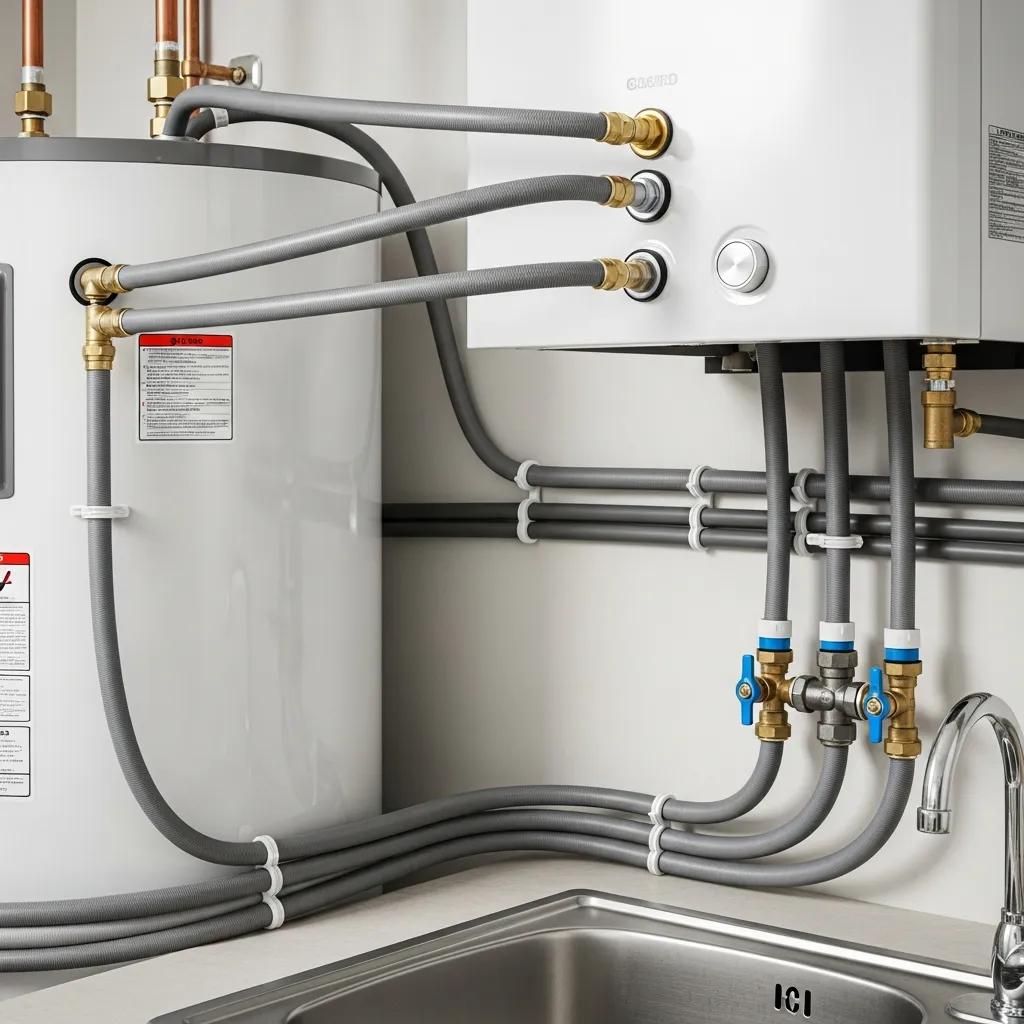
Polybutylene Pipes: Risks, How to Spot Them, and Replacement Options for Homeowners Polybutylene (PB) is a flexible plastic plumbing material used in many North American homes built from the late 1970s through the mid‑1990s. This guide explains what PB is, why it can fail, and how to choose a replacement that fits your home and budget. Read on to learn how to identify PB in your house, spot early warning signs, compare modern replacement options (PEX, copper, CPVC), and understand typical costs, insurance issues, and the replacement process. Many older homes still have PB at water heater connections and under sinks — catching problems early lowers the chance of sudden leaks and costly damage. We outline practical inspection steps, clear visual and functional warning signs, a side‑by‑side material comparison, concise tables that summarize tradeoffs, and what to expect when Frost & Kretsch Plumbing handles a repipe. When you finish, you’ll have clear next steps to protect your home and choose a safe, code‑compliant repipe. What Are Polybutylene Pipes and Why Are They Problematic? Polybutylene is a thermoplastic used for drinking‑water lines in many homes from the late 1970s through the mid‑1990s. It was popular because it’s flexible and inexpensive, but it can degrade over time. Treated water that contains oxidants like chlorine can slowly embrittle PB, producing tiny cracks and weakening fittings. That damage often begins out of sight and speeds up over the years, so failures can be sudden and widespread. Knowing how PB fails explains why spot repairs often don’t hold and why a full replacement is usually the most reliable long‑term fix. The sections that follow show how to find PB in your home and summarize the main risks of leaving it in place. How Can You Identify Polybutylene Plumbing in Your Home? PB is easy to spot once you know what to look for: it feels flexible and usually appears gray, blue‑gray, or black rather than rigid like copper or CPVC. Check near the water heater, behind sinks, and at the main shut‑off for markings such as “PB” or codes like “PB2110.” Common sizes are around 1/2″ to 1″. The tubing bends easily without kinking, and fittings are often plastic compression or metal adapters instead of soldered joints. Take photos of any markings, and look for white chalky residue or hairline cracks on fittings — those images help when you get an estimate. Correct identification prevents misdiagnosis and guides the proper repipe approach. What Are the Main Risks Associated with Polybutylene Pipes? PB piping brings a few connected risks homeowners should weigh. First, sudden leaks or bursts can cause fast, extensive water damage to walls, floors, and belongings, and that damage often leads to mold and expensive repairs. Second, repeated patches become costly because the embrittlement tends to be system‑wide rather than isolated to one joint. Third, PB can affect insurance and resale: some insurers limit coverage or raise premiums, and buyers or appraisers see PB as a negative. Knowing these risks helps explain why many homeowners choose a full repipe as a preventive investment instead of facing ongoing uncertainty and repair bills. How Do You Recognize Signs of Polybutylene Pipe Failure? Finding PB degradation early can prevent a major loss. Watch for both visible damage and changes in system performance — they work together as a warning system. Start with visual signs like cracks, a chalky surface, or staining around fittings, then note functional changes such as fluctuating pressure or recurring leaks. The next sections list the most reliable cues and give quick diagnostics you can try before calling a pro. When you see several signs at once, PB is more likely the cause and repiping should be prioritized. What Visual Cues Indicate Polybutylene Pipe Degradation? Common visual signs include a dull, chalky texture on the tubing, small cracks or flaking, and discoloration where water has leaked. Fittings may show white residue or corrosion, and joints that used to be dry can show seepage or active dripping under normal pressure. Check water heater connections, under sinks, utility closets, and visible shut‑offs for damp spots or rusted clamps. If you find anything suspicious, photograph it, shut off the main water if it’s safe, and schedule a professional inspection to avoid escalation. What Functional Warning Signs Suggest Polybutylene Plumbing Issues? Functional signs often come before a full rupture: sudden drops in water pressure, cloudy or discolored water, and frequent small repairs in different locations. Leaks that keep appearing in new places suggest a systemic problem consistent with PB embrittlement, and fixtures that sputter or have intermittent flow can point to internal cracking. If several fixtures are affected, log when and where it happens and ask a technician to run a pressure test and map the plumbing. A prompt pro evaluation will show whether short‑term repairs make sense or a whole‑house repipe is the safer long‑term choice. What Are the Replacement Options for Polybutylene Pipes? In most cases a full replacement is the most dependable solution for homes with PB. Today the three common options are PEX, copper, and CPVC — each has tradeoffs in cost, durability, flexibility, and resale impact. Your choice depends on house layout, budget, local code, and how long you plan to stay in the home. Below we summarize strengths and limits of each material, then provide a concise comparison table to help you choose. Frost & Kretsch Plumbing installs all three and will review which option best fits your priorities during a no‑surprise estimate. Here are the three main replacement materials: PEX: Flexible tubing that installs quickly, resists chlorine‑related breakdown, and usually lowers labor costs thanks to easier routing. Copper: Time‑tested metal piping known for longevity and buyer confidence; it costs more in material and labor and requires soldering. CPVC: Rigid plastic that resists corrosion, sits in the middle on cost, and is easier to install than copper but less flexible than PEX. Choosing among these balances upfront budget versus long‑term reliability. Many homeowners pick PEX for cost and ease, while others
Plymouth Plumber: Trusted Plumbing Services for Homes & Businesses
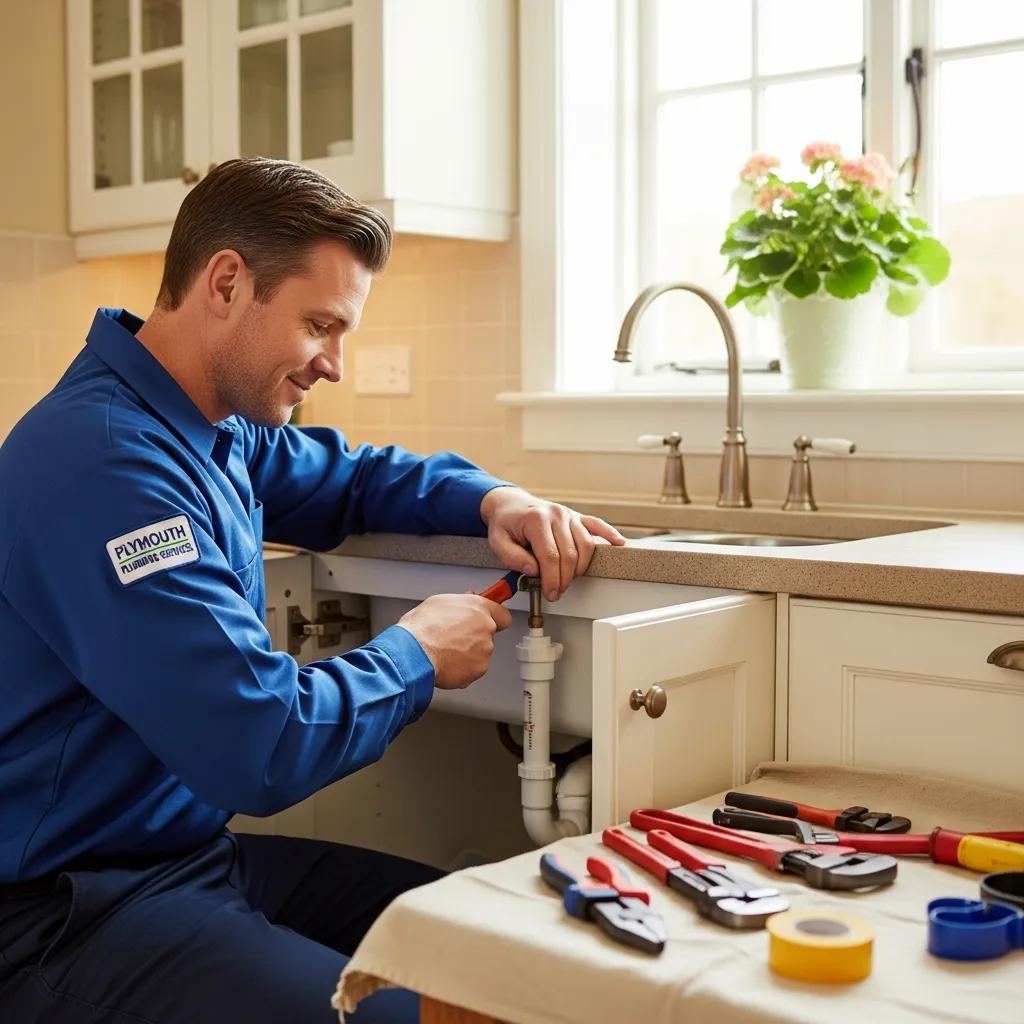
Plymouth Plumber — Trusted Plumbing for Homes & Businesses from Frost & Kretsch Plumbing Plumbing issues in Plymouth need quick, professional care to protect your property, keep businesses running, and keep homes comfortable. This guide walks Plymouth homeowners and local business owners through practical plumbing solutions — from emergency response and regular maintenance to drain and sewer care, water heater choices, fixture repairs, and how to schedule service. Frost & Kretsch Plumbing is mentioned as a local, licensed option, but the main focus is on clear, useful steps you can use to make smart decisions. You’ll learn how emergency service limits damage, what pros do for drains and sewers, how to weigh tank vs. tankless water heaters, and what to expect during a visit. We also cover commercial maintenance planning and how to connect with a qualified Plymouth plumber — when to call, what to have ready, and the guarantees that protect you. Why Choose Frost & Kretsch as Your Plymouth Plumber? A dependable Plymouth plumber blends fast emergency response, straightforward pricing, skilled technicians, and solid guarantees so problems get fixed right the first time. Licensed pros diagnose root causes, perform repairs like leak detection or sewer work, and recommend maintenance steps to lower future risk. For homes and businesses, that means faster service restoration, less property damage, and clearer choices about repair versus replacement. Hiring a local team familiar with Plymouth’s infrastructure and permits also cuts delays when excavation or approvals are needed. Below are practical trust signals to consider when picking a plumber in Plymouth. 24/7 emergency availability — a trained professional when you need one most. Satisfaction guarantees — clear recourse if work doesn’t meet standards. Upfront, transparent pricing — itemized estimates to avoid surprises. Experienced, licensed technicians using industry tools like camera inspection and hydro-jetting for dependable results. These criteria set a baseline for reliable service. The sections that follow explain how emergency response works and why clear pricing matters. What Are the Benefits of 24/7 Emergency Plumbing Service in Plymouth? Emergency plumbing stops active leaks, isolates hazards like gas, and prevents structural water damage — protecting both property value and people. Fast response often lowers total repair costs by addressing issues before mold, foundation problems, or widespread pipe corrosion set in. For businesses, quick repairs reduce downtime and lost revenue by keeping restrooms, kitchens, and operations functioning. When an emergency plumber arrives, you can expect triage, temporary containment, diagnostic testing (for example, camera inspection), and a scoped estimate for permanent repairs. Knowing these steps helps you act effectively beforehand — like shutting off water and documenting damage for insurance. Quick containment limits the area and cost of repairs. Early safety checks address hazards such as gas leaks or electrical contact with water. Faster restoration cuts business downtime and customer disruption. That’s why 24/7 availability is a core part of reliable local plumbing — and why transparent pricing builds trust. How Does Frost & Kretsch Ensure Transparent Pricing and Customer Satisfaction? Transparent pricing starts with a clear, itemized estimate that explains the problem, proposed work, labor, and materials before any work begins — so there are no surprise charges. Technicians follow a consistent workflow: inspect, define the scope, provide a written estimate, and get signed authorization. That way you can weigh short-term fixes against long-term solutions. A satisfaction guarantee gives customers recourse if outcomes fall short, and open communication during the job reduces confusion. Always ask for a written estimate and which parts of the job are guaranteed; documenting these details creates shared expectations and a smoother outcome. Clear pricing and guarantees reduce stress in emergencies and scheduled work alike. What Comprehensive Residential Plumbing Services Are Available in Plymouth? Residential plumbing services in Plymouth include emergency repairs, drain and sewer cleaning, water heater repair and installation, fixture repair, leak detection, and frozen pipe solutions. Each service addresses specific issues — clogs, leaks, failed heaters, or damaged sewer lines — using tools like snaking, hydro-jetting, camera inspection, trenchless sewer repair, and targeted excavation when needed. Technicians combine diagnostic equipment with field experience to recommend repair or replacement based on longevity, cost, and safety. The table below helps match common problems to typical services and methods so homeowners can quickly see likely solutions. Different problems need different tools. The table below summarizes common pairings. Service Typical Problem Addressed Common Methods/Tools Drain Cleaning Hair, grease, soap, or root-caused clogs Snaking, hydro-jetting, enzyme treatments Leak Detection Hidden slab or wall leaks causing stains or utility loss Electronic leak detectors, thermal imaging, acoustic sensors Sewer Line Repair Collapsed pipe, root intrusion, frequent backups Camera inspection, trenchless sewer repair, targeted excavation Water Heater Repair/Install No hot water, leaking tank, sediment buildup Tank repair, tankless conversion, flushing and element replacement This comparison shows how the fix depends on the issue. The next sections cover emergency residential services, drain and sewer methods, water heater choices, and fixture work in more detail. Which Emergency Residential Plumbing Services Does Frost & Kretsch Provide in Plymouth? Emergency residential work usually handles burst pipes, major leaks, overflowing sewers, and severe clogs that threaten the home. A technician’s first steps are to isolate the water source, apply a temporary repair to stop active leaking, and do a quick assessment to see if excavation or a trenchless fix is needed. You can help by shutting off the main water and documenting damage for insurance. Technicians then use camera inspection and leak-detection tools to find hidden issues. After stabilizing the situation, the plumber provides an itemized estimate for permanent repairs, discusses repair versus replacement, and schedules follow-up work to restore full function. How Are Drain Cleaning and Sewer Services Performed for Plymouth Homes? Drain cleaning starts with a diagnostic inspection to locate the clog and identify the cause — technicians often use a camera to see inside the pipe. Simple clogs are cleared with a mechanical snake. For grease, scale, or recurring backups, hydro-jetting blasts away buildup and cleans pipe walls. If a camera shows structural damage or repeated root
Find a Plumber Near Me in Grosse Pointe, MI
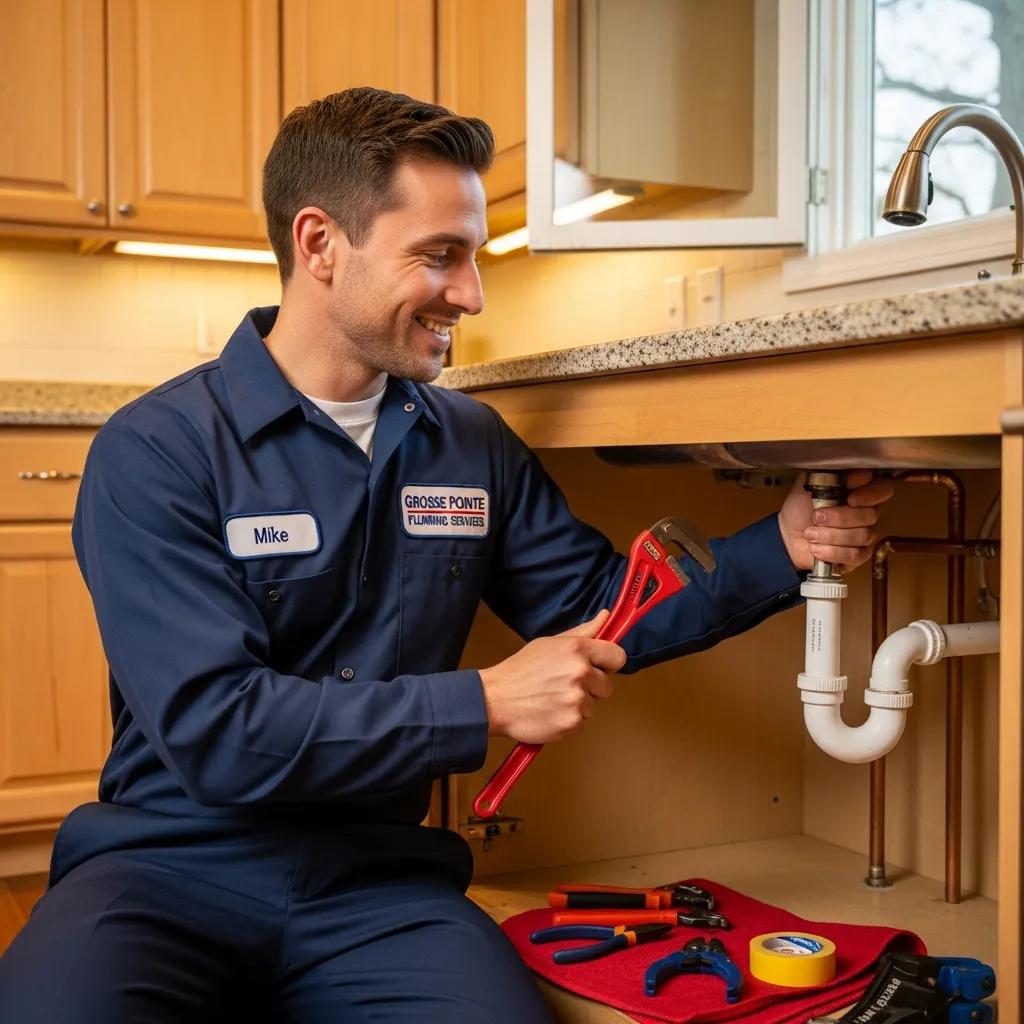
Find a Plumber Near Me in Grosse Pointe, MI — Trusted Local Plumbing & Emergency Support When a pipe bursts, a water heater quits, or drains start backing up, Grosse Pointe homeowners and businesses need fast, local help they can trust. This guide walks you through finding a qualified plumber nearby, what to do during an emergency, and how professional plumbers diagnose and repair common residential and commercial issues. You’ll get clear emergency steps, an overview of typical home repairs and installations in Grosse Pointe, tips for choosing a commercial plumbing partner, signs that point to drain or sewer trouble, and straightforward advice on water heater options and upkeep. We explain diagnostic tools like sewer camera inspection and hydro-jetting, and clarify when trenchless repair or excavation is required. Keywords such as licensed plumber, master plumber, backflow prevention, and sewer camera inspection are included so you can quickly find the right service. If you need immediate assistance, the local options outlined here focus on rapid response, clear estimates, and licensed technicians so you can act with confidence. How Can I Get Immediate Emergency Plumbing Help in Grosse Pointe? If you face a plumbing emergency, start with three simple steps: stop the water if you can, protect valuables and break power to wet areas if it’s safe, and call an emergency plumbing service. Emergency teams work by assessing risk, stabilizing the situation with temporary measures (shutting valves, patching leaks, removing water), and then giving an estimate for permanent repairs. Telling the dispatcher your exact address, the problem (burst pipe, sewage backup, major leak), and any hazards like exposed wiring speeds response and helps prioritize the call. Quick homeowner actions often limit damage before a technician arrives, and knowing the typical emergency response helps you decide whether to call 24/7 support or schedule routine service. When you contact emergency services, expect a triage-style call: operators give immediate safety guidance, assess severity, and dispatch a technician when needed. The clearer your details, the faster help can get to you. Below is a summary of common 24/7 response options and what to expect on arrival. Response Option Response Attribute Typical Expectation On-call technician Rapid dispatch, on-site diagnosis Tech arrives to stop the leak, shut off lines or patch, and provides a repair estimate Remote advice Immediate safety instructions Dispatcher walks you through shut-off steps and temporary containment until help arrives Temporary shut-off Damage mitigation measure Short-term stop-gap to prevent flooding; a follow-up repair is scheduled What 24/7 Emergency Plumbing Services Does Frost and Kretsch Provide? Frost and Kretsch Plumbing provides 24/7 emergency response for urgent plumbing problems within Grosse Pointe and roughly an eight-mile radius. Their licensed technicians handle immediate stabilization and assessment for issues like burst pipes, emergency leak stopping, water removal, and urgent water heater troubleshooting to restore hot water for safety or sanitation. On an emergency visit, technicians perform a quick diagnosis, apply temporary measures to limit damage and moisture, and then offer a clear estimate for permanent repair or replacement. They also explain next steps and likely timelines so you can plan for temporary lodging or property protection if a larger repair is needed. If a flood or sewage backup is involved, technicians focus on health and structural safety before cosmetic fixes and will coordinate excavation or repair options when necessary. For urgent dispatch, the company provides direct contact for emergency service and confirms licensed, insured personnel handle the job for safety and compliance. How to Recognize Plumbing Emergencies That Need Urgent Attention? A plumbing emergency threatens property, health, or safety and needs immediate action. Examples include uncontrolled flooding from a burst pipe, sewage backing up into living areas, and gas- or electrical-related risks around water heaters. Large leaks that cause rapid water buildup can damage floors, walls, and electrical systems—so shutting off the main water and turning off breakers (only if it’s safe) are crucial first steps. Sewage backups are a health hazard and should be left to professionals with proper equipment; evacuate exposed areas and call for emergency remediation. Loss of water or heat that affects vulnerable residents or business operations also counts as urgent. Quick rule of thumb: if you can’t contain the water within a few minutes, if sewage is present, or if electrical hazards exist, treat it as an emergency and call 24/7 professional help. Early recognition reduces damage and improves the emergency response. What Residential Plumbing Repairs and Installations Are Available in Grosse Pointe? Residential plumbing services in Grosse Pointe range from small fixture repairs to whole-system work. Common jobs include repairing supply-line leaks, fixing running toilets, replacing faucets and fixtures, addressing low water pressure, repiping worn sections, and installing or servicing water heaters and sump pumps. Most jobs start with an inspection and diagnostic check, followed by a written estimate, scheduling, and licensed technicians completing the work to local code. Homeowners benefit from transparent pricing, clear repair-versus-replace guidance, and maintenance tips to prevent future issues. To help you prioritize calls, here are a few quick checks you can do before calling a pro. Look under sinks and at visible supply lines for damp spots to catch leaks early. Check toilets for continuous running — a quick tank flapper adjustment can sometimes fix it. Remove and clean faucet aerators to address minor flow reduction before scheduling service. These basic checks may solve small problems, but persistent or worsening symptoms warrant a licensed plumber’s evaluation. After repairs, technicians usually provide simple maintenance steps to extend fixture life and reduce emergency visits. Which Common Home Plumbing Issues Do Local Plumbers Fix? Local plumbers handle clogs, leaks, low water pressure, running toilets, noisy pipes, and broken fixtures using diagnostic tools and precise repairs. Clogs—often from hair, grease, or foreign objects—are cleared with snaking, hydro-jetting, or targeted disassembly; a camera inspection helps locate stubborn blockages or pipe damage. Leaks in supply lines or joints require locating the source, assessing pipe condition, and choosing between a clamp or full section replacement based on corrosion. Low pressure can be caused
Water-Efficient Dishwashing: Machine vs. Hand Washing
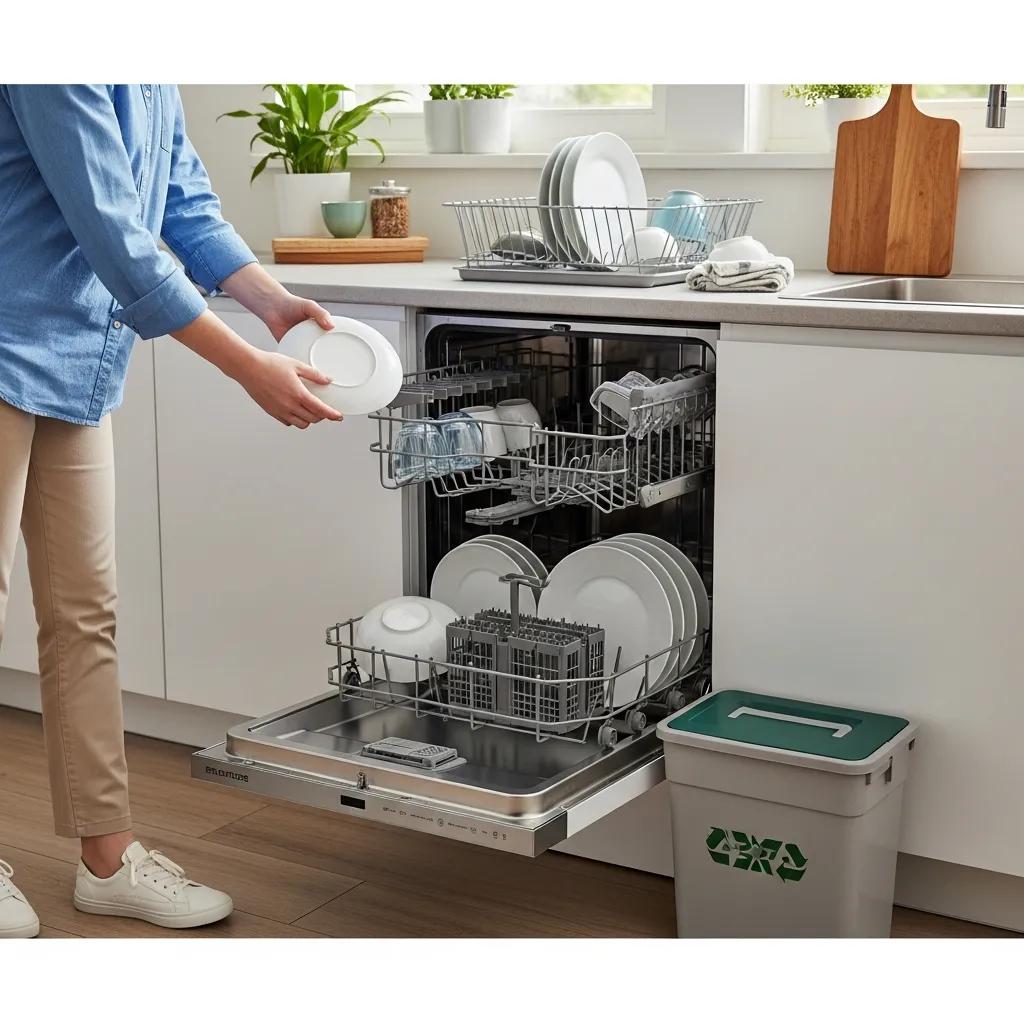
Dishwashing and Water Savings: Machine vs. Hand — Which Uses Less Water at Home? At home, most families choose between running a dishwasher or washing by hand when they want to save water, cut energy use, and free up time. This guide compares modern ENERGY STAR dishwashers with common hand-washing habits, explains how both appliance design and your plumbing affect real water savings, and gives practical steps you can take to reduce consumption without sacrificing cleanliness. You’ll find typical gallons-per-cycle figures, the dishwasher features that matter most, loading and maintenance tips to keep efficiency high, and how kitchen plumbing — pressure and hot-water delivery — changes outcomes. We also translate those technical points into clear choices for Grosse Pointe homeowners and explain when calling a licensed plumber makes sense. Throughout, we use terms like efficient dishwashing, dishwasher water use, and hand wash vs machine to make the trade-offs easy to follow and evidence-based. How Does Dishwasher Water Consumption Compare to Hand Washing Dishes? When used correctly, modern water-efficient dishwashers often use less water per load than many hand-washing routines. Dishwashers rely on pressurized, recirculated spray and sensors that limit continuous fresh-water flow, while hand washing frequently leaves the tap running for rinses and scrubbing. The net result for most households is fewer gallons per cleaning session and lower hot-water energy use with a properly used dishwasher. Key variables that change the balance are pre-rinsing, cycle choice, appliance age, and how many items you wash at once. Understanding those variables helps you pick the most water-smart routine for your home. Household behavior makes a big difference — whether people pre-rinse, keep a steady stream on while scrubbing, or use a two-basin wash-and-rinse method. ENERGY STAR guidance and recent studies give typical ranges for efficient dishwashers vs. hand washing, but real use depends on habits. The sections that follow break down typical dishwasher numbers and hand-washing ranges so you can compare side by side. Factors that change real-world water use include: Pre-rinsing habits: Running the faucet before loading raises gallons per session. Cycle selection: Heavy or sanitizing cycles can use much more water and energy than eco settings. Load fullness: Small or partial loads increase water use per item. Appliance age: Older dishwashers generally use more water per cycle than newer models. These differences explain why machine washing usually wins on total water use when households load efficiently and choose appropriate cycles. What Are the Typical Water Usage Statistics for Modern Dishwashers? ENERGY STAR dishwashers commonly use about 3–5 gallons of water per cycle on eco or automatic settings. Efficient designs rely on soil sensors, optimized pumps, and targeted spray arms that limit rinse cycles and recycle wash water where possible. Of course, water use varies by model and cycle — heavy soil or sanitize options increase consumption — but the main point is that dishwashers avoid the continuous fresh-water flow typical of hand rinsing. For many households, that translates into measurable monthly savings in both water and hot-water energy, especially in medium-to-large homes that would otherwise run several hand-washing sessions. Use these numbers to compare options and estimate bill changes; matching cycle choice to actual soil levels and checking model specs helps ensure your real-world use matches published figures. Next we quantify hand-washing patterns so you can see a direct comparison. Method Typical gallons per load Typical cycle/time Primary efficiency mechanism ENERGY STAR dishwasher (modern) 3–5 gallons 1–2 hours (eco/auto) Recirculated spray, sensors, targeted heating Older built-in dishwasher 6–10 gallons 1–2 hours (standard) Less efficient pumps and filtration Hand washing (basin method) 8–15 gallons 10–30 minutes Controlled basin water, limited rinses Hand washing (running tap) 20–27 gallons 10–30 minutes Continuous faucet flow, repeated rinses How Much Water Does Hand Washing Dishes Usually Consume? Water use for hand washing varies a lot. A two-basin approach typically uses about 8–15 gallons per session, while washing with the tap running can reach 20–27 gallons or more depending on flow rate and rinsing habits. Faucets deliver a steady supply of fresh water that isn’t recirculated, and multiple rinses or long scrubbing sessions multiply usage. Simple behavior changes — scraping food into the trash or compost, using a wash-and-rinse basin, and skipping pre-rinses — cut gallons per session significantly. For households watching their water bill, small habit changes can halve hand-washing water use. To lower hand-washing consumption, follow a few specific habits and consider moving heavy loads to a dishwasher. The list below gives practical steps and explains why many households see lower total use when they pair better habits with a modern dishwasher. Use a basin wash-and-rinse method: Fill one basin for washing and a second for rinsing to avoid running water. Scrape instead of pre-rinsing: Remove food solids before washing to cut extra rinses and keep dishwasher filters clear. Limit heavy pots/pans to occasional hand washes or soak briefly: Soaking reduces long scrubbing under running water. Which Water-Efficient Dishwashers Should Grosse Pointe Homeowners Consider? Start by looking beyond marketing and focusing on certifications and features that deliver real savings. ENERGY STAR certification shows a dishwasher meets EPA thresholds for water and energy performance, which usually means fewer gallons per cycle and lower operating costs over time. Prioritize features that produce tangible savings: soil sensors, eco or quick cycles, variable spray arms, improved filtration to reduce pre-rinsing, and half-load or flexible racks that let you clean smaller loads efficiently. Matching capacity to your household — compact units for small apartments, standard 24-inch built-ins for families — reduces unnecessary runs and improves per-load efficiency. We’ve distilled the decision into a short checklist to guide purchases and installation planning. Remember: professional installation and a proper plumbing hookup by a licensed company help ensure the appliance delivers the promised water savings. ENERGY STAR certification: Confirms tested water and energy performance. Soil-sensor/auto-cycle: Adjusts water use to actual soil levels. Eco and short-cycle options: Offers true low-water alternatives for light loads. Rack flexibility and capacity: Ensures full loads without overcrowding. These practical criteria help Grosse Pointe homeowners pick models
Boiler Maintenance Tips for Hydronic Heating Systems

Boiler Maintenance for Hydronic Heating: A Practical Guide to Safe, Efficient Comfort Hydronic heating moves hot water through pipes to radiators, baseboards, or in‑floor tubing to deliver steady, efficient warmth. Keeping the boiler and distribution parts in good shape preserves heat transfer, cuts energy waste, and reduces safety risks like leaks or combustion problems. This guide lays out how hydronic systems work, simple homeowner checks, what technicians inspect during tune‑ups, common troubleshooting steps, and safe between‑service care. You’ll get prioritized maintenance actions—daily, seasonal, and annual—plus symptom‑based fixes for cold radiators, pressure loss, and noisy operation. Use the homeowner vs. professional tables and clear checklists here to act quickly and safely, and to know when to call a licensed technician so your system stays comfortable and economical. What a Hydronic Heating System Is—and Why Boiler Care Matters A hydronic system is a closed loop: the boiler heats water, a circulator pushes it through pipes, and emitters (radiators, baseboards, or radiant floors) give that heat to your rooms. Water carries heat more efficiently than forced air, so hydronic systems deliver even, comfortable warmth. Regular boiler maintenance preserves that efficiency, prevents corrosion and sludge that slow flow, and confirms safe operation of combustion and pressure controls—reducing risks like leaks or carbon monoxide. Finding problems early with routine checks lowers the chance of emergencies and extends equipment life, saving you money over time. Knowing the basics makes it easier to perform simple checks and to recognize when you need a pro. How a Hydronic Heating System Works The boiler heats water using gas, oil, or electricity. A circulator pump moves the hot water through the distribution piping to emitters, where heat transfers into the living space. Zone valves and thermostatic controls let different areas reach their set temperatures independently, improving comfort and saving energy. Expansion tanks, pressure relief valves, and gauges control pressure and allow for water expansion as temperatures rise. Many systems use mixing valves or outdoor‑reset controls to fine‑tune supply temperatures for radiant floors or mixed emitter types. With this circulation and control framework, maintaining pumps, valves, and water quality is key to reliable, efficient heat delivery. Why Regular Boiler Maintenance Boosts Efficiency and Safety Routine maintenance removes insulating sludge and scale from heat exchangers so the boiler transfers heat efficiently, which lowers fuel or electricity use for the same comfort. Cleaning burners and checking combustion settings improves fuel‑to‑heat conversion and reduces the chance of unsafe combustion byproducts. Inspections catch worn parts—like a weak expansion tank or a leaking relief valve—before they cause pressure loss, shutdowns, or water damage. Preventive steps such as water treatment and flushing slow corrosion and reduce pinhole leaks in piping and radiators. Keeping the system tuned and clean supports steady performance and helps avoid emergency calls in cold weather. Key Steps in a Hydronic Heating Maintenance Checklist Below are the most effective maintenance tasks, split between safe homeowner checks and professional work that needs tools and certification. Homeowners can handle visual inspections, pressure checks, and radiator bleeding; professionals do combustion analysis, power flushes, and sealed‑system water treatment. Follow the prioritized tasks by frequency to keep the system safe and efficient. Homeowner vs. pro priorities: Daily / Weekly visual and operational checks: Scan for leaks, confirm the boiler display and thermostat are working, and keep the boiler area clear. Monthly monitoring: Check boiler pressure, listen for odd noises, and bleed radiators if air is suspected. Seasonal prep: Drain low points, test zone valves, and verify circulation during startup and shutdown. These homeowner steps usually fix minor flow and balance issues. Professional services add deeper diagnostics and repairs covered below. Daily and Weekly Checks Homeowners Can Do Safe, regular checks catch most early problems. Look over the boiler and nearby piping for drips, rust, or puddles. Keep combustion‑air paths and vents clear. Check the pressure gauge weekly—most residential systems sit around 12–15 psi when cold and rise a bit when hot. If pressure moves well outside that range, stop and call a pro. Bleeding a radiator to remove trapped air and confirming thermostats call for heat are simple, high‑impact tasks that restore circulation and remove cold spots. If visual or operational warning signs continue, schedule a professional inspection. To make responsibilities clear, here’s a quick homeowner vs. professional reference. Task Who Should Perform Purpose Visual leak check Homeowner (weekly) Spot early leaks or moisture that point to failing seals or fittings Pressure monitoring Homeowner (monthly) Keep system within safe range to avoid pump strain Radiator bleeding Homeowner (seasonal / as needed) Remove air pockets that cause cold spots and reduce flow Combustion analysis Professional (annual) Confirm safe, efficient fuel combustion and lower CO risk Power flush / chemical flush Professional (as needed) Clear sludge to restore heat transfer and flow Expansion tank inspection Professional (annual) Verify pressure‑acceptance function and prevent repeat pressure loss What an Annual Professional Boiler Tune‑Up Covers An annual tune‑up is a full safety and efficiency inspection that’s best left to a licensed technician. A pro will perform combustion testing to check burner and flame quality, clean burners and heat exchangers, and test safety controls like pressure relief valves and low‑water cutoffs. Technicians also check circulator pumps, expansion tanks, and automatic air vents, and recommend water treatment or power flushing when sludge or corrosion is found. These tasks need special tools and safety steps; a yearly service keeps small faults from turning into costly failures and helps lower long‑term energy use. After you do routine homeowner checks, an annual professional tune‑up gives the deeper preventive care your system needs. At Frost & Kretsch Plumbing, we serve Grosse Pointe and nearby communities with licensed technicians who handle boiler tune‑ups, water‑heater work, and any repairs a professional inspection uncovers. If a power flush or repair is recommended, consider scheduling service with a licensed provider to restore efficiency and safety. Troubleshooting Common Hydronic Boiler Problems This troubleshooting section links common symptoms to likely causes and safe, immediate actions you can take before calling a technician. Use quick, low‑risk
Your Trusted Local Plumber in Grosse Pointe, MI

Your Local Grosse Pointe Plumbers — 24/7 Emergency, Drain, Water Heater, Sewer, and Commercial Services At Frost & Kretsch Plumbing we provide around-the-clock emergency response and full-service residential and commercial plumbing across Grosse Pointe and nearby communities. This guide breaks down how to spot a plumbing emergency, compare drain-cleaning options, weigh water-heater repair versus replacement, understand sewer-line repair and excavation, and evaluate commercial plumbing needs. Many homeowners and property managers face sudden leaks, sewer backups, or failing water heaters that require fast, safe fixes. Knowing the common signs, sensible temporary steps, and how services like hydro-jetting or trenchless lining work helps reduce downtime and long-term costs. Throughout, you’ll find clear checklists, practical comparisons, and concise guidance to help you choose a trusted local plumber in Grosse Pointe. What Emergency Plumbing Services Are Available in Grosse Pointe? An emergency plumber handles failures that threaten property, health, or safety and need immediate action to prevent bigger damage. Common emergencies include burst pipes, major leaks, sewer backups, gas-scented plumbing issues, sudden water-heater failures, and severe blockages that stop plumbing fixtures from working. Emergency work typically starts with containment — shutting off water or power to affected appliances — followed by temporary measures to limit water intrusion and a diagnostic check to determine permanent repairs. Fast triage lowers the risk of structural damage, mold, and costly secondary repairs. Knowing what counts as an emergency and what you can do before help arrives helps you limit loss and speed recovery. If you’re facing an emergency right now, call a local 24-hour plumber Grosse Pointe homeowners trust for quick dispatch, on-site triage, and clear next steps. We staff an around-the-clock emergency line to send licensed technicians to urgent situations. Every call begins with a short assessment so we can advise immediate safety steps and prepare the crew. Our dispatch process focuses on safe mitigation and transparent communication so you know what to expect when we arrive. Use the contact listed below to reach emergency support and request an on-site evaluation. Before a technician arrives, follow this checklist to reduce damage: Turn off the main water valve if flooding or uncontrolled leaks are present to stop water at the source. Switch off electricity at the breaker if standing water is near outlets, appliances, or the electrical panel to avoid electrocution. Contain visible leaks with buckets, towels, or temporary patches to protect floors and furniture until we arrive. Don’t use drains or toilets if you suspect a sewer backup — that can spread contamination and worsen the blockage. Take photos of the damage for insurance and be ready to describe symptoms and affected areas when you call dispatch. These simple steps reduce immediate harm and make it easier for our crew to start effective remediation. Knowing where your shutoff valves are and saving emergency numbers in your phone can shave precious minutes during a crisis. How Does Frost & Kretsch Provide 24/7 Emergency Plumbing Support? We follow a consistent emergency protocol that starts with a triage call and leads to fast dispatch of a licensed technician. Our dispatchers gather symptom details, recommend immediate safety steps, and prioritize calls so life-safety issues get top response. On arrival, the technician completes a safety assessment, applies temporary mitigation (for example, clamping a line, isolating a section, or deploying a temporary pump), and provides a clear estimate for the permanent repair. Licensed, insured pros handle containment and plan long-term fixes, documenting findings with camera inspection or pressure testing when needed. Combining immediate mitigation with a diagnostic plan helps reduce repeat visits and keeps you informed with transparent estimates and options. Our technicians receive ongoing training in diagnostic tools, water-heater systems, and trenchless sewer methods so we can match the right technique to the problem quickly. We focus on minimizing disruption while keeping safety first, and we’ll explain repair‑versus‑replace decisions so you can choose what’s best for your home. Knowing our typical on-site workflow helps you prepare for what to expect after you call. What Are Common Plumbing Emergencies and How Are They Resolved? Typical emergencies include burst supply lines, fixture leaks that run from roof to basement, sewer backups that send sewage into living spaces, and sudden water-heater failures that cause loss of hot water or scalding risks. Fixes depend on the failure: burst pipes usually need shutoff, a temporary clamp or coupling, and either section replacement or rerouting; sewer backups often require camera inspection, targeted cleaning or hydro-jetting, and sometimes sewer-line repair; water-heater issues can mean component repairs or a full unit replacement when tanks leak or elements fail. Quick homeowner actions — shutting off water, isolating appliances, and avoiding contaminated drains — reduce damage and let technicians focus on repairs. Some jobs take only a few hours (snaking, temporary patches); others, like full sewer replacement with excavation, can take several days. In real terms: a daytime burst pipe can often be stopped and temporarily repaired within an afternoon, while a collapsed sewer main may require multi-day excavation and landscape restoration. Knowing typical timelines and repair paths helps you weigh short-term fixes against longer-term solutions and when to involve insurance or municipal authorities. Which Drain Cleaning Solutions Does Frost & Kretsch Offer in Grosse Pointe? Professional drain cleaning includes mechanical snaking, high-pressure hydro-jetting, enzymatic or biological treatments, and targeted camera inspection to diagnose recurring clogs. Snaking clears localized blockages like hair and grease near traps. Hydro-jetting uses high-pressure water to remove grease, scale, and roots deeper in the line. Camera inspection gives a visual diagnosis so we can tell a simple clog from a structural defect and choose cleaning or repair accordingly. The best workflow is inspection first, then the appropriate cleaning method, and follow-up testing to confirm restored flow. Regular preventive maintenance reduces emergency calls and extends pipe life by removing buildup before it hardens. When choosing a method, our technicians consider pipe material, blockage type, and access constraints to pick the safest, least disruptive approach. For chronic issues we recommend starting with a camera inspection to find the
Hydronic Heating Systems: Radiant Floor & Baseboard

Hydronic Heating in Grosse Pointe — Radiant Floor & Baseboard Solutions Hydronic heating moves heated water through pipes to deliver steady, even warmth—an efficient solution that fits well in Grosse Pointe homes and businesses. This guide walks you through how hydronic systems work, the differences between radiant floor and baseboard options, and what to expect for installation, maintenance, costs, and local service. If you’re tired of cold spots, noisy forced-air systems, or high energy bills, hydronics can help by operating at lower water temperatures to keep your space comfortable with fewer temperature swings. You’ll find clear explanations of core components (boiler, circulator pump, PEX tubing, manifolds, and emitters), the advantages of radiant floor and baseboard heating, step-by-step installation and retrofit choices, routine care and repair tips, and realistic cost factors for Grosse Pointe projects. We also use common search terms—like hydronic heating, radiant floor heating installation, hydronic baseboard heating, boiler systems, and hydronic heating maintenance—to help you research and prepare for an on-site estimate. Practical checklists, comparison tables, and service details from Frost & Kretsch Plumbing are included so you can take the next confident step for your home or business. What Are Hydronic Heating Systems and How Do They Work? Hydronic systems heat water in a central boiler and circulate it through tubing to emitters such as in-floor loops or baseboard convectors. The boiler raises water temperature, a circulator pump moves the water through PEX tubing and manifolds, and thermostats or zone valves control room-by-room comfort. Because hydronic systems transfer heat mainly by conduction and radiation—not by pushing air—they lose less heat during distribution and feel comfortable at lower room temperatures. That’s why these systems pair well with high-efficiency condensing boilers and zoning controls for precise temperature management. Below we explain how radiant floors and baseboard convectors each use circulating hot water to create comfortable rooms and how they differ in installation and use. How Does Radiant Floor Heating Use Heated Water for Comfort? Radiant floor systems circulate hot water through PEX tubing embedded in a concrete slab or installed in overfloor panels so heat rises evenly from the floor. Heat moves by radiation and conduction, so floors stay warm and the room air stays steady—without the strong air currents of forced-air systems. In-slab installations use thermal mass to smooth temperature swings, while overfloor panel systems reduce floor build-up and respond faster, making them attractive for retrofits. Common compatible surfaces include tile, stone, engineered wood, and some laminates; insulation and floor assembly choices will influence efficiency and how quickly the system responds. Knowing these differences helps you choose in-slab or overfloor methods for new construction or remodeling projects. What Is Hydronic Baseboard Heating and Its Operation Principles? Hydronic baseboard heating moves hot water through finned tubing inside low-profile units mounted along room perimeters. The fins increase surface area so heat transfers to the air by convection and gentle radiation—warm air rises slowly and circulates without noisy fans. Baseboard systems work well for retrofits because they need little floor disruption and offer easy room-by-room control with thermostatic valves or zone controls. Understanding baseboard mechanics makes it easier to compare their perimeter-focused warmth and modularity with the floor-level comfort of radiant systems when deciding which suits specific rooms. What Are the Key Benefits of Radiant Floor and Baseboard Hydronic Heating? Compared with typical forced-air systems, hydronic heating often provides better energy efficiency, more even temperatures, less airborne dust, quieter operation, and long-lasting components when maintained correctly. Lower operating temperatures and reduced distribution losses can lower energy use—especially when paired with high-AFUE boilers and zoning controls. Those advantages make radiant floor and baseboard hydronic systems appealing for homeowners who value comfort, cleaner air, and quiet performance. The table below compares radiant floor, hydronic baseboard, and forced-air systems so you can weigh energy, comfort, and maintenance trade-offs. System Type Comfort Characteristics Energy Use Air Quality Typical Lifespan Radiant floor Even surface warmth; eliminates cold floors Lower supply temps; efficient distribution Minimal dust movement; improved perceived comfort 30+ years for tubing and slab integrity Hydronic baseboard Strong perimeter warmth; fast room-level control Efficient by zone; modest distribution loss Less dust circulation than forced air 20–30 years with proper maintenance Forced-air (conventional) Fast temperature swings; less surface warmth Higher distribution losses; duct leakage More dust and allergen movement 15–25 years for furnace/ducts with regular service This side-by-side shows how radiant and baseboard hydronic systems typically outperform forced-air on even heat and air quality. The right choice depends on retrofit limits, flooring preferences, and how you want to zone your home. Hydronic systems cut operating costs by using lower supply temperatures, zoning, and efficient boilers; the next section explains how those parts work together to lower bills and improve responsiveness. How Does Hydronic Heating Improve Energy Efficiency and Reduce Costs? Hydronic systems boost efficiency by delivering heat at lower water temperatures and avoiding duct losses, which shortens boiler run times and lowers fuel consumption when systems are sized and controlled correctly. Boiler AFUE affects operating cost: higher AFUE boilers yield more usable heat per fuel unit, and condensing boilers recover extra heat from flue gases when return-water temps are low. Zoning and programmable thermostats cut waste by heating only occupied areas, and smart controls or outdoor reset strategies fine-tune setpoints for local weather. Actual savings depend on the home and system design, but industry estimates often show 20–40% lower operating costs compared with poorly designed forced-air systems—accurate heat-loss calculations and professional sizing are key to realizing those gains. In What Ways Does Hydronic Heating Enhance Indoor Air Quality and Comfort? Because hydronic systems don’t rely on high-volume air movement, they reduce the circulation of dust, pollen, and allergens that often travel through ducts. Radiant floors and baseboard convectors deliver steady surface and perimeter warmth, which reduces drafts and the dry, forced-air feeling. The systems are also quieter, improving comfort in bedrooms and living spaces. Since water is the heat carrier, hydronics are gentler on indoor humidity than high-speed blowers—helping keep a healthier indoor environment through
UV Water Purifiers: Chemical-Free Water Disinfection
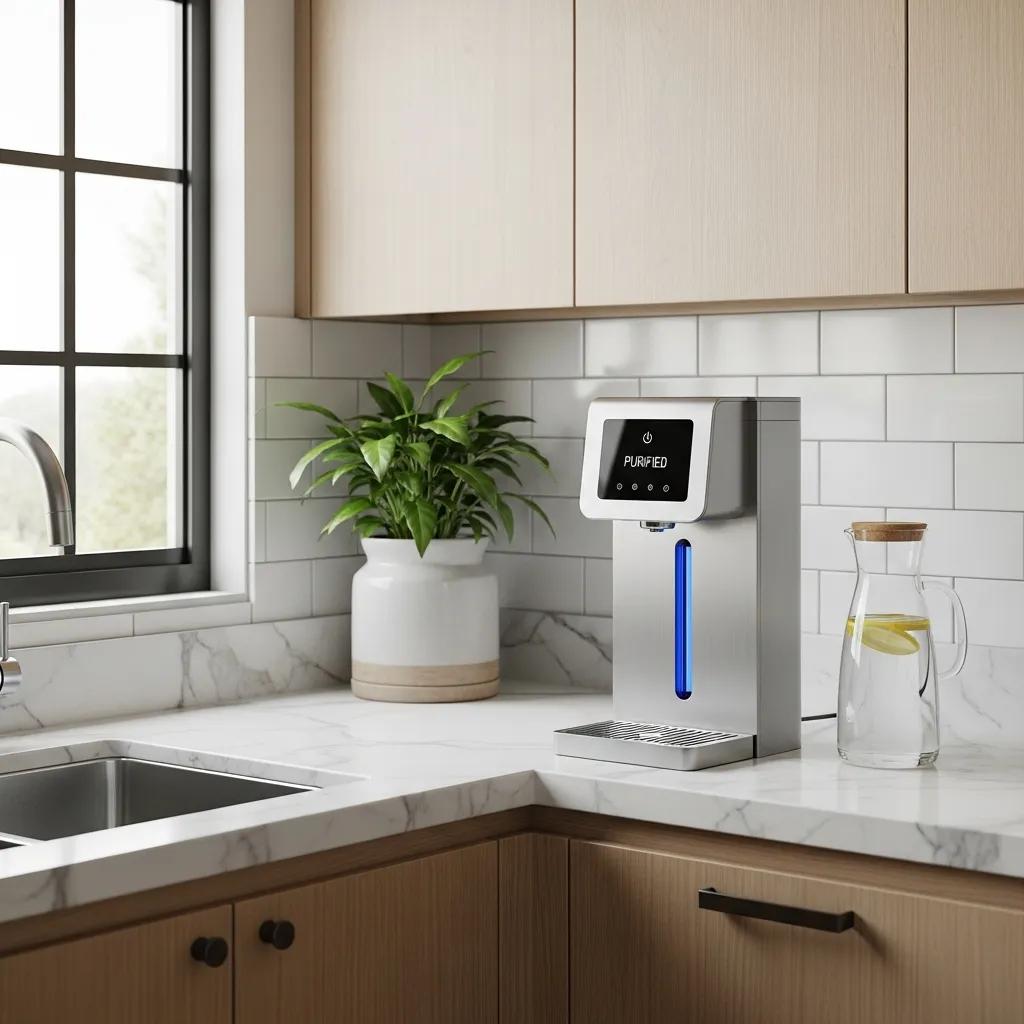
UV Water Purifiers — Chemical-Free Disinfection for Safer Tap Water Ultraviolet (UV) water purifiers use germicidal UV‑C light to disinfect drinking water without adding chemicals. Properly sized systems inactivate bacteria, viruses, and many protozoa, giving homes and businesses a chemical‑free layer of protection for tap water. This guide explains how UV‑C (centered near 254 nm) works, what parts make up a UV system, and why many people choose UV to preserve taste and avoid chemical byproducts. You’ll find practical guidance on installation and routine care, comparisons of whole‑house versus point‑of‑use units, cost and local considerations for Grosse Pointe properties, and answers to common questions about lamp life and pathogen coverage. We weave selection basics — flow rate, pre‑filtration, and water source — with industry terms like UV dose (mJ/cm²), quartz sleeve care, and flow‑rate matching so you can decide when UV belongs in a multi‑barrier treatment plan and how local pros can size, install, and maintain systems for reliable, chemical‑free disinfection. How UV Water Purification Works UV water purification disinfects flowing water by exposing it to ultraviolet‑C radiation, typically around the germicidal 254 nm wavelength. UV photons are absorbed by microorganisms’ DNA or RNA and create lesions that stop replication — rendering bacteria, viruses, and protozoa inactive without changing dissolved minerals or overall water chemistry. The key to performance is the delivered UV dose, which depends on lamp intensity, exposure time, and flow rate: faster flow shortens exposure and requires proper system sizing to keep dose levels effective. Knowing the main system parts makes clear why pre‑filtration and regular lamp maintenance are critical for steady, long‑term performance. This table highlights the core components, what they do, and basic maintenance notes so you can judge system fit for your property. Component Function Value UV lamp (germicidal) Emits UV‑C light near 254 nm to inactivate microorganisms Replace roughly every 9–12 months; monitor intensity when possible Quartz sleeve Protects the lamp from water while transmitting UV light Clean regularly to prevent fouling and keep UV transmittance high UV chamber Holds water during exposure; engineered for even dose distribution Chamber material and shape affect dose uniformity and cleaning access Pre-filter (sediment/carbon) Removes turbidity and particles that could shield microbes from UV Required when turbidity exceeds recommended limits; change schedule varies O-rings and fittings Seal plumbing connections and preserve system integrity Inspect at service intervals and replace if signs of wear appear How UV Light Inactivates Waterborne Pathogens UV light delivers energy that directly damages nucleic acids, creating thymine dimers in DNA and similar lesions in RNA that block replication and transcription. The controlling metric is UV dose (measured in millijoules per square centimeter, mJ/cm²), a product of irradiance and exposure time that determines achievable log‑reductions for specific organisms. Different microbes need different doses — bacteria and many viruses typically require lower doses than some resistant protozoa — so matching the chamber’s output to the correct flow rate and lamp power is essential for reliable control. Industry guidance now stresses dose verification and regular monitoring to keep delivered intensity within safe margins. Knowing those dose needs points directly to the hardware and servicing practices needed to deliver and protect the required UV energy; the next section breaks those pieces down. Key Components of a UV Water Purification System A UV system combines a germicidal lamp, a protective quartz sleeve, a flow‑designed chamber, pre‑filtration, and the necessary plumbing and electrical connections to deliver a consistent germicidal dose at the target flow. The lamp is the UV source, the sleeve preserves optical clarity while keeping the lamp dry, and chamber geometry helps ensure even exposure across the water column. Pre‑filters shield the lamp and sleeve from sediment and turbidity that reduce UV transmittance, and routine maintenance — lamp replacement and sleeve cleaning — keeps output steady. Choosing the right components and service intervals is essential for long‑term performance; later sections cover maintenance in detail. With that technical foundation, we’ll look at the practical benefits of choosing UV over chemical disinfectants. Benefits of Chemical‑Free UV Water Disinfection UV disinfection delivers fast, high‑efficacy pathogen inactivation without adding residual chemicals, so water taste stays intact and disinfection byproducts (formed when chemicals react with organic matter) are avoided. UV works instantly at the point of flow, requires limited day‑to‑day input, and pairs well with pre‑ and post‑treatment steps as part of a multi‑barrier strategy. For households and businesses concerned about flavor, aquariums, food prep, or chemical handling, UV removes the need for chlorine taste and odor. From an environmental and operational view, UV reduces chemical handling, eliminates continuous chemical discharge, and usually requires a smaller footprint than ongoing chemical dosing systems. Key practical benefits include: High pathogen inactivation: properly dosed UV delivers strong log reductions for bacteria and viruses. No chemical byproducts: UV does not create trihalomethanes or similar disinfection byproducts. Taste and odor preservation: minerals remain intact, so flavor for drinking and cooking is unchanged. Low day‑to‑day maintenance: scheduled lamp changes and sleeve cleaning replace daily chemical monitoring. Those advantages make UV attractive for sensitive uses, but keep in mind that effective UV requires correct pre‑filtration and monitoring to sustain results. In the Grosse Pointe area, Frost & Kretsch Plumbing can evaluate your water, recommend whole‑house or point‑of‑use UV sizing, and provide local installation and maintenance. Our licensed, insured technicians serve Grosse Pointe and nearby Macomb, Oakland, and Wayne Counties with on‑site testing, equipment selection help, and routine servicing to keep UV systems delivering chemical‑free disinfection. How Frost & Kretsch Plumbing Helps Grosse Pointe Customers We offer local UV water purifier services focused on accurate assessment, correct system sizing, professional installation, and dependable maintenance for both homes and businesses in the Grosse Pointe area. Our licensed technicians perform on‑site water testing and flow measurements to select a system that delivers the required UV dose at your property’s flow rate, and we recommend pre‑filtration when turbidity or sediment could reduce UV effectiveness. Installations include mounting the UV chamber, integrating electrical controls, connecting pre‑filter loops as needed, and commissioning with performance