Trusted Plumbing Services in Warren, MI
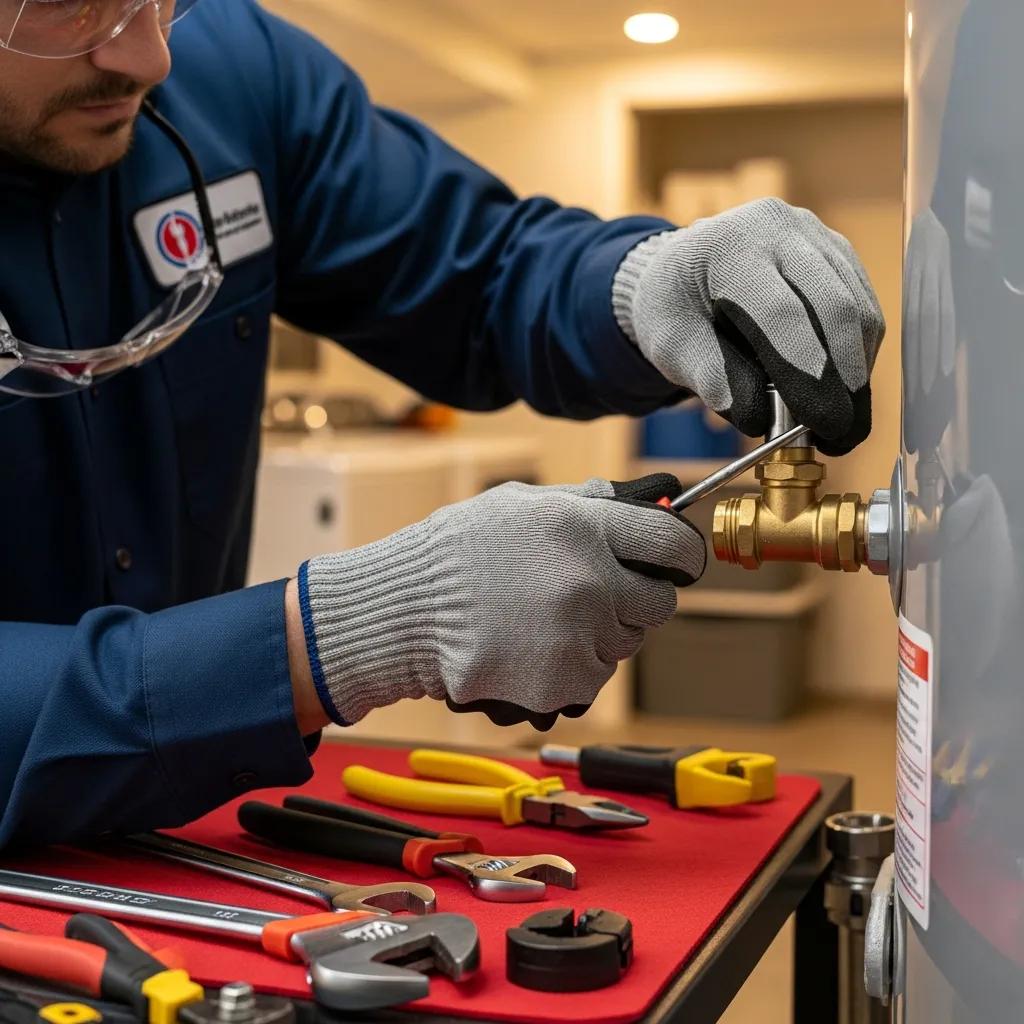
Trusted Plumbing in Warren, MI — Fast, Reliable Service for Homes & Businesses Plumbing problems need quick, practical fixes from local pros you can count on. This guide walks Warren homeowners and business owners through emergency response, routine residential work, commercial services, and specialty repairs like sewer line work and excavation. You’ll learn what counts as a plumbing emergency, how technicians diagnose issues, when to schedule preventive maintenance, and what to expect during major repairs. We focus on clear, useful steps that reduce downtime and limit damage — plus straightforward advice on reaching a licensed, insured plumber and what honest pricing and good customer care look like. The sections ahead cover emergency actions, residential options and water heater choices, commercial priorities, pricing and guarantees, specialized infrastructure services, and how to get prompt help. Emergency Plumbing Services in Warren, MI — What We Handle Emergency plumbing covers problems that threaten safety or property — things like burst pipes, heavy leaks, sewage backups, and sudden water heater failures. Emergency crews stop the source, isolate the problem, and provide temporary or permanent repairs to prevent more damage and mold. Typical emergency responses include leak containment, temporary pipe repairs, shutting off or isolating a failing water heater, extracting sewage backups, and coordinating with utilities on suspected gas issues. Knowing these common fixes and the quick actions homeowners can take helps limit loss while you wait for help. Below is a short checklist of services you can expect from a qualified emergency team. Burst pipes and major leaks: shut off water and apply temporary repairs to stop flooding. Sewage backups: sanitary removal, cleanup steps, and main-line inspection. No hot water or failed water heater: emergency diagnosis and safe isolation. Gas-line concerns: follow utility guidance and isolate supply when necessary. That checklist outlines first priorities and usual remedies for urgent plumbing incidents. The brief table below shows how quick response and skilled work reduce damage and stabilize systems. Response Element Characteristic Typical Outcome Response Time 24/7 dispatch for priority calls Faster mitigation, less structural damage Availability After-hours techs and emergency routing On-site assessment and immediate containment Common Fixes Temporary patches, bypass drains, water heater shutoff Safe stabilization until permanent repair Quick access to experienced technicians lowers repair scope and cost. Knowing what to expect helps you act fast and keep damage to a minimum. How Frost and Kretsch Handles 24/7 Emergency Plumbing in Warren Frost and Kretsch runs a rapid-response model with licensed technicians ready around the clock. When you call with an emergency, they prioritize the dispatch of a nearby certified tech carrying common emergency parts and tools. On arrival, technicians complete safety checks, isolate the issue, outline immediate containment steps, and explain the repair plan and expected costs. Their crews carry materials for patching pipes, removing sewage, or safely shutting off water heaters and gas lines, so they can stop the problem fast and limit further damage. This process highlights licensed, insured technicians, practical equipment, and clear communication so property owners know next steps and follow-up needs. Which Plumbing Emergencies Need Immediate Attention? Call right away for issues that risk health or rapid property damage: active flooding, sewage backing up into the home, or a strong gas smell. Warning signs include sudden heavy water flow from fixtures or walls, sewage at drains or cleanouts, a persistent odor of gas, and complete loss of hot water linked to a leaking or ruptured water heater. If safe, shut off the main water valve, keep electrical devices away from standing water, evacuate if you smell gas, and limit water use until help arrives. These steps stabilize the scene and make mitigation easier for the arriving crew. Taking those precautions aligns with emergency response procedures and helps protect people and property until professionals take over. Residential Plumbing Services in Warren — What We Offer Residential services include routine maintenance, repairs, and upgrades that keep household water, waste, and heating systems running. Common jobs are water heater repair/installation, drain cleaning, toilet and faucet repairs, sump pump service, thawing frozen pipes, and sewer diagnostics. We deliver these through inspections, targeted repairs, and preventive maintenance plans that preserve system efficiency and reduce costly failures. Licensed technicians ensure safety, code compliance, and longer equipment life when they install or repair your system. Below is a quick comparison of water heater types to help homeowners decide what fits their needs. Water Heater Type Key Attribute Typical Value Tank (storage) Efficiency and capacity Lower energy efficiency with standby losses; good when several fixtures run at once Tankless (on-demand) Energy use and lifespan Higher efficiency and longer life with proper maintenance; saves space Hybrid/Heat Pump Operating cost and placement Very energy-efficient in the right location; lowers monthly bills when suitable This chart helps you weigh efficiency, space, and hot-water needs when choosing or repairing a system. Correct selection and professional installation reduce operating costs and extend service life. Frost and Kretsch’s residential offerings emphasize licensed technicians, 24/7 emergency support for urgent issues, and a 100% satisfaction guarantee so homeowners can schedule work with confidence. If you’re a Warren resident, getting a local estimate helps prioritize repairs and prevent emergencies. Benefits of Professional Water Heater Repair and Installation Hiring a pro improves energy efficiency, safety, and reliability while extending your water heater’s life — which saves money over time. Technicians find problems like bad heating elements, thermostat issues, sediment buildup, or venting faults and advise on repair versus replacement. Proper installation ensures correct venting, functioning pressure-relief valves, and code compliance, preventing leaks and gas hazards for fuel-fired units and protecting electrical systems for electric models. Routine maintenance, such as flushing tanks and checking anode rods, prevents premature failure and helps keep warranties valid. Knowing these benefits makes it easier to decide whether to repair or replace and why licensed installation matters for safety and efficiency. How Expert Drain Cleaning Prevents Bigger Problems Professional drain cleaning removes buildup, restores flow, and stops recurring clogs using the right methods — mechanical snaking, hydro-jetting, or root removal when
Residential & Commercial Plumber in Sterling Heights, MI
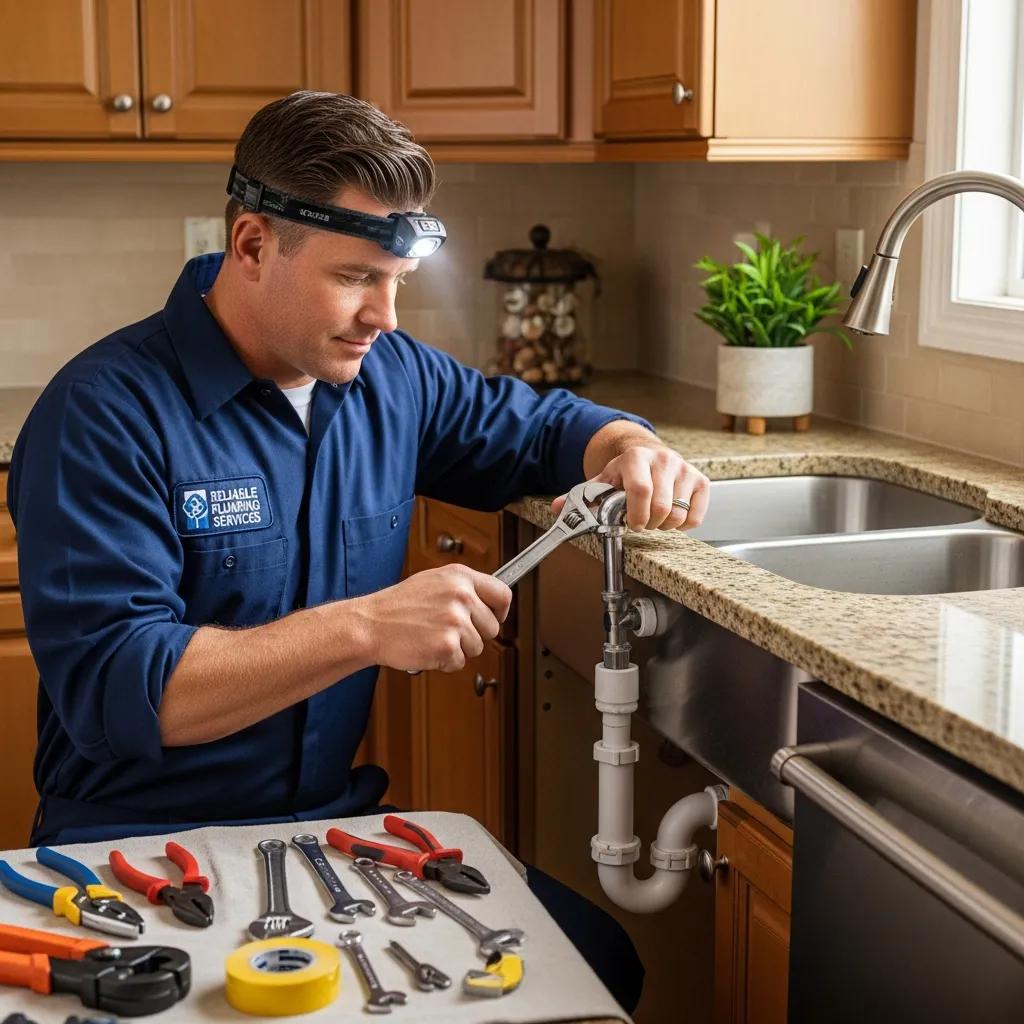
Residential & Commercial Plumber in Sterling Heights, MI — Trusted Plumbing for Homes and Businesses When you need a dependable local plumber in Sterling Heights, you want prompt, honest repairs for both homes and businesses — plus emergency help when water damage or sewage threatens your property. Below we walk through the full range of residential and commercial services we provide, explain when trenchless work or excavation is required, and outline how we diagnose and fix sewer and drain issues. Homeowners will find clear guidance on water heater service, frozen-pipe response, leak detection, and preventative maintenance. Business owners will see practical advice on grease trap care, backflow prevention, and commercial drain programs. You’ll also get emergency triage steps to stabilize risk before a technician arrives and a checklist for choosing a local provider that emphasizes licensed techs, transparent pricing, and satisfaction guarantees. What Residential Plumbing Services Are Available in Sterling Heights? Residential services include fixture repairs, water heater service, sump pump work, leak detection, and regular maintenance to prevent water damage and protect water quality. We identify the root cause of failures — from worn parts and sediment buildup to freeze damage or tree roots — and apply the appropriate repair, replacement, or preventive fix. The practical benefits for homeowners are less downtime, lower risk of costly damage, and longer equipment life through targeted repairs and routine checks. Below is a concise list of core residential services and the value they deliver. Water heater repair and installation: Restores hot water and improves energy use via repair or replacement. Sump pump installation and repair: Keeps basements dry during heavy rain and rising groundwater. Leak detection and repair: Finds hidden leaks early to prevent structural damage and water waste. Fixture and valve repairs: Stops drips, restores pressure, and replaces worn fittings to save water. Preventive maintenance plans: Scheduled inspections that cut emergency calls and extend system life. These services create a safer, more efficient home plumbing system. Next, we cover how we approach water heater repair versus replacement. How Do We Handle Water Heater Repair and Installation in Sterling Heights? We start with diagnostics to find whether the tank, thermostat, heating element, or pressure valve is at fault. Technicians look for cold spots, low hot-water capacity, unusual noises, or visible leaks, then weigh repair vs. replacement based on the unit’s age, parts cost, and long-term reliability. If replacement is recommended, we discuss tank and tankless options and the trade-offs in recovery time and energy use so you can choose what fits your household. Routine maintenance — flushing sediment, testing relief valves, and inspecting connections — helps prevent early failure and keeps performance up. Our diagnostics-first approach balances immediate needs with lifecycle cost. What Solutions Do We Offer for Frozen Pipes and Leak Detection? Frozen pipes and hidden leaks pose a high risk of bursts and water damage, so rapid identification and controlled thawing are essential. Emergency response steps include isolating the water supply, gradual thawing to relieve pressure, and targeted repair of weakened sections. We use acoustic leak detection and infrared imaging to locate concealed leaks without unnecessary demolition. Preventive steps you can take include insulating exposed pipes, using heat trace where practical, and following seasonal winterizing tips. For difficult-to-find leaks, camera inspection confirms pipe condition and guides minimally invasive repairs, reducing the need for excavation. These capabilities bridge naturally into commercial plumbing, where scale and regulation create different priorities. Which Commercial Plumbing Solutions Serve Sterling Heights Businesses? Commercial plumbing focuses on higher flow rates, regulatory compliance, and minimizing downtime. Compared with residential work, commercial service emphasizes capacity, grease and solids management, and backflow protection to meet code and keep businesses running. Common commercial offerings include commercial drain cleaning, grease trap service, backflow testing and installation, and water main repairs scheduled to limit disruption. Below are core commercial services businesses rely on to stay compliant and operational. Commercial drain cleaning and hydro jetting: Keeps high-volume drains clear to prevent service interruptions. Grease trap inspection and pumping: Helps restaurants meet local rules and avoid fines. Backflow prevention testing and installation: Protects drinking water from cross-contamination. Water main repairs and service coordination: Fast, scheduled work that limits downtime for operations. How Are Commercial Drain Cleaning and Grease Trap Services Managed? Commercial drain and grease trap programs follow a predictable cycle: inspect, clean, and pump on a schedule matched to usage. We use camera inspections to locate blockages and measure grease or solids buildup, which tells us whether hydro jetting or mechanical rooter service will be most effective. Maintenance agreements set cleaning frequency — weekly, monthly, or quarterly — based on business volume to reduce unexpected closures and odor complaints. For food-service operations, documented grease trap records support inspections and show proactive maintenance, leading to fewer clogs and less downtime. What Backflow Prevention and Water Main Services Are Provided? Backflow prevention includes device installation, routine testing, and repairs so contaminants cannot enter a building’s potable water. Water main work ranges from targeted repairs to coordinated replacements, addressing symptoms like sudden pressure loss, recurring leaks, or deterioration found on camera. We prioritize off-hour scheduling and clear communication to minimize business disruption. Device selection and testing frequency follow local codes and building use, and many businesses pair backflow programs with mainside inspections to limit emergency outages. How Does Frost and Kretsch Plumbing Address Sewer and Drain Cleaning in Sterling Heights? Our sewer and drain approach pairs careful inspection with the least invasive cleaning or repair needed. The usual workflow is: camera inspection to find the issue, a clear diagnosis and recommendation, then execution — whether hydro jetting for grease and roots or mechanical rooter work for local obstructions. Each choice aims to fix the problem while protecting the existing pipe. That inspection-first method delivers faster answers, avoids blind digging, and yields longer-lasting results when the right technique is used. The table below compares common sewer and drain services, the problems they target, and the typical fixes our technicians use. Service Common Problem Typical Solution Sewer camera
Water Main Repair Services in Southfield, MI
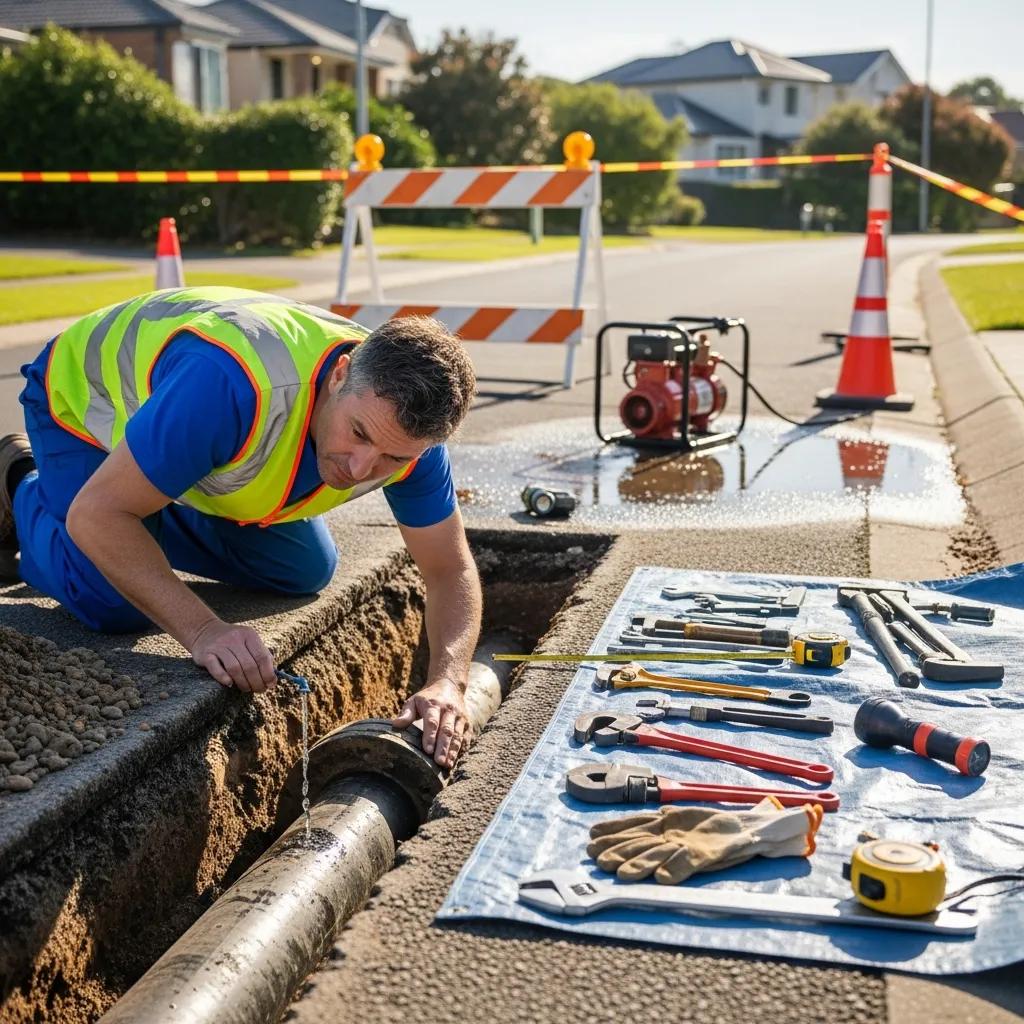
Water Main Repair in Southfield, MI — Fast, Reliable Solutions for Homes & Businesses Water main repair fixes damage or failure in the underground pipe that brings drinking water to your property. Acting quickly prevents property damage, contamination, and higher restoration costs. This guide helps Southfield homeowners and business owners spot warning signs, understand modern diagnostics like camera inspection and acoustic leak detection, and compare repair options — trenchless lining, pipe bursting, or full excavation. You’ll also learn what affects cost and schedule (pipe material, depth, restoration needs), how responsibility is split between private property and the city, and practical steps to reduce future breaks. Read on for clear, actionable advice and the services Frost and Kretsch Plumbing offers in Southfield. What Are the Common Signs You Need Water Main Repair in Southfield? Water main problems usually show up with obvious or measurable signs that point to a breach, blockage, or failing service connection. Spotting these early limits damage and speeds diagnosis, because many of these symptoms are different from ordinary indoor plumbing issues. Below is a short checklist explaining each sign and why it often means a main-line problem. If you see several at once, turn off nonessential water and call a pro for a diagnostic inspection. Low or fluctuating water pressure: When pressure drops at multiple fixtures, it’s often a restriction or leak in the main, not a single faucet issue. Discolored or rusty water: Brown or red tint usually means corrosion or disturbed sediment in the service line or main — test before using. New yard puddles or sunken areas: Persistent wet spots where none existed are a strong sign of an underground leak or rupture. Sudden spike in water bill: An unexplained increase often indicates a continuous leak on your side of the meter or in the service line. Audible running or gurgling when fixtures are off: Hearing water flow with no fixtures in use can mean an active leak in the service line or main. If you notice any of these signs, schedule a professional diagnostic inspection to confirm whether the issue is with the Southfield water main and to plan the right repair. Sign Likely Cause Recommended Next Step Low or fluctuating pressure Partial obstruction, leak, or main-line failure Check multiple fixtures, then book pressure testing and camera inspection Discolored water Corrosion, sediment disturbance, or pipe breach Avoid drinking, collect a sample if safe, and schedule a water test and inspection Yard puddles/sinking ground Underground leakage or rupture Keep clear of the area, photograph changes, and call for immediate leak detection Start with a safe shutdown and focused diagnostics, then move to the repair option that best fits the situation. The next section describes common repair services. How Does Low Water Pressure Indicate a Water Main Issue? Low pressure across multiple inside and outside fixtures usually points to a supply-side issue rather than a single clogged aerator or valve. Causes include internal collapse, sediment buildup restricting flow, or an active leak reducing downstream pressure. To tell a service-line or main problem apart from an internal one, test pressure at an outdoor hose bib and an indoor tap with the main shutoff open — consistent low readings across spots point to the main. Technicians then use pressure gauges and isolation tests to narrow the area before applying acoustic leak detection or camera inspection to pinpoint the exact location. Identifying main-line pressure loss focuses the next diagnostic steps and helps avoid unnecessary digging. What Are the Effects of Discolored Water and Yard Puddles? Discolored water often signals rust, corrosion, or disturbed sediment in aging pipes or a damaged main, and it can affect taste, stain fixtures, or raise health concerns — so investigate right away. New yard puddles or soft, sinking ground near the service route usually point to an underground leak or partial pipe collapse that’s saturating soil. When discoloration and surface water appear together, the problem is more urgent: it suggests a failing pipe that may be releasing contaminants. Stop using discolored water for drinking or cooking, document what you see, and request camera inspection and water sampling to evaluate contamination risk and plan repairs. Quick action reduces how much restoration is needed and lowers the chance of household contamination. Which Comprehensive Water Main Repair Services Does Frost and Kretsch Plumbing Offer in Southfield? Options range from emergency containment to trenchless rehabilitation and full-line replacement. We evaluate each job with proven diagnostics — acoustic leak detection, camera inspection, and pressure testing — and recommend the least disruptive, most durable solution. Below are the common services we perform, with typical use-cases so you know what to expect. After diagnostics, our techs will propose the repair path that balances cost, schedule, and site impact. Emergency water main repair: Fast response for active leaks and ruptures, including temporary containment and isolation. Advanced leak detection and camera inspection: Precision location of hidden leaks and assessment of pipe condition without excessive digging. Trenchless pipe lining and pipe bursting: Repair or replace pipe sections with minimal disturbance to landscaping and hardscapes. Traditional excavation and full-line replacement: Open-cut work when pipe condition, alignment, or nearby utilities require direct access. New service hookups and complete home repiping: Installations and upgrades for aging or failing service lines. The table below outlines typical scenarios and the equipment used so you can see which service may apply. Service Typical Use-Case Equipment / Method Emergency Repair Active rupture or major leak requiring immediate containment Isolation tools, temporary clamps, shoring equipment Leak Detection & Camera Inspection Pinpointing nonvisible leaks and assessing interior condition Acoustic detectors, push/pull cameras, pressure gauges Trenchless Repair Localized defects or aged pipelines where minimal disruption is desired Liner resins, inversion equipment, pipe bursting rigs Excavation & Replacement Severe structural failure, incompatible materials, or complex geometry Excavators, backhoe, shoring, new pipe materials New Hookups & Repiping Service upgrades or new connections for properties Fittings, meter connections, approved materials After diagnostics, we’ll present a targeted repair plan. For fast diagnosis or to schedule an
Water Softener Installation in Roseville, MI
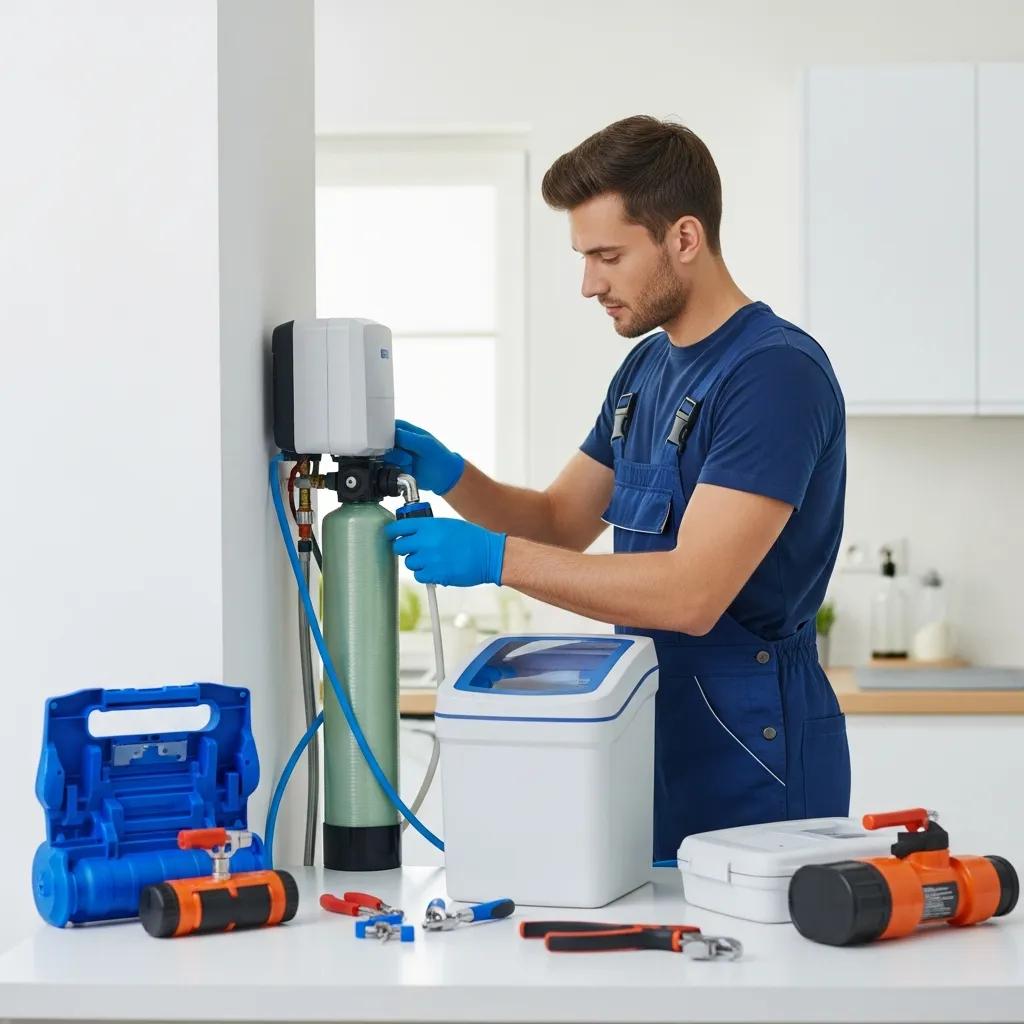
Water Softener Installation in Roseville, MI — Local, Reliable Solutions for Hard Water Hard water left untreated can coat plumbing and appliances with scale, make soaps and detergents work harder, and leave your fixtures spotted and your laundry dull. Professional water softener installation in Roseville, MI removes the minerals that cause scale, improves how water feels, and helps appliances run longer and cleaner. This guide lays out what hard water is, how it shows up in Roseville homes and businesses, and practical steps to test, size, and install the right softener or conditioner for your property. You’ll get clear explanations of ion exchange and alternative conditioning methods, common warning signs, system options, and the main cost factors to consider. We also walk through how a local provider handles testing, installation, and follow-up so you can compare choices with confidence. Keywords like water softener Roseville, hard water treatment Roseville, and water testing Roseville MI are included to help homeowners and facility managers find actionable local guidance. What Is Hard Water and How Does It Affect Roseville Homes? Hard water contains higher levels of dissolved calcium and magnesium. Those minerals leave deposits, reduce soap suds, and build scale inside pipes and on heating elements. In Roseville, hardness varies by source: private wells often show higher mineral levels while municipal supplies can differ depending on treatment and source mixes. Over time, scale lowers appliance efficiency, increases energy use, and raises maintenance costs. Knowing how hardness works helps homeowners decide whether testing and a softener will deliver real savings and comfort — and a simple hardness test at your tap gives a reliable starting point. What Causes Hard Water in Roseville, MI? Most hard water in Roseville comes from groundwater moving through calcium- and magnesium-rich rocks and soils, which dissolve into the water. Private wells usually reflect local geology directly, so hardness can be higher there than in treated municipal supplies. Seasonal shifts in source water and changes in distribution can also affect hardness at your tap, so a single reading may not show the full picture. For practical decision-making, testing the water where you use it is the best way to confirm mineral levels and size the right softening solution. What Are the Common Signs of Hard Water in Your Home? Hard water is often obvious if you know what to look for. Homeowners commonly notice these visual and performance clues: Visible spotting on glassware and dishes — mineral deposits left after drying that need extra scrubbing. Soap scum and reduced sudsing in sinks and showers — soap and detergents form curds instead of lathering well. Scale buildup on faucets and inside appliances — white or gray crust that cuts heater efficiency and shortens equipment life. Those signs point to dissolved minerals in the water and are a solid reason to run a hardness test. Test results tell you whether a traditional softener or an alternative conditioner is the better fix for your home. Why Choose a Water Softener System for Your Roseville Property? A properly sized water softener removes or conditions hardness minerals to prevent scale, protect plumbing and appliances, and improve cleaning results. That protection preserves energy efficiency, reduces repairs, and often lowers detergent use. On a personal level, softer water can mean less dry skin and hair and brighter laundry. For many Roseville homeowners, those ongoing savings and everyday improvements justify the upfront cost — especially in homes with moderate to high hardness. Three primary homeowner benefits to consider: Appliance Longevity: Soft water prevents scale buildup on water heaters and dishwashers, cutting down on repairs and replacements. Improved Cleaning: Fewer mineral spots and better soap performance mean cleaner dishes, brighter laundry, and less detergent waste. Personal Comfort: Softer skin and easier-to-manage hair from reduced mineral residue. Those benefits add up over time. The table below shows how common system types protect household assets so you can match priorities to technology. Softener Type Primary Benefit What It Protects Salt-based ion exchange Removes hardness ions for true soft water Water heaters, dishwashers, plumbing Salt-free water conditioner Limits scale formation without removing minerals Fixtures and scale-prone surfaces (prevention) Whole-house filtration + softening Combines sediment/chemical removal with hardness control Appliances, water taste, fixtures Deciding between full mineral removal and salt-free scale control depends on your priorities — appliance protection, salt use concerns, or water taste needs. Once you choose a system type, the next step is correct sizing for your household’s water use. How Does Frost and Kretsch Plumbing Install Water Softeners in Roseville? Frost and Kretsch Plumbing follows a straightforward, professional installation process that starts with on-site water testing and system sizing based on measured hardness and your daily water use. Licensed technicians inspect your plumbing, recommend the best system for your needs, and provide a clear written estimate listing parts, labor, and any required plumbing work. Installations meet local codes and include proper mounting, brine tank and control valve connections when needed, system commissioning, and a hands-on walkthrough so you know how the system operates and what maintenance to expect. Post-installation, we review warranty details and offer maintenance options to keep your softener running efficiently. What Is Included in Our Water Softener Installation Process? We use a step-by-step approach to limit disruption and ensure the system works reliably. Most residential installs finish in a single scheduled visit unless the job needs extra plumbing or electrical work. On-site water test and inspection: We measure hardness and review plumbing layout to size the system and note any modifications. System recommendation and transparent estimate: We present options with clear pricing and scope so you can choose with confidence. Professional installation and system commissioning: We connect the hardware, set controls, and test regeneration and bypass functions. Customer walkthrough and care instructions: We show routine tasks like salt checks and leave written operation guidance. This sequence balances careful diagnosis with efficient installation and leads naturally into selecting the right system type for your home. Which Types of Water Softeners Do We Offer? Frost and Kretsch Plumbing
Professional Drain Cleaning Services in Warren, MI
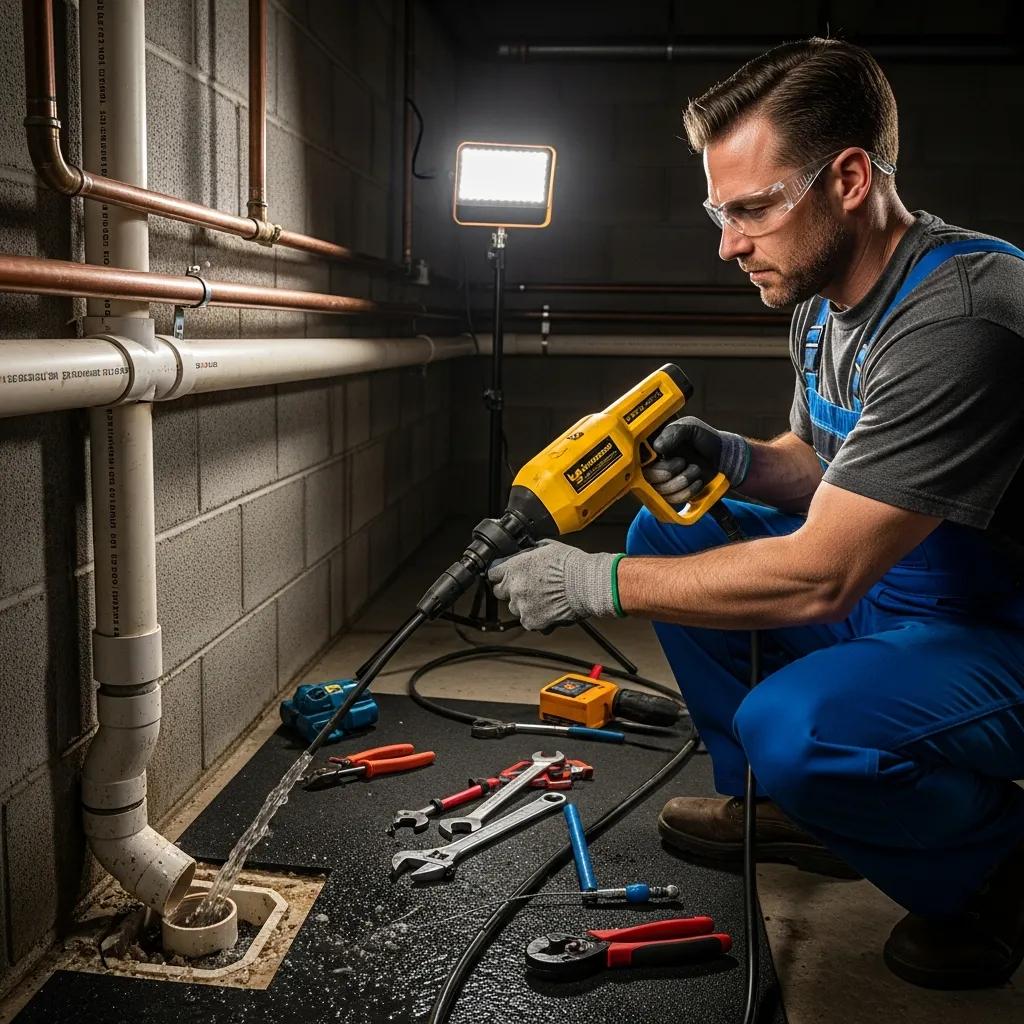
Professional Drain Cleaning Services in Warren, MI: Trusted Solutions for Clogged Drains & Sewer Problems Clogged drains and damaged sewer lines create messy, unhealthy headaches for Warren homeowners and local businesses. Knowing the warning signs and your options saves time, money, and stress. This guide breaks down what to watch for, explains cleaning methods from snaking to hydro jetting, and shows how sewer camera inspection pinpoints problems so repairs hit the mark. You’ll find practical maintenance tips for kitchens, bathrooms, and basements, clear guidance on emergency response in Warren, MI, and an overview of the professional services that handle mainline clogs and repeat backups. Read on for symptom checklists, equipment comparisons, and homeowner steps that make small clogs easy to address and serious issues manageable with professional help. What Are the Signs You Need Professional Drain Cleaning in Warren, MI? Call a pro when visible symptoms point to restricted flow, sewage smell, or system-wide trouble—these usually mean a clog, root intrusion, or pipe damage that DIY fixes won’t fully solve. Catching problems early lets technicians diagnose with tools like a sewer camera and choose the least invasive repair. Telling a single-sink clog from a mainline blockage helps you pick the right response and avoid making things worse. Watch for these high-priority warning signs in Warren homes and duplexes. Slow drains across multiple fixtures: When sinks, tubs, and floor drains all drain slowly, the main sewer line could be clogged. Persistent sewage odors indoors or outside: Ongoing foul smells near drains or in the yard often mean trapped waste or a sewer gas leak. Gurgling or bubbling toilets and drains: Air moving through standing water suggests a partial blockage and pressure issues. Sewage backing into fixtures or the basement: Any sewage returning into the home is an emergency—call immediately. Clogs that keep coming back: If the same blockage returns after temporary fixes, the root cause (grease, roots, or pipe damage) still needs professional attention. Each symptom points to different causes that may require camera inspection, snaking, or hydro jetting; the next section explains how to tell which problem you’re facing. How to Identify Common Drain Problems Like Slow Drains and Sewage Backups Slow drains often start at a single fixture from hair, soap, or grease and can be cleared by cleaning traps or using a plunger. But when several fixtures slow at once, the issue is likely in the main sewer line. Kitchen slowdowns usually come from grease and food waste; bathroom clogs are often hair and toiletries; basement backups tend to signal mainline or municipal sewer issues. Simple checks help pinpoint the problem—run hot water in one fixture while watching others and listen for gurgles or air. When smells or patterns point to a deeper issue, a sewer camera inspection locates the blockage or damage so repairs are targeted and effective. When to Call for Emergency Drain Cleaning Services in Warren Call emergency service if sewage appears inside the house, several fixtures stop working, or strong sewage odors suggest a pressurized blockage—these are health hazards that need immediate attention. If you see sewage in sinks, tubs, or the basement floor, stop using water, ventilate the area if it’s safe, and call an emergency plumber right away to limit contamination. Don’t use chemical drain cleaners during a sewage backup—they can be dangerous for technicians and damage pipes. Avoid opening manholes or digging yourself. Many local teams offer 24/7 emergency response and will tell you safe interim steps while they prepare the proper equipment. Which Drain Cleaning Services Does Frost and Kretsch Plumbing Offer in Warren, MI? Drain and sewer care includes several methods—mechanical snaking, hydro jetting, rooter work, and camera diagnostics—chosen to match the cause and location of the obstruction. A professional visit begins with inspection to determine whether blockages are grease, scale, roots, or a collapsed pipe, then selects the least invasive method that restores full flow. The table below summarizes common service types so you know when each is the right choice and what to expect during a service call. Service Type Ideal For Typical Outcome Hydro jetting Grease, mineral scale, and root growth in mainlines Thoroughly clears buildup and restores full flow Snaking / Rooter Single, localized blockages and small debris Quickly removes a specific obstruction Sewer camera inspection Unknown blockages or suspected pipe damage Pinpoints location and condition to plan repairs That comparison helps explain why a technician chooses one method over another; below are short descriptions of common techniques and what customers typically experience on a visit. Overview of Sewer Cleaning, Rooter Services, and Clog Removal Techniques Rooter services and mechanical cleaning use rotating cables, cutters, and augers to break apart roots, hair, and compacted waste; technicians often start with these tools for accessible blockages. For heavier buildup or repeat clogs, hydro jetting is usually recommended because it cleans the entire pipe circumference instead of just punching a hole through debris. Examples include mainline root intrusion near older street trees, where crews cut and flush roots and then verify clearance with a camera, and grease-saturated kitchen lines that don’t respond well to snaking but clear up with high-pressure flushing. After clearing, technicians verify results with a water flow test or camera footage to confirm the line is clean. How Hydro Jetting and Drain Snaking Effectively Clear Stubborn Clogs Hydro jetting uses a high-pressure water jetter and specialized nozzles to scour away grease, scale, and roots, restoring pipe capacity; snaking uses flexible steel cable and cutting heads to dislodge or extract blockages. Hydro jetting is best for fully cleaning pipe walls and lowering recurrence, while snaking is faster and less equipment-heavy for single, simple clogs. Expect technicians to inspect the line, choose the right nozzle, and raise pressure gradually for safety, then verify success with a flow test or camera. For recurring clogs or lines with grease and roots, hydro jetting usually gives longer-lasting results. For one-off fixture blockages, snaking is a practical first step. Quick homeowner checklist comparing hydro jetting and snaking: Hydro Jetting: Best
Water Heater Replacement in Clinton Township, MI
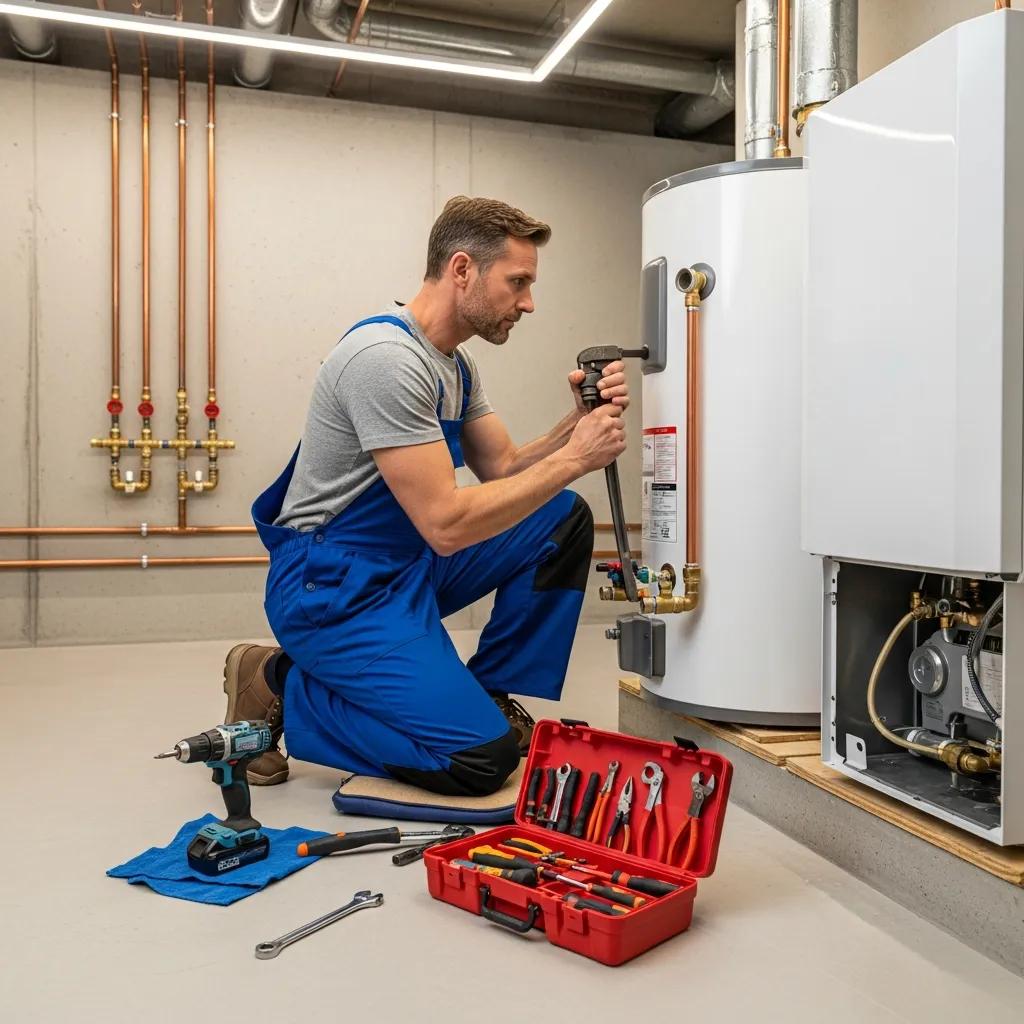
Water Heater Replacement in Clinton Township, MI — Expert Installation, Repair & Cost Guide Replacing a water heater means removing the old unit, choosing the right-sized replacement, installing it correctly, and running final tests so your home has safe, reliable hot water. This guide walks you through when replacement makes more sense than repair, how tank, tankless, and heat-pump systems compare, and what local permitting and cost factors matter in Clinton Township and Macomb County. You’ll get practical troubleshooting tips, an outline of the professional inspections and safety checks we perform, and a breakdown of how energy-efficient choices affect long-term operating costs. The guide also lays out Frost and Kretsch Plumbing’s step-by-step replacement process, transparent pricing details (including our $50 off hot water replacement offer), and short FAQs to answer common questions about emergency service and expected lifespans. Local search terms like water heater replacement Clinton Township, tankless water heater Clinton Township, and water heater cost Clinton Township are included for easy local reference. Why Choose Frost and Kretsch Plumbing for Water Heater Replacement in Clinton Township? Hiring a local, licensed plumber means safer, code-compliant installs, faster emergency response, and technicians who know Macomb County permitting inside out. Frost and Kretsch Plumbing sends licensed, insured techs across Macomb, Oakland, and Wayne counties — combining local know-how with hands-on training to keep projects on schedule and inspection-ready. Our customer commitments include 24/7 emergency service, clear upfront pricing with no hidden fees, and a customer satisfaction promise so homeowners don’t face surprise costs. Using a reputable installer also protects warranty activation and ensures venting, gas connections, and any electrical changes are done right for safety and efficiency. This quick list highlights why a licensed local team is the smart choice: Licensed and insured technicians deliver code-compliant, safer installations. Local service shortens response time for emergency repairs or replacements. Upfront, transparent quotes cut down on unexpected project costs. Customer satisfaction guarantees and 24/7 availability provide real peace of mind. Experienced technicians smooth permit paperwork and help ensure systems pass inspection. Need help now or want an estimate? Call Frost and Kretsch Plumbing at (586) 675-0097 or check our Google Business Profile for reviews and local verification. What Local Expertise and Licensed Technician Benefits Do We Offer? Local, licensed technicians bring practical advantages: they understand township and county permit rules, know how inspections are scheduled, and recognize common installation constraints in Clinton Township homes. We verify vent runs, gas-line capacity, and electrical service limits so your new water heater meets code and runs safely — helping avoid callbacks after inspection. A nearby crew also reduces travel time for emergency calls and follow-up maintenance, which means less downtime for families that rely on steady hot water. In real terms, that translates to faster diagnosis of issues like pressure-relief valve failures or thermostat problems and quicker access to replacement parts like anode rods. Those local benefits mean fewer surprises during installation and a smoother permit process. Because we document work properly, homeowners face fewer inspection rejections and have clearer warranty validation for brands like Lochinvar or Bradford White. How Does Our Transparent Pricing and 24/7 Emergency Service Work? Our transparent pricing starts with an on-site inspection and a written quote that lists unit cost, installation labor, permit and material estimates, and removal/disposal fees — so you see the full breakdown before we start. For emergencies, Frost and Kretsch Plumbing offers 24/7 activation: one call dispatches a technician for on-site assessment and either a temporary hot-water fix or an expedited replacement plan, depending on the situation. Emergency response prioritizes safety (shutting off gas or power if needed), restoring temporary hot water when possible, and scheduling a fast replacement to minimize disruption. Follow-up includes final testing, permit documentation, and verification that safety devices like pressure-relief valves are working correctly. This clear approach reduces surprise charges and explains how the $50 off hot water replacement offer applies to your written quote. Good communication and emergency readiness keep your household running when a heater fails. What Are the Signs You Need Water Heater Replacement in Your Clinton Township Home? Spotting replacement signs early helps you avoid water damage and extended outages. Common warning signs include an aging tank near the end of its life, visible leaks or pooling, rust-colored water or heavy sediment, loud rumbling or popping sounds from the tank, and consistently poor hot-water supply despite thermostat adjustments. Those symptoms usually point to failure modes like tank corrosion, sediment reducing capacity, or failing heating elements or burners — situations where replacement is often more cost-effective than repeated repairs. Here are the top signs that typically justify replacement: Age past the expected lifespan, when corrosion and efficiency loss increase. Visible leaks, pooling, or active dripping from tank seams or valves. Rusty water or sediment that discolors hot water and reduces heat transfer. Loud rumbling or popping from sediment buildup and overheating. Consistently insufficient hot water or slow recovery despite thermostat checks. Finding problems early prevents damage and helps you weigh repair versus replacement. After spotting these symptoms, test recovery rate and try simple fixes like replacing heating elements before deciding on a full replacement. How Do Age, Leaks, and Noises Indicate Replacement Needs? Water heater lifespans vary by type but give a useful rule of thumb: conventional tanks usually last 8–12 years, while tankless systems can exceed 20 years with proper care. Age matters because prolonged corrosion weakens tank walls and eventually leads to leaks that are costly and risky. Leaks at seams or the tank base often mean the tank itself has failed, not just a replaceable valve. Persistent loud noises — rumbling, popping, knocking — often indicate heavy sediment buildup that reduces efficiency and stresses heating components. When age combines with multiple symptoms — rust, frequent pilot or burner problems, and noise — replacement is usually the more economical choice. Regular maintenance like annual flushing can delay replacement, but persistent issues merit a professional evaluation to estimate remaining useful life. When Is Insufficient Hot Water a Sign
24/7 Emergency Plumber in Sterling Heights, MI
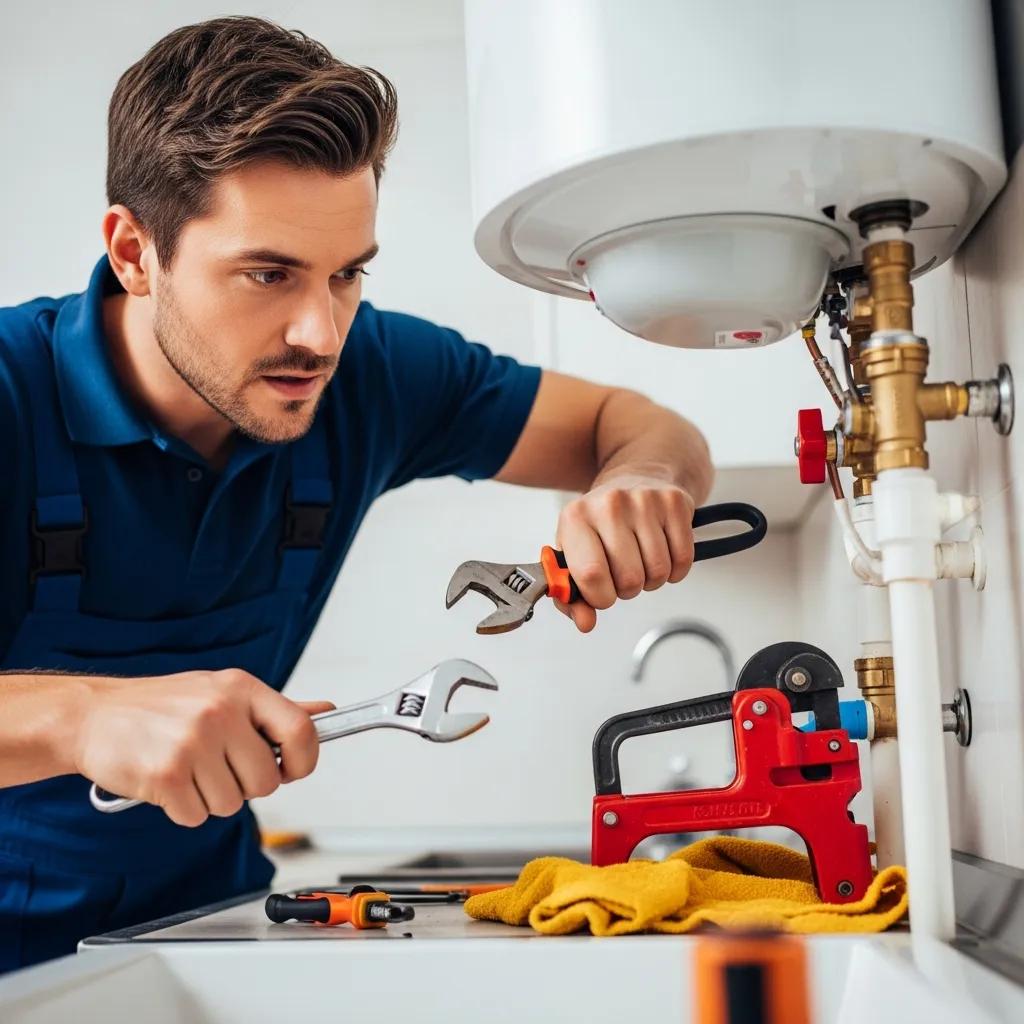
24/7 Emergency Plumber in Sterling Heights, MI — Fast, Reliable Plumbing Repairs Plumbing emergencies don’t wait. A sudden leak, burst pipe, or sewer backup needs immediate action to protect your home and belongings. This page walks you through what counts as an emergency, safe triage steps you can take, and what a professional emergency plumber will do to stop damage and restore your system. Frost and Kretsch Plumbing offers true 24/7 emergency dispatch with a promise of quick arrival and straightforward pricing — call our emergency line any time at (586) 675-0097. Read on to learn how to spot urgent issues, what to do while you wait, the common emergency fixes our techs perform, and how local coverage affects response times. Our aim is to give you clear, practical steps so you can limit water damage and feel confident when help arrives. Why choose Frost and Kretsch Plumbing for emergency service in Sterling Heights? When an emergency hits you want a team that moves fast, knows the trade, and communicates clearly. Frost and Kretsch keeps technicians on call 24/7 without surprise after-hours markups, staffs trucks with emergency parts and diagnostic tools, and provides upfront pricing so you won’t face hidden fees. Our crews use camera inspection, hydro-jetting-capable equipment, and proven mitigation methods to stop immediate damage and determine the best long-term repair. For extra peace of mind we show licensing, offer a satisfaction guarantee, and give clear answers before we dispatch — the table below sums up what that means for you. Service feature What it means Customer benefit 24/7 emergency availability Technicians on call day and night with no after-hours surge Help when you need it most — nights, weekends, and holidays Prompt response promise Quick dispatch and short typical arrival windows Less water exposure and smaller repair bills Licensed and insured technicians Plumbers carry required credentials and carry insurance Work done to code with lower homeowner liability Transparent, upfront pricing Estimates provided before work begins — no hidden charges Predictable costs and easier insurance paperwork What makes our 24/7 emergency plumbing service stand out? A dependable emergency service combines trained techs, well-stocked trucks, and fast triage. Our on-call crews arrive prepared with temporary clamps, pumps, and diagnostic gear to stop leaks and limit flooding right away. That readiness shortens the time from your call to containment, which reduces secondary problems like mold or structural damage. Knowing our tools and steps helps you cooperate on-site and follow interim instructions until permanent repairs are scheduled. How fast is our response time for Sterling Heights plumbing emergencies? In core coverage areas we often arrive within an hour for many emergency calls, which helps limit water exposure and the overall repair scope. Dispatch prioritizes the most severe situations — active flooding, large bursts, and sewer backups — so the first tasks are containment and isolation. Response windows do vary by location and time of day; while you wait our triage specialists give step-by-step guidance to reduce damage and stay safe. For immediate dispatch, call the emergency line and we’ll assign a crew and provide an ETA. Are our plumbers licensed, insured, and experienced? Yes. Licensed, insured technicians offer accountability and proven skill when major repairs are needed. Frost and Kretsch hires licensed plumbers and maintains insurance to support claims handling and protect homeowners during emergency work. Local ownership and a named contact (Dave Kretsch) mean there’s a clear escalation path if you need follow-up after service. That mix of licensing, insurance, and local accountability helps ensure repairs follow code and best practices. How does transparent pricing protect you from hidden fees? Our transparent approach starts with an upfront estimate given during the emergency call or right after arrival, so you won’t face surprise charges. Estimates break out labor, parts, and any immediate mitigation costs so you can authorize work with full clarity. We back our work with a satisfaction guarantee and provide the documentation you need for insurance. Knowing costs up front helps you weigh temporary fixes versus full replacements. What common plumbing emergencies do we handle in Sterling Heights? Emergency plumbing covers several high-risk situations that need immediate attention to avoid major damage. We respond to burst pipes, severe leaks, clogged drains and sewer backups, water heater failures, sump pump problems and basement flooding, and frozen or burst lines in winter. Each issue has clear signs and an initial set of actions; the table below helps you recognize common problems and shows how a professional crew adds value during an emergency. Problem type Common signs Emergency response (value) Burst pipe / severe leak Loud running water, pooling, sudden pressure loss Shutoff, temporary clamp/patch, water extraction and repair plan Clogged drain / sewer backup Multiple slow drains, sewage smell, water backing up Camera diagnosis, hydro-jetting or auger clearing, containment Water heater failure No hot water, leaking tank, unusual noises Isolate heater, temporary hot-water options, repair vs. replace assessment Sump pump malfunction / flooding Basement water, pump not running Emergency pumping, temporary bypass, replacement recommendation Frozen pipes Low or no flow, frost on pipes, bulging sections Safe thawing, pressure relief, repair or replacement of damaged sections We handle both residential and commercial emergency scenarios. Technicians carry tools for temporary mitigation to limit secondary damage. Quick assessment clarifies whether a temporary fix or full replacement is needed. How do we repair burst pipes and severe leaks quickly? Fast repair starts with isolating the water source and applying a temporary clamp or seal to stop active flow, then extracting water and beginning drying to limit secondary damage. Our techs document the issue and recommend a spot repair or full replacement based on pipe condition and access. Temporary mitigation can include pumps or rerouting water away from finished spaces until permanent work is scheduled. Stopping the leak and protecting property is always the first priority. What solutions do we offer for clogged drains and sewer backups? We take a diagnostic-first approach for drain and sewer problems. Camera inspection pinpoints the blockage and shows whether it’s
Expert Sewer Line Repair in Livonia, MI
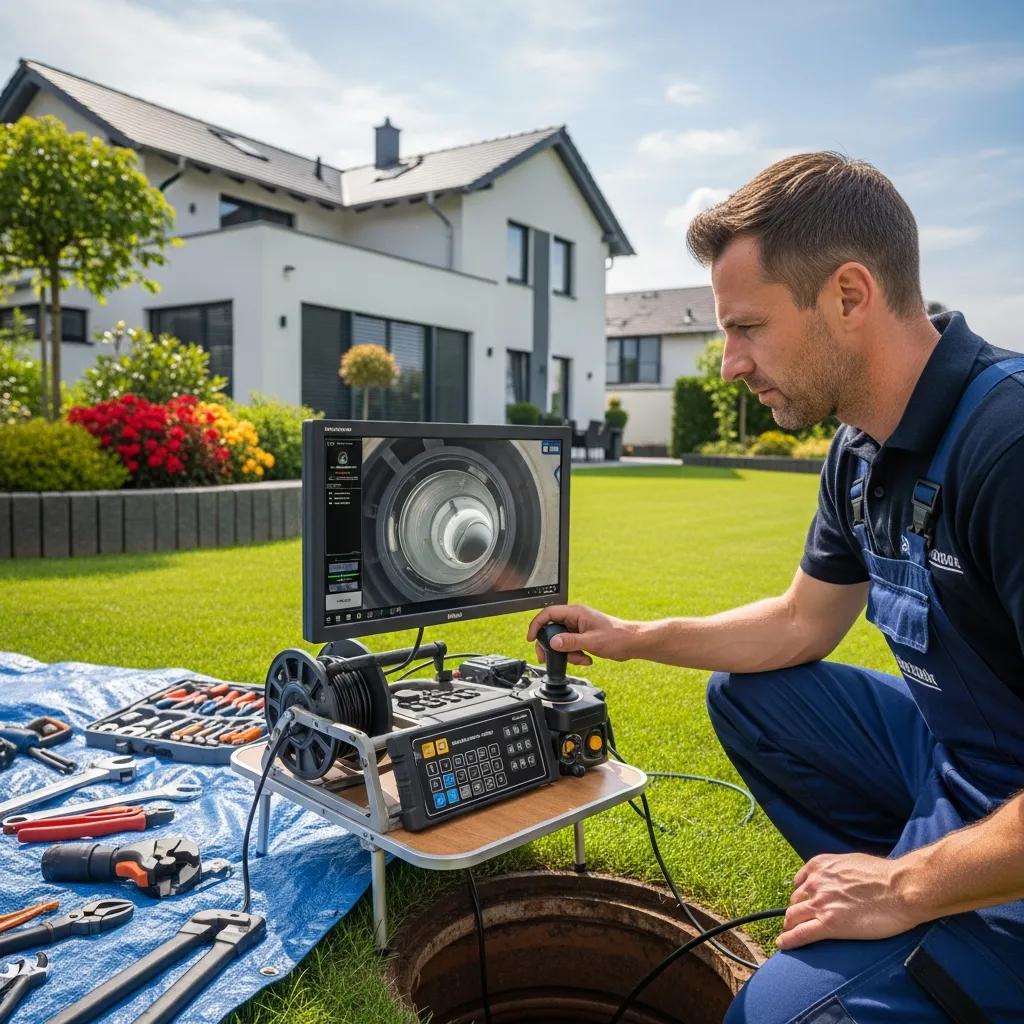
Sewer Line Repair in Livonia, MI — Reliable Solutions from Frost and Kretsch Plumbing Sewer line repair in Livonia covers everything from diagnosing problems and targeted cleaning to repairing or replacing damaged pipes that connect homes and businesses to the city main. This guide walks you through common sewer issues in Livonia, explains how modern tools pinpoint failures, and outlines repair choices—from noninvasive cleaning to full replacement—so you can decide with confidence. If you’re noticing repeated backups, a soggy yard, or suspect a broken lateral, read on for signs to watch for, immediate steps to limit damage, and long-term solutions like trenchless relining or excavation. We also summarize the specific services Frost and Kretsch Plumbing offers, our pricing approach, and how our 24/7 emergency response works for Livonia customers. Common Sewer Line Problems in Livonia Homes and Businesses A sewer line problem means anything that blocks or damages the pipe carrying wastewater away from a property. In Livonia we most often see aging clay or cast-iron pipes, tree roots pushing into joints, and grease or debris build-up. These issues can cause slow drains, backups, wet spots in the yard, or even sinkholes. Knowing the usual failure modes helps prioritize proper diagnostics—like camera inspection and hydro jetting—before deciding whether to repair or replace. Below are the most frequent sewer-line problems Livonia property owners encounter, with short descriptions to help spot them early. Breaks and fractures: Cracks or holes that let sewage leak into the soil and may cause yard settling. Blockages and grease buildup: Fats, oils, and debris that form partial or complete clogs in the pipe. Tree root intrusion: Roots grow into joints or cracks, causing recurring blockages and pipe damage. Corrosion and material failure: Older materials that deteriorate over time and lose structural strength. Collapsed or crushed pipes: Severe damage from ground movement or heavy loads that stops flow entirely. Offset joints and misalignment: Separated connections that create low spots and repeat clogs. These causes often happen together, so an accurate diagnosis is essential before choosing a repair method. The next section lists the signs that usually indicate a broken sewer pipe so you can act quickly. Signs of a Broken Sewer Pipe in Livonia Properties Broken sewer pipes usually give clear warning signs that let homeowners and businesses call for help before the problem gets worse. Persistent sewer smells inside or outside the building can mean gases or sewage are escaping from a damaged lateral. Backups or slow drains in multiple fixtures—rather than just one sink—often point to a main lateral issue. Bright green or soggy patches in the yard, sunken areas, or new depressions above the pipe route suggest subsurface leaks or washout. If you see any of these signs, avoid heavy water use, limit flushing, and contact emergency service right away—delays can enlarge the repair scope and cost. Fast action also preserves options like trenchless relining instead of full excavation. Which Sewer Line Repair Services Does Frost and Kretsch Plumbing Offer in Livonia? Frost and Kretsch Plumbing provides a full range of sewer services—from noninvasive diagnostics to full open-cut replacement—using licensed technicians and modern equipment. Below we summarize core offerings, when they’re typically used, and what you can expect during recovery. Water main repair: Repairs to potable water mains when supplies are compromised or when sewer work requires coordinated access. Hot water heater replacement: On-site water heater services to reduce household disruption when larger repairs are underway. Sump pump installation: Temporary or permanent groundwater control for properties where saturation affects sewer work. Drain cleaning: Mechanical snaking and targeted clearing to remove grease, debris, or minor root blockages and restore flow quickly. Sewer services: Full diagnostics and repairs including camera inspection, hydro jetting, trenchless relining, and pipe replacement. Excavation: Traditional open-cut replacement used when pipes are collapsed or trenchless methods aren’t suitable. Intro to table: The table below compares common diagnostics and repair types so you can match a technique to the problem severity and expected downtime. Service Role Typical Recovery Time Sewer camera inspection Diagnostic — pinpoints and documents defects Same-day reporting; enables accurate estimates Hydro jetting Cleaning — clears grease, roots, and debris Same-day to 24 hours; can restore long-term flow Trenchless sewer replacement/relining Repair — restores pipe structure without full excavation Typically 1–3 days; minimal surface disruption Traditional excavation Repair/replacement — full removal and reconnection of pipe Several days to a week depending on scope Diagnostics usually come before repair recommendations, and less invasive options often shorten downtime and limit surface damage. The next sections explain camera inspection and hydro jetting more fully so you know how they reduce uncertainty and may avoid unnecessary excavation. How Sewer Camera Inspection Diagnoses Problems in Livonia Sewer camera inspection sends a flexible camera through the pipe to deliver live video and diagnostic notes. That visual lets us see roots, cracks, offsets, and buildup without digging. Camera inspection shows the exact location and severity of defects, reducing guesswork and allowing targeted repairs—spot lining or small excavations—instead of full replacement. The footage supports trenchless eligibility decisions and forms the basis for accurate, written estimates. For Livonia homeowners, a camera inspection is the smart first step when several fixtures back up or yard signs point to a lateral failure. The recording also helps with permits and insurance claims and lowers the chance of surprise change orders during the job. Benefits of Hydro Jetting for Stubborn Sewer Clogs in Livonia Hydro jetting uses high-pressure water to clean the pipe interior, removing grease, scale, and root masses more completely than a standard auger. It restores near-original flow by blasting away attachments and built-up debris and is especially effective where lines are partially blocked. When paired with a camera inspection, hydro jetting confirms clearance and helps determine whether structural rehab is still needed. Performed by trained technicians at the right pressures, hydro jetting is safe for most modern pipe materials; however, it’s not recommended for badly degraded pipes where pressure could worsen cracks. Done right, hydro jetting can delay or prevent costly
Professional Faucet Repair in Macomb Township, MI
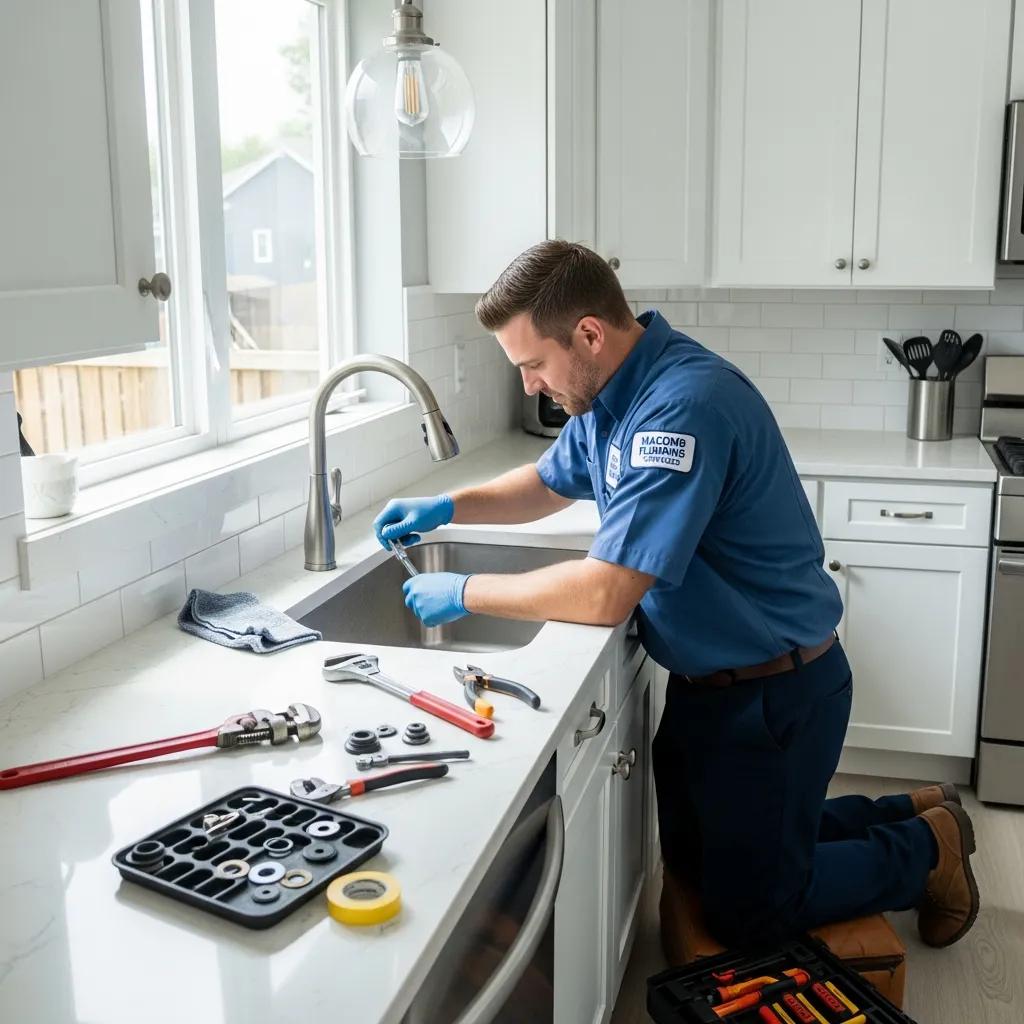
Professional Faucet Repair in Macomb Township, MI: Fast, Reliable Fixes for Dripping and Leaky Faucets If a dripping faucet is wasting water, driving up your bill, or threatening cabinets and fixtures, prompt faucet repair in Macomb Township will stop the leak and protect your home. This guide walks through the most common faucet problems, how they form, and step-by-step checks you can safely perform. You’ll learn the usual mechanical causes — worn washers, failing cartridges, corroded valve seats — plus simple DIY tests that show when a quick part swap will do and when a licensed plumber should take over. We also cover services for kitchen, bathroom, outdoor, and commercial faucets, tips to prevent winter freeze damage, and ways to conserve water. Finally, you’ll see what to expect during a pro visit, how transparent pricing and emergency service work, and the best ways to schedule repair in Macomb Township so you can act with confidence. What Are the Most Common Faucet Problems in Macomb Township? Typical issues include constant dripping, weak or uneven flow, stiff or loose handles, and visible corrosion or leaks under the sink. These problems usually come from worn parts like washers, O-rings, cartridges, aerators, or corroded valve seats. Local factors — older fixtures and seasonal water chemistry — can speed up wear. A useful first step is to check whether the problem is just one fixture or several; that helps you tell a local fault from a system-wide issue in your supply lines. Knowing the usual causes lets homeowners perform safe first checks and choose the right next steps to avoid wasted water and damage. Different faults need different fixes. The quick-reference table below shows common causes and simple actions you can take before calling a pro. This table highlights likely causes and immediate steps homeowners can use to triage problems and limit damage until a repair is completed. Problem Common cause Quick fix Dripping faucet Worn washer, damaged O-ring, failing cartridge Replace washer/O-ring or clean cartridge; shut off water if severe Low water pressure Clogged aerator or sediment in supply line Remove and clean aerator; flush lines from shutoff valve Stiff or loose handle Worn cartridge or loose mounting hardware Tighten handle; replace cartridge if needed Leak under sink Loose supply line connection or failing shutoff valve Tighten fittings; turn off water and call a pro if leak continues Use this quick comparison to spot likely causes and decide whether a DIY repair is reasonable or professional attention is needed. Next, we explain why faucets drip and how much water a persistent leak can waste. Why Do Faucets Drip and Waste Water? Faucets drip when internal seals or moving parts can’t form a watertight seal. Worn washers, deteriorated O-rings, and broken cartridges are the usual suspects. These parts keep pressure and separate hot and cold lines; when they fail, water can leak even with the handle off. The impact is real — one dripping faucet can waste more than 3,000 gallons a year, raising bills and wasting local water. A quick diagnostic is to shut the fixture’s supply valves: if the drip stops, the fixture is the source. Identifying the failing component tells you whether a parts swap will fix it or if a technician should handle a cartridge or valve replacement. Understanding how leaks develop makes it clear why delaying repairs can lead to larger problems and higher costs. How Can Leaky Faucets Cause Water Damage? Leaky faucets don’t just pool water — they can push moisture into cabinets, subfloors, and wall cavities, where rot and mold take hold over time. Slow leaks beneath a sink can go unnoticed for months, weakening wood, ruining finishes, and creating mold that hurts indoor air quality. Financially, ongoing leaks increase water bills and can force costly repairs to cabinetry or structural components. Simple immediate steps help: shut off the fixture’s water supply, put a container under the leak, and call for repair to stop further intrusion. Those actions reduce the chance of escalation and buy time to schedule a professional visit. Next, we outline the local services available from a provider that specializes in these repairs. Frost & Kretsch Plumbing diagnoses and repairs the problems described above, offering cartridge replacement, O-ring and washer swaps, aerator service, and leak mitigation. Our technicians handle kitchen, bathroom, outdoor, and commercial faucets in Macomb Township and nearby communities, providing a local option when licensed intervention is needed. This shows where professional help fits after homeowners complete basic checks and why quick diagnosis prevents more damage. Which Faucet Repair Services Does Frost and Kretsch Plumbing Offer in Macomb Township? Faucet repair covers a wide range of fixtures and part-level issues — from aerator cleaning to full cartridge or valve replacement for corroded faucets. Technicians start with a focused diagnostic to pinpoint the failing component, then recommend repair or replacement based on condition and expected lifespan. Typical residential work includes cartridge replacement, O-ring and washer swaps, aerator cleaning, handle rebuilds, and valve-seat resurfacing when corrosion is present. Commercial fixtures may need heavier-duty parts and additional pressure checks; outdoor spigots often require sleeve replacement or freeze-damage repair. Clear assessments help homeowners weigh repair cost against replacement and expected service life. The table below compares common faucet types, likely fixes, estimated timeframes, and when to call a professional so you can make efficient decisions. Use this comparison to match your faucet to likely actions and know when professional help is the sensible choice. Faucet type Typical fix Typical timeframe When to call a pro Kitchen faucet Cartridge replacement or aerator cleaning 45–90 minutes Persistent drip, worn cartridge, or multiple leaks Bathroom faucet O-ring/washer swap, cartridge service 30–90 minutes Handle damage or water under the sink Outdoor spigot Spigot/sleeve replacement, winterization 30–120 minutes Freeze cracks or leaks at the wall penetration Commercial faucet Valve replacement, pressure checks 1–3 hours Recurrent failures or high-use settings This table clarifies options for homeowners and facility managers deciding on repairs. The next subsection explains how kitchen and bathroom faucet
Emergency Frozen Pipe Repair in Westland, MI
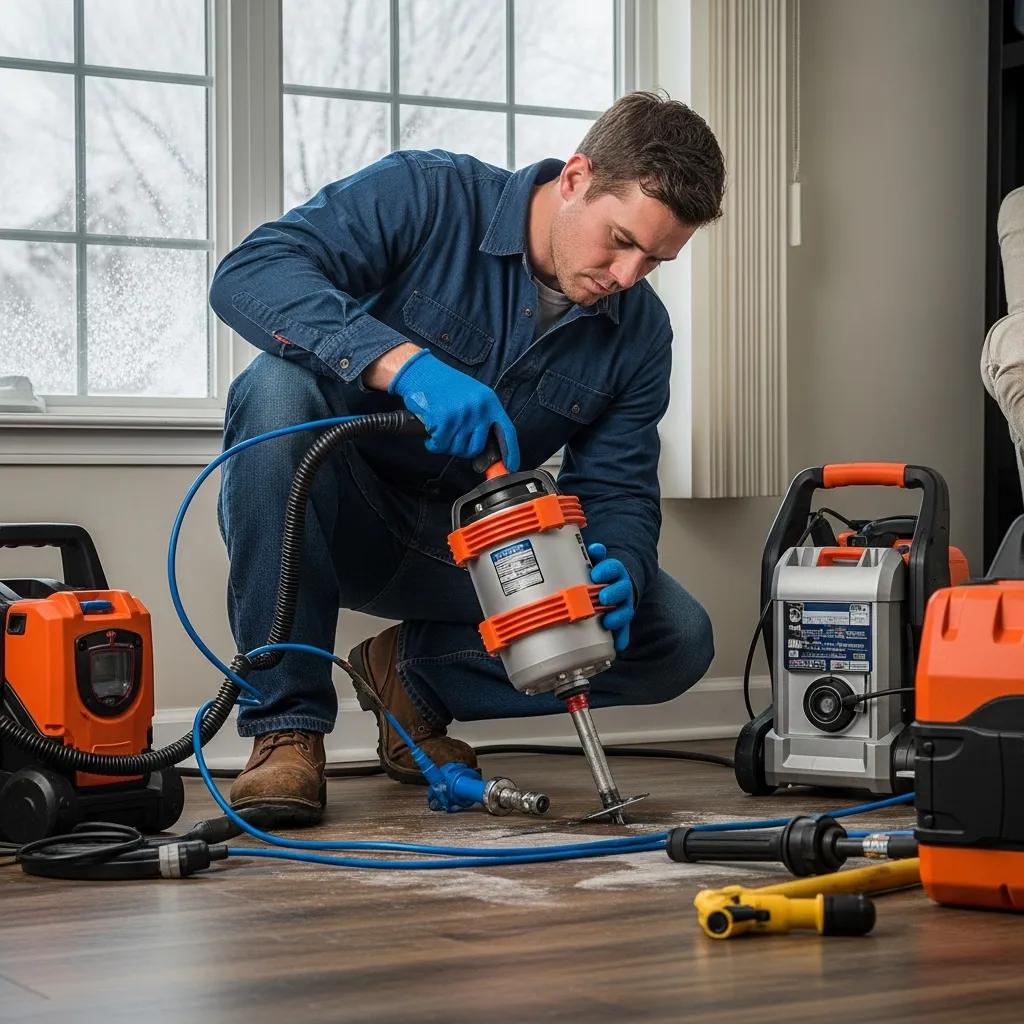
Emergency Frozen Pipe Repair in Westland, MI — 24/7 Fast Response to Stop Bursts and Water Damage Frozen pipes in Westland need quick, experienced attention to avoid bursts and costly water damage. This guide explains why pipes freeze here, how to spot early warning signs, and the first steps to take if you suspect a freeze or a burst. You’ll also find practical winterization tips for Westland homes and businesses and a clear look at what professional emergency thawing and repairs involve. When every minute counts, knowing how to detect problems and who to call can cut restoration time and expense. Read on for simple checklists, a step-by-step emergency plan, clear comparison tables of likely impacts, and advice on scheduling preventative maintenance. Why Pipes Freeze in Westland Winters Pipes freeze when the water inside reaches 32°F and expands, putting stress on seams and fittings until a leak or rupture happens. In Westland, that risk comes from extended cold spells and sudden temperature drops combined with vulnerabilities in a building’s plumbing. The physics is straightforward: frozen water expands, pressure builds, and weak points give way. Knowing these root causes helps you focus insulation and monitoring where it matters most and lowers the chance of an emergency call. How Westland’s Weather Raises Freeze Risk Westland sees long stretches of below-freezing weather and occasional abrupt cold snaps that push exposed plumbing to or below freezing. Repeated cold nights from late fall through early spring make pipes in unheated spaces much more likely to freeze. Fast temperature swings — warm days followed by very cold nights — create freeze-thaw cycles that weaken pipes over time. Planning winter protection around the coldest months (roughly December through February) is the simplest first step to reduce risk. Household Factors That Make Freezing More Likely Certain features of a home raise the chance a pipe will freeze: poor or missing insulation, pipes routed through exterior walls, plumbing in unheated garages or crawlspaces, and drafts that let cold air hit pipe surfaces. Older homes often have gaps around penetrations and recessed fixtures that let in cold air. Slow water movement, valves that isolate sections of plumbing, and uninsulated lines all add up. Spotting these vulnerabilities lets you apply low-cost fixes that deliver big reductions in freeze risk. Signs and Dangers of Frozen or Burst Pipes Finding frozen pipes early and knowing the risks they carry can prevent major structural damage and expensive restoration. Common signs are easy to check and often come before a full burst. Look for little or no flow at faucets, very cold cabinet doors, visible frost on exposed lines, or bulging pipe sections. Ignore these clues and you risk a burst that floods floors, ruins finishes, and can lead to mold. Below we list practical detection tips, likely consequences, and a clear comparison so you can act quickly when needed. How to Spot Frozen Pipes Early in Your Westland Home or Business Early detection is about routine checks and quick diagnostics that reveal abnormal plumbing behavior before it fails. Test each faucet for sudden flow loss or a big drop in pressure and compare hot and cold outputs — zero flow at multiple fixtures often points to a frozen main. Check visible pipes for frost, bulges, or cracking sounds that mean internal expansion. Listen for gurgling or hammering when you open valves. If you see several of these signs together, shut off the main water if it’s safe and call a professional for an emergency assessment. Check faucet flow: Reduced or no water often signals freezing. Inspect for frost or bulging: Visible change on pipes means expansion. Open cabinets and feel for cold spots: Cold areas often indicate nearby frozen lines. Listen for abnormal sounds: Cracks, hissing, or pressure noises can come before failure. If multiple signs appear, acting quickly limits damage and helps pros prioritize controlled thawing and repairs. Intro to consequence comparison table: Below is a straightforward comparison to help homeowners weigh prevention costs against repair and recovery time. Consequence Typical Impact Example / Repair Timeframe Small leak from stress fracture Localized water damage like stains on ceilings or drywall Patching and drying; typically days to a week Major pipe burst Flooding and structural damage to floors, drywall, and finishes Full repair and restoration; often weeks to months Secondary mold growth Health concerns and extra remediation costs Professional remediation may be needed; can take weeks Insurance claim process Possible delays in restoration and out-of-pocket costs Varies by policy and documentation This table shows that catching problems early usually means less disruption and lower repair time than dealing with a major burst. Once you spot signs of freezing or a suspected burst, the response you choose matters. If you see multiple warning signals or any leakage, calling a rapid-response emergency service reduces the chance of worse damage. At Frost and Kretsch Plumbing we focus on fast dispatch, licensed technicians, transparent pricing, and a satisfaction guarantee so homeowners get reliable help when they need it. Use our listed local contacts or our public business profile to reach us quickly. What Happens If You Ignore Frozen Pipes? Leaving frozen pipes unchecked greatly raises the risk of a catastrophic burst, which brings water damage, structural problems, and mold that complicates restoration. A main-line rupture can discharge hundreds of gallons in hours, soaking insulation, subfloors, and wall cavities — damage that drives up both repair time and cost versus smaller, early fixes. Other fallout includes temporary relocation during repairs, difficult insurance claims, and ongoing moisture issues if remediation is delayed. Put simply: winterization and quick thawing almost always cost far less than full restoration after a major break. How Frost and Kretsch Plumbing Handles Emergency Frozen Pipe Repair in Westland We deliver emergency frozen-pipe thawing and repair with a safety-first, step-by-step process led by licensed technicians, clear pricing, and customer-focused guarantees. Our approach begins with fast triage, moves to controlled thawing to avoid thermal shock, and includes immediate repair or temporary stabilization plus verification testing to confirm