
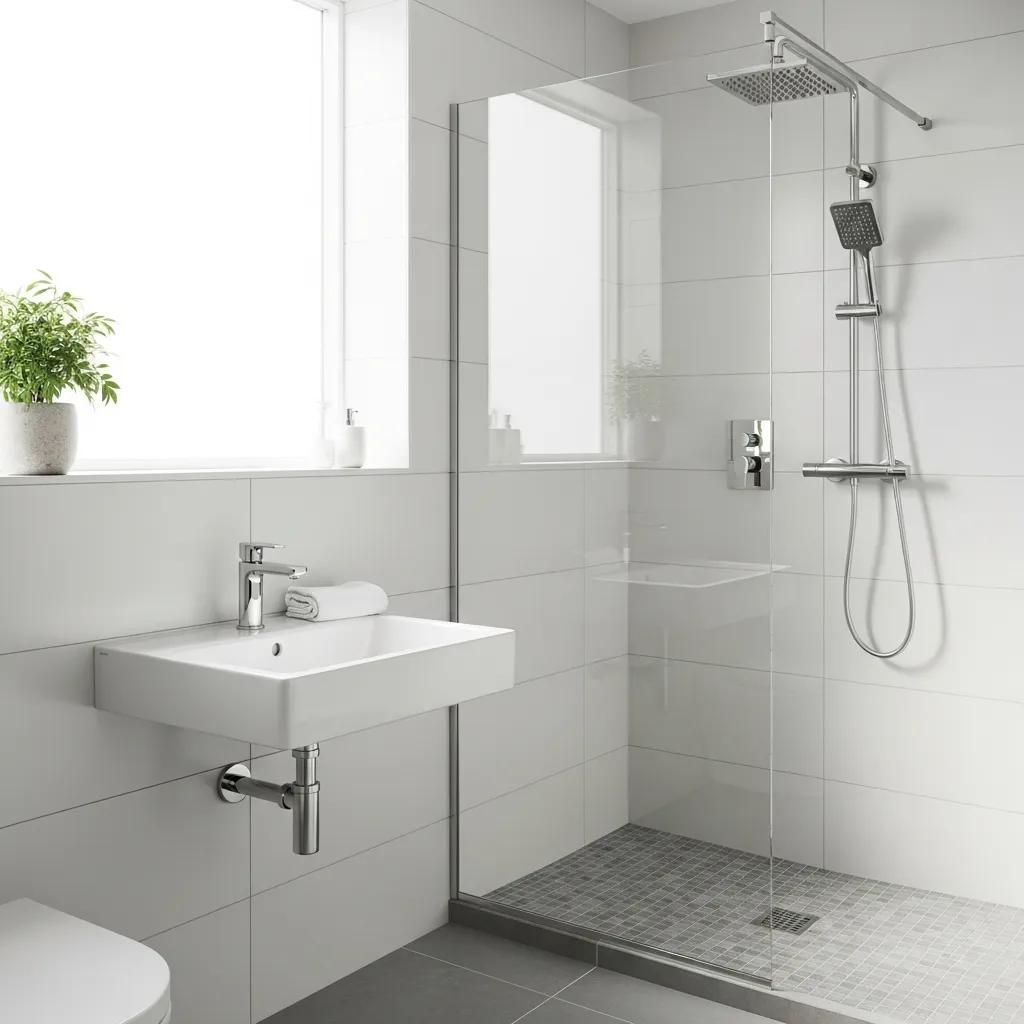
Bathroom Plumbing Repair & Installation — Serving Macomb, Oakland and Wayne Counties
Bathroom plumbing repair and installation covers everything needed to keep toilets, showers, tubs, sinks and faucets working safely and efficiently in single-family and multi-family homes. Below we walk through the most common bathroom plumbing problems and practical repair steps, outline how professional installations are planned and what drives cost in Michigan, describe emergency warning signs and quick homeowner triage, and recommend maintenance and upgrades that cut water waste and prevent damage. You’ll learn how to spot typical toilet and shower issues, what to expect from a licensed installer, when to call an emergency plumber, and which upgrades deliver real savings. Each section includes clear, actionable steps you can use right away and guidance on when to schedule a technician for a lasting fix. The following sections cover repair services, installation benefits and process, emergency triage in Wayne County, routine maintenance and high‑impact upgrades, and why Frost and Kretsch Plumbing is a local partner that follows these best practices.
Bathroom Repair Services We Offer in Macomb County
Our bathroom repair work includes diagnosing and fixing fixture leaks, clearing drain clogs, stopping running toilets, addressing valve failures, and repairing damaged drain assemblies. Repairs begin by identifying the failed part—like a worn flapper, corroded valve, or cracked drain—and replacing or resealing it to restore function and stop water loss. Timely repairs prevent secondary problems such as mold, structural water damage, and higher water bills. Knowing common symptoms and a few quick homeowner steps helps us diagnose faster and deliver more effective repairs; the subsections below explain how.
Here’s a quick summary of typical bathroom repairs and simple actions you can take before we arrive:
- Toilet repairs: Fixes for running toilets, weak flushes, and flange or seal leaks to stop waste and odors.
- Shower and bathtub leak repairs: Valve or cartridge replacement, pan repairs, and grout/caulk restoration to protect the subfloor.
- Sink and faucet repairs: Cartridge swaps, P‑trap and drain assembly repairs, and leak sealing to restore drainage and stop drips.
Those categories lead into step‑by‑step diagnostic approaches for each fixture, beginning with the toilet—often the first place homeowners notice an issue.
How We Diagnose and Fix Common Toilet Problems
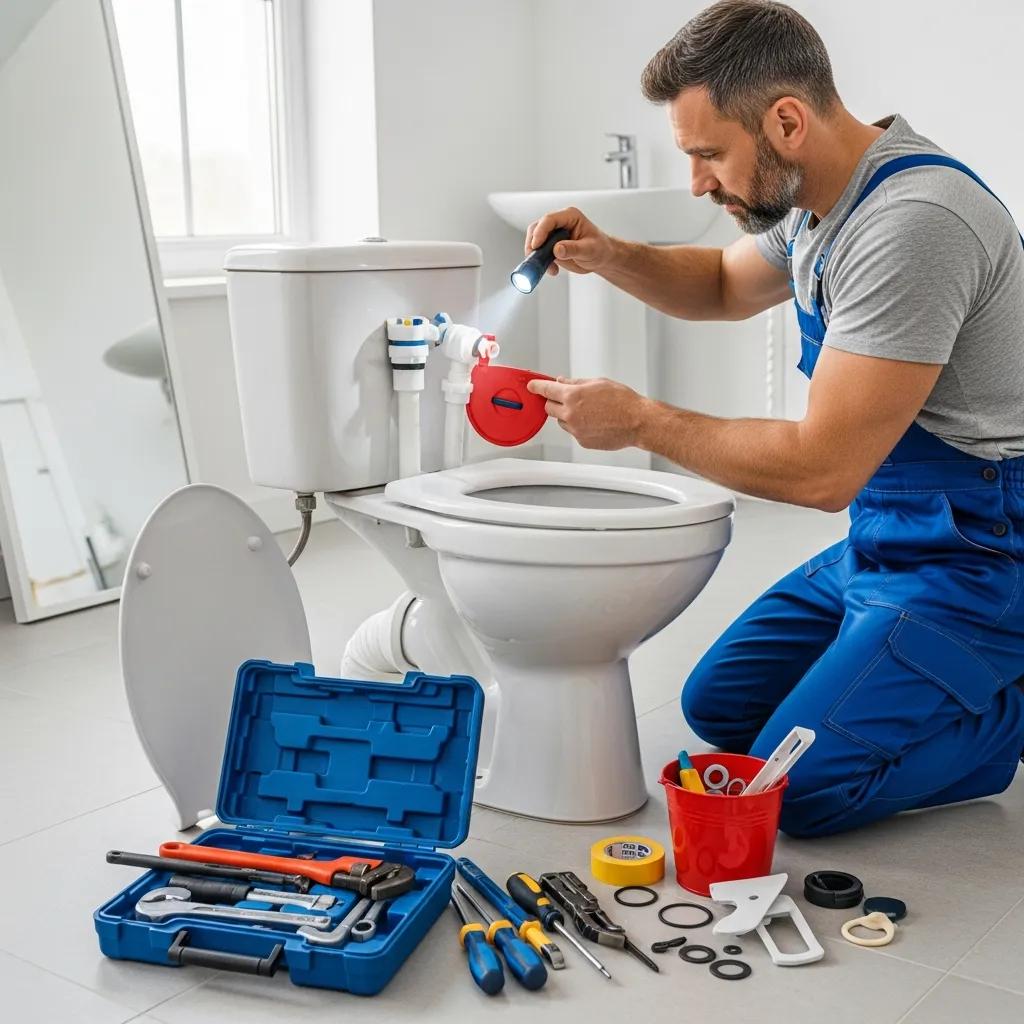
Our toilet diagnosis follows a short checklist to isolate the failure and choose the right repair.
Start by checking whether the toilet runs continuously—inspect the flapper and flush valve for wear, then watch the fill valve and water level for float or fill‑valve issues. Next, test around the base with a piece of tissue or paper to detect flange or wax‑ring leaks, and assess flush force for partial clogs or venting problems. Common fixes include replacing the flapper or fill valve, repairing or replacing the flange and wax ring, using a drain snake for stubborn clogs, or reseating/replacing the toilet if the glaze is cracked or the base is compromised.
If you find flange corrosion, cracked porcelain, or sewer odors, a professional repair is recommended because those issues can lead to structural damage and code concerns. The next section explains how we approach shower and tub leaks when the source sits behind tile or under the pan.
Effective Solutions for Shower and Bathtub Leak Repairs
Leaks around showers and tubs usually come from a handful of sources—failed valves or cartridges, degraded grout or sealant, a compromised shower pan, or hidden pipe failures. The right solution depends on finding the exact source.
We use visual checks and simple tests—isolating the valve, looking for discoloration or soft spots, and running controlled flow tests—to pinpoint the leak. If the valve or cartridge is at fault, a targeted replacement often fixes the issue without disturbing tile. If grout or caulk has failed, resealing and grout repairs stop surface leaks. Pan or concealed pipe leaks typically require access through tile, an adjacent panel, or the ceiling below to complete a durable repair.
Choosing repair versus replacement depends on damage and long‑term risk: a reseal can be enough for surface‑only leaks, but recurring leaks, visible mold, or structural dampness usually call for component replacement or a full reassembly. After any repair we test and monitor the area to confirm the leak is resolved and to reduce the chance of recurrence.
Benefits of Professional Bathroom Plumbing Installation
A professional installation makes sure fixtures are sized correctly, meet code, and are water‑tight from day one—reducing the chance of future failures and improving efficiency. Licensed installers evaluate existing rough‑ins, inspect flanges and drains, and plan waterproofing and valve placement to avoid common mistakes like poor slope, improper sealing, or restricted access for future service. Professional work comes with warranty‑backed workmanship, adherence to local plumbing codes, and fewer callbacks—important when you’re thinking about long‑term reliability and resale value.
Below is a comparison of common toilet installation types and the attributes most homeowners weigh when choosing between standard, high‑efficiency, and ADA‑compliant models. The table clarifies water use, typical install time, and considerations that affect cost and scope.
| Toilet Type | Typical Water Use | Typical Installation Time | Key Considerations |
|---|---|---|---|
| Standard gravity-feed | 1.28–1.6 gallons per flush | 1–2 hours | Cost-effective; often a simple flange/wax‑ring swap |
| High-efficiency (low-flow) | ≤1.28 gallons per flush | 1.5–3 hours | May need pressure adjustment or different trapway size |
| ADA-compliant pedestal or elongated | 1.28–1.6 gpf | 2–4 hours | Requires height and clearance planning; possible floor work |
This quick comparison helps you weigh water savings against installation complexity and expected disruption. The next paragraphs outline the standard installation steps and the main cost drivers that affect timeline and price.
New Toilet Installation Process and Cost Considerations in Michigan
Typical toilet installation follows a clear workflow: assess the existing flange and drain, remove the old fixture carefully, inspect and repair the flange or subfloor if needed, set a new wax ring or gasket, bolt the new toilet to the flange, and test for a watertight seal and proper flush. Cost depends on the fixture type (standard vs. high‑efficiency or ADA), whether the flange or drain pipe needs repair, and if subfloor or tile remediation is required. Permit or inspection requirements in some municipalities can add time, so licensed installers confirm local rules during the assessment.
Expect extra work—like flange replacement, floor repairs, or relocating a rough‑in—to increase labor and time, while straightforward swaps remain quick. Knowing these drivers helps set realistic expectations for scheduling and budgeting the job.
How We Handle Shower, Bathtub, and Faucet Installations
Installing showers, tubs, and faucets involves coordinated steps: prep and rough‑in plumbing, precise valve and drain alignment, secure fixture mounting, waterproofing checks, and final performance testing. We start with a site assessment to confirm supply and drain locations, then perform any framing or backer adjustments, install valves and rough plumbing, set the fixture, and finish with pressure and leak tests. Our quality checks focus on valve operation, steady water pressure, correct drainage, and verified waterproofing of pans and surrounds.
After installation we walk you through care and basic troubleshooting, document warranty terms, and schedule any follow‑up inspections. On remodels we coordinate with tile and cabinet trades to protect waterproofing sequences and ensure the finished work looks and performs as intended.
When to Call an Emergency Bathroom Plumber in Wayne County
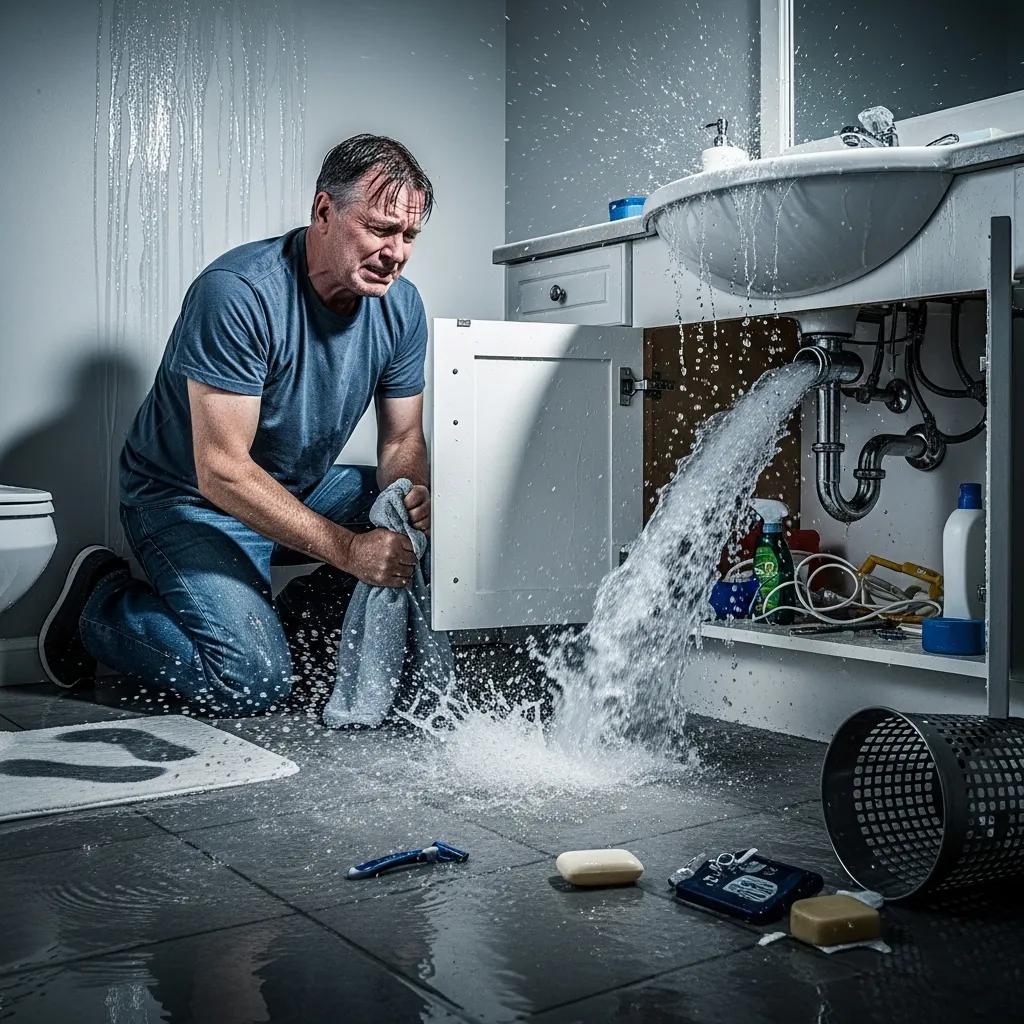
Call an emergency bathroom plumber when a failure risks immediate structural damage, health hazards, or loss of essential services. Emergency signs include uncontrolled gushing water, toilets that keep overflowing, major pipe bursts behind walls, and sustained sewage backups—each can quickly harm structure and promote mold. Immediate homeowner actions are aimed at reducing harm: shut off the water to the affected fixture or the main, turn off power if water is near outlets, and keep clear of the area until a pro arrives. Spotting these signs and taking the right steps quickly reduces damage and simplifies repair.
The table below is a simple triage guide to help decide when to call emergency services and what to do while waiting for a technician.
| Problem Indicator | Immediate Risk | Recommended Immediate Action |
|---|---|---|
| Gushing pipe or visible burst | Rapid structural water damage | Turn off main or fixture shut‑off; evacuate area if needed |
| Constantly overflowing toilet | Flooding and sewage exposure | Stop using the fixture; shut off local supply and contain overflow |
| Sewage backing up | Health hazard, contamination | Avoid contact; shut off water and ventilate if safe |
| No water to fixtures after a visible break | Service interruption and possible freeze risk | Shut off main supply and call for emergency help |
This quick triage helps you prioritize safety and limit secondary damage while you wait for on‑site mitigation. The next section lists common emergency signs and explains our business response model.
Signs of Plumbing Emergencies: Burst Pipes and Overflowing Toilets
Emergency plumbing signs are usually obvious: loud rushing behind walls, water streaming from ceilings or fixtures, toilets that won’t stop overflowing, or sudden loss of water after visible pipe damage. These issues can cause rapid structural deterioration, mold growth within 24–48 hours, and contamination risks from sewage. Immediately shut off the nearest valve or the main supply, move valuables out of harm’s way, and avoid contact with contaminated water to stay safe.
Recognizing these signs speeds response and helps you give clear information to the emergency responder, which shortens triage and repair time once the technician arrives.
How Our 24/7 Emergency Service Delivers Fast Response and Lasting Fixes
Frost and Kretsch Plumbing offers 24/7 emergency service with a clear process for fast triage, immediate mitigation, and scheduled follow‑up repairs. Calls are screened to assess severity and then dispatched to licensed technicians who focus first on stopping the leak, containing damage, and putting temporary measures in place. After stabilization, we schedule returning work to complete permanent repairs with any required permits and warranty paperwork—so you don’t face repeat failures.
Our emergency workflow is supported by core promises: 24/7 availability, transparent pricing with upfront estimates, and a 100 percent satisfaction guarantee. Those commitments give homeowners confidence that the immediate problem will be handled professionally and that long‑term repairs will meet industry standards.
Best Practices for Bathroom Plumbing Maintenance and Upgrades
Regular maintenance and targeted upgrades prevent emergencies and lower operating costs by preserving seals, keeping drains clear, and replacing old fixtures with efficient models. Best practices include inspecting grout and caulk, testing shut‑off valves and supply lines, scheduling professional drain cleaning for recurring slow drains, and replacing failing parts before they lead to leaks. Maintaining valves, cartridges, flappers and P‑traps keeps the system working and reduces the risk of hidden leaks that cause costly repairs. Below are specific maintenance tasks and high‑impact upgrades that save water and money.
Recommended routine tasks and how often to do them:
- Inspect seals and grout: Check annually and reseal cracked grout or caulk to keep surface water out.
- Test shut-off valves: Operate valves twice a year to ensure they turn when needed; replace if stiff or leaking.
- Clean drains and P-traps: Schedule professional cleaning for recurring slow drains and clear P‑traps as needed.
How Water-Efficient Fixtures Save Money and Water
Water‑efficient fixtures—low‑flow toilets, efficient showerheads, and faucet aerators—cut household water use by lowering gallons per flush and gallons per minute at taps and showers, producing measurable utility savings. For example, swapping an older 3.5 gpf toilet for a 1.28 gpf high‑efficiency model can save thousands of gallons a year in a typical home. Low‑flow showerheads also reduce hot water use and energy costs. These upgrades reduce strain on drains and may qualify for local utility rebates, improving return on investment.
Choosing the right fixtures balances water savings with comfort; professional installers fine‑tune pressure, valve settings and trapway sizing so efficient fixtures perform well and deliver real reductions in water and energy bills.
| Maintenance Task | Frequency | Recommended Action/Value |
|---|---|---|
| Check caulk and grout | Annually | Reseal cracks to prevent water intrusion and mold |
| Test shut-off valves | Semi-annually | Exercise valves to ensure they work during emergencies |
| Inspect P-traps and drains | As needed / recurring slow drains | Clean or replace to prevent backups and odors |
Advantages of Smart Bathroom Plumbing Fixtures
Smart fixtures—leak sensors, touchless faucets, and connected water‑monitoring devices—give early leak alerts, reduce cross‑contamination risk, and enable smarter water management. Leak detectors under sinks and near P‑traps can warn you to slow leaks before they worsen; touchless faucets limit surface contact and control flow timing for added savings. When planning integration, consider supply‑valve compatibility, power or battery needs, and optimal sensor placement.
Professional installation ensures smart devices work with existing plumbing, that alarms and automatic shutoffs respond appropriately, and that the system delivers both convenience and meaningful risk reduction alongside routine maintenance.
Why Choose Frost and Kretsch Plumbing for Your Bathroom Plumbing?
Frost and Kretsch Plumbing brings local bathroom plumbing expertise and service promises designed to protect homeowners and simplify repairs. Our core value propositions include 24/7 emergency service, transparent pricing with upfront estimates and no hidden fees, a 100 percent satisfaction guarantee, experienced licensed technicians, and deep local knowledge across Macomb, Oakland and Wayne counties. Those trust signals matter because they combine fast availability with licensed workmanship and accountability.
What Makes Our Licensed Technicians Stand Out
Our licensed technicians are trained to diagnose complex problems, follow local plumbing codes, and complete repairs that restore lasting function—not temporary fixes. We emphasize licensing, ongoing training, and strict safety and workmanship standards to keep service consistent. Background checks and insurance protect homeowners, while clear customer service protocols govern scheduling, on‑site explanations, and follow‑up communication.
How Our Transparent Pricing and Satisfaction Guarantee Help You
Transparent pricing means you get a clear, upfront estimate that explains the main cost drivers—fixture quality, flange or subfloor repairs, and labor complexity—so you can compare options and choose what’s right for your home. Our satisfaction guarantee provides a defined process for follow‑up if something falls short, with prioritized corrective action and documentation. Together, these policies reduce uncertainty, protect your investment, and promote accountability from estimate to final inspection and any warranty work.
Clear estimates and guarantees also simplify decisions during emergencies or planned upgrades, letting you focus on the best technical solution instead of worrying about hidden costs or unclear workmanship terms.
Frequently Asked Questions
What should I do if I notice a leak in my bathroom plumbing?
First, try to find the source—check the sink, toilet and shower for visible water. If the leak is large, shut off the water to that fixture or the main to prevent more damage. Use towels or a bucket to contain water and move valuables away from the area. Take photos for your plumber and for insurance if needed. Call a licensed plumber to diagnose and repair the leak.
How often should I schedule professional plumbing maintenance?
We recommend at least one professional plumbing inspection per year. Regular checks catch small issues before they become costly repairs. During maintenance a plumber will look for leaks, test shut‑off valves, and clean drains. If you notice changes like low water pressure or unusual noises, schedule a visit sooner.
What are the benefits of upgrading to water-efficient fixtures?
Water‑efficient fixtures cut water use and lower utility bills, and they often reduce the energy needed to heat water. Many utility programs offer rebates for efficient fixtures, improving payback. Upgrades also reduce strain on drains and can boost your home’s appeal to energy‑conscious buyers.
How can I prevent clogs in my bathroom drains?
Prevent clogs by being mindful of what goes down drains: don’t flush non‑biodegradable items, use drain covers to catch hair and debris, and avoid pouring grease or thick substances into sinks. Periodic cleaning with baking soda and vinegar helps, and annual professional drain cleaning is a good preventive measure for recurring slow drains.
What should I consider when choosing a new toilet?
Consider water efficiency, bowl shape and size, height, and how the toilet fits your existing plumbing. High‑efficiency models save water but may need pressure adjustments; ADA‑compliant options provide added comfort and accessibility. Factor in installation costs and any floor or flange work that may be required.
What are the signs that I need to replace my bathroom fixtures?
Replace fixtures if you see persistent leaks, frequent clogs, visible corrosion, or a marked rise in your water bill that suggests a hidden leak. If repairs become frequent or costly, replacement often makes more sense long term and can improve water conservation and appearance.
How can I ensure my plumbing installation meets local codes?
Hire a licensed, experienced plumber familiar with local code and permitting. Discuss permits and inspections before work begins and confirm the installer will obtain any required approvals. You can also check with your local building department for specific requirements in your area.
Conclusion
Professional bathroom plumbing services ensure fixtures are installed and maintained correctly so they work efficiently and avoid future problems. By understanding common issues and following basic maintenance, homeowners can protect their investment and reduce surprises. For reliable, local service and expert plumbing solutions, contact Frost and Kretsch Plumbing—we’ll help keep your bathroom safe, efficient and trouble‑free.