
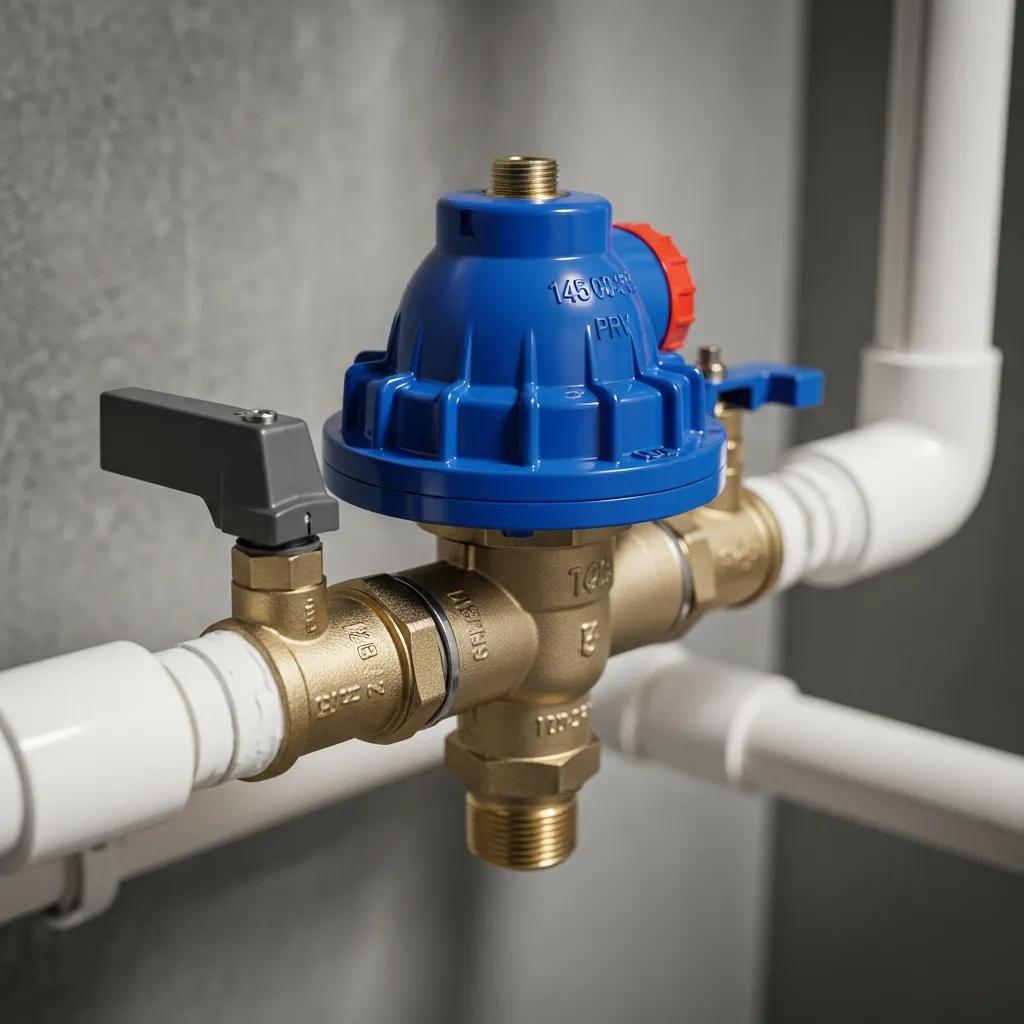
Water Pressure Regulator Services — Installation, Replacement & Repair for High Water Pressure
A water pressure regulator (also called a pressure reducing valve) sits on the incoming water line to reduce and steady high municipal or well pressure. That protects your pipes, fixtures, and appliances from extra stress and premature failures. This guide walks you through how a regulator works, how to spot problems, typical Michigan repair and replacement cost drivers, and simple maintenance homeowners can do to extend regulator life and avoid costly water damage. High pressure often shows up as banging pipes, worn faucet cartridges, or recurring leaks — and correct pressure control is the most effective fix. Spotting symptoms early and picking the right remedy saves money and water over time. You’ll find clear steps to measure PSI, a practical repair vs. replace comparison, and a homeowner-friendly maintenance schedule with inspection triggers. We also explain how Frost and Kretsch Plumbing handles diagnostics, installations, emergency response, and straightforward pricing so you’ll know when to call a licensed technician. The guide uses local terms like water pressure regulator, pressure reducing valve, pressure regulator installation, and high water pressure repair Macomb to connect advice with service options in your area.
What a Water Pressure Regulator Does — and Why It Matters
A water pressure regulator lowers incoming water pressure to a safe, steady PSI for your home or business. Inside the valve a diaphragm and spring work together to reduce upstream municipal pressure to a preset downstream level, giving consistent flow and reducing wear on fixtures. A properly sized and set regulator helps prevent pinhole leaks, cuts down on water hammer, and extends the life of water heaters and appliances — a small investment that avoids big repairs later. Knowing the main parts and their roles makes it easier to decide when a regulator is needed, especially after a municipal pressure increase, renovation, or for older homes with fragile piping.
Below is a simple parts table you can reference during inspections or when talking with your technician.
| Component | Function | Role |
|---|---|---|
| Diaphragm | Detects pressure differences | Adjusts valve opening to keep downstream PSI steady |
| Spring | Opposes the diaphragm | Determines the target pressure and lets a technician fine-tune it |
| Valve seat | Forms the seal | Controls flow and prevents leaks when closed |
| Adjustment screw | Changes spring tension | Allows technicians to set downstream pressure |
| Pressure gauge (tool) | Reads PSI | Confirms setpoint and regulator performance during testing |
Seeing how the parts interact makes it clear why wear, debris, or incorrect settings cause pressure problems — and why regular testing matters.
After you understand what a regulator does, many homeowners choose a professional assessment to confirm whether a regulator is needed or needs adjustment. Frost and Kretsch Plumbing offers evaluations, recommendations, and scheduling for inspections and installations across Macomb, Oakland, and Wayne counties — call (586) 675-0097 to request an inspection.
How a Water Pressure Regulator Controls Your Home’s Water Pressure
The regulator balances incoming water force against an internal spring and a flexible diaphragm. If upstream pressure rises, the diaphragm compresses the spring and closes the valve slightly to hold downstream pressure at the setpoint. If downstream pressure drops, the valve opens to restore flow. You can measure downstream pressure with a gauge at a hose bib or a washing machine outlet — most homes aim for 40–60 PSI. Readings above 80 PSI usually indicate a high-pressure condition that justifies a pressure reducing valve. Both simple mechanical gauges and smart monitors work to verify readings, but any replacement or adjustment should be done by a licensed plumber to meet local code and ensure proper calibration.
Benefits of Installing a Water Pressure Reducer Valve

A pressure reducer valve delivers several practical benefits that lower long-term maintenance and replacement costs while improving everyday performance:
- Less stress on pipes — fewer leaks and burst fittings.
- Longer appliance life — water heaters, dishwashers, and washers face less wear from sustained high PSI.
- Less water waste — stable pressure cuts dripping and turbulent flow, which can lower bills and conserve water.
Together, those benefits create steadier system behavior and fewer emergency repairs — a pressure reducer is a smart preventive investment.
Knowing these benefits makes it easier to recognize when a regulator might be failing. Often the symptoms start small and grow into system-wide issues that need a professional check.
Signs Your Water Pressure Regulator May Be Bad
A faulty or misadjusted regulator causes symptoms across a home’s water system that point to excessive or unstable downstream pressure. Look for noisy or banging pipes (water hammer), persistent drips at faucets and showerheads, unusually fast wear on faucet cartridges and washing machine hoses, fluctuating pressure when you run water, and appliance problems tied to overpressure. These issues can come from a worn diaphragm or spring, debris at the valve seat, or changes in municipal supply that the regulator can’t handle. Finding problems early and fixing them reduces the risk of pipe bursts and appliance damage.
Common symptoms to watch for:
- Fluctuating pressure: Pressure swings between fixtures without valve changes.
- Banging pipes: Water hammer when taps shut off or during pump cycles.
- Persistent leaks or drips: Fixtures that used to seal well now drip regularly.
These clues help you decide the right diagnostic steps, which we cover next.
How to Identify Regulator Problems in Your Plumbing System
Start by measuring upstream and downstream PSI with a reliable pressure gauge at a hose bib or a designated test point. Consistent downstream readings above 80 PSI usually mean a failing or missing regulator. Visually inspect the regulator and nearby piping for corrosion, leaks, or bypass plumbing that defeats the regulator. Listen for water hammer or rapid cycling to distinguish regulator faults from other issues like bad check valves or air chambers. You can try basic isolation checks — shutting off branches to see if pressure stabilizes — but avoid disassembling the valve since internal springs and diaphragms need trained handling. If tests point to regulator failure, contact a licensed plumber for a full pressure test and safe repair or replacement.
These diagnostics also show the kind of damage high pressure can cause if left unchecked.
Damage Caused by High Water Pressure
High water pressure speeds up mechanical wear and increases the chance of pipe failures, from tiny pinhole leaks to catastrophic bursts that cause major water loss and costly repairs. High PSI strains soldered joints, compression fittings, and seals — leading to slow leaks that can cause mold, rot, or structural damage. Appliances like water heaters and dishwashers suffer premature failures from overloaded valves and tanks. High pressure also worsens water hammer, which loosens fittings and fatigues pipe supports over time. The result is higher repair bills, shorter appliance life, and greater risk of emergency plumbing events.
Knowing these risks makes cost comparisons for repair versus replacement an important homeowner decision, which we cover next.
How Much Does Regulator Replacement Cost in Michigan?
Replacement cost for a residential pressure regulator in Michigan varies with parts, labor, accessibility, and permit requirements. Rather than a single price, expect a range depending on regulator quality and installation complexity. Cost factors include whether shutoff valves or piping changes are needed, the regulator model (adjustable vs non-adjustable, whole-house capacity), and site access — meter pits or tight basements add labor time. Permits and pressure testing increase costs in jurisdictions that require inspections. Combining regulator work with other plumbing tasks often reduces per-service labor. The table below summarizes common cost factors to help you plan and compare quotes.
| Cost Factor | Attribute | Typical Range / Value |
|---|---|---|
| Regulator type | Adjustable vs non-adjustable | Adjustable models usually cost more but add flexibility |
| Labor complexity | Accessibility, piping alterations | Labor can be low to high depending on location (basement vs meter pit) |
| Permits & testing | Local code requirements | Possible small permit fee and pressure testing charge |
| Additional parts | Shutoff valves, unions, pressure gauges | Minor to moderate added parts cost |
| Emergency service | After-hours dispatch | Higher rates may apply for emergency calls |
Key cost influencers:
- Part quality: Higher-grade PRVs cost more but last longer.
- Site access: Hard-to-reach or underground installs increase labor.
- Regulatory needs: Permits and testing add administrative costs.
Frost and Kretsch Plumbing focuses on clear, up-front pricing and detailed quotes for regulator replacement. Call (586) 675-0097 to request an estimate or schedule service in Macomb, Oakland, and Wayne counties — documented testing and transparent pricing are part of our standard process so you can weigh repair vs. replacement with confidence.
What Affects the Cost of Installing a Water Pressure Regulator?
Installation cost grows with the plumbing work needed to fit the regulator: adding shutoffs, service unions, or rerouting when the meter or infrastructure blocks placement. Material quality matters — commercial-grade adjustable valves and full-port unions cost more than basic units but reduce future service time and improve adjustability. Labor reflects site complexity and time for pressure testing before and after install to verify the setpoint. Permits and third-party inspections add administrative time. Scheduling regulator installation alongside other plumbing jobs often lowers the overall labor cost.
Ways to manage costs:
- Consolidate services: Schedule regulator work with other planned repairs.
- Provide easy access: Clear the work area to reduce setup time.
- Pick the right quality: Balance upfront cost with long-term reliability.
These tips help homeowners make cost-effective choices that match system needs.
Repair vs. Replacement — Is There a Cost Difference?
Repairing a regulator — cleaning debris or replacing a diaphragm or spring — can be economical for newer models with replaceable internals. But repairs are sometimes temporary if the valve has corrosion, repeated failures, or parts aren’t available for older units. Replacement restores long-term reliability and often includes adjustable features and warranties that lower total ownership cost. Look at lifecycle cost: replace when the regulator is near the end of its service life or multiple components are failing. Age, repair history, and symptom severity guide the best financial choice; a licensed technician can give a clear recommendation during inspection.
Repair vs. replacement considerations:
- Age of regulator: Older units usually favor replacement.
- Frequency of failure: Repeated problems point to replacement value.
- Warranty and parts: New units often include warranty coverage repairs lack.
These points help you choose for long-term reliability rather than short-term savings.
How Frost and Kretsch Plumbing Handles High Water Pressure Repairs
Frost and Kretsch Plumbing offers focused services for diagnosing, repairing, and replacing water pressure regulators across Macomb, Oakland, and Wayne counties. We emphasize honest quotes, licensed technicians, and quick response when problems are urgent. Our process starts with a full pressure assessment — upstream and downstream PSI readings plus a system inspection — to determine whether adjustment, repair, or replacement is the right fix. Technicians then present clear options, itemized estimates, and the likely outcomes so you can make an informed decision. We back our work with a 100 percent satisfaction guarantee, licensed and trained technicians, and transparent pricing. Request service or emergency dispatch by calling (586) 675-0097 or through our local listing.
Installation & Replacement Services We Provide
We handle the full scope of pressure control work: pressure testing, selecting the right regulator for your flow and demand, installing adjustable house regulators, and post-install calibration with documentation. A typical visit includes an initial pressure test, inspection of piping and shutoffs, recommending a regulator model, installing service unions or isolation valves for future access, and a final verification test to confirm downstream PSI stability. Technicians leave a written report of readings and adjustments and explain warranty or guarantee terms before work starts so you know what to expect after the job.
Standard deliverables during service:
- Pre-install pressure test and diagnostics: Confirms need and setpoint.
- Professional installation with serviceable connections: Makes future maintenance easier.
- Post-install verification and documentation: Confirms correct operation and setpoint.
Clear documentation and testing give homeowners confidence in the result.
24/7 Emergency Support for Urgent Pressure Issues
Our emergency response starts with phone triage to assess severity — active leaks, visible bursts, or complete pressure loss prompt immediate dispatch, while non-critical urgent issues can be scheduled for daytime service. On arrival, technicians perform temporary mitigation (isolating the affected zone, installing a temporary shutoff, or bypassing a failed regulator) to limit water loss, then recommend a permanent repair or replacement plan. Frost and Kretsch’s 24/7 capability means you have one local contact for after-hours pressure failures and clear next steps — call (586) 675-0097 and we’ll explain dispatch expectations during the initial call.
Emergency protocol highlights:
- Phone triage: Quick assessment to set dispatch priority.
- Temporary mitigation: Immediate steps to reduce damage.
- Permanent repair plan: Clear next steps and an estimate for full restoration.
Knowing this workflow helps you act fast and reduce property damage.
How to Maintain Your Water Pressure Regulator for Longer Life
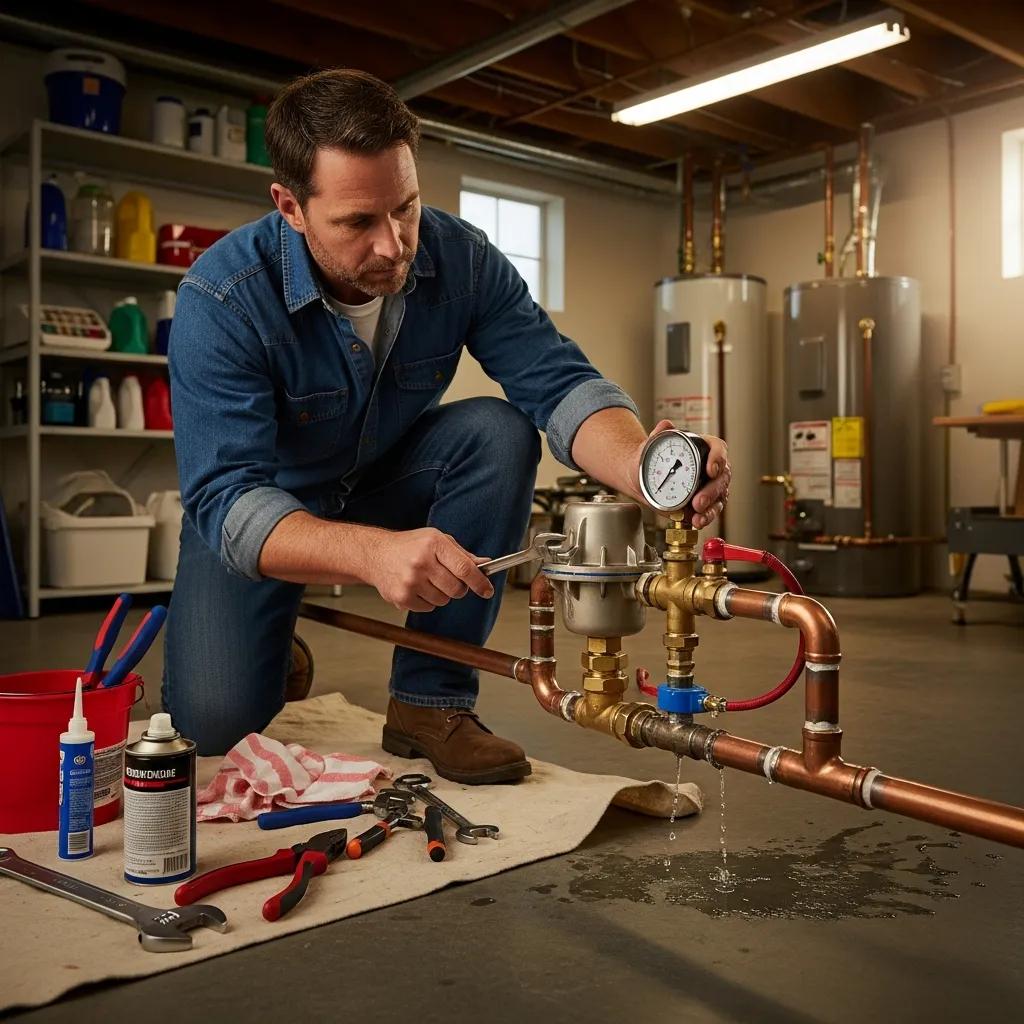
Regular maintenance extends regulator life and prevents sudden failures. A mix of homeowner checks and periodic professional inspections keeps pressure steady and avoids surprises. Regular tasks include annual PSI checks at an accessible outlet, visual inspections for leaks or corrosion at the regulator and unions, and keeping strainers or upstream filters clear so debris doesn’t damage the valve seat. Professional servicing every few years — or after major municipal pressure changes — should include a full differential test, setpoint verification, and replacement of worn internals when needed. The table below gives a maintenance schedule with recommended frequencies.
| Component | Maintenance Task | Recommended Frequency |
|---|---|---|
| Regulator body | Check for leaks and corrosion | Annually |
| Pressure gauge | Check downstream PSI at a test point | Annually or after service events |
| Strainer/upstream filter | Clean or replace to prevent debris | Every 6–12 months |
| Adjustment mechanism | Verify setpoint and adjust if it drifts | Every 2–3 years or after pressure events |
| Professional inspection | Full diagnostic and component check | Every 2–4 years or after symptoms appear |
Homeowner maintenance checklist:
- Monthly visual check — look for leaks or dampness around fittings.
- Annual PSI test — use a gauge to confirm downstream pressure stays in range.
- Keep access clear — make sure technicians can reach the regulator easily.
These simple steps help keep your regulator reliable and make professional inspections more effective.
Maintenance Tips to Prevent Regulator Problems
Combine regular observation with scheduled testing: watch for new drips after pressure changes, perform yearly gauge checks at a hose bib, and keep the area around the regulator clean and dry. Clean upstream strainers and make sure shutoff valves operate so sediment doesn’t damage the valve seat. Install an easy-access pressure gauge near the regulator for quick checks. If you need to tweak the setpoint, document the change and consult a licensed technician before making major adjustments to meet appliance requirements and local code. Routine care reduces emergency calls and keeps your regulator working well.
These maintenance steps also help you decide when to call a pro for inspection or replacement.
When to Schedule a Professional Inspection
Book a professional inspection when the regulator is a few years old, when you notice symptoms like fluctuating pressure or banging pipes, after municipal pressure changes or main replacements, or after major plumbing work. A good rule is a licensed technician inspection every 2–4 years for most homes — sooner if symptoms appear or the household has high-demand fixtures. Immediate inspection is needed for sudden pressure spikes, visible pipe damage, or repeated appliance failures that suggest regulator trouble. Regular inspections catch wear before it becomes a failure and give technicians documented PSI tests to recommend repair or replacement.
Inspection triggers include:
- Age-based check: Every 2–4 years as preventive care.
- After symptoms: Any recurring pressure issues or leaks.
- Post-infrastructure change: After municipal or major internal plumbing work.
Proactive inspections balance safety, reliability, and long-term plumbing value while lowering emergency risk.
- Routine maintenance and timely professional inspections reduce costly failures, extend appliance life, and keep water use efficient.
- Use annual PSI checks and visual inspections to track regulator health, and call a licensed plumber if readings fall outside normal ranges.
- If unsure, get a documented pressure test plus a clear quote from a local licensed service to decide on repair vs. replacement.
Frost and Kretsch Plumbing offers inspections, diagnostics, and clear replacement quotes across Macomb, Oakland, and Wayne counties. Our trained technicians document findings and pricing on every service call — to arrange service or emergency help, call (586) 675-0097 or check our local business listing for coverage and 24/7 response details.
Frequently Asked Questions
1. How can I tell if my water pressure regulator is functioning properly?
Check your home’s water pressure with a pressure gauge — ideal readings are 40–60 PSI. Fluctuating pressure, banging pipes, or frequent leaks point to a possible regulator issue. Also look for visible wear, corrosion, or leaks at the regulator. If you suspect a problem, have a licensed plumber perform a full assessment and pressure test.
2. What should I do if my water pressure is too high even after installing a regulator?
First, confirm the regulator is adjusted correctly and sized for your system. Check upstream strainers for debris that could affect performance. If the regulator is set correctly but pressure stays high, contact a licensed plumber to evaluate the installation and consider replacement if the unit is faulty or undersized.
3. Can I install a water pressure regulator myself, or should I hire a professional?
While some handy homeowners attempt installation, we recommend a licensed plumber. Proper installation requires code knowledge, pressure testing, and correct calibration. A pro also spots underlying issues that affect regulator performance and ensures a safe, code-compliant job.
4. How often should I have my water pressure regulator inspected?
Have your regulator inspected every 2–4 years, or sooner if you notice symptoms like fluctuating pressure or leaks. Inspections are also wise after major plumbing work or municipal pressure changes. Regular checks catch problems before they become expensive failures.
5. What are the long-term benefits of maintaining my water pressure regulator?
Regular maintenance extends the life of fixtures and appliances, lowers the chance of leaks and water damage, and improves water efficiency — all of which reduce repair and utility costs. Routine checks and timely repairs make your plumbing more reliable.
6. What are the signs that indicate I need to replace my water pressure regulator?
Replace the regulator if you see persistent leaks, frequent water hammer, unstable pressure, visible corrosion, or if it’s been repaired repeatedly. Older units often make replacement the most cost-effective option. A licensed plumber can confirm whether replacement is the best choice.
7. Are there any specific maintenance tasks I should perform on my water pressure regulator?
Yes — do annual PSI checks, visually inspect for leaks or corrosion, and clean or replace upstream strainers to prevent debris buildup. Periodically verify the adjustment mechanism and schedule professional inspections every few years to catch issues early.
Conclusion
A properly installed and maintained water pressure regulator protects your plumbing, extends appliance life, and reduces waste and repair costs. Regular checks and professional inspections keep your system running smoothly and help avoid emergencies. For expert service, clear pricing, and reliable technicians, contact Frost and Kretsch Plumbing to schedule an inspection or service appointment.