
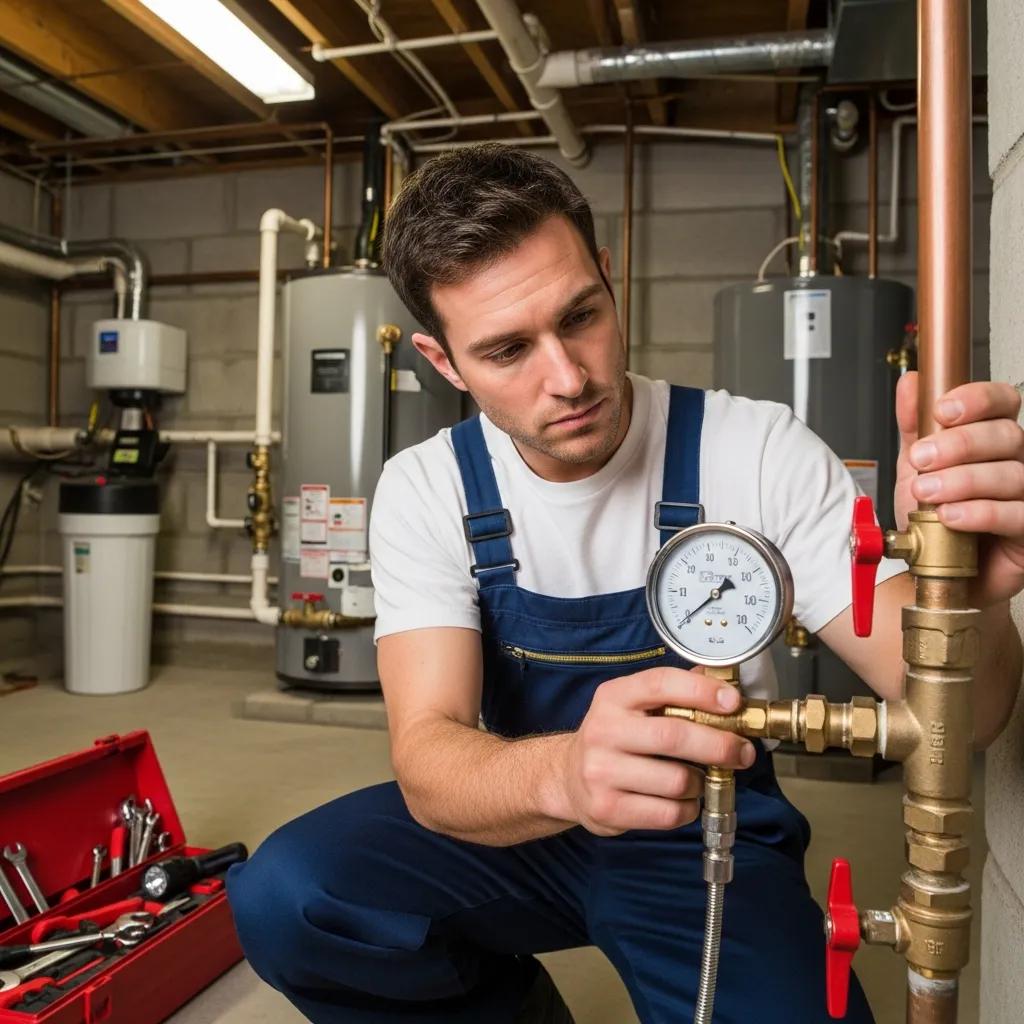
Diagnosing and Fixing Low Water Pressure in Michigan Homes and Businesses
Low water pressure shows up when faucets, showers, or mains deliver less flow than they should — a nuisance that can affect comfort, operations, and appliance performance. It can be something simple, like a clogged aerator, or something that needs a pro, like a failing pressure regulator, a leaking service line, or a well-system fault. This guide walks Michigan homeowners and business owners through the signs to watch for, likely causes, step-by-step diagnostics you can try, and the professional fixes that restore reliable pressure. You’ll learn how to check pressure with basic tools, read PSI numbers, isolate fixture problems, and weigh long-term options such as PRV replacement, booster pumps, or repiping. We also explain what to expect from licensed plumbers — transparent pricing, emergency response, and clear next steps — so you can decide whether to DIY or call for service.
What Are the Common Signs of Low Water Pressure?
Low water pressure usually looks like weak, inconsistent flow across one or more fixtures. The key is telling a local problem apart from a system-wide issue. Typical signs include slow-filling sinks, a weak shower spray, multiple fixtures with low flow at the same time, or noticeable drops when irrigation or laundry runs. Spotting these early saves time and prevents bigger headaches. The next section shows simple DIY checks to determine the scope.
If you spot these signs and want a professional check, Frost and Kretsch Plumbing offers on-site diagnostics to confirm whether the cause is a clogged fixture, the PRV, a leak, or a well/pump problem. Our technicians will inspect, explain findings, and recommend either a targeted repair or a bigger solution. If you prefer professional confirmation after your DIY checks, call Frost and Kretsch Plumbing to schedule an inspection.
Here are the most reliable, observable signs of low pressure to watch for at home or work.
- Slow flow at multiple fixtures: Reduced flow at several taps at once usually points to a system-wide issue.
- Weak shower performance: A weak shower often signals whole-house pressure problems or partially blocked supply lines.
- Pressure drops when appliances run: If the flow falls off when the dishwasher or washer runs, the supply may be limited.
- Normal pressure at only one fixture: Strong flow at one tap but poor flow elsewhere usually means a local clog or valve problem.
These clues help you separate fixture-level problems from supply issues and guide the diagnostic steps that follow.
How to Identify Low Water Pressure in Your Home or Business
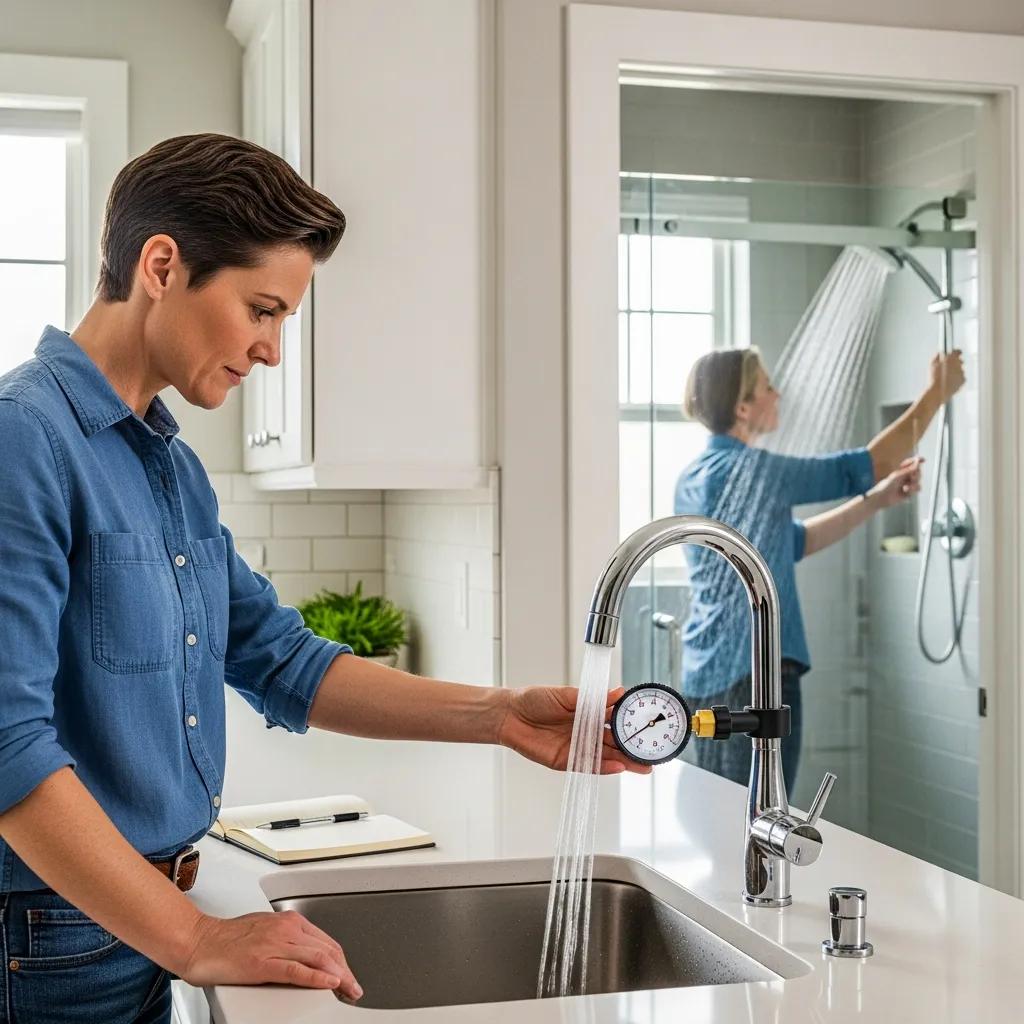
To tell whether low pressure is local or system-wide, use a few quick checks with common fixtures and a pressure gauge if you have one. Test multiple outlets: turn on an outside hose spigot, a kitchen sink, and a shower one at a time and note the flow. If every outlet is weak, it’s likely a supply issue; if only one is weak, it’s probably a local clog. If you have a pressure gauge, attach it to a hose bib or test port and record static (no-flow) and running readings — consistent readings well below the expected range point to low main pressure. Also check visible valves (main shut-off and PRV) to make sure they’re fully open and look for leak signs like wet spots, damp soil by the foundation, or a sudden jump in your water bill. Those observations lead into targeted fixture checks like aerator cleaning or cartridge inspection.
Symptoms of Weak Water Flow in Faucets and Showers
Weak faucet and shower flow is often a fixture issue that’s quick to fix — but it can hide a larger problem if ignored. Watch for sputtering streams, uneven spray, a slow trickle after an initial surge, or mineral buildup around aerators and showerheads; those usually mean clogged screens, scale, or worn cartridges. Try cleaning aerators, soaking removable parts in vinegar to dissolve scale, or replacing a cartridge. If several fixtures show the same mineral-clog symptoms or cleaning doesn’t help, the cause is likely upstream — a PRV, corroded piping, or supply main issue — and you’ll need the diagnostic steps below.
What Causes Low Water Pressure in Residential and Commercial Plumbing?
Low pressure can stem from municipal supply issues, property-level equipment, or the piping itself. Common causes include low mains pressure or main breaks, failing pressure-reducing valves (PRVs), clogged or corroded pipes that narrow flow, hidden leaks in service lines, and well pump or pressure tank faults on private systems. Each cause shows different patterns — neighborhood-wide issues usually mean the mains, PRV failures affect the whole building, and localized corrosion affects specific branches. The list below summarizes these causes to help you match symptoms to likely problems.
- Municipal water main issues: A drop in supply or a main break can lower pressure across multiple properties in the area.
- Pressure reducing valve (PRV) malfunction: A stuck or misadjusted PRV can keep downstream pressure lower than it should be.
- Clogged or corroded pipes: Scale and corrosion reduce the pipe’s effective diameter and restrict flow.
- Hidden leaks and main-line breaks: Leaks divert water and cause pressure loss that worsens over time.
- Well pump or pressure tank problems: On private wells, pump failures or tank issues cause intermittent or sustained low pressure — sometimes only on hot water if sediment affects the heater.
Knowing the cause helps you choose the right fix — from a simple fixture cleaning to PRV replacement, leak repair, or a pump/system upgrade. The next sections explain PRV and pipe behaviors in more detail.
How Do Faulty Water Pressure Regulators Affect Water Flow?
The pressure reducing valve (PRV) controls downstream pressure using a spring-and-diaphragm mechanism. When it wears out, the result can be sustained low pressure, pressure spikes, or unpredictable fluctuations. Typical signs include consistently low flow at every fixture, pressure jumps when valves close, or steady decline despite the main being open. You can check the PRV’s adjustment screw and measure pressure upstream and downstream, but internal wear or diaphragm failure usually means replacement. A proper PRV repair or swap restores steady downstream pressure and protects fixtures and appliances from unnecessary stress.
How Do Clogged Pipes and Water Main Leaks Lead to Low Pressure?
Clogs and leaks both reduce the water that reaches your fixtures. Mineral scale, sediment, and internal corrosion gradually narrow pipe openings — especially in older galvanized systems — producing slow, progressive pressure loss. Main-line leaks, whether under the street or along the service lateral, can cause sudden drops or constant low pressure and typically require leak detection and excavation to fix. Signs that the issue is pipe condition rather than fixtures include low flow at every tap, wet spots outside, unusual meter activity, and pressure readings that stay low after cleaning fixtures. Those clues point to the diagnostic steps that follow.
How Can You Diagnose Low Water Pressure Problems Effectively?
Diagnosing low pressure combines simple DIY checks with a few measurements to isolate the problem and decide if you need professional help. Use a pressure gauge on an exterior hose bib to compare static (no-flow) and running pressure, test multiple fixtures to see how widespread the issue is, and visually inspect for leaks and valve positions. Write down what you observe — which fixtures are affected, whether the issue is constant or intermittent, and whether hot water is impacted — so a technician can get straight to work if you call. The checklist below is a practical sequence to follow before escalating to professional testing of wells, pressure tanks, or PRVs.
- Compare multiple fixtures: Test an outside spigot, kitchen sink, and shower separately to identify scope.
- Measure pressure: Attach a pressure gauge to a hose bib for static and running readings.
- Inspect valves and aerators: Make sure the main shut-off and PRV are open and clean fixture aerators/screens.
- Watch for leak signs: Look for wet spots, unexpected meter changes, or saturated soil near pipes.
- Record behavior: Note whether pressure drops happen when appliances run or occur continuously.
Working through this checklist narrows the likely causes and prepares you for any professional testing that may be needed.
Using Pressure Gauges and Visual Inspections for Diagnosis
A pressure gauge gives you facts instead of guesswork. Attach it to a threaded exterior spigot or the system test port, take a static reading with everything off, then take a running reading while a faucet is open. A large gap between static and running readings suggests supply limitations; uniformly low readings point upstream. Pair gauge data with a visual inspection — check for dripping joints, corrosion, loose fittings, or standing water — and document readings and symptoms to share with the plumber, who can then perform bench testing of the PRV or professional leak detection if needed.
When to Test Well Pumps and Water Heaters for Pressure Issues
Well systems and water heaters can mimic other pressure problems, so test them when symptoms match. For wells, look for long fill times, rapid pump cycling, or complete loss of pressure until the pump restarts — signs of pressure tank or control issues that need an electrician/plumber. For water heaters, sediment or a blocked dip tube can cause reduced hot-water flow that’s limited to hot fixtures; flushing the heater may help, but heavy sediment or internal damage needs a pro. Because working on electrical components and tanks carries risk, call a qualified technician when well or heater faults are suspected.
What Are the Professional Solutions for Fixing Low Water Pressure?
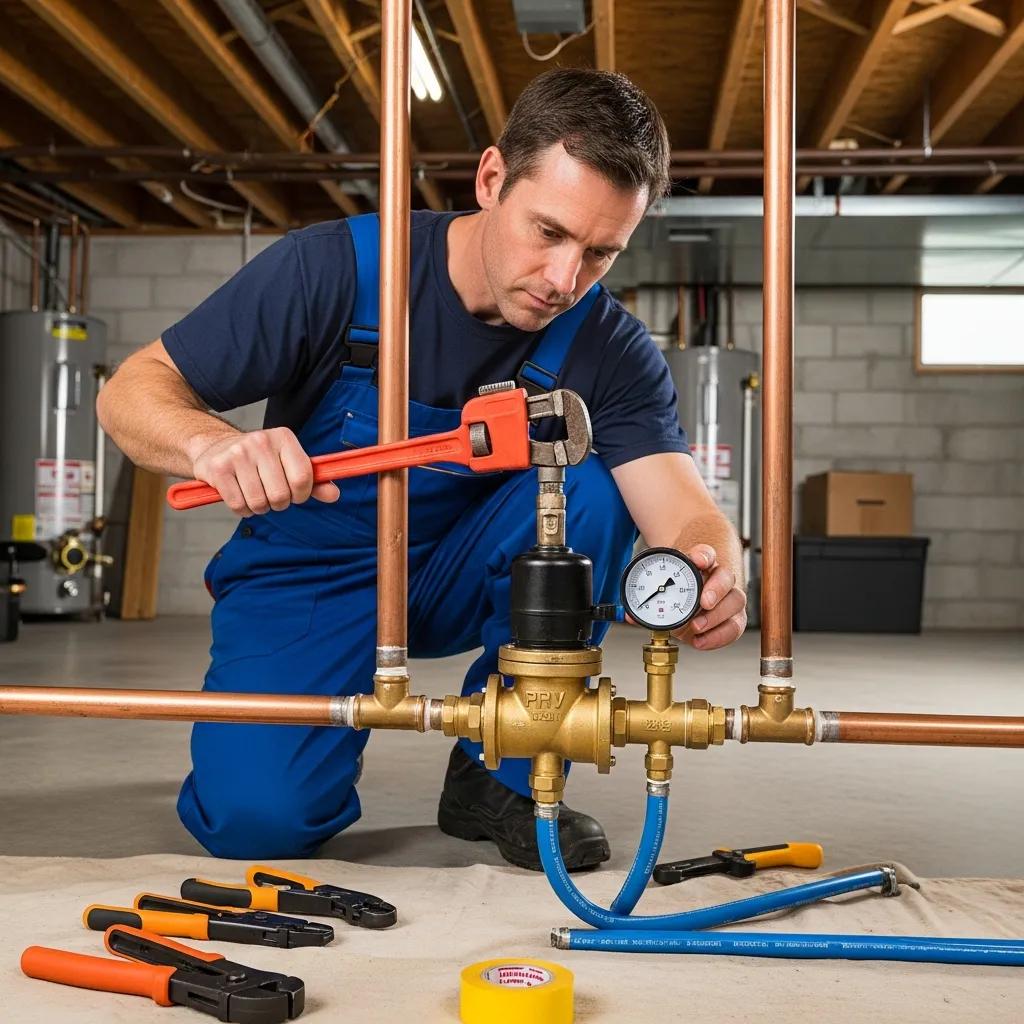
Once diagnostics identify whether the problem is a regulator, supply, or equipment issue, professional remedies target the root cause. Common solutions include PRV repair or replacement, booster pump installation, pipe cleaning or repiping, and leak detection and repair. Technicians assess system layout, flow requirements, and municipal constraints to recommend the least disruptive option that restores reliable pressure. The table below summarizes each approach, expected downtime, and ideal use cases so you can quickly compare options. After the table we walk through typical service steps and outcomes.
| Solution | Scope | Typical Downtime | Ideal Use Case |
|---|---|---|---|
| PRV repair/replacement | Replace or adjust the pressure reducing valve to restore the correct setpoint | 1–3 hours | Whole-house low pressure caused by regulator failure |
| Booster pump installation | Add a pump and controls to raise downstream pressure | 4–8 hours | Properties with low municipal pressure or long distribution runs |
| Hydro-jetting or pipe cleaning | Remove mineral buildup and clear internal restrictions | 1–4 hours | Localized flow loss from scale in supply lines |
| Leak detection & main repair | Locate and repair underground leaks — excavation may be required | Several hours to days | Persistent pressure loss with suspected main-line leak |
This comparison shows PRV work is usually quick, booster installs need space and electrical hookups, and main-line repairs are the most disruptive but sometimes the only permanent fix.
Water Pressure Regulator Repair and Replacement Services
PRV service starts with on-site inspection and pressure testing upstream and downstream. Technicians evaluate access, valve condition, and whether an adjustment, repair, or full replacement is the best long-term choice. For replacements, the service line is isolated, the old regulator removed, a correctly sized unit installed, and downstream pressure verified under load. Post-install testing confirms stable performance and reduces future complaints. After PRV work, techs often recommend periodic pressure checks to keep everything running smoothly.
Water Pressure Booster Pump Installation: When and Why to Consider It
Booster pumps raise available pressure when municipal supply or long, high-friction runs limit delivery. They’re appropriate when upstream pressure is consistently low despite a working PRV and no major leaks. Residential boosters are compact and mount near the service; commercial systems can need pump rooms and motor controls. Professional installation includes plumbing and electrical work, and ongoing maintenance covers controls, check valves, and seals. Booster pumps are reliable when other fixes can’t reach the pressure you need; deciding to install one follows the diagnostic steps outlined earlier.
Below is a concise comparison of professional approaches and what they achieve.
| Approach | Cause Addressed | Typical Impact |
|---|---|---|
| PRV repair/replacement | Faulty regulator or misadjustment | Stabilizes whole-house pressure and prevents over- or under-pressure |
| Booster pump | Low municipal supply or long distribution distance | Increases available pressure and steadies flow under load |
| Pipe cleaning/hydro-jetting | Mineral scale and debris buildup | Restores flow without full repiping in many cases |
| Leak repair & main replacement | Underground or service lateral leaks | Removes volume loss and prevents gradual pressure decline |
This summary helps you match symptoms to practical fixes and understand trade-offs in downtime and long-term results.
Frost and Kretsch Plumbing handles diagnosis-to-repair services across Michigan, including pressure testing, PRV work, booster pump installs, leak detection, and repiping. Our licensed, insured team provides transparent pricing and stands behind our work with a 100% satisfaction guarantee so you know what to expect at every step.
When Should You Call a Plumber for Low Water Pressure Issues in Michigan?
Call a plumber when your diagnostics point to system-level problems, when complex equipment or safety is involved, or in an emergency. Immediate calls are needed for visible major leaks, sudden complete loss of pressure, or discolored water that could indicate contamination. Schedule urgent service for sustained whole-house low pressure, suspected main-line leaks, or rapid pump/tank cycling. Routine calls are appropriate for intermittent dips, single-fixture issues you can’t fix, or PRV tuning. The list below gives clear thresholds for when to seek pro help.
- Immediate call: Major visible leaks, flooding, or a total loss of pressure across all fixtures.
- Urgent scheduled service: Ongoing whole-house low pressure, suspected main-line leaks, or pressure tank/pump cycling.
- Routine scheduled inspection: Intermittent dips, individual fixtures that stay weak after cleaning, or PRV adjustment requests.
Choosing a licensed, insured local plumber reduces risk, ensures code-compliant repairs, and leverages area experience with aging infrastructure. The sections below explain emergency response and why local licensed teams are a smart choice.
Emergency and Scheduled Plumbing Services for Low Pressure Problems
Emergency crews focus on stopping active water loss, stabilizing supply, and minimizing damage — techs arrive with leak detection tools, temporary shut-off plans, and the ability to isolate affected mains. Scheduled visits cover full diagnostics, pressure testing, and planned repairs like PRV replacement or booster installation, with permits and final testing as needed. Prepare for a service visit by shutting off valves if safe, noting symptoms and recent changes, and ensuring access to the meter and service panel to speed diagnosis. Knowing the difference between immediate mitigation and scheduled corrective work helps you pick the right response.
Benefits of Choosing Licensed and Insured Local Plumbers
Licensed, insured local plumbers offer code compliance, protection against accidental damage, and local knowledge that speeds accurate repairs. Licensing shows technicians meet competency standards; insurance protects homeowners and businesses; and local firms know common municipal issues and older local piping materials. Other benefits include warranties, clear estimates, and faster response times. These trust signals matter when pressure problems can turn into costly damage if handled poorly — choose a reputable local provider for complex or emergency jobs.
Frost and Kretsch Plumbing provides 24/7 emergency residential and commercial service across Macomb, Oakland, and Wayne counties. Our licensed, insured technicians deliver transparent pricing and back their work with a satisfaction guarantee. For urgent help, call to request immediate assistance or to schedule a diagnostic visit.
How Much Does It Cost to Fix Low Water Pressure Problems?
Costs vary by root cause, parts, labor complexity, and whether excavation or permits are required. Major cost drivers include the chosen solution (PRV replacement, booster pump, repiping, or main repair), accessibility of the work area, the extent of excavation, and any electrical or tank upgrades for pumps. Instead of fixed prices, the table below breaks down common cost elements and explains why estimates differ. After the table we cover PRV-specific cost variables and how free estimates typically work.
| Cost Element | Cost Factor | Typical Notes |
|---|---|---|
| Parts | Unit type and size | Higher-capacity PRVs and commercial boosters cost more |
| Labor | Accessibility & complexity | Tight spaces or underground work add hours |
| Permits & excavation | Municipal requirements | Excavation and permits increase time and expense |
| Diagnostics & testing | Tools and time | Leak detection and pressure testing need specialized gear |
Every job is unique; a site-specific estimate combines these elements to produce an accurate quote.
Factors Influencing Water Pressure Regulator Replacement Cost
PRV replacement cost depends on the valve model and pressure range, service-line accessibility, condition of nearby fittings, and whether extra parts (unions, isolation valves) are needed. Labor rises when the PRV sits in a cramped meter pit or when corrosion forces cutting and replacing adjacent piping. If a PRV swap reveals downstream damage or code shortcomings, additional repairs may be recommended — which increases cost but improves long-term reliability. Discuss these factors during an on-site estimate so you clearly understand short-term expense versus long-term value.
Transparent Pricing and Free Estimates from Frost and Kretsch Plumbing
We offer transparent pricing and free estimates that document the inspection scope, findings, recommended repairs, and a written quote. A typical free estimate includes pressure test results, likely causes, recommended solutions, and clear notes on parts, labor, and permit needs. By presenting written options — repair vs. replacement, temporary mitigation vs. permanent fix — we help owners make cost-effective decisions. To arrange a no-obligation inspection and itemized proposal, call Frost and Kretsch Plumbing to schedule a visit.
- Request a free estimate: A technician performs diagnostics and documents findings.
- Receive a written quote: The estimate lists parts, labor, and any permit needs.
- Compare options: Discuss repair vs. replacement and long-term benefits.
Frequently Asked Questions
What tools do I need to diagnose low water pressure in my home?
Start with a pressure gauge to measure water pressure at different points. A wrench helps check and adjust valves; a bucket or container is handy for simple flow-rate checks, and a flashlight helps inspect dark areas for leaks or corrosion. These basic tools cover most initial diagnostics before you call a professional.
How can I prevent low water pressure issues in the future?
Preventive steps include regular leak checks, ensuring valves are fully open, and flushing your water heater annually to reduce sediment. If you have hard water, a water softener can cut down mineral buildup. Regular inspections by a licensed plumber identify small issues before they become major problems.
Are there any DIY fixes for low water pressure?
Yes. Clean aerators and showerheads, remove visible clogs, and check that the PRV is properly adjusted. If you have a well, inspect the pressure tank and pump for obvious issues. If these steps don’t help, call a plumber for a deeper diagnosis.
What should I do if I notice a sudden drop in water pressure?
First, look for visible leaks in your home and yard. Test multiple fixtures to determine whether the problem is local or system-wide. If the drop affects the whole property, contact your water utility — it could be a main line issue. If you suspect a plumbing problem, call a licensed plumber for a thorough inspection.
How does the age of my plumbing system affect water pressure?
Older pipes, especially galvanized steel, are prone to corrosion and mineral buildup that restrict flow. Outdated fixtures may also underperform by modern standards. If your plumbing is aging, schedule an inspection to evaluate pipe condition and consider selective upgrades to improve pressure and long-term reliability.
What are the signs that I need to replace my pressure reducing valve (PRV)?
Replace the PRV if you see consistent low pressure at all fixtures, pressure swings when multiple outlets are used, or a notable pressure drop when appliances run. Loud banging (water hammer) can also indicate PRV issues. Regularly checking the adjustment screw and monitoring gauge readings helps catch PRV problems early.
Conclusion
Low water pressure can disrupt daily life and business operations, but understanding the signs and options makes it manageable. Use the diagnostic steps here to narrow causes, then call a licensed plumber when the problem is system-wide, involves electrical or buried components, or presents a safety concern. For dependable diagnostics, transparent pricing, and professional repairs across Michigan, contact Frost and Kretsch Plumbing to schedule an inspection and get your water pressure back where it should be.