
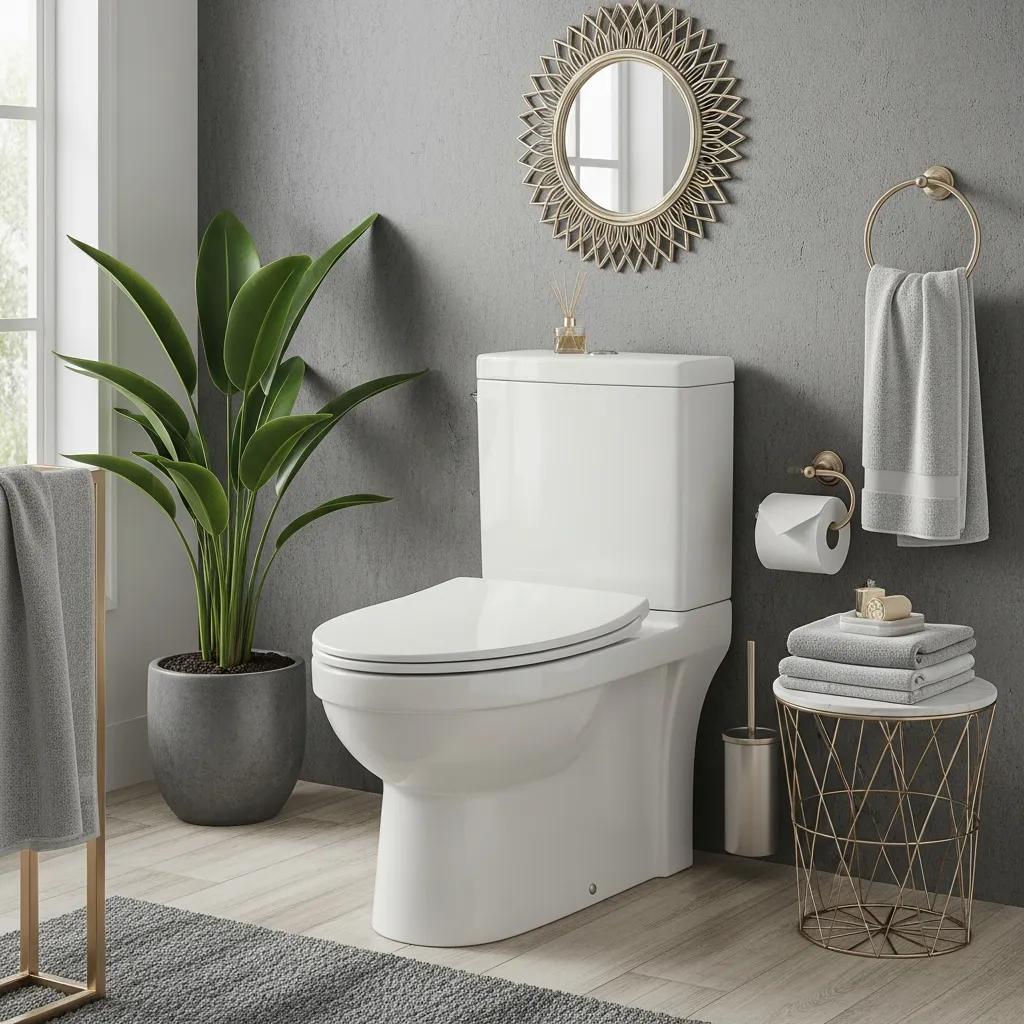
How to Choose the Best Toilet for Your Bathroom: The Ultimate Toilet Buying Guide for Homeowners
Picking the right toilet affects more than how your bathroom looks — it changes daily comfort, water bills, accessibility, and how often you’ll need repairs. This guide walks you through the most common toilet types, the features that matter (comfort height, flush tech, bowl shape), how to measure for a correct fit, and which options suit small bathrooms or accessibility needs. You’ll also learn about WaterSense, MaP scores, and gallons-per-flush so you can balance performance and savings. Finally, we explain when it’s worth calling a licensed plumber to avoid installation mistakes and ensure a code-compliant job.
What Are the Different Types of Toilets and Their Benefits?
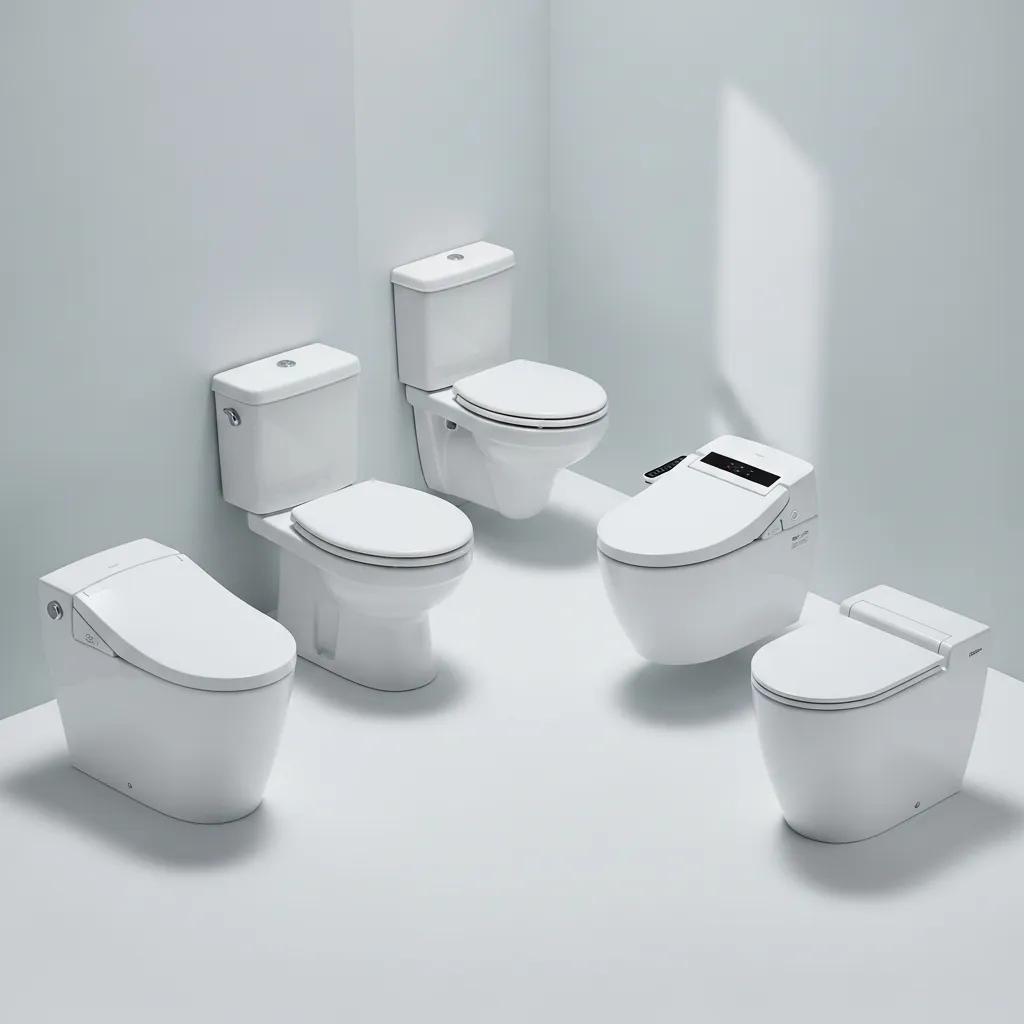
“Toilet type” refers to overall design and how the unit flushes. Different styles fit different spaces, budgets, and plumbing setups — and each has trade-offs in cleaning, installation, and water use. Knowing the basics — one-piece, two-piece, wall-hung, smart, and tankless — helps you narrow choices based on maintenance needs and bathroom layout. Every toilet clears waste using a combination of tank (or valve), bowl, trapway, and flush mechanism; performance is often tied to trapway design and the flush system used. Below is a quick rundown of common types and why homeowners choose them.
Common toilet types and their primary benefits:
- One-piece toilet: Smooth, seamless look that’s easier to clean and keeps grime out of seams.
- Two-piece toilet: Tank and bowl separate for easier handling, replacement parts, and generally lower upfront cost.
- Wall-hung toilet: Opens up floor space and makes cleaning under the bowl simple — requires in-wall support.
- Smart toilet: Adds bidet functions, heated seats, and sensors for comfort and hygiene — higher price and more complex service.
- Tankless toilet: Sleek, compact profile that relies on strong water supply or specialized valves — may need plumbing upgrades.
The list above shows the main trade-offs. The table that follows compares cost, cleaning, installation complexity, water use, and best use-cases to help you decide.
| Toilet Type | Typical Cost & Complexity | Best Use-Case |
|---|---|---|
| One-piece | Moderate to higher cost; fewer crevices for cleaning | Main bathrooms where easy cleaning matters |
| Two-piece | Lower initial cost; simpler repairs because parts separate | Budget-conscious homeowners and simple installs |
| Wall-hung | Higher install complexity due to in-wall carrier; modern look | Small baths and accessible layouts that need floor clearance |
| Smart | Higher purchase and maintenance cost; advanced features | Luxury baths and users who want integrated bidet/comfort tech |
| Tankless | Needs steady water pressure; compact profile | Contemporary builds with adequate plumbing capacity |
How Do One-Piece and Two-Piece Toilets Compare?
The main difference is construction. One-piece toilets are molded as a single ceramic unit, which removes a seam that can trap dirt and gives a sleeker look — but they’re heavier and often pricier. Two-piece toilets separate the tank and bowl, making transport and repairs easier and usually lowering initial cost. Your choice will depend on budget, how much cleaning matters, and whether you want a lighter unit for delivery and installation. Later sections cover specialty designs that change installation needs even more.
What Are Wall-Hung, Smart, and Tankless Toilets?
Wall-hung toilets mount to an in-wall carrier to free floor space and create a minimalist look; they require structural support and pro installation. Smart toilets add electronics — heated seats, automatic flush, bidet sprays — for comfort and hygiene but add repair complexity. Tankless toilets hide the tank (or use a valve) and need strong, steady water pressure to flush properly; they work well in modern plumbing systems but aren’t ideal where pressure is low. Each type targets a different user: wall-hung for tight layouts, smart for luxury-minded owners, and tankless for homes with the right plumbing capacity.
Which Toilet Features Should You Consider for Comfort and Efficiency?
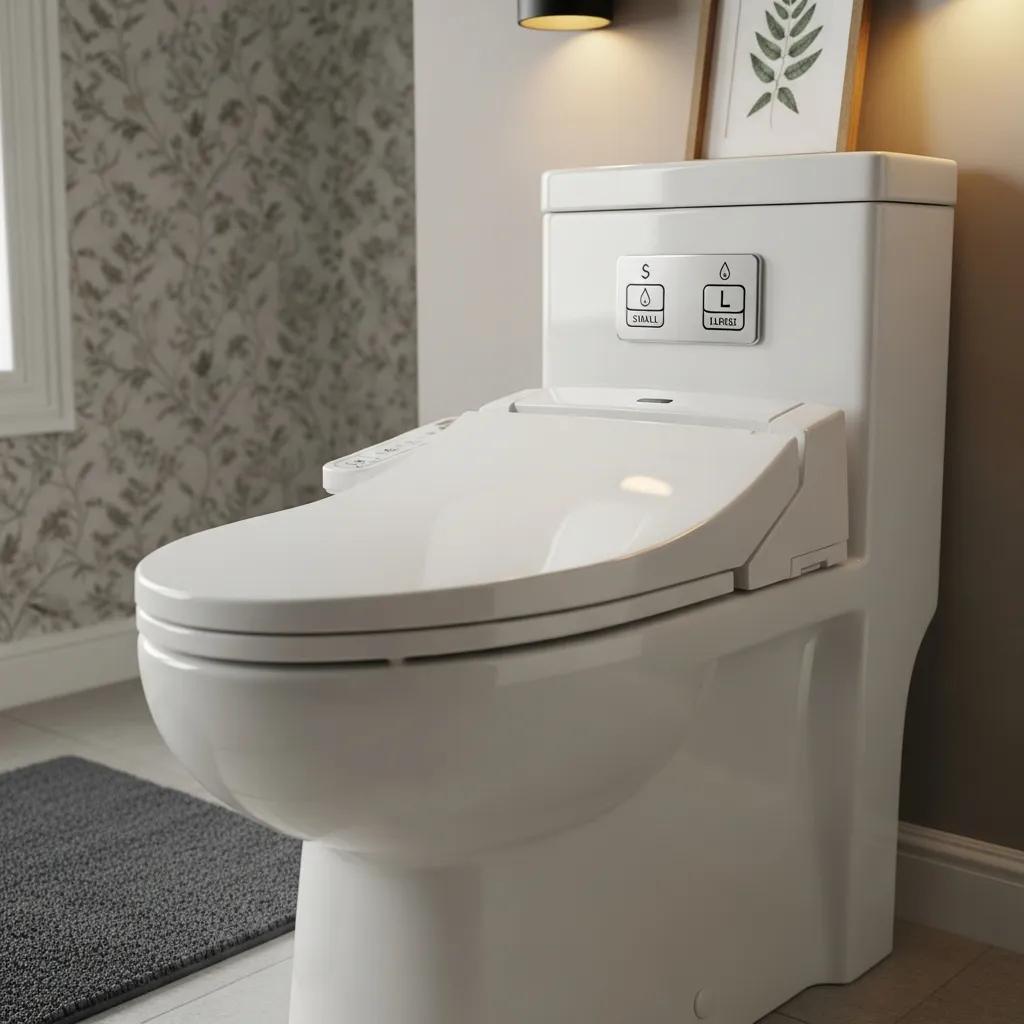
Features shape daily comfort and long-term costs. Focus on seat height, bowl shape, flush type, and water-efficiency ratings when you compare models. Comfort-height or ADA-aligned seats make sitting and standing easier; elongated bowls add comfort but take more room. Flush tech — gravity, pressure-assisted, or dual-flush — affects both clearing power and water use. Look for WaterSense certification and low GPF numbers to save water, and check MaP scores to see real-world clearing performance. The table below links features to benefits and who typically benefits most.
| Feature | Benefit | Who It’s Best For |
|---|---|---|
| Comfort height (17–19″) | Easier to sit and stand; less knee strain | Seniors, taller users, and people with mobility concerns |
| Elongated bowl | More seating comfort | Adults and shared bathrooms with space |
| Dual-flush system | Lower water use for liquid-only flushes | Environmentally conscious households |
| Pressure-assisted flush | Stronger flush with fewer clogs | High-use homes or commercial settings |
| WaterSense certification | Verified water efficiency ( | Anyone looking to cut water bills and waste |
This table helps you rank features by measurable benefit. If you’re considering pressure-assisted or tankless systems, we recommend a pro assessment to confirm your water pressure and supply can support them.
If you want help comparing advanced flush systems or tankless units, an on-site check will confirm whether your water pressure and drain layout can support the technology. Frost and Kretsch Plumbing offers measurements and installation guidance so you don’t buy a model that needs costly retrofit work. To schedule an assessment — pressure test, trapway check, or in-wall carrier evaluation — call (586) 675-0097.
What Are the Benefits of Comfort Height and ADA-Compliant Toilets?
Comfort-height toilets raise the seat to about 17–19 inches, which makes sitting and standing easier and lowers strain on knees and hips. ADA-compliant models add specific clearances and grab-bar placement guidance for safer transfers. Before you swap a standard bowl for a comfort-height unit, check vanity heights and grab-bar positions so everything lines up. Also consider compatibility with seat accessories or bidet attachments. If you’re planning broader accessibility upgrades, coordinate measurements with a licensed plumber to meet code and get the right fit.
How Do Bowl Shapes, Flush Systems, and Water Efficiency Impact Performance?
Bowl shape and flush system together determine comfort and how reliably the toilet clears waste. Elongated bowls are more comfortable but take more room; round bowls save space. Gravity-flush toilets are quiet and simple, while pressure-assisted models clear heavier loads but can be louder and cost more. Water-efficiency labels such as WaterSense mean a toilet meets performance standards at a lower GPF, and MaP scores show how much solid waste a model clears in one flush. Choosing toilets with good MaP scores and WaterSense certification helps you get steady performance without wasting water.
How to Measure and Prepare Your Bathroom for Toilet Installation?
Accurate pre-install measurements save time and money. Key dimensions are rough-in (wall to bolt center), side and front clearances, trap location, and water supply placement. Most toilets fit standard rough-ins (10″, 12″, or 14″); choosing a mismatched rough-in can cause alignment problems with the flange and trapway. Measure before you buy so you pick models that bolt and seal correctly and meet clearance rules for doors and nearby fixtures. Below is a simple step-by-step measuring checklist installers use.
Step-by-step toilet measurement checklist:
- Measure rough-in: From finished wall (not baseboard) to center of floor bolts; note exact inches.
- Check side clearances: Measure from the toilet centerline to the nearest sidewall or cabinet to confirm fit.
- Confirm front clearance: Measure from bolt line to any obstruction (door, vanity) to ensure legroom.
- Locate water supply and trap: Record positions and heights so supply lines and the flange line up.
Use this checklist to compare your measurements to standard toilet options. The table below summarizes typical outcomes so you can match models to your space.
| Measurement | What It Determines | Typical Values / Notes |
|---|---|---|
| Rough-in | Which toilet models will align with the flange | Commonly 10″, 12″, or 14″ — measure to bolt centers |
| Side clearance | Whether an elongated bowl or compact round will fit | Minimum ~15″ from centerline to side wall recommended |
| Front clearance | Comfort and code clearance for door swing | Minimum ~21″ in front of the bowl; varies by code |
| Water supply location | Ease of connecting the fill valve or need for adapter | Usually behind the bowl at floor or wall height; note offset distances |
What Is Toilet Rough-In and Why Is It Important?
Rough-in is the distance from the finished wall to the center of the toilet flange or floor bolts. It determines which toilet base will fit without moving the plumbing. Toilets are made for standard flange positions, so the wrong rough-in can leave gaps or force flange changes — which risks leaks and poor seals. Common sizes are 10″, 12″, and 14″; measure wall to bolt center (exclude baseboard) to pick compatible models. If your rough-in is unusual or the flange looks damaged, call a licensed plumber to inspect and suggest adapters or repairs before buying.
How Does Bathroom Size and Plumbing Affect Toilet Selection?
Space and plumbing limit your options. Small bathrooms often need compact round bowls or wall-hung units, while master baths can fit elongated comfort-height choices. Elongated bowls add length and may affect door swing or vanity clearance, so trap position and clearances matter. Low water pressure can rule out tankless or some pressure-assisted systems, so check supply pressure and trap condition before choosing advanced flush technology. If your layout or plumbing is tight, a licensed plumber can recommend models that work without major modifications.
Which Toilets Are Best for Specific Needs and Bathroom Types?
Matching toilet features to who uses the bathroom makes a big difference. Small spaces, seniors, families, and high-use areas each benefit from different attributes like compact footprint, comfort height, durable flush systems, or easy-clean surfaces. Pair priorities with the right type — wall-hung or corner bowls for tight rooms, comfort-height elongated bowls for seniors, pressure-assisted units for heavy-use environments. The short list below gives quick, practical recommendations by scenario.
Recommended toilet configurations by common scenarios:
- Small bathrooms: Compact one-piece or wall-hung models with round bowls to save depth.
- Seniors and accessibility: Comfort height (17–19″) or ADA-compliant models with planned grab-bar placements.
- Families and high-use homes: Durable flush systems, easy-clean surfaces, and strong MaP performance.
- Luxury or amenity-focused: Smart toilets with integrated bidet and heated seats for extra comfort.
What Toilets Are Ideal for Small Bathrooms and Limited Spaces?
In tight bathrooms, go for compact footprints: skirted one-piece toilets, round-front bowls, or wall-hung units that free floor space. These designs reduce projection and improve circulation while keeping flush performance. Keep in mind wall-hung or corner units may need in-wall reinforcement and carrier frames, so verify rough-in and structural needs before committing. Always check door swing and clearances against your measurements to avoid a cramped layout.
Which Toilets Suit Seniors, Families, and Mobility Challenges?
Seniors and people with mobility needs do best with comfort-height or ADA-compliant toilets, stable bowl geometry, and options for bidet seats to reduce physical strain during hygiene. The raised seat lowers the effort to stand, and grab bars improve safety. Families benefit from durable finishes, soft-close seats, and flush systems that resist clogging to cut down on maintenance calls. For these installs, choose licensed plumbers to ensure secure mounting and correct seat height relative to other accessibility features.
When and Why Should You Hire Professional Toilet Installation and Repair Services?
Call a pro for complex installs: wall-hung carriers, nonstandard rough-ins, tankless systems that require certain water pressure, or any situation where code compliance and leak prevention matter. Licensed plumbers make sure the flange, wax seal or gasket, and trapway line up correctly to avoid leaks under finished floors. Pros also provide warranty-backed work, code compliance, and faster troubleshooting when drain lines or supply pressure need changes. Below are scenarios where professional help is especially smart.
When to call a licensed plumber for toilets:
- Complex installs: Wall-hung, tankless, or systems that need carrier frames or altered pressure settings.
- Nonstandard rough-ins: Unusual flange positions or damaged flanges that require repair or adapters.
- Water-pressure issues: Low or inconsistent pressure that can affect pressure-assisted or tankless models.
- Emergency repairs: Leaks, continuously running tanks, or flange failure with active water damage.
What Are the Advantages of Professional Installation by Licensed Plumbers?
Licensed plumbers give precise measurements, proper flange and seal installation, and follow local codes that protect your home and warranties. They avoid common DIY mistakes — wrong rough-in assumptions, over-tightened bolts that crack porcelain, or poor trap seals that leak — which often lead to expensive rework. Professionals have access to compatible parts and can test flush performance, check MaP-level clearances, and verify shutoff valves. Hiring a licensed installer usually means faster work, less risk of damage, and documentation that supports warranties and resale disclosures.
How Can Frost and Kretsch Plumbing Support Your Toilet Needs in Michigan?
Frost and Kretsch Plumbing handles residential and commercial toilet installation, repair, and replacement across Macomb, Oakland, and Wayne counties. We offer emergency repairs for leaks or running toilets, routine installations, water-main and supply troubleshooting, and full fixture replacements done to code. We’re available 24/7 for emergencies, provide transparent pricing, and back our work with a 100% satisfaction guarantee. Our licensed technicians can measure rough-ins, check water pressure for pressure-assisted or tankless options, and install wall-hung carriers safely. To schedule an on-site estimate or emergency visit, call (586) 675-0097.
Our local experience helps ensure your chosen fixture fits both the layout and plumbing of homes in the area. If you have an unusual rough-in or plan a wall-hung or tankless toilet, professional support lowers the chance of returns and retrofit work.
What Are Common Questions About Choosing and Installing Toilets?
Homeowners usually want a quick way to weigh comfort, flush performance, and value. The core framework is: water efficiency (WaterSense & GPF), flush reliability (MaP score), physical fit (rough-in & clearances), and user comfort (height & bowl shape). The short Q&A below provides fast answers to common concerns.
- What is the best toilet to buy for your home? Pick a WaterSense-rated model with a strong MaP score, add comfort height if needed, and confirm rough-in compatibility before buying.
- How do you maintain and repair your toilet for longevity? Check seals and flappers, keep the bowl and trapway clean, and replace worn parts to prevent running and leaks.
- When should you call a plumber? Call for persistent running, leaks at the base, a wobbly bowl, or when installations need in-wall carriers or pressure checks.
What Is the Best Toilet to Buy for Your Home?
The best toilet balances water efficiency, dependable flush performance, and a fit that matches your bathroom layout. Prioritize WaterSense models with solid MaP scores to save water without sacrificing clearing power. Choose comfort height and elongated bowls for family baths, or compact round bowls for tight powder rooms. Mind rough-in and water pressure — when unsure, opt for models that fit a standard 12″ rough-in or ask a pro. Your budget and long-term maintenance goals will determine whether to stick with a basic gravity-flush model or upgrade to pressure-assisted or smart features.
How Do You Maintain and Repair Your Toilet for Longevity?
Routine care includes replacing the flapper or fill valve every few years, inspecting the wax seal when you see leaks, and cleaning bowl surfaces and trapways to prevent buildup. Warning signs that need a plumber: continuous running, repeated clogs despite normal use, wobbling that points to loose flange bolts, or odors that suggest seal failure. Regular checks — valve tests, tightening mounting bolts, and keeping seats in good condition — extend fixture life and cut emergency calls. For anything beyond basic part swaps, licensed technicians can diagnose drain or supply issues and provide warranty-friendly repairs.
Need fast installation or a repair, or want an on-site measurement and free estimate? Contact Frost and Kretsch Plumbing at (586) 675-0097 for prompt service in Macomb, Oakland, and Wayne counties. We can schedule emergency or routine visits and help you pick the right toilet for your home.
Frequently Asked Questions
What should I consider when choosing a toilet for a small bathroom?
For a small bathroom, choose compact designs like one-piece or wall-hung models that save space and simplify cleaning. Round bowls typically take up less depth than elongated bowls. Make sure your rough-in measurement matches standard sizes (10″, 12″, or 14″) to avoid installation headaches, and check door swing and fixture clearances so the space stays comfortable to use.
How can I improve the water efficiency of my toilet?
Look for the WaterSense label — those toilets use under 1.28 gallons per flush (GPF) while meeting performance standards. Dual-flush systems also help by offering a low-volume option for liquid waste. Regularly check for leaks and keep the flush mechanism working well. Upgrading to a modern, high-performing model can significantly reduce water use and lower your bills.
What are the signs that I need to replace my toilet?
Replace a toilet if you have persistent leaks, visible cracks in the porcelain, frequent clogs, or a constantly running tank. Older toilets (25+ years) are usually less efficient and more failure-prone. Water around the base or unusual flushing noises are also signs of hidden problems. A licensed plumber can advise whether repair or replacement is the smarter choice.
How do I know if I need a professional for toilet installation?
Hire a professional for complex installs like wall-hung or tankless models, or when your bathroom has nonstandard rough-in measurements or water-pressure concerns. A licensed plumber ensures proper alignment, code compliance, and a reliable, leak-free installation. If you’re unsure about doing the job safely and correctly, professional installation is the best way to avoid mistakes.
What maintenance tasks should I perform regularly on my toilet?
Regular maintenance includes checking the flapper and fill valve, inspecting the wax seal if you see leaks, and cleaning the bowl and trapway to prevent buildup. Make sure mounting bolts are tight and the toilet sits stable. Address continuous running or clogs promptly to avoid bigger issues — routine checks extend life and reduce emergency repairs.
Can I install a toilet myself, or should I hire a plumber?
Some homeowners can handle a standard toilet swap, but hiring a plumber is recommended if you’re unsure about plumbing systems or if the install is complex. Professionals prevent leaks, ensure code compliance, and handle unexpected issues like nonstandard rough-ins. If you want peace of mind and a warranty on the work, choose a licensed installer.
Conclusion
Choosing the right toilet improves comfort, saves water, and makes daily life easier. By understanding types, features, and installation needs, you’ll pick a model that fits your home and budget. For help with measurements, compatibility checks, or professional installation, reach out to licensed plumbers who can make the process smooth and code-compliant. Contact our team to find the best toilet solution for your bathroom.