How to Unclog a Toilet Fast: Quick Remedies and Expert Solutions for Clogged Toilet Repair
A clogged toilet is an unexpected hassle that can quickly turn into water damage or a health concern if left unchecked. Quick action and the right approach usually prevent bigger problems.
This guide walks you through common causes of toilet blockages, prioritized DIY fixes you can try safely, signs that a clog is an emergency, and the professional tools and services that stop repeat problems for good.
You’ll learn which plunger to use, when household fixes like dish soap and hot water help, and when it’s wiser to stop DIY and call a plumber. We also compare common homeowner methods with pro options — toilet augers, drain snakes, hydro jetting, and camera inspection — so you can match symptoms to the right solution. By the end you’ll have clear, practical rules for quick fixes, emergency indicators, and prevention habits that reduce future clogs.
What Are the Common Causes of a Clogged Toilet?
Toilets clog when the toilet trap, S-bend, or a downstream sewer line is blocked and water can’t flow normally. Typical causes include too much toilet paper, non-flushable wipes, sanitary products, or small objects pushed into the bowl. Sometimes the issue is outside your home — tree roots, collapsed pipe sections, or grease buildup in commercial systems create symptoms that plunging won’t fix. Identifying the likely cause helps you decide whether a quick DIY remedy will work or if you need professional help. The section below shows the usual offenders and the symptoms they create so you can size up the problem before you act.
Common causes and how they usually show up:
- Excessive toilet paper: Large clumps slow flow and often respond well to a plunger.
- Wet wipes and sanitary products: These expand and tangle in the trap, creating stubborn clogs that basic plunging often won’t clear.
- Foreign objects (toys, small items): Objects can get lodged past the rim into the trap and cause immediate, persistent blockages.
Symptoms that point to the root cause:
- Slow drain in one fixture usually signals a localized toilet trap clog.
- Multiple slow drains or gurgling suggest a main sewer-line issue that needs professional tools to diagnose and fix.
- Sewage odor or yard sinkholes indicate serious sewer problems beyond DIY repair.
Which Household Items and Behaviors Lead to Toilet Blockages?
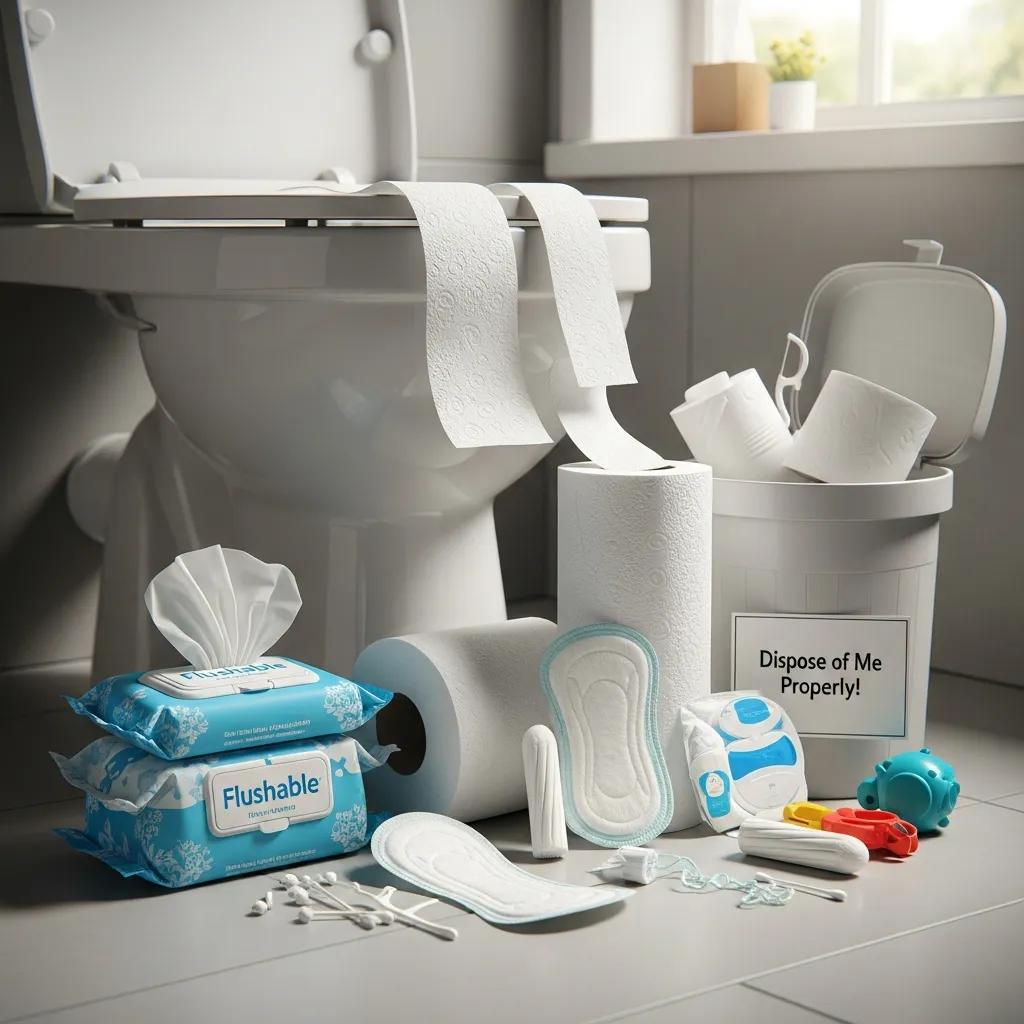
Most residential clogs come from items people flush by habit. Wet wipes, paper towels, feminine products, dental floss, and similar non-degradable items usually catch in the trap or travel down the line and cause backups. In commercial or shared bathrooms, grease and heavy solids can build up over time and narrow pipes, raising the chance of sudden clogs. To reduce risk: toss non-flushables in a trash bin, use moderate amounts of toilet paper per flush, and remind household members or tenants what not to flush. These simple habits cut the number of clogs and make quick homeowner fixes more likely to succeed.
How Do Sewer Line Issues Affect Toilet Clogs?
If the blockage sits past the toilet — in the sewer main or lateral line — symptoms move from a single slow bowl to multiple fixtures acting up, often with gurgling sounds and sewer smells. Root intrusion, grease mats, collapsed pipe sections, or a blocked municipal line can back water into low points like toilets, basement drains, or shower pans. Plunging or enzyme cleaners rarely fix these conditions because the obstruction is out of reach, and repeated DIY attempts can push debris farther or damage the line. Spotting these signs early saves time and redirects you to professional inspection and cleaning that address the underlying sewer issue.
What Are the Most Effective DIY Toilet Clog Solutions?
For most household clogs, follow a step-by-step approach from least to most invasive: plunge correctly first, try safe household remedies next, and use a toilet auger only if needed. This sequence lowers the risk of damaging fixtures or pipes and maximizes the chance of a fast fix. A basic kit — flange plunger, rubber gloves, bucket, dish soap, and hot (not boiling) water — will handle about 80% of minor clogs. If these steps don’t clear the problem, or if multiple fixtures are affected or sewage is present, stop and call a licensed plumber to avoid worsening the situation.
Quick how-to summary for the top three DIY methods:
- Plunge first to force out trap obstructions.
- Use dish soap + hot water if plunging doesn’t work and there’s no sewage exposure.
- Try baking soda + vinegar or enzyme cleaners for organic buildup, but never mix chemical products.
| Method | Best for | Time-to-effect | Risk / When to stop |
|---|---|---|---|
| Flange plunger | Standard trap clogs | Minutes | Stop if water rises uncontrollably or sewage is present |
| Hot water + dish soap | Grease or soft paper clogs | 10–30 minutes | Avoid boiling water; stop if no improvement after two attempts |
| Baking soda + vinegar / enzymes | Organic buildup | Several hours to overnight | Do not mix with chemical cleaners; stop if multiple fixtures are affected |
How To Use a Toilet Plunger Effectively for Minor Clogs?
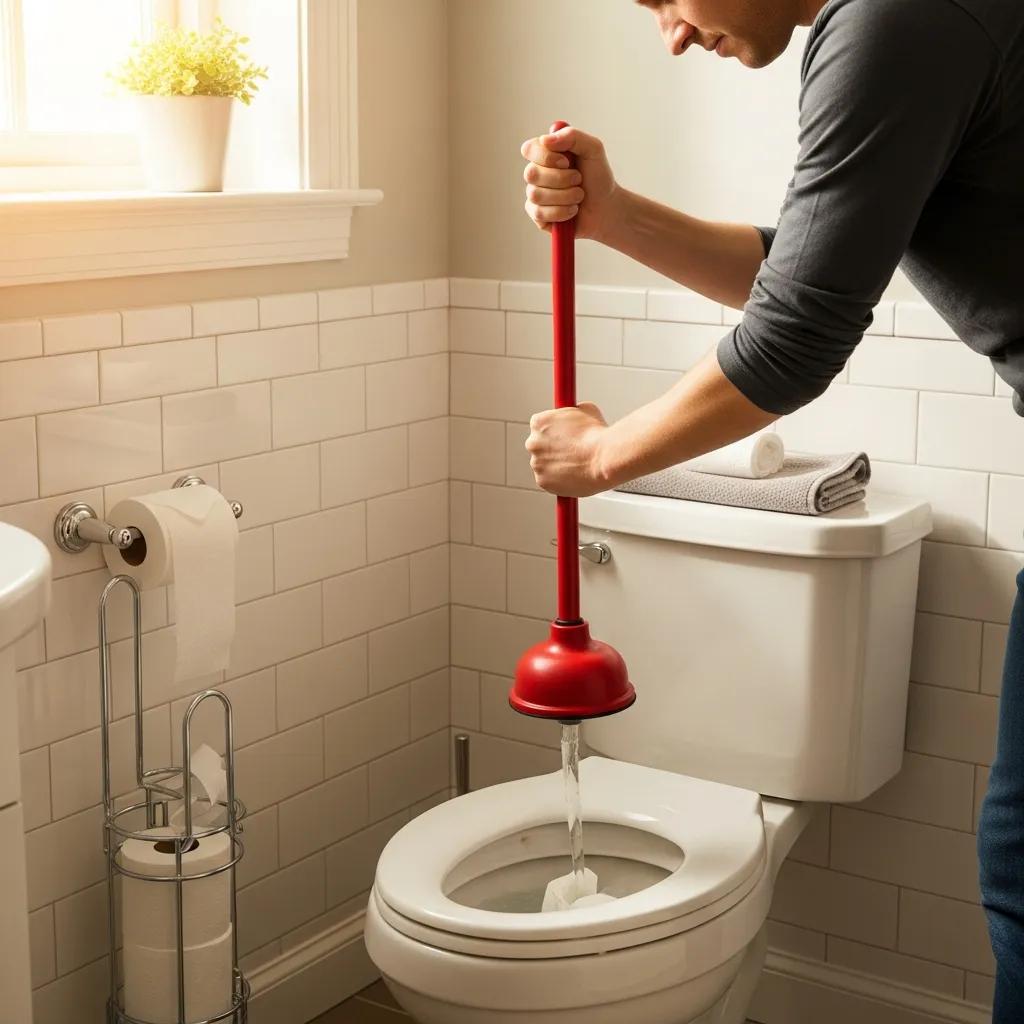
Use a flange-style plunger for toilets — it seals the bowl outlet and uses pressure to dislodge material in the trap. Fit the flange into the outlet, get an airtight seal, then use slow push-pull motions to compress air before pumping with firmer strokes (10–20 pumps), then test the flush. Warm water in the bowl improves the seal and helps break up material. Wear gloves and clean the plunger head after use. If plunging moves the water but doesn’t clear the clog after several attempts, don’t overdo it — an auger or pro service is the safer next step.
Which Household Remedies Work Without a Plunger?
If you don’t have a plunger, a few household remedies can clear soft clogs if used carefully. Pour a generous amount of dish soap into the bowl, wait a few minutes, then add hot (not boiling) water to lubricate and break up paper or grease — this often works in 10–30 minutes. A measured baking soda and vinegar reaction can loosen organic residue over a longer period; add baking soda, pour vinegar, wait, then flush with hot water, allowing overnight for best results in non-emergencies. Enzyme-based cleaners are gentle for maintenance but act slowly and aren’t suited for urgent backups. Never mix these with caustic chemical drain cleaners — dangerous reactions can result.
Before trying more invasive tools, run through this quick safety checklist:
- Ensure no sewage present before pouring liquids.
- Avoid boiling water — it can crack porcelain.
- Don’t mix cleaners — combinations can produce toxic gases or corrosive solutions.
The table below summarizes when each DIY method makes sense.
| Approach | Use-case | Typical result time | Homeowner requirement |
|---|---|---|---|
| Plunger | Simple trap obstruction | Immediate | Flange plunger, basic technique |
| Dish soap + hot water | Grease/paper | 10–30 minutes | Hot water, patience |
| Baking soda + vinegar | Organic residue | Several hours | Wait time; good for maintenance |
When Should You Call a Professional for Clogged Toilet Repair?
Contact a licensed plumber when a clog shows emergency signs, persists after safe DIY attempts, or affects multiple fixtures. Waiting can increase water damage and health risks. Emergency indicators include uncontrolled overflow, sewage backing into other drains, strong sewage odors, or visible signs of a collapsed sewer line. Call a pro sooner rather than later when root intrusion, repeated clogs, or heavy grease buildup are likely causes — those usually need specialty equipment or excavation. Acting quickly reduces property damage, stops contamination, and allows a trained technician to diagnose the root cause before it becomes worse.
What to watch for and what to do immediately:
- Overflowing toilet that won’t stop: Turn off the toilet’s water supply and don’t flush; call a plumber right away.
- Sewage in multiple fixtures: Avoid using water in the house — this often means a main sewer problem that needs a licensed technician.
- Strong sewage odor or visible backup: Isolate the area, ventilate if safe, and arrange professional cleanup to reduce health risks.
What Are the Signs That Indicate Emergency Toilet Unclogging Is Needed?
Emergency signs are clear: uncontrolled overflow, sewage backing into tubs or sinks, and persistent foul odors point to a severe blockage or a failed sewer main. Continuing DIY attempts in these cases can worsen the situation by pushing debris deeper or spreading contaminated water, increasing cleanup and repair costs. Immediate steps include shutting off the toilet fill valve, stopping water use in the home, and keeping people and pets away from the affected area until help arrives. Prompt containment and a professional response let technicians use diagnostic tools like cameras to find the issue precisely.
How Can Frost and Kretsch Plumbing Help With Severe Toilet Blockages?
Frost and Kretsch Plumbing offers emergency response and full sewer and drain services across Macomb, Oakland, and Wayne counties in Michigan. Our licensed technicians handle severe toilet blockages with transparent pricing and clear communication. We provide professional drain cleaning, hydro jetting for grease and root removal, and sewer camera inspections to locate damage or deep blockages. Our team is available 24/7, gives upfront estimates, and stands behind their work with a 100% satisfaction guarantee. If a clog meets emergency criteria or repeated DIY attempts haven’t worked, contacting a licensed service like ours ensures the problem is fixed correctly and with predictable costs.
What Advanced Tools and Methods Are Used for Toilet Blockage Removal?
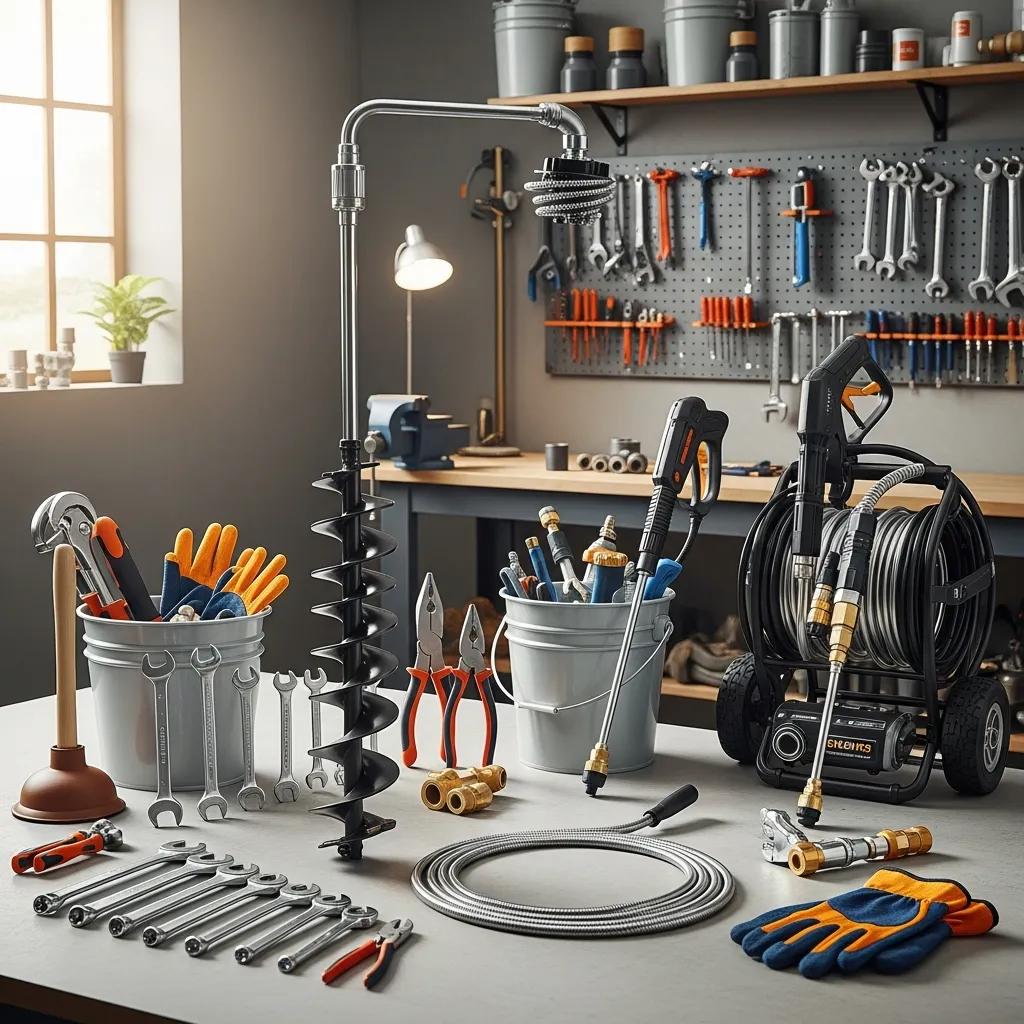
Professional technicians use specialized tools — toilet augers, motorized drain snakes, hydro jetting units, and sewer cameras — to clear blockages safely and diagnose issues beyond the toilet trap. A toilet auger reaches past the trap to break up or retrieve lodged debris; heavier snakes and rooters cut through tougher obstructions deeper in the line. Hydro jetting blasts high-pressure water to scour pipe interiors and remove grease, scale, and roots more completely than mechanical cutting. Sewer cameras give a visual of pipe condition so repairs are targeted and evidence-based. These techniques require training and equipment not suited for DIY use; when clogs are repeated or the line shows damage, professional diagnosis is the right move.
Here’s a practical comparison of advanced tools and when each is used.
| Tool | Typical use-case | Professional requirement | Expected outcome |
|---|---|---|---|
| Toilet auger | Trap-level blockages | Low–moderate | Retrieve or break objects just past the trap |
| Motorized drain snake | Deep obstructions | Moderate | Cut through dense clogs |
| Hydro jetting | Grease, roots, scale | High (trained tech) | Thorough pipe cleaning; lowers recurrence |
| Sewer camera | Diagnosis | High | Pinpoints damage and blockage location for repair |
How Does a Toilet Auger or Snake Work for Stubborn Clogs?
A toilet auger feeds a flexible cable past the bowl trap and uses a hooked head to push through or retrieve material that resists plunging. Home-grade augers are intended for careful homeowner use, but excessive force or poor technique can damage porcelain or internal parts. Professional snakes and motorized units offer greater reach and cutting power for deep or fibrous clogs. An auger either breaks the obstruction into passable pieces or hooks and pulls it out, restoring flow without chemicals. If an auger can’t clear the line, or you suspect a main-line issue, stop DIY attempts and schedule a licensed inspection to prevent pipe damage or incomplete clearing.
What Are the Benefits of Hydro Jetting for Severe Sewer Line Clogs?
Hydro jetting uses high-pressure water to blast away grease, scale, roots, and accumulated debris from pipe interiors. It provides a more thorough clean than mechanical cutting alone, reduces the chance of repeat clogs, and avoids harsh chemicals — an environmentally preferable solution. Because it requires pressure-rated equipment and trained technicians to avoid pipe damage, hydro jetting is a professional-only service, typically recommended when camera inspection shows heavy buildup or root intrusion. Properly applied, hydro jetting clears current blockages and lengthens the time between maintenance cycles.
How Can You Prevent Future Toilet Clogs?
Preventing clogs combines everyday habits, periodic maintenance, and targeted treatments to limit organic buildup and avoid flushing foreign objects. Key practices: flush only human waste and toilet paper, dispose of wipes and sanitary products in the trash, and watch for early signs of slow drainage. Regular professional inspections and enzyme-based maintenance treatments help keep lines clear, and educating household members or tenants on proper disposal cuts preventable incidents dramatically. These routines preserve plumbing health, reduce emergency calls, and extend the life of your drain system.
What Are Best Practices for Toilet Maintenance and Clog Prevention?
A simple maintenance routine prevents most household clogs and keeps small issues from becoming emergencies. Monthly: check for slow drains, listen for gurgling while other fixtures run, and remove visible debris from the bowl rim. Quarterly or semi-annual enzyme treatments help control organic buildup, and a professional camera inspection once a year (or when slow drains recur) catches early sewer-line problems. Combine these habits with clear household rules about flushing, and add occasional professional cleaning to keep everything flowing smoothly.
| Preventive action | Frequency | Benefit | Effort required |
|---|---|---|---|
| Proper flushing habits | Continuous | High | Low |
| Enzyme drain treatments | Monthly–quarterly | Moderate | Low |
| Professional camera inspection | Annually/as needed | High | Moderate |
How Do Smart Plumbing Technologies Help Detect and Prevent Clogs?
Smart plumbing tools — flow monitors, leak detectors, and scheduled remote camera inspections — give early warning of abnormal flow or slow drains before they become full clogs. Flow monitors flag deviations from normal use, while leak sensors and automatic shutoffs limit damage from overflow events. Adding regular camera checks to a maintenance plan creates a record of pipe condition, so targeted services like hydro jetting are used only when needed. Early detection lowers emergency repair costs and fits well into a prevention-first approach for both homes and businesses.
Combining good habits, routine maintenance, and the right technology keeps toilets flowing and plumbing systems healthy.
Frequently Asked Questions
What should I do if my toilet is overflowing?
First, shut off the water supply behind the toilet to stop more water from entering the bowl. Do not flush. If the water stays down, try a plunger; if it keeps overflowing or you smell sewage, call a professional. Acting fast limits water damage and health risks.
How can I tell if my toilet clog is a sign of a bigger plumbing issue?
If multiple fixtures back up, drains gurgle, or you notice persistent sewage odors, the problem likely lies in the main sewer line. In those cases, a licensed plumber should inspect the system — DIY methods usually won’t fix main-line problems and can make them worse.
Are there any long-term solutions to prevent toilet clogs?
Yes. Flush only human waste and toilet paper, use enzyme-based treatments periodically, and schedule professional inspections when slow drains recur. Educating household members or tenants about what not to flush is one of the most effective long-term steps.
What are the risks of using chemical drain cleaners for toilet clogs?
Chemical drain cleaners can damage pipes, especially older ones, and often fail to clear tough blockages. They can also create hazardous fumes and chemical burns. Mechanical methods or a professional plumber are safer for stubborn clogs.
How often should I have my plumbing inspected for potential issues?
We recommend an annual inspection, especially if you’ve had recurring clogs or slow drains. Regular checks help catch problems early — like root intrusion or pipe damage — before they become costly emergencies.
Can I use a toilet auger myself, or should I hire a professional?
You can use a homeowner-grade toilet auger for minor, trap-level clogs if you follow the instructions carefully. For deep, stubborn blockages or if you’re unsure, hire a professional — they have the right tools and experience to avoid damage and fully clear the line.
What are the benefits of using smart plumbing technologies for clog prevention?
Smart tools provide early warnings — they spot abnormal flow patterns and leaks before they escalate. That early detection, combined with scheduled camera inspections, helps you address problems proactively and can reduce long-term repair costs.
Conclusion
Handling a clogged toilet quickly and correctly prevents bigger headaches later. Start with safe DIY steps for simple clogs, watch for emergency signs, and call a licensed plumber when problems persist or affect multiple fixtures. For professional help in Macomb, Oakland, and Wayne counties, Frost and Kretsch Plumbing is ready with experienced technicians and transparent service. Follow the prevention tips here to keep your plumbing running smoothly and avoid repeat issues.