
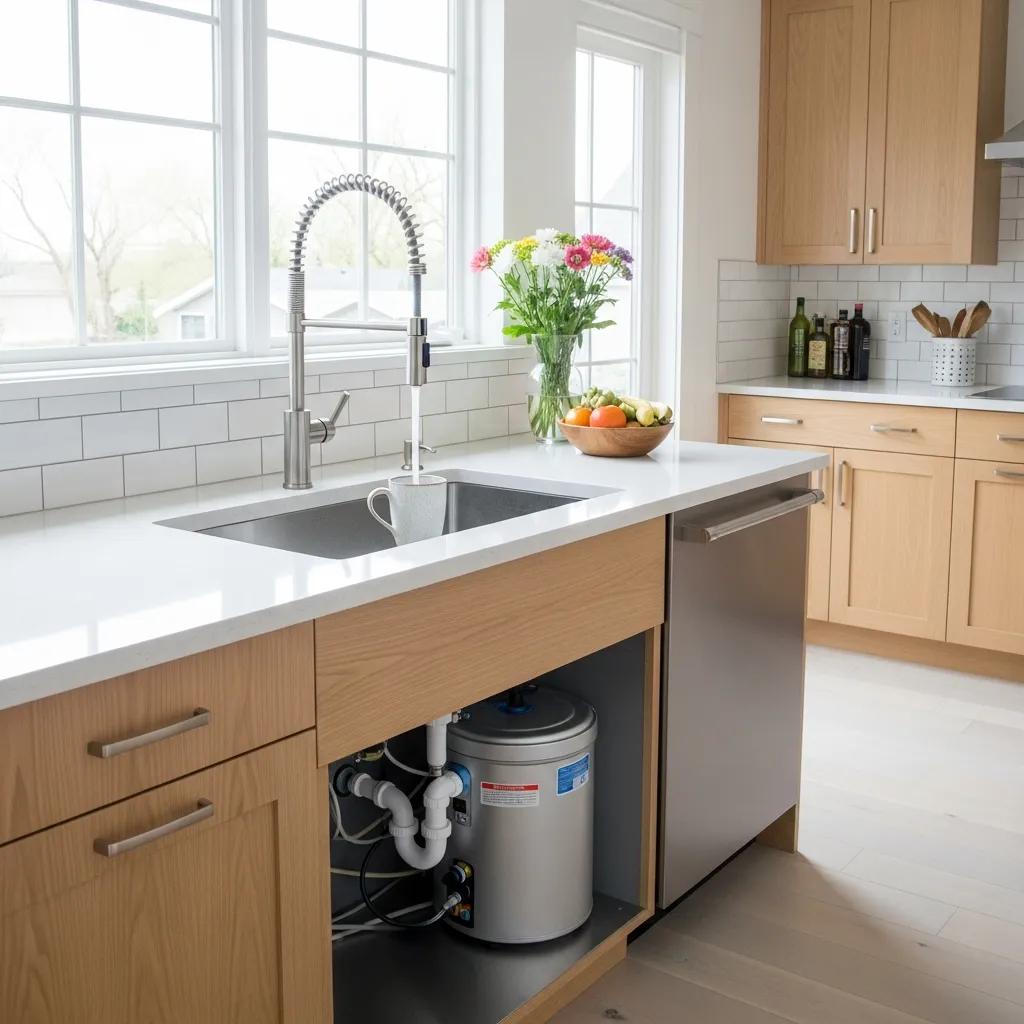
Recirculating Hot Water Systems: Instant Hot Water and Real Energy Savings for Grosse Pointe Homes and Businesses
Waiting for hot water wastes time and gallons. A recirculating hot water system fixes that by keeping hot water moving through a loop so faucets and fixtures deliver warm water the moment you turn them on. This guide explains how recirculating and demand hot water systems work, estimates typical water and energy savings, and walks Grosse Pointe homeowners and business owners through installation, maintenance, and choosing the right system. You’ll learn the core parts of a recirculation loop, the difference between dedicated return lines and under‑sink crossover setups, common pump power and payback timelines, and practical steps for new construction and retrofit projects. We also include side‑by‑side comparisons, clear checklists for sizing and budgeting, and easy tables that match system types to installation complexity, pump wattage, water savings estimates, and cost ranges. Real examples and troubleshooting tips make it easier to decide whether a demand‑controlled pump, a continuous pump, or a tankless + recirculation hybrid is best for your Grosse Pointe property. Ready for a site assessment? We outline local service options and next steps so you can move from planning to action with confidence.
What Are Recirculating Hot Water Systems and How Do They Provide Instant Hot Water?
A recirculating hot water system keeps hot water moving through your supply piping so fixtures receive hot water immediately, which cuts waiting time and prevents wasted water. The system uses a pump to push water around a loop and either a dedicated return line or a crossover valve that lets cooled water at fixtures return to the heater; sensors or timers control the pump to reduce energy use. You get instant hot water because the pipes near your taps hold warm water instead of cold that must be run off. Understanding these basics helps you weigh retrofit effort against long‑term savings, which we cover next.
Definition and Key Components of Hot Water Recirculation Pumps
The recirculating pump is the system’s core — it moves heated water through the pipes so hot water is ready at fixtures and wait time drops. Pumps come in demand‑controlled and continuous styles: demand units work with sensors, timers, or motion detectors, while continuous pumps keep a low‑flow loop moving at all times. Both setups need check valves and often include a sensor/valve assembly for efficient operation. The return path can be a dedicated return line in new builds or an under‑sink crossover valve for retrofits; other parts like isolation valves, thermostatic mixers, and strainers affect durability and serviceability. Knowing each component’s role clarifies maintenance needs and shows where professional installation brings the most value — we compare loop designs next.
How Demand Hot Water Systems Work: Dedicated Return Line vs. Crossover Systems
A dedicated return line creates a true loop with separate supply and return piping, keeping hot water close to fixtures and minimizing mixing at endpoints. A crossover, or comfort, system uses an under‑sink valve or a pump‑with‑sensor‑valve arrangement that returns cooled water to the heater through the cold line during a demand event — a retrofit option that avoids opening walls but can increase cold‑line cycling slightly. Dedicated loops are usually the best choice for new construction or major remodels because they deliver top performance and lowest water waste. Crossover systems suit existing plumbing and moderate use patterns. Your choice depends on budget, how much disruption you’ll tolerate, and expected usage — all good reasons to compare benefits before deciding.
What Are the Benefits of Energy Saving Hot Water Recirculation?
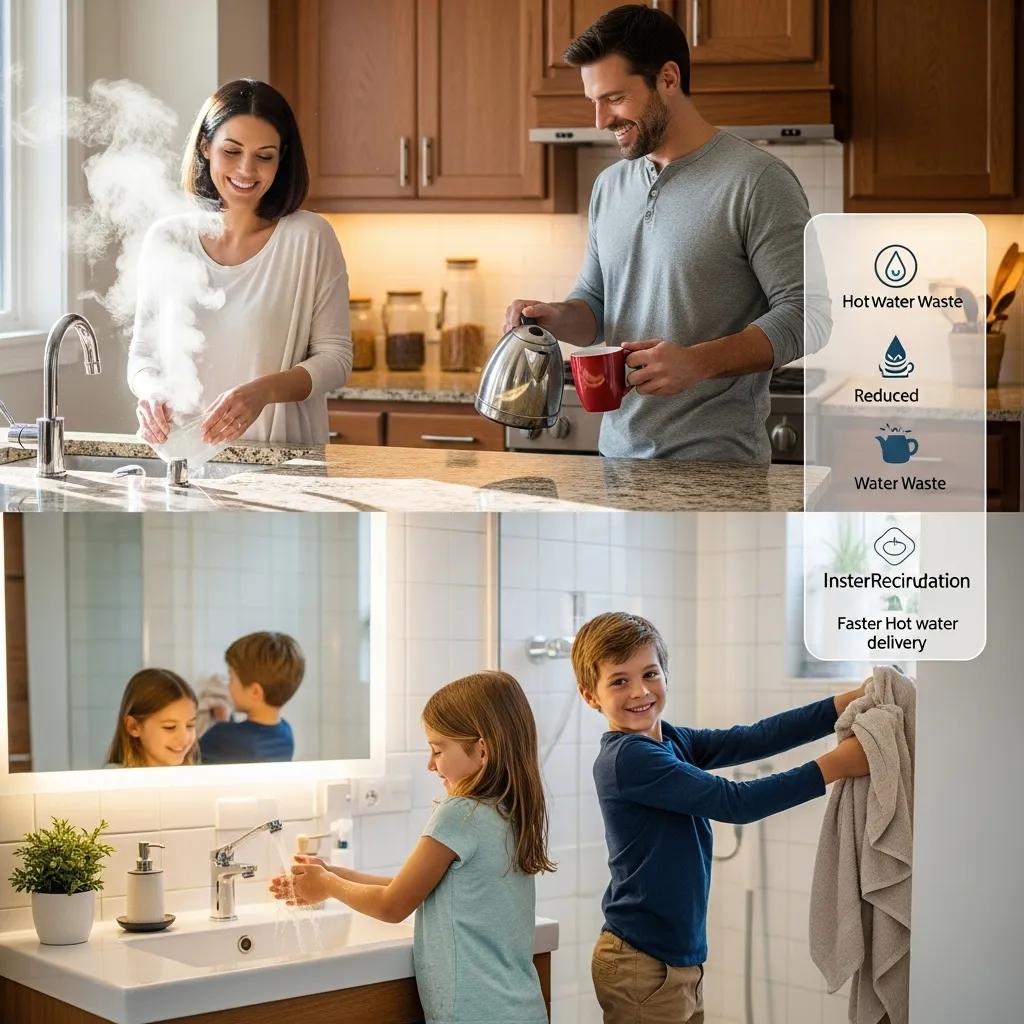
Recirculating hot water systems cut wait time, save municipal water, and — when paired with demand controls — limit energy use while improving day‑to‑day convenience. Actual savings depend on household size and habits, but a well‑designed system can save thousands of gallons per year, reduce water‑heating waste, and often pay back within a few years depending on pump type and controls. Energy‑efficient pumps combined with timers, motion sensors, or smart controls run only when needed, keeping electrical draw low and producing net utility savings that can offset installation costs. Those practical benefits are why a professional assessment is worth considering.
The table below ties common benefits to typical metrics so you can compare expected impacts at a glance.
Different benefits can be compared by measurable metrics to evaluate system impact.
| Benefit | Typical Metric | Typical Range / Value |
|---|---|---|
| Water saved per household | Gallons/year | 3,000 – 15,000 gallons |
| Pump energy draw | Watts (idle/active) | 5 – 60 watts depending on model |
| Estimated electrical use | kWh/year (demand vs continuous) | Low single-digit to low double-digit kWh/year for demand systems |
| Typical payback period | Years | 1 – 3 years depending on water costs and usage |
In short: demand‑controlled recirculation often delivers large water savings with a small electrical footprint and competitive payback compared with other efficiency upgrades.
We group the main benefits into clear categories so you can weigh what matters most to your household or business.
- Immediate convenience: Instant hot water saves time and smooths daily routines.
- Water conservation: Less cold water flushed down the drain reduces household use and strain on local resources.
- Energy savings potential: Demand controls cut pump runtime and lower net electricity use.
- Less wear on fixtures: Shorter flush cycles reduce faucet and valve wear, cutting maintenance over time.
These categories show how recirculation systems address both behavioral waste and plumbing inefficiency. When you’re ready to move forward, Frost & Kretsch Plumbing offers local assessments and free estimates to match the right system to your building and usage. Call Frost & Kretsch Plumbing at (313) 881-2818 to schedule a free estimate and get started.
How Is a Recirculating Hot Water System Installed and Maintained in Grosse Pointe?
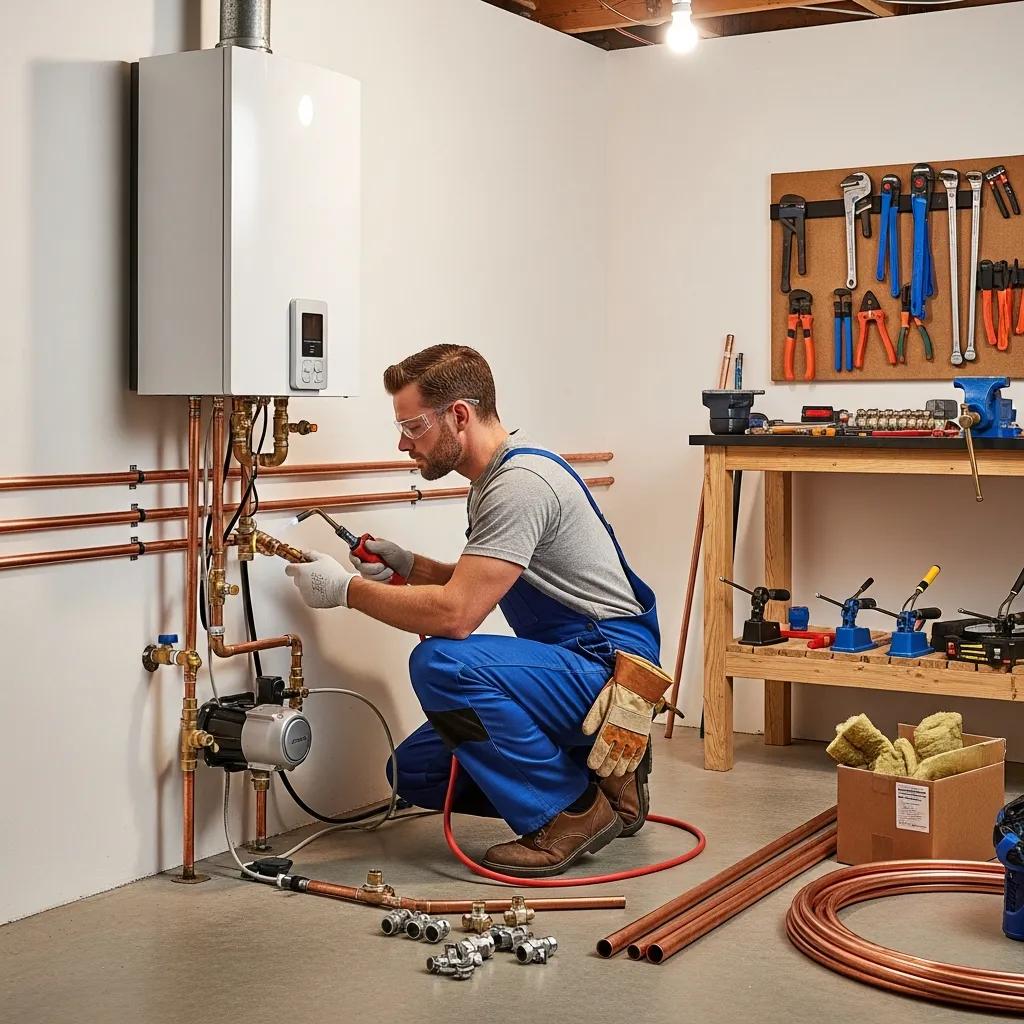
Installation varies between new construction and retrofits, but most projects follow a clear sequence: plan the loop and control strategy, choose the pump and its location, run or adapt piping, install sensors or valves, then commission and test the system while briefing the owner. Proper permits and code compliance matter — installers check pipe sizing and pressure balance to avoid noise or cross‑connection issues. Maintenance is straightforward: inspect check valves and strainers, listen for unusual pump noise, and recalibrate sensors or replace seals when needed to keep efficiency intact. Knowing what installation and upkeep involve helps you budget and decide when to call a licensed professional.
Installation Process for New Construction and Retrofit Demand Hot Water Systems
In new construction, installers typically add a dedicated return loop during framing, placing the pump at the heater or a central manifold and running a return line to each hot branch for consistent temperatures at endpoints. Retrofits typically use an under‑sink crossover valve or a pump‑with‑sensor‑valve mounted at the furthest fixture to return cooled water to the heater, which minimizes wall or floor disruption. Typical steps include mapping hot water runs, selecting pump and control types, tying into return/cold lines as needed, pressure‑testing the loop, and programming demand controls or timers. Expect modest disruption for most retrofits and more extensive work when adding a dedicated loop; professional installers handle the sequence and permit work to keep the job running smoothly.
Frost & Kretsch Plumbing performs site assessments to recommend whether a dedicated loop or a retrofit crossover best fits your home or business, and we provide free estimates and scheduling. Our licensed technicians handle permits and give a clear scope so you know timelines and expected disruption before we start.
Common Maintenance and Troubleshooting for Hot Water Recirculation Pumps
Routine maintenance keeps the system quiet and reliable: clean strainers and filters, confirm check valves seat properly, and listen for unusual pump sounds that can indicate bearing wear or air in the line. For demand systems, check sensor and timer settings seasonally and inspect wiring or battery backups; for continuous pumps, monitor baseline current draw for gradual increases that suggest bearing or impeller wear. Simple homeowner troubleshooting includes cycling power to reset controls, checking isolation valves, and flushing strainers. If flow or temperature issues persist, call a licensed technician — regular maintenance extends pump life and keeps energy use aligned with the design.
Following these maintenance steps reduces the chance of premature pump failure and keeps your instant hot water working dependably.
The table below summarizes installation steps and typical differences between new construction and retrofit work.
Installation tasks differ by scenario; this table clarifies responsibilities and likely disruption.
| Phase | New Construction | Retrofit |
|---|---|---|
| Required parts | Dedicated return piping, pump, manifold, controls | Crossover valve, compact pump-with-sensor, fittings |
| Average time | 1–2 days within new build schedule | 2–8 hours typical depending on access |
| Disruption level | Low if planned during framing | Moderate; under-sink or heater access work |
| Professional tasks | Loop design, pump sizing, code compliance | Valve selection, pump placement, pressure testing |
Which Recirculating Hot Water System Is Right for Your Home or Business?
Choosing the right system starts with your building size, peak hot water demand, and renovation limits. Match those factors to system types: demand‑controlled recirculation for energy‑minded properties, continuous pumps for high‑use commercial sites, or tankless + recirculation hybrids where quick recovery and circulation matter. Consider installation complexity, upfront cost, and long‑term operating patterns — a small household may prefer a demand system with motion sensors, while a large multi‑bath home or facility with simultaneous demand might need a dedicated return loop. Comparing these attributes against local water costs and usage patterns gives a practical selection framework for Grosse Pointe properties.
Comparing Demand Hot Water Systems and Continuous Recirculation Pumps
Demand systems run only when hot water is requested — triggered by sensors, timers, or push buttons — which minimizes electricity use and heat loss during idle times. Continuous recirculation pumps keep a low constant flow to hold temperatures across the network, giving simple, always‑ready hot water but typically higher thermal losses unless you add insulation and smart controls. Demand systems usually use very low wattage and lower energy costs; continuous systems suit locations needing near‑constant hot water or where usage is unpredictable. Your priorities — energy, convenience, or heat loss tolerance — will guide the choice.
Below is a quick comparison to help you decide, showing installation complexity, pump wattage ranges, estimated water savings, best use cases, and approximate costs.
| System Type | Installation Complexity | Typical Pump Wattage | Water Savings Estimate | Ideal Use-Case | Approx. Cost Range |
|---|---|---|---|---|---|
| Demand-controlled | Low–Medium | 5–30 W | 3,000–12,000 gal/yr | Small households, retrofits | Moderate |
| Continuous recirculation | Medium | 20–60 W | 2,000–8,000 gal/yr | High-use facilities | Moderate–High |
| Tankless + recirc hybrid | High | 10–50 W (pump) | 4,000–15,000 gal/yr | High-efficiency, space-constrained systems | Higher upfront |
Factors to Consider: Home Size, Usage, Budget, and Local Regulations
Look at peak simultaneous hot water events, distance from the heater to fixtures, and whether a remodel allows adding return lines — these directly affect performance and cost. Weigh upfront installation against lifetime water and energy savings, and check for local rebates or code requirements that might influence your decision. For businesses, factor in health‑code rules for handwashing stations and continuous demand. Always verify local plumbing codes and municipal water rules in Grosse Pointe; working with a local licensed plumber during planning reduces permit surprises and shortens timelines.
Use the following checklist during an on‑site assessment or when requesting estimates.
- Assess peak demand times and the number of fixtures.
- Map pipe runs and distance to the heater or manifold.
- Compare upfront cost against expected water and energy savings.
- Verify local code and permit requirements before finalizing the design.
After reviewing these items, you can prioritize convenience, conservation, or cost‑effectiveness when choosing the right recirculation solution.
Why Choose Frost & Kretsch Plumbing for Your Instant Hot Water Solutions in Grosse Pointe?
Frost & Kretsch Plumbing serves Grosse Pointe and nearby communities with practical, local know‑how. We handle water heater services — including tankless and energy‑saving options — and install modern recirculating systems correctly the first time. Our focus is clear communication about scope and cost and recommending the right system for your needs rather than overselling. With licensed technicians local to the area, we guide customers from site assessment through commissioning and beyond.
Licensed Technicians, Transparent Pricing, and 24/7 Emergency Service
Our team is licensed and insured, and we provide transparent, upfront pricing so you know the scope and cost before work begins. We also offer 24/7 emergency service with prompt response times when hot water problems can’t wait — a real plus for businesses and homeowners alike. These features help reduce downtime and simplify permitting and inspections, giving you peace of mind during installation and ongoing maintenance.
Customer Satisfaction and Free Estimates for Energy Saving Hot Water Recirculation
We offer free estimates and stand behind our work with a satisfaction guarantee, so you can explore options without upfront cost and with confidence. For Grosse Pointe property owners comparing dedicated loops versus retrofit solutions, a free estimate gives you a clear scope and model recommendations. To request a site assessment or schedule service, call Frost & Kretsch Plumbing at (313) 881-2818 and tell us about your project.
What Are Common Questions About Hot Water Recirculation Pumps?
Below are concise answers to the top questions homeowners and businesses ask. These quick explanations remove uncertainty about cost, energy use, and suitability — and help you decide whether to request a site assessment.
How Much Does a Recirculation Pump Cost and Is It Worth It?
Costs vary by configuration: simple under‑sink crossover retrofits are the least expensive, while dedicated return loops in new construction involve higher material and labor costs. Main cost drivers are pump type, whether a dedicated return is needed, control sophistication (timers, sensors, smart features), and local labor rates. Many properties see payback in 1–3 years from water savings and reduced heating waste when demand controls are used, so the investment often makes sense for owners who value conservation and convenience. For an accurate estimate tailored to your layout and use, request a free assessment.
Do Hot Water Recirculating Pumps Waste Water or Energy?
Demand‑controlled pumps are designed to avoid wasting water and energy — they run only when hot water is requested, using very little electricity and limiting thermal losses. Continuous pumps can increase thermal losses if not insulated or managed with setback controls, but they still cut water waste by keeping hot water near fixtures. Typical demand pumps draw far less power than major appliances, and smart controls further reduce net energy use compared with the waste that occurs while waiting for hot water at distant taps. If you’re unsure which approach minimizes both water and energy for your property, a site evaluation will clarify the tradeoffs.
For tailored recommendations, Frost & Kretsch Plumbing offers free estimates and site assessments to determine the most efficient configuration and calculate expected payback based on local usage patterns; call (313) 881-2818 to schedule an assessment.
- Instant Hot Water: Cuts wait time and eliminates wasted cold water.
- Demand Control: Runs pumps only when needed to minimize energy use.
- Retrofit Options: Allow upgrades without major demolition in many homes.
These points summarize why recirculation systems are often an efficient balance between convenience and conservation.
Frequently Asked Questions
1. What factors should I consider when choosing a recirculating hot water system?
Consider home size, peak hot water demand, and your existing plumbing layout. Decide whether a dedicated return line is possible during a remodel or if a retrofit solution is more realistic. Factor in your budget for installation and long‑term operating costs, and look for local rebates or code requirements that could influence the choice. A licensed plumber can help you weigh these items and recommend the best option.
2. How do I know if my home is suitable for a retrofit recirculating system?
Check your plumbing layout and the distance from your water heater to fixtures. If a crossover valve can be installed under a fixture without major disruption, a retrofit may work well. Also consider your household’s hot water patterns — homes with moderate to high usage are especially good candidates. A professional assessment will clarify feasibility and expected performance.
3. What maintenance is required for recirculating hot water systems?
Maintenance is simple: inspect strainers and filters, verify check valves are seating correctly, and listen for unusual pump noise. For demand systems, check sensor and timer settings seasonally. Regular maintenance extends pump life and keeps the system efficient. If problems persist, contact a licensed technician for troubleshooting and repairs.
4. Can I install a recirculating hot water system myself?
Some homeowners with plumbing experience may attempt a DIY install, but we generally recommend a licensed plumber. Professional installation ensures code compliance, proper system design, and reliable long‑term performance. If you do consider DIY, research the specific requirements for your system and local code thoroughly.
5. What are the energy savings associated with recirculating hot water systems?
Recirculating systems, especially demand‑controlled ones, can reduce both water and energy waste by limiting how much cold water is flushed away and by running pumps only when needed. Many homeowners save thousands of gallons annually, which lowers water‑heating costs. Typical payback ranges from 1 to 3 years depending on use and local water costs. A professional evaluation provides a clearer estimate for your property.
6. Are there any rebates or incentives for installing a recirculating hot water system?
Local governments and utility companies sometimes offer rebates or incentives for energy‑efficient upgrades, which may include recirculating systems. Check your utility provider or municipal website for current programs, and ask your plumber about any available incentives that could reduce upfront costs.
7. How do I choose between a demand-controlled and a continuous recirculation system?
If you want to minimize energy use and still get instant hot water, demand‑controlled systems are typically the best choice. Continuous systems deliver always‑ready hot water and may suit larger families or commercial settings with constant demand. Assess your usage patterns and energy priorities, and consult a professional to pick the right option.
Conclusion
Installing a recirculating hot water system gives Grosse Pointe homeowners and businesses instant hot water, meaningful water savings, and potential energy reductions. Understanding system types and tradeoffs helps you choose the solution that fits your needs and budget. Ready to take the next step? Contact Frost & Kretsch Plumbing for a free estimate and site assessment — we’ll help you find a tailored solution that works for your property. Call (313) 881-2818 to get started.