
Energy-Saving Water Heating Options for Your Grosse Pointe Home — Expert Installation and Real Cost Savings
Energy-saving water heating covers systems and practices that deliver the hot water you need while using noticeably less energy than older, conventional units. With energy prices rising and Michigan winters demanding reliable hot water, choosing a more efficient system makes sense for comfort and for the monthly budget. This guide walks through the leading options—tankless, heat pump/hybrid, and solar-ready systems—explains how each one saves energy, outlines expected costs and typical payback, and offers practical steps to claim rebates in Michigan. You’ll also get straightforward criteria for repair versus replacement, maintenance tips to preserve efficiency, and notes specific to installation in Grosse Pointe. We focus on clear comparisons so you can decide which option fits your home and finances.
What Are the Best Energy Efficient Water Heater Types for Homes?
The main energy-efficient types are on-demand (tankless) units, electric heat pump (hybrid) water heaters, and solar-ready or solar-complement systems. Each reduces energy use in a different way: tankless units avoid standby losses by heating only when you need hot water; heat pumps move heat from the air into water and are far more efficient than electric resistance; and solar-ready setups use solar thermal or PV power to cut grid usage. The right choice depends on your household’s hot-water patterns, available space, Michigan’s climate, and your budget. The comparison below summarizes efficiency traits, cost ranges, typical operating costs, expected lifespans, and the best situations for each type so you can evaluate options quickly.
This table compares energy-saving water heater types by efficiency, cost, and best use case.
| Water Heater Type | Key Performance Attribute | Typical Range / Best Use |
|---|---|---|
| Tankless (on-demand) | Stops standby loss by heating only when water flows | Installation costs vary; best for homes with moderate GPM needs and limited space |
| Heat pump / Hybrid | Coefficient of performance (COP) >1; typically 2–3× the efficiency of resistance units | Higher upfront cost but lower yearly bills; great for basements or spaces with good airflow |
| Solar-ready / Solar-complement | Offsets grid energy using solar thermal or PV-driven heating | Best for houses with solid roof exposure and a long-term investment horizon |
Each option saves energy through different mechanics and delivers different return profiles. Matching those strengths to your priorities—lower bills, smaller footprint, or renewable energy—makes it easier to compare installation and lifetime costs in the sections that follow.
If you live in Grosse Pointe and want a professional opinion, Frost & Kretsch Plumbing Inc. installs and services tankless, heat pump, and conventional systems. A local, on-site estimate will translate theoretical savings into a realistic payback for your home.
How Do Tankless Water Heaters Save Energy and Space?
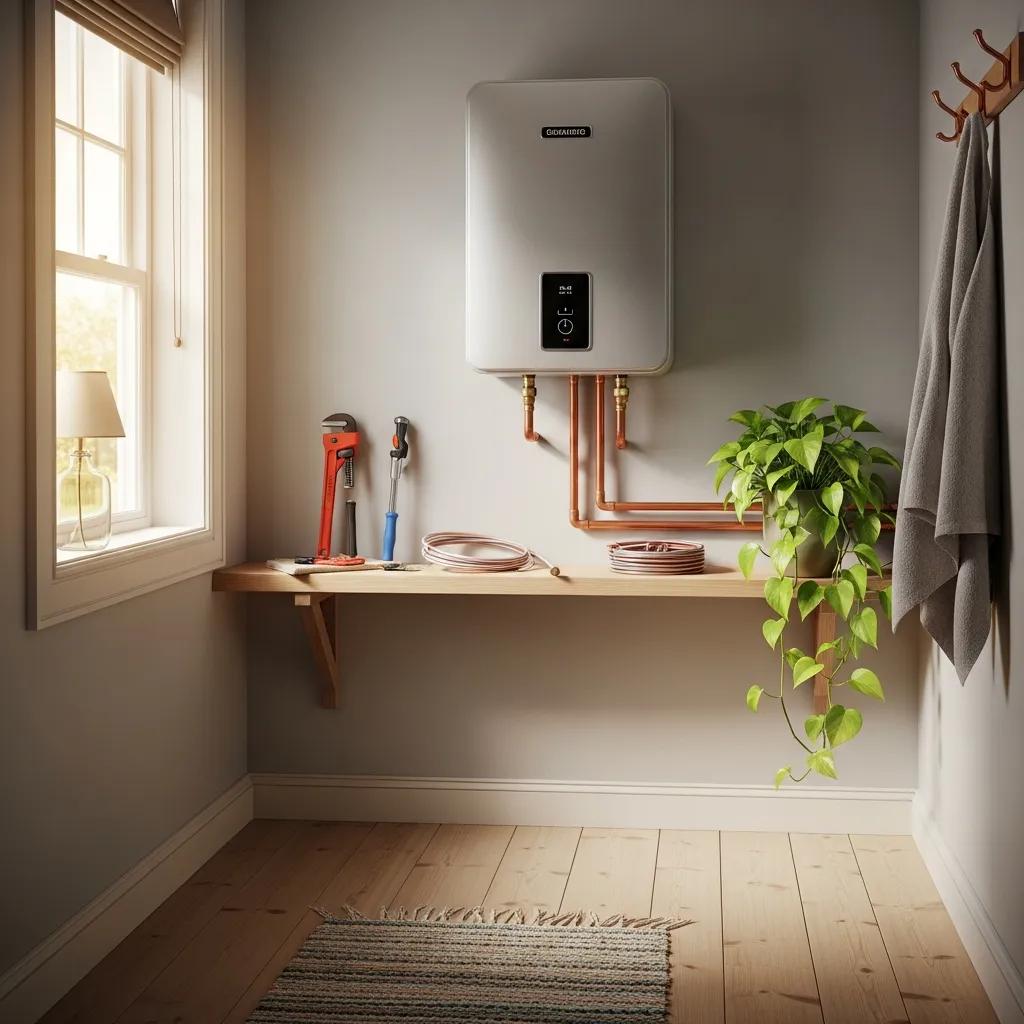
Tankless water heaters save energy by heating water on demand rather than keeping a tank of hot water ready. That eliminates standby heat loss and lowers energy use when hot water is not being used. Inside, a powerful heat exchanger quickly raises water temperature when flow is detected, so energy isn’t wasted maintaining a stored volume. Tankless units also occupy far less floor space than storage tanks, freeing utility-room or basement area that many homeowners reclaim for other uses. Correct sizing—based on peak flow (GPM) and the temperature rise you need—is critical to avoid running short during simultaneous showers or appliance use.
Tankless systems suit households with small-to-moderate hot-water needs or where space is tight, and they work well with point-of-use units to reduce wait time. Understanding flow-rate and sizing helps you compare lifetime operating costs and decide whether a whole-house or point-of-use approach fits your lifestyle.
What Are the Advantages of Heat Pump and Hybrid Water Heaters?
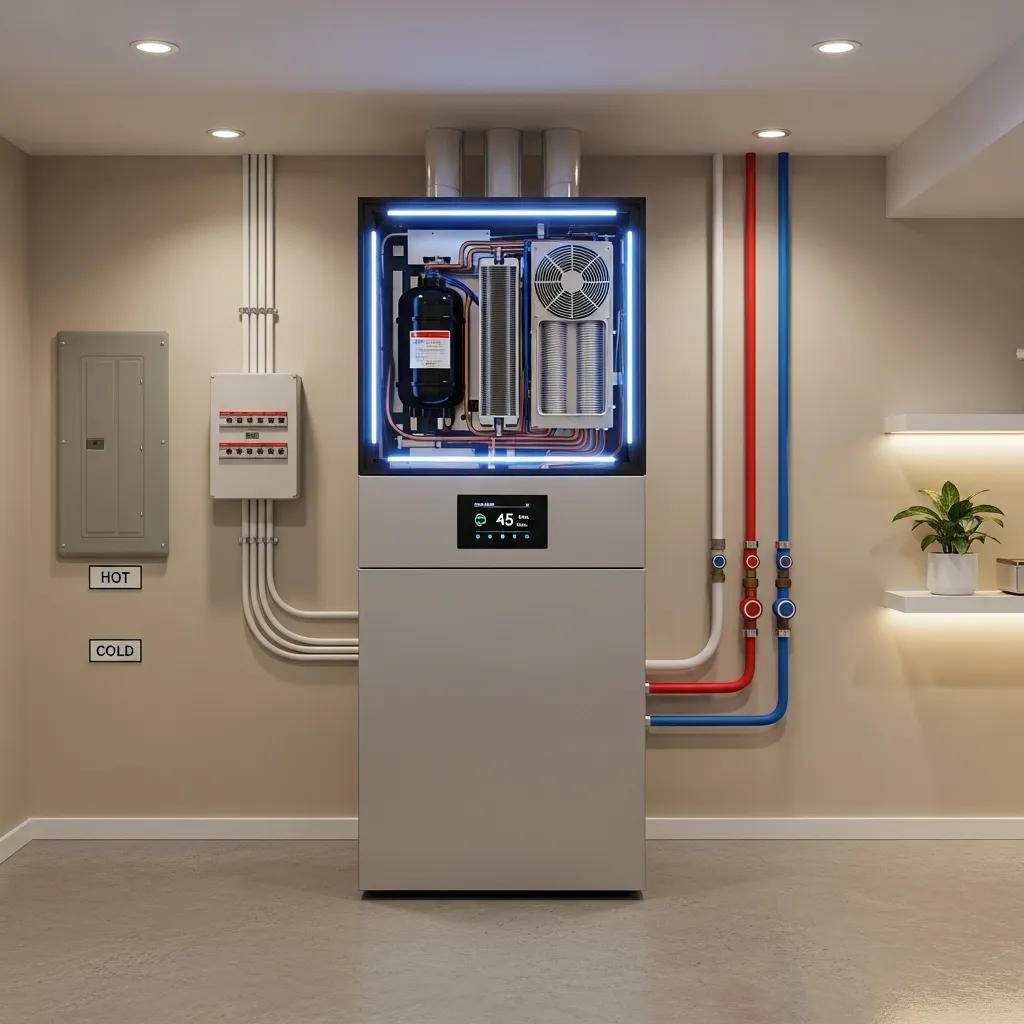
Heat pump water heaters save energy by transferring heat from the surrounding air into the water instead of creating heat through electric resistance. This method yields a coefficient of performance (COP) above 1.0 and commonly delivers two to three times the efficiency of standard electric models under good conditions. Hybrid models can switch to electric resistance for backup during very cold periods or peak demand, improving reliability year-round. Installation factors to consider include adequate surrounding air volume, possible compressor noise, and placing the unit where ambient temperatures stay within the recommended operating range.
For many Grosse Pointe homes, a heat pump water heater can cut annual water-heating bills compared with electric resistance units—provided the site supports the unit’s airflow and temperature needs. Knowing how heat transfer differs from resistive heating helps you choose the right location and ventilation for best performance.
How Much Does Heat Pump Water Heater Installation Cost in Grosse Pointe?
Installed costs for heat pump water heaters in the Grosse Pointe area vary with unit size, brand, required site work, and labor complexity—there’s no one-size-fits-all price. Major cost drivers include the unit itself, any electrical upgrades for higher loads, plumbing relocation or changes, and the difficulty of removing the old heater. Understanding these elements helps you anticipate the total investment and estimate payback based on local energy rates and your household’s hot-water use. The table below outlines the typical cost pieces to help you budget for installation.
This table explains the main cost drivers for heat pump water heater installation and provides typical ranges for local projects.
| Cost Element | What It Covers | Typical Impact / Range |
|---|---|---|
| Unit Cost | Purchase price of heat pump water heater | Varies by capacity and brand; often the largest single expense |
| Installation Labor | Plumbing, mounting, electrical hookup, and testing | Depends on accessibility and local labor rates |
| Required Modifications | Electrical service upgrades, ducting, platform or drainage work | Can add cost if a home lacks 240V circuits or adequate space |
| Permits & Inspections | Local permit fees and mandatory inspections | Smaller line-item but required for compliance |
Separating fixed equipment costs from site-dependent expenses makes it easier to compare bids and find savings. With a clear budget breakdown you can more confidently assess return on investment from reduced energy use.
Factors that often affect the final price include whether the electrical panel needs upgrading, whether condensate drainage or extra clearances are required at the installation site, and how difficult it is to remove and dispose of an old unit. Frost & Kretsch Plumbing Inc. conducts on-site assessments and provides transparent pricing; Grosse Pointe homeowners can request an estimate and, if eligible, apply the $50-off hot water replacement discount for qualifying replacements.
What Factors Influence Heat Pump Water Heater Pricing?
Final installation price reflects unit capacity, the condition of your existing electrical service, how easily technicians can access the install location, and any plumbing reroutes needed. Higher-capacity or name-brand units typically cost more up front but can offer better durability. Labor can increase when installers must work in tight spaces, move heavy equipment through narrow openings, or extend piping and condensate drains. Permits, inspections, and possible electrical panel upgrades add both time and cost to the job.
Knowing these variables before you get quotes lets you compare proposals on an equal basis and identify where you can reduce costs—like choosing an accessible location or bundling upgrades into one visit. A checklist of likely upgrades helps ensure bids cover the full scope and avoids surprise change orders during work.
How Do Energy Savings Offset Installation Costs Over Time?
Energy savings offset installation costs by lowering annual operating expenses compared with less efficient systems. Simple payback is the upfront extra cost divided by the annual savings; for example, a heat pump heater that cuts yearly water-heating costs by several hundred dollars can recover a large portion of its higher initial cost in a few years, especially when incentives apply. Return depends on your household’s hot-water use, local electricity rates, and seasonal changes that affect COP. We recommend modeling low-, medium-, and high-use scenarios to understand realistic payback for your situation.
Calculating simple payback and total cost of ownership turns efficiency stats into financial terms. Including rebates or tax credits in that calculation often shortens the payback window. Once you estimate likely savings, you can choose the investment level and timeline that make sense for your home.
When Is Energy Efficient Water Heater Replacement the Right Choice?
Choosing replacement over repair depends on age, repair frequency, falling performance, and the long-term cost comparison. Replacement usually becomes sensible when a unit nears the end of its life, when repairs are frequent or expensive, or when rising energy costs make a new, efficient model more economical. A simple decision framework—comparing repair cost versus remaining life, the energy savings from a new unit, and the disruption of installation—helps homeowners pick the most cost-effective route. The checklist and diagnostics below give concrete signs that replacement is warranted.
When evaluating replacement, balance short-term expense against future savings and improved reliability, and check for rebates or incentives that lower your net cost. A clear diagnostic checklist makes the next steps—repair or replace—easy to act on.
How to Identify Signs Your Water Heater Needs Replacement
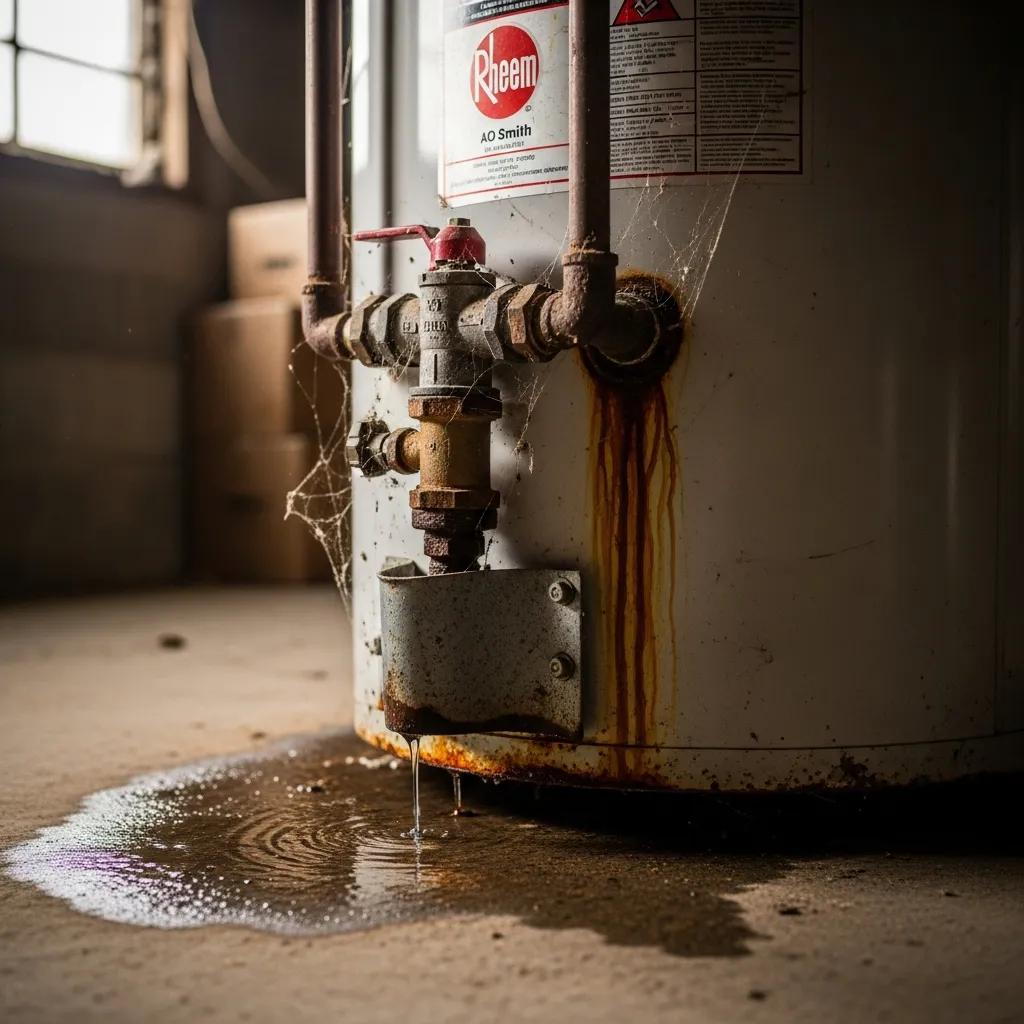
Common signs you need a new water heater include age beyond recommended service life, repeated breakdowns, noticeably less hot water, visible leaks, or rusty/discolored water. Tank-style heaters often show end-of-life signs around 8–12 years, though actual timing varies with water quality and maintenance. Symptoms like shorter hot-water runs, banging noises from sediment, or rising energy bills point to declining efficiency. When several symptoms appear together, replacement usually offers better value than repeated repairs; a professional inspection can estimate remaining life and compare costs.
Spotting these issues early helps you avoid emergency failures and schedule replacements at a convenient time—so you can coordinate installer availability and rebate paperwork ahead of installation.
What Are the Benefits of Upgrading to Energy Saving Models?
Upgrading to an energy-saving water heater lowers annual operating costs, often improves reliability, and can extend useful life with current warranties—together reducing total ownership cost. Tankless and heat pump models cut energy use by eliminating standby loss or by using more efficient heat transfer, which translates to smaller monthly bills. Other perks include a smaller environmental footprint and potential boosts to home value due to lower ongoing costs. With available rebates and federal incentives, the net cost of upgrading can drop significantly and shorten payback times.
Understanding these benefits helps homeowners prioritize upgrades during renovations or when a current unit nears replacement, so choices meet both immediate needs and long-term savings goals.
What Are the Available Rebates and Incentives for Energy Efficient Water Heaters in Michigan?
Homeowners who install qualifying heat pump, hybrid, or high-efficiency tankless water heaters may qualify for federal tax credits and local utility rebates that lower the project’s net cost. Federal incentives are often tax credits tied to equipment meeting efficiency standards; utilities and state programs may offer point-of-sale or post-install rebates for efficient models. Eligibility usually depends on equipment specs, licensed installation, and submitting required documentation. The table below lists common incentive sources, typical savings, and the paperwork you’ll likely need.
This table outlines incentive sources, eligibility, typical savings, and application steps for Michigan homeowners.
| Incentive Source | Eligibility | Typical Savings / Application Notes |
|---|---|---|
| Federal Tax Credit | Qualifying heat pump or high-efficiency units that meet program specs | Percentage or capped amount; requires documentation and tax filing |
| Local Utility Rebates | Customers of participating utilities who install qualifying equipment | Varies by program; often requires pre-approval or post-install submission |
| Installer Documentation Support | Proof of licensed installation and model numbers | Installer-supplied forms are commonly required for approval |
Knowing what documentation and eligibility rules look like ahead of time speeds applications and reduces the chance of denied rebates. Proper preparation before installation helps ensure you capture available incentives and lowers your net outlay.
Frost & Kretsch Plumbing Inc. can help Grosse Pointe customers identify applicable rebates and prepare required installer documentation to smooth the application process and meet program requirements.
Which Federal Tax Credits Apply to Heat Pump and Tankless Water Heaters?
Federal tax credits often apply to heat pump and other high-efficiency water heaters that meet set performance criteria; the credit amount or percentage varies with current program rules. Eligibility generally requires equipment to meet efficiency thresholds and for you to keep documentation—model numbers and installer certifications. Using these credits can noticeably reduce out-of-pocket cost, but you should confirm the rules for the tax year you install the equipment and follow IRS guidance when claiming the credit. Keeping receipts and certification forms organized makes claiming credits straightforward and reduces audit risk.
Working with a licensed contractor from the start ensures you collect the documentation needed to claim any available tax credits.
How to Access Local Utility Rebates in Grosse Pointe and Surrounding Areas?
Start by checking your utility’s current rebate programs, confirm eligibility, and secure any required pre-approval before buying equipment or scheduling installation. You’ll typically need proof of utility account, equipment model numbers, installer license information, and completed rebate forms submitted within program deadlines. Timing matters: some rebates require pre-approval or only reimburse after inspection, so coordinate rebate steps with your installer and permitting process to avoid missed opportunities. Compare rebate levels across local utilities in Macomb, Oakland, and Wayne Counties where applicable to find the best net savings route.
A complete, well-documented application and good coordination between homeowner and licensed installer increase the chance of timely rebate approval and speed overall project completion.
Why Choose Frost & Kretsch Plumbing for Your Energy Efficient Water Heater Installation?
Frost & Kretsch Plumbing Inc. is a local source for plumbing services, offering installation, maintenance, and replacement for gas, electric, and tankless water heaters. We provide 24/7 emergency service, clear upfront pricing, and a 100% satisfaction guarantee so homeowners know what to expect. Our services extend beyond water heaters to water main repairs, sump pump installs, drain cleaning, sewer work, excavation, and emergency plumbing—helpful when a replacement touches other systems. For Grosse Pointe homeowners, scheduling an on-site estimate with a licensed technician clarifies site readiness, any electrical or plumbing upgrades, and necessary permits.
Picking a local installer who supplies clear documentation and transparent pricing also helps secure rebates and keeps the project running smoothly. When comparing quotes, ask for model-specific efficiency data, warranty details, and a written scope of work so you can compare offers fairly.
What Expertise Does Frost & Kretsch Offer in Tankless and Heat Pump Water Heaters?
Frost & Kretsch’s technicians install, replace, repair, and maintain tankless, heat pump, and conventional water heaters. We handle both gas and electric systems, perform any electrical or plumbing modifications required, and provide the installer documentation needed for rebates and tax credits. Our model is built around transparent pricing and fast response for emergency calls, which matters when you’re without hot water. We serve Grosse Pointe and surrounding areas in Macomb, Oakland, and Wayne Counties, so local homeowners have convenient access to licensed installers for assessments and scheduled work.
Before committing, confirm licensing, insurance, and warranty terms—and ask for referrals or recent project examples to set expectations about workmanship and timing.
How Does Transparent Pricing and 24/7 Service Benefit Grosse Pointe Homeowners?
Transparent upfront pricing lists equipment, labor, permit, and disposal charges before work starts so you’re not surprised by extra costs. That clarity helps you budget properly for an energy-efficient water heater replacement. 24/7 emergency service means we can respond quickly to urgent failures—no hot water or active leaks—minimizing damage and discomfort. Together, clear estimates and round-the-clock availability give homeowners both predictable costs for planned upgrades and fast help when problems occur.
Open communication about scope, timing, and warranty coverage improves outcomes and satisfaction, so transparent pricing plus emergency support are valuable whether you’re planning an upgrade or facing a breakdown.
How Can You Maximize Energy Savings with Water Heater Maintenance and Usage Tips?
Maximizing savings comes from choosing the right equipment, sticking to a maintenance schedule, and making small behavioral changes that reduce hot-water demand. Regular maintenance keeps systems efficient by addressing sediment, corroded anode rods, and insulation gaps that drive up operating costs. Usage steps—like lowering thermostat settings, installing low-flow fixtures, and running full dishwasher and laundry loads—cut hot-water usage. Adding smart controls and scheduling professional tune-ups improves performance and extends service life, producing measurable energy savings.
A combined approach—good equipment, routine care, and smarter habits—offers the most cost-effective, long-term savings and greater reliability for home hot-water systems.
What Maintenance Practices Improve Water Heater Efficiency?
Key maintenance tasks that improve efficiency include periodic flushing to remove sediment, checking and replacing anode rods to prevent corrosion, insulating tanks and hot-water pipes where practical, and keeping thermostat settings at an efficient level. Flushing restores heat-transfer efficiency and reduces noise from sediment, while anode rod maintenance helps avoid premature tank failure. Insulating accessible tank portions and piping cuts standby heat loss, and setting thermostats to around 120°F balances comfort and energy savings. Schedule a professional inspection annually or biannually to check gas combustion, heat pump operation, and warranty requirements.
Consistent maintenance preserves efficiency, prevents premature replacement from corrosion or neglect, and lowers total ownership costs.
Typical maintenance checklist for water heater efficiency:
- Flush the tank annually to remove sediment and restore heat transfer.
- Inspect the anode rod every 1–3 years and replace if heavily corroded.
- Check thermostat settings and set to an energy-efficient temperature (typically 120°F).
- Insulate exposed pipes and the tank where safe and practical.
- Schedule professional inspection for gas combustion or heat pump performance.
Following these steps reduces operating costs, lowers the risk of sudden failures, and helps keep warranty coverage valid. Homeowners who use a simple checklist will see steadier performance and energy savings.
How Do Smart Controls and Usage Habits Reduce Energy Consumption?
Smart controls and thoughtful habits cut hot-water energy use by matching heating to actual need, lowering standby losses, and reducing waste. Programmable timers, remote temperature control, and usage monitoring let you heat water during off-peak hours or drop temperature when the house is empty. Small behavior changes—shorter showers, faucet aerators, and running full dishwasher and laundry loads—reduce daily hot-water demand and amplify the benefits of efficient equipment. Leak detection systems and alerts catch hidden waste and protect your home from damage.
Combined, smart schedules and better habits produce measurable savings and help you get the most from an energy-saving water heater without sacrificing comfort.
- Smart scheduling saves energy by matching heating to your routine.
- Remote controls increase convenience and prevent unnecessary heating.
- Leak detection prevents waste and guards against damage.
- Behavioral changes reduce demand and boost equipment efficiency.
These low-cost steps immediately cut hot-water energy use and help high-efficiency equipment pay for itself sooner.
Frequently Asked Questions
What is the lifespan of energy-efficient water heaters?
Energy-efficient water heaters generally last longer than older tank units. Tankless systems can often reach 20 years or more with proper care, while heat pump water heaters typically last 10–15 years. Regular maintenance can extend service life further. Factor expected lifespan into your total cost of ownership—longer-lasting equipment often delivers better value over time when combined with energy savings.
How can I determine the right size of a tankless water heater for my home?
To size a tankless heater, estimate your peak hot-water demand in gallons per minute (GPM)—the simultaneous use of showers, dishwashers, and washing machines. A professional installer can measure your needs, calculate the required temperature rise, and recommend a unit with the right flow rate so you don’t run short during peak use.
Are there any maintenance requirements specific to heat pump water heaters?
Yes. Heat pump units need regular attention to keep efficiency high: clean or check air filters, inspect the condensate drain for blockages, and ensure good airflow around the unit. Also monitor the anode rod and flush the tank periodically to remove sediment. Regular upkeep boosts efficiency and extends the unit’s lifespan.
What are the environmental benefits of switching to energy-efficient water heaters?
Switching to efficient water heaters lowers your household’s greenhouse gas emissions because these systems use less energy. That reduces reliance on fossil fuels and the pollution tied to energy production. Systems that incorporate solar power further reduce grid demand. Choosing an efficient heater is a practical step toward a smaller carbon footprint and lower energy bills.
How do I know if I qualify for local utility rebates?
Check your utility provider for current rebate programs and eligibility rules. Qualifications usually depend on the type and efficiency rating of the water heater and whether installation is by a licensed contractor. You’ll likely need proof of purchase, installation documentation, and model numbers. Review program terms carefully to make sure you meet requirements and capture available savings.
Can I install an energy-efficient water heater myself?
While some homeowners consider DIY, we generally recommend hiring a licensed professional. Proper installation matters for safety, code compliance, and performance—and many rebates and warranties require certified installation. A pro can assess your home’s needs, make any necessary electrical or plumbing changes, and provide the documentation you’ll need for incentives.
What should I do if my energy-efficient water heater is not performing as expected?
If performance falls short, first check thermostat settings and basic visible issues like leaks or error codes. If problems continue, schedule a professional inspection to diagnose the cause. Regular maintenance prevents many issues, so if your unit hasn’t been serviced recently, a tune-up often restores efficiency and reliability.
Conclusion
Upgrading to an energy-saving water heater reduces utility bills, improves home comfort, and lowers environmental impact. By understanding the available options and how they perform in a Michigan climate, you can choose the solution that fits your needs and budget. For personalized advice and professional installation in Grosse Pointe, contact Frost & Kretsch Plumbing Inc. to schedule an estimate and take the next step toward a more efficient home.