DIY Drain Cleaning: Safe, Natural Ways to Unclog Drains — When to Call a Plumber
Clogged drains are a common household nuisance, but many minor blockages can be fixed safely without harsh chemicals. This guide explains what usually causes slow drains, walks you through natural unclogging methods like the baking soda and vinegar routine, and shows basic mechanical techniques — proper plunging and using a hand drain snake. You’ll learn which method fits which clog, spot warning signs that mean the problem is more serious, and adopt simple maintenance habits to cut down on repeat clogs. We also compare chemical cleaners to safer alternatives and explain when professional diagnostics — such as a sewer camera inspection or hydro-jetting — are the smarter, longer-lasting choice. Practical tips throughout will help you unclog a sink, perform DIY drain cleaning safely, and keep your plumbing in good shape without making things worse.
What Are the Common Causes of Clogged Drains?
Drains clog when solids, grease, or foreign objects build up and slow water flow. The usual suspects are hair and soap scum in bathroom drains, congealed cooking grease and food waste in kitchen sinks, mineral scale in hard-water areas, and items flushed or washed down that don’t break down. Each cause behaves predictably: hair tangles in the P-trap, grease coats pipe walls and narrows the opening over time, and mineral deposits stick to pipe surfaces — especially hot-water lines. Knowing the likely cause helps you pick the right fix — for example, pull hair out mechanically but use hot water and detergent for fresh grease. That matching makes DIY drain cleaning safer and more effective, and it helps you spot when a problem needs professional attention.
How Do Hair, Grease, and Soap Scum Cause Drain Blockages?
Hair, grease, and soap scum create blockages in different ways. Hair slips into the P-trap and forms a fibrous mat that traps soap and minerals until water slows or stops. Grease and cooking fats flow when hot but solidify as they cool, coating the trap and pipe and encouraging more buildup. Soap scum forms when soap combines with hard-water minerals, leaving an insoluble residue that sticks to pipes and hair, speeding up clogs. Recognizing these behaviors helps you choose a targeted, safer remedy instead of reaching for a one-size-fits-all chemical solution.
What Signs Indicate a Serious Drain Clog?
Some symptoms point to a clog that’s beyond a simple, local obstruction and that likely needs a pro to diagnose and fix. Watch for multiple fixtures running slow at once, water backing into another fixture, persistent sewage odors, loud gurgling from drains, or visible sewage — all signs of a shared-line or sewer lateral issue rather than a single trap clog. If slow drains persist after two different DIY attempts or get worse over 24–48 hours, the blockage may be deeper or caused by root intrusion or a collapsed pipe. Ignoring these signs can lead to water damage, higher repair costs, and health risks; a prompt professional assessment helps decide whether camera inspection or hydro-jetting is needed.
What Are the Best Natural and Homemade Drain Cleaning Methods?
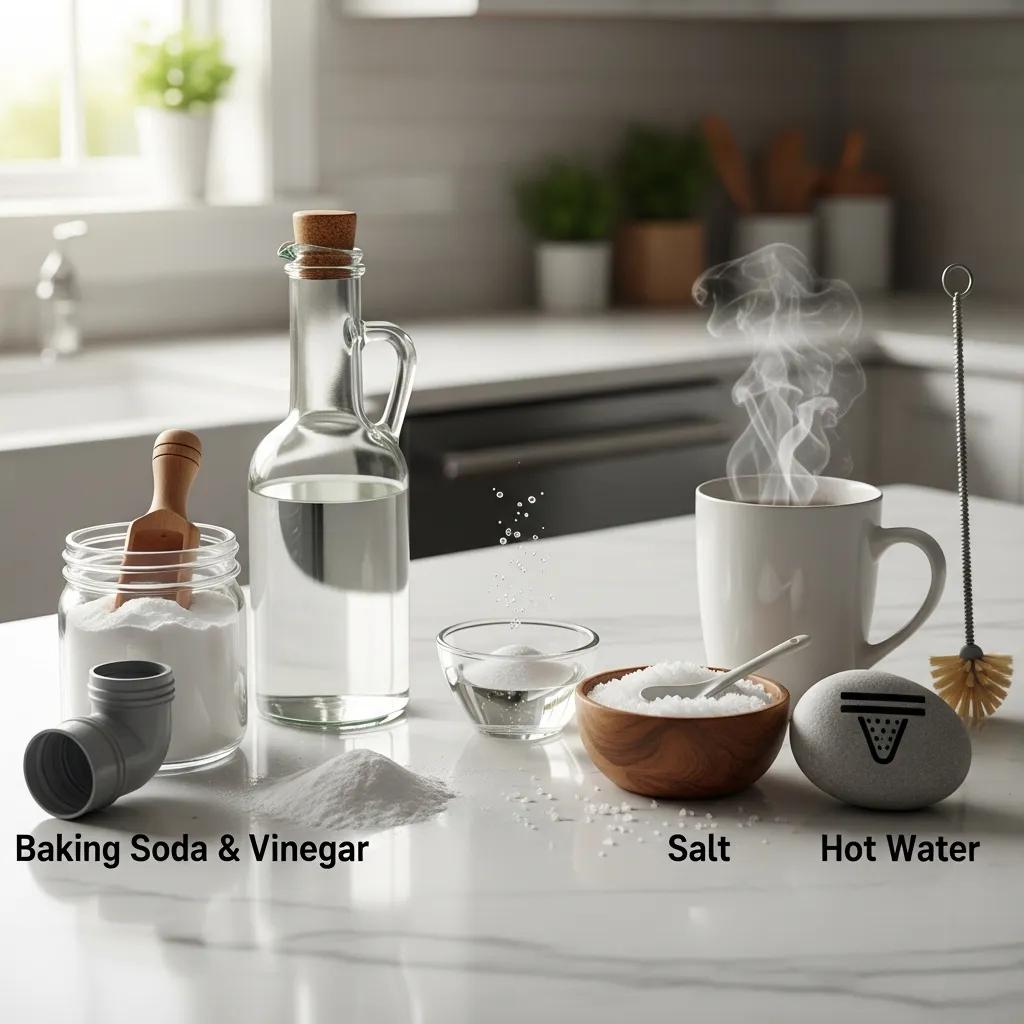
Natural and homemade methods offer low-corrosion ways to remove organic build-up and keep water flowing without exposing your pipes or the environment to caustic chemicals. Techniques like baking soda and vinegar, salt and hot-water flushes, and enzymatic cleaners work by fizzing, dissolving, or biologically breaking down organic material in traps and short pipe runs. Each has strengths: baking soda and vinegar create fizz that can loosen soft debris; hot salt or dish soap with boiling water is good for fresh grease; enzymatic products digest organic matter over hours and are great for preventive use. Choosing the right natural method lowers the risk of pipe damage and keeps your plumbing working longer — but stop and call a professional if the clog doesn’t improve after a few safe attempts.
| Method | Suitable Clogs | Pipe-Safety / Speed |
|---|---|---|
| Baking soda + vinegar | Soft organic debris, mild soap scum | Safe for most pipes; moderate speed (minutes to a few hours) |
| Salt + hot water | Fresh grease and fats | Safe for metal and plastic; fast when grease is warm |
| Dish soap + boiling water | Grease films | Safe and immediate for small grease clogs |
| Enzymatic cleaners | Organic buildup, recurring slow drains | Very pipe-safe; slower action (hours to days) |
In short: natural options trade immediate chemical force for safer, low-corrosion action — good first-line choices for typical household clogs.
The baking soda and vinegar method is a simple, accessible natural unclogger that handles many mild blockages while minimizing the risk of chemical damage.
How to Use Baking Soda and Vinegar as a Natural Drain Cleaner?
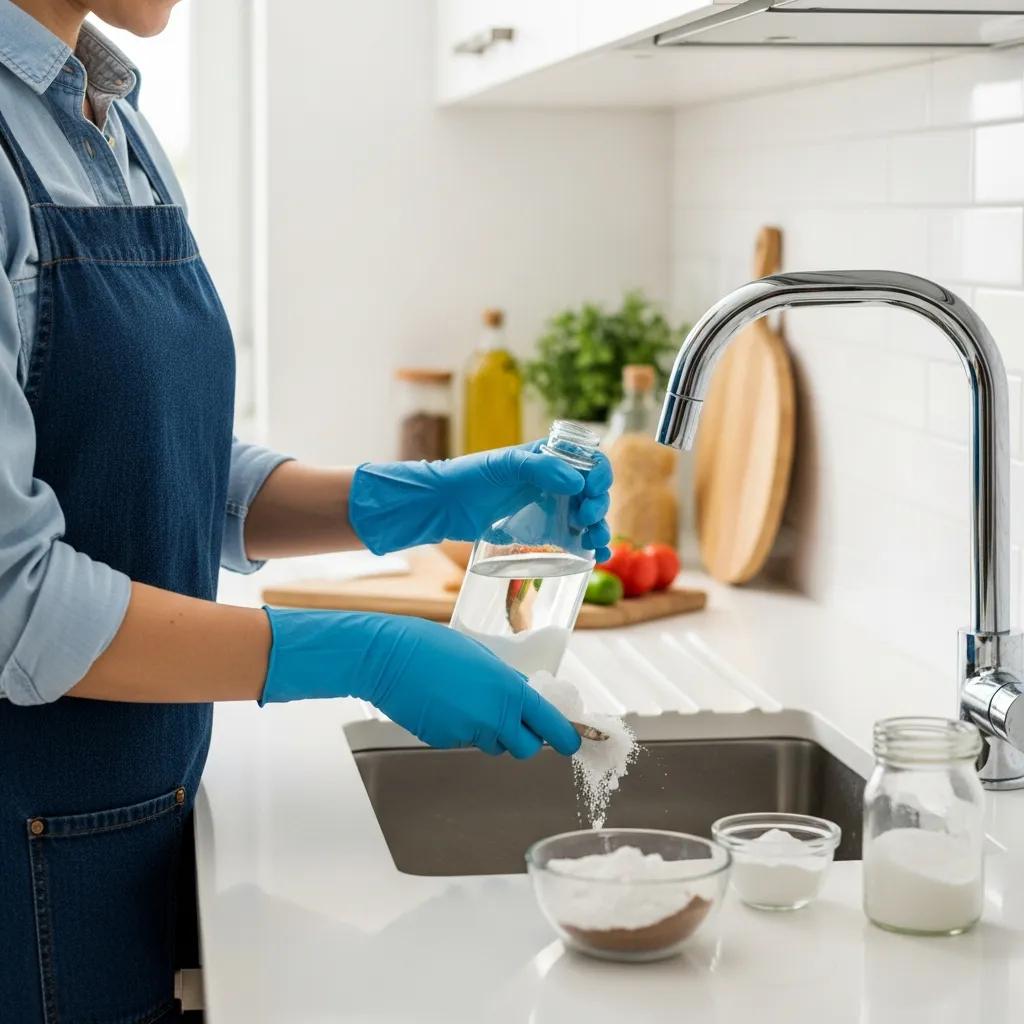
Baking soda and vinegar combine a mild alkali and an acid to create fizzy agitation that can loosen debris and break up organic films in the trap. To use this method, pour about 1/2 cup of baking soda down the drain, follow with 1/2 cup of white vinegar, and cover the drain to focus the fizz for 10–15 minutes. Finish by flushing with a kettle of hot water to wash the loosened material away. The fizz helps dislodge soft residue and the hot-water flush moves grease downstream; never mix this with commercial drain chemicals or bleach — unsafe reactions can occur. If the drain stays slow after two safe attempts spaced a few hours apart, stop mixing chemicals and try mechanical clearing or get a professional inspection.
What Are Other Safe Homemade Drain Clog Removers?
There are several homemade alternatives that work well against different clog types. For kitchen grease, pour a generous squirt of dish soap down the drain followed by several liters of boiling water to emulsify and carry fats away. For hair, a gloved manual removal or a hand auger is often the fastest and most effective fix. Enzymatic cleaners from hardware stores use bacteria or enzymes to digest organic residue and are ideal for recurring slow drains; they work overnight or over several hours. Use hot-soap flushes for fresh grease, mechanical tools for hair, and enzymatic products for ongoing maintenance rather than emergency clearing.
| Home Method | Best For | Limitations |
|---|---|---|
| Dish soap + hot water | Fresh kitchen grease | Less effective on heavy, congealed grease |
| Hand removal / pin hook | Hair clogs near the drain | Requires access and a little effort |
| Enzymatic cleaner | Recurring organic buildup | Slower; needs several hours or overnight |
These methods give homeowners safe, practical options and reduce the need for corrosive chemical cleaners. If clogs stay stubborn or you smell sewage after these attempts, call a licensed professional rather than risking further DIY troubleshooting.
How to Use Mechanical Tools for DIY Drain Clearing?
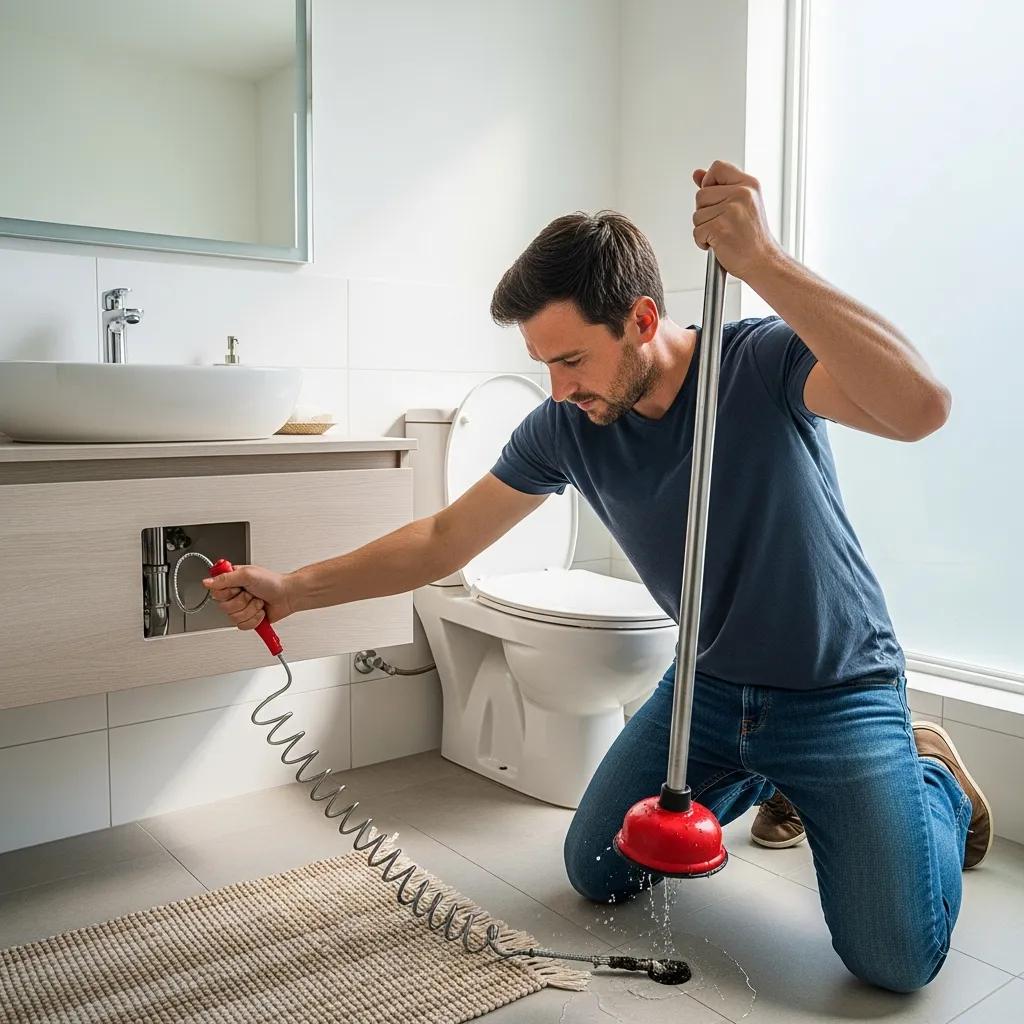
Mechanical tools — plungers and hand drain snakes (augers) — remove physical obstructions without chemicals, making them excellent first-choice tools for many clogs. A plunger uses pressure changes to dislodge obstructions near the fixture; a hand snake reaches into the trap and trap arm to pull out hair, string, or compacted debris. Technique and safety matter: use the right plunger for the fixture, don’t force a snake into corroded or brittle pipes, and clean and sanitize tools after use. If a clog resists proper plunging or snaking, professionals have motorized drain machines and hydro-jetting to clear deeper or tougher obstructions.
| Tool | Best For | Safety Tips |
|---|---|---|
| Cup plunger | Sink or shower drains | Seal completely, plunge vertically, avoid excessive force |
| Flange plunger | Toilet clogs | Use the flange for a tight seal and steady, gentle plunges |
| Hand drain snake (auger) | Hair and localized blockages | Feed slowly, rotate gently, don’t force into corroded pipes |
| Closet auger | Deep toilet clogs | Use the proper angle and clean after use to prevent contamination |
What Is the Proper Way to Use a Plunger for Drain Cleaning?
A plunger works by sealing the drain and rapidly changing pressure to loosen trapped debris. For sinks and showers, block overflow openings, submerge the plunger cup in standing water to form a seal, and use steady plunges of three to five seconds followed by quick pulls; repeat in sets of 10–12 if needed. For toilets, use a flange plunger, keep a steady rhythm, and avoid violent thrusts that can splash contaminated water. If plunging fails after two sets, try a snake or call a professional. Good sealing, patience, and technique increase your chance of success and reduce the chance of making the clog worse.
How to Safely Use a Drain Snake for Hair and Grease Clogs?
A hand drain snake can grab hair and break up compacted debris so you can pull it out. Insert the auger cable slowly while rotating the handle clockwise to navigate bends, feel for resistance where the clog sits, then pull back while maintaining rotation to snag and remove material. Repeat until the cable moves freely and water drains. For grease, a snake can loosen semi-solid films, but always follow with hot water and detergent to flush residue. Avoid aggressive use in fragile cast-iron or heavily corroded pipes, where mechanical force can cause damage. After snaking, clean and disinfect the tool and the work area to remove biological residue and odors.
When Should You Call a Professional Plumber for a Clogged Drain?
Call a professional when DIY methods don’t work, when multiple fixtures are affected, or when you see signs of deeper or hazardous problems that need specialized diagnostics and tools. Professional plumbers use sewer cameras to locate blockages and assess pipe condition, and they’ll recommend repairs like snaking, hydro-jetting, or targeted excavation only when appropriate. If you see sewage backup, persistent bad odors, recurring clogs despite enzymatic maintenance, or if snaking makes things worse, those are clear reasons to request a pro assessment. Timely professional help prevents water damage, lowers the chance of structural problems, and often saves money by fixing the root cause instead of repeatedly treating symptoms.
- Multiple fixtures slow: Points to a main-line or lateral blockage that needs professional diagnosis.
- Sewage backup or odors: A health hazard that requires immediate professional attention.
- Persistent recurrence: Repeated clogs after safe DIY steps indicate a deeper problem.
What Are the Signs That DIY Methods Have Failed?
DIY is usually considered failed when safe attempts — two plunging sessions, one snaking attempt, or appropriate natural remedies — don’t restore normal flow within 24–48 hours, or when the problem spreads to multiple fixtures. Clear failure signs are increased backups, visible sewage, persistent sewage smell, or new gurgling noises that point to trapped air and a larger blockage. Keep pouring chemicals after failure only makes things worse and can damage pipes or create dangerous mixes — stop and call a professional for a camera inspection. Early recognition of failure prevents more damage and helps pros target the real problem.
How Can Frost & Kretsch Plumbing Help with Stubborn Clogs?
When DIY options fall short, Frost & Kretsch Plumbing provides professional diagnostics and clearing methods to fix stubborn clogs with minimal disruption and long-lasting results. Their technicians use sewer video camera inspection to pinpoint blockages and evaluate pipe condition, then choose the right response — snaking for local obstructions or hydro-jetting to remove grease, scale, and root intrusion without chemicals. Frost & Kretsch offers transparent, guaranteed pricing and licensed, insured technicians with 24/7 emergency service and a 100% satisfaction guarantee, so homeowners can expect a thorough, accountable solution. Calling a professional when needed reduces repeat problems and prevents damage from improper DIY repairs.
What Preventative Maintenance Tips Keep Drains Healthy and Clog-Free?
Preventive maintenance uses simple habits and periodic treatments to cut the chance of clogs, protect pipe integrity, and extend the life of your plumbing. Regular steps like using drain strainers, never pouring grease down the sink, flushing drains with hot water weekly, and using an enzymatic cleaner monthly address common buildup and lower emergency clogs. For older systems or business kitchens, schedule an annual or biennial camera inspection or professional maintenance to spot scale, root intrusion, or recurring grease before they block lines. These steps are cost-effective, minimize disruption, and help you decide when professional maintenance like hydro-jetting is the best long-term fix.
- Monthly: Empty and clean strainers; flush drains with hot water and dish soap.
- Quarterly: Apply an enzymatic cleaner to digest organic buildup.
- Annually: Inspect visible traps and consider a professional camera inspection for older plumbing.
How Do Drain Strainers and Proper Grease Disposal Prevent Clogs?
Drain strainers catch solids before they enter the trap and pipe, cutting down on hair, food scraps, and sediment that cause blockages — and they’re cheap and easy to clean. Strainers come in different mesh sizes; fine mesh is best for bathroom drains to trap hair, while coarser basket strainers work well in kitchen sinks. Proper grease disposal is critical: let grease cool and solidify, wipe pans with paper towels before washing, and throw grease in the trash rather than pouring it down the sink. Using strainers and handling grease responsibly tackles two of the top residential clog causes and makes routine maintenance much more effective.
What Regular Maintenance Should Homeowners Perform?
A simple maintenance routine keeps most drains flowing and catches problems before they grow. Monthly: remove and clean strainers, flush sinks with hot water and dish soap to emulsify fats, and use an enzymatic product if you have recurring organic buildup. Quarterly: check for slow drains, test plungers and snakes, and apply an enzymatic cleaner to keep biological buildup in check. Yearly: consider a professional camera inspection if you have recurrent issues or older piping. Following this schedule saves time and money by addressing problems early and signals when it’s time to call a professional for advanced diagnostics or repairs.
What Are the Risks of Chemical Drain Cleaners and Safer Alternatives?
Chemical drain cleaners can act quickly, but they carry real risks to pipes, the environment, and personal safety that often outweigh short-term benefits. Caustic and acidic products can corrode metal or damage plastic with repeated use, and reactions can produce heat or toxic gases when mixed with other household chemicals. From an environmental view, discharged chemicals enter wastewater systems and can harm treatment processes or aquatic life. Safer alternatives include enzymatic cleaners, natural methods like baking soda and vinegar, and professional mechanical options such as hydro-jetting, which remove buildup without introducing corrosive chemicals.
| Approach | Risk / Impact | Benefit |
|---|---|---|
| Chemical drain cleaners | High risk of pipe corrosion and hazardous waste; possible dangerous chemical reactions | Fast action on organic clogs, but usually only a short-term fix |
| Enzymatic cleaners | Low environmental and pipe risk; slower action over hours/days | Safe for regular maintenance |
| Hydro-jetting (professional) | Requires trained technicians; improper use can damage fragile pipes | Highly effective and chemical-free; removes grease, roots, and scale |
How Can Chemical Drain Cleaners Damage Pipes and the Environment?
Chemical drain cleaners harm pipes mainly through corrosive action that degrades metal and weakens plastic fittings, especially with repeated use or when left in the pipe. The heat and byproducts of reactions can pit metals or soften plastics. Mixing household chemicals or combining a chemical cleaner with a vinegar/baking soda attempt can create toxic gases or violent reactions, risking anyone nearby. Environmentally, discharged chemicals enter municipal wastewater and can interfere with treatment or harm aquatic ecosystems. Because of these hazards, enzymatic or mechanical approaches are usually the safer choice, and professional hydro-jetting is preferred for heavy grease, scale, or root issues.
Why Is Hydro-Jetting a Safer Professional Alternative?
Hydro-jetting uses high-pressure water to scour pipe interiors and remove grease, mineral scale, and root intrusion without chemicals, making it more environmentally friendly and often more thorough. It’s especially effective on long runs and mains because it restores the full pipe diameter and clears residues snaking can’t remove. Hydro-jetting must be done by trained technicians who first assess pipe condition to avoid damaging fragile lines. Pairing hydro-jetting with a sewer camera inspection gives a safe, targeted solution that balances effectiveness and risk. For recurring or severe clogs, this professional option preserves long-term system health while eliminating the need for harmful chemical cleaners.
This guide has covered safe DIY drain cleaning, mechanical tool use, and signs that professional help is needed. If you run into stubborn clogs or signs of sewer-line failure, a licensed plumbing service with camera diagnostics and hydro-jetting capability is a safer, more effective route than repeated chemical use.
Frequently Asked Questions
What are the benefits of using natural drain cleaning methods over chemical cleaners?
Natural methods like baking soda and vinegar or enzymatic cleaners are gentler on your plumbing and better for the environment. They avoid the corrosive effects of harsh chemicals, lower the risk of dangerous reactions and fumes, and don’t introduce hazardous substances into wastewater. For routine maintenance and mild clogs, natural options are a safer, more sustainable choice.
How often should I perform preventative maintenance on my drains?
Regular maintenance keeps drains working and prevents many clogs. Monthly: clean strainers and flush with hot water and dish soap. Every three months: consider an enzymatic cleaner to help digest organic buildup. Annually or every two years: get a professional inspection for older systems. This routine reduces clogs and extends the life of your plumbing.
Can I use a drain snake on all types of clogs?
A drain snake works well on hair, string, and compacted debris but isn’t a cure-all. It may not handle solid obstructions or heavy grease on its own. For grease, a snake can break up films but should be followed by a hot-water flush. Avoid using a snake in fragile or corroded pipes to prevent damage — assess the situation before you start.
What should I do if my DIY methods fail to clear a clog?
If two safe DIY attempts don’t clear the clog, stop and call a professional. Persisting with DIY fixes can push the clog deeper or damage your plumbing. Signs you need a pro include slow drains across multiple fixtures, visible sewage, or an ongoing sewage smell. A licensed plumber can diagnose the root cause and fix it safely.
Are there any risks associated with using a plunger?
Plunging is generally safe, but improper use can splash contaminated water or push a clog deeper. Use the right plunger for the fixture, form a proper seal, and use steady, controlled plunges. Clean the plunger after use to prevent bacteria and odors from spreading.
What are the signs that my plumbing system needs professional maintenance?
Call a pro if you have frequent clogs, slow drainage across multiple fixtures, persistent sewage odors, visible leaks, gurgling drains, or water backing up into other fixtures. If DIY fixes fail after a couple of tries, professional maintenance can prevent bigger problems and costly repairs.
How can I prevent future clogs in my drains?
Prevent clogs by using drain strainers, avoiding pouring grease down sinks, flushing drains regularly with hot water and dish soap, and using enzymatic cleaners monthly for upkeep. Schedule annual inspections if your plumbing is older. These steps reduce clog risk and keep your system running smoothly.
Conclusion
Safe DIY drain cleaning protects your plumbing and the environment. By understanding common clog causes and using natural techniques and basic mechanical tools, you can handle many blockages yourself and prevent future problems. When clogs persist or show signs of a deeper issue, reach out to a professional for a proper diagnosis and repair. For more tips on keeping drains clear, explore our resources or contact a licensed plumber.