Best Practices for Commercial Drain Care: Clear, Practical Maintenance Tips for Businesses
Commercial drain care is a proactive routine of inspections, cleaning, and repairs that keeps business plumbing working, compliant, and interruption-free. It prevents build-up of FOG (fats, oils, grease), food waste, scale, and roots through daily staff habits, scheduled professional servicing, and targeted technologies that clear blockages without harming pipes. The payoff is fewer emergency calls, lower repair costs, and less downtime—protecting revenue and public health for restaurants, offices, and industrial sites across Michigan. This guide covers why drain care matters here, outlines commercial drain components, gives practical preventative schedules, and offers hands-on tips for common problems. You’ll also learn how hydro jetting and camera inspections improve results and when to call a pro. Use the included checklists and escalation steps to build a reliable drain program that prevents clogs and stays code-compliant.
Why Commercial Drain Care Matters for Michigan Businesses
Well-maintained drains keep your operation running, reduce the chance of health-code violations, and cut long-term capital expenses by catching small issues early. Routine removal of FOG, solids, and biofilm keeps pipes flowing and stops odors and backups that can force closures. The result: fewer emergency repairs, steadier maintenance budgets, and better compliance with local FOG rules and plumbing codes. For Michigan businesses—especially restaurants and multi-tenant properties—consistent drain care protects reputation and helps avoid fines tied to repeated backups or grease-related blockages.
When drains are ignored, businesses face lost sales from temporary closures, expensive emergency work, and possible health-department actions that hurt customer trust. Knowing these risks motivates a preventative approach that pays back through reduced downtime and longer pipe life. Next, we’ll look at the most common causes of commercial clogs and what staff and managers can do to stop them early.
The most frequent causes of commercial drain clogs include:
- FOG buildup from kitchen work that solidifies inside lines and interceptors.
- Food solids and poor disposal habits that collect in kitchen and floor drains.
- Foreign objects and improper trash disposal that create point blockages.
- Root intrusion, mineral scale, and failing joints that slowly restrict flow.
Different facilities see different problems—restaurants deal mostly with FOG and food solids, while older buildings may experience roots or scale. Pinpointing the main cause helps you choose the right prevention and repair plan.
Common Causes of Commercial Drain Clogs
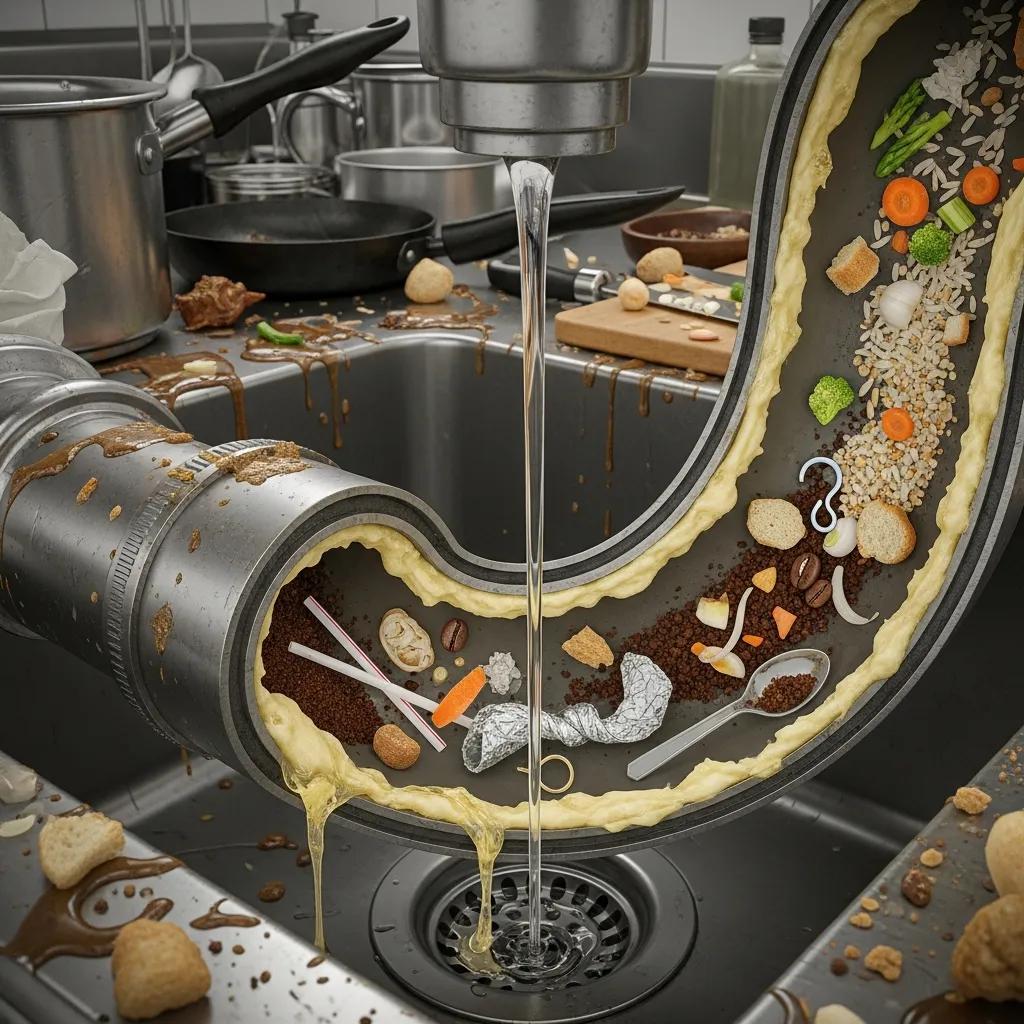
Most commercial clogs start with fats, oils and grease, food scraps, or foreign objects that narrow pipes and block flow. In kitchens, emulsified oils cool and coat pipe walls, creating sticky deposits that trap food and speed up build-up—this is the main source of restaurant issues. In non-kitchen areas, hair, soap, and mineral scale bind with sediment to clog restroom and floor drains, while sewer laterals can be invaded by roots that form hard obstructions. Recognizing these failure patterns lets managers train staff on quick prevention steps—scraping plates, using strainers—and schedule the proper professional services before clogs force a shutdown.
How Drain Care Affects Operations and Compliance
Drain troubles disrupt service with slow drains, bad odors, and full backups that can require temporary closures for cleaning and sanitizing. Each unplanned closure brings lost sales, cleanup costs, and emergency service premiums. Repeat incidents can also trigger fines from health or municipal authorities enforcing FOG management. From a reputation perspective, visible plumbing failures erode customer confidence and spread quickly in reviews. A documented inspection and maintenance program lowers these risks and provides the records you need for compliance or insurance claims.
Key Components of a Commercial Drain System
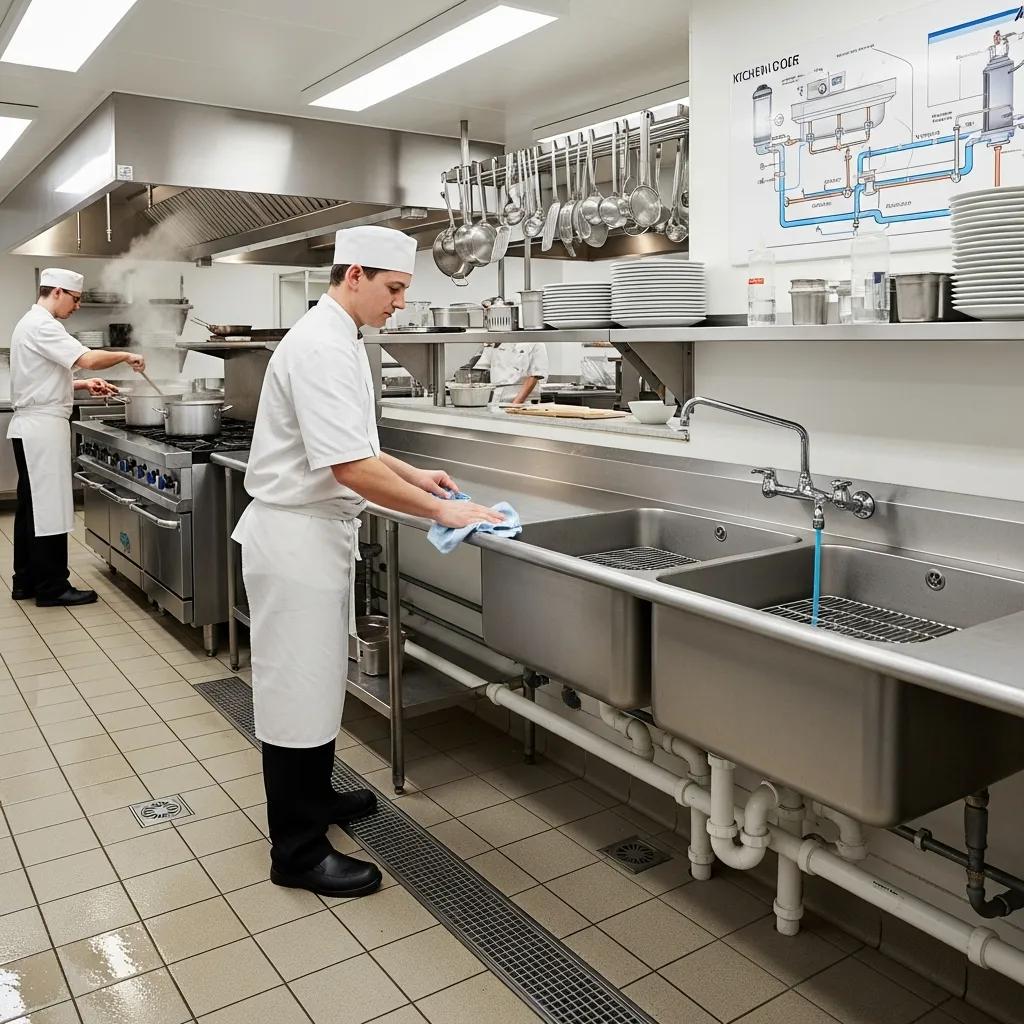
A commercial drain system includes kitchen drains, floor drains, restroom drains, grease traps/interceptors, and the sewer lateral that links to the municipal main. Each piece has its own job and maintenance needs: they move wastewater, separate FOG and solids where required, and protect buildings from sewer gas and backups. Important inspection points are trap seals, access to clean-outs, interceptor condition, and pipe soundness via camera checks. Mapping these parts and their common failure modes helps you target preventive tasks and avoid a critical failure during peak hours.
Below is a concise comparison of common drain components, what they do, typical problems, and recommended maintenance frequency to help plan upkeep.
| Drain Component | Primary Function | Common Problems | Recommended Maintenance Frequency |
|---|---|---|---|
| Kitchen drains | Carry sink and prep wastewater | FOG buildup, food solids, odors | Daily scraping by staff; monthly strainer cleaning; quarterly pro cleaning |
| Floor drains | Handle spills and mop water | Debris, lost trap seals, standing water | Weekly visual checks; quarterly cleaning; annual pro inspection |
| Restroom drains | Remove lavatory and toilet waste | Hair, soap scum, odors | Daily cleaning; monthly trap checks; annual camera inspection |
| Grease traps / interceptors | Separate FOG before sewer | Grease saturation, bypasses, smells | Daily skimming by staff; pumping per capacity (monthly–quarterly) |
How Floor, Kitchen, Restroom, and Sewer Drains Work in Commercial Settings
Each drain type has a role that determines how it fails: floor drains collect incidental water and mop waste; kitchen drains see heavy FOG and solids; restroom drains get hair and soap; sewer laterals carry combined flows out to the public system. Traps, vents, and gravity keep sewer gas out and water flowing—when traps dry or vents clog you’ll get odors and gurgling. Practical inspection points are trap seals, strainers, odors, and clean-out access. Regular checks and documentation stop a small issue from becoming a full system backup.
Grease Traps: What They Do and Why They Matter
Grease traps and interceptors separate FOG from wastewater by slowing flow so oils rise and solids settle. That reduces downstream blockages and helps municipal systems. Their performance depends on correct sizing, placement, and a consistent maintenance schedule to avoid saturation and bypass. Warning signs are ongoing odors, slow drains downstream, or grease at outlets—when you see those, schedule pumping and inspection. Combining staff-level scraping with professional cleaning keeps traps effective and helps meet local FOG rules.
How to Build an Effective Preventative Commercial Drain Program
Preventative maintenance blends daily staff habits, routine inspections, and scheduled professional services to keep drains clear and compliant. Small daily actions—plate scraping, strainers, wiping floor drains—reduce what enters the system, while periodic pro cleaning and camera inspections remove deposits and find hidden issues. The outcome is an auditable maintenance record, fewer emergencies, and longer pipe life at a lower total cost. Assign daily tasks to staff and quarterly or annual duties to professionals to create accountability and predictable budgets.
Follow this step-by-step maintenance approach that matches tasks to frequency and responsibility to prevent clogs and keep operations sanitary.
- Daily staff tasks: Scrape plates, use sink strainers, and clear solids from floor drains to limit FOG and debris.
- Weekly checks: Inspect floor and restroom drains, sniff for odors, and confirm grease trap skimming where applicable.
- Monthly tasks: Clean sink strainers and shallow traps, log issues, and schedule small cleanings if flow slows.
- Quarterly professional services: Hydro jetting or targeted cleaning and sewer camera inspections to document pipe condition.
- Annual reviews: Reassess grease trap sizing, update your FOG plan, and plan repairs or lining if camera work shows structural concerns.
Use the table below to assign tasks, timing, and owners so your preventative plan is clear and repeatable.
| Task | Frequency | Responsible Party |
|---|---|---|
| Plate and pan scraping | Daily | Kitchen staff |
| Sink strainer cleaning | Daily / Weekly | Kitchen staff |
| Floor drain visual inspection | Weekly | Facilities staff |
| Grease trap skimming | Daily / Weekly | Kitchen staff |
| Professional grease trap pumping | Monthly–Quarterly | Licensed professional |
| Sewer camera inspection | Quarterly–Annually | Licensed professional |
Recommended Maintenance Tips and Cadence
Start with daily removal of solids and consistent strainer use, add weekly visual checks, and schedule quarterly professional cleaning and camera work as needed. FOG and solids build slowly; routine removal keeps them from compacting into hard deposits that need hydro jetting or excavation. High-volume restaurants often benefit from quarterly hydro jetting and monthly trap pumping; lower-volume sites can space services out. Keep a written log of staff tasks and pro visits—this documents due diligence for compliance and insurance.
Benefits of Regular Sewer Camera Inspection
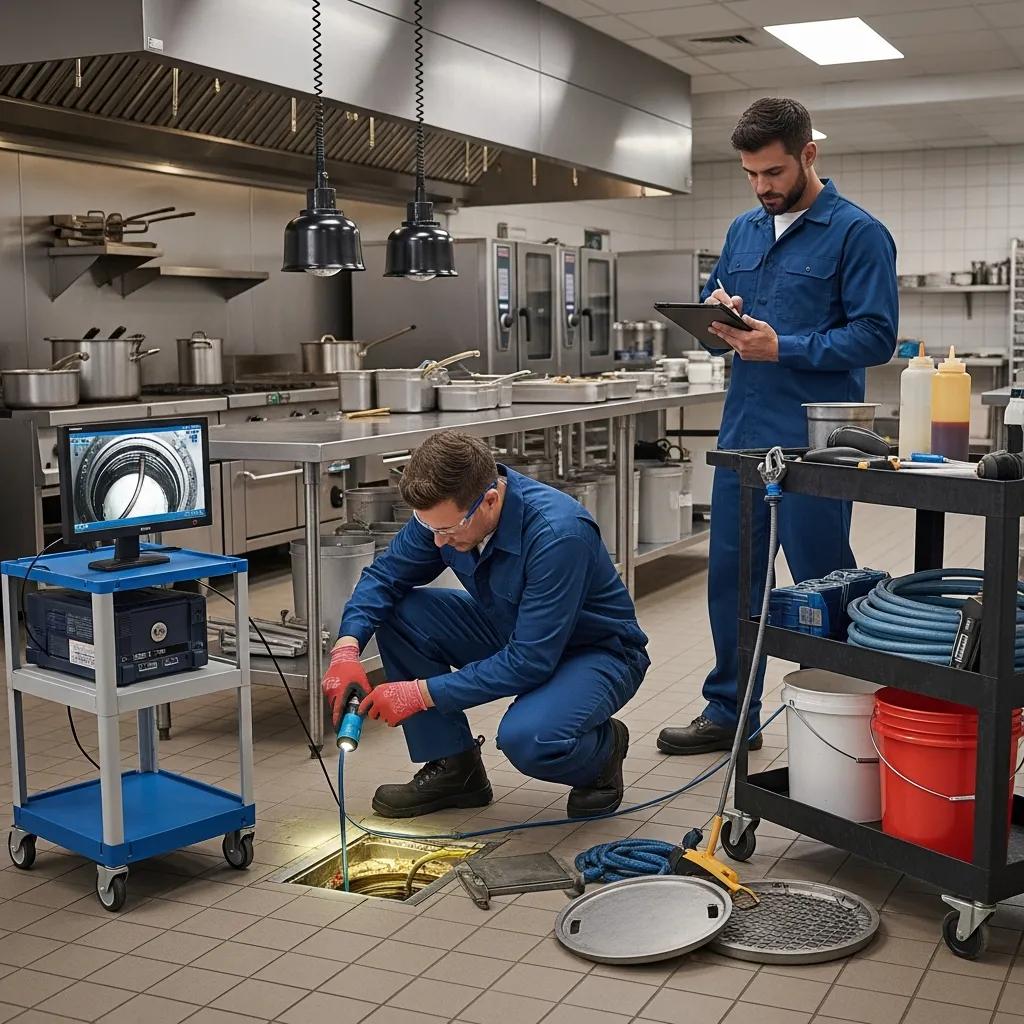
Sewer camera inspection uses a video probe to pinpoint blockages, cracks, root intrusion, and offsets before they cause backups or collapse. It’s a diagnostic tool: cameras show the exact problem so technicians can recommend snaking, hydro jetting, lining, or excavation based on real evidence—not guesswork. That reduces downtime, sharpens cost estimates, and provides documentation for compliance or insurance. Scheduling camera work quarterly or annually builds a preventive feedback loop that refines cleaning frequency and identifies structural needs early.
Best Practices to Prevent and Fix Common Commercial Drain Issues
Combine staff training, solid grease management, scheduled professional services, and quick escalation protocols to stop small issues from becoming emergencies. The key is lowering the load on the system—avoid FOG, keep foreign objects out, and use mechanical cleaning when needed. Choose safe products and avoid corrosive chemical drain cleaners that can harm pipes and violate codes. These steps prevent clogs and odors and reduce disruptive emergency cleanings during busy hours.
Below are practical steps for grease clogs, floor drain backups, and restroom odors, with immediate actions and longer-term prevention.
- Prevent grease clogs: Scrape pans, use commercial strainers, and keep grease traps on a regular pumping schedule.
- Manage floor drain backups: Keep drain openings clear, check trap seals, and avoid dumping solids near drains.
- Fix restroom drain odors: Maintain trap water levels, inspect vents, and clean traps to stop sewer gas from entering spaces.
Preventing Grease Clogs in Commercial Kitchens
Grease control starts with staff: scrape plates into waste, use strainers, and never pour hot grease down drains. Grease traps and interceptors catch oils, but they only work when sized correctly and maintained on schedule. Warning signs—slow drains downstream, lingering odors, or visible grease at outlets—mean it’s time for pump-out or professional cleaning. Put these practices into training and checklists so your team applies them consistently and you stay aligned with local FOG rules.
Solutions for Floor Drain Backups and Restroom Odors
Short-term fixes include removing visible debris, adding water to dry traps to restore seals, and limiting use of affected fixtures until cleaned. Mechanical augers can clear accessible clogs while keeping sanitation in mind. Permanent solutions focus on regular cleaning, replacing failing traps, correcting venting, and using hydro jetting or camera inspection to find deeper issues. Call a licensed pro when problems persist or structural damage is suspected.
How Advanced Technologies Improve Commercial Drain Care
Hydro jetting, sewer cameras, and rooter services make drain work more effective and less disruptive by matching the method to the problem. Hydro jetting uses high-pressure water to remove FOG, scale, and biofilm across long runs for longer-lasting results. Camera inspection confirms what’s wrong and guides targeted repairs, avoiding unnecessary excavation. Rooter snaking is quick for point clogs but can leave residue—pairing snaking with camera checks and hydro jetting gives the best long-term outcomes.
The table below compares common methods so you can choose the right tool for the job.
| Method | Typical Use-Case | Effectiveness | Downtime Impact |
|---|---|---|---|
| Hydro jetting | Heavy FOG, scale, long pipe runs | High — removes buildup and biofilm | Moderate — requires access and prep |
| Rooter / snaking | Localized solid obstructions | Moderate — clears point clogs | Low — quick but may leave residue |
| Sewer camera inspection | Diagnostics and post-clean verification | High — pinpoints the issue | Minimal — inspection only |
What Hydro Jetting Does and Why It Helps
Hydro jetting blasts pressurized water through pipes to cut and flush away FOG, scale, and biofilm—restoring pipe diameter and flow. It clears both soft and hardened deposits more completely than snaking, which often bores through buildup and leaves residue. Hydro jetting is ideal for kitchen drains and long sewer runs where grease is entrenched. When used with camera inspection it gives verifiable results. Pros will pre-inspect and confirm pipe compatibility so older or fragile systems aren’t damaged by pressure.
Facilities that schedule hydro jetting after a documented camera inspection typically get longer service intervals and fewer emergency backups. That said, rooter services still have a place for quick, point-clog responses.
When Rooter Services Are the Right Choice
Rooter services—mechanical snaking and auguring—are best for localized blockages like lodged objects or compacted debris. They’re fast and cost-effective for many emergencies and usually restore flow with little downtime. However, for FOG- or scale-coated runs, snaking can leave residue that re-accumulates; follow-up hydro jetting or a camera inspection is often recommended. After mechanical clearing, a camera run confirms the result and helps plan any follow-up work.
Why Frost and Kretsch Plumbing Is the Local Choice for Commercial Drain Care
Frost and Kretsch Plumbing provides local, responsive commercial drain service across Macomb, Oakland, and Wayne counties with practical advantages for both preventive and emergency work. We offer 24/7 emergency response to limit downtime, and our licensed technicians use hydro jetting and sewer cameras to diagnose and fix issues efficiently. Clear pricing and a 100% satisfaction guarantee remove surprises for facility managers, and our knowledge of regional codes keeps work aligned with local requirements. To schedule maintenance or emergency service, call Frost and Kretsch Plumbing at (586) 675-0097—have your facility location and a brief issue summary ready.
Our local footprint means faster arrival times and experience with regional concerns like seasonal sewer behavior and FOG enforcement. We combine staff training support, routine professional work, and advanced diagnostics so you see fewer emergencies and steadier operations. For managers who want a documented maintenance partner, Frost and Kretsch Plumbing builds tailored preventative plans and escalation procedures based on facility size, traffic, and code needs.
What Sets Frost and Kretsch Plumbing Apart?
We stand out for quick emergency response, licensed technicians, and advanced equipment that reduce interruptions and produce verifiable results. Our around-the-clock availability lowers downtime risk, while hydro jetting and camera inspections let us both fix a problem and document pipe condition for compliance or insurance. Transparent pricing and a satisfaction guarantee give purchasing confidence, and our local focus across Macomb, Oakland, and Wayne counties brings code knowledge and efficient routing for faster service. Those factors make us a reliable partner for restaurants and commercial facilities aiming to prevent clogs and stay open.
How to Schedule Commercial Drain Services and Emergency Repairs
When you need service or an emergency response, have facility details ready—address, a short description of the issue, affected fixtures, and any safety concerns—then call our dispatch team. We’ll triage urgency, suggest interim steps to limit damage, and deploy licensed technicians. Our 24/7 availability means we can start emergency escalations outside normal hours. For preventative programs, we’ll recommend inspection and cleaning intervals based on your facility, document each visit, and set recurring appointments to reduce surprises. Sharing a maintenance history and a facility point of contact helps us tailor frequency and scope for better long-term results.
- Prepare facility details: Have location, issue description, and any photos or service logs ready when you call.
- Triage and mitigation: Follow dispatcher guidance to limit damage until technicians arrive.
- Schedule recurring maintenance: Request a tailored preventative plan to reduce emergency visits.
Following these steps makes service smoother and helps your facility shift from reactive to proactive drain management.
Frequently Asked Questions
What are the signs that a commercial drain needs maintenance?
Look for slow drains, repeated backups, bad odors, or visible debris at drain openings. Gurgling sounds or unexpected pooling are also red flags. Regular checks and quick attention to these signs prevent bigger problems and costly repairs. A routine inspection schedule helps catch trouble early and keeps drains compliant with health rules.
How often should professional drain cleaning be scheduled?
Cleaning frequency depends on your business type and usage. High-volume restaurants often benefit from quarterly cleanings; lower-volume facilities can space services to every six months or annually. Regular professional work prevents FOG and solids buildup and reduces the risk of clogs. We recommend a tailored plan based on how your operation uses the drains.
What are the risks of using chemical drain cleaners in commercial settings?
Chemical drain cleaners can corrode pipes, harm the environment, and pose health risks to staff. Over time they may weaken pipe materials and cause leaks or failures, and disposal can violate local rules. Safer choices include mechanical clearing, enzymatic products, or professional hydro jetting—methods that protect plumbing and comply with regulations.
How can staff be trained to prevent drain issues?
Train staff on proper disposal: scrape plates, use strainers, and never pour grease down drains. Regular training sessions, checklists, and visible reminders near sinks help keep habits consistent. Encourage prompt reporting of odors or slow drains so issues are addressed early. A culture of accountability prevents many common problems.
What should businesses do in case of a drain emergency?
First, keep staff and customers safe by restricting access to affected areas. Call a licensed plumbing service right away. While waiting for help, use buckets to catch overflow, pour water into dry traps to restore seals, and follow dispatcher guidance. Document the incident and actions taken for follow-up maintenance and any insurance claims.
What are the benefits of using advanced technologies for drain maintenance?
Hydro jetting and sewer cameras increase effectiveness and reduce downtime. Hydro jetting removes stubborn buildup and restores flow without damaging pipes when done correctly. Camera inspections show the exact issue so repairs are targeted and efficient. Together these tools lower long-term costs and help avoid emergencies.
How can businesses ensure compliance with local plumbing codes?
Stay informed about local rules and build them into your maintenance practices. Keep inspection and service records to show compliance, and work with licensed plumbers who know regional codes. Maintaining clear records of maintenance and repairs supports audits and helps demonstrate due diligence.
Conclusion
Effective commercial drain care keeps your business running, reduces the chance of costly emergencies, and helps you stay code-compliant. Routine staff practices, scheduled professional services, and smart use of technology like hydro jetting and camera inspections pay off in fewer backups and lower long-term costs. If you want a tailored plan or immediate help, contact Frost and Kretsch Plumbing for expert, local support.