How to Unclog a Shower Drain: Easy DIY Fixes and When to Call a Pro
A clogged shower drain happens when hair, soap residue, mineral deposits or small objects block the pipe and slow or stop water from draining. Over time those particles stick to the drain or pipe walls and narrow the passage until water pools or backs up. This guide helps you identify common causes, safely try do-it-yourself fixes with simple tools and natural cleaners, and decide when it’s time to call a licensed plumber for camera inspection or hydro jetting. You’ll get step-by-step DIY instructions (plunger, drain snake, baking soda + vinegar), clear warning signs that point to a deeper problem, and practical prevention tips and products to reduce repeat clogs. Keep reading for straightforward steps, quick-reference tables, and an easy prevention checklist to keep your shower draining freely.
What Are the Common Causes of Shower Drain Clogs?
Most shower clogs form when materials collect and restrict flow. Hair and soap scum create mats that cling to pipe walls, hard water leaves mineral deposits that shrink pipe diameter, and foreign objects or corrosion can cause solid blockages. Spotting the cause speeds up the right fix: slow drainage with visible hair near the grate usually means a surface clog, while slow drains across multiple fixtures or foul sewer smells often point to a mainline issue. Below are the most common causes to check before you start cleaning.
Common contributing causes to check before you begin cleaning:
- Hair buildup that tangles and forms a mat behind the drain cover.
- Soap scum and body oils that stick to pipe walls and trap debris.
- Mineral deposits and rust in hard-water areas that narrow the pipe.
- Foreign objects—small toys, toiletries, or broken parts—that create blockages.
Each cause calls for a different approach: surface debris usually responds to manual removal or a snake, while mineral crusts or mainline problems may need professional diagnosis. Knowing what’s causing the slowdown helps you choose the safest, most effective method.
How Do Hair and Soap Scum Contribute to Shower Drain Blockages?
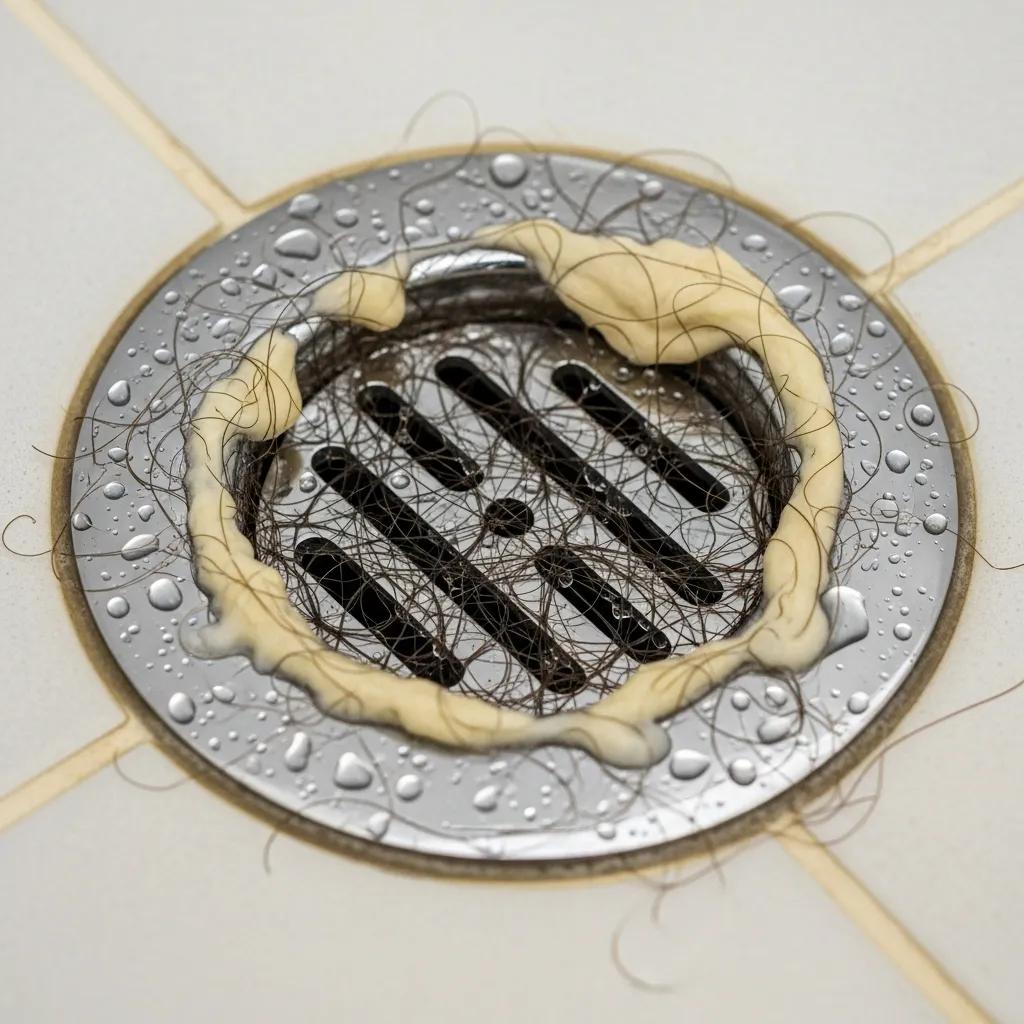
Hair and soap scum team up to form stubborn mats that slow drainage. Hair tangles, soap and oils act like glue, and together they create a sticky ring that traps more debris over weeks or months. Usually you’ll notice a ring of gunk around the drain or slower draining after several showers. Removal normally starts at the drain cover and, if needed, continues into the P-trap. Simple prevention—like a strainer and removing visible hair—keeps most clogs from becoming serious jobs.
What Other Factors Cause Shower Drain Slowdowns and Odors?
Beyond hair and soap scum, slow drains and smells can come from mineral buildup, rust, biofilm (a slimy bacterial layer), or stray objects that collect and trap bacteria. Hard water leaves crusty deposits that narrow pipes, and biofilm can produce persistent odors. If multiple drains are slow or you smell sewage, the issue may be in the sewer or mainline rather than the shower drain. Those signs usually mean you should consider a camera inspection or professional service to diagnose the problem correctly.
How Can You Unclog a Shower Drain Yourself Safely?
Safe DIY unclogging focuses on mechanical removal and mild, non-corrosive cleaners so you don’t damage pipes. Start by removing visible debris at the strainer, try a plunger or drain snake next, and use a baking soda + vinegar rinse for light residue. Avoid harsh chemical drain cleaners that can corrode pipes or react dangerously. Protect the P-trap and flange by using proper technique—get a good seal when plunging and feed a snake gently to avoid stressing joints. The table below compares common at-home methods so you can pick the right one for your clog.
Intro to DIY comparison table: This table compares common at-home unclogging methods so you can choose the safest, most effective approach for your clog.
| Method | Tool / Supplies | Effectiveness / When to Use |
|---|---|---|
| Manual removal | Gloves, flashlight, screwdriver or needle-nose pliers | High for hair and debris near the drain; first step for most clogs |
| Plunger | Cup plunger, towel to seal overflow | Good for partial blockages and dislodging compacted debris |
| Drain snake / auger | Hand auger (snake) or zip tool | High for hair and localized clogs; avoid overfeeding into older pipes |
| Baking soda + vinegar | 1/2 cup baking soda, 1/2 cup vinegar, hot water flush | Moderate; best for mild soap scum and small organic residues |
In most cases, manual removal and a snake clear the clog safely. Baking soda and vinegar can help loosen light residue before you use mechanical tools. Below we walk through step-by-step methods so you can proceed with confidence.
What Are the Step-by-Step Methods Using a Plunger and Drain Snake?
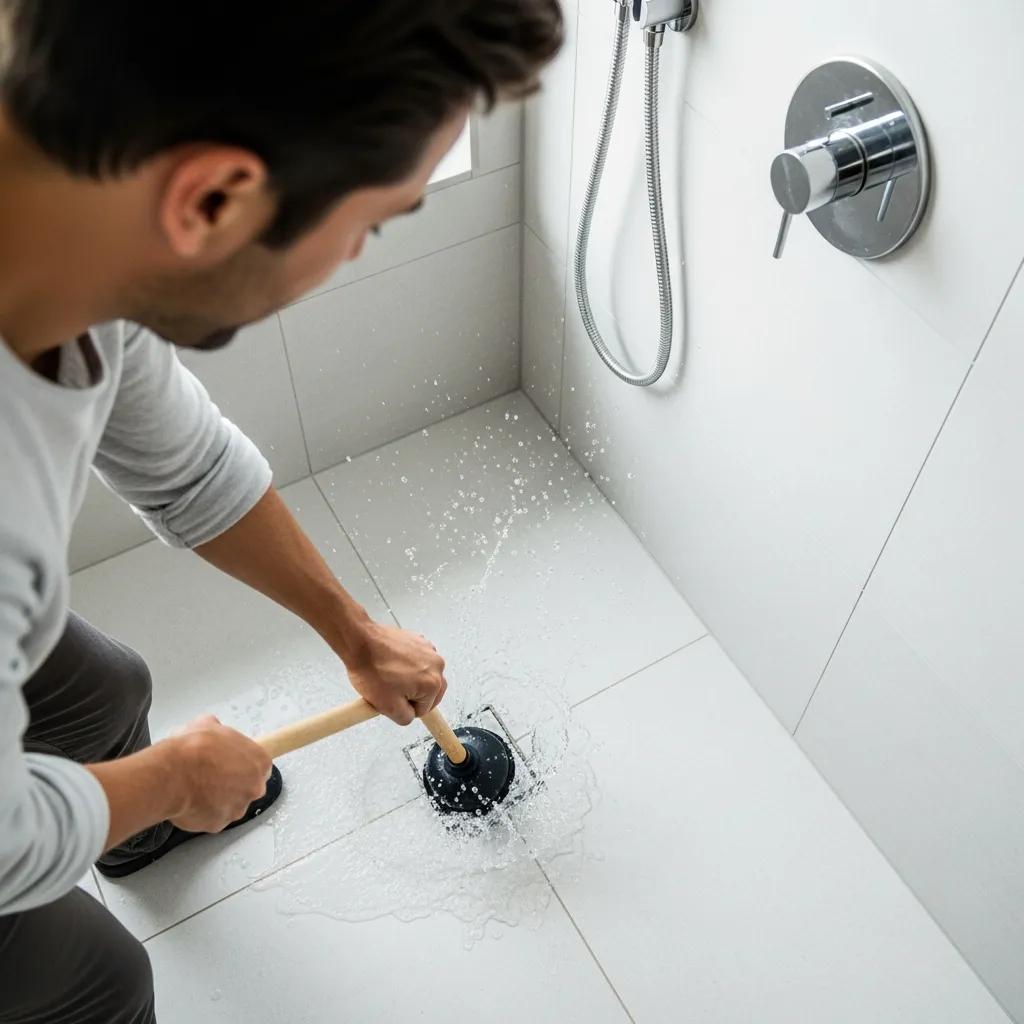
When you use a plunger or drain snake correctly, you can restore flow without harming pipes. First, seal any overflow openings—a wet towel works for tub overflows and an adapter helps on some shower drains—then place a cup plunger over the drain and plunge with steady, controlled strokes for 15–30 seconds. If that doesn’t work, feed a hand auger or snake into the drain slowly while turning the handle; when you feel resistance, rotate and push gently to break or snag the clog, then pull debris out gradually to avoid leaving pieces behind. Don’t use chemical cleaners before mechanical methods, don’t force a snake past strong resistance, and avoid over-rotating in older pipes. If mechanical attempts fail or you see sewage backup, stop and call a professional to avoid causing more damage.
How Effective Are Natural Cleaners Like Baking Soda and Vinegar?
Baking soda and vinegar fizz and can help loosen mild soap scum and organic residue, but they don’t provide the mechanical force of a snake or hydro jet. The fizzing reaction helps agitate deposits so hot-water flushing and mechanical clearing work better for small clogs. To use: pour baking soda down the drain, add vinegar, wait 15–30 minutes, then rinse with hot water. Use this monthly as preventive maintenance, and never combine with commercial caustic cleaners. For hardened mineral deposits, root intrusion, or solid obstructions, natural cleaners won’t be enough—mechanical or professional methods are required.
When Should You Call a Professional for Shower Drain Cleaning?
Call a professional if the clog won’t clear after safe DIY attempts, if multiple fixtures are affected, or if you notice strong sewage odors, backups, or signs of pipe damage. Those symptoms usually point to a deeper issue that needs diagnostic tools like camera inspection to locate and identify the problem. Delaying service can make corrosion, root intrusion, or sewer backup worse and more expensive to fix. Use the checklist below to decide whether to request emergency service or schedule routine maintenance.
Signs that mean you should contact a professional plumber:
- Repeated clogs after you’ve tried proper DIY methods.
- Multiple drains in the house are slow or showing backups.
- Strong sewage odors near drains or visible corrosion on pipes.
- Standing water, backups into the bathroom, or signs of a mainline blockage.
These red flags usually require diagnostic equipment and an experienced technician. Below we explain how licensed local providers handle emergency and scheduled drain cleaning.
What Signs Indicate the Need for Expert Plumbing Services?
Certain red flags call for quick professional attention because they usually mean a bigger plumbing problem. If clogs keep coming back despite correct DIY fixes, or if multiple fixtures slow at once, you’re likely looking at a mainline or sewer issue. Strong sewage smells, visible corrosion, or any sewage backup are higher-severity warnings—address these promptly to avoid health risks and structural damage. In those cases, contact a licensed plumber for a proper diagnosis and targeted repairs.
How Does Frost and Kretsch Plumbing Provide Emergency and Scheduled Drain Cleaning?
Frost and Kretsch Plumbing offers both emergency response and scheduled drain cleaning, sending licensed, insured technicians who use modern diagnostic and cleaning equipment to fix drain and sewer problems the right way.
Their services include 24/7 emergency response, camera inspection, and hydro jetting, and they emphasize transparent, upfront pricing with no hidden fees backed by a 100 percent satisfaction guarantee.
For homeowners and businesses in Macomb, Oakland, and Wayne counties, Frost and Kretsch Plumbing provides local emergency and scheduled options—call for immediate help with backups or arrange routine maintenance to prevent future issues.
If a DIY method doesn’t clear the clog or you spot signs of a larger problem, calling a licensed provider like Frost and Kretsch Plumbing gets you a safe, professional diagnosis and repair; reach them at (586) 675-0097 or check their Google Business Profile for local details.
What Professional Methods Are Used to Clear Stubborn Shower Drain Clogs?
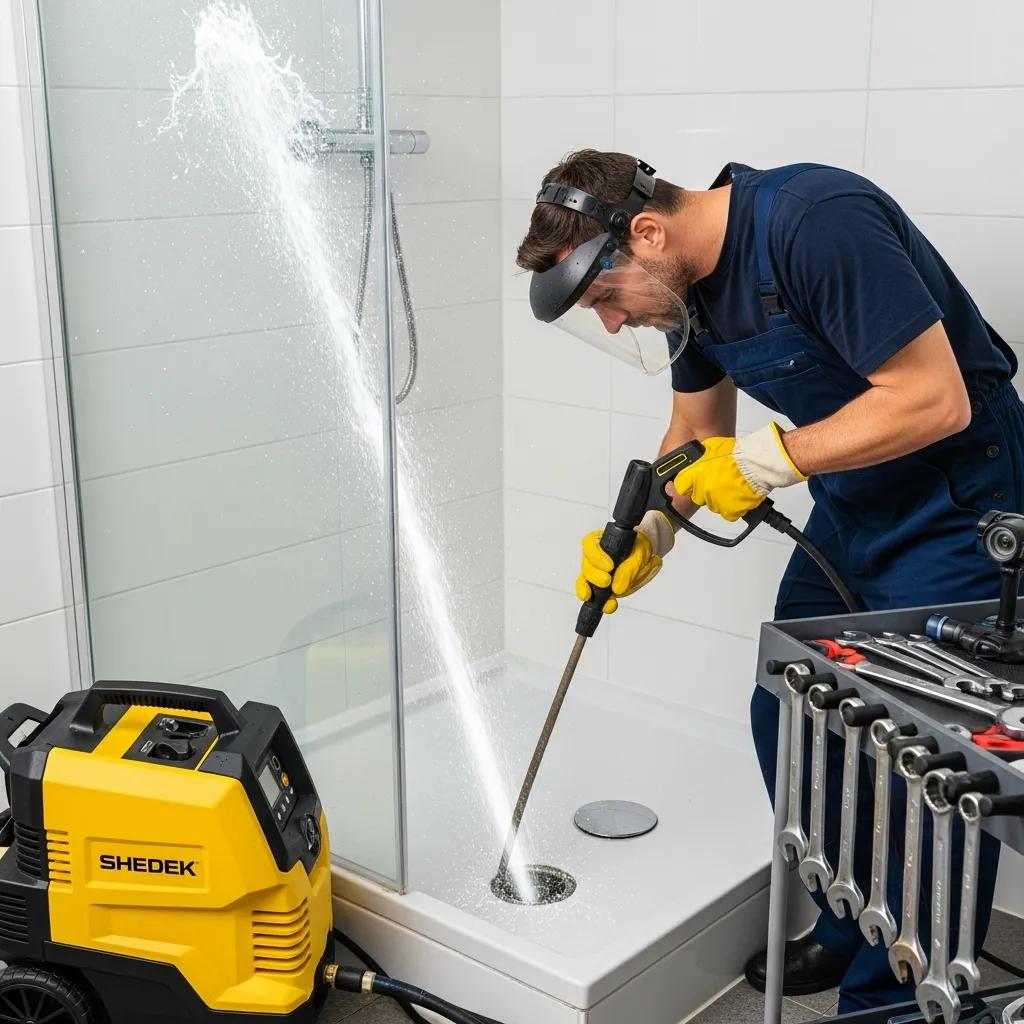
Pros use targeted tools: camera inspection to diagnose, hydro jetting to deep-clean, and mechanical snaking/rooter machines to cut or remove tough obstructions. A camera shows the clog type and location so the technician picks the least invasive, most effective method. Hydro jetting blasts away grease, soap scum and biofilm with high-pressure water, while snaking and rooter equipment tackle solid blockages and tree roots. The table below compares these professional approaches so you can understand typical uses, benefits, and limitations.
Intro to professional methods table: This EAV table outlines common professional approaches so you can evaluate options after DIY attempts fail.
| Professional Method | Typical Use Case | Benefit / Drawback |
|---|---|---|
| Camera inspection | Diagnose unseen blockages and pipe condition | Benefit: accurate diagnosis; Drawback: adds diagnostic cost but prevents unnecessary work |
| Hydro jetting | Remove grease, soap scum, biofilm, and build-up | Benefit: thorough cleaning and prevention; Drawback: not suitable for fragile or severely damaged pipes |
| Mechanical snaking / rooter | Cut or extract solid obstructions and roots | Benefit: effective for localized blockages; Drawback: may not remove all residue on pipe walls |
Camera inspection combined with hydro jetting often provides the most complete long-term fix for recurring clogs, while snaking is the go-to for specific, localized obstructions. Next, we explain how hydro jetting works and when to pick each tool.
How Does Hydro Jetting Work to Remove Tough Blockages?
Hydro jetting forces high-pressure water through a special nozzle to scour pipe walls and wash away hair, grease, soap scum and bacterial biofilm. The water shears deposits off the pipe surface and flushes them downstream to the sewer main—no caustic chemicals required—making it an environmentally friendly option for many build-up problems. It’s best used in sound piping; a camera inspection usually confirms the pipe can handle high pressure. For recurring clogs caused by heavy residue, hydro jetting typically offers longer-term relief than spot snaking alone.
What Are Mechanical Snaking and Rooter Services for Drain Cleaning?
Mechanical snaking uses a flexible cable (hand auger or powered rooter) to break up or pull out hair, compacted debris and some solid obstructions. Rooter equipment is built to cut through thicker intrusions like tree roots. Snaking is fast and effective for localized clogs, but it may leave some residue on pipe walls. When roots are extensive or the pipe is damaged, additional repairs might be needed. Combining camera inspection with snaking or rooter work confirms the job was successful and checks pipe condition to avoid repeat calls.
How Can You Prevent Future Shower Drain Clogs Effectively?
Preventing clogs is a mix of regular maintenance, small daily habits, and the right hardware. Remove visible hair from the strainer after each shower, flush the drain with hot water weekly, and use enzyme-based cleaners monthly to keep organic residue from building up. Install a good drain cover and try simple habits—brush your hair before showering—to cut the amount of debris entering the drain. The short checklist below gives an easy maintenance schedule you can follow.
- Daily: Remove hair and debris from the strainer after each shower to stop mats from forming.
- Weekly: Flush the drain with hot water to dissolve light soap scum and oils before they harden.
- Monthly: Use an enzyme drain cleaner to help digest organic residue.
- As needed: Inspect and clean or replace drain covers to keep hair capture effective.
Following these simple steps reduces the chance you’ll need mechanical cleaning and stretches the time between professional visits. The right drain cover plus consistent habits is a reliable prevention strategy.
What Maintenance Tips Help Keep Shower Drains Clear?
A small maintenance routine goes a long way. Remove hair from the strainer daily, flush with hot water weekly, and treat with an enzyme cleaner monthly to keep pipes clear without corrosive chemicals. Check the P-trap and accessible fittings occasionally for corrosion or leaks and fix small problems before they grow. These proactive steps preserve pipe health and make it harder for biofilm and residue to take hold.
Which Drain Covers and Habits Reduce Hair and Soap Scum Buildup?
Pick a drain cover that fits your drain and clean it regularly. Fine mesh strainers catch small hairs; dome-style covers stop larger clumps and slow hair from reaching the trap. Make sure the cover sits snugly and clean it often to prevent secondary buildup. Simple habits—brush or detangle hair before showering, use fewer oil-based products, and rinse the tub after use—cut how much debris reaches the pipes. Combining the right cover with small behavior changes delivers the best results.
What Is the Typical Cost to Clear a Shower Drain Professionally?
Professional drain-cleaning costs depend on how severe the clog is, which method is needed, how easy the access is, time on site, and whether diagnostics like a camera inspection are required. Basic snaking usually costs less than hydro jetting or a combined diagnostic and cleaning service, and any repairs or pipe work will add to the total. The pricing factors table below explains what typically affects a professional quote—note that local market rates vary.
Intro to pricing table: Use this table to understand cost drivers that professionals consider when quoting drain cleaning services.
| Service Type | Price Range (typical) | Factors Affecting Price |
|---|---|---|
| Basic snaking / auger | Industry range varies by market, typically $100–$300 | Clog severity, access, time required |
| Camera inspection | Additional diagnostic fee typical, $100–$250 | Length of run, difficulty, location of blockage |
| Hydro jetting | Higher-range cleaning method, $250–$600+ | Pipe condition, required pressure, setup time |
Severity and required equipment are the main cost drivers. Expect quotes to reflect the method, diagnostics and any extra repairs rather than a single flat price. Frost and Kretsch Plumbing’s promise of transparent, upfront pricing helps remove surprises from the estimate.
How Do Pricing Factors Vary Based on Clog Severity and Method?
Quotes reflect labor time, equipment used, and diagnostics performed. Minor clogs cleared with a basic snake take less time and cost less, while stubborn, recurring clogs often need camera inspection plus hydro jetting, which raises the price. Tight spaces or removing fixtures add labor, and any pipe repairs or replacements add materials and time. Knowing these variables helps you compare quotes and avoid unexpected charges when scheduling service.
What Transparent Pricing and Satisfaction Guarantees Does Frost and Kretsch Plumbing Offer?
Frost and Kretsch Plumbing emphasizes transparent, upfront pricing with no hidden fees and backs work with a 100 percent satisfaction guarantee. Their licensed, insured technicians perform drain and sewer services that include camera inspection and hydro jetting, and they offer both emergency response and scheduled maintenance for residential and commercial customers in Macomb, Oakland, and Wayne counties. To get help now or schedule service, call (586) 675-0097 and speak with their team.
Call to action: For emergency drain issues or to schedule professional cleaning, contact Frost and Kretsch Plumbing at (586) 675-0097 for licensed, insured technicians offering 24/7 emergency service, camera inspection, hydro jetting, transparent upfront pricing with no hidden fees, and a 100 percent satisfaction guarantee.
Frequently Asked Questions
What are the benefits of using natural cleaners for shower drain clogs?
Natural cleaners like baking soda and vinegar are an eco-friendly, low-risk alternative to harsh chemical drain cleaners. They fizz and help loosen mild clogs from soap scum and organic residue and are safe for regular preventive use on most plumbing systems. Keep in mind they’re best for light issues—more severe blockages usually need mechanical or professional intervention.
How can I tell if my shower drain issue is a mainline problem?
If several drains in your home are slow or backing up at the same time, that often points to a mainline blockage rather than a single drain. Strong sewage odors or standing water in multiple fixtures are other signs the issue extends beyond the shower. In those cases, call a professional plumber for a full inspection and accurate diagnosis.
What tools do I need for DIY unclogging methods?
For most DIY jobs you’ll want a cup plunger, a drain snake or hand auger, gloves, a flashlight, and a screwdriver or needle-nose pliers for manual removal near the drain. Having these basics on hand makes clearing clogs safer and more efficient.
How often should I perform maintenance on my shower drain?
Regular maintenance keeps clogs at bay: remove visible hair after each shower, flush the drain with hot water weekly, and use an enzyme-based cleaner monthly. Sticking to a simple routine significantly lowers the chance of tougher clogs and expensive repairs.
What should I do if my DIY methods fail to clear the clog?
If DIY fixes don’t work, it’s time to call a professional. Persistent clogs can mean a mainline issue or damaged pipes that require diagnostic tools like a camera inspection. Avoid pouring harsh chemicals down the drain—they can damage pipes and complicate professional repairs.
Are there specific drain covers that can help prevent clogs?
Yes. Mesh strainers catch fine hair, and dome-style covers stop larger tufts before they reach the trap. Make sure the cover fits snugly and clean it regularly to avoid secondary buildup. Combining a good cover with simple habits gives you the best protection against clogs.
Conclusion
Unclogging a shower drain yourself can save time and money when the problem is small. Learn the common causes, use safe DIY methods, and follow simple prevention habits to keep water flowing. For persistent, recurring, or severe issues, a licensed plumber has the tools and experience to resolve the root cause. If you need help, Frost and Kretsch Plumbing is available to diagnose and fix the problem—call today for expert assistance.