
Seasonal Plumbing Maintenance Checklist for Homeowners: Essential Preventative Tips for Michigan Homes
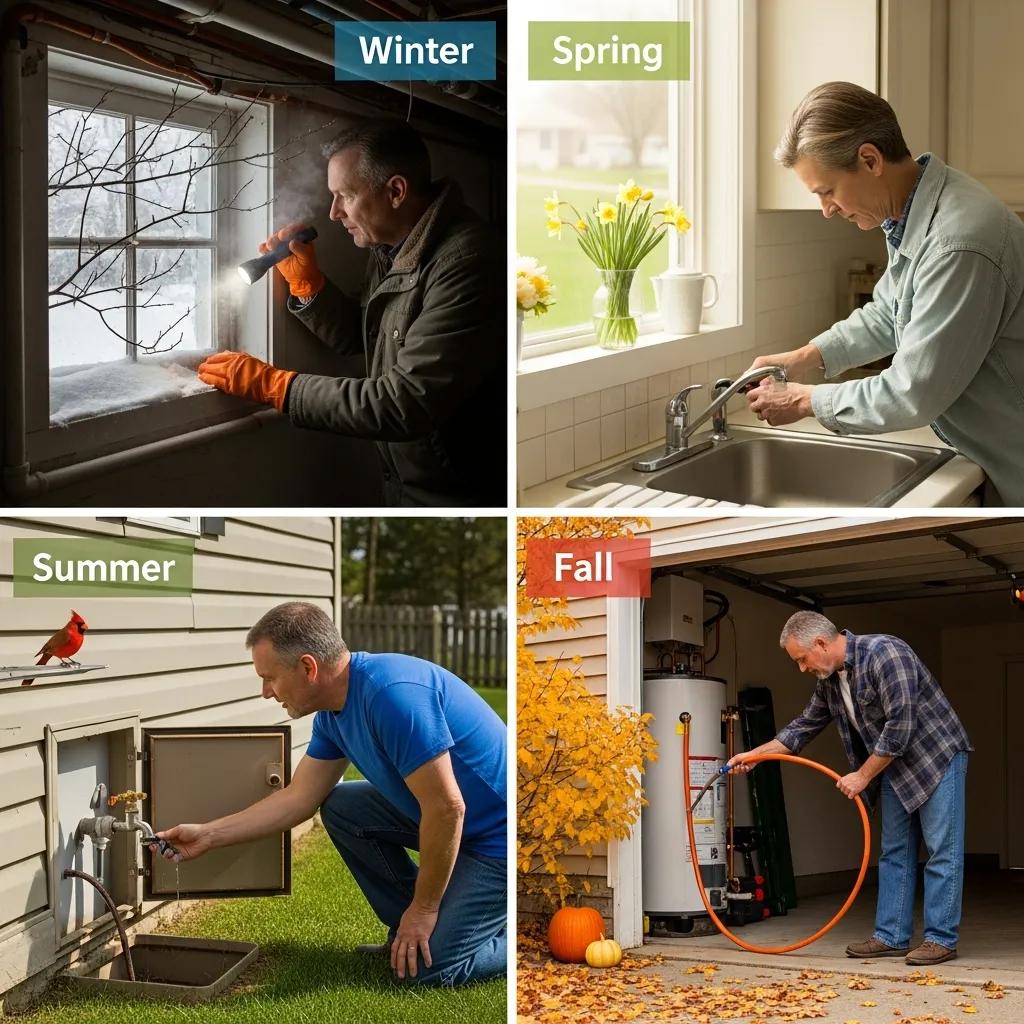
Seasonal plumbing maintenance means doing a few focused tasks each season to protect your pipes, fixtures, and drains from weather-related wear. In Michigan, harsh winters and quick spring thaws put predictable stress on home plumbing—so a simple checklist can stop small problems from becoming expensive emergencies. This guide walks you through practical, step-by-step seasonal tasks—winter prep, spring tune-ups, summer care, and fall readiness—so you can spot issues early, waste less water, and get more life from equipment. We also include a short local note about professional help: Frost and Kretsch Plumbing is a family-owned team serving Macomb, Oakland, and Wayne counties with licensed, insured technicians and 24/7 emergency response. Prefer DIY first? Keep reading for targeted checklists, basic tools, and clear signs that it’s time to call in a pro.
Why Is Seasonal Plumbing Maintenance Crucial for Homeowners?
Seasonal maintenance means adjusting inspections and small repairs to match the risks each season brings. Targeted steps—like adding insulation before heavy cold or flushing tanks before peak use—prevent the most common failures. That means fewer emergency calls, lower long-term repair costs, and longer life for water heaters, sump pumps, and sewer lines. Industry experience shows that homeowners who manage seasonal risks proactively see fewer peak-demand failures during Michigan winters and spring thaws, which protects both safety and resale value. Below are the top three benefits to keep front of mind.
Seasonal maintenance delivers three primary homeowner benefits:
- Lower repair costs by avoiding major failures and emergency service fees.
- Fewer disruptive events like burst pipes and basement flooding.
- Longer, more efficient service life for key systems—water heaters, sump pumps, and sewers.
These gains come from simple preventive steps; the next section explains how small actions translate to real savings and fewer emergencies.
How Does Preventative Plumbing Save Costs and Prevent Emergencies?
Preventative plumbing saves money by finding small issues—corrosion, slow leaks, or sediment build-up—before they turn into major repairs that need excavation or replacement. Early leak detection and routine flushing limit repair scope and keep fixtures working efficiently, which lowers monthly water and heating costs. For example, flushing sediment from a water heater improves heat transfer and can delay replacement, and insulating supply lines cuts freeze-related repairs. Homeowners who schedule seasonal checks usually call us less often and pay smaller bills. If you spot repeated clogs, visible corrosion, or suspect hidden leaks during DIY checks, reach out to a licensed plumber to avoid escalation.
Those general savings lead into season-specific tasks that address Michigan’s climate challenges next.
What Are the Unique Plumbing Challenges in Michigan’s Climate?
Michigan brings long stretches of freezing weather, frequent freeze-thaw cycles, and heavy spring runoff—all of which strain plumbing in predictable ways. Freezing air shrinks water in pipes and increases burst risk where insulation is thin; thaws and heavy rains ramp up sump-pump use and raise the risk of sewer backups. Older homes in Macomb, Oakland, and Wayne counties often have aging lines or drain layouts that are more vulnerable. Knowing these seasonal failure patterns helps homeowners prioritize insulation, sump-pump readiness, and sewer awareness. The winter section that follows covers the most urgent steps to take before deep cold arrives.
What Are the Key Tasks in the Winter Plumbing Checklist for Homes?
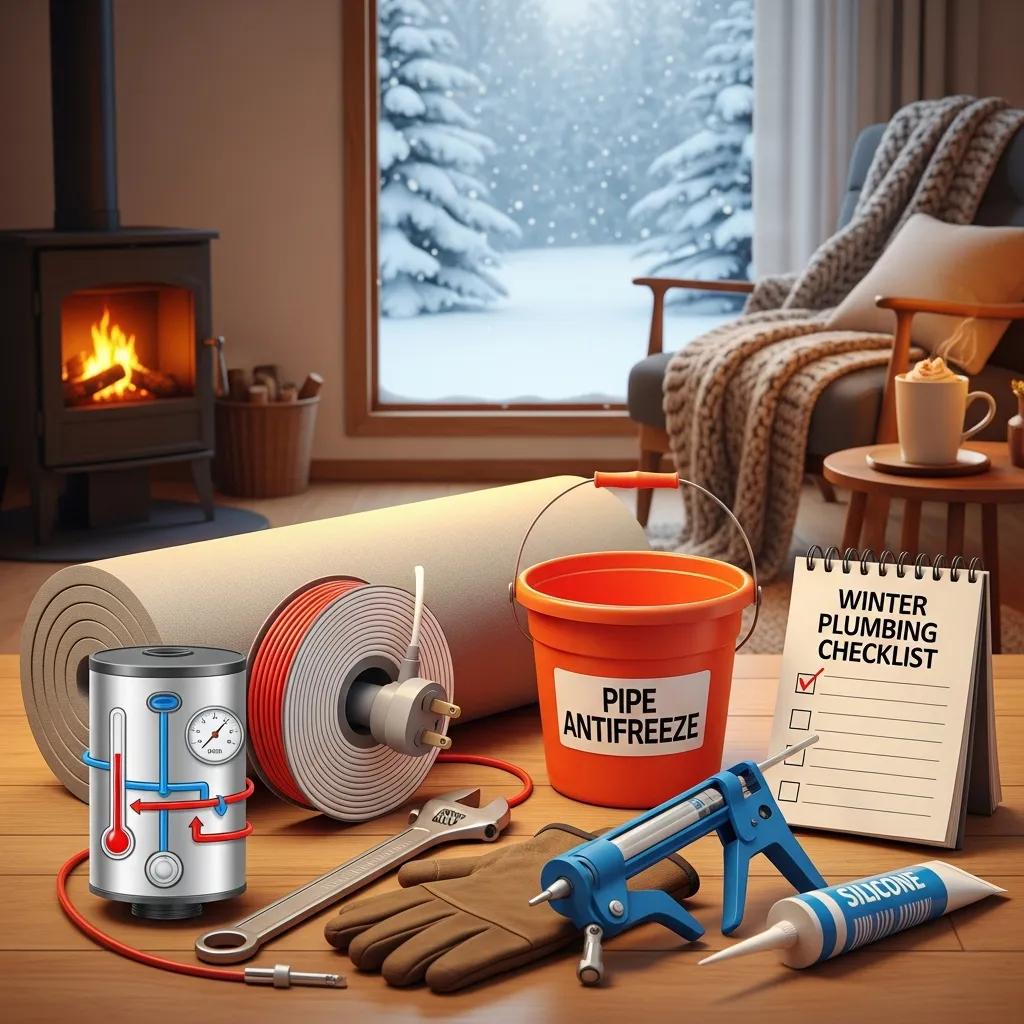
Winter maintenance concentrates on preventing frozen pipes, protecting outdoor fixtures, checking water heaters, and making sure you’re ready to act fast in an emergency. Doing these tasks cuts the most common cold-weather failures: bursts, frozen spigots, and extra strain on heating systems. The checklist below highlights the highest-impact jobs, with short how-to notes and clear signs for when to call a professional. Knock these out before sustained cold moves in to lower your winter risk.
Winter checklist — six high-impact tasks with when to call a pro:
- Insulate vulnerable pipes: wrap exposed supply lines with foam and use heat tape where recommended; hire a pro if pipes run inside walls or are not accessible.
- Shut off and drain outdoor faucets: close interior isolation valves, remove hoses, and open spigots to drain remaining water; call a plumber if isolation valves are seized or leaking.
- Check water heater settings and schedule a flush: set a safe temperature and plan an annual sediment flush; call a technician for heavy buildup or failing components.
- Keep indoor temps steady and open cabinet doors: maintain a reasonable thermostat and let warm air reach under-sink pipes; call a pro if pipes freeze inside wall cavities.
- Prep emergency shutoffs and a thaw kit: know your main shutoff’s location and keep safe thawing tools on hand; call immediately for visible bursts or uncontrolled leaks.
- Inspect sump pump backups: test battery backups and run the pump to confirm operation; call for replacement if the pump won’t run or cycles strangely.
Most of these items are DIY-friendly; the table below shows common winter problems, practical DIY steps, and when to bring in a licensed technician.
Winter task comparison — protection method and intervention threshold:
| System | Recommended Prevention | DIY vs Professional |
|---|---|---|
| Exposed supply pipes | Foam insulation, heat tape, seal wall penetrations | DIY for visible lines; call a pro if inaccessible or freezing recurs |
| Outdoor faucet/spigot | Close interior valve, drain lines, remove hoses | DIY for basic shutoff; pro for replacing stuck isolation valves |
| Water heater | Check temperature, flush sediment yearly | DIY drain for light sediment; pro for heavy buildup or element work |
| Sump pump | Test, clean strainer, confirm battery backup | DIY monthly checks; pro for replacement or electrical issues |
| Main shutoff accessibility | Clear access and label the valve | DIY labeling; pro for stuck or corroded shutoffs |
This table makes it easier to see what you can handle and when a licensed technician is the safer choice. The next sections offer focused how-to tips for frozen pipes and outdoor faucet winterization.
How Can Homeowners Prevent Frozen Pipes and Pipe Bursts?
Pipes freeze when water inside drops below 32°F and expands, which can split the pipe. Prevent freezing by raising the surrounding temperature, insulating exposed runs, and minimizing trapped water. Common homeowner actions include adding foam insulation to exposed cold-water lines, applying heat tape on vulnerable runs, opening cabinet doors to let warm air circulate, and allowing a slow faucet drip during extreme cold to keep water moving. If you see frost on pipes, no flow at a fixture, or ice-tinted water, shut off the main, open taps to relieve pressure, and avoid open flames to thaw lines. Call a professional if the frozen section is inside a wall, there are multiple frozen areas, or you spot leaks—professional thawing and repairs limit water and structural damage.
These precautions tie directly into outdoor faucet winterization, covered next.
What Steps Are Involved in Outdoor Faucet Winterization?
Winterizing exterior faucets prevents trapped water in hose bibs and exterior lines from freezing. Basic steps: remove and drain hoses, close the interior shutoff that serves the exterior faucet, open the outdoor spigot to drain any remaining water, and fit an insulated faucet cover. You’ll typically need pliers and foam covers, and the work usually takes under 30 minutes per faucet. If you have recurring freeze issues, consider upgrading to frost-free spigots—this usually requires a tech to install and slope properly. Call a pro if interior shutoffs are corroded or hard to access to avoid damaging piping during the drain-down.
Which Plumbing Maintenance Tasks Should Be Performed in Spring?
Spring checks prepare your home for thaw-driven water flows: test and service sump pumps, clear drains and gutters, bring irrigation systems back online, and inspect foundation and sewer areas. These steps protect the systems that handle the highest seasonal load during snowmelt and heavy rains, helping prevent basement flooding and sewer backups. Below is a focused table to help prioritize spring tasks by risk and frequency, followed by practical how-to notes for sump pumps and drain care.
Spring maintenance priorities and frequency:
| Component | Recommended Action | Recommended Frequency |
|---|---|---|
| Sump pump | Test activation, clean basin, verify discharge | Monthly during thaw season |
| Drains and main sewer | Inspect, clear debris, consider camera if backups happen | Annually or after heavy storms |
| Foundation/sealants | Look for leaks and reseal gaps | Annually, before thaw |
| Sprinkler/irrigation | Inspect lines, test zones, check backflow devices | At seasonal startup |
| Outdoor fixtures | Reconnect only after system checks | Once ground and lines have thawed |
How to Test and Maintain Sump Pumps for Spring Thaw Protection?
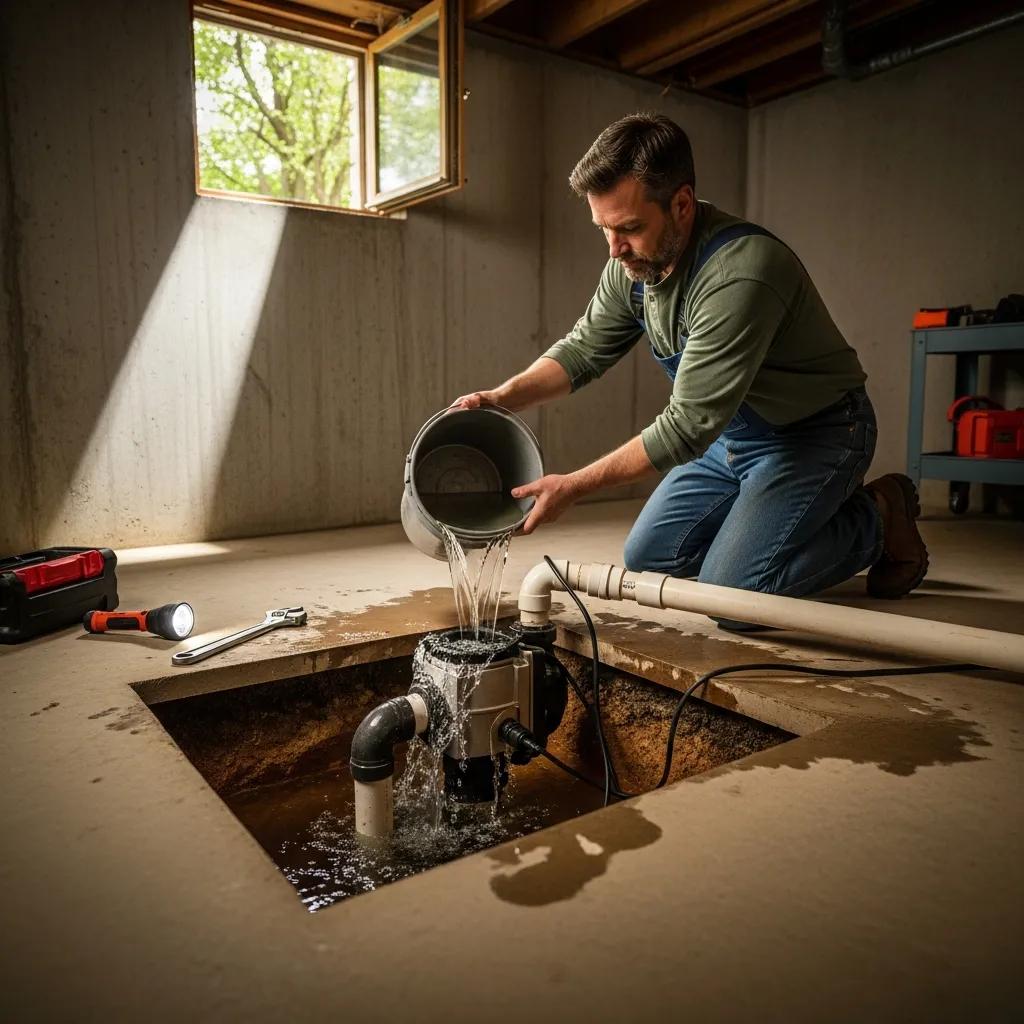
To test a sump pump, remove the cover, pour water into the pit until the float rises, and confirm the pump turns on and discharges water well away from the foundation. Clean the strainer, inspect the discharge line for blockages or frozen sections, and test any battery backup by simulating a power loss. Replace or call a pro if you hear unusual noises, the pump cycles erratically, it won’t start, or the backup battery is old. If your home floods repeatedly, consider a higher-capacity unit or a second pump—our technicians can assess and recommend the right solution.
What Are Effective Drain Cleaning and Leak Detection Tips for Spring?
For spring drain maintenance, start with mechanical and enzymatic solutions: use a plunger, a hand auger for local clogs, and enzyme-based cleaners that safely break down organic buildup. Avoid harsh chemical drain openers that can damage older pipes. If you notice multiple slow drains, bad smells, or gurgling toilets, schedule a sewer camera inspection to check for main-line blockages, tree roots, or pipe failure. For leak detection, do visual checks for damp spots, watch the water meter with all fixtures off, and listen for hidden drips. Persistent or concealed leaks deserve a professional diagnostic to prevent foundation damage and mold.
What Are Essential Summer Plumbing Care Tips for Homeowners?
Summer care focuses on conserving water, maintaining frequently used outdoor systems, and keeping disposals and water softeners in good working order. Warmer months increase irrigation demand and can reveal outdoor leaks or sprinkler problems—proactive checks cut wasted water and catch line issues early. Below we list conservation strategies and system checks, then cover disposals and softener upkeep so your plumbing stays reliable through peak season.
Key summer actions include inspecting irrigation, watching for leaks, and tuning household systems to save water and prevent wear. The following section outlines practical conservation and outdoor maintenance steps.
How to Conserve Water and Maintain Outdoor Plumbing During Summer?
Saving water and maintaining outdoor plumbing reduces strain and utility costs in summer. Schedule irrigation for early morning or evening to limit evaporation, adjust sprinkler heads to avoid overspray, inspect visible lines and fittings for drips, and install low-flow fixtures where sensible. To spot outdoor leaks, turn all house water off and watch the meter—if it keeps moving, you may have an underground line leak. Dye tests can help spot irrigation leaks. For buried line repairs or complex irrigation problems, call a qualified plumbing or irrigation specialist to prevent landscape damage and wasted water.
What Are Best Practices for Garbage Disposal and Water Softener Maintenance?
Keep garbage disposals performing well by running cold water during use, avoiding fibrous or starchy scraps, and occasionally grinding ice and citrus peels to clean and deodorize. If the disposal hums but won’t spin, turn it off, check for jams, and try the reset button—if it still won’t run, call a technician. For water softeners, monitor salt levels, follow the manufacturer’s regeneration schedule, and plan for occasional resin maintenance. Signs like spotting on dishes or persistent soap scum mean it’s time for service. When electronic controls fail or performance drops, schedule a professional water-softener service to protect appliances and plumbing from scale.
How Should Homeowners Prepare Their Plumbing for Fall?
Fall prep shifts your plumbing from heavy summer use into winter protection: flush water heaters, clean gutters and downspouts, seal exterior penetrations, and check insulation on vulnerable lines. These steps lower freeze risk and help maintain hot-water performance when temperatures drop. Below we cover water heater flushing and gutter checks, plus a table to compare water heater maintenance options so you can decide the right level of service before cold weather arrives.
Water heater maintenance choices balance what you can do and what a pro should handle; the table below outlines common tasks and timing.
| Water Heater Task | Action | Recommended Interval |
|---|---|---|
| Flush tank | Drain sediment to restore efficiency | Annually, ideally in fall |
| Inspect anode rod | Check for corrosion and replace if worn | Every 1–3 years |
| Check TPR valve | Test the temperature-pressure relief valve | Annually |
| Professional inspection | Full diagnostics, element checks, and safety review | Every 1–2 years |
What Is the Process for Water Heater Flushing and Inspection in Fall?
Flushing a water heater removes sediment that lowers efficiency and can shorten tank life: turn off power or gas, attach a hose to the drain valve, open the pressure relief valve to vent, and drain until the water runs clear, then refill and restore power. Check the anode rod for heavy corrosion—replacing it can extend tank life—and test the TPR valve for proper function. These steps involve hot water and utility isolation, so only attempt them if you’re comfortable with those controls. Call a licensed technician for heavy sediment, ongoing performance issues, or any sign of leaks or corrosion to avoid safety hazards.
How to Check Gutters and Downspouts to Prevent Plumbing Issues?
Clogged gutters and downspouts cause overflow that soaks soil near the foundation, raising hydrostatic pressure and risking basement leaks. Keep gutters clear, make sure downspouts extend several feet from the foundation, and repair any bent or detached sections that interrupt flow. Use gloves and a ladder with a spotter for safe cleaning, and consider gutter guards to minimize leaf buildup. If water still pools near the foundation after cleaning, call a pro to discuss downspout rerouting or grading solutions to protect your plumbing and foundation.
When Should Homeowners Call a Professional Plumber for Seasonal Maintenance?
Knowing when to call a professional saves time and prevents costly mistakes. Get immediate help for major leaks, complete loss of hot water, repeated sewer backups, or any electrical or gas-related water-heater issues. Licensed plumbers have diagnostic tools—camera inspection, hydro-jetting, and correct replacement parts—that are essential for complex problems. Frost and Kretsch Plumbing provides emergency response and routine maintenance across Macomb, Oakland, and Wayne counties with licensed, insured technicians and a satisfaction guarantee. The decision table below helps you decide when to escalate to professional service.
Decision table — problem signals, DIY checks, and when to call a pro:
| Problem / Signal | Quick DIY Check | When to Call a Professional |
|---|---|---|
| Gushing or steady leak | Shut off main and inspect visible fittings | Call immediately for repair and structural assessment |
| No hot water | Check breaker, thermostat, and pilot light | Call when electrical, gas, or element replacement is suspected |
| Repeated sewer backups | Run multiple drains and test basement drains | Call for camera inspection and hydro-jetting |
| Sump pump failure | Test by pouring water into the sump | Call for replacement if the pump won’t run or cycles continuously |
| Burst pipe | Shut main and drain the system | Call immediately for emergency repair and water mitigation |
What Are Signs That Indicate the Need for Expert Plumbing Services?
Call an expert for major leaks or structural water damage, repeated sewer backups, sudden spikes in water use, loss of hot water at multiple fixtures, or electrical/combustion problems with water heaters. First actions are shutting off the main water valve, turning off affected circuits, and documenting visible damage for repairs. If you notice a mix of issues—low pressure, discolored water, and foul odors—these usually point to main-line or systemic problems that require diagnostic equipment and trained technicians. Quick professional inspection limits secondary damage and restoration costs.
How Does Frost and Kretsch Plumbing Support Emergency and Routine Maintenance?
Frost and Kretsch Plumbing offers emergency response and scheduled residential maintenance with licensed, insured technicians across Macomb, Oakland, and Wayne counties. As a local, family-owned company we focus on clear pricing, dependable service, and a satisfaction guarantee. For emergencies—burst pipes, sewer backups—or routine seasonal work like sump pump tests, water heater flushing, drain cleaning, and frozen-pipe thawing, we bring the tools and parts needed for long-term solutions. To schedule seasonal maintenance or request emergency service, contact Frost and Kretsch Plumbing to arrange an inspection or a prioritized visit that fits your checklist.
Frequently Asked Questions
What should I do if I notice a sudden increase in my water bill?
A sudden jump in your water bill often means a leak or equipment problem. Start by checking visible fixtures—faucets, toilets, under sinks—for leaks. If nothing shows, shut off all water in the house and watch the water meter; if it keeps moving, you likely have a hidden leak. In that case, contact a professional plumber for a full inspection so you stop wasting water and prevent further damage.
How often should I perform seasonal plumbing maintenance?
Ideally, do a basic seasonal check four times a year—once each season. Each season brings different risks, from freezing in winter to heavy rains in spring. Use a short checklist for each season or hire a professional for a comprehensive seasonal inspection to make sure nothing gets missed.
Are there any plumbing tasks I can safely perform myself?
Yes. Homeowners can check for visible leaks, clean faucet aerators, flush water heaters, insulate exposed pipes, maintain sump pumps, and winterize outdoor faucets. For major leaks, sewer backups, or electrical and gas-related water-heater issues, call a licensed plumber. Always work within your comfort and safety limits.
What are the signs that my sump pump needs replacement?
Replace a sump pump if you hear unusual noises, it won’t start when water rises, it cycles on and off frequently, or you see rust and corrosion. If the pump is 7–10 years old, it may be nearing the end of its life. Regular tests help catch problems early—call a pro for evaluation or replacement when needed.
How can I prevent sewer backups during heavy rains?
Keep gutters and downspouts clear so water is directed away from your foundation. Regularly inspect and clean sewer lines and drains to prevent clogs. Installing a backwater valve can stop sewage from backing into the house. If backups happen often, schedule a professional inspection to find the right long-term fix.
What should I do if my pipes freeze during winter?
If you suspect frozen pipes, shut off the main water supply to reduce bursting risk, open faucets to relieve pressure, and gently warm the affected area with a hairdryer or heat tape—never use an open flame. If you can’t find the frozen section or you see leaks, call a professional plumber right away to thaw and repair safely.
How can I choose the right plumber for seasonal maintenance?
Look for licensed, insured plumbers with strong local reviews and clear pricing. Ask neighbors or friends for recommendations and get multiple quotes when possible. A good contractor explains their process, offers a satisfaction guarantee, and communicates clearly—trust your instincts and choose someone you feel comfortable with.
Conclusion
Seasonal plumbing maintenance is one of the best ways Michigan homeowners can protect their houses from weather-related damage, cut repair costs, and avoid emergencies. Follow these seasonal checklists to keep systems running longer and to reduce stress year-round. If you prefer professional help, Frost and Kretsch Plumbing is ready to support your seasonal needs with expert care and fast emergency response. Schedule your seasonal maintenance today and enjoy more reliable, worry-free plumbing.