
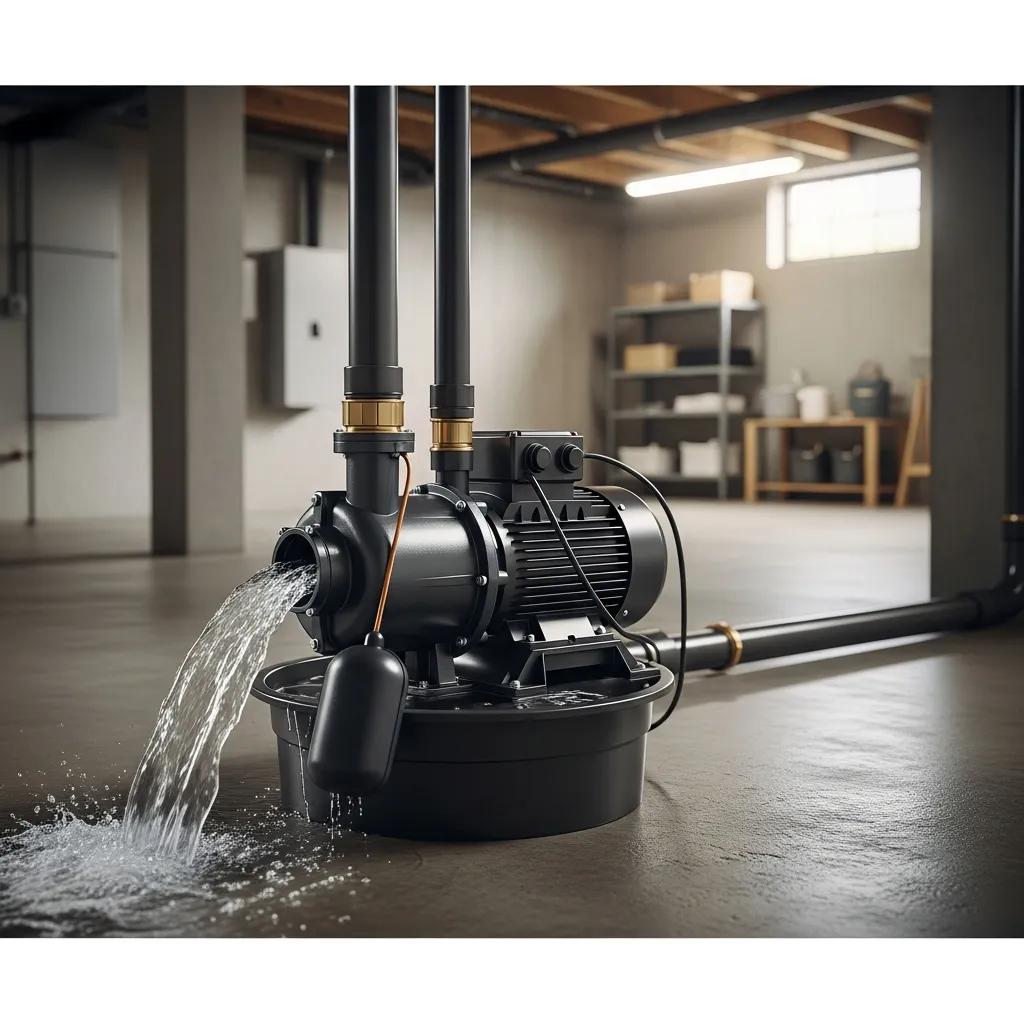
How to Troubleshoot a Sump Pump That Won't Turn On: Practical Fixes and Local Repair Options
If your sump pump doesn’t turn on, your basement is at real risk when water rises. This guide walks you through the most common causes, safe DIY checks you can do now, and when a professional should step in. You’ll get clear tests for power and float-switch problems, steps to clear clogs and inspect the impeller and check valve, and routine maintenance tips to prevent future failures. We also explain component-level clues — motor hums, stalled impellers, leaking check valves — and provide quick-reference diagnostic tables and step-by-step how-tos so you can act fast. When a job needs a pro, Frost and Kretsch Plumbing explains how we support homeowners across Macomb, Oakland, and Wayne counties with both emergency and scheduled sump pump services.
What Are the Most Common Causes of a Sump Pump Not Turning On?
Most sump pumps fail to start for five reasons: electrical issues, a bad float switch, motor failure, clogs or obstructions, and check valve problems. Each one interrupts either the signal to start the pump or the path for water to leave the pit, producing symptoms like silence, a humming motor that won’t spin, or frequent short cycles. Identifying the likely cause helps you run safe, focused checks and avoids wasting time on the wrong fix. Here’s a compact list for quick decisions.
Common causes and quick explanations:
- Electrical failure: No power, a tripped breaker, or a faulty outlet keeps the pump from getting electricity.
- Float switch malfunction: A stuck, misaligned, or waterlogged float won’t signal the pump to run.
- Motor problems: Seized bearings or burned windings can make the motor hum or stay silent without spinning the impeller.
- Clogs and debris: Sediment, rags, or scale can jam the impeller or discharge line and stop flow.
- Check valve failure: A leaking or stuck check valve causes backflow or constant cycling rather than proper discharge.
Knowing these failure modes helps you prioritize checks that start with power and end with component inspection and cleaning. The next sections show how to test electrical systems and float-switch behavior so you can troubleshoot with confidence.
How Do Electrical Issues Prevent a Sump Pump from Operating?
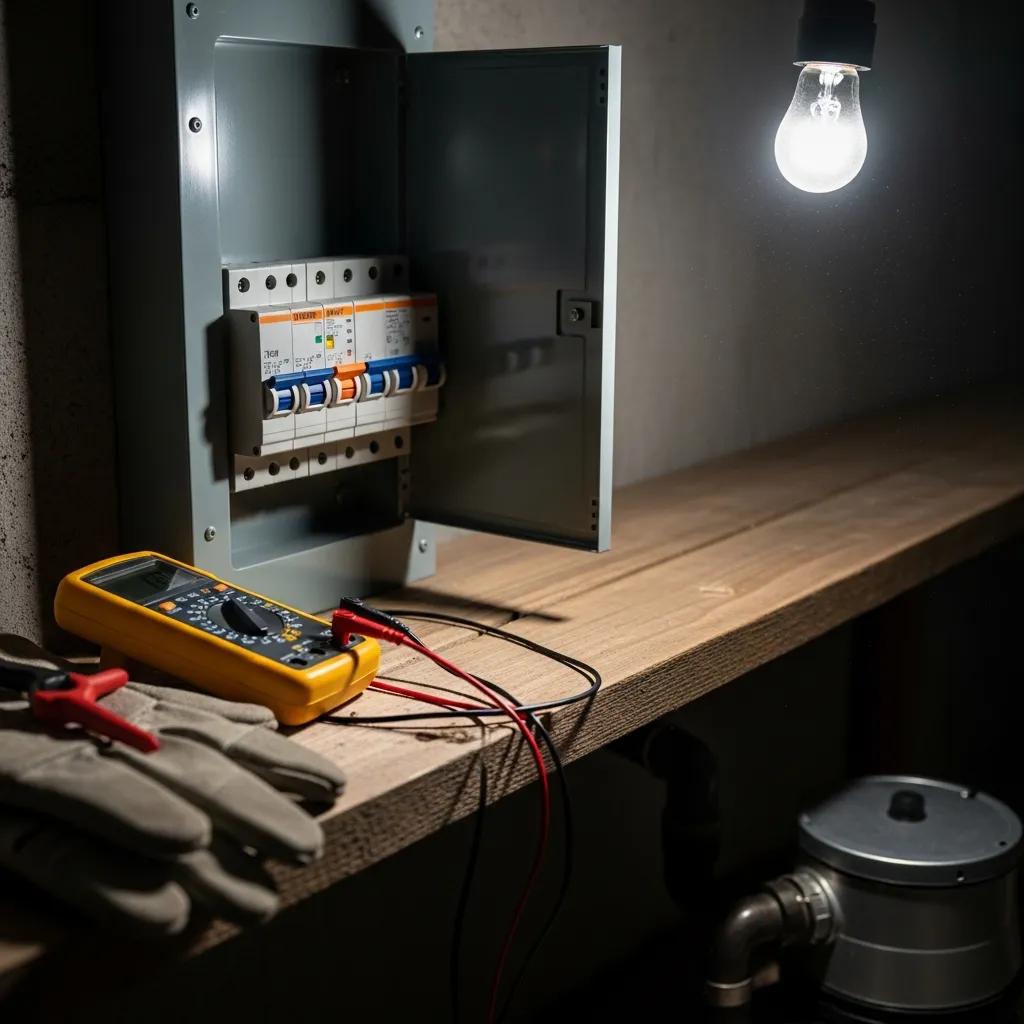
Electrical problems stop a sump pump by cutting power or creating unsafe conditions — common causes include tripped breakers, a tripped GFCI, damaged cords, or a bad outlet. Signs you’re facing an electrical issue include no sound or lights from the pump, a motor that hums without turning, or intermittent operation during heavy storms. Homeowners can safely check the circuit breaker and test the outlet with a lamp or multimeter, but avoid opening junction boxes or touching wet wiring. If the breaker keeps tripping, you smell burning, or wiring looks frayed, stop testing and call a licensed professional — those are electrical hazards that need an electrician or a trained plumber to fix.
After checking power, your next logical step is the pump’s activation device: the float switch, which can mimic electrical faults when it sticks or becomes waterlogged.
Why Does a Faulty Float Switch Stop the Sump Pump?
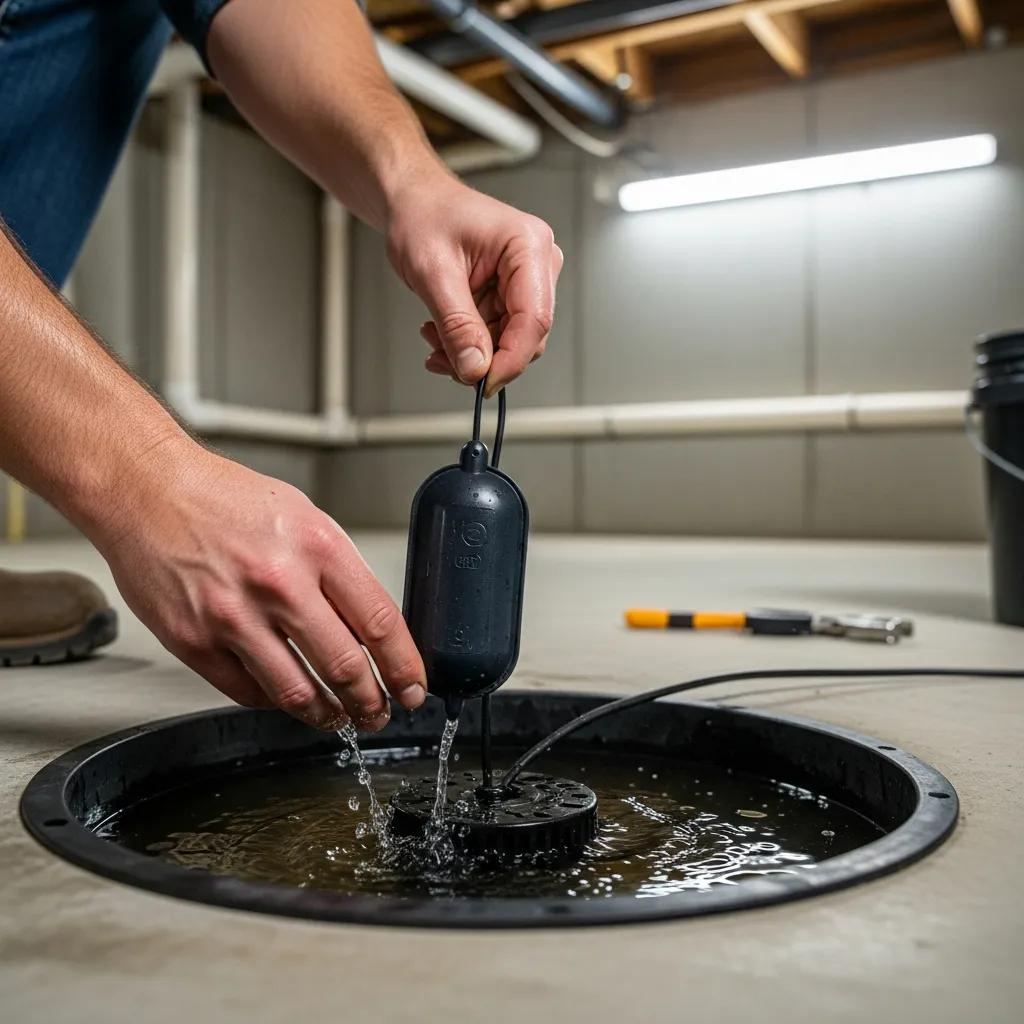
The float switch senses the basin’s water level and completes the pump’s circuit when water rises. If the float sticks, becomes waterlogged, or is misaligned, it won’t trigger the pump. Typical symptoms are the pump not starting even when the pit is high, the pump running continuously because the float is stuck “on,” or erratic cycling if the float catches on debris. To test the float safely, first confirm the pump has power, then lift the float by hand to simulate rising water — if the pump runs, the float or its path is likely the problem. If lifting the float does nothing, the issue may be electrical or motor-related and requires further checks.
Once you’ve identified float issues, you can decide whether cleaning, repositioning, or replacing the switch is the right next step — or if you need professional help.
How Can You Diagnose and Fix Sump Pump Problems Yourself?
Always prioritize safety — electricity and water are a dangerous mix. Then follow a short, ordered checklist: confirm power, test the outlet and breaker, simulate float activation, and inspect the discharge and impeller for clogs. This approach isolates the most common, repairable problems while keeping risk low. Below is a numbered how-to you can follow; each step lists what to look for and what outcome to expect.
- Turn off power at the breaker and visually inspect the pump and pit for obvious debris or damage; restoring power after that check prevents accidental shorts while you probe.
- Reset the circuit breaker for the pump and test the outlet with a known-good device or multimeter; if the outlet has power but the pump doesn’t respond, move on to float and motor tests.
- Manually lift the float to see if the pump activates; if it does, clean and reposition the float or replace the switch if it’s waterlogged or damaged.
- Inspect the discharge pipe and check valve for obstructions or backflow; clear debris and ensure piping is properly supported and sloped.
- If safe and recommended by the manufacturer, remove the pump from the basin to check the impeller for clogs or damage; clean sediment and only test the motor on a dry run if allowed.
These steps let most homeowners rule out simple issues and know when to call a pro. For quick reference while you work, the table below pairs common tools with expected diagnostic results for each test.
Diagnostic tool table introduction paragraph:
Before you start, gather a few basic tools and safety items so you can test quickly and safely. The table below links each tool to the test you’ll run and the result you should expect.
| Test Focus | Tool Required | Diagnostic Step / Expected Result |
|---|---|---|
| Power/outlet | Multimeter or lamp | Verify outlet voltage; expected: ~120V (or house standard). No voltage means a breaker/outlet issue. |
| Breaker reset | Gloves, access to panel | Reset pump circuit; expected: pump runs when powered. Repeated trips point to overload or a short. |
| Float activation | Flashlight, gloves | Lift float manually; expected: pump starts. If it doesn’t, suspect a faulty float switch or motor problem. |
| Discharge/valve | Adjustable wrench, bucket | Inspect check valve and piping for blockages; expected: free outward flow with no backflow. |
| Impeller check | Pump wrench, soft brush | Remove pump (if safe) and inspect impeller; expected: blades clear and spin freely by hand. |
Having the right tools and knowing expected outcomes speeds troubleshooting and cuts down on guesswork. If any test shows overheating, persistent shorting, or mechanical seizure, stop DIY work and call a professional to prevent injury or further damage.
When DIY checks aren’t enough or you see hazardous signs, get professional help right away. The box below highlights when to call and how local service can assist.
Emergency help and professional diagnostics (brief boxed CTA):
If your pump fails during heavy rain, smells like something is burning, repeatedly trips the breaker, or you can’t safely access the problem, call for emergency professional help immediately. Frost and Kretsch Plumbing offers 24/7 emergency sump pump diagnostics and repairs in the area and can perform safe electrical isolation, motor testing, and component replacement to get your system working reliably again.
This call-to-action helps you move from DIY checks to professional intervention when needed. The next section explains specific signs that require a technician.
When Should You Call for Professional Sump Pump Repair Services in Michigan?
Call a professional when troubleshooting reveals ongoing electrical faults, motor failure, repeated breaker trips, visible smoke or burning odor, or when the pump fails during storms while water rises in the basement. Those signs point to electrical danger, a seized motor, or system-level issues that aren’t safe to handle on your own. Licensed technicians bring the right electrical expertise, replacement parts, and the experience to diagnose intermittent problems that only show up under load or high water. For homeowners in Macomb, Oakland, and Wayne counties, knowing when to call reduces flood risk and restores peace of mind faster than prolonged DIY attempts.
- Rising water the pump can’t clear during heavy rain: Immediate professional response required to avoid flooding.
- Repeated breaker trips or burning smells: Electrical hazards that need licensed technicians.
- Motor hums but the impeller doesn’t spin or the pump is seized: Mechanical failure that often needs disassembly or replacement.
- Persistent intermittent failures or frequent cycling: Causes like wiring faults or defective controls need diagnostic equipment and experience.
When any of these signs appear, a professional intervention shortens repair time and lowers the risk of secondary damage. Frost and Kretsch Plumbing offers emergency service and scheduled repairs across the local counties, with transparent pricing, licensed technicians, and a satisfaction guarantee.
What Signs Indicate the Need for Emergency Sump Pump Repair?
Call for emergency repair if water is rising quickly in the basement, the pump fails during a storm, the motor hums continuously without turning, you see smoke or smell burning, or observe electrical arcing. These are immediate threats to safety and property — shut power off to the affected circuit if it’s safe to do so, avoid standing in water near electrical components, and call emergency repair services. A professional crew will isolate hazards, safely remove or replace equipment, and take steps to protect your home from further water intrusion.
This triage approach keeps people safe and lets technicians arrive prepared with the right tools and parts to restore reliable pumping quickly.
How Does Frost and Kretsch Plumbing Provide Reliable Sump Pump Repair?
Frost and Kretsch Plumbing is a family-owned company serving residential and commercial customers across Macomb, Oakland, and Wayne counties. Our technicians are licensed, insured, and receive ongoing training. We handle sump pump installation, repair, and maintenance, and offer water-powered backup options as well as battery backups. We emphasize 24/7 emergency service, clear pricing given before work begins, and a satisfaction guarantee. When you need urgent repairs, our team can perform safe electrical diagnostics, replace motors or impellers, repair check valves, and install backup systems to lower future flood risk. To request service or check availability, contact our office and reference the local contact name provided.
These details help homeowners know what to expect and how a professional team complements responsible DIY care.
What Maintenance Practices Prevent Sump Pump Failures?
Regular maintenance lowers the chance of failure by keeping parts free of debris, ensuring electrical connections and controls work, and making sure backup systems are ready. A simple schedule of visual checks, periodic float tests, clearing the discharge line, and testing backups addresses common failure modes — clogs, stuck floats, leaking check valves, and electrical faults. Preventive maintenance is the most cost-effective way to avoid emergency repairs and water damage. Below is a short checklist of maintenance actions homeowners should follow seasonally and annually.
Maintenance checklist introduction paragraph:
- Monthly visual check: Look inside the basin for debris, sediment, and signs of corrosion or leaks.
- Quarterly operational test: Power the pump and lift the float to confirm it activates and discharges normally.
- Annual full service: Remove the pump for impeller cleaning, inspect the check valve, and test electrical connections or replace worn parts.
Maintenance checklist summary paragraph:
Following this schedule prevents many common failures and gives you confidence that the pump will run when needed. If any inspection reveals damaged components or uncertain electrical behavior, schedule professional maintenance or repairs right away.
Inspection schedule table introduction:
| Task | Recommended Frequency | Purpose |
|---|---|---|
| Visual basin inspection | Monthly | Catch debris, sediment buildup, and physical damage early. |
| Float and activation test | Quarterly | Confirm the activation mechanism and motor engage correctly. |
| Discharge and check valve inspection | Annually | Verify piping integrity and prevent backflow or continuous cycling. |
Inspection schedule summary paragraph:
Keeping a simple inspection log makes it easier to spot trends and decide when replacement is due; pairing routine checks with annual professional servicing offers the best long-term protection.
How Often Should You Inspect and Maintain Your Sump Pump?
Do a quick visual check every month, run an activation test every quarter, and schedule a full service once a year or before your wet season. Michigan homeowners should also check the pump before freeze-thaw cycles and spring rains. Monthly checks catch debris and early corrosion, quarterly tests confirm float and motor operation, and an annual service lets a technician clean the impeller, check seals, and run electrical tests. This cadence cuts down on surprise failures and makes it easier to plan replacements or upgrades. If you notice persistent cycling, strange noises, or electrical oddities, arrange professional service immediately.
Regular inspections that catch small issues early also help you decide whether a backup system is a good investment for your property.
What Are the Benefits of Installing Backup Sump Pump Systems?
Backup systems — battery-powered or water-powered — give you redundancy when the primary pump fails or power goes out. Battery backups keep pumping during outages for several hours, while water-powered backups use municipal water pressure and need no electricity. Benefits include continued operation during outages, lower flood risk, and peace of mind in extended storms. Consider trade-offs like battery maintenance or municipal water use for water-powered units. Frost and Kretsch Plumbing offers both backup options, and we’ll help you choose based on local power reliability, flood risk, and your maintenance preferences.
Adding and maintaining the right backup system complements regular pump care and builds a more resilient basement protection plan.
How Do Specific Sump Pump Components Affect Its Operation?
A sump pump depends on a few key parts — the float switch, motor, impeller, and check valve — and each can fail in predictable ways with distinct symptoms and fixes. Understanding what each part does helps you read symptoms like humming motors, weak flow, or constant cycling and decide whether the repair is a simple clean, a replacement part, or professional service. The table below summarizes common failure modes, DIY checks, and typical fix times so you can diagnose faster and explain the problem clearly to a technician if needed.
Component summary table introduction:
| Component | Common Failure Mode | Symptom / DIY Check | Typical Time-to-Fix |
|---|---|---|---|
| Float switch | Sticking, waterlogged, misaligned | Pump won’t start; lift float to test activation | 15–60 minutes (clean or adjust) |
| Motor | Seized bearings, electrical burn | Hums with no rotation or no sound; professional motor test required | 1–3 hours (replace motor or unit) |
| Impeller | Debris clog, wear | Reduced flow or no discharge; inspect and clear impeller | 30–90 minutes (clean or replace) |
| Check valve | Leak or stuck flap | Backflow, continuous cycling | 30–60 minutes (replace valve) |
Component summary table summary paragraph:
Knowing how each component usually fails and how long common fixes take helps you prioritize DIY tasks and set realistic expectations with a service technician, saving time and avoiding needless part swaps.
What Role Does the Motor Play in Sump Pump Functionality?
The motor spins the impeller and turns electrical power into the mechanical force that moves water out of the pit. If the motor seizes, overheats, or burns out, the impeller can’t push water regardless of float position. Audible signs like a dull hum with no spin, grinding, or a burning smell point to motor trouble — stop DIY testing if you hear those and call a pro. Motor replacement often means disassembly or replacing the whole unit depending on model and economics; licensed technicians can determine whether repair or replacement is best and ensure the correct motor sizing for reliable operation.
Spotting motor symptoms early helps you separate electrical problems from mechanical ones and choose the right next step.
How Can a Clogged Impeller or Faulty Check Valve Cause Pump Failure?
A clogged impeller chokes off flow and puts strain on the motor, often causing overheating, weak discharge, or a stalled rotor that hums. A stuck or leaking check valve can create back-pressure, let water return to the pit, or cause the pump to short-cycle. Homeowners can remove accessible debris and check that the impeller spins by hand when the unit is out of the basin, but more involved disassembly or valve replacement is best left to technicians. If cleaning restores flow and normal cycles, reinstall and test; if problems continue, professional replacement of worn parts or the pump itself is usually the more reliable long-term solution.
Cleaning and valve inspection finish the component checks and help you decide whether scheduled maintenance or a professional repair is needed.
Frequently Asked Questions
What should I do if my sump pump is making unusual noises?
Unusual noises — grinding, rattling, or loud humming — usually point to a mechanical issue. These sounds can mean the motor is struggling, the impeller is clogged, or parts are loose. First, turn off power for safety and inspect the unit for visible debris or damage. If noises continue after cleaning, call a professional to diagnose and repair the problem before it leads to full failure.
How can I tell if my sump pump is working properly?
Test your pump regularly. Fill the sump basin with water and confirm the pump activates automatically, listen for the motor, and check that water discharges through the outlet. Also confirm the float moves freely. Regular cleaning and visual checks help you catch issues early and ensure the pump is ready for heavy rain.
What are the signs that my sump pump needs replacement?
Consider replacement if you have frequent breakdowns, continuous cycling, or a motor that hums but won’t run. If the pump is older (around 7–10 years), shows rust or heavy wear, or you see pooling water despite the pump running, it’s probably time to replace it. A professional can inspect the system and recommend the best option.
Can I install a sump pump myself, or should I hire a professional?
Some homeowners can install a sump pump, but hiring a professional is often the safer choice. Pros ensure correct installation, code compliance, and safe electrical connections. If you’re not comfortable with plumbing or wiring, a licensed technician will save time and prevent mistakes.
What maintenance should I perform on my sump pump?
Keep up with routine checks: monthly visual inspections to remove debris and ensure the float moves, quarterly activation tests by filling the basin, and an annual full service to clean the impeller, check the check valve, and test electrical connections. Regular maintenance helps avoid surprises and extends the pump’s life.
How do I choose the right backup sump pump system?
Choose a backup based on your outage risk, how much water your primary pump handles, and your budget. Battery backups keep you running during power loss; water-powered backups use municipal water and don’t need electricity. Consider maintenance needs and consult a professional to match the right option to your home’s flood risk and your maintenance preferences.
Conclusion
Knowing how to troubleshoot a sump pump that won’t turn on helps you avoid costly water damage and keeps your basement dry. By checking common issues like electrical faults, float switch problems, and clogs, you can take sensible, safe steps to restore operation. If you’d rather have a pro handle it, Frost and Kretsch Plumbing provides reliable local repair and emergency services tailored to your needs. Contact us to protect your home from flooding.