
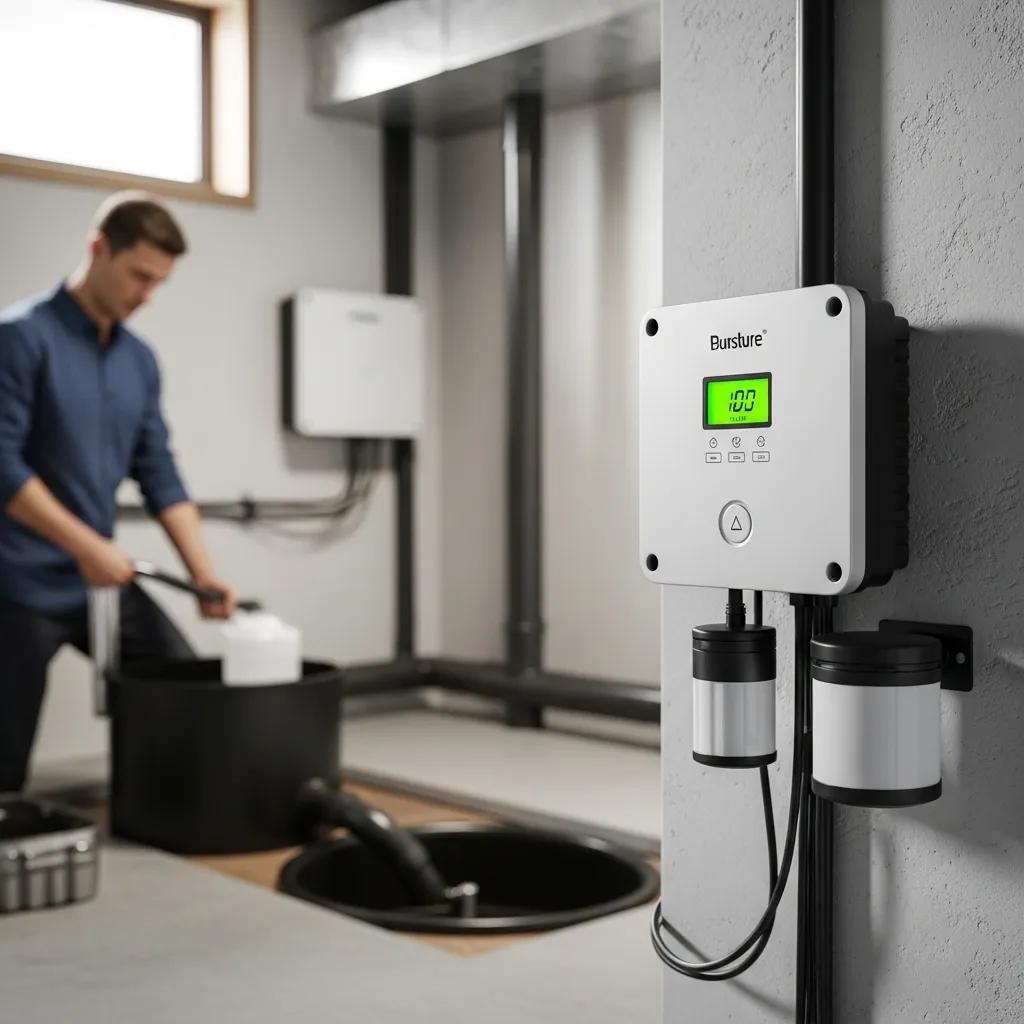
Why Sump Pump Alarms Matter in Michigan: Protect Your Home or Business from Basement Flooding
Sump pump alarms watch for rising water or pump failures and alert you the moment something goes wrong—giving you time to act before a small leak becomes a major basement flood. Using float switches, probes, or electronic sensors, these alarms send audible, visual, or remote notifications that cut down on structural damage and protect items stored below grade. With Michigan’s heavy spring rains, snowmelt and seasonal seepage, a dependable sump pump alarm is a smart, practical safeguard for homes and small businesses. Below we explain why alarms matter, compare common alarm types and how they work, outline professional installation and maintenance best practices, and answer cost and insurance questions for property owners in Macomb, Oakland, and Wayne Counties. You’ll also get clear guidance on detection methods—flood sensors and high-water alarms—recommendations for wireless and smart options, and guidance on when to call a pro. By the end, you’ll know how to choose, install, and maintain the right basement flood alarm for your risk and budget.
Why Sump Pump Alarms Are a Key Part of Basement Flood Prevention
A sump pump alarm matters because it catches problems early—before a little water turns into a costly flood. Sensors monitor water level or float position and trigger an alert when levels pass a safe threshold. That early warning gives you, a neighbor, or a monitoring service time to respond. The result: less standing water, lower mold risk, and smaller repair bills. Knowing these core benefits makes it easier to plan a layered approach—pairing a working pump with dependable alarm monitoring.
Sump pump alarms offer clear, practical benefits:
- Early detection: Alerts you at the first sign of high water or pump trouble so you can act quickly.
- Less damage: Faster response limits structural, electrical, and content losses.
- More confidence: Audible alerts and remote notifications ease the stress of storms or travel.
- Insurance documentation: Proof of mitigation and monitoring can help when filing claims or talking with your insurer.
These advantages explain why a basement flood sensor or high-water alarm is a worthwhile part of a practical flood-control plan.
What Early Warnings Do Sump Pump Alarms Give?

Sump pump alarms spot rising water using float switches, electronic probes, or pressure sensors and then trigger audible alerts or remote messages so you can respond before finished areas are affected. Alerts can come as a built-in siren, control-panel lights, or push notifications and texts from a wireless or smart module. Because many basement floods happen during storms or power interruptions, the best setups combine battery backup with remote alerts to increase the chance of timely intervention—whether that means starting a backup pump, calling a service, or arranging emergency pumping.
When an alarm goes off it sets a chain in motion: you get notified, assess the situation, and take action. That notification→assessment→response flow is what saves time and money in severe weather. Later we’ll show how those early warnings translate to real savings on repairs and restoration.
How Sump Pump Alarms Reduce Water Damage and Repair Costs
Alarms cut damage by prompting action before water reaches drywall, insulation, and flooring—materials that drive up restoration costs when soaked. Fixing a small sump-pit overflow within hours often avoids expensive structural drying, mold remediation, and content replacement. The logic is straightforward: alarm → action → less exposure → simpler repairs and lower chance of hidden mold. Industry data and field experience both show that quick mitigation after early detection reduces repair costs and the risk of secondary damage.
Shortening the time between failure and response also helps with insurance claims—documented alarms and maintenance make the situation clearer for adjusters. Knowing how alarms affect the cost picture helps you decide which features—remote monitoring, battery backup, or redundant sensors—are worth adding. Next we compare alarm types and how each one works so you can match features to needs.
What Types of Sump Pump Alarms Are Available and How They Work
Alarms range from simple mechanical float switches to electronic probes, wireless modules, and fully integrated smart monitors. Float alarms trip when water lifts a float; probe systems sense conductivity or pressure; wireless and smart units add remote alerts via RF or Wi‑Fi and can feed data to apps. The right choice depends on priorities like backup power, remote notifications, and ease of installation. Understanding how each type senses water and notifies you helps pick the best fit for your property.
Below is a compact comparison of common alarm styles, their power needs, and how they typically alert you.
Different alarm types suit different needs depending on power source and notification reach.
| Alarm Type | Power Source | Typical Alerts |
|---|---|---|
| High Water Float Alarm | Wired to home power (often with battery backup) | Loud siren and local panel light |
| Wireless/Wi-Fi Alarm | Battery or wired; connects wirelessly | App push, SMS/email, plus audible alarm |
| Battery Backup Alarm | Battery-only or hybrid | Audible alarm during outages; LED status indicator |
This quick comparison shows how float, wireless, and battery-backed designs trade off reliability, reach, and convenience. Next we’ll dig into how sensors detect high water and where to place them for reliable alerts.
How High Water Level Alarms Detect Flood Risk
High-water alarms use float switches, vertical probes, or conductive/contact sensors set at key heights in the sump pit. When water reaches the sensor, the alarm trips. Float switches give reliable single-point detection; probe sensors can monitor multiple levels or give continuous readings for finer control. Correct placement—away from pump turbulence, above normal water levels but below overflow—cuts false alarms and gives early notice. For complicated pits or systems with multiple pumps, a professional check is often worth it to ensure sensors are positioned for consistent performance.
Good sensor placement balances early sensitivity with resistance to nuisance trips. That balance is one reason many people opt for wireless or smart alarms for extra alert flexibility.
Why Choose Wireless and Smart Sump Pump Alarms?
Wireless and smart alarms push alerts to your phone and can tie into home automation, so you get notified even when you’re away. They use Wi‑Fi or RF to send push notifications, emails, or texts and often report battery status, sensor health, and event history—handy for preventive maintenance and insurance documentation. These features are especially useful for seasonal homes, rentals, or businesses that aren’t staffed around the clock.
Because they rely on connectivity, pairing smart alarms with battery backup and redundant sensors improves reliability during storms and outages. The following section explains what professional installation looks like and why it matters.
How Professional Installation from Frost and Kretsch Plumbing Improves Reliability
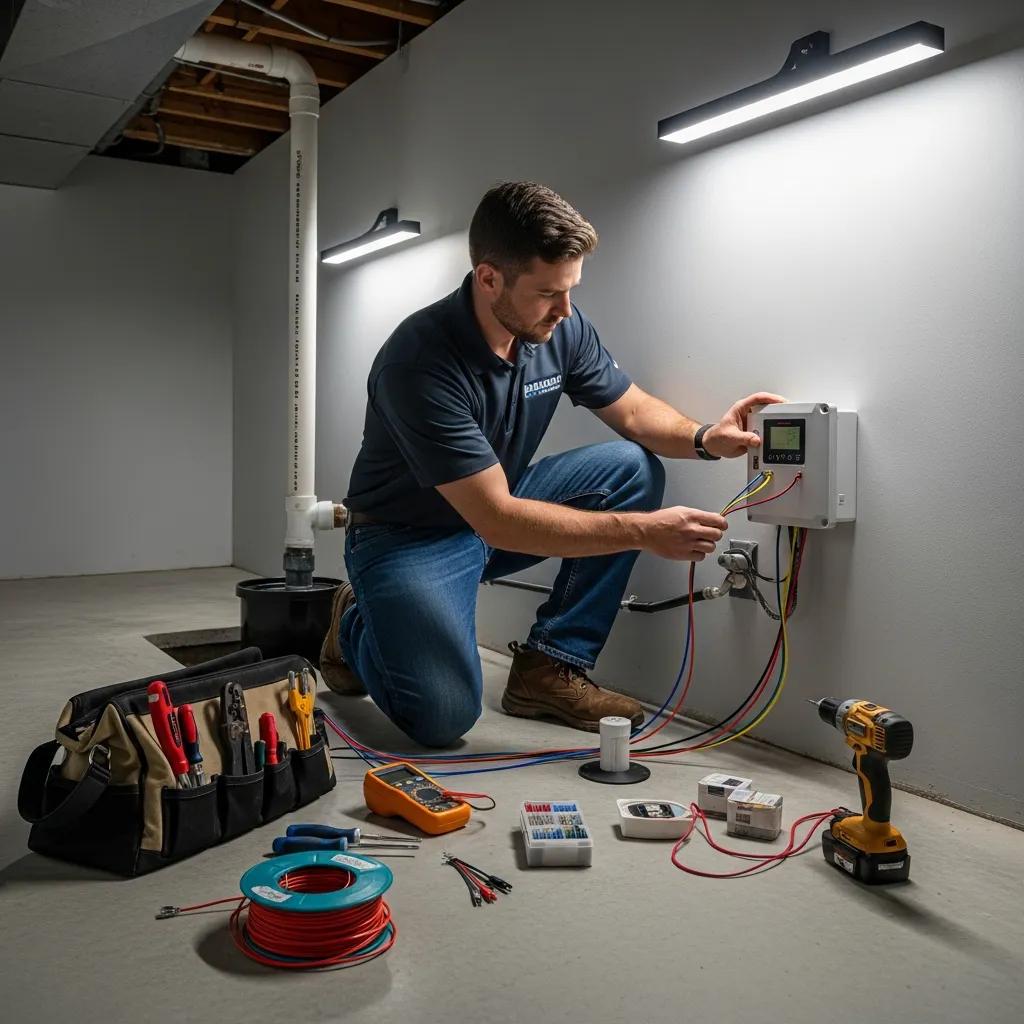
Professional installation makes sure sensors are placed correctly, wiring is secure, and the alarm works smoothly with your primary pump and any backup systems—reducing false alarms and ensuring you’ll get notified when it counts. Our licensed technicians check pit geometry, pump capacity, and electrical supply, then recommend alarms and backup options that work together—up to and including water-operated backups when appropriate. Frost and Kretsch Plumbing provides licensed techs, clear pricing, and a 100 percent satisfaction guarantee, plus 24/7 emergency service for urgent pump or alarm failures. We also run calibration checks and test notifications during installation so the system is documented and ready for future maintenance.
Professional service brings code compliance, safer electrical work, and a single accountable contractor for troubleshooting. The table below outlines common service options and what to expect from each.
| Service Option | Key Attribute | Typical Deliverable |
|---|---|---|
| Professional Install (Licensed Techs) | Warranty/Guarantee | 100 percent satisfaction guarantee; testing and calibration included |
| DIY Installation | Warranty/Guarantee | No professional warranty; homeowner handles testing |
| Water-Operated Backup Capability | Power Source | Runs on municipal water pressure when electricity fails |
This comparison shows how professional installation trades a higher upfront cost for tested reliability and service accountability. Next we walk through a typical expert installation step by step.
What to Expect During a Professional Alarm Installation
An expert installation starts with a site assessment—checking sump pit layout, pump type, electrical access, and risk factors like finished spaces and drainage. After that, technicians recommend compatible alarm types (float, probe, wireless) and any backup pumps, provide transparent pricing, and schedule the work. Installation includes mounting sensors, running wiring or pairing wireless modules, integrating the alarm with pumps or backups, and performing calibration and notification tests. We finish with a customer walkthrough so you understand how the system works, how to test it, and what alerts mean—so you’re ready to respond if an alarm sounds.
This process creates a reliable system and documentation you can use for maintenance and insurance questions. Next: why licensed technicians matter for long-term performance.
Why Hire Licensed Technicians for Sump Pump Alarm Work in Michigan?
Licensed installers follow local electrical and plumbing standards and reduce the safety risks tied to improper wiring or pump integration. They bring experience diagnosing how primary pumps, battery backups, and water-operated backups interact—cutting the chance of critical failures. Licensed work also helps protect product warranties and gives you a documented service history and point of accountability. Choosing licensed technicians is simply a best-practice step toward reliable, long-term flood prevention.
That leads naturally to the regular maintenance you need to keep alarms ready when it matters most.
How Regular Maintenance and Testing Protect Your Alarm Investment
Regular maintenance and testing ensure sensors, alarms, and backups work when you need them. A maintenance plan should include checking float travel, cleaning probes, testing batteries, and confirming wireless notifications reach your devices. Routine inspections catch wear, corrosion, or wiring issues early so you can fix them before a storm. Keeping inspection records also helps if you ever need to file an insurance claim.
Maintenance also includes simple drills and cleanings so owners know how to respond. Below are recommended testing steps you can safely perform between professional visits.
Recommended Procedures for Testing Your Sump Pump Alarm
Homeowners can run basic tests safely: gently lift the float or follow the manufacturer’s controlled water test to simulate high water, confirm audible alarms sound, check that mobile notifications arrive for wireless systems, and inspect battery backup charge. Always take safety precautions—avoid electrical contact with standing water and disconnect power if manufacturer guidance calls for it. In addition to DIY checks, schedule an annual professional inspection to test wiring, run load tests on backups, and confirm any water-operated backups are functioning. Recording each test builds a service history that supports reliability and insurance conversations.
These routine checks keep detection working and help spot subtle problems early, which is why knowing troubleshooting steps is useful.
How to Troubleshoot Common Sump Pump Alarm Problems
Typical issues include false alarms, no alarm activation, dead or weak backup batteries, and loss of wireless connectivity. For nuisance alarms, check sensor placement and secure float assemblies; if an alarm won’t trigger, verify power and battery connections and test the sensor manually. For wireless problems, check your router or gateway and swap batteries in remote transmitters. If problems persist, document symptoms and call a licensed technician for diagnostics. Escalate persistent false alarms, repeated battery failures, or a total loss of notifications—those are signs a pro should inspect the system.
Many problems are quick fixes, but ongoing or complex failures are a reason to schedule professional service so your system stays dependable.
Common Questions About Sump Pump Alarms for Flood Prevention
Homeowners often ask about installation costs, insurance implications, and how well alarms actually work. Costs depend on alarm type, installation complexity, and add-ons like wireless monitoring or battery backups. Insurance responses vary by carrier—some offer considerations for documented mitigation while others focus on overall property risk. Keeping installation records and maintenance logs strengthens conversations with your insurer. For specific pricing and a recommendation matched to your basement, contact Frost and Kretsch for an on-site quote and assessment.
These answers help property owners weigh features and professional services. The table below gives ballpark installed-price ranges so you can plan.
| Alarm Type / Component | Installation Complexity | Estimated Price Range |
|---|---|---|
| Basic high water alarm (float) | Low (simple pit) | $150–$400 |
| Wireless/smart alarm module | Medium (connectivity setup) | $200–$600 |
| Battery backup or integration | Medium–High (batteries, wiring) | $250–$900 |
Those ranges are estimates to help set expectations. Final prices depend on pit condition, pump compatibility, and the monitoring features you want—an on-site evaluation gives the most accurate quote from a licensed installer.
How Much Does Sump Pump Alarm Installation Cost in Michigan?
Installed cost includes the device, labor, and add-ons like battery backups, wireless modules, or water-operated backups. Labor rises with pit complexity, extra electrical work, and custom mounting needs; smart modules and monitoring subscriptions add upfront or ongoing costs. For many properties, a system that pairs reliable local alarms with remote notifications gives the best value for flood-prone basements. Contact Frost and Kretsch for an on-site estimate tailored to your basement and risk profile.
Can Sump Pump Alarms Lower Home Insurance Premiums?
Sump pump alarms can affect an insurer’s view of risk because they show you’re actively reducing flood chances, but discounts depend on each carrier and policy. Providing proof of professional installation, maintenance logs, and backup systems strengthens requests for premium considerations. Not every policy offers a direct discount, but documented, tested mitigation measures generally help in underwriting conversations. Talk to your insurer with installation records to see if monitored alarms or documented maintenance qualify for savings.
Having that conversation early helps you configure and document your system in ways that support any potential insurance benefits.
How to Contact Frost and Kretsch Plumbing for Sump Pump Alarm Help in Macomb, Oakland, and Wayne Counties
To schedule a consultation, on-site assessment, or emergency alarm install, contact Frost and Kretsch Plumbing and ask for a sump pump alarm evaluation. Tell us about your basement layout, sump pit setup, pump make/model (if you know it), and any recent flooding so we can prepare. We serve Macomb, Oakland, and Wayne Counties, provide clear cost estimates with no hidden fees, and back our work with a satisfaction guarantee. For emergencies, let us know if water is currently entering the basement so we can prioritize response under our 24/7 emergency service protocols.
Where Do You Provide Emergency Alarm Installation and When Are You Available?
Frost and Kretsch covers Macomb, Oakland, and Wayne Counties and maintains 24/7 emergency service for urgent pump or alarm-triggered flooding. Emergency calls focus first on containment and temporary pumping, then on a permanent repair or alarm installation once the situation is stable. For scheduled installs, we perform a full assessment and provide transparent pricing and a documented plan. Knowing whether you need emergency response or a scheduled visit helps set expectations for arrival times and next steps.
How Do I Schedule a Consultation or Request a Quote for a Sump Pump Alarm?
To schedule a visit, request an on-site assessment through our contact channels and provide basics like your address, basement photos, sump pit type, and any recent issues. Sharing your pump make/model, whether you already have a battery or water-operated backup, and your preferences for remote monitoring speeds up the recommendation process. During the visit, our technicians assess the pit, explain alarm options and costs, and show how alarms and backups will operate in your system. You’ll receive a clear estimate with no hidden fees and a recommended installation plan tailored to your basement.
Having photos and system details ready helps us produce an accurate quote and reduces the need for follow-up visits so we can match the solution to your flood-prevention goals.
Frequently Asked Questions
What maintenance is required for sump pump alarms?
Keep sensors and floats clean and free-moving, check battery backups regularly, and test the alarm by simulating high water per the manufacturer’s guidance. Monthly basic checks and an annual professional inspection are a good rule of thumb to catch wear or wiring problems before they fail during bad weather.
How can I ensure my sump pump alarm system is compatible with my existing setup?
Start with an assessment of your current pump, power source, and any backups. A licensed technician can recommend alarms—mechanical, electronic, or smart—that match your system and handle integration so alerts, backups, and the pump work together reliably.
What should I do if my sump pump alarm goes off?
Act quickly but safely: confirm the alarm message, check the sump pit for water, and verify whether the pump is running. If the pump isn’t working, engage a backup pump if you have one, and avoid contact with standing water. If you’re unsure or the situation is serious, call a licensed technician for help.
Are there any smart features available for sump pump alarms?
Yes—many alarms offer remote monitoring via smartphone apps, status reports on battery and sensor health, and event logs. These smart features make it easier to respond when you’re away and help document system performance for insurance purposes.
How often should I test my sump pump alarm system?
Test basic alarm functions monthly and schedule a professional inspection at least once a year to check wiring, backups, and overall system performance. Regular testing keeps the system ready when storms hit.
What are the signs that my sump pump alarm needs maintenance?
Watch for frequent false alarms, failed tests, weak batteries, or missed notifications. Unusual pump noises or a system that hasn’t been serviced in a long time are also signs to book a professional check.
Conclusion
Installing a sump pump alarm is a practical, proactive step to protect Michigan basements from costly water damage. Alarms give you early warning, reduce repair bills, and provide peace of mind during storms. Choose the right alarm features for your risk level, pair them with reliable backups, and consider professional installation so the system performs when it’s needed most. Contact Frost and Kretsch Plumbing to discuss options and get a tailored plan for your home or business.