
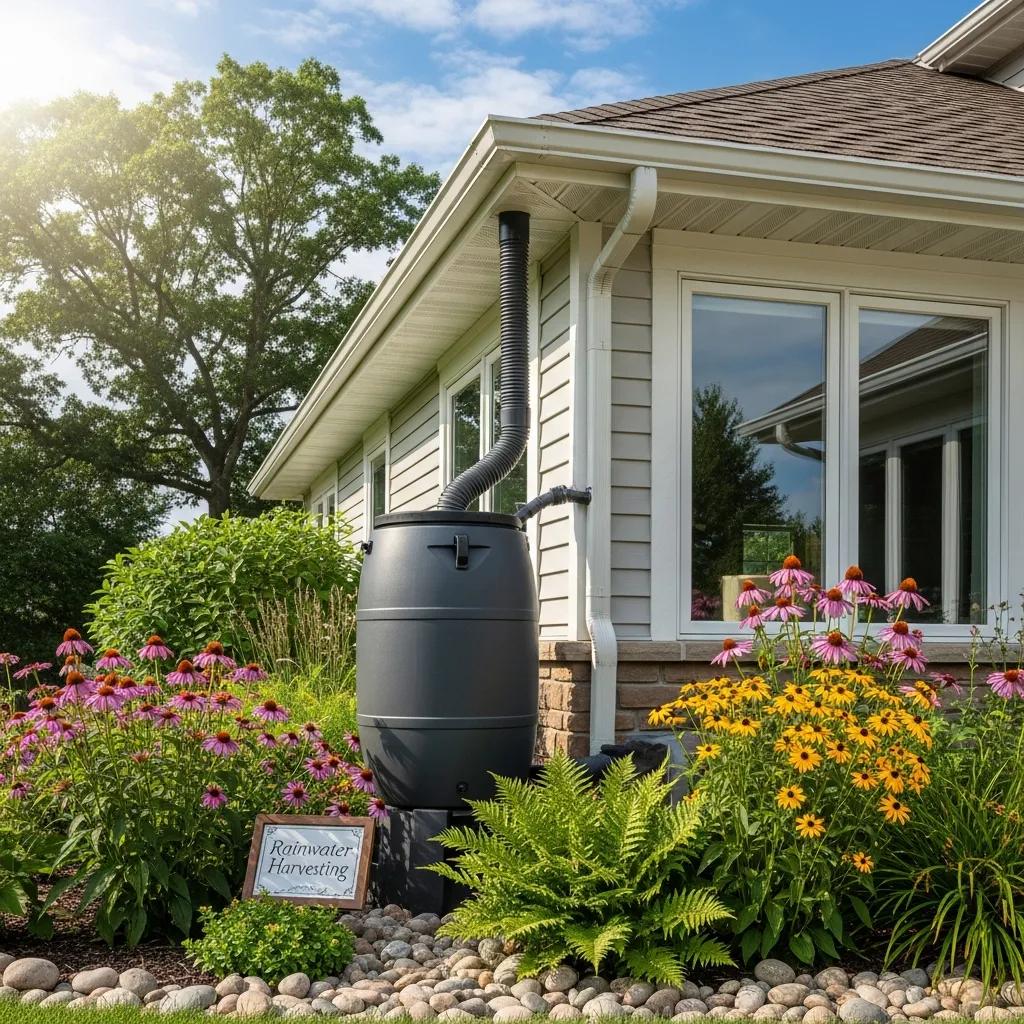
Benefits of Rainwater Harvesting Systems: Practical Advantages for Michigan Homes & Businesses
Rainwater harvesting collects rainfall from roofs and other catchment surfaces, stores it, and redirects it for useful tasks—giving Michigan homeowners and businesses a local, cost-effective way to reuse water. This guide explains why rainwater systems matter across Macomb, Oakland, and Wayne counties by outlining cost savings, environmental benefits, common residential uses, plumbing integration steps, routine maintenance, and where to find local incentives. With municipal water rates rising, stormwater rules tightening, and aging plumbing to consider, rainwater harvesting is a practical tool to lower potable demand, reduce runoff, and help landscapes stay resilient. You’ll find clear explanations of how collection works, typical savings for irrigation and toilets, simple filtration and storage options, how systems tie into existing plumbing, and where to look for rebates or technical help. The sections below follow homeowner questions and include step-by-step actions, comparison tables, and straightforward maintenance checklists for Michigan weather.
What Are the Economic Benefits of Rainwater Harvesting Systems?
Rainwater harvesting produces measurable cost benefits by cutting municipal water use, trimming utility bills, and easing wear on water-treated appliances. The idea is simple: captured rain replaces treated water for non-potable tasks, delivering gallon-for-gallon savings and often lowering sewer charges where billed. For businesses and high-use homes, avoiding peak-season water purchases and reducing irrigation costs shortens payback time. Less load on hot water and laundry systems can also extend appliance life and reduce repair or replacement costs. Below is a quick, practical comparison of common residential and light-commercial uses that drive return on investment.
The table below compares typical uses, how savings happen, and expected annual impacts for Michigan properties.
Different end uses of harvested rainwater produce different savings and yearly effects.
| Use Case | Typical Savings Mechanism | Typical Impact per Year |
|---|---|---|
| Irrigation and landscaping | Replaces municipal irrigation water during the growing season | Reduces potable use by 10–40% depending on garden size |
| Toilet flushing | Substitutes non-potable supply for toilets | Lowers indoor potable demand by 5–15% |
| Laundry (where permitted) | Partial replacement for wash cycles (non-potable systems only) | Cuts treated water use and sewer charges modestly |
| Outdoor washing (cars, decks) | Uses untreated stored rainwater for rinsing | Reduces peak summer potable draws and softens demand spikes |
In most cases, irrigation delivers the biggest immediate savings, while indoor non-potable uses provide steady year‑round reductions. To get accurate payback numbers for your property, a licensed site assessment that measures roof catchment, local rainfall, and current water rates is the best next step.
How Does Rainwater Harvesting Reduce Water Bills in Michigan?
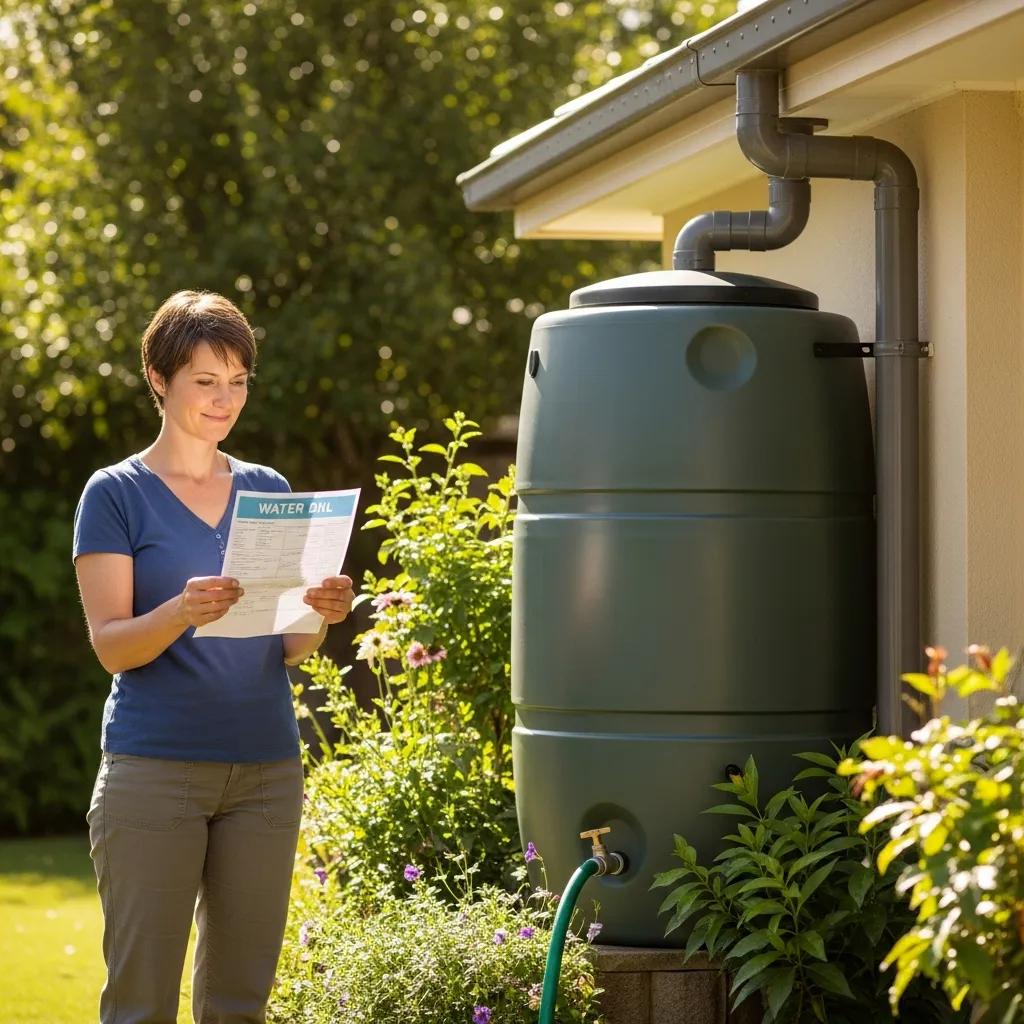
Rainwater systems lower bills by replacing municipal supply for non-potable uses, which can cut both water and, where applicable, sewer charges. A practical rule of thumb: a 1,000 sq ft roof captures roughly 600 gallons per inch of rain before losses. In Michigan, how you store and use that water across seasons determines the savings you actually see. Adding cisterns or rain barrels and feeding outdoor zones or spigots with that supply reduces municipal gallons used—especially during peak summer irrigation. Key factors that affect bill reductions include roof area, rainfall patterns, storage size, and household consumption.
- Estimate: 1,000 sq ft roof × 1 inch rain ≈ 600 gallons captured
- Savings vary with utility rates, sewer billing, and permitted uses
- Recommended action: calculate local rainfall and roof catchment, then size storage to match seasonal demand
Running those numbers helps homeowners decide whether a rainwater system pays back within their target timeline and guides sizing choices for tanks and pumps.
Can Rainwater Harvesting Extend the Lifespan of Plumbing Appliances?
Using harvested rainwater for the right tasks can lower the volume of treated water running through fixtures and outdoor equipment, which may reduce certain types of wear. Rainwater usually doesn’t have municipal disinfectant residuals like chlorine and can have different mineral content, so effects on corrosion and scaling depend on local water chemistry and how the rainwater is used. For outdoor pumps, irrigation valves, and toilet fill assemblies, filtered rainwater—used with first-flush diverters and screens—can reduce sediment-related wear and cut demand on potable lines. Proper filtration and professional review are important to maximize benefits and avoid unintended interactions with water softeners or treatment systems.
- Appliances most affected: irrigation pumps, outdoor faucets, toilet valves
- Mechanisms: lower treated-water volume and different scaling/corrosion profiles
- Recommendation: work with a licensed plumber to balance rainwater use with existing treatment systems
How Does Rainwater Harvesting Impact the Environment Positively?

Rainwater harvesting reduces stormwater runoff, saves treated municipal water, and lowers pollutant loads entering streams—helping local aquatic habitats. Capturing and reusing rainwater decreases peak flows into storm drains and reduces the risk of combined sewer overflows in older systems, which in turn lessens erosion and sediment transport to creeks and rivers. Cutting municipal demand also reduces the energy and chemicals used in treatment and distribution. When many properties adopt harvesting, the cumulative benefits are significant for communities. The table below links specific environmental benefits to how they work and what they mean locally in Michigan.
This table maps capture and reuse to local environmental improvements.
| Environmental Benefit | Mechanism | Local Michigan Impact |
|---|---|---|
| Runoff reduction | Storage and infiltration lower peak flows | Less erosion in suburban and urban watersheds |
| Pollution reduction | Filters and first-flush diverters keep contaminants out of waterways | Lower nutrient and sediment loads in local streams |
| Municipal demand reduction | Substituting potable supply reduces treatment needs | Lower energy and chemical use at treatment plants |
Taken together, these effects help communities across Macomb, Oakland, and Wayne counties prepare for heavy‑rain events and protect freshwater habitats by limiting the volume and pollutant load reaching local waterways.
In What Ways Does Rainwater Harvesting Mitigate Stormwater Runoff and Erosion?
Rainwater harvesting addresses runoff at its source—capturing rain from roofs and hard surfaces and keeping it on-site for later use or controlled infiltration. Systems reduce peak discharge during storms, which cuts the erosive force downstream of gutters and culverts and lowers localized flood risk. Simple combinations like cisterns, rain gardens, and permeable basins work with collection systems to slow and absorb flows while supporting soil moisture. In suburban Michigan, pairing storage with vegetated features is an effective way to reduce both runoff volume and pollutants from roofs and pavement.
- Captured rain lowers peak flow to storm drains
- Vegetated features stabilize soil and intercept pollutants
- Recommendation: pair storage tanks with landscape infiltration for best mitigation results
How Does Rainwater Harvesting Conserve Municipal Water Resources and Improve Local Ecosystems?
When rainwater harvesting is used widely, it can lower overall demand on municipal supplies and reduce the load on treatment plants. Even partial offsets of potable demand make treatment and distribution less energy‑intensive and ease resource allocation during peak events. Less runoff also protects spawning grounds and wetlands by keeping contaminant loads down and smoothing stream flows. For Michigan’s seasonal ecosystems, on‑site capture supports healthier riparian areas and contributes to watershed resilience over time.
- Reduced municipal demand lowers treatment energy and chemical use
- Less runoff decreases pollutant transport to aquatic habitats
- Long-term effect: improved watershed health and support for local biodiversity
What Are the Practical Applications of Rainwater Harvesting for Residential Use?
For homes, rainwater harvesting is most practical for non‑potable needs: irrigation, toilet flushing, laundry where allowed, and outdoor washing. Systems range from simple rain barrels for garden watering to larger cisterns that feed pump‑driven drip irrigation or dedicated non‑potable lines for toilets. Choice depends on roof catchment, storage needs, space, and local rules about potable vs. non‑potable routing and filtration. Below are common residential uses and notes on suitability for typical Michigan homes.
- Irrigation and landscaping: Best for seasonal watering and cuts summer potable demand.
- Toilet flushing: Works with separate non‑potable piping and required backflow protection.
- Laundry (non‑potable systems only): Possible with extra treatment and regulatory approval.
- Outdoor washing: Low‑treatment option for cars, decks, and patios.
These applications often require plumbing work—non‑potable line routing, pump installation, and compliant backflow prevention—so homeowners usually call a licensed plumber to assess and connect systems safely.
(Integration note) Many practical uses create a clear need for plumbing integration—routing non‑potable lines, installing distribution pumps, and ensuring proper backflow prevention—at which point a licensed plumber should evaluate the home and perform the installations.
How Can Harvested Rainwater Be Used for Irrigation and Landscaping?
Rainwater matches plant needs well and can be stored for use during dry spells. Options range from gravity‑fed rain barrels for small beds to pump‑fed cisterns supplying drip or sprinkler zones for whole yards. The goal is to capture spring and early summer rains to offset peak irrigation demand. In Michigan, freeze protection is critical—drain exterior lines and protect pumps in winter. Cover storage and use simple filters to limit algae and mosquitoes in summer. Best practice includes a screened inlet, first‑flush diverter, and pump sized to match irrigation flow needs.
- Irrigation types: gravity feed for small gardens; pump‑fed for whole‑yard systems
- Seasonal considerations: winterize lines and protect pumps from freezing
- Sizing rule of thumb: match cistern volume to garden water needs and expected dry spell length
What Is the Difference Between Potable and Non-Potable Rainwater Uses and How Is Filtration Managed?
Potable use requires full treatment and testing; non‑potable use usually needs screening, filters, and backflow prevention appropriate to the risk. Typical filtration stages are gutter debris screens, first‑flush diverters to reject initial contaminants, sediment filters, and, if needed, disinfection (UV or chlorination) for higher‑risk uses. For toilets, irrigation, and outdoor cleaning, screening plus sediment filtration and proper separation from potable plumbing is typically enough. If you plan to use rainwater for drinking or cooking, professional water‑quality testing and certified treatment systems are required to meet health standards.
- Potable vs non‑potable: potable requires certified treatment and testing
- Typical filtration stages: screening → first‑flush → sediment filter → disinfection (if needed)
- Professional recommendation: consult licensed plumbers and water‑quality experts for potable systems
How Can Rainwater Harvesting Systems Be Integrated with Existing Plumbing?
Integrating a rainwater system usually follows a simple sequence: site assessment, collection and filtration setup, storage sizing, pump and distribution design, then the final plumbing connections with backflow prevention and isolation valves. Assessment measures roof catchment, projected capture, and intended uses to size tanks and pick pumps. Plumbing components often include non‑potable piping loops, check valves, backflow preventers, and control systems that meet code and prioritize safety. Maintenance duties include filter cleaning, pump service, and winterization to prevent freeze damage.
| Component/Service | Plumbing Work Needed | Typical Cost/Complexity Notes |
|---|---|---|
| Storage tank/cistern | Foundation or pad work, inlet/outlet plumbing | Moderate complexity; site prep often required |
| Distribution pump | Electrical hookup, pressure controls, piping | Requires licensed electrician and plumber coordination |
| Backflow prevention | Install backflow preventer and isolation valves | Code‑mandated in many areas; essential for safety |
| First‑flush/filter units | Inline plumbing and mounting | Low‑to‑moderate complexity; routine maintenance needed |
What Plumbing Services Does Frost and Kretsch Plumbing Offer to Support Rainwater System Integration?
Frost and Kretsch Plumbing supports rainwater system installation across Macomb, Oakland, and Wayne counties. Our licensed technicians handle sump pump work, drainage upgrades, pipework and water main connections, and excavation when site prep is needed. We’ll assess your roof catchment and plumbing layout, recommend the right backflow prevention and pump setup, and perform the mechanical connections for non‑potable loops or irrigation systems. We provide transparent estimates, 24/7 emergency service, and stand behind our work with a satisfaction commitment. If you’re considering integration, request a site assessment so we can evaluate feasibility and estimate ROI—then call Frost and Kretsch Plumbing to plan the job.
What Are the Essential Maintenance Practices for Rainwater Collection Plumbing Systems?
Routine maintenance keeps systems dependable and safe: clean gutters and screens, check first‑flush diverters, replace sediment filters, test pumps, and winterize equipment. Inspect tanks for sediment and algae and clear inlet debris on a schedule that fits local leaf and debris loads—typically spring and late fall in Michigan. Test pumps under load annually and inspect electrical connections for corrosion or wear; where pumps are exposed, consider battery backup or freeze protection. A professional inspection every 1–3 years helps catch issues early and ensures backflow devices meet code.
- Maintenance checklist: gutter screening, first‑flush cleaning, filter checks, pump testing
- Pump testing frequency: at least annually; inspect electrical components
- Winterization: drain external lines and secure pumps to avoid freeze damage
Are There Local Incentives and Sustainability Benefits for Rainwater Harvesting in Michigan?
Local incentives and sustainability programs can improve the financial case for rainwater systems. Check state and county programs for stormwater credits, rebates, or conservation grants that may apply. State environmental agencies and local water authorities often post guidance on stormwater incentives, and some municipalities offer fee credits or rebates for green infrastructure. Programs change, so contact local officials or a trusted plumbing partner for current eligibility and application details.
Use these steps to find and verify local incentives and fold them into project planning.
- Check state and county environmental resources: Search for stormwater and conservation programs.
- Consult municipal water/stormwater authorities: Ask about credits, permits, and requirements.
- Request professional guidance: Licensed plumbers and contractors can confirm what qualifies and help with documentation.
Following these steps helps homeowners and businesses identify possible funding or fee relief, improving project ROI and aligning installations with local sustainability goals.
What Rebates or Incentives Are Available for Rainwater Harvesting Systems in Macomb, Oakland, and Wayne Counties?
Rebate and incentive programs vary by county and change over time. Typical offerings include stormwater fee credits, green‑infrastructure rebates, and technical assistance for runoff reduction projects. Check county and municipal program pages or contact local environmental agencies for current listings and eligibility rules. Working with a local plumbing contractor ensures installations meet program specifications and that required documentation—like as‑built plans or performance data—is prepared for rebate applications.
- Where to look: county environmental agencies and municipal stormwater departments
- Common incentive types: stormwater credits, small‑project rebates, technical assistance
- Advice: verify program status and qualification requirements before committing to expenses
How Does Rainwater Harvesting Support Sustainable Water Solutions for Michigan Homes?
Rainwater harvesting supports household sustainability by reducing reliance on centralized treatment, smoothing seasonal demand peaks, and boosting on‑site resilience during short supply interruptions. At the property level, harvested rainwater provides a decentralized buffer for irrigation and other non‑potable needs, easing pressure on community infrastructure. Over time, wider adoption reduces energy use for treatment, improves stormwater outcomes, and helps keep local waterways healthier—connecting individual action to broader community benefits.
- Household resilience: less dependence on external supply for non‑potable needs
- Community contribution: lower peak demand and improved stormwater outcomes
- Long‑term sustainability: energy and chemical savings at treatment facilities and healthier local ecosystems
Frequently Asked Questions
What types of rainwater harvesting systems are available for residential use?
Residential systems range from simple rain barrels to larger cisterns. Rain barrels are great for small gardens and can be gravity‑fed; cisterns store larger volumes and are usually pump‑fed for irrigation or toilet flushing. Choice depends on space, intended use, and local rules. Talk with a professional to pick the right system for your property.
How can I winterize my rainwater harvesting system in Michigan?
Winterizing is essential here. Drain external lines, empty or protect tanks as recommended, and insulate or remove pumps and exposed components to prevent freeze damage. A pre‑winter check lets you address problems before cold weather and makes spring start‑up easier.
Are there specific regulations for rainwater harvesting in Michigan?
Yes. Michigan has rules around rainwater use—especially for potable applications. Follow local building codes and health department guidance; permits may be required. Non‑potable uses like irrigation and toilet flushing typically face fewer restrictions, but backflow prevention and proper filtration are still required. Consult local authorities or a licensed plumber to ensure compliance.
What maintenance is required for rainwater harvesting systems?
Regular upkeep keeps systems working well: clean gutters and inlet screens, check first‑flush diverters, replace sediment filters, and test pumps annually. Inspect tanks for sediment and algae and winterize before freezing weather. Schedule a professional inspection every few years to catch issues early.
How does rainwater harvesting contribute to local water conservation efforts?
Rainwater harvesting reduces demand for treated municipal water and lowers stormwater runoff. Capturing and reusing rain reduces the energy and chemicals needed for treatment and helps protect local water quality—benefiting individual properties and the broader watershed.
Can rainwater harvesting systems be used in conjunction with other water-saving technologies?
Yes. Rainwater systems work well alongside greywater recycling, low‑flow fixtures, and other conservation measures. Combining approaches—like using rainwater for irrigation and greywater for toilets—creates a comprehensive strategy that maximizes savings and sustainability.
Conclusion
Rainwater harvesting offers clear economic, environmental, and practical benefits for Michigan homeowners and businesses. By lowering municipal water use, cutting utility costs, and improving local ecosystems, these systems are a practical step toward better water management. To see what a system could do for your property, contact a licensed plumbing professional for a personalized assessment. Start exploring rainwater harvesting today and discover how it can strengthen your home or business.