
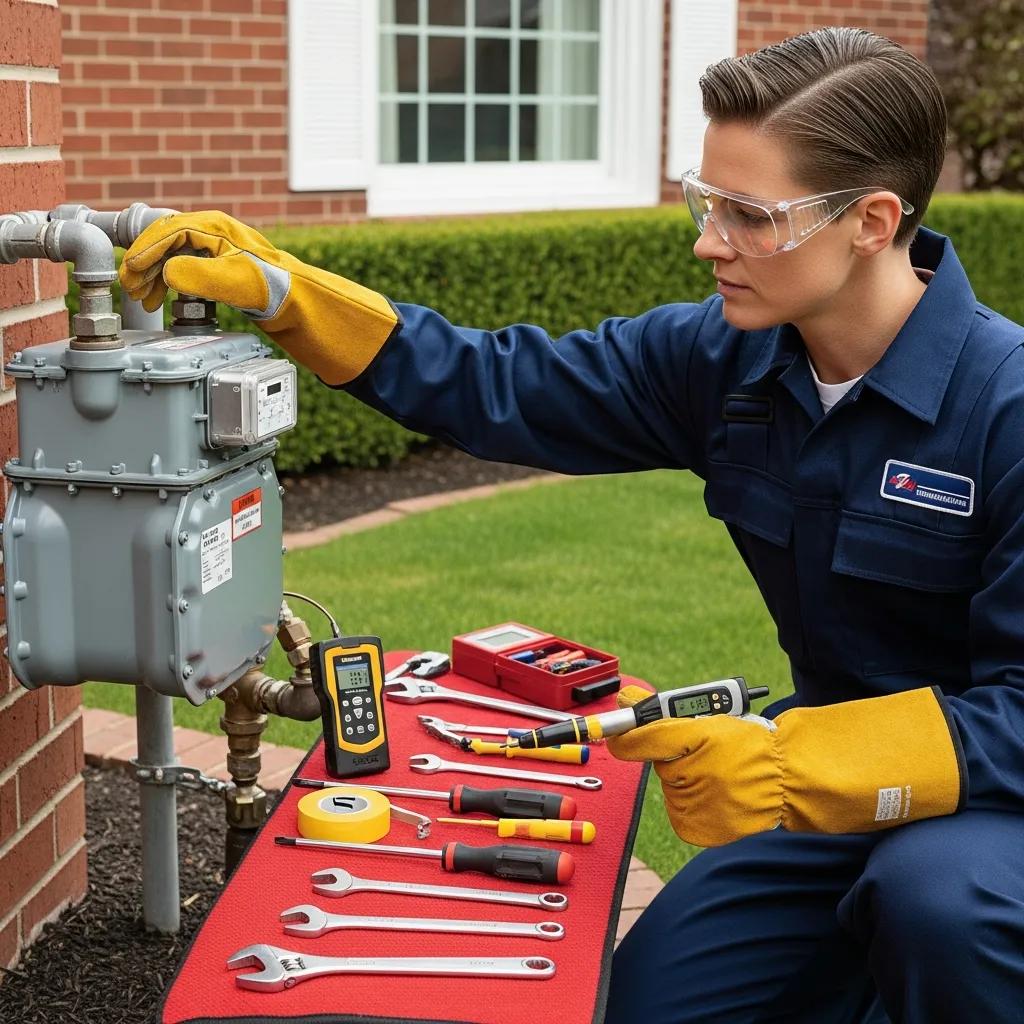
Safe Gas Line Repair & Installation — Trusted Solutions for Michigan Homes and Businesses
Safe gas line work keeps people and property protected by making sure fuel reaches appliances, meters, and outdoor equipment without leaks or unsafe pressure. In practice that means detecting leaks accurately, using code-approved pipes and fittings, performing proper pressure tests, and verifying appliance hookups. This guide shows you how to spot a leak, what professionals use to find it, how residential and commercial installations differ, and why routine maintenance matters in Michigan’s changing seasons. You’ll also get an overview of common materials, the factors that affect cost and permits in Macomb, Oakland, and Wayne counties, and how to arrange emergency or scheduled service with a licensed local provider. After quick safety steps, we walk through typical repair procedures, installation planning, and scheduling tips so you can act confidently and quickly.
What Are the Signs of a Gas Leak and How Can You Detect Them?
Gas leaks usually show up as sensory or environmental clues — and catching them early lets you isolate the source and get professional testing before things get worse. Most leaks come from pressure differences or failed joints that let natural gas or propane escape; recognizing escaping gas reduces the risk of fire, explosion, or health problems. Noticing signs early helps you evacuate safely and call the proper utility or emergency responders. Below are the most common, high-priority signs and the immediate actions to take if you suspect a leak.
The list below highlights clear warning signs for quick scanning.
- A strong rotten-egg or sulfur smell around appliances, outlets, or outside.
- Hissing or whistling noises near meters, piping, or appliances.
- Dead or yellowing plants, or bubbling soil along an underground line.
- Symptoms like headache, dizziness, nausea, or trouble breathing inside a building.
If you see any of these signs, leave the area immediately, avoid turning lights or electronics on or off, and call your gas utility or emergency services from a safe distance. If you’re unsure, err on the side of caution — get to safety and let trained professionals inspect and test the system, since small leaks can become dangerous if ignored.
What Are Common Gas Leak Symptoms to Watch For?
Symptoms range from sensory clues to physical effects and depend on how much gas is present and where. Mercaptan — the “rotten egg” smell — is added to help you detect natural gas; if you smell it inside or near a service line outdoors, treat it as an emergency. A hissing sound by a meter, pipe, or appliance usually means an active leak and needs immediate attention. Short-term exposure can cause headaches, nausea, dizziness, or throat and eye irritation; higher concentrations may cause confusion or loss of coordination. If you notice these symptoms, get fresh air and call for professional help right away. The next section explains the detection methods technicians use to locate and confirm a leak.
Which Professional Gas Leak Detection Methods Ensure Safety?
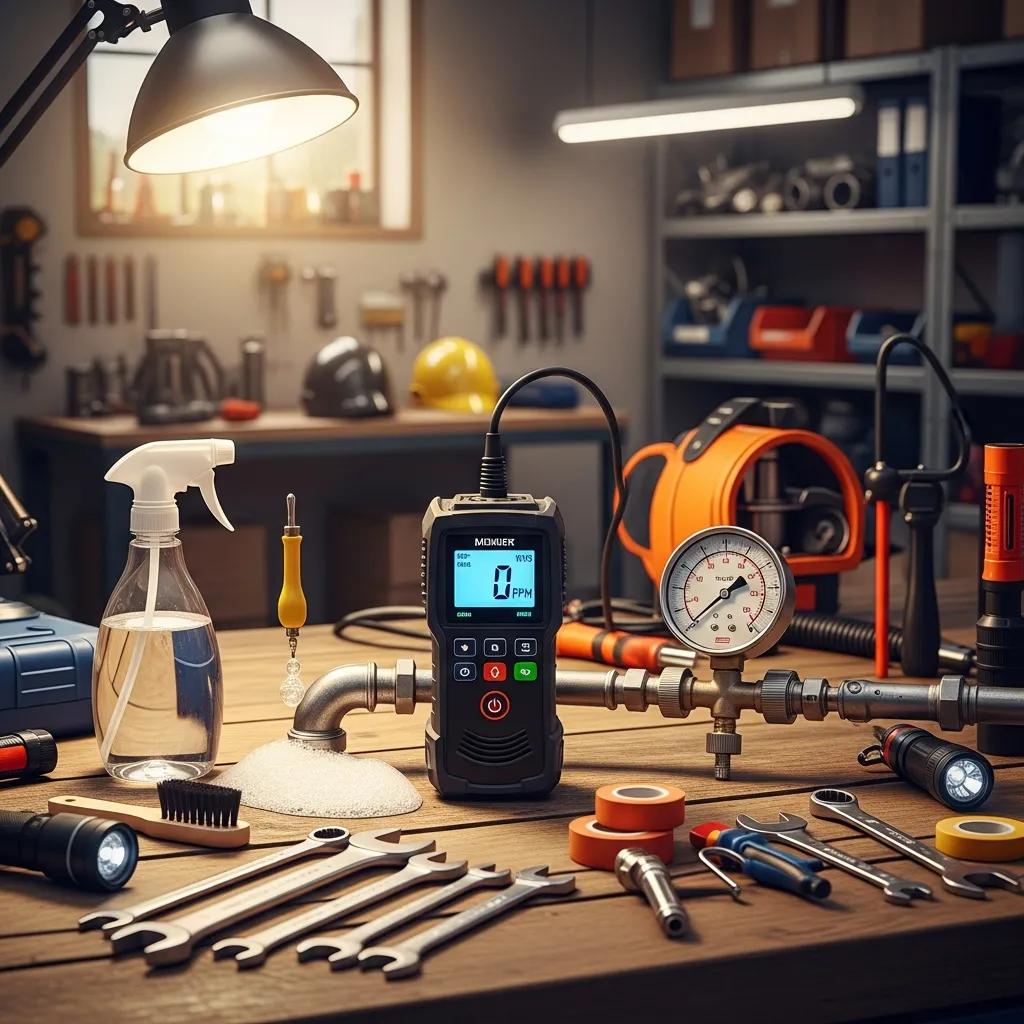
Pros use calibrated tools and pressure-testing protocols to get reliable results where visual checks can’t. Electronic sensors, pressure gauges, and tracer techniques each have their place. Electronic detectors are sensitive to methane and other combustible gases and work well for indoor sweeps and appliance checks. Pressure testing isolates pipe sections to confirm integrity after repairs. For underground lines, technicians may use tracer gas or specialized methane sensors combined with planned excavation to safely pinpoint leaks. The table below compares common methods and explains when you should call a professional.
| Detection Method | Precision / Use Case | When to Call Pros |
|---|---|---|
| Electronic gas detector | High sensitivity — ideal for indoor sweeps and appliances | When the detector reads high levels or you smell gas |
| Soapy-water test | Simple visual check for small fittings | Only use outdoors on low-pressure fittings; call a pro if bubbles appear |
| Pressure testing | Definitive test of system integrity | Performed by licensed technicians after repairs or new installs |
| Tracer gas / methane sensors | Best for underground or hard-to-reach leaks | Needed when excavation or utility coordination is involved |
Professional testing reduces misdiagnosis and ensures repairs meet code and safety standards — that’s why trained technicians with calibrated tools are essential if you suspect a leak.
How Does Frost and Kretsch Plumbing Provide Reliable Gas Line Repair Services?
Dependable repairs start with a clear diagnosis, immediate safety steps, and code-compliant work verified by testing. Our process begins with a visual inspection and detector sweep, then moves to isolation and temporary fixes for active leaks, followed by a permanent repair using approved materials and pressure testing to confirm integrity. Frost and Kretsch Plumbing sends licensed, insured technicians who follow safety protocols and coordinate with utilities and inspectors when needed. With local experience across Macomb, Oakland, and Wayne counties, we understand permit steps and aim to provide upfront estimates and a 100% satisfaction guarantee for transparent, reliable service.
What Emergency Gas Line Repair Services Are Available 24/7?
Emergency service focuses on quick triage, temporary isolation, and actions that reduce risk until a lasting repair can be made. On an emergency call we first confirm everyone is safe and shut off gas at the meter or appliance if it’s safe to do so. Technicians perform exterior sweeps to find the source, then apply temporary measures — capping, isolation, or controlled depressurization — and make a plan for permanent repair with proper fittings and testing. We also coordinate with the utility and local inspectors as part of the emergency protocol to reduce liability and speed a safe return to service.
How Do Licensed Technicians Ensure Safe Gas Pipe Repairs?
Licensed technicians follow code-approved practices, stepwise testing, and clear documentation to confirm safety and compliance. Typical steps include isolating the affected section, replacing faulty fittings or pipe segments with approved materials (black iron, CSST, or polyethylene as appropriate), and restoring joints with correct threads, seals, or bonding. After the repair we perform a pressure test and detector sweep to verify no leaks, then complete documentation for permits and inspections when required. We also explain what we did and recommend follow-up maintenance so owners know what to expect and how to prevent repeat problems.
What Should You Know About Residential and Commercial Gas Line Installation?
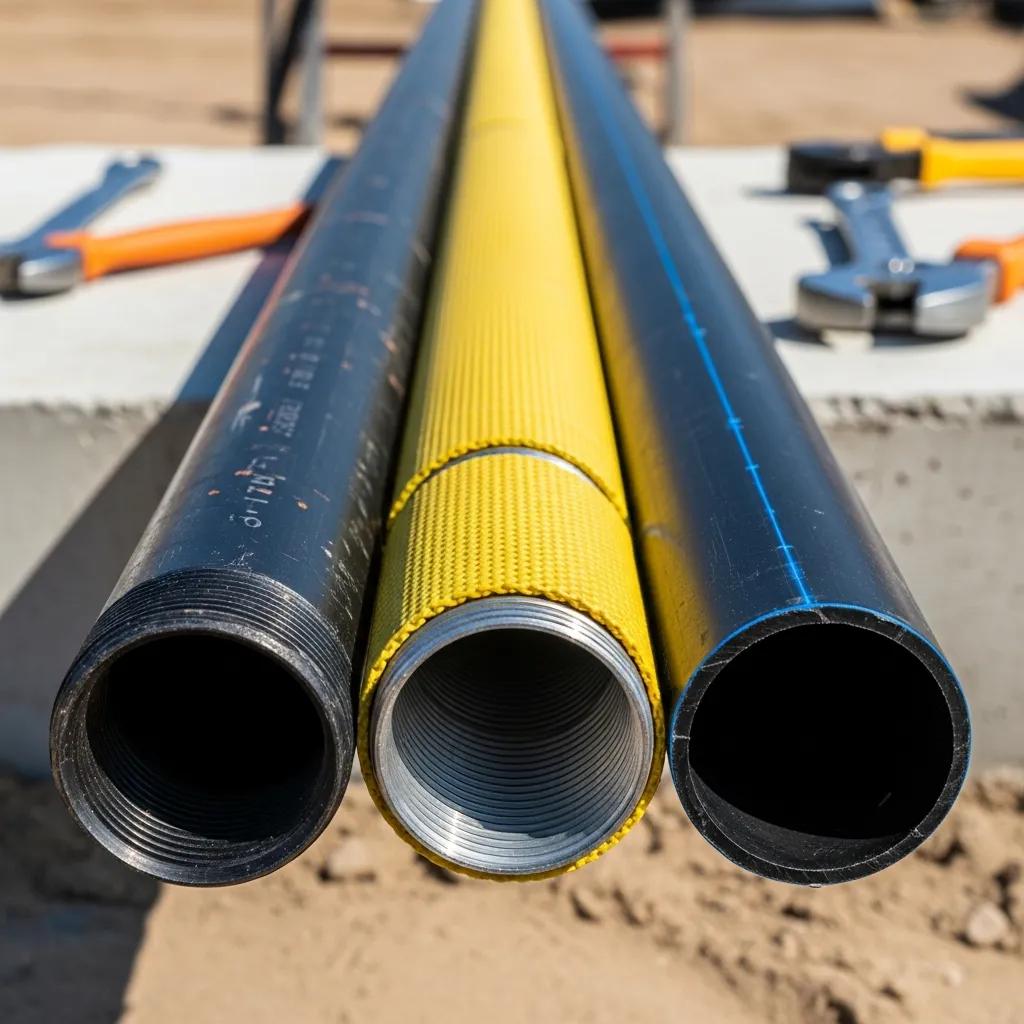
Proper installation starts with load calculations, a site assessment, and planning for appliance demand so piping, regulators, and sizing are correct. The main difference between residential and commercial installs is capacity: commercial systems often serve multiple high-demand units and need larger mains, while residential systems are sized for single-home appliance needs. Material choice affects flexibility, corrosion resistance, and cost, so knowing the pros and cons of black iron, CSST, and polyethylene helps choose the right material for indoor, outdoor, and underground uses. Good installation also plans for future capacity, places shut-offs where they’re accessible, and follows the Michigan Plumbing Code and International Fuel Gas Code.
Below is a quick comparison of common pipe materials used for gas work, with practical notes on where each one fits best.
| Pipe Material | Pros / Typical Use | Cost / Code Notes |
|---|---|---|
| Black iron pipe | Durable — common for indoor mains and branch lines | Widely accepted by code; threading is labor-intensive |
| CSST (corrugated stainless steel tubing) | Flexible — faster runs with fewer fittings | Must be properly bonded/grounded per code; good for retrofits |
| Polyethylene (PE) pipe | Corrosion-resistant — standard for buried service lines | Used for buried feeds; must meet depth and marking requirements |
Which Materials Are Used for Safe Gas Pipe Installation?
Material choice depends on where the pipe is, how much movement to expect, and the appliances being served. Black iron is the traditional indoor choice for strength and longevity, though threading and sealing need experience. CSST is flexible and speeds installation in tight spaces, but it must be bonded to the building grounding system to meet code in many areas. Polyethylene is preferred for buried lines because it resists corrosion and flexes with soil movement, but it requires correct bedding, warning tape, and the right burial depth to avoid damage. Knowing these trade-offs helps plan cost, inspections, and future maintenance.
How Are Gas Lines Installed for Common Appliances?
Appliance connections should avoid sharp bends, use properly sized branch lines, and include accessible shut-offs to make service and safety straightforward. Stoves and dryers typically need dedicated branches with reachable shut-off valves. Water heaters and furnaces may require larger supply lines or regulator adjustments for their BTU needs. Outdoor grills and fireplaces often need dedicated exterior shut-offs and weatherproof fittings. Technicians pressure-test each connection and finish with a detector sweep to confirm there are no leaks, reducing the chance of post-installation problems and ensuring reliable appliance performance.
Why Is Gas Line Safety and Maintenance Critical for Michigan Properties?
Proper gas line care matters because leaks can cause fires, explosions, or health hazards, and Michigan’s freeze-thaw cycles and shifting soils can stress buried lines and connections over time. Regular inspections spot corrosion, loose joints, and regulator issues before they become emergencies, lowering liability and keeping occupants safe. Routine maintenance also preserves appliance efficiency and helps with insurance and resale by documenting code-compliant repairs and inspections. Using detectors, scheduling inspections, and following safe digging practices builds layers of protection that keep systems working safely.
Simple seasonal checks and a regular maintenance plan help catch small problems early so repairs are easier and less costly.
- Annual inspection and detector checks reduce the chance of undetected leaks and keep appliance connections secure.
- Install carbon monoxide detectors and test them regularly to catch combustion byproducts from faulty appliances.
- Call 811 before digging to have underground gas lines marked and avoid accidental strikes.
These steps lower risk, and keeping documented inspections helps with insurance claims or property sales — so work with licensed pros and maintain clear records.
What Are Essential Gas Line Safety Tips and Precautions?
Be ready with immediate actions and preventive habits. If you suspect a leak, evacuate right away, don’t use phones, switches, or open flames inside, and call the gas utility or emergency services from a safe location. For prevention, install and maintain combustible gas and carbon monoxide detectors, schedule yearly inspections with a licensed plumber, and always contact 811 before any excavation. Keep shut-off valves accessible and make sure household members or staff know emergency steps. These practices make emergency response faster and reduce the chance of escalation.
How Do Regular Inspections and Code Compliance Protect Your Property?
Regular inspections verify that connections, regulators, and vents are working correctly so slow leaks and inefficient combustion don’t go unnoticed. Licensed plumbers check piping materials, CSST bonding, secure fittings, and correct pressure settings, and they document findings for permits and insurance. Following the Michigan Plumbing Code and International Fuel Gas Code reduces liability and makes inspections and future transactions smoother. Keeping records of repairs and permits builds a maintenance history that shows responsible ownership and lowers long-term risk.
What Are the Costs and Permit Requirements for Gas Line Services in Michigan?
Knowing typical costs and permit needs helps you plan before work begins. Price varies by service type, materials, and access — and permits plus inspections ensure the job meets local codes.
Minor fixes like tightening fittings or swapping accessible valves are usually less expensive. Full replacements or underground repairs require excavation and coordination with utilities, which raises costs. Macomb, Oakland, and Wayne counties follow state and international code baselines but may have their own permit steps and fees, so include that time and cost in your plan. Frost and Kretsch Plumbing provides upfront estimates and coordinates permits and inspections to limit surprises and keep pricing transparent.
Use the short table below as a budgeting reference for common services and permit implications.
| Service Type | Typical Price Range | Notes on Accessibility / Permits |
|---|---|---|
| Minor repair (accessible fittings) | Low to mid range | Quick fixes; may not need major permits but must meet code |
| Leak detection & repair (meter to appliance) | Mid range | May require pressure testing and documented repair reports |
| Underground line repair or replacement | Mid to high range | Excavation and utility coordination required; permits usually needed |
How Much Does Gas Line Repair and Installation Typically Cost?
Costs depend on materials, excavation needs, permit fees, labor, and whether it’s an emergency call. Replacing a short interior section is less costly because it avoids digging and heavy labor, while replacing a buried service line or installing a new commercial main involves excavation, specialty materials, and utility coordination that raise the price. Other factors include appliance count, route complexity, and any additional work like regulator or meter relocation. For an accurate quote, a technician will perform an on-site assessment and provide an upfront estimate outlining costs and permit responsibilities.
What Permits and Codes Govern Gas Line Work in Macomb, Oakland, and Wayne Counties?
Gas work follows the Michigan Plumbing Code and the International Fuel Gas Code, and county permit offices apply those standards locally. Typical permit steps include plan review, work permit issuance, and inspections at required stages. Most installations and major repairs need a permit and at least one inspection after a pressure test to confirm the system is leak-free and code-compliant. Emergency temporary repairs may still require documentation and a follow-up permanent permit. Our technicians coordinate with the gas utility for meter or service-line work and provide test results and paperwork for county inspectors. Working with a licensed plumber familiar with local permit processes keeps approvals moving and helps avoid rework.
How Can You Schedule Expert Gas Line Services with Frost and Kretsch Plumbing?
Scheduling service is simple: have your address and a short description of symptoms ready, choose how you want to contact us, and expect an on-site assessment followed by an upfront estimate and safety testing. Frost and Kretsch Plumbing handles emergency calls and scheduled work, provides clear pricing, uses licensed technicians, and coordinates with local inspectors for compliant repairs and installs. When you call, tell us your address, describe the issue, and give appliance details if available so we can route the right team. Serving Macomb, Oakland, and Wayne counties locally helps us arrive quickly and navigate permit steps smoothly.
What Makes Frost and Kretsch Plumbing the Trusted Choice for Gas Line Services?
Trust comes from licensed technicians, insurance, and clear guarantees that protect customers and ensure safe work. Our techs are licensed and insured for gas work, we stand behind our work with a 100% satisfaction guarantee, and we offer transparent, upfront estimates to reduce surprises. Local knowledge of Macomb, Oakland, and Wayne county permit and inspection practices helps us speed approvals and avoid delays. Those qualities give property owners confidence that installations and repairs will be safe, compliant, and done professionally.
How to Request a Free Estimate or Emergency Service?
Requesting service is straightforward and safety-focused: call to report the problem, give your location and symptoms, and we’ll dispatch or schedule an estimate with a qualified technician. For emergencies, clearly explain the hazard and follow any dispatcher instructions — we prioritize rapid response, perform triage and temporary measures if needed, then complete a full diagnostic on site. For scheduled estimates, provide property details, appliance types, and visible symptoms so the team can bring the right tools and parts. Expect an on-site inspection, an upfront written estimate, and clear options for repair or replacement.
- Call with your address and a brief description of symptoms for emergency or scheduled service.
- Receive an arrival window and on-site safety triage followed by a written estimate.
- Approve the transparent estimate to proceed; the technician completes repairs, pressure tests, and documents work for permits and inspections.
This step-by-step process keeps things simple and ensures professional handling from the first call through final verification and paperwork.
Frequently Asked Questions
What should I do if I suspect a gas leak in my home?
If you suspect a gas leak, get everyone out right away. Don’t use phones, switches, or open flames inside. From a safe spot, call your gas utility or emergency services to report the leak. Do not go back inside until a professional says it’s safe. Acting quickly can prevent serious harm.
How often should I schedule gas line inspections?
We recommend at least one inspection per year. Regular checks catch corrosion, leaks, and loose connections before they become emergencies. Seasonal checks are especially helpful in Michigan, where temperature swings can affect buried lines. Routine inspections also help with code compliance and property value.
What are the risks of ignoring gas line maintenance?
Skipping maintenance increases the chance of leaks, fires, and explosions. Over time, wear, environmental stress, and poor installations can weaken lines. Regular inspections and repairs catch problems early, keeping your system safe and efficient and protecting your property and family.
Can I perform my own gas line repairs?
No — gas line repairs should be done by a licensed professional. The work requires specialized knowledge, tools, and adherence to safety codes. Improper repairs can cause dangerous leaks. Always hire a licensed technician for gas installations and repairs to ensure safe, code-compliant work.
What types of materials are commonly used for gas line installations?
Common materials include black iron pipe, corrugated stainless steel tubing (CSST), and polyethylene (PE) pipe. Black iron is common indoors for durability, CSST is flexible and useful in tight spaces, and PE is preferred for buried service lines because it resists corrosion. The right choice depends on the installation location and local codes.
How can I ensure my gas appliances are safe and efficient?
Schedule regular maintenance with a licensed technician to check connections, clear vents, and test for leaks. Install carbon monoxide detectors near sleeping areas and test them often. Keep appliances clean and follow manufacturer recommendations to maintain safe, efficient operation.
What should I know about gas line permits in Michigan?
Most major gas line work requires permits to meet the Michigan Plumbing Code and International Fuel Gas Code. The process usually includes plan review, permits, and inspections. Local rules can vary by county, so work with a licensed plumber who knows the specific requirements in your area. Proper permitting protects safety and reduces liability down the road.
Conclusion
Keeping gas lines safe and reliable protects your property and the people who live or work there — especially in Michigan’s variable climate. Learn the signs of leaks, rely on professional inspections, and understand the materials and steps involved in proper installation. Regular maintenance and prompt repairs reduce risk and help preserve your property’s value. Contact Frost and Kretsch Plumbing to schedule an inspection or repair and get peace of mind for your home or business.