
Water Softener Installation — Clinton Township, MI | Expert Service from Frost and Kretsch Plumbing
Hard water is common in Clinton Township and can cause scale buildup, reduced appliance efficiency, and poorer water quality. A professionally installed water softener removes those hardness minerals, protects your plumbing and appliances, and restores better water throughout your home. This page explains how softeners work, the signs of hard water, and the real benefits of a whole‑house system. You’ll find clear guidance on when a softener is needed, how salt‑based, salt‑free, and dual‑tank systems differ, and what our step‑by‑step installation and follow‑up process looks like. We also cover routine repairs and troubleshooting—things like salt bridges and control‑valve issues—and outline the realistic savings homeowners can expect. Wherever helpful, we call out local Clinton Township considerations and how our licensed plumbers make sure installations perform long term.
Why work with Frost and Kretsch Plumbing for your Clinton Township water softener?
Hiring a trusted local plumbing team means your system is sized correctly, installed to code, and backed by dependable service. Frost and Kretsch Plumbing serves Macomb, Oakland, and Wayne Counties with licensed, insured technicians who focus on preventing scale, extending equipment life, and keeping your water consistently softened. We offer transparent pricing and a satisfaction guarantee so you can compare options confidently and budget without surprises. Those service standards give homeowners the peace of mind they need—from the first estimate to ongoing care.
Local expertise and licensed technicians you can count on
Our licensed techs use consistent testing and installation methods to match softener capacity to your household’s demand and measured hardness. We check all major components—the resin tank, brine tank, control valve, and bypass—to make sure they work together for reliable ion exchange and regeneration cycles. Because we work across Clinton Township and nearby communities, our installers know regional water patterns and common well‑water issues. That local experience reduces mistakes at install and helps systems run better for years through correct siting, pipe connections, and regeneration scheduling.
How transparent pricing and 24/7 service help you
Clear pricing gives you predictable project costs and fewer surprises when choosing between salt‑based, salt‑free, or dual‑tank systems. Around‑the‑clock emergency service means we can respond quickly to failures that interrupt softened water or cause leaks, reducing downtime and potential damage. We explain parts, labor, and maintenance expectations up front so you know how to budget for salt or future resin service. Those practical service elements make owning a water softener less stressful.
How to tell if you need a water softener in Clinton Township
You’ll want a water softener when mineral content starts interfering with everyday tasks, damaging fixtures, or raising appliance energy use. Hard water leaves visible scale on faucets and showerheads, reduces soap lather, and causes soap scum. You may notice dry skin or hair after showering, spotting on dishes and glassware, or your water heater running less efficiently. Watching for these signs and performing a hardness test will quickly show whether a softener or other conditioning is the right next step.
- Common household signs of hard water to watch for.
- Each item is an easy symptom homeowners can check themselves.
- If several are present, schedule a water test to confirm.
- White or chalky scale on faucets, showerheads, and tile.
- Persistent soap scum and weak soap lather in sinks and showers.
- Spots or a cloudy film on dishes, glassware, and cookware.
- Dry, brittle hair or skin that feels coated; laundry that looks dull or feels stiff.
Use this checklist as a quick home inspection—if several items apply, a hardness measurement will guide proper system selection and sizing.
How hard water affects your home and appliances
Calcium and magnesium in hard water create scale that builds up inside pipes, on heating elements, and in appliances. Scale reduces flow and heat transfer, so water heaters, dishwashers, and washers work harder and use more energy—often shortening their useful life. Mineral deposits can also block small passages in fixtures, causing low flow and increasing the risk of clogs. Seeing how scale forms and where it damages equipment helps explain why water conditioning is an investment in performance and long‑term savings.
Common symptoms that point to hard water problems
Simple checks at home can confirm hard water: poor soap lather, visible scale on fixtures, and cloudy or spotted glassware are early warnings. Try lathering soap—if it rinses away quickly and doesn’t suds well, minerals are interfering with the soap. If your hot water system needs more frequent heating cycles or repairs, mineral buildup may be to blame. When you spot these signs, schedule a professional test to measure hardness and get a tailored recommendation.
Benefits of installing a water softener in your Clinton Township home
A whole‑house water softener improves water quality, extends appliance life, and cuts down on maintenance by removing or conditioning hardness minerals. Soft water reduces scale on heating elements and inside pipes, saving energy and lowering repair needs for water heaters and dishwashers. Homeowners usually notice cleaner dishes with fewer spots, softer laundry with less detergent, and softer skin and hair. Those everyday improvements add up to real savings and more comfort for Clinton Township families.
Different systems deliver different benefits depending on how they treat water. The table below links common house systems to the advantages soft water provides.
| System Area | Benefit from Soft Water | Practical Impact |
|---|---|---|
| Water Heater | Less scale on heating elements | Better efficiency, lower energy bills |
| Plumbing Pipes | Reduced mineral buildup | Improved flow, fewer clogs |
| Dishwashers & Faucets | Fewer spots and scale | Cleaner results with less scrubbing |
| Laundry | Softer fabrics and better detergent performance | Use less detergent, clothes last longer |
This quick mapping shows where a softener pays back most in the home and helps prioritize which areas matter most for system choice.
How soft water improves quality and extends appliance life
Salt‑based systems use ion exchange to swap calcium and magnesium for sodium or potassium ions, while salt‑free systems change how minerals crystallize so they don’t form hard scale. Either way, less scale means better heat transfer in water heaters and fewer blocked passages in dishwashers and faucets, which leads to fewer repairs and longer equipment life. For example, boilers and tanks with less scale need less energy to heat water. Knowing whether ion exchange or template‑assisted crystallization is right for your source and usage helps you pick the right technology.
Health and energy savings you can expect
Soft water cuts soap and detergent use, lowering monthly product costs and reducing residue on skin and hair for better comfort. Energy savings come from appliances running more efficiently when heating elements aren’t insulated by scale, which can show up as lower utility bills over time. Exact savings depend on household size and usage, but combining longer appliance life with reduced detergent and energy costs often creates a solid return on investment for homeowners. Those combined comfort and financial gains are core reasons families install whole‑house softeners.
What the water softener installation process looks like in Clinton Township
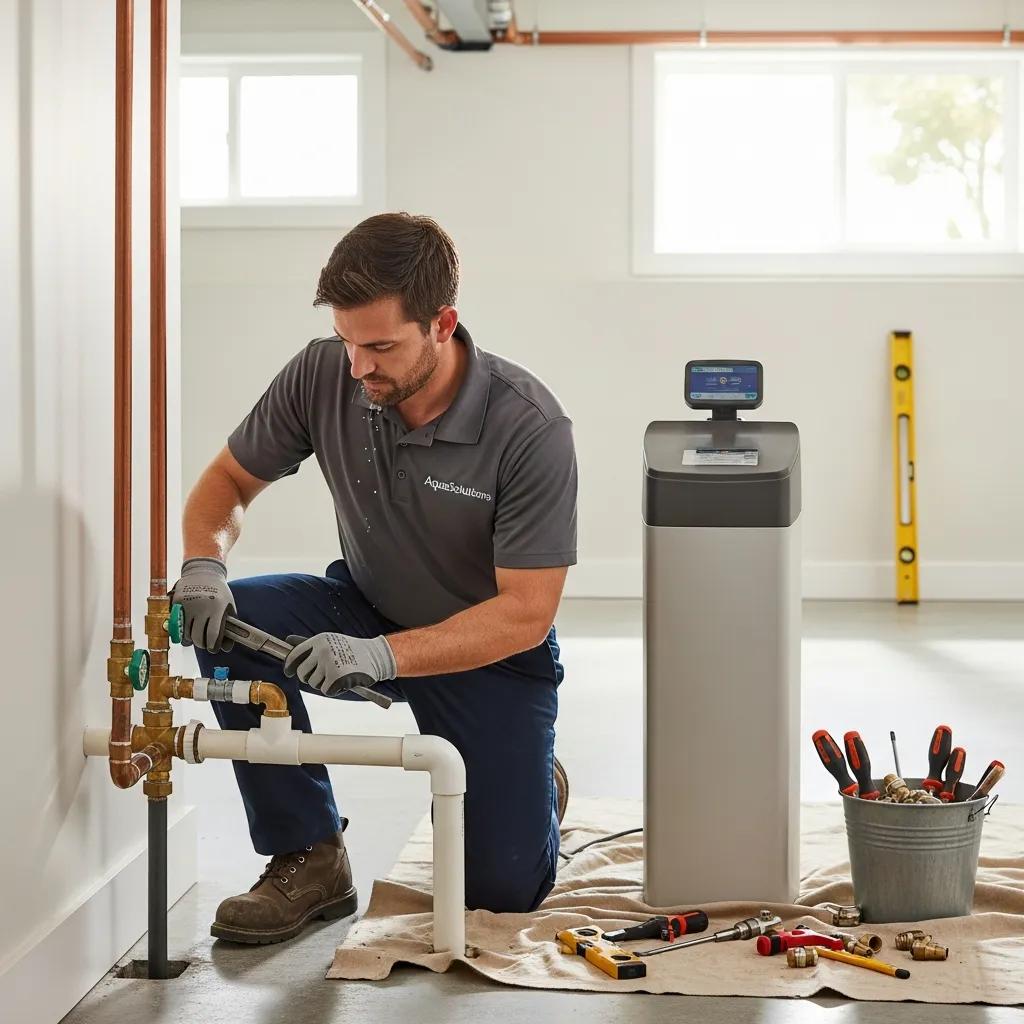
Our installations follow a clear, predictable sequence: test your water to measure hardness, select and size the right system, install the resin and brine tanks with the correct control‑valve setup, then test performance after installation. We make sure components—the resin tank, brine tank, control valve, and pre‑filter—are integrated properly and that a bypass is installed for service without shutting off your water. Technicians document regeneration cycles and walk you through simple maintenance tasks like topping up salt. That structure keeps projects on schedule and compliant with local plumbing rules.
- On‑site water testing and hardness measurement to guide the right system choice.
- Detailed system recommendation and estimate sized to household flow and hardness.
- Professional installation, initial regeneration, and performance verification.
- Customer walkthrough, documentation, and scheduling of the first maintenance visit.
These steps give homeowners a concise roadmap for planning or for quick answers when searching “water softener installation Clinton Township MI.”
| Installation Phase | Attribute | Expected Deliverable |
|---|---|---|
| Water Test | Hardness ppm / grains | Hardness report to select system |
| System Selection | Capacity & type | Recommendation with estimate |
| Installation | Components fitted | Operational softener with bypass in place |
This table links each installation stage to what you’ll receive so you know what to expect at every phase.
From testing to professional installation: what we do
We start with a hardness test—measured in grains per gallon or parts per million—to determine whether a salt‑based ion‑exchange system or an alternative is best for your water. Then we size a softener to handle peak household flow and daily grain removal, and provide a written estimate that includes any pre‑filters or bypass valves. On install day we position the resin and brine tanks, make plumbing connections, and program the control valve for the correct regeneration schedule. After an initial regeneration we re‑check water quality and guide you through regular operation and salt care.
How we make sure you’re satisfied after installation
Post‑install checks include testing effluent hardness to confirm the system’s performance and verifying that flow meets household needs without pressure loss. Technicians train you on salt addition, regeneration settings, and bypass usage, and they leave documentation on maintenance intervals. We also offer follow‑up visits or scheduled inspections to monitor resin condition and control‑valve performance. Those steps keep your water consistently conditioned, protect appliance warranties, and build confidence in long‑term results.
Which water softener types do we install in Clinton Township?
We install salt‑based ion‑exchange softeners, salt‑free conditioners, and dual‑tank systems—each suited to different water chemistry and household needs. Salt‑based units remove hardness for the largest reductions; salt‑free conditioners prevent scale without removing minerals; and dual‑tank systems provide continuous soft water during regeneration for high‑demand homes. Considering maintenance, upfront cost, and whether you’re on municipal or well water helps determine the best choice for your home.
| Softener Type | Mechanism | Maintenance | Best Use Case |
|---|---|---|---|
| Salt‑based | Ion exchange removes Ca/Mg | Regular salt refills and occasional resin checks | Homes with high hardness needing strong reduction |
| Salt‑free | Controls crystal formation to limit scale | Minimal consumables; change pre‑filters as needed | Moderate hardness where low‑maintenance scale control is preferred |
| Dual‑tank | Two resin tanks alternate regeneration | Salt refills like salt‑based systems; more complex valve service | Large households or properties needing continuous soft water |
This comparison highlights tradeoffs so you can match technology to budget, maintenance preference, and performance needs.
Salt‑based vs. salt‑free: what’s the difference?
Salt‑based softeners use ion exchange to remove hardness minerals and require periodic salt refills and occasional resin care—they deliver the biggest drop in measured hardness. Salt‑free systems condition water to prevent scale by changing mineral behavior (often with template‑assisted crystallization) and need less consumable maintenance, but they won’t lower hardness numbers the way salt systems do. The choice is a tradeoff between maximum hardness reduction and lower maintenance. Well‑water chemistry and your household expectations will determine the best option.
When a dual‑tank system makes sense
Dual‑tank systems keep one tank online while the other regenerates, so you get uninterrupted soft water during regeneration cycles. They’re a good fit for large households, properties with high peak flows, or small commercial‑style needs where any interruption is a problem. Dual tanks cost more up front and have slightly more complex maintenance, but they deliver continuous service and greater uptime—useful if uninterrupted softened water is a priority.
Water softener repair and maintenance services from Frost and Kretsch Plumbing
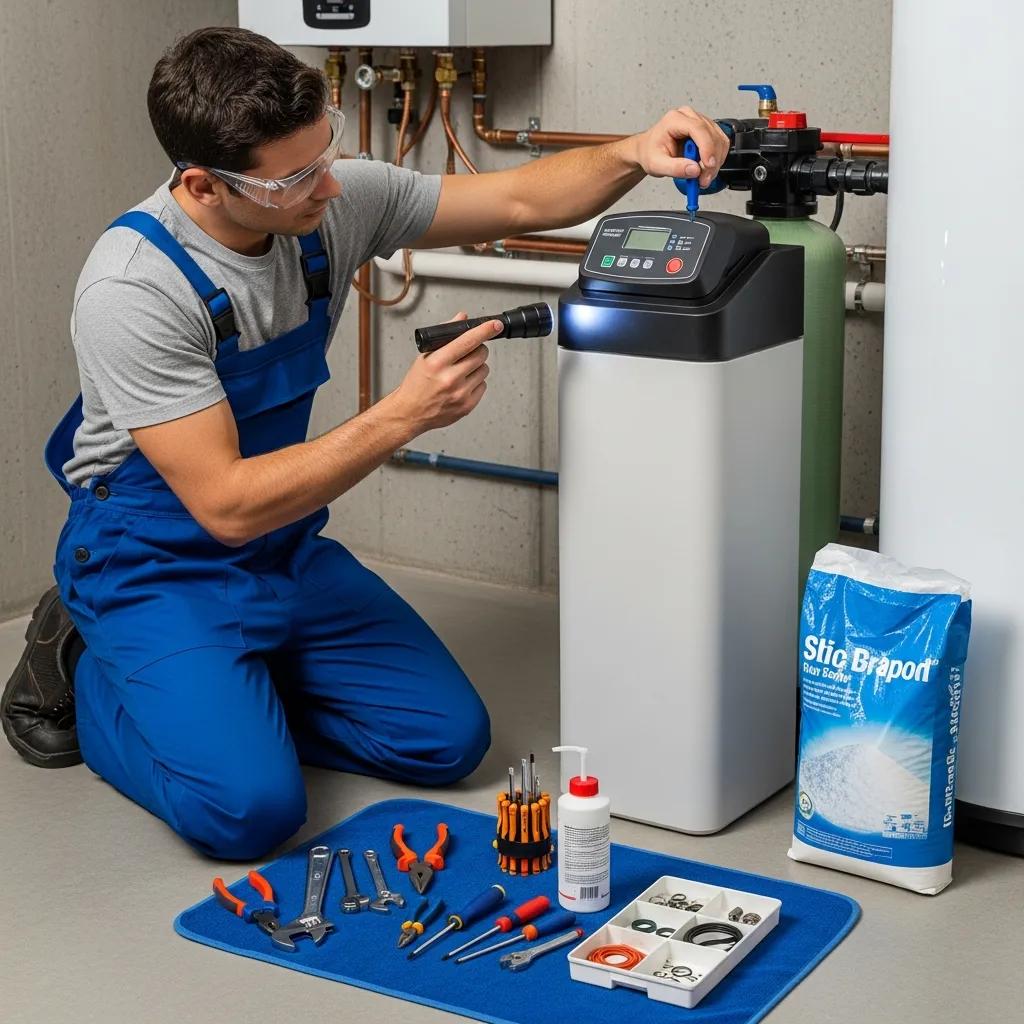
Regular maintenance and timely repairs keep a water softener working efficiently and prevent emergency failures that disrupt water quality. Frost and Kretsch Plumbing offers repair work, preventive maintenance, and 24/7 emergency response for common issues like salt bridges, control‑valve faults, resin replacement, and leaks. Our services include scheduled inspections, salt‑replenishment advice, and component testing to ensure regeneration cycles and flow rates stay within spec. For homeowners in Macomb, Oakland, and Wayne Counties, having a local service team reduces downtime and protects your investment.
- Below are the typical repair and maintenance services we provide.
- Each item targets a frequent failure mode or preventive need.
- For urgent issues or to schedule service, call our office or request an estimate online.
- Diagnose and repair control valve problems that stop proper regeneration.
- Clear salt bridges and verify brine tank function to restore operation.
- Inspect and replace resin when softening capacity drops.
- Repair leaks, service bypass valves, and reprogram systems for optimal cycles.
Including these services in a maintenance plan reduces emergency calls and extends system life by addressing wear points before they fail.
| Service | Attribute | Typical Interval |
|---|---|---|
| Salt top‑up | Consumable maintenance | Monthly to quarterly, depending on use |
| Resin check | Performance testing | Every 3–7 years, depending on water quality |
| Control valve service | Diagnostics & repairs | As needed or during annual inspection |
Use this service table as a simple reference for maintenance cadence and when to call a pro.
How scheduled maintenance extends system life
Simple tasks—clearing salt bridges, keeping salt levels correct, and periodic resin checks—prevent loss of softening capacity and avoid emergency breakdowns. Routine inspections let technicians spot early signs of control‑valve wear, brine‑line corrosion, or clogged pre‑filters before they become costly problems. A planned maintenance regimen lowers long‑term costs by preserving resin performance and preventing scale that shortens appliance life. Regular service keeps performance predictable and stretches the useful life of your treatment system.
When to call for emergency water softener repairs
Call immediately if you have a complete loss of softened water throughout the house, visible leaks or flooding from the system, or if the control valve is noisy and won’t advance through cycles. Those symptoms can cause property damage or expose appliances to rapid mineral buildup. Frost and Kretsch Plumbing offers 24/7 emergency service and transparent pricing to get urgent problems fixed quickly. For emergency response or to schedule a fast diagnostic visit, call 586-675-0097.
For routine service requests or to set up a free water test and installation estimate, contact Frost and Kretsch Plumbing at the phone number above or through our service request channels. Our local office is at 47212 Jefferson Avenue, New Baltimore, MI 48047—close enough to respond quickly to Clinton Township and nearby communities.
- Emergency repairs are typically triggered by no softened water, active leaks, or control‑module failures.
- A prompt response reduces further appliance damage and restores household water quality fast.
- Keep our contact info handy and schedule routine inspections to avoid emergencies.
These notes summarize practical next steps for homeowners considering installation, repair, or maintenance with a licensed local provider.
Frequently Asked Questions
What are the signs that my water softener needs repair?
Look for a noticeable drop in water softness, renewed scale on faucets or appliances, or strange noises from the control valve. Cloudy or spotted dishes and stiff laundry are other signs your system may not be working properly. Regular checks and quick attention to these clues help prevent bigger problems and keep the softener running efficiently.
How does water hardness affect my health?
Hard water isn’t usually a health risk, but it can irritate sensitive skin and leave hair feeling dry or dull. The minerals also reduce soap and detergent effectiveness, which can mean you use more cleaning products. Switching to softened water often improves how skin and hair feel and can reduce the need for extra soaps and shampoos.
Are there any alternatives to traditional water softeners?
Yes. Salt‑free conditioners and reverse osmosis units are common alternatives. Salt‑free systems help control scale without removing minerals and are low‑maintenance. Reverse osmosis removes many contaminants (including hardness minerals) but is typically used for drinking water rather than whole‑house treatment. Each option has pros and cons, so evaluate your water quality and goals before deciding.
What is the cost range for installing a water softener?
Installation costs vary by system type, complexity, and local labor rates. Expect most complete installs to fall between $1,000 and $3,000, including the unit and labor. Salt‑based systems are generally more affordable up front; dual‑tank systems cost more but provide continuous soft water. We recommend getting multiple quotes and weighing long‑term savings when comparing options.
How can I improve the efficiency of my water softener?
Keep salt levels topped up, clean the brine tank as needed, and schedule annual professional inspections to catch issues early. Optimizing regeneration frequency to match your household’s usage and using high‑quality salt also helps. Proper installation and regular care will maximize performance and reduce operating costs.
What should I consider when choosing a water softener for my home?
Consider your measured hardness, household size, and daily water use. Decide whether you want maximum hardness removal (salt‑based), lower maintenance (salt‑free), or uninterrupted service (dual‑tank). Factor in maintenance needs, upfront cost, and long‑term savings, and consult a professional for recommendations tailored to your water test results.
Conclusion
Installing a water softener in Clinton Township improves water quality, helps appliances last longer, and reduces maintenance. Fixing hard water issues means cleaner dishes, softer skin and hair, and potential energy savings—making a softener a smart home investment. Frost and Kretsch Plumbing provides expert installation and ongoing support tailored to local water conditions. Contact us today to schedule a free water test and find the right solution for your home.