How to Use a Pipe Wrench: A Practical Guide for Plumbing Tasks and Techniques
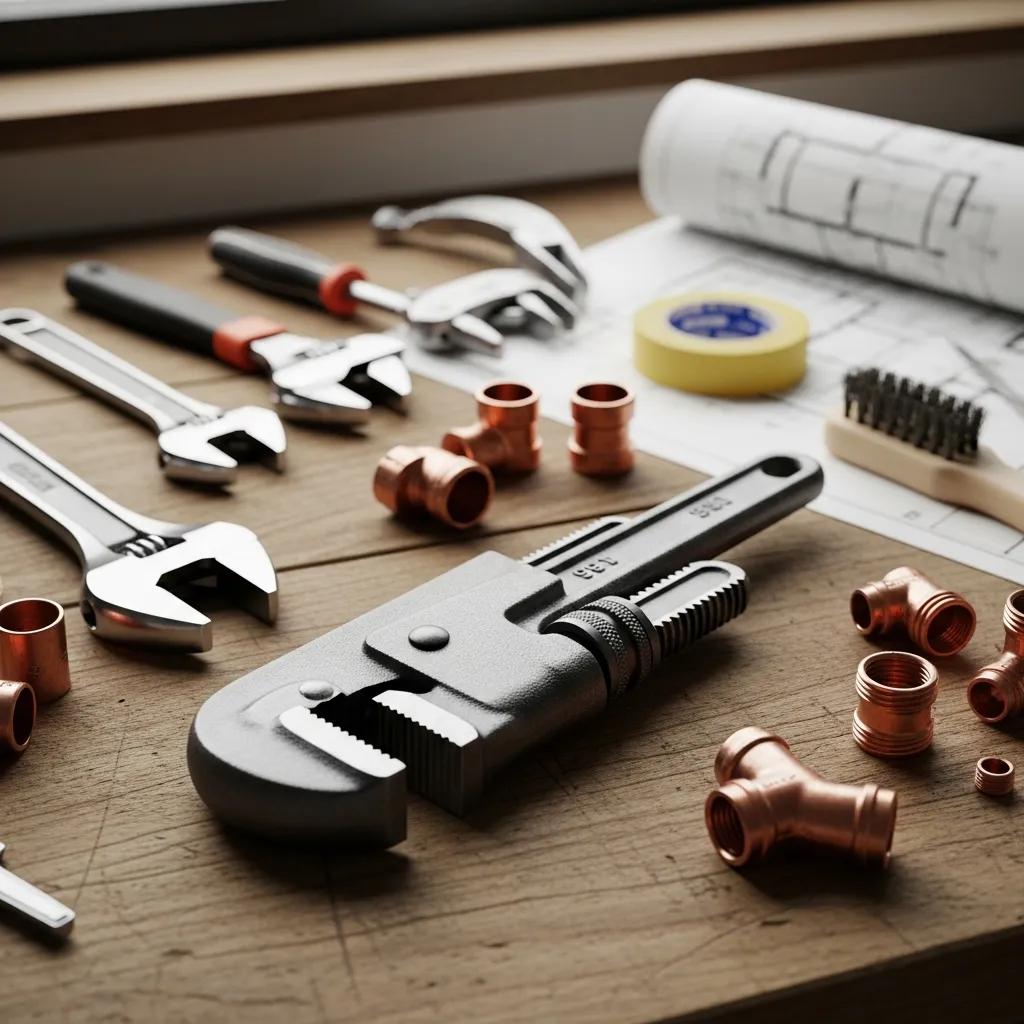
The pipe wrench is a go-to tool for many plumbing jobs — it grips round pipe and fittings where flats aren’t available. Used correctly, it saves time and prevents damage. This guide covers what a pipe wrench is, how its jaw-and-leverage design works, and when it’s the right choice for tasks like tightening black iron or galvanized pipe joints. You’ll learn how to pick the right size, set the jaws, use safe body mechanics, and recognize when an adjustable or specialty wrench is the better option. We also walk through common mistakes homeowners and DIYers make, provide clear criteria for when to call a local pro in Grosse Pointe, and include step-by-step instructions, tool comparisons, safety checks, and contact info so you can decide whether to DIY or get help.
What is a pipe wrench and why is it essential for plumbing?
A pipe wrench is a heavy-duty hand tool that grips round pipes with angled, serrated jaws and uses a levered handle to turn or hold the workpiece. That jaw bite plus leverage is what lets you rotate cylindrical fittings that don’t have flats for a box or adjustable wrench. It’s the standard tool for tightening and loosening threaded pipe joints on materials such as black iron and galvanized pipe where you need reliable rotational control. Knowing the wrench’s role helps you avoid stripped threads and leaky connections.
What are the key parts and functions of a pipe wrench?
A typical pipe wrench has four main parts: the hook jaw (the movable top jaw), the heel jaw (the fixed lower jaw), the adjustment nut, and the handle. The hook jaw bites into the pipe as you apply torque; the heel jaw gives a stable counter surface. The adjustment nut sets jaw clearance to match the pipe diameter, and the handle provides leverage — longer handle, more torque. Most good wrenches use forged steel for strength and wear resistance. Familiarity with these parts helps you inspect the tool before work and replace worn components when needed.
How does a pipe wrench differ from other plumbing wrenches?
Pipe wrenches use serrated jaws that bite round surfaces; adjustable wrenches use smooth jaws to grip flats. Basin wrenches reach behind sinks, and strap wrenches protect polished finishes. Use the wrong tool and you risk gouging a faucet or slipping on round pipe. Choosing the right wrench for the surface and fastener reduces repair time and prevents costly cosmetic or functional damage.
Which types of plumbing wrenches should you know?
Plumbing work calls for several wrench types, each built for a different situation: long-handled pipe wrenches for heavy leverage, compact styles for tight spots, and non-marring options for finished fixtures. Knowing names like straight pipe wrench, offset pipe wrench, end pipe wrench, compound-leverage wrench, and chain pipe wrench helps you pick the best tool for the job. Strap and basin wrenches protect finishes and reach awkward places, while adjustable wrenches work on flats. These categories are a practical toolkit for both home repairs and professional jobs.
Common wrench types and quick use cases:
- Straight pipe wrench: Best for general pipe work with clear access and where steady leverage is needed.
- Offset pipe wrench: Great when you’re working near a wall or obstruction and need clearance.
- End pipe wrench: Short and compact for tight spaces where a long handle won’t fit.
Introductory comparison of common wrench types:
| Wrench Type | Best Use Case | Notes |
|---|---|---|
| Straight pipe wrench | General-purpose pipe turning | Strong leverage; ideal for exposed runs |
| Offset pipe wrench | Tight clearances near walls | Handle is offset to avoid obstructions |
| End pipe wrench | Confined spaces | Short handle—less torque but fits tight spots |
| Chain pipe wrench | Seized or irregular round stock | Wraps around pipe for a concentrated grip; avoid on polished finishes |
| Strap wrench | Finished or polished pipes | Non-marring; good for chrome or soft materials |
Use this quick guide to match tool choice with pipe material and access constraints so you can move from identifying the problem to taking the right action.
Summary: Picking the correct wrench prevents damage and speeds the job. Next, we’ll walk through step-by-step use so you can work safely.
What are the different types of pipe wrenches and their uses?
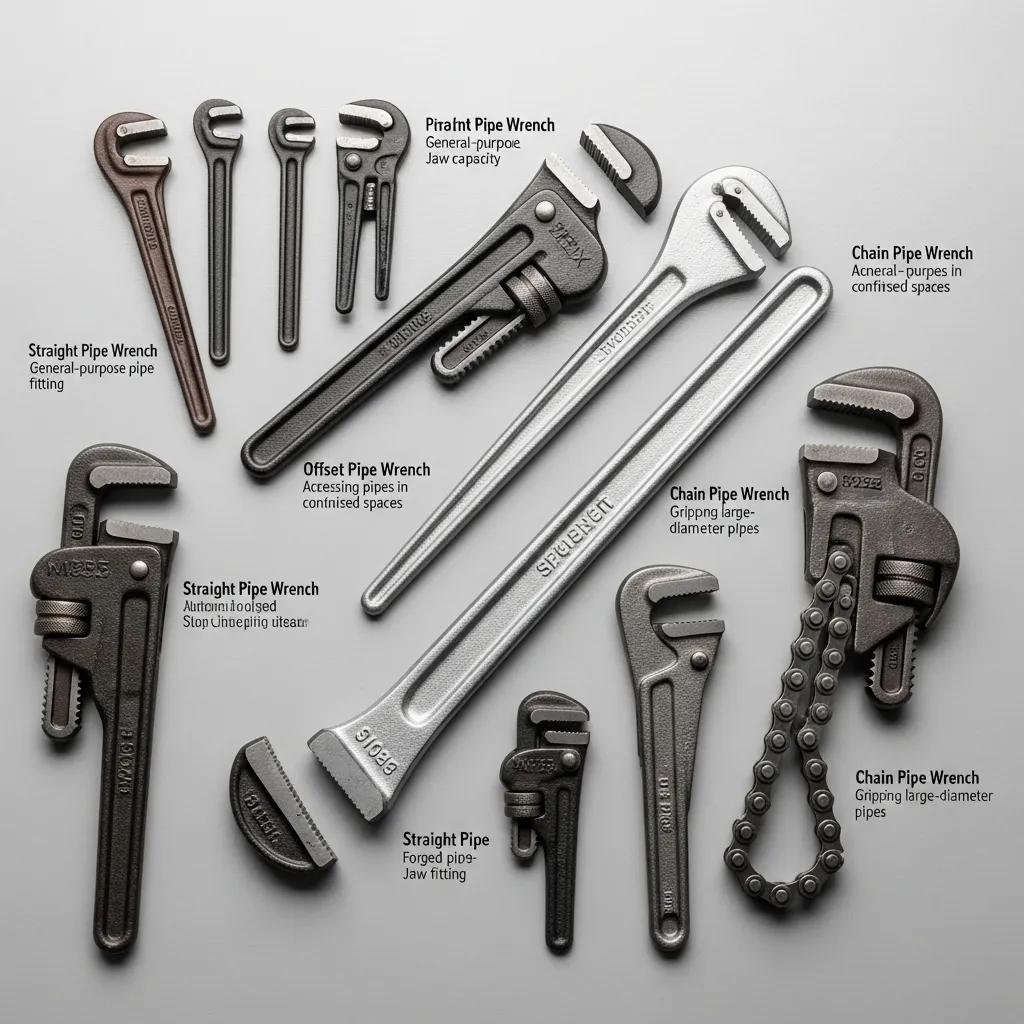
Straight pipe wrenches give maximum leverage; offset models clear obstacles; chain and compound-leverage wrenches grab better on seized or very large pipe. For a rusty galvanized joint, a chain wrench can wrap around the pipe for a firm grip; for a fitting near a wall, an offset wrench keeps the handle from hitting the surface. Be mindful of limits: chain wrenches can mark softer finishes and end wrenches don’t give as much torque. Choose by pipe material, access, and finish — and know when a pro is the safer bet.
How do adjustable and specialty wrenches complement pipe wrenches?
Adjustable wrenches and specialty tools protect finished surfaces and reach where a pipe wrench can’t. An adjustable wrench grips hex flats without serration; a strap wrench removes chrome or soft pipes without marring them; a basin wrench reaches the hard-to-access nuts behind sinks. Use pipe wrenches for round stock and keep adjustable or strap wrenches for flats and polished fixtures to reduce slips and preserve parts.
How to use a pipe wrench safely and effectively for plumbing tasks
Start by choosing a wrench size that fits the pipe snugly and gives the right leverage for the job. Set the hook jaw so it bites in the direction you’ll pull, apply steady controlled force rather than jerks, and use a backup wrench on the mating fitting to protect nearby joints. Inspect jaw teeth and the adjustment nut before you start; worn teeth or a sticky nut cause slips. Wear gloves and eye protection to reduce injury risk. These habits help you work cleanly and safely — the list below shows the basic sequence.
Follow these essential steps for safe, effective pipe wrench use:
- Select the correct wrench size: Match the jaw capacity to the pipe diameter for a secure fit.
- Inspect the tool: Check jaw teeth, handle condition, and that the adjustment nut moves freely.
- Position the wrench: Place the hook jaw on the side that will bite when you pull; ensure solid contact.
- Apply steady force: Pull toward you with controlled force; avoid sudden impacts or improvised levers.
- Use a backup wrench: Stabilize the opposite fitting to prevent stressing nearby joints.
This short how-to list gives a reliable workflow. Below is a simple table linking each step to the right tool and safety habit.
Tool-and-safety mapping for pipe wrench operation:
| Action Step | Tool or Component | Safety / Best Practice |
|---|---|---|
| Adjust jaws | Pipe wrench adjustment nut | Wear gloves; set snug but don’t over-tighten |
| Position wrench | Hook jaw and heel jaw | Align hook jaw toward pull direction; keep 2–3 teeth engaged |
| Apply force | Handle leverage | Use steady pull; avoid cheater bars; maintain balanced stance |
| Stabilize work | Backup wrench | Hold the opposing part steady to protect joints |
| Inspect finish | Visual check | Use a strap or cloth to protect polished surfaces when needed |
Summary: Good size selection, correct jaw setting, controlled torque, and regular inspection make pipe-wrench work routine and safe. Next: how to pick the right wrench size for the job.
How do you choose the right size pipe wrench for your job?
Choosing the right size balances jaw capacity, handle length, and available clearance so you can apply torque without risking damage. Smaller wrenches (10–14 inches) suit small residential lines; longer wrenches (18–24 inches) give more leverage for larger or seized fittings. If space is tight, a short end or offset wrench might be a better fit than a long-handled model. When a fitting is seized, going up one size can help, but combine that with penetrating oil and patience — or call a pro if the pipe condition looks risky.
What are the step-by-step techniques for proper pipe wrench use?
Work in a clear, prepared area and shut off water if needed. Inspect and set the wrench to the pipe diameter, orient the hook jaw for a pulling bite, and apply steady force while keeping your body aligned behind the pull. Reposition the wrench after each controlled movement rather than forcing it. Protect visible finishes with cloth and always use a backup wrench on the opposing fitting. Stop and reassess if the pipe slips, jaw teeth deform, or nearby joints move unexpectedly.
What are common pipe wrench mistakes and how can you avoid them?
Most mistakes come from using the wrong tool, poor jaw adjustment, or applying uncontrolled leverage. These mistakes lead to slippage or damaged fittings. Avoid them by choosing the correct wrench type and size, inspecting the tool before use, and pulling in the right direction while stabilizing the mating part. Don’t treat a pipe wrench like an adjustable wrench on flats, and don’t use improvised extensions — both can break the tool or ruin threads.
Frequent mistakes and quick remedies:
- Using the wrong size wrench: Switch to a properly sized wrench or the correct wrench type to prevent slipping.
- Loose jaw adjustment: Re-set the nut so the hook jaw bites with several teeth engaged.
- Using impact force or cheater bars: Use steady leverage and, if more torque is needed, a rated longer wrench rather than improvised extensions.
These quick fixes address common failures and point to inspection as the first line of prevention.
Which errors cause pipe damage or tool slippage?
Slippage usually comes from worn teeth, a loose jaw setting, or pulling in the wrong direction so the jaw pushes instead of bites. Using a pipe wrench on delicate finishes will leave serration marks that can ruin the appearance and sealing surfaces. Prevent slippage by replacing worn jaws, keeping the adjustment nut clean and functional, and using a strap wrench on polished materials. Regular maintenance and correct tool choice stop most problems before they start.
What safety precautions should you follow when using a pipe wrench?
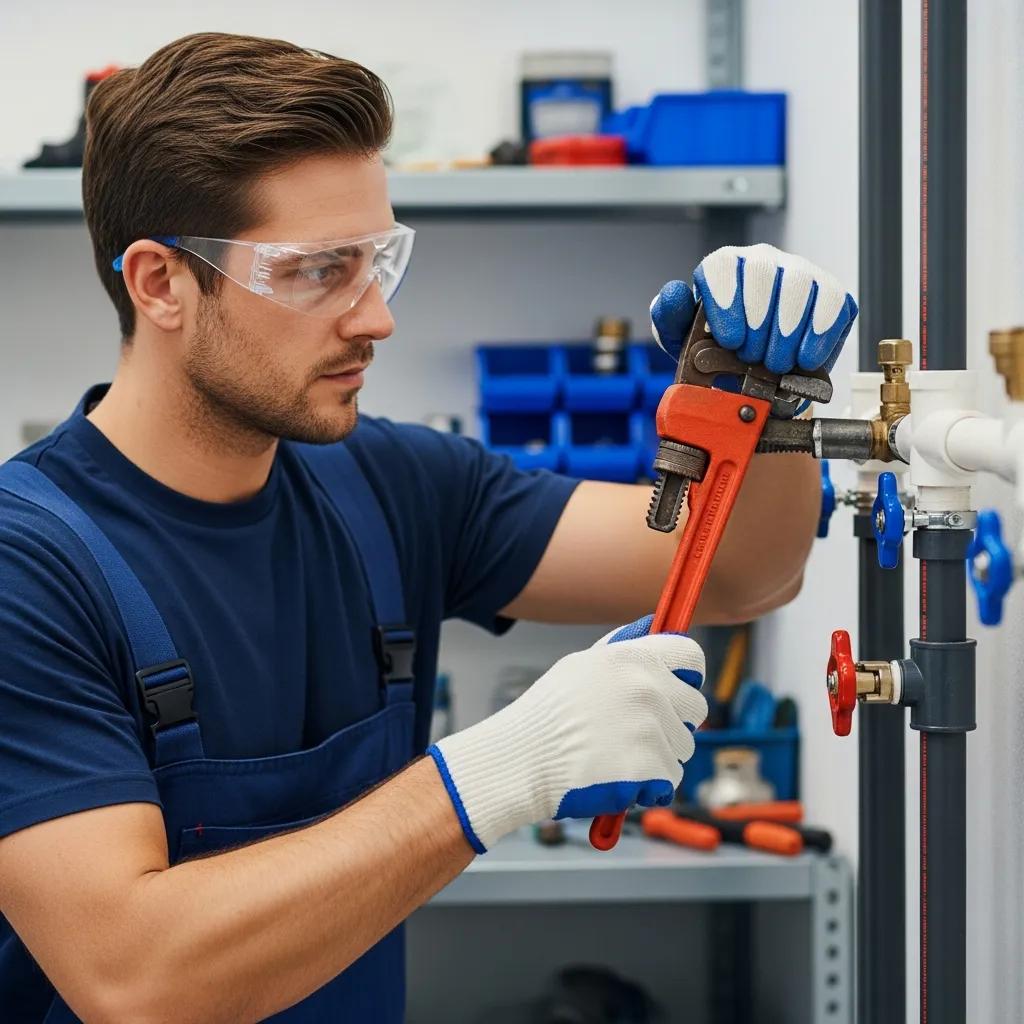
Before you start, shut off the water supply and relieve pressure so fittings don’t eject fluid or move suddenly. Check your personal protective equipment — gloves, eye protection, and sturdy shoes — and inspect the wrench for damaged teeth or a bent handle. Work with a partner or use clamps to stabilize long pipe runs, and never use improvised torque extenders like cheater bars. These precautions lower injury risk and protect your tools and pipes. If you’re unsure whether a different wrench type is safer, err on the side of a specialized tool or call a pro.
When should you use an adjustable wrench instead of a pipe wrench?
Use an adjustable wrench when the fastener has flats (hex nuts or valve stems), when you need to preserve a finish, or when precise torque matters more than a biting grip. Adjustable wrenches are the right choice for faucets, appliance supply connections, and valve stems because their smooth jaws won’t mar surfaces. Pipe wrenches are best for round stock where a secure bite is needed. For complex fittings or sealed systems, consider professional tools or services — Frost & Kretsch Plumbing can evaluate jobs that go beyond typical DIY scope and require licensed expertise.
Common situations that favor adjustable wrenches:
- Faucet and fixture nut work: Protects polished surfaces and flats.
- Appliance supply connections: Provides controlled torque without serration.
- Valve stem adjustments: Allows precise torque where threads matter.
These examples show when precision wins over bite-and-leverage. The next section contrasts technique differences between wrench types.
What plumbing tasks are best suited for adjustable wrenches?
Adjustable wrenches are ideal for hex nuts, appliance hookups, and valve stem work where smooth jaws and measured torque protect fittings and finishes. Tightening a compression nut on a supply line or hooking up an appliance benefits from the wrench’s ability to match flats precisely. Use jaw covers or cloth when working near decorative fixtures to avoid cosmetic damage.
How do adjustable wrench techniques differ from pipe wrench methods?
With an adjustable wrench you align smooth jaws to flats, tighten to remove play, and apply measured torque to avoid rounding corners. Pipe wrench technique relies on the hook jaw biting as you pull, so torque is about overcoming friction in threaded joints rather than precision. For adjustable wrenches, protect finishes with covers; for pipe wrenches, ensure multiple teeth engage to spread the load and avoid concentrated gouging.
When is it time to call a professional plumber in Grosse Pointe?
Some problems are beyond DIY — failed sewer lines, water main breaks, persistent leaks after repeated repairs, or any gas-related concern need licensed expertise, special equipment, and sometimes permits. If a repair requires excavation, working on large-diameter mains, or the system stays unstable after basic troubleshooting, call a professional to avoid bigger damage and safety risks. For Grosse Pointe residents, Frost & Kretsch Plumbing offers local experience and emergency response for complex or high-risk jobs. Use the checklist below to decide whether to escalate to a pro.
Decision criteria for calling a professional:
- Leaking sewer line: Yes — requires professional intervention and likely excavation.
- Water main break: Yes — call emergency, licensed technicians handle mains.
- Persistent leak after DIY fixes: Yes — bring in a professional diagnosis to prevent property damage.
- Minor faucet drip: No — often a DIY fix if you have basic tools and confidence.
Quick comparison of DIY vs professional situations:
| Scenario | DIY Appropriate? | Call Professional When |
|---|---|---|
| Clogged sink drain | Often yes | If chemical cleaners and basic snaking don’t work |
| Seized galvanized joint | Sometimes | If pipe condition risks breakage or structural issues exist |
| Water main issues | No | Always call licensed technicians for mains |
| Gas-related leaks | No | Immediate professional response required |
Summary: When complexity, safety, or failed DIY attempts are involved, call a professional. The next section outlines tasks that typically call for expert pipe-wrench skills.
Which plumbing tasks require expert pipe wrench skills?
Jobs that usually need professional pipe-wrench experience include removing seized galvanized sections, servicing large-diameter supply mains, working on sewer cleanouts, and repairs that involve excavation or full system shutdowns. These tasks often involve heavy fittings, corroded threads, and the potential for significant water release or structural damage — situations where licensed experience and heavy-duty tools matter. Pros also know when to use heat, penetrating agents, or section replacements to avoid catastrophic failure.
How does Frost & Kretsch Plumbing support emergency and complex repairs?
Frost & Kretsch Plumbing offers residential and commercial services with 24/7 emergency availability and clear, upfront estimates. Their licensed, insured technicians handle water main repairs, water heater replacements, sump pump installs, drain cleaning, sewer services, and excavation for sewer line work. They focus on local knowledge in Grosse Pointe and nearby areas, provide customer satisfaction guarantees, and make it simple to request an estimate. For urgent issues, their emergency line is available any time. To schedule service or request an estimate, call (313) 881-2818 or visit 20315 Mack Ave. Grosse Pointe MI 48236 to speak with the team.
Frequently Asked Questions
What are the common mistakes to avoid when using a pipe wrench?
Common mistakes include using the wrong size wrench, which leads to slipping, and failing to adjust the jaw properly so it doesn’t bite. Applying sudden force or using cheater bars risks damaging the tool and the pipe. To avoid these problems, match wrench size to pipe diameter, make sure the jaws are snug, and use steady, controlled force. Regularly inspect your wrench for wear to keep it reliable.
How can I maintain my pipe wrench for optimal performance?
Keep the jaws clean and check them for wear — replace them if the teeth are damaged. Clean and lightly lubricate the adjustment nut so it moves smoothly. Store the wrench in a dry spot to prevent rust and check the handle for bends or cracks. Regular maintenance extends the tool’s life and keeps jobs safer and easier.
What safety gear should I wear when using a pipe wrench?
Wear safety glasses to protect your eyes, gloves to help with grip and protect your hands, and sturdy footwear in case tools are dropped. If you’re working where overhead hazards exist, consider a hard hat. Proper gear reduces the risk of injury and keeps the workspace safer.
Can I use a pipe wrench on plastic pipes?
Generally, no — the serrated jaws can damage plastic pipes. Use a strap wrench or an adjustable wrench that won’t mar the surface. If you must use a pipe wrench, apply it only to fittings, not the plastic pipe itself, and be very gentle to avoid cracking.
What should I do if my pipe wrench slips while in use?
Stop immediately. Check for worn jaw teeth, improper jaw adjustment, or the wrong pull direction. Reposition the wrench to get a secure bite, use a backup wrench to steady the fitting, and inspect the tool for wear. If it continues to slip, replace the wrench or call a pro.
How do I know when to call a professional plumber?
Call a professional when an issue exceeds your skill set — persistent leaks after DIY fixes, sewer line problems, gas-related concerns, or anything that needs special tools or permits. A licensed plumber ensures the repair is safe and correct, preventing further damage and costly fixes later.
What are the benefits of using a pipe wrench over other types of wrenches?
Pipe wrenches are designed to grip and turn round pipes securely with serrated jaws and leverage, which makes them ideal for threaded pipe joints where other wrenches would slip. They deliver the torque needed for heavy-duty tasks and are a staple whenever a firm, reliable grip on round stock is required.
Conclusion
Learning to use a pipe wrench properly keeps connections tight and prevents costly damage. When you match the right wrench to the job and follow safe techniques, even tougher plumbing tasks become manageable. If you’re ever unsure or the repair looks risky, contact a local pro — it’s the quickest way to protect your home. Ready to get help or an estimate? Call Frost & Kretsch Plumbing at (313) 881-2818 or stop by 20315 Mack Ave. Grosse Pointe MI 48236.