

Boiler Maintenance for Hydronic Heating: A Practical Guide to Safe, Efficient Comfort
Hydronic heating moves hot water through pipes to radiators, baseboards, or in‑floor tubing to deliver steady, efficient warmth. Keeping the boiler and distribution parts in good shape preserves heat transfer, cuts energy waste, and reduces safety risks like leaks or combustion problems. This guide lays out how hydronic systems work, simple homeowner checks, what technicians inspect during tune‑ups, common troubleshooting steps, and safe between‑service care. You’ll get prioritized maintenance actions—daily, seasonal, and annual—plus symptom‑based fixes for cold radiators, pressure loss, and noisy operation. Use the homeowner vs. professional tables and clear checklists here to act quickly and safely, and to know when to call a licensed technician so your system stays comfortable and economical.
What a Hydronic Heating System Is—and Why Boiler Care Matters
A hydronic system is a closed loop: the boiler heats water, a circulator pushes it through pipes, and emitters (radiators, baseboards, or radiant floors) give that heat to your rooms. Water carries heat more efficiently than forced air, so hydronic systems deliver even, comfortable warmth. Regular boiler maintenance preserves that efficiency, prevents corrosion and sludge that slow flow, and confirms safe operation of combustion and pressure controls—reducing risks like leaks or carbon monoxide. Finding problems early with routine checks lowers the chance of emergencies and extends equipment life, saving you money over time. Knowing the basics makes it easier to perform simple checks and to recognize when you need a pro.
How a Hydronic Heating System Works
The boiler heats water using gas, oil, or electricity. A circulator pump moves the hot water through the distribution piping to emitters, where heat transfers into the living space. Zone valves and thermostatic controls let different areas reach their set temperatures independently, improving comfort and saving energy. Expansion tanks, pressure relief valves, and gauges control pressure and allow for water expansion as temperatures rise. Many systems use mixing valves or outdoor‑reset controls to fine‑tune supply temperatures for radiant floors or mixed emitter types. With this circulation and control framework, maintaining pumps, valves, and water quality is key to reliable, efficient heat delivery.
Why Regular Boiler Maintenance Boosts Efficiency and Safety
Routine maintenance removes insulating sludge and scale from heat exchangers so the boiler transfers heat efficiently, which lowers fuel or electricity use for the same comfort. Cleaning burners and checking combustion settings improves fuel‑to‑heat conversion and reduces the chance of unsafe combustion byproducts. Inspections catch worn parts—like a weak expansion tank or a leaking relief valve—before they cause pressure loss, shutdowns, or water damage. Preventive steps such as water treatment and flushing slow corrosion and reduce pinhole leaks in piping and radiators. Keeping the system tuned and clean supports steady performance and helps avoid emergency calls in cold weather.
Key Steps in a Hydronic Heating Maintenance Checklist
Below are the most effective maintenance tasks, split between safe homeowner checks and professional work that needs tools and certification. Homeowners can handle visual inspections, pressure checks, and radiator bleeding; professionals do combustion analysis, power flushes, and sealed‑system water treatment. Follow the prioritized tasks by frequency to keep the system safe and efficient.
Homeowner vs. pro priorities:
- Daily / Weekly visual and operational checks: Scan for leaks, confirm the boiler display and thermostat are working, and keep the boiler area clear.
- Monthly monitoring: Check boiler pressure, listen for odd noises, and bleed radiators if air is suspected.
- Seasonal prep: Drain low points, test zone valves, and verify circulation during startup and shutdown.
These homeowner steps usually fix minor flow and balance issues. Professional services add deeper diagnostics and repairs covered below.
Daily and Weekly Checks Homeowners Can Do
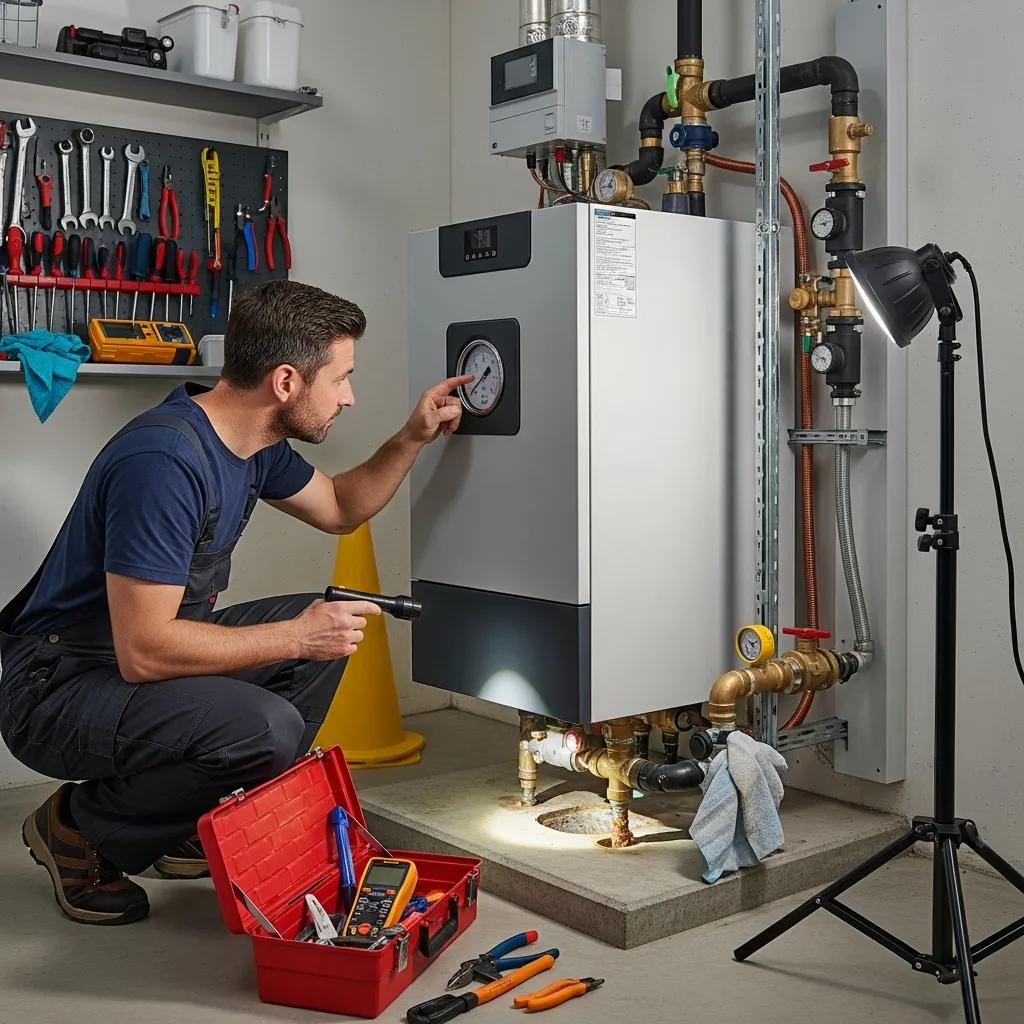
Safe, regular checks catch most early problems. Look over the boiler and nearby piping for drips, rust, or puddles. Keep combustion‑air paths and vents clear. Check the pressure gauge weekly—most residential systems sit around 12–15 psi when cold and rise a bit when hot. If pressure moves well outside that range, stop and call a pro. Bleeding a radiator to remove trapped air and confirming thermostats call for heat are simple, high‑impact tasks that restore circulation and remove cold spots. If visual or operational warning signs continue, schedule a professional inspection.
To make responsibilities clear, here’s a quick homeowner vs. professional reference.
| Task | Who Should Perform | Purpose |
|---|---|---|
| Visual leak check | Homeowner (weekly) | Spot early leaks or moisture that point to failing seals or fittings |
| Pressure monitoring | Homeowner (monthly) | Keep system within safe range to avoid pump strain |
| Radiator bleeding | Homeowner (seasonal / as needed) | Remove air pockets that cause cold spots and reduce flow |
| Combustion analysis | Professional (annual) | Confirm safe, efficient fuel combustion and lower CO risk |
| Power flush / chemical flush | Professional (as needed) | Clear sludge to restore heat transfer and flow |
| Expansion tank inspection | Professional (annual) | Verify pressure‑acceptance function and prevent repeat pressure loss |
What an Annual Professional Boiler Tune‑Up Covers
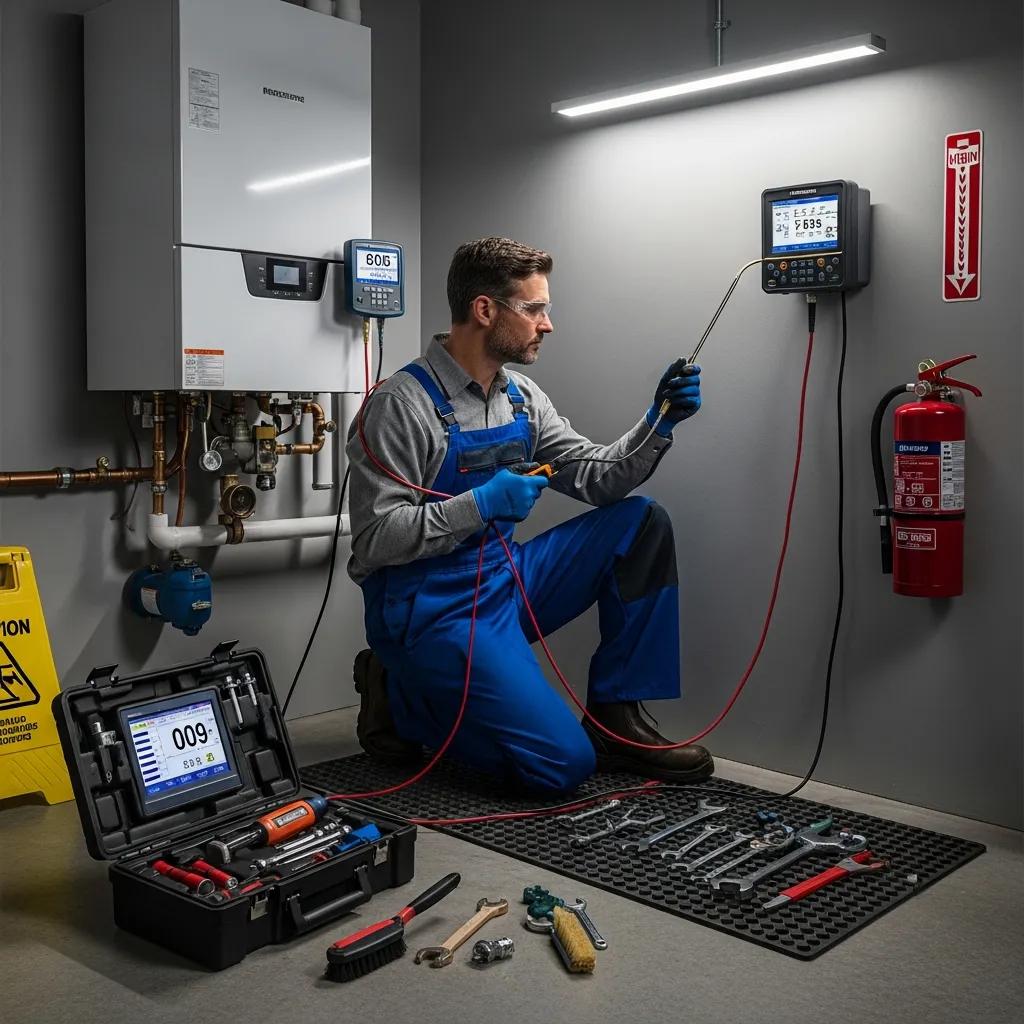
An annual tune‑up is a full safety and efficiency inspection that’s best left to a licensed technician. A pro will perform combustion testing to check burner and flame quality, clean burners and heat exchangers, and test safety controls like pressure relief valves and low‑water cutoffs. Technicians also check circulator pumps, expansion tanks, and automatic air vents, and recommend water treatment or power flushing when sludge or corrosion is found. These tasks need special tools and safety steps; a yearly service keeps small faults from turning into costly failures and helps lower long‑term energy use.
After you do routine homeowner checks, an annual professional tune‑up gives the deeper preventive care your system needs. At Frost & Kretsch Plumbing, we serve Grosse Pointe and nearby communities with licensed technicians who handle boiler tune‑ups, water‑heater work, and any repairs a professional inspection uncovers. If a power flush or repair is recommended, consider scheduling service with a licensed provider to restore efficiency and safety.
Troubleshooting Common Hydronic Boiler Problems
This troubleshooting section links common symptoms to likely causes and safe, immediate actions you can take before calling a technician. Use quick, low‑risk steps—like bleeding radiators or topping up pressure—then escalate when you see leaks, combustion oddities, or ongoing pressure loss. The symptom→action approach helps you get heat back quickly when possible without risking unsafe work.
Common problems and what to try first:
- Cold radiators — bleed the radiator and check zone valves.
- Pressure loss — look for visible leaks; if none, monitor and call a pro if it keeps dropping.
- Strange noises — try to identify if it’s air, kettling, or a pump issue and take the appropriate next step.
Follow the symptom→action guidance below to decide when pro diagnostics are needed.
How to Find and Fix Cold Radiators or Air in the System
Cold radiators usually mean trapped air at high points or zone valves that aren’t open. Bleeding the radiator and confirming zone valves work will often clear it. To bleed safely: put the boiler in standby or shut it off to avoid scalding, use a radiator key or small screwdriver at the bleed valve, open it slowly until water flows steadily, then close it. Check system pressure afterward and top up if required. If bleeding doesn’t help—or if pressure drops significantly after bleeding—the issue could be sludge or a failing circulator pump and will need a professional flush or pump replacement. If bleeding fixes it, run the system and watch for recurrence; persistent cold spots mean it’s time to call a technician.
Regular bleeding and pressure checks protect flow and help preserve boiler efficiency while showing if deeper service is necessary.
What Causes Leaks, Pressure Loss, and Odd Noises?
Leaks tend to start at joints, radiator valves, or corroded pipe sections and will cause pressure loss if the loop can’t stay sealed. Small leaks can sometimes be isolated temporarily by shutting off zone valves, but permanent fixes require replacing damaged fittings or corroded piping. Pressure loss with no visible leak often points to a failed expansion tank, a stuck pressure relief valve, or an internal leak—issues that need professional testing and component replacement. Noises like kettling (scale and restricted flow), gurgling (air), or grinding (worn pump) all signal flow or heat‑transfer problems. Start with bleeding and pressure checks, but expect professional cleaning, pump servicing, or water treatment in many cases.
If leaks, repeated pressure loss, or loud/severe noises continue, stop DIY work and contact a licensed technician for a safe, permanent repair.
Why Professional Boiler Maintenance Pays Off
Professional maintenance delivers clear benefits: better efficiency (lower fuel bills), fewer breakdowns, a longer system lifespan, and verified combustion safety. Technicians use tools and proven methods—combustion analyzers, flow testing, and power‑flush systems—to restore performance and prevent emergency failures. Regular professional service also documents that safety devices like relief valves and controls are working, reducing liability and the chance of water damage or unsafe combustion. The best approach pairs simple, regular homeowner checks with an annual professional inspection to keep efficiency and safety on track.
| Benefit | How Professionals Maintain It | Expected Outcome |
|---|---|---|
| Efficiency | Clean heat exchangers and tune burners | Lower fuel use and smaller monthly bills |
| Lifespan | Replace worn parts and prevent corrosion | Longer service life and delayed replacement |
| Safety | Combustion analysis and safety valve testing | Reduced CO risk and code compliance |
| Reliability | Power flushes and pump servicing | Fewer breakdowns and steadier heat delivery |
How Professional Service Improves Efficiency and Cuts Costs
A pro restores heat transfer and ensures correct combustion and flow so the boiler uses less energy to reach thermostat settings. Cleaning burners and exchangers removes deposits that act like insulation, letting more heat move into the water instead of being wasted. Correcting pressure and flow lowers pump energy use and prevents short‑cycling that drives up fuel costs. By catching small leaks and fixing circulation or zone control problems early, technicians prevent wasted heat and frequent cycling that spike fuel bills—so scheduled maintenance often pays for itself through lower operating costs and fewer emergencies.
Those efficiency gains are why an annual professional service is a smart investment for most homeowners.
How Maintenance Extends System Life and Keeps It Safe
Regular inspections and timely replacement of marginal parts reduce stress on the boiler and piping, slowing wear and preventing cascading failures that force early replacement. Water treatment and timely flushing limit corrosion and scale that lead to pinhole leaks and poor heat exchange—both of which shorten component life. Safety checks—testing relief valves, inspecting combustion seals, and confirming venting—prevent dangerous failures and detect conditions that could create carbon monoxide or unsafe pressure. These preventive steps protect your investment and keep occupants safe and compliant with local norms.
Combine smart homeowner checks with scheduled professional maintenance to maximize savings and longevity. If you want help, Frost & Kretsch Plumbing provides licensed technicians across Grosse Pointe and nearby neighborhoods and can give estimates or schedule tune‑ups through our contact options.
Homeowner Care Between Professional Visits
Between professional visits, you can do targeted tasks that keep circulation steady, spot early faults, and avoid contamination that causes inefficiency. Safe checks include watching pressure and visually inspecting the system, bleeding air when needed, and keeping the boiler room clear of stored items that might block airflow or create hazards. Don’t open pressurized components or attempt chemical treatments—leave fluid sampling, glycol testing, and water treatment to professionals to avoid contamination or loss of freeze protection. Regular noninvasive checks give clear signals for when to call a technician.
The table below lists common components, simple homeowner checks, and recommended actions to keep upkeep manageable between annual services.
| Component | Homeowner Check | Action / Frequency |
|---|---|---|
| Radiator / Baseboard | Check for cold spots and bleed air | Bleed as needed; monthly during the heating season |
| Boiler pressure gauge | Observe and record pressure | Monthly; top up per manual if low |
| Expansion tank (visual) | Look for external leaks or corrosion | Report issues to a technician; professional check annually |
| Circulator pump | Listen for unusual noise | If noisy, schedule professional diagnostics |
| Vents / air intakes | Ensure clear and unobstructed | Seasonal check before heating season |
Safely Checking Water Levels and Glycol Concentration
Do not open pressurized parts or try invasive sampling without training. Rely on sight glasses and accessible filler loops and follow the manufacturer’s instructions for topping up; when unsure, shut down and call a pro. Glycol concentration affects freeze protection and corrosion control—incorrect mixes can speed corrosion or reduce heat transfer—so have a licensed technician test and correct concentrations. If you see recurring corrosion, strange deposits, or a drop in heat output, contact a technician for chemical analysis and treatment.
When in doubt about fluid condition or seals, a professional assessment prevents accidental contamination and pressure hazards from improper DIY handling.
When to Call a Professional
Contact a licensed technician right away for any of these red flags: the smell of gas, large or unexplained water leaks, repeated pressure loss despite your checks, frequent boiler lockouts, visible combustion issues, or if you can’t restore heat after basic troubleshooting. Those signs point to safety or integrity problems that need trained diagnostics, such as combustion analysis, pressure testing, and component replacement. For urgent but non‑emergency issues—persistent cold zones, ongoing noises, or suspected sludge restricting flow—book a professional inspection promptly to avoid escalation. Local licensed technicians can check combustion safety, perform power flushes, and replace failing pumps or valves to get your system back to reliable operation.
- Routine maintenance helps prevent emergencies by catching issues early.
- Leave combustion, pressure testing, and sealed‑system repairs to licensed pros.
- Regular homeowner checks plus an annual professional tune‑up provide the best balance of safety and efficiency.
This guide gives you the terms, checklists, and troubleshooting steps to keep a hydronic heating system working reliably. Use the homeowner tasks to monitor daily operation and rely on licensed professionals for combustion, flushing, and sealed‑system work that keep your system safe and efficient.
Frequently Asked Questions
What are the signs that my hydronic heating system needs professional maintenance?
Call a pro if you have persistent cold spots, unusual noises like constant gurgling or grinding, frequent pressure loss, visible leaks around joints or valves, or repeated boiler lockouts. Monitoring these signs early helps prevent larger problems and keeps your heating system safe and efficient.
How often should I schedule a professional tune‑up for my hydronic heating system?
Schedule a professional tune‑up at least once a year, ideally before the heating season. Annual inspections let technicians perform combustion checks, clean burners, and test safety controls—steps that maintain efficiency, extend equipment life, and help avoid costly breakdowns.
Can I perform maintenance tasks on my hydronic heating system myself?
Yes. Homeowners can do basic checks like visually inspecting for leaks, monitoring pressure, and bleeding radiators to remove trapped air. Those tasks help keep the system running well. More complex work—combustion analysis, power flushing, or sealed‑system repairs—should be done by licensed professionals.
What should I do if I notice a drop in boiler pressure?
First, look for visible leaks. If none are found, monitor the pressure over a few days. If pressure stays low or drops significantly after bleeding radiators, it could be a failing expansion tank or another issue that needs professional diagnostics. In those cases, contact a licensed technician.
How can I improve the energy efficiency of my hydronic heating system?
Keep the system clean and properly tuned: clean heat exchangers, maintain correct combustion settings, bleed radiators, insulate exposed pipes, and confirm thermostats are working properly. Annual professional tune‑ups also help maintain peak performance and reduce energy use.
What are the risks of neglecting boiler maintenance?
Neglect can lead to lower efficiency, higher fuel bills, and more frequent breakdowns. Over time, sludge, corrosion, and worn components can cause costly repairs or system failure. Ignoring maintenance also raises safety risks like carbon monoxide leaks or pressure failures. Regular care prevents these issues.
What should I do if my hydronic heating system is making strange noises?
Identify the sound if you can: gurgling often means air, kettling points to restricted flow or scale, and grinding can mean a failing pump. Start by bleeding radiators and checking pump operation. If the noise continues or you’re unsure, call a licensed technician for a professional evaluation to prevent further damage.
Conclusion
Regular care keeps your hydronic heating system efficient, safe, and long‑lasting. Combine simple homeowner checks with an annual professional tune‑up to prevent costly repairs and maintain steady comfort all winter. Don’t wait for problems to get worse—schedule a licensed technician when you spot warning signs. Explore our services to keep your heating running reliably and efficiently.