
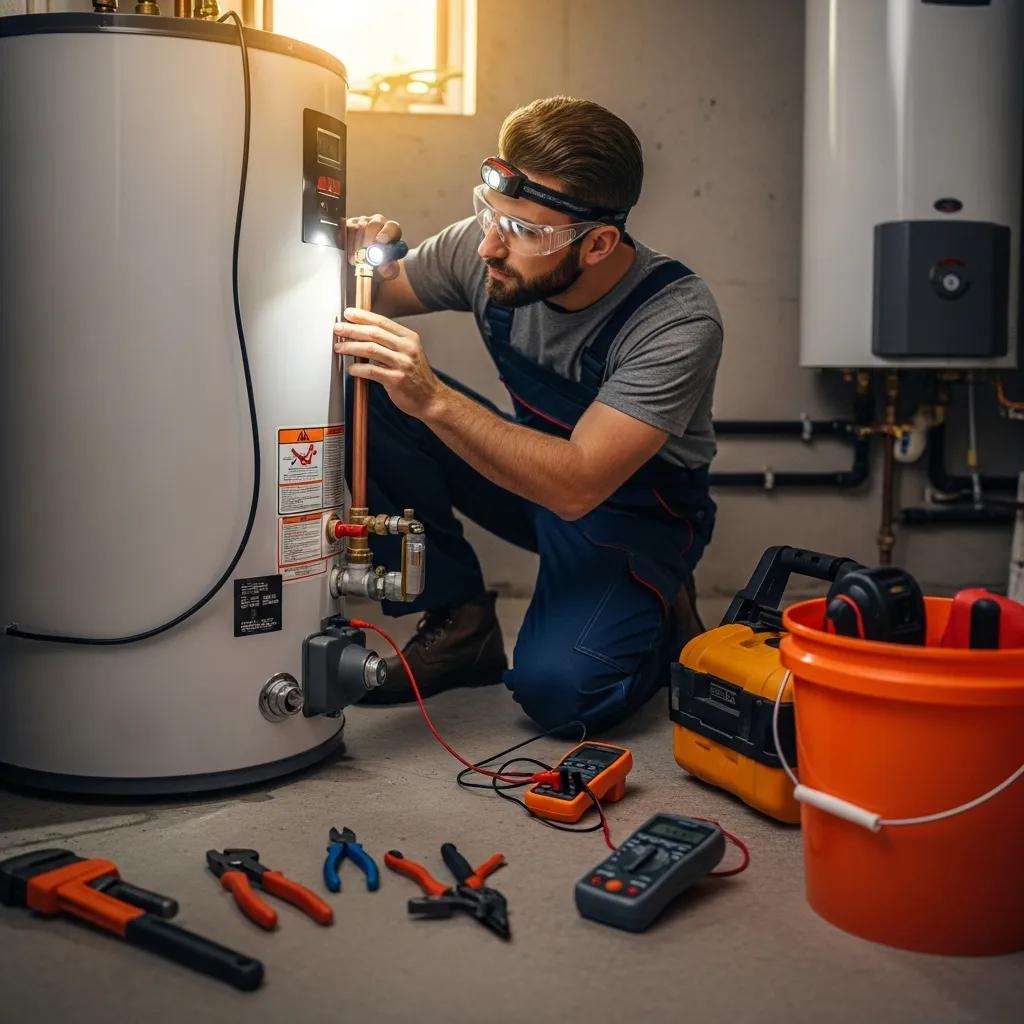
Water Heater Repair & Installation — Oakland County, MI | Expert Service & 24/7 Emergency Response
A working water heater keeps your home comfortable and protects your property. In Oakland County, quick, knowledgeable service reduces downtime and avoids bigger bills later. This guide walks homeowners through the most common water heater problems, how technicians diagnose them, and practical repair, replacement, and emergency options that fit local homes and weather. You’ll learn how to spot leaks, decode noises and rusty water, compare tank, tankless, gas, and electric systems, and know when to repair versus replace. We also outline typical service steps, emergency procedures, and cost factors so you can make faster, more confident decisions and get reliable results. Next, we review frequent failure modes and simple homeowner checks that lead naturally into professional diagnostics and repairs.
What Are the Most Common Water Heater Problems in Oakland County?
In Oakland County we see many failures caused by aging parts, sediment from local water, and extra stress during cold spells. Those issues cut efficiency and raise the chance of leaks or breakdowns. Knowing the usual problems helps you prioritize basic inspections and DIY checks that either fix small issues or point to the need for a pro. In older homes, corroded anode rods, failing temperature-pressure relief (T&P) valves, and worn thermostats commonly reduce hot-water performance and create safety concerns. Distinguishing cosmetic rust from active leaks helps you decide between routine service and an emergency call and prepares you for the diagnostic steps a licensed technician will take next.
This table summarizes common problems, typical causes, and quick homeowner checks to guide immediate action and prepare for a service visit.
| Problem | Usual Cause | Homeowner DIY Check |
|---|---|---|
| Leak | Corrosion, loose fittings, failed drain valve | Look around the tank base and pipe connections; gently tighten the drain valve if loose |
| No hot water | Failed element, pilot outage, thermostat issue | Try hot water at several taps; check the pilot light or circuit breaker |
| Strange noises | Sediment buildup creating rumbling | Drain a few gallons to see if sediment comes out; listen while the heater heats |
| Rusty or discolored water | Corroded anode rod or tank lining failure | Run hot water and note color; compare to cold tap to isolate the heater |
| Pressure relief valve drip | Faulty valve or high tank pressure | Put a bucket under the valve and watch during a heating cycle |
| Pilot light or ignition failures | Gas supply or thermocouple problems | Smell for gas and check pilot status; leave gas work to a professional |
Those quick checks get you ready for a professional diagnosis, which usually starts with the symptom you found and moves to component-level testing. After your triage, schedule a full diagnostic so a technician can confirm the root cause and scope of repairs — local providers handle this efficiently.
If you prefer a professional inspection, Frost and Kretsch Plumbing offers focused diagnostics and repairs by licensed technicians who assess tank condition, replace parts as needed, and recommend safe next steps. Their process helps you go from symptom to a clear repair plan and estimate without guesswork.
How to Identify Signs of Water Heater Leaks and Malfunctions
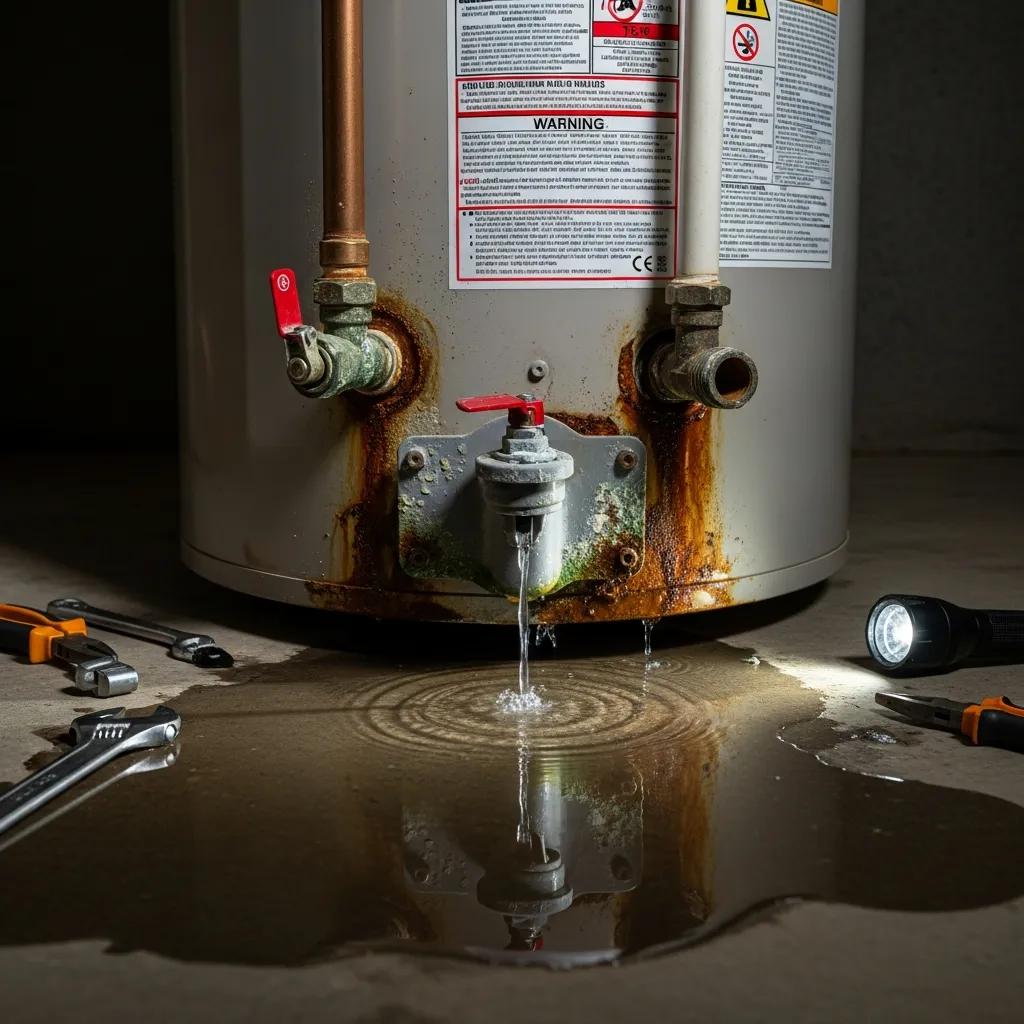
Visible leaks, corrosion streaks, and sudden drops in hot water are clear signs a heater needs attention. Check the tank base, inlet/outlet fittings, drain valve, and nearby pipes for wet spots or rust stains. To tell condensation apart from a real leak, inspect after a dry period. Higher-severity signs — a damp floor, peeling paint on nearby walls, or a pressure relief valve that constantly runs — mean you should shut off the water and call a technician. Note when the problem started and any recent changes; that history helps the tech determine whether it’s a local fitting failure or internal tank corrosion that may require replacement.
Spotting these cues leads directly to mechanical diagnostics like pressure tests and element checks, which confirm whether repair or replacement is the right fix.
What Causes No Hot Water and Strange Noises in Water Heaters?
No hot water or odd sounds usually come from failed heating elements, sediment buildup, thermostat problems, or pilot/ignition issues in gas units — each needs a different diagnostic approach. For electric heaters, a technician will test element resistance and thermostat function; for gas units, they’ll inspect the pilot, thermocouple, and burner. Sediment settles at the bottom, causing rumbling or popping during heating and reducing heat transfer; flushing the tank often restores efficiency if the tank itself is still sound. If elements or ignition components keep failing, or sediment returns quickly, a tech may recommend replacement to restore reliability and efficiency.
Those mechanical causes and tests frame service options from targeted parts replacement to full-unit swap-outs, which we cover next.
Which Comprehensive Water Heater Services Does Frost and Kretsch Plumbing Offer?
Complete water heater service covers diagnostic testing, targeted repairs and part replacement, tank flushing, maintenance plans, new installations, and emergency response — all aimed at minimizing downtime and protecting your home. Work usually starts with a documented inspection and a review of any homeowner triage, then moves to component testing to find the failed part. We provide a clear repair recommendation that lists parts and labor. Preventive steps — like flushing the tank, swapping the anode rod, and testing the T&P valve — lower emergency risk and extend service life. When replacement is the best long-term choice, technicians evaluate sizing, venting, and electrical or gas needs before offering installation options.
Frost and Kretsch highlights core service promises: 24/7 Emergency Service, Transparent Pricing, a 100% Satisfaction Guarantee, Licensed & Insured Technicians, and Local Expertise. Their workflow focuses on safety checks, clear estimates, and follow-up verification so your system meets code and performance expectations.
Service needs vary — from same-day fixes for a thermostat to a multi-day install for a tankless unit. The section below explains the hands-on repair process you can expect from Frost and Kretsch technicians.
- The following outlines common services included in professional water heater care:
- Diagnostic inspection: Thorough testing to pinpoint the root cause.
- Component repair or replacement: Thermostats, heating elements, valves, or drain fittings.
- System flushing and maintenance: Sediment removal and anode checks to extend life.
These services set expectations for a service call and show how preventive work limits emergency repairs.
How Does Frost and Kretsch Perform Water Heater Repair in Oakland County?
Repairs begin with arrival protocols that protect safety and speed: we confirm your observations, isolate power and fuel, and run a step-by-step diagnostic to find the failed component. Technicians test thermostats, heating elements, gas valves, burners, T&P valves, and visible pipe connections while documenting readings and tank condition, including the anode rod. Common replacements include elements, thermostats, T&P valves, drain valves, and sacrificial anode rods. Each repair is followed by pressure and leak testing and a system cycle to confirm proper operation. After work is complete, we explain what was done, any warranties, and recommended follow-up maintenance to help prevent repeat issues.
When repairs aren’t enough, that same method leads into clear replacement options and next steps.
What Are the Options for Water Heater Installation and Replacement in Oakland County?
Replacement options include storage-tank models (gas or electric), tankless on-demand systems, and hybrid heat-pump units, each with different space, venting, and efficiency trade-offs. Proper sizing depends on peak household demand — first-hour rating for tanks or required flow rate and temperature rise for tankless systems. Installation steps typically include site prep, permit work if required, removal and disposal of the old unit, correct fuel and electrical hookups, venting for gas models, and final testing and commissioning to local codes. Expect an on-site assessment and a transparent recommendation focused on durability, efficiency, and everyday performance.
Picking the right system lowers long-term operating costs and matches your priorities for space, efficiency, and reliable hot water.
When Should You Use Emergency Water Heater Repair Services in Oakland County?
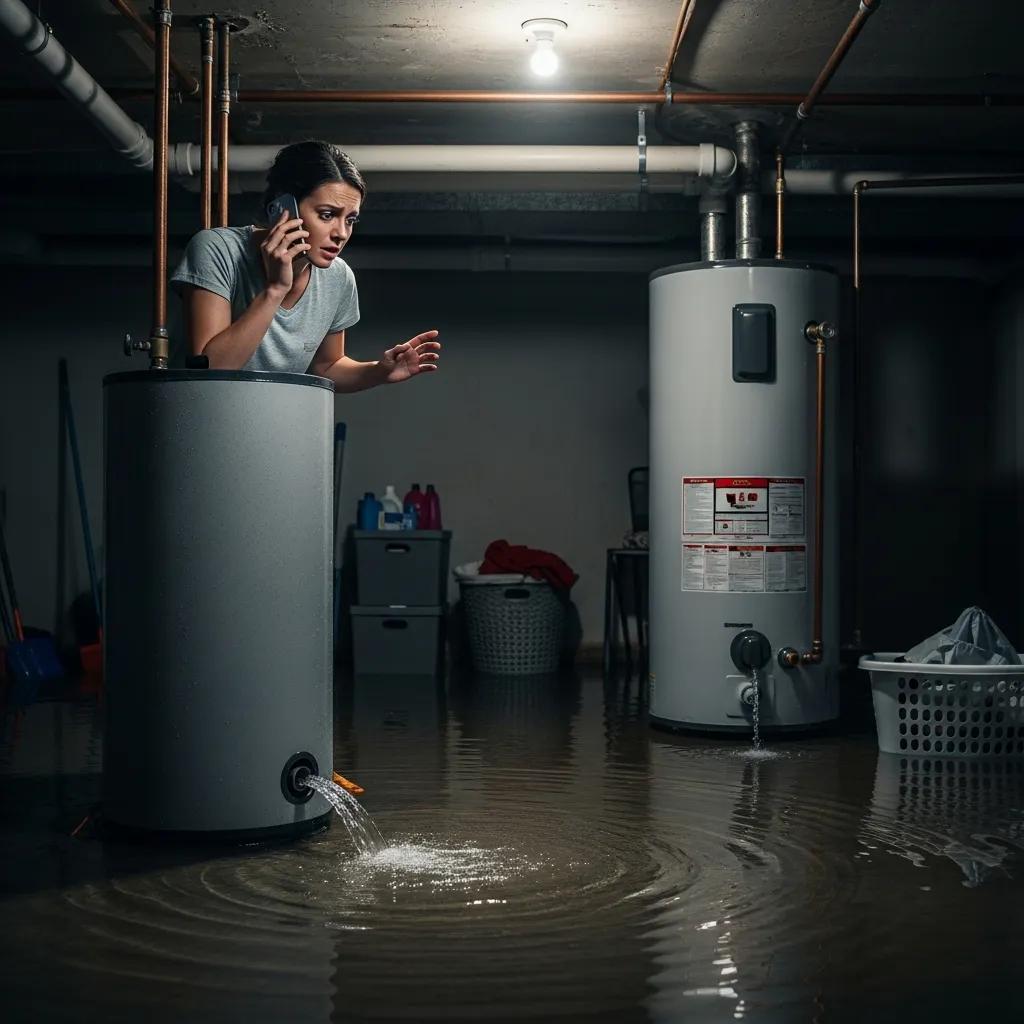
Call for emergency repair when the situation threatens property or occupant safety: active flooding, a strong gas odor near the heater, visible sparking or burning smells on electrical units, or total hot-water loss during extreme cold that risks frozen pipes. Quick homeowner steps — shut off the home’s water supply, turn off the breaker or gas if it’s safe, and evacuate if you smell gas — reduce danger until help arrives. Emergency technicians triage the problem, stabilize the situation with temporary measures, and recommend rapid repair or replacement when needed. Knowing what counts as urgent helps homeowners prioritize calls and understand a 24/7 response.
- Emergency scenarios that require immediate professional attention include:
- Major active leaks or tank ruptures: These can flood living spaces and require immediate water shutoff.
- Strong smell of gas: Evacuate, avoid switches, and call for professional help right away.
- Electrical sparking or burning smell: Cut power at the breaker and wait for a technician to evaluate.
How Does 24/7 Emergency Water Heater Service Work in Oakland County?
Emergency service starts with a phone or online intake that focuses on safety, collects symptoms, and sends the nearest qualified technician for on-site triage. On arrival, technicians confirm utilities are secured, check structural and electrical safety, and take immediate measures like shutting off valves, installing temporary pumps, or capping lines to limit damage. If we suspect a gas leak, we follow strict safety steps and coordinate with the gas company; for electrical faults, we isolate power and only proceed once hazards are addressed. After stabilization, you’ll get a transparent assessment and recommended next steps, which could be same-day repair or scheduled replacement depending on parts and severity.
Knowing these steps sets realistic expectations for response time and on-site actions during an emergency.
What Are Common Urgent Water Heater Issues Requiring Immediate Attention?
Some failures carry immediate danger or high damage risk and need prompt professional care: tank ruptures, major fittings that allow uncontrolled flow, and combustion or electrical faults that risk fire. If a tank ruptures, shut off the main water and power to prevent more flooding and electrical hazards; a pressure relief valve that continuously drips while the heater is running can indicate unsafe pressure. Any persistent gas smell requires evacuation and professional handling to prevent explosion or carbon monoxide risk. Recognizing these urgent issues helps homeowners act quickly and stay safe until a technician arrives.
Knowing the most dangerous failure modes also guides repair-versus-replace choices discussed later.
Why Choose Frost and Kretsch Plumbing for Water Heater Repair in Oakland County?
Choosing who services your water heater comes down to trust in skill, clear pricing, and dependable emergency coverage to limit damage and restore comfort fast. Frost and Kretsch Plumbing highlights Local Expertise, Licensed & Insured Technicians, Transparent Pricing, 24/7 Emergency Service, and a 100% Satisfaction Guarantee as the pillars of that trust. These commitments promise prompt response, documented diagnostics, and straightforward options so homeowners can make informed choices. Local technicians familiar with Oakland County homes better anticipate issues like sediment effects and common venting constraints and adapt solutions accordingly.
- Benefits of hiring licensed and insured technicians include:
- Safety and code compliance: Professionals follow local rules and inspection standards.
- Quality assurance: Licensing demonstrates technical competency and oversight.
- Liability protection: Insurance reduces homeowner exposure if accidental damage occurs.
Those assurances feed directly into a transparent estimate process and stronger customer confidence.
What Are the Benefits of Licensed, Insured, and Experienced Technicians?
Licensed, insured, and seasoned technicians lower risk by following safety codes, using correct installation practices, and running professional diagnostics that reduce repeat failures. Licensing shows knowledge of local rules; insurance protects you if something goes wrong during service. Experience adds pattern recognition — for example, spotting anode rod wear sooner in certain water conditions — which speeds diagnosis and helps select the best repair. These credentials improve reliability and give you written records that matter for future service or resale.
How Does Transparent Pricing and Satisfaction Guarantee Enhance Customer Trust?
Transparent pricing means you get a clear breakdown of diagnostic fees, parts, and labor, plus an explanation of repair-versus-replace trade-offs. A satisfaction guarantee reduces risk by committing the company to fix problems if the work doesn’t meet agreed standards. Together, these practices shorten decision time because you can compare documented estimates and expected outcomes rather than rely on vague promises. When a provider gives a written estimate after diagnosis and outlines warranty or guarantee terms, you can move forward with greater confidence in value and performance.
Clear pricing and guarantees complete the trust framework that helps homeowners choose a qualified service provider.
Which Water Heater Types and Brands Are Serviced and Installed in Oakland County?
Oakland County homes use storage-tank heaters (gas or electric), tankless on-demand systems, and hybrid heat-pump units. Service providers support all these types for repair and installation. Each type fits different household needs, so technicians check fuel, venting, electrical capacity, and code requirements before recommending a solution. Brand familiarity matters because differences in design affect parts availability, warranty handling, and repair time. Technicians with brand experience can speed repairs and advise on compatible replacements. The table below compares heater types and representative brand notes to help guide selection.
Different heater types and brands meet different needs; the table helps clarify trade-offs for replacements or upgrades.
| Heater Type / Brand | Fuel type | Typical lifespan | Efficiency / Note | Best use case |
|---|---|---|---|---|
| Tank (storage) | Gas or Electric | 8–12 years | Moderate; some standby heat loss | Homes needing a large ready supply of hot water |
| Tankless (on-demand) | Gas or Electric | 20+ years | High; minimal standby loss | Homes prioritizing efficiency and space savings |
| Hybrid / Heat-pump | Electric | 10–15 years | High in moderate climates | Homes aiming to lower operating costs when space allows |
| Bradford White (brand example) | Gas/Electric | Varies by model | Known for reliable tanks | Common in retrofits and new installs |
| Lochinvar (brand example) | Gas/Tankless | Varies by model | Commercial-grade options available | Used where robust performance is required |
What Are the Advantages of Tankless, Gas, and Electric Water Heaters?
Tankless units heat water on demand, cutting standby losses and often improving efficiency for households without heavy continuous demand. Gas tankless models generally support higher simultaneous flow but need proper venting and gas supply; electric tankless units simplify venting but require significant electrical capacity. Traditional tank systems give reliable reserves and are often simpler to install but have standby losses and typically shorter lifespans than tankless options. Choosing depends on peak flow needs, fuel availability, installation space, and long-term operating costs — a technician can model these trade-offs for your home.
Knowing these advantages helps you weigh repair versus replacement in the cost section below.
Which Leading Water Heater Brands Does Frost and Kretsch Support?
Frost and Kretsch technicians service and install many reputable brands; brand expertise affects parts access, warranty handling, and installation methods. Technicians familiar with specific manufacturers diagnose faster because they recognize model-specific failure modes and common wear items. If you have brand-related questions about compatibility or warranty transfers, bring them up during the diagnostic visit for a written recommendation. Brand knowledge plus local installation experience helps select systems that work well in Oakland County conditions.
That combination ensures faster repairs and clearer guidance on long-term reliability.
What Are the Typical Costs and Financing Options for Water Heater Repair and Installation in Oakland County?
Costs depend on part complexity, parts availability, labor, unit type, age of the existing system, permit requirements, and disposal of the old equipment — so a clear diagnosis should come before price estimates. Major cost drivers include whether the repair needs in-tank work (more invasive), replacing the tank, or installing a different system that requires new venting or electrical upgrades. Frost and Kretsch provides transparent, upfront estimates after a diagnostic visit and explains the factors behind costs so homeowners can compare repair versus replacement fairly. Replacement decisions usually hinge on unit age, repair frequency, and the long-term savings of higher-efficiency systems.
The table below shows common service types, typical issues, and diagnostic steps to illustrate what affects complexity and scope without listing specific prices.
| Service Type | Common issue / repair part | Typical diagnostic steps and examples of part replacements |
|---|---|---|
| Component repair | Failed heating element, thermostat, valve | Test element resistance, check thermostat settings, replace element or valve if faulty |
| Leak repair | Loose fitting, drain valve, localized corrosion | Find source, tighten or replace fittings, change drain valve, assess tank for replacement |
| Full replacement | Tank rupture, repeated failures, inefficient unit | Inspect venting and electrical/gas supply, remove old unit, install correctly sized replacement |
| Maintenance | Sediment buildup, weakened anode rod | Flush tank, check and replace anode rod, test T&P valve, recommend service interval |
Knowing these diagnostic steps helps you ask better questions and evaluate repair proposals during the estimate process.
How Much Does Water Heater Repair Usually Cost in Oakland County?
Repair cost depends more on the failure’s complexity and the time involved than on a single flat rate. Replacing a heating element is usually quicker and less costly than in-tank repairs or replacing burners and controls. Parts like thermostats, elements, valves, and anode rods vary in difficulty to access — labor rises when removing or disassembling equipment. Frequent failures, extensive corrosion, or an internally damaged tank often make replacement the more cost-effective choice. For an accurate number, schedule a diagnostic visit so the provider can give a transparent estimate that explains parts, labor, and the repair-versus-replace rationale.
Focusing on diagnosis helps avoid surprises and supports better long-term decisions.
What Financing Solutions Are Available for Water Heater Replacement?
Financing options vary by provider and third-party programs, so discuss current plans and terms during your estimate to understand eligibility and obligations. Frost and Kretsch provides clear estimates after diagnosis and will review available financing or payment options as part of your decision. We encourage homeowners to weigh the long-term value of efficient replacements against short-term payment plans so the chosen solution fits budgets and expected energy savings. Ask about options when you schedule your diagnostic visit to get all financing details with your written estimate.
Talking through payment choices during diagnosis ties budgeting directly to the recommended technical solution and expected performance.
Frequently Asked Questions
1. How can I maintain my water heater to prevent issues?
Regular maintenance extends a water heater’s life. Flush the tank once a year to remove sediment that reduces efficiency and causes noise. Check the anode rod every few years and replace it if it’s heavily corroded to prevent tank rust. Test the T&P valve to make sure it opens and inspect fittings for leaks. Professional maintenance every few years can spot problems early and keep the system running reliably.
2. What should I do if I smell gas near my water heater?
If you smell gas, act immediately: leave the house, avoid switches or anything that could spark, and call your gas company or emergency services from a safe location. Do not try to find the leak yourself. Trained technicians will follow safety protocols to locate and fix the issue and make sure your home is safe.
3. How long does a typical water heater installation take?
Installation time varies. A simple replacement of a standard tank water heater often takes 2–4 hours. If upgrades are needed — for example, new venting or electrical work for a tankless system — installation can take a full day or longer. Your technician will give a more accurate timeline after a site assessment.
4. Are there energy-efficient options for water heaters?
Yes. Tankless water heaters heat water on demand and cut standby losses. Hybrid heat-pump water heaters are also highly efficient by moving heat instead of generating it. Look for ENERGY STAR models where available. Upgrading can lower utility bills and reduce environmental impact.
5. What are the signs that I need to replace my water heater?
Signs you may need a replacement include a unit older than 10 years, frequent repairs, rusty water, noticeable leaks, or declining hot-water supply. A professional can inspect the tank and advise whether repair or replacement is the most cost-effective, reliable choice.
6. Can I install a water heater myself?
DIY installation is not recommended. Water heaters involve gas and electrical connections and must meet local codes and permit requirements. A licensed professional ensures the job is safe, legal, and efficient — avoiding hazards and costly mistakes.
7. What financing options are available for water heater services?
Many providers, including Frost and Kretsch Plumbing, offer financing or partner with lenders to provide payment plans. Options vary, so discuss current programs during your estimate to learn eligibility and terms. Financing can help manage the cost of urgent replacements while you restore reliable hot water.
Conclusion
Knowing common water heater problems and the right repair or replacement steps helps Oakland County homeowners make confident choices. Working with a trusted local company like Frost and Kretsch Plumbing means licensed technicians handle your system with transparent pricing, safety-first practices, and reliable emergency support. Regular maintenance and prompt attention to issues extend system life and keep your home comfortable. Contact Frost and Kretsch today to schedule a diagnostic or to learn more about our water heater services.