
Understanding Plumbing Warranties: Coverage, Guarantees, and How to Use Them
A plumbing warranty is a formal promise that certain parts, labor, or services will be repaired or replaced if they fail within a set time. It protects homeowners and businesses from surprise repair bills and gives you confidence that work meets a clear standard. This guide explains what a plumbing warranty covers, how manufacturer warranties differ from contractor workmanship guarantees, and why it matters to review coverage before hiring or installing equipment. You’ll get a straightforward breakdown of the main coverage types—manufacturer parts warranties, contractor labor warranties, and extended or service-plan protections—how those protections overlap for common jobs like water heater installs and sewer repairs, and practical steps to preserve coverage and make a claim. We also cover common exclusions, maintenance actions that keep warranties valid, and the paperwork you should keep for faster service. Finally, the article walks through filing a claim and shows how contractor guarantees can complement manufacturer protections so you can verify coverage and act with confidence when issues come up.
What Is a Plumbing Warranty and Why Does It Matter?
A plumbing warranty is a written promise to repair or replace covered components if they fail within an agreed period. It matters because it shifts certain financial and performance risks away from the property owner to either the manufacturer or the contractor. That shift reduces unexpected out-of-pocket costs, raises the bar for workmanship, and gives you a formal path to resolution when systems don’t perform. Knowing whether a warranty covers parts, labor, or both makes it easier to compare bids and avoid costly surprises. Reading warranty terms before you sign protects you from misunderstandings and helps you plan for long-term upkeep of your plumbing systems. Clear warranty knowledge is the baseline for smarter decisions about installations and service contracts.
Defining Plumbing Warranty and Service Guarantees
A manufacturer warranty typically covers defective parts and manufacturing faults for a specified time, while a contractor service guarantee (also called a workmanship warranty) promises that installation and labor meet agreed standards and will be fixed if they don’t. Manufacturer warranties often require registration, proof of proper installation, and adherence to maintenance schedules; they usually don’t include labor for replacements unless explicitly stated. Contractor workmanship warranties generally cover corrective labor for installation errors and can range from a few months to several years depending on the company. Knowing which protection applies helps you decide whom to contact first and which documents to present when a problem occurs—practical steps that protect homeowners and businesses.
How Plumbing Warranties Protect Homeowners and Businesses
Warranties reduce your financial exposure to defective parts or faulty installations, ensure a responsible party addresses repairs, and set measurable standards for service quality. That protection can mean replacing failed components, reimbursing covered repairs, or providing corrective labor at no extra charge within the warranty period. Warranties also offer a practical path for resolution—either through the manufacturer’s claim process or the contractor’s remediation—which saves time and stress. Knowing your protections ahead of time encourages regular maintenance and smarter hiring choices, which helps preserve coverage and lowers the chance of disputes over responsibility.
- Three practical benefits of plumbing warranties:
Financial protection: Warranties limit surprise repair costs by covering defective parts or corrective labor.
Quality assurance: Workmanship guarantees motivate contractors to meet proper installation standards.
Clear recourse: Warranty terms spell out how to get repairs or replacements, making dispute resolution simpler.
Those benefits show why you should review warranty language before scheduling work and why keeping the right documents matters for future claims.
What Types of Plumbing Warranties Should You Know About?
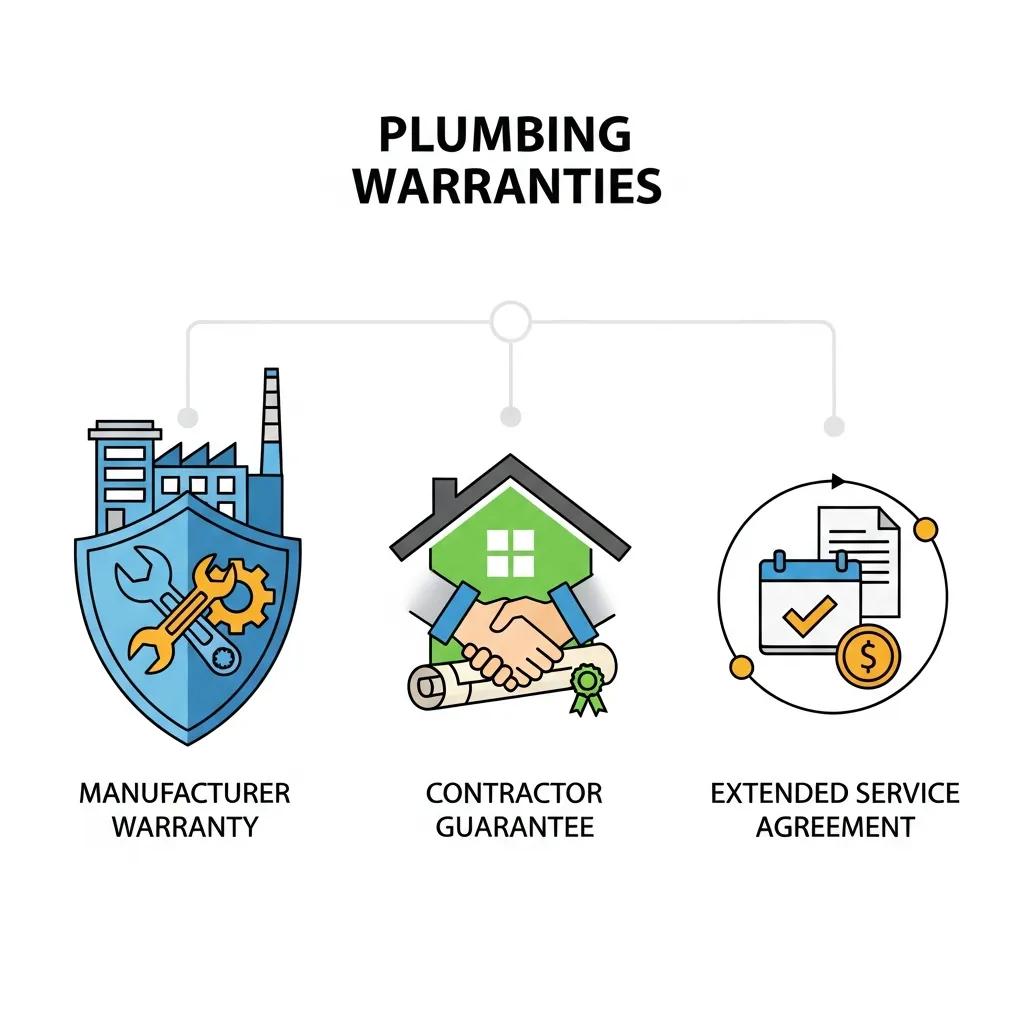
Plumbing warranties generally fall into three categories: manufacturer warranties, contractor labor/workmanship guarantees, and extended service agreements. Each addresses different risks and timeframes. Manufacturer warranties usually cover parts and material defects. Contractor warranties cover installation and labor. Extended plans or third‑party service agreements add ongoing maintenance or extra coverage beyond the standard terms. Understanding terms like fixture warranty, labor warranty, and extended warranty helps you see what’s included in a purchase or service plan. Comparing these options clarifies responsibility, duration, and any actions—like registration or maintenance—required to keep coverage valid. That comparison guides practical choices about registering equipment and documenting installations to preserve eligibility.
Different warranty types summarized for quick comparison:
- Manufacturer warranties focus on parts and defects, often requiring registration and proof of installation.
- Labor/workmanship guarantees from contractors address installation errors and corrective labor.
- Extended warranties or service plans lengthen protection or add scheduled maintenance beyond the standard terms.
Different warranty types compared for homeowners and businesses.
| Warranty Type | Typical Coverage | Typical Duration | Responsible Party |
|---|---|---|---|
| Manufacturer warranty | Parts replacement for defects | 1–10 years (varies by product) | Manufacturer |
| Labor/workmanship guarantee | Corrective labor for installation issues | 30 days–several years | Contractor |
| Extended/service agreement | Additional parts/labor and scheduled maintenance | 1–5 years | Service provider or third party |
Manufacturer Warranties: Coverage for Fixtures and Appliances
Manufacturer warranties typically cover defects in materials and workmanship for fixtures and appliances and usually pay for parts replacement—not labor—unless labor coverage is spelled out. Warranty lengths vary by product; some faucet parts carry multi‑year guarantees while tanks and certain components may have longer terms. Registering products and keeping sales records helps speed claims. Manufacturers often require regular maintenance—like flushing a water heater or descaling parts—as a condition of coverage; skipping those steps is a common reason claims get denied. Knowing the manufacturer’s requirements and whether registration or maintenance is needed helps you decide who to contact first when something goes wrong.
Labor and Workmanship Guarantees from Plumbing Contractors
Contractor labor warranties cover installation quality and corrective work when installations are done incorrectly. They complement manufacturer coverage by addressing the labor component manufacturers usually exclude. Contractor guarantees often have shorter terms than parts warranties but can provide quick fixes like reinstallation, leak repair, or adjustments at no extra labor cost. Common exclusions include misuse, unauthorized DIY changes, or failure to follow routine maintenance—actions that can void workmanship coverage. Reviewing contractor warranty terms before hiring and keeping service records creates a clear path for recourse if installations fail.
| Comparison Item | Manufacturer Warranty | Contractor Workmanship Warranty |
|---|---|---|
| Covers parts? | Yes | Rarely (usually labor only) |
| Covers labor? | Rarely | Yes (installation issues) |
| Typical claimant | Owner contacts manufacturer | Owner contacts contractor |
| Common void triggers | Lack of maintenance | Unauthorized repairs or misuse |
What Does Frost & Kretsch Plumbing’s 100 Percent Satisfaction Guarantee Cover?
Frost & Kretsch Plumbing backs its work with a straightforward promise: a “100 percent satisfaction guarantee” on services the company performs. That guarantee focuses on workmanship—if the job doesn’t meet agreed standards, the company will take corrective action. Common services covered include emergency response, sewer and drain cleaning, water heater replacements (installation labor), sump pump installations, and excavation work for sewer repairs. The guarantee addresses labor and the quality of the contractor’s work; manufacturer part defects remain subject to the manufacturer’s warranty. This promise pairs with other customer-focused features—24/7 emergency availability without inflated off‑hour rates, licensed and insured technicians, and transparent, up‑front pricing—to reduce homeowner risk and simplify follow-up when issues arise.
| Service / Component | Covered by Frost & Kretsch Guarantee? | Notes |
|---|---|---|
| Emergency services | Covered | Focus on labor and timely corrective action |
| Sewer and drain cleaning | Covered | Corrective labor guaranteed; recurrence policies may apply |
| Water heater replacement | Covered (installation labor) | Manufacturer parts warranty still applies for components |
| Sump pump installation | Covered | Labor and installation standards guaranteed |
| Excavation for sewer lines | Covered | Workmanship on repairs guaranteed; structural or pre-existing issues may affect coverage |
Services Included Under Our Plumbing Warranty Coverage
The contractor’s workmanship guarantee applies to the core residential and commercial services the company provides, with emphasis on corrective labor when installations or repairs don’t meet expectations. That includes emergency response and repair, sewer and drain cleaning, water heater installation, sump pump installation, and excavation-based sewer repairs. While the contractor stands behind how work is performed, part failures caused by manufacturing defects are handled through the manufacturer’s warranty process. Keep your service invoices and installation details to speed resolution and to determine whether the contractor or the manufacturer should handle a repair.
Exclusions and Limitations of Our Work Guarantee
Workmanship guarantees typically exclude manufacturer defects, pre-existing conditions unrelated to the contractor’s work, unauthorized third‑party modifications, and damage from neglect or lack of maintenance. Failures of third‑party parts generally require a claim to the manufacturer for parts replacement rather than a contractor claim for parts. To avoid voiding coverage, follow recommended maintenance, avoid DIY repairs that alter installations, and document all service history. Clear expectations about exclusions help homeowners know when to contact the contractor and when to pursue a manufacturer claim, which reduces delays and confusion during repairs.
How Do Warranties Apply to Specific Plumbing Services?
Warranty coverage depends on the service: water heater installs usually combine manufacturer parts warranties with contractor installation guarantees; fixtures carry manufacturer parts coverage while contractors cover installation labor; and sewer or excavation work often comes with specific workmanship terms for large repairs. The interaction between manufacturer and contractor warranties is important—manufacturers typically cover defective parts (parts coverage) while contractors cover labor (labor coverage)—and both may require maintenance or registration to keep claims valid. Record serial numbers, installation dates, and invoices so claims move faster. Maintenance and verification steps differ by service type, so always check both manufacturer documents and contractor guarantee language to understand coverage boundaries.
| Service | Typical Manufacturer Warranty | Typical Contractor Workmanship Warranty | Maintenance Requirements |
|---|---|---|---|
| Water heater | Parts (tank, elements) 1–10 years | Installation labor usually 1 year | Registration, annual inspection, flushing |
| Fixtures (faucets, toilets) | Parts and finish 1–5 years | Labor for installation issues varies | Routine cleaning, avoiding harsh chemicals |
| Sewer line / excavation | N/A for buried factory parts | Extended workmanship warranty often available | Video inspection records, scheduled checks |
Water Heater Installation and Manufacturer Warranty Details
Water heater coverage usually splits between a manufacturer parts warranty—for the tank, heating elements, and thermostats—and a contractor installation warranty that covers leaks, improper connections, or faulty installation. Register new water heaters with the manufacturer, save the serial number and invoice, and follow maintenance like periodic flushing to avoid sediment‑related failures that can void coverage. When filing a claim, manufacturers will often look for proof of proper installation, which links the installer’s work to parts coverage. Keeping installation records and manufacturer registration current speeds claim resolution and makes responsibilities clear between installer and manufacturer.
Fixture Installation Warranty and Quality Assurance
Manufacturer fixture warranties generally cover defective components such as cartridges, spouts, or flushing mechanisms, while contractors guarantee that fixtures were installed correctly and sealed to code. Proper installation prevents leaks and premature wear; contractor workmanship guarantees give you a path for labor‑related failures like improper sealing or alignment. Keep receipts and installation records and follow care instructions to avoid voiding coverage through misuse or harsh chemicals. Checking both the fixture’s warranty terms and the installer’s workmanship agreement ensures a coordinated response if a problem occurs.
Sewer Line and Drain Cleaning Service Guarantees
Drain cleaning services often carry short‑term guarantees that the cleared blockage will not recur for a set period, while full repairs or pipe replacements done with excavation may come with longer workmanship warranties that reflect the scope of the repair. Clearing a clog is different from fixing a damaged pipe—the former is usually covered by a recurrence policy, the latter may include extended labor warranties for structural repair. Ask for written terms for drain‑cleaning recurrence policies and for any excavation or pipe replacement work, including expected response times if problems return. Video inspection records and clear documentation of pre‑existing conditions help determine whether a new failure relates to recent work or to earlier deterioration.
How Can You Maintain Your Plumbing to Preserve Warranty Coverage?
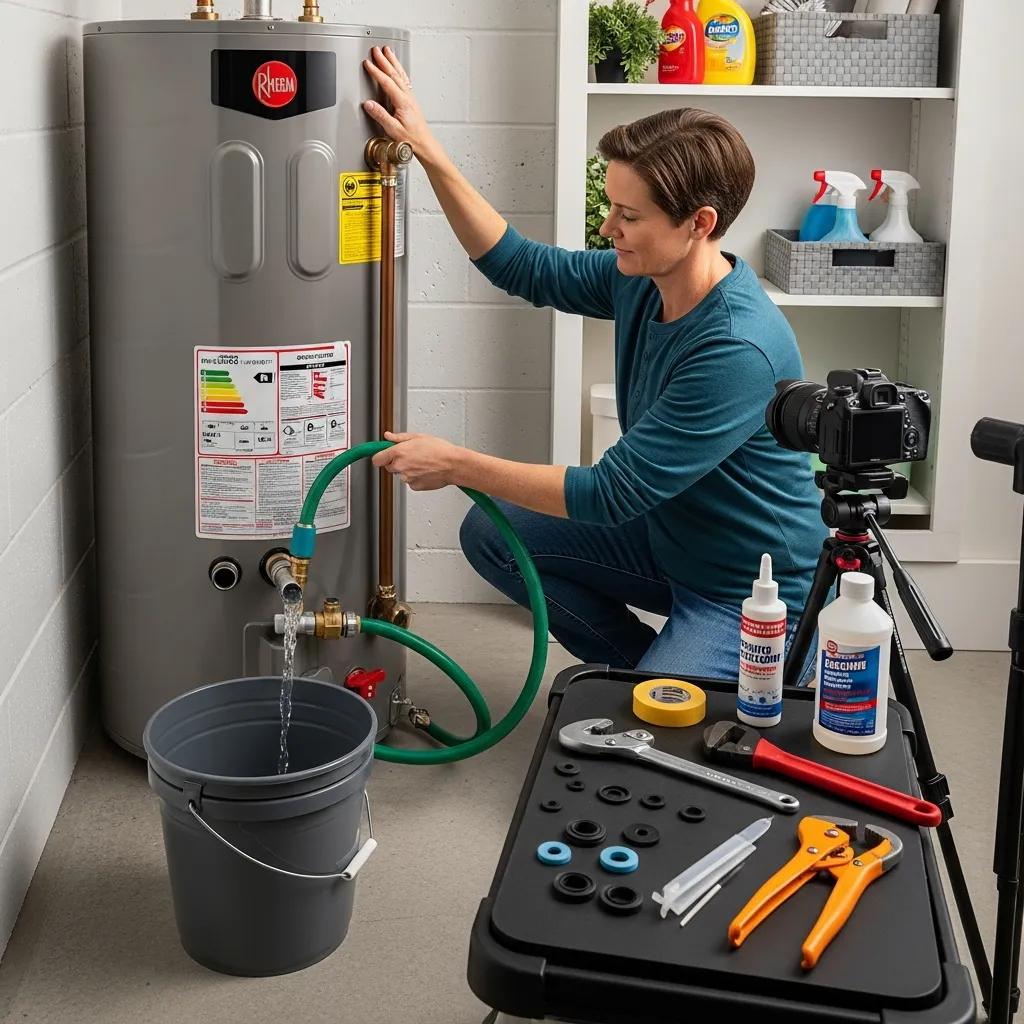
Routine maintenance helps keep warranties valid by preventing conditions manufacturers or contractors list as voiding triggers—things like sediment buildup, corrosion, or unauthorized repairs. Simple seasonal checks—flushing water heaters, inspecting seals, and testing sump pumps—reduce wear and extend component life, making it more likely your warranty claim will be honored. Follow manufacturer‑recommended maintenance intervals and record every service to build a traceable history that supports both manufacturer and contractor claims. Preventive care also catches issues early, when repairs are smaller and less costly, and it clarifies whether to call a professional or handle a minor task yourself.
Regular maintenance checklist homeowners should follow to avoid voiding warranties.
- Flush water heaters annually: Removes sediment that accelerates corrosion and element failure.
- Inspect seals and connections quarterly: Tighten or replace worn seals to prevent leaks and water damage.
- Test sump pump seasonally: Verify operation before heavy rain seasons to avoid failures and preserve pump warranties.
- Schedule professional drain maintenance: Regular service reduces clog recurrence and supports drain‑cleaning guarantees.
Keeping these records and addressing early warning signs preserves warranty coverage and prepares you to provide the documentation needed for claims, which also helps you know when to call a pro.
Regular Maintenance Tips to Avoid Voiding Warranties
Small maintenance tasks—flushing tanks, cleaning aerators, and replacing worn seals—target common failure causes that manufacturers often cite as void triggers. These jobs are usually safe for homeowners to do when following manufacturer instructions. Keep a written log with dates, tasks performed, and any professional visits; that record speeds warranty reviews and clarifies timelines. Avoid DIY repairs that change factory settings or make unauthorized modifications, since those changes commonly void both manufacturer and contractor warranties. When unsure about a maintenance step, call a licensed plumber to make sure the work preserves your warranty eligibility.
When to Contact Professionals to Protect Your Warranty
Persistent leaks, recurring clogs after professional service, strange noises from equipment, or signs of water damage should prompt you to call a licensed plumber rather than try DIY fixes. Prompt professional intervention preserves warranty rights. Licensed, insured technicians can document conditions, perform authorized repairs, and supply the invoices and installation records that manufacturers and contractors require for claims. Calling early prevents a small issue from turning into a major repair that could complicate coverage. If you notice any of these warning signs, contact a qualified provider to diagnose and document the problem and preserve evidence for any future warranty claim.
How Do You Make a Plumbing Warranty Claim with Frost & Kretsch Plumbing?
Filing a warranty claim works best when you follow a clear, documented process: gather evidence, decide whether the manufacturer or contractor warranty applies, and submit the right paperwork to the proper party. That approach reduces delays by giving the reviewer the information they need up front. Frost & Kretsch Plumbing’s customer support emphasizes fast response and documentation‑based claim handling, and the company’s “100 percent satisfaction guarantee” underscores its commitment to fix workmanship issues. A step‑by‑step claim process and clear documentation needs make it easier to resolve problems and to determine responsibility between the manufacturer and the installer.
Step-by-Step Warranty Claim Process
- Gather documentation: keep the invoice/job number, installation date, product serial numbers, and clear photos of the defect or failure.
- Identify coverage: determine whether the issue appears to be a parts defect (manufacturer) or an installation/labor issue (contractor).
- Contact the appropriate party: submit documentation and a clear description of the problem to the manufacturer or contractor as applicable.
- Schedule an inspection: allow a qualified technician to evaluate the failure and document findings in writing.
- Follow up with written records: maintain copies of all correspondence and any repair orders to support the claim.
Customer Support and Documentation Requirements
Successful claims rely on clear documentation: invoices detailing the service or installation, photos of the failure, serial numbers, registration confirmations when required, and a written timeline of the problem. High‑quality photos, the job or invoice number, and maintenance records speed the review and help determine whether manufacturer or contractor coverage applies. Frost & Kretsch Plumbing emphasizes licensed, insured technicians and transparent pricing; customers using the company’s support should keep these documents to make remediation faster under the 100 percent satisfaction guarantee. When the contractor’s workmanship is involved, detailed service records clarify corrective labor obligations and timelines.
This guidance prepares homeowners and businesses to act quickly and confidently when warranty issues appear, and highlights the importance of documentation, prompt professional contact, and the contractor’s commitment to satisfaction.
Frequently Asked Questions
1. What should I do if my plumbing warranty claim is denied?
If a claim is denied, first read the denial notice to understand the reason. Common causes include missed maintenance, improper installation, or failure to register the product. Gather any supporting documents you have—maintenance logs, invoices, photos—and contact the warranty provider to discuss the denial with that evidence. If needed, ask to speak with a supervisor. If you still believe the denial is incorrect, you can consider formal appeals or legal advice in extreme cases.
2. How can I ensure my plumbing warranty remains valid?
Follow the maintenance steps listed in the warranty documents—regular inspections, cleaning, and any specific care instructions. Keep detailed records with dates and descriptions of maintenance and professional services. Avoid unauthorized repairs or modifications, which can void coverage. Register your products with the manufacturer if required, and store purchase receipts and warranty papers in one place so you can find them quickly when needed.
3. Are there any common exclusions in plumbing warranties?
Yes. Warranties often exclude damage from neglect, misuse, or unauthorized repairs. Pre‑existing conditions and failures caused by improper maintenance are commonly not covered. Read warranty terms carefully so you understand exclusions and can take steps to avoid actions that might lead to denied claims.
4. How do I choose the right plumbing warranty for my needs?
Compare the scope of coverage—does it include parts, labor, or both? Look at the warranty length, exclusions, and the reputation of the manufacturer or contractor. Consider whether you need ongoing maintenance (a service contract) versus a limited parts or workmanship warranty. Ask for written terms and read reviews or get recommendations to choose a warranty that fits your risk tolerance and service needs.
5. Can I transfer my plumbing warranty if I sell my home?
Many warranties are transferable, but it depends on the manufacturer or contractor’s terms. Check the warranty paperwork to see if transfer is allowed and what steps are required—some warranties need formal notification and documentation. A transferable warranty can add value to a sale, so confirm the rules before you list the property.
6. What is the difference between a warranty and a service contract?
A warranty is a guarantee—usually from a manufacturer or contractor—that specific repairs or replacements will be covered for a set period, typically for defects in materials or workmanship. A service contract is a paid agreement for ongoing maintenance and repairs and may cover a broader range of issues for a fee. Service contracts can offer added peace of mind but come with extra cost. Understanding the differences helps you decide which protection fits your needs.
7. How can I document my plumbing maintenance effectively?
Create a maintenance log with dates, what was done, and who performed the work. Keep receipts, invoices, and warranty registration confirmations in a dedicated folder or digital file. Use photos to document conditions and repairs. Consider a simple spreadsheet or maintenance app to track tasks and set reminders. Organized records make warranty claims easier and show you’ve cared for your system.
Conclusion
Knowing how plumbing warranties work helps homeowners and businesses avoid surprise costs and ensures quality work. By learning the different warranty types and their coverage, keeping up with maintenance, and saving documentation, you protect your plumbing investments and make claims go more smoothly. Review your warranty options, register new equipment when required, and keep clear records so you’re ready if a problem arises. Taking those steps gives you real peace of mind.