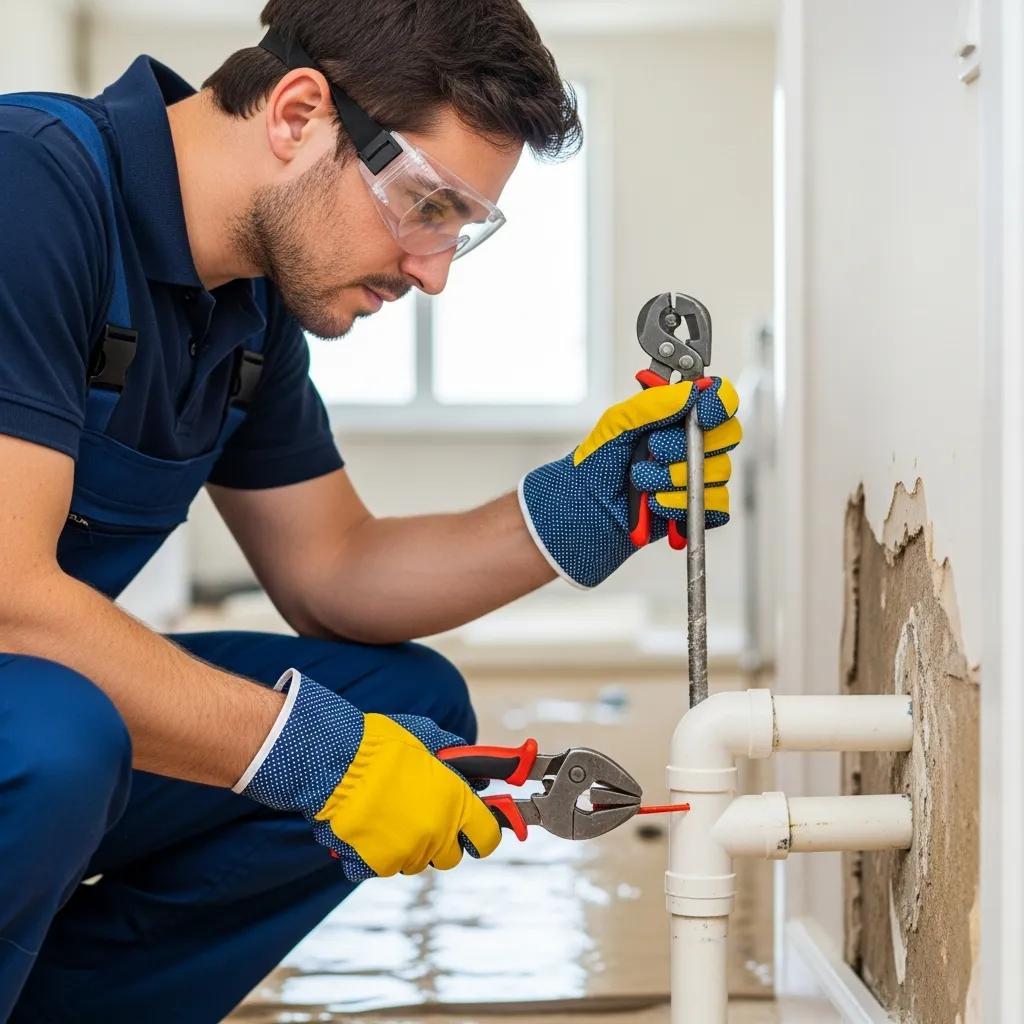
24/7 Emergency Burst Pipe Repair — Fast Help for Macomb, Oakland & Wayne Counties
A burst pipe can flood a home or business within minutes. Emergency burst pipe repair stops the leak, restores water where possible, and starts mitigation to limit structural damage and mold. This guide walks you through what to do the moment a pipe fails, how a 24/7 emergency crew diagnoses and fixes the problem, common causes in Michigan’s climate, and smart prevention steps to lower future risk. You’ll get clear, step‑by‑step emergency actions, the tools technicians use for safe thawing and leak detection, and what to expect for repairs, cleanup, and insurance documentation. It’s practical, vendor‑neutral advice for homeowners and businesses across Macomb, Oakland, and Wayne counties.
What to Do First When a Pipe Bursts
A burst pipe is a time‑critical situation. Your priority is to stop the water, reduce electrical risk, and limit damage to belongings and structure so repairs are smaller and faster. Below is a short, action‑first checklist you can follow immediately — do each step in order, document conditions for insurance, and call for professional help if you can’t safely control the leak.
- Find and shut off the main water valve to stop the flow from the burst section.
- Turn off power to affected rooms if water is near outlets, appliances, or the breaker box.
- Contain and remove standing water with buckets, towels, or a wet/dry vacuum to slow spread.
- Photograph damage, note affected areas, then call an emergency plumber and your insurer.
Those four steps stabilize the scene quickly. The table below summarizes each action with the right tools and what you can expect as an outcome.
| Action | Tool / Resource | Purpose / Outcome |
|---|---|---|
| Shut off main water | Main shut‑off valve; water meter access | Stops incoming water, reduces flooding and pressure at the break |
| Ensure electrical safety | Circuit breaker panel; insulated gloves if available | Reduces risk of shock and eliminates electrical ignition near standing water |
| Contain water | Buckets, towels, wet/dry vacuum | Limits spread, protects furnishings, lowers mold risk |
| Document damage | Smartphone camera; written notes | Creates evidence for insurance and helps technicians scope repairs |
Next we cover where to find your main shut‑off and how to operate it safely.
How to Shut Off Your Main Water Supply Quickly
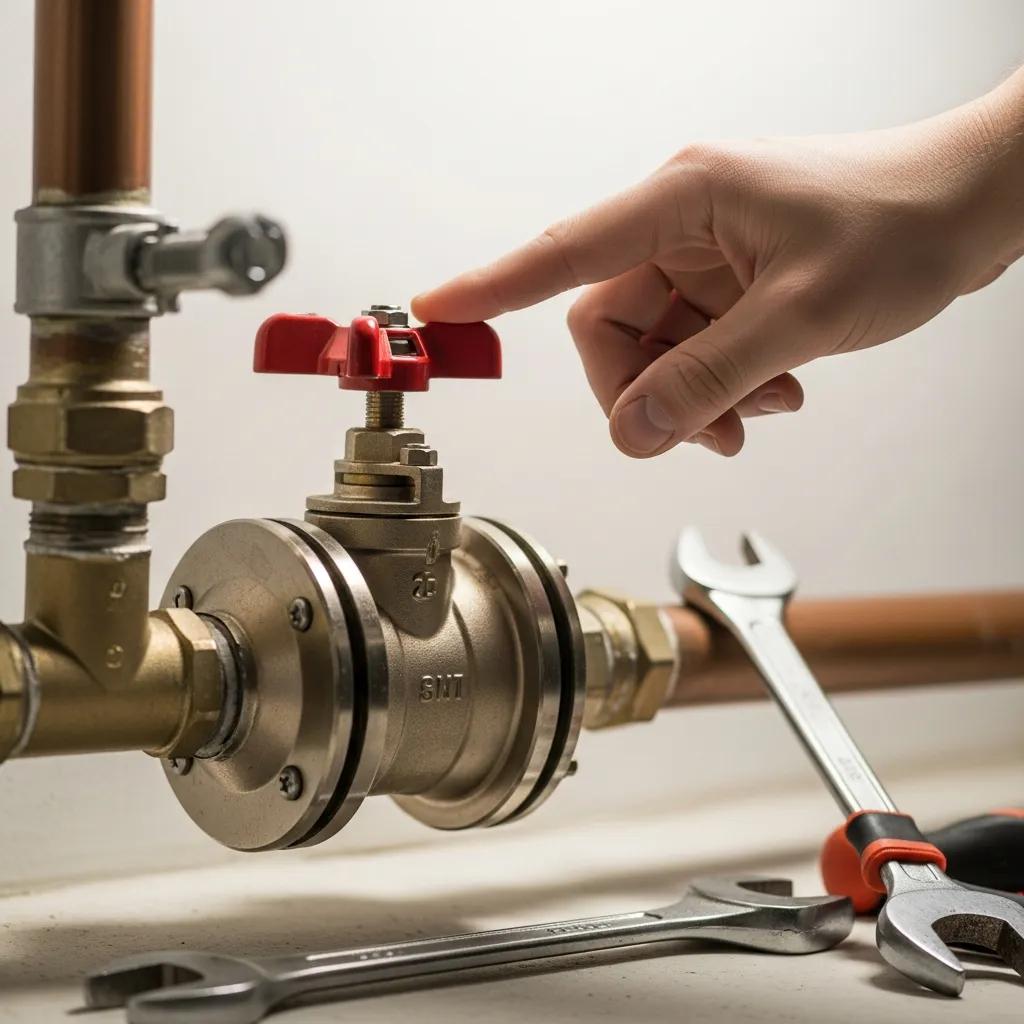
Shutting off the main water is the most effective first move. The valve is usually by the water meter, near where the line enters the house, or in a basement, crawlspace, or utility closet. Know whether you have a quarter‑turn ball valve (turn the lever 90°) or a multi‑turn gate valve (turn clockwise until tight). Use steady pressure and avoid forcing a corroded valve. If the valve won’t move or you can’t find it, shut off water at the street meter or call an emergency plumber right away. Note the valve’s condition — that helps our technicians plan any necessary replacement.
How to Reduce Water Damage While You Wait
While help is on the way, targeted mitigation preserves salvageable items and makes restoration easier. Move valuables and electronics to dry areas, prop wet furniture on blocks or plastic, and use towels, buckets, or a wet/dry vacuum to remove pooled water. Open interior doors to improve air circulation if it’s safe to do so. Don’t use ceiling fixtures or electrical devices in wet areas until power is off. Keep a list of moved items and their condition for your insurance claim — small steps now save time and money later.
After stabilizing the scene, call for emergency dispatch so trained technicians can diagnose and repair the break.
If you can’t control the leak or locate a working shut‑off, call Frost and Kretsch Plumbing for 24/7 emergency dispatch. We respond around the clock across Macomb, Oakland, and Wayne counties and can coach you through safety steps while a technician is en route. For the fastest response, have your address, a short damage description, and any recent plumbing work ready — we’ll communicate next steps clearly so you know what to expect.
How Frost and Kretsch Handles 24/7 Burst Pipe Emergencies
We follow a clear emergency workflow that moves from rapid intake to on‑site diagnosis, controlled repair, and coordinated cleanup — all with safety and open communication up front. Our intake team captures location, visible damage, and safety concerns so we dispatch the right tech and equipment. On arrival, the technician conducts safety checks, isolates the leak, and uses leak detection and controlled thawing tools when frozen pipes are involved to keep repairs as small as possible. Work can range from spot fixes to coordinated replacements, then immediate mitigation and documentation for insurance.
Our goal is to limit disruption and get properties back to normal quickly while protecting finishes and structure. We use acoustic leak detectors, camera inspection, and safe thawing equipment to find and address hidden breaks without unnecessary demolition. You’ll receive a clear estimate before work starts, and we document repairs and cleanup so you have records for insurers and future maintenance.
Our Rapid Response and Repair Process
When you call, our intake staff triage the situation and dispatch a licensed technician with the tools that match the problem. On arrival the tech runs safety checks for electrical and gas hazards, isolates the leak, and contains water to prevent further damage. Diagnostics include visual inspection, leak detection scanning, and targeted camera inspection when lines are hidden. We evaluate repair options and give a transparent estimate before starting. After repairs we test the system, restore water where safe, and coordinate drying or restoration partners when needed — we also leave written documentation and prevention recommendations.
Technologies We Use: Safe Thawing & Leak Detection
Modern repairs depend on specialized tools that speed diagnosis and reduce destructive work. Acoustic leak detectors help us pinpoint running water behind walls. Safe thawing machines warm frozen sections gradually to avoid further rupture and allow repairs without full replacement. Video camera inspection shows corrosion or cracks inside lines so we can do spot repairs instead of wholesale repiping when appropriate. The right equipment lowers restoration costs and shortens downtime — especially important during Michigan winters.
Common Causes of Burst Pipes in Michigan
Pipes burst for several reasons: freezing, material failure, and pressure problems. Michigan’s cold winters and freeze‑thaw cycles make frozen pipes a frequent cause. When water inside a pipe freezes it expands, raising pressure until the weakest point gives way — often in exterior walls, crawlspaces, or unheated garages with inadequate insulation. Corrosion and age also thin pipe walls over time, and high or sudden pressure spikes can separate fittings or cause ruptures. Knowing these causes helps you prioritize inspections, timely repairs, and preventive upgrades before winter arrives.
Below we look closer at why frozen pipes are so common here and how to catch warning signs before a full rupture.
Why Frozen Pipes Are a Major Winter Risk
Ice takes up more volume than liquid water, so a frozen pipe creates internal pressure that leads to failure at the weakest point. In Michigan, vulnerable runs include pipes in exterior walls, attics, poorly insulated basements, and lines to garages or hose bibs. Risks rise when heating setbacks are used, vents become blocked, or cold drafts reach piping. Simple insulation gaps can turn a small vulnerability into a burst. Insulating pipes, keeping indoor temps steady, and sealing cold‑air leaks are practical ways to prevent freezing and avoid costly repairs.
Other Causes: Corrosion, Pressure, and Age
Not every failure is weather related. Corrosion and age can weaken pipes until pinhole leaks become sudden ruptures — especially in older galvanized or threaded systems. Repeated pressure spikes from rapid valve closures or pump cycling can fatigue joints and cause cracks that grow over time. Warning signs include rust‑colored water, slow leaks, or pressure swings. Addressing those issues with targeted repairs or partial repiping reduces the chance of a catastrophic burst. Regular pressure checks and material assessments are simple, effective precautions.
How to Prevent Burst Pipes and Frozen‑Pipe Emergencies
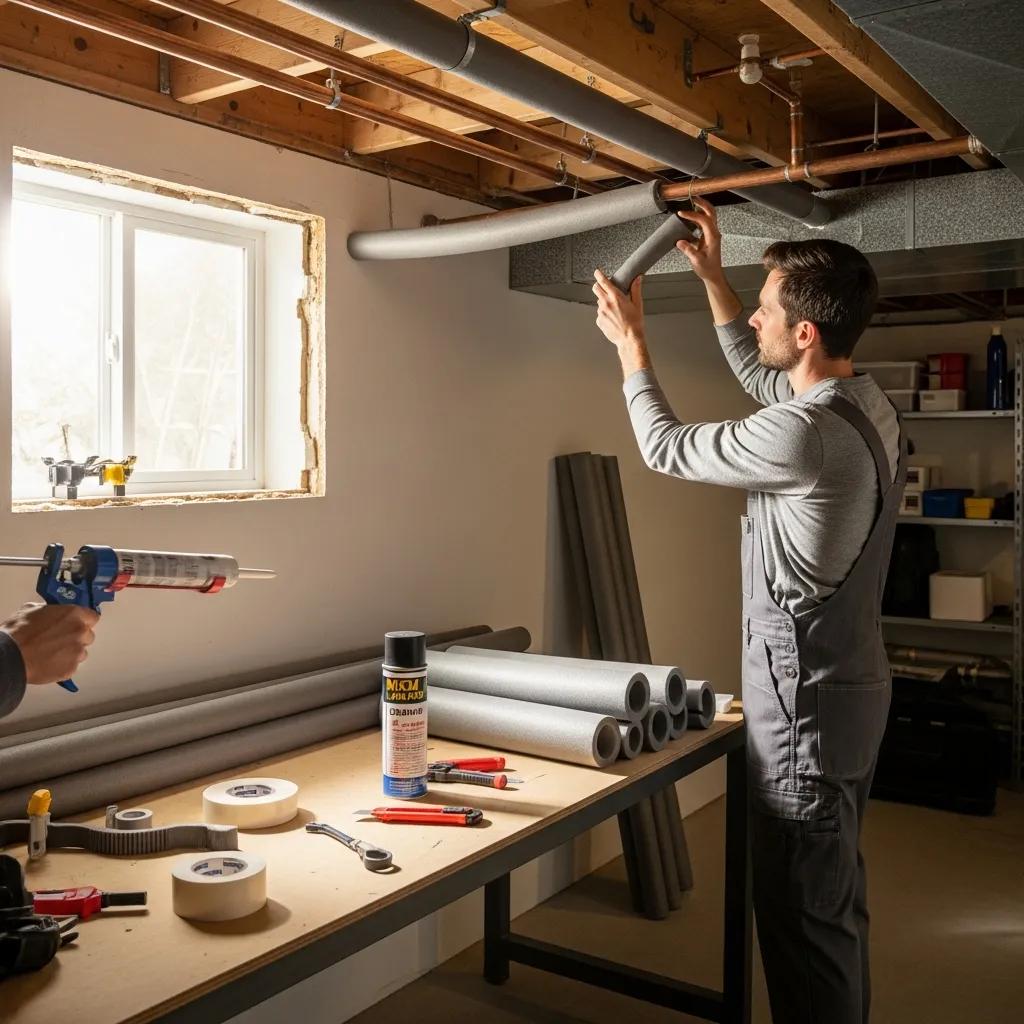
Prevention combines insulation, routine maintenance, and smart detection systems that alert you long before a small leak becomes an emergency. Winterization means sealing drafts, insulating exposed runs, and planning safe thawing methods rather than improvising. Smart leak detectors and automatic shut‑off valves give early warning or automatically stop water flow to limit damage. Regular seasonal checks and professional winterization reduce vulnerability and give homeowners and facilities managers confidence through Michigan’s coldest months.
The table below compares common prevention measures, where to apply them, and the expected benefit so you can prioritize based on risk and budget.
| Prevention Measure | Where to Apply | Expected Benefit |
|---|---|---|
| Pipe insulation (foam sleeves, wrap) | Exposed pipes in basements, crawlspaces, exterior walls | Reduces heat loss and lowers the chance of freezing at weak points |
| Seal drafts and vents | Gaps around windows, foundation, attic penetrations | Prevents cold air from chilling nearby pipes |
| Smart leak detectors | Under sinks, near water heaters, basements | Early alerts limit water loss and give time to act before major damage |
| Automatic shut‑off valves | Main line or appliance feed lines | Stops water automatically on leak detection, reducing flood extent |
Use this comparison to decide which steps make the most sense for your property. Next we cover practical winterization and smart device options.
Practical Winterization & Pipe Insulation Tips
Start by mapping exposed piping in unheated spaces and add foam sleeves or wrap to vulnerable sections. Where allowed, use heat tape on problem runs, keep cabinet doors open under sinks to let warm air circulate, and maintain indoor temperatures above freezing even when you’re away. For longer‑term protection, seal foundation penetrations to stop drafts and, when feasible, reroute at‑risk lines into heated areas. If work is extensive, have a professional winterize the system to address hidden vulnerabilities safely and to code.
Smart Leak Detectors & Automatic Shut‑Offs
Smart leak detectors range from simple sensors that sit under a water heater to whole‑home systems that monitor moisture and send phone alerts. Paired with automatic shut‑off valves, these systems can stop water before damage spreads, and they’re persuasive with insurers because they show proactive risk reduction. Entry‑level sensors are affordable and effective for high‑risk spots; integrated systems with professional monitoring suit larger homes and commercial properties. Choose based on property size, risk tolerance, and whether you want automatic shut‑off or alert‑only protection.
Comprehensive Repair and Restoration Options
A full response to a burst pipe includes accurate diagnosis, targeted repair or replacement, and coordinated mitigation for water damage and mold risk. Diagnostics commonly use acoustic leak detection and camera inspection to locate breaks with minimal intrusion. Repairs range from spot fixes to section replacements or full repiping depending on the material condition. Extraction, drying, and mold prevention follow to restore safe indoor conditions and preserve structure. The table below compares repair approaches so you can weigh trade‑offs and long‑term implications.
Below is a comparison table of repair approaches to help you weigh choices based on the damage scenario and long-term implications.
| Repair Method | Typical Use Case | Key Benefits / Limitations |
|---|---|---|
| Spot repair (patch or coupling) | Small puncture or crack in an accessible section | Quick and less invasive; may be temporary if nearby pipe is degraded |
| Section replacement | Damaged segment in an otherwise healthy run | Durable repair with limited scope; depends on access and material match |
| Full repipe | Widespread corrosion, multiple failures, or obsolete materials | Long‑term solution that reduces future failures; more invasive and higher upfront cost |
That table explains why a technician might recommend one option over another. Below we describe common repair techniques and restoration steps.
Expert Pipe Repair & Replacement Methods
After diagnostics, technicians recommend the most durable option that fits access and budget. Spot repairs work for isolated breaches; section replacements or full repipes are chosen when material failure is systemic. Common modern materials include flexible PEX for retrofits and copper or CPVC where code or system compatibility require them. We document findings so you avoid unnecessary work and get repairs done to code — you’ll receive a written estimate and explanation before any work begins.
Water Damage Mitigation & Cleanup
Once the plumbing is fixed, quick water extraction and drying are essential to prevent mold and structural damage. Mitigation teams use pumps, commercial extractors, air movers, and dehumidifiers and coordinate controlled demolition only when necessary. We document drying progress and moisture readings for insurance. Homeowners can help by moving wet contents to a dry area and saving receipts for temporary housing if needed. Early mitigation speeds restoration and simplifies insurance claims.
Why Choose Frost and Kretsch Plumbing for Burst Pipe Emergencies?
Frost and Kretsch Plumbing provides local, 24/7 emergency coverage with licensed technicians, transparent pricing, and a customer satisfaction guarantee for homeowners and businesses across Macomb, Oakland, and Wayne counties. We focus on fast response, advanced detection and thawing equipment, and clear communication so you understand scope, options, and expected outcomes before work begins. A local team knows Michigan winters and common construction details — that local experience shortens response time and eases coordination with restoration partners and insurers. Here are the core reasons customers call us in an emergency.
- 24/7 emergency service across Macomb, Oakland, and Wayne counties — we respond any hour.
- Licensed and insured technicians who perform safety checks, code‑compliant repairs, and provide documentation for insurance.
- Clear, up‑front pricing with no hidden fees and a 100% satisfaction commitment.
- Specialized equipment like safe thawing machines and advanced leak detection to minimize invasive work.
Those points summarize why property owners rely on a locally focused emergency plumbing team. Read on for credentials, pricing transparency, and local expertise details.
Licensed, Insured, Experienced Technicians You Can Trust
Licensed technicians follow safety protocols, meet code requirements, and perform repairs that protect people and property. Insured teams provide financial protection if accidental damage occurs during emergency work. Expect an initial safety check, a clear scope of work, and explanations of containment and testing before any repair begins. We provide documentation of performed work and recommendations to support insurance claims and future maintenance planning. Choosing a licensed, insured provider reduces liability and helps ensure repairs meet local code standards.
Transparent Pricing & Our Satisfaction Guarantee
Transparent pricing means we give a clear estimate for labor, parts, and mitigation before work starts and discuss any changes if diagnostics reveal more. Our satisfaction guarantee reflects our commitment to resolve concerns — ask for a written scope and estimate before work begins to align expectations. Request documentation of replaced parts and warranty details for labor or materials when applicable. Clear pricing and guarantees reduce stress during emergencies and help you make informed decisions.
Local Expertise Across Macomb, Oakland & Wayne Counties
Local technicians understand Michigan’s seasonal risks, common failure points in area construction, and typical pipe routing in local homes. Serving communities from New Baltimore to Grosse Pointe and Birmingham, we know which runs are vulnerable in cold weather and which winterization steps work best for area homes. Local presence also makes it easier to coordinate with restoration contractors and insurance adjusters who work here. Confirm availability for your address and ask for local references or examples of similar winter‑focused work when comparing providers.
Regional experience combined with technical capability and timely response is why many property owners choose a locally based emergency plumbing service.
Frequently Asked Questions
What are the signs a pipe might burst soon?
Watch for visible corrosion, rust‑colored water, persistent drips, or sudden pressure fluctuations. Water stains on walls or ceilings and unusual pipe noises like banging or gurgling can also signal trouble. If you see these signs, call a plumber to inspect before a small issue becomes a burst.
How do I find a reliable emergency plumber near me?
Ask neighbors for referrals and check online reviews on Google or Yelp. Look for licensed, insured plumbers who advertise 24/7 emergency service and have experience with burst pipes. Transparent pricing, clear communication, and a satisfaction guarantee are good trust signals.
What if my insurance doesn’t cover burst pipe repairs?
Review your policy for exclusions and talk with your agent about options or endorsements. Meanwhile, get multiple repair estimates to compare costs. Investing in prevention — like insulation and smart leak detection — can reduce future incidents and insurance exposure.
How long does a burst pipe repair usually take?
Repair time depends on damage severity and access. Small spot repairs may take a few hours; section replacements or repairs that require drying and restoration can take days. We provide an estimated timeline after assessing the situation and keep you informed throughout the process.
Are there temporary DIY fixes for a burst pipe?
Temporary measures can slow leaks until help arrives: turn off the main water, drain the pipes, and use pipe clamps, rubber patches, or duct tape for short‑term containment. These are stopgap steps — professional repair is necessary for a safe, lasting solution.
What long‑term damage can a burst pipe cause?
Left unchecked, burst pipes can cause structural damage, rot, and mold growth — mold can begin within 24–48 hours in damp conditions. Water can also harm insulation, finishes, and belongings. Prompt repair and thorough mitigation are essential to avoid costly long‑term problems.
How should I prepare plumbing for winter to prevent bursts?
Insulate exposed pipes in basements and crawlspaces, seal drafts around windows and foundation penetrations, and keep cabinet doors open under sinks to let warm air circulate. Consider letting faucets drip during extreme cold to relieve pressure. Regular maintenance and pre‑winter inspections catch vulnerabilities early.
Conclusion
Fast action matters when a pipe bursts. Knowing how to stop the water, reduce risk, and document damage puts you in control and reduces repair time and cost. Frost and Kretsch Plumbing provides reliable, 24/7 emergency service tailored to Michigan winters — licensed technicians, proven tools, and clear communication to get you back to normal. Contact us anytime for emergency response or to schedule winterization and prevention work.