
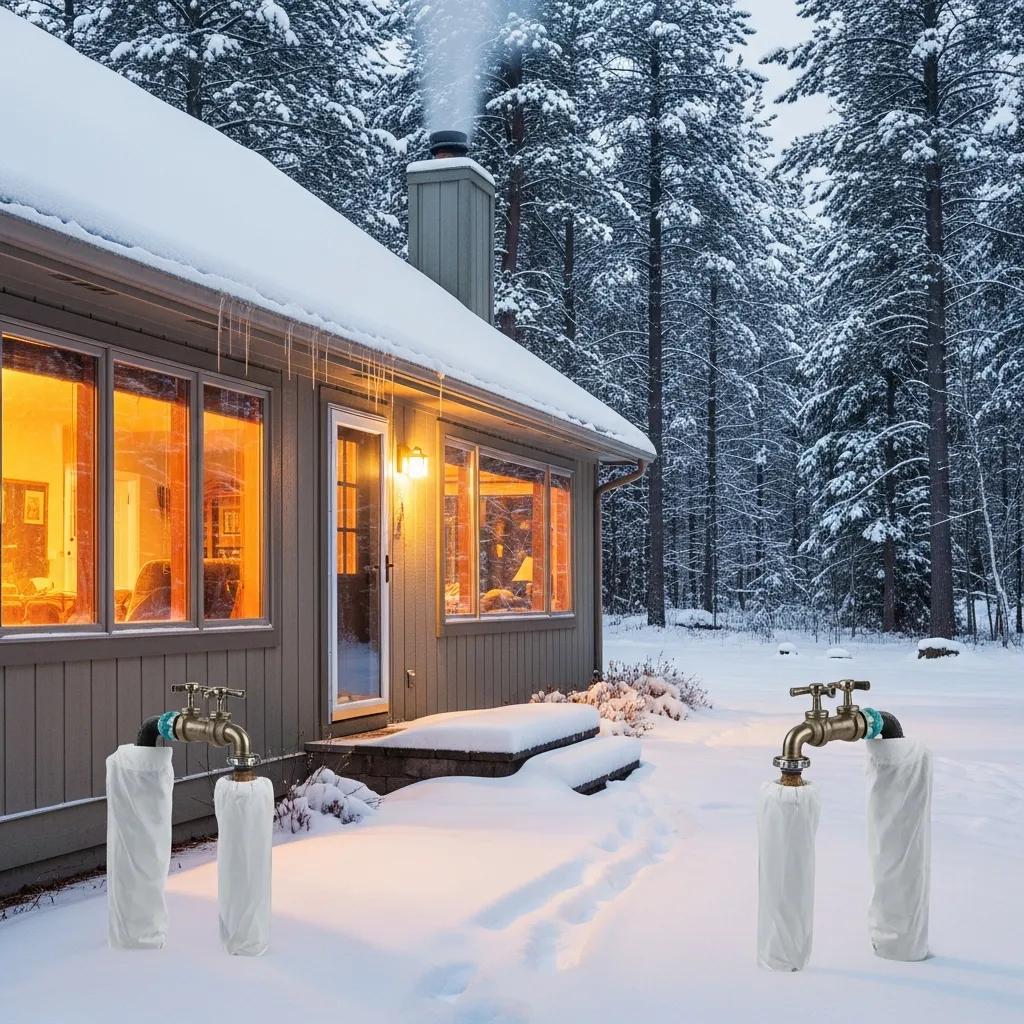
Michigan Homeowners’ Guide: Winterize Outdoor Faucets & Hose Bibs
Winterizing outdoor faucets and hose bibs means removing standing water from exterior lines, insulating exposed parts, and closing valves so freezing temperatures don’t crack pipes. In Michigan — including Macomb, Oakland, and Wayne counties — repeated freeze-thaw cycles make spigots and the pipes behind them vulnerable to ice buildup and ruptures that lead to costly water damage. This guide walks homeowners through finding shut-offs, draining and insulating spigots, checking frost-free hose bibs, and deciding when to call a licensed plumber. You’ll get simple, step-by-step DIY instructions, clear signs of frozen or damaged hose bibs, and a practical winter-plumbing checklist for your whole house. We also cover when professional winterization or emergency thawing is the smart choice and how local plumbing pros can help when DIY isn’t enough.
Why winterize outdoor faucets to avoid frozen pipes?
Winterizing outdoor faucets removes water that would otherwise freeze inside spigots and connected pipes, preventing expansion-related breaks and downstream flooding. When water freezes it expands, putting stress on joints and faucet stems and often creating hidden cracks that only show up once the ice thaws. Protecting hose bibs lowers the chance of structural water damage, mold, and emergency repairs that disrupt your routine. Michigan homeowners should act before the first hard freeze — it’s usually cheaper and less stressful than dealing with repairs after the fact. The next section explains the specific risks frozen outdoor faucets create so you know exactly what you’re preventing.
What risks do frozen outdoor faucets and hose bibs create?
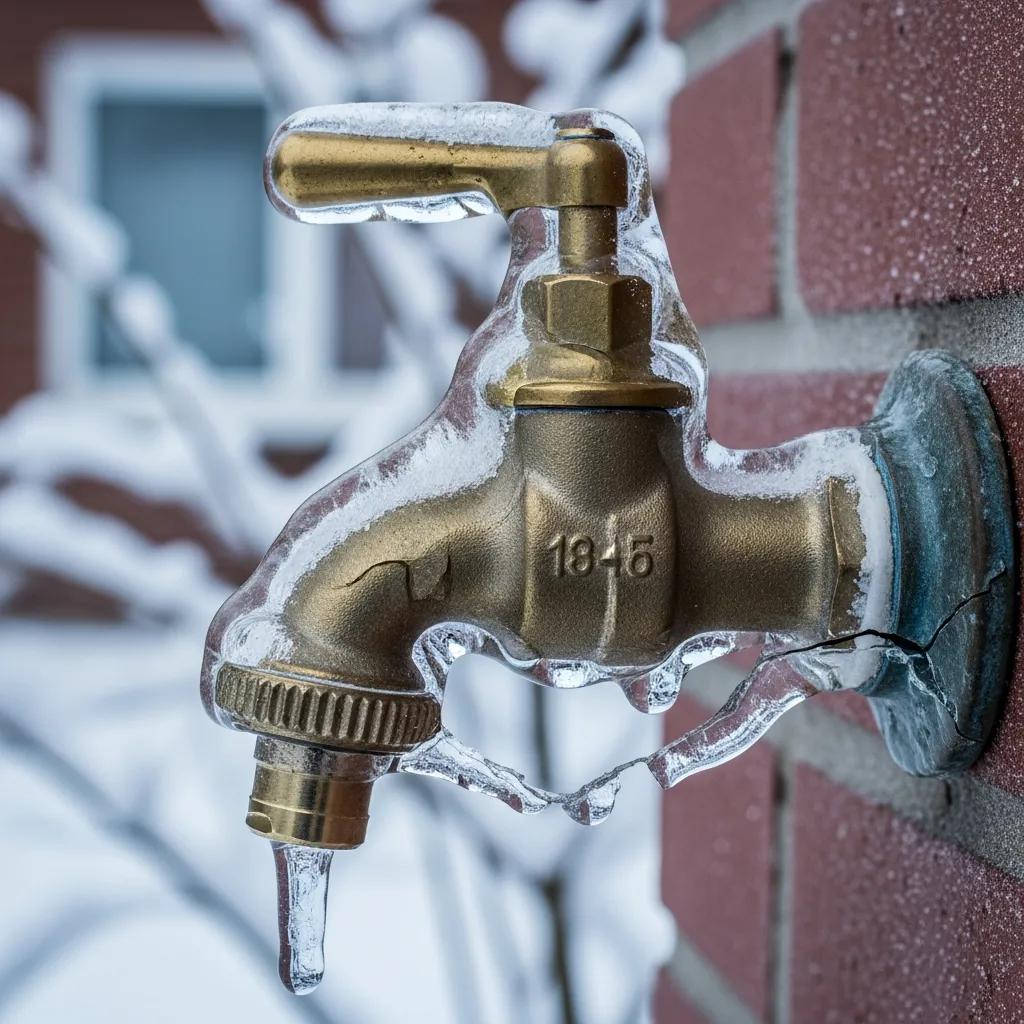
Frozen outdoor faucets and hose bibs can cause hidden pipe cracks, interior flooding, and expensive restoration if ignored. A frozen spigot can split the faucet stem or the pipe just inside the wall, allowing water to enter walls, floors, and insulation when temperatures rise. That can lead to mold, ruined drywall or flooring, and wider structural repairs. Winterizing ahead of steady freeze-thaw cycles is a cost-effective, proactive step that prevents this cascade of damage and the disruption it causes to daily life.
How does Michigan’s climate change winterization timing?
Michigan sees early cold snaps and frequent freeze-thaw swings, so plan to winterize outdoor faucets before temperatures regularly dip below freezing. For Macomb, Oakland, and Wayne counties that commonly means late September through October, though the practical rule is simple: winterize once nighttime lows start hitting 32°F. Warm stretches followed by sudden freezes stress pipes, so early preparation gives you time to find shut-offs, drain lines, and install insulation before sustained cold sets in.
Step-by-step DIY methods to winterize outdoor spigots
Winterizing a spigot is straightforward: shut off the water feed, drain the line, remove hoses, and insulate the fixture to keep cold air out. These steps eliminate water that would freeze and reduce heat loss so any remaining moisture is less likely to ice over. The instructions work for standard hose bibs and most frost-free models, though some frost-free designs still benefit from added insulation and correct draining. Below is a clear, numbered how-to that’s homeowner-friendly.
- Find and close the indoor shut-off: Locate the dedicated shut-off for the exterior faucet in the basement, crawlspace, or utility area and turn it fully off.
- Open the outdoor faucet: With the indoor valve closed, open the spigot so any trapped water can drain out.
- Remove hoses and drain: Disconnect garden hoses and store them inside; drain water from both the hose and the spigot.
- Use drain valves if present: If there’s a drain port or petcock on the line, open it to make sure the branch empties completely.
- Insulate and cover: Put on a foam faucet cover or wrap the spigot with outdoor-rated pipe insulation and fasten with weatherproof tape or ties.
- Test and check: After insulating, open the spigot slightly to confirm the indoor shut-off is holding with no flow; re-check covers during cold snaps.
Those steps will stop most outdoor freeze issues, but some homes have hidden or hard-to-reach shut-offs or piping layouts that prevent complete drainage. If shut-offs are inaccessible, piping runs through unheated spaces, or spigots keep freezing despite proper winterizing, call a local professional. Frost and Kretsch Plumbing serves Macomb, Oakland, and Wayne counties and can inspect difficult systems or perform full winterization when a DIY fix won’t do.
Before we get into drain-valve troubleshooting, the table below helps you identify common shut-off types and the actions each requires.
Introductory note: This table compares typical shut-off setups homeowners encounter and gives practical steps to drain and winterize each one.
| Shut-off Type | Ease of Use | Action Steps |
|---|---|---|
| Individual exterior shut-off (serves one spigot) | Easy | Turn the valve off, open the spigot, drain using the drain port or by leaving the spigot open to empty the line. |
| Interior individual shut-off (basement/crawlspace) | Moderate | Find and close the valve, open the outdoor faucet, and open any interior drain valve to clear the line. |
| Main house shut-off (feeds multiple fixtures) | Difficult | Close main only when necessary; drain the affected branch by opening multiple fixtures and basement/attic drains. |
| No dedicated shut-off | Challenging | Disconnect hoses, open the spigot and insulate it; consider adding a shut-off or calling a pro to prevent future issues. |
How to locate and use shut-off and drain valves for winterizing
Start looking for shut-off valves where the exterior line enters the house — typically in the basement, crawlspace, or utility room — and sometimes at a foundation valve box. Trace the pipe from the outdoor spigot back inside; shut-offs are often inline ball valves or gate valves and may need a quarter- or full-turn to close. After you close the valve, open the outdoor faucet to relieve pressure and let the line empty; if a drain valve exists, open it to ensure the branch is clear. If you can’t find a dedicated shut-off, open interior faucets and any drain cocks to reduce system pressure, then insulate the outdoor spigot. When in doubt, call a pro — partial drainage can leave you vulnerable to freeze damage.
Best practices for insulating and covering outdoor faucets
Good insulation blocks cold air from freezing any leftover moisture in and around the spigot. Use weather-rated foam faucet covers, pipe wrap, or closed-cell insulation made for outdoor use. Fit covers snugly so wind can’t get underneath and avoid trapping moisture directly against metal to reduce corrosion. For frost-free hose bibs, cover the wall penetration area and still remove hoses so the internal valve can drain. Secure insulation with weatherproof tape or zip ties, and recheck covers after storms or high winds to keep a tight seal all winter.
When to hire professional winterization services
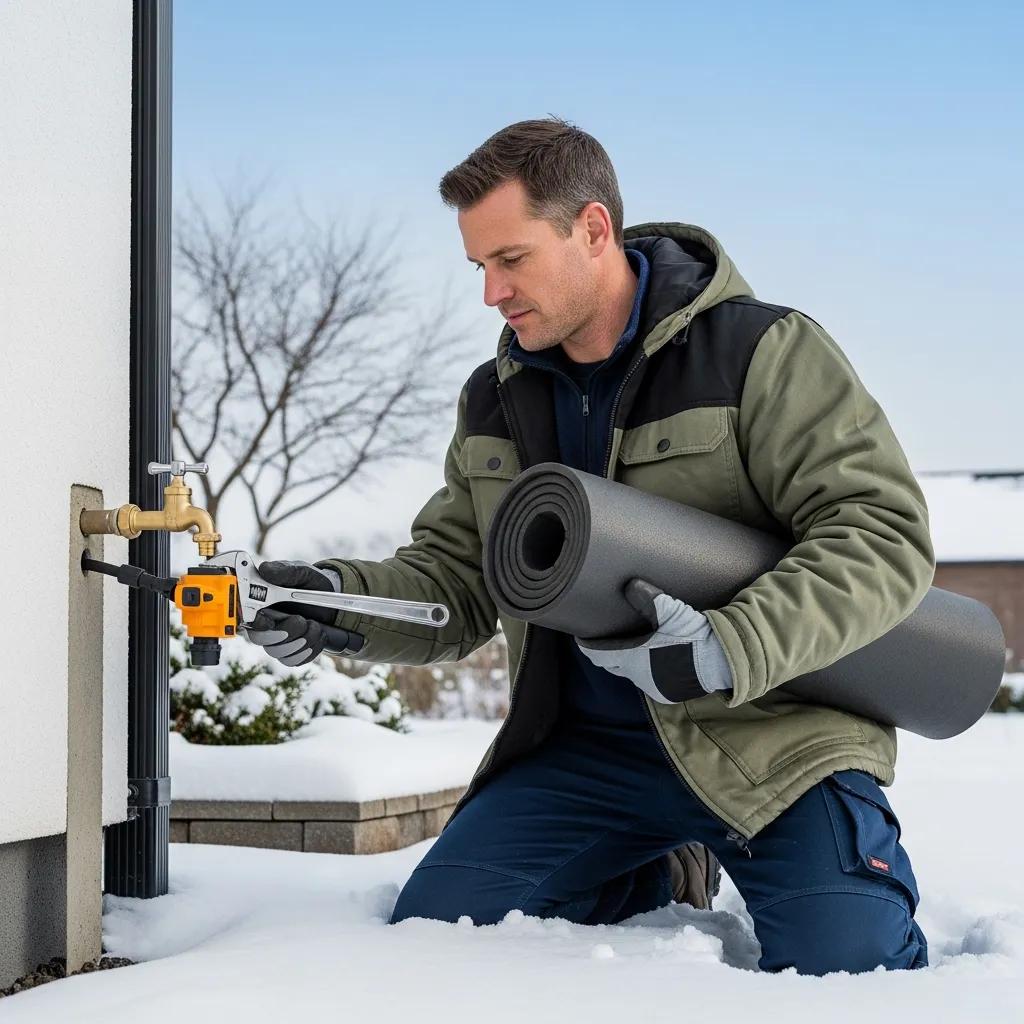
Call a licensed plumber when shut-offs are hard to reach, piping runs through unheated or inaccessible spaces, or spigots keep freezing despite correct DIY steps. Professionals perform complete drainage, can install or relocate shut-offs, and verify that frost-free fixtures or backflow devices work properly. They bring the tools and checks needed to ensure lines are pressure-free and dry, reducing the chance of hidden damage that’s expensive to repair later. If you face repeated freezes, visible cracks, or complex irrigation and multi-valve systems, professional winterization is a smarter long-term investment than quick fixes.
- No accessible shut-off: Schedule a pro to install or locate the proper valve.
- Repeated freezing: Licensed technicians can diagnose heat-loss or insulation problems and fix the root cause.
- Complex piping or irrigation: Professionals can isolate and properly drain multiple branches safely.
Hiring a licensed team provides safety, thoroughness, and peace of mind when DIY is limited. Frost and Kretsch Plumbing offers 24/7 emergency service, transparent pricing with no hidden fees, a 100 percent satisfaction guarantee, and experienced licensed technicians serving Macomb, Oakland, and Wayne counties. Call us to discuss winterization or emergency thawing if your DIY steps aren’t enough.
Benefits of professional winterization by licensed plumbers
Professional winterization guarantees complete drainage, correct installation or replacement of shut-offs and frost-free bibs, and a full check for unseen leaks or weaknesses. Licensed plumbers use diagnostic methods to find branch lines and interior valves homeowners might miss, and they test the system to confirm it’s dry and secure. They’ll also recommend upgrades — like a frost-free hose bib or a dedicated indoor shut-off — and provide documentation that the work was done correctly. That reduces emergency calls and gives homeowners confidence their home is protected.
How Frost and Kretsch Plumbing serves Macomb, Oakland, and Wayne counties
Frost and Kretsch Plumbing offers local winterization, emergency frozen-pipe thawing, and repair services across Macomb, Oakland, and Wayne counties. Our licensed technicians provide 24/7 response, clear pricing with no hidden fees, and reliable, documented work. If you have inaccessible shut-offs, repeated freeze events, or a damaged hose bib, we can do a professional winterization visit or emergency thaw and repair. To arrange service, call the phone number listed on the site and ask for help with winter plumbing.
How to prevent and repair frozen hose bibs effectively
Prevention is simple: drain lines, remove hoses, insulate spigots, and block cold air from reaching piping. Seasonal checks and timely insulation make a big difference. If a hose bib freezes or shows damage, shut off the water at the interior valve if you can, open the spigot to relieve pressure, and avoid open flames or portable electric heaters for thawing. For burst fittings, shut off the main water supply and contact emergency repair services to limit structural damage.
Introductory table: This quick reference links common hose-bib problems to immediate DIY steps and tells you when to call a pro.
| Problem | Immediate DIY Steps | When to Call a Pro |
|---|---|---|
| Frozen spigot (no flow) | Close indoor shut-off, open outdoor faucet, warm gently with towels and warm water | If warming doesn’t work or multiple fixtures are affected |
| Cracked stem or visible leak | Shut interior valve or main, contain water with buckets and towels | Call for replacement and repair |
| Burst pipe (pooling water) | Turn off main water, evacuate the area if needed, protect valuables | Emergency repair and thawing required |
Signs a hose bib is frozen or burst and needs repair
Look for reduced or no flow, frost or ice on the spigot, or strange noises when you try to turn the faucet — those suggest a frozen hose bib. A burst hose bib may show visible cracks, steady dripping, or pooling water near the foundation, and you might notice sudden pressure loss inside the house. If multiple interior fixtures lose pressure, that points to a larger pipe failure and you should shut off the main immediately. When you see pooling water, structural seepage, or cannot control flow from shut-offs, skip DIY fixes and call emergency plumbing to prevent more damage.
Emergency repair and replacement services available
Emergency services include safe frozen-pipe thawing, temporary shut-offs to stop active leaks, hose-bib replacement, and repair of damaged pipe sections. Safe thawing uses controlled, monitored heat methods to restore flow without creating damaging pressure spikes; technicians then inspect for hidden leaks once water returns. Licensed plumbers can make temporary repairs to limit damage until full replacement is scheduled. Frost and Kretsch Plumbing lists frozen-pipe thawing and related repairs among the services we offer for homeowners who need fast, reliable response.
Complete winter plumbing checklist for Michigan homeowners
A seasonal checklist keeps indoor and outdoor plumbing protected and reduces cold-weather failures. Key tasks include draining outdoor spigots, insulating exposed piping, removing exterior hoses, ensuring main and exterior shut-offs are accessible, and preparing water-using appliances for low temperatures. Do these checks every fall — before the first hard freeze — and again after early cold snaps to stay protected through the season. The table below pairs components with the maintenance you should perform and suggested timing.
Introductory note: The checklist below pairs common plumbing components with the tasks homeowners should perform and when to do them.
| Component | Maintenance Task | Frequency/Timing |
|---|---|---|
| Outdoor faucets/hose bibs | Disconnect hoses, close interior shut-off, drain lines, install insulated covers | Each year before the first hard freeze (late Sept–Oct) |
| Irrigation lines | Blow out or drain the system; winterize controllers and backflow devices | Annually before freezing weather |
| Water heater | Check insulation, inspect for leaks, set temperature to the recommended level | Inspect in fall; schedule annual service |
| Sump pump | Test operation, inspect discharge lines, verify battery backup or power source | Test monthly in fall; before heavy melt periods |
| Main shut-off access | Clear access, label the valve, test that it turns off fully | Inspect annually before winter |
Which indoor and outdoor plumbing components need seasonal maintenance?
Seasonal maintenance should include outdoor spigots, irrigation systems, exposed pipes in unheated spaces, water heaters, sump pumps, and ensuring the main shut-off is accessible. Tasks are simple: drain spigots and irrigation lines, insulate exposed pipes, service water heaters and their relief valves, and test sump pumps and backups. Prioritizing these items in fall cuts down on mid-winter emergencies. If any component shows wear, corrosion, or repeated problems, schedule a professional inspection.
How water heaters and sump pumps fit into winter plumbing care
Water heaters and sump pumps are critical to winter resilience. A failing water heater can cause cold-water surges that stress pipes, while a non-working sump pump can’t handle meltwater and raises the risk of basement flooding. Winter checks should include confirming water heater insulation, testing the temperature-pressure relief valve, and running the sump pump and its backup power. Consider a battery backup or monitored system for your sump pump to reduce failure risk during outages. Adding these checks to a professional winterization visit helps spot vulnerabilities that spigot-only steps won’t catch.
For urgent winter plumbing concerns or professional winterization and emergency thaw services in Macomb, Oakland, and Wayne counties, Frost and Kretsch Plumbing offers 24/7 emergency response, transparent pricing, experienced licensed technicians, and a 100 percent satisfaction guarantee. Call the number listed on the site to schedule service or an inspection if DIY measures don’t solve the problem.
Frequently Asked Questions
What tools do I need to winterize outdoor faucets?
Keep a few basic tools on hand: an adjustable wrench for hose connections, a bucket or towels to catch water, and insulation materials like foam faucet covers or outdoor-rated pipe wrap. A screwdriver can help remove or secure covers and access shut-off valves. Those items will make winterizing faster and cleaner.
Can I winterize my outdoor faucets if I have a sprinkler system?
Yes — but winterize the sprinkler system separately. Sprinkler winterization usually requires draining the lines or using an air compressor to blow out remaining water. Make sure any outdoor faucets tied to the irrigation system are drained and insulated as well. If you’re unsure how to proceed, consider a pro for a full winterization service.
How can I tell if my outdoor faucet is frost-free?
Frost-free faucets typically have a long stem that reaches inside the wall so water drains back into the house when the faucet closes. They often place the shut-off mechanism several inches back from the spigot. If you’re unsure, check the fixture’s model information or ask a plumber — and remember that frost-free bibs still benefit from removing hoses and adding insulation.
What should I do if my outdoor faucet is already frozen?
If the faucet is frozen, first shut off water at the indoor valve if possible. Open the outdoor spigot to relieve pressure and allow any thawed water to run out. Don’t use open flames or unvented electric heaters to thaw pipes — instead, use warm towels or slowly pour warm (not boiling) water. If the spigot won’t thaw or shows damage, call a licensed plumber.
How often should I check my outdoor faucets during winter?
Check outdoor faucets at least once a month during winter, and more often during cold snaps. Look for loose or damaged insulation, frost buildup, or reduced flow. Catching problems early can prevent costly repairs and keep your home safer through the season.
When should I hire a professional for winterization?
Hire a pro if shut-off valves are inaccessible, if your spigots freeze repeatedly despite proper winterizing, or if your piping is complex or runs through unheated spaces. Also call a licensed plumber when you spot visible cracks, heavy leaks, or multiple fixtures losing pressure. A pro will ensure complete drainage and correct insulation so you don’t face repeat emergencies.
Michigan's Guide to Winterizing Outdoor Faucets & Hose Bibs
Winterizing outdoor faucets and hose bibs is one of the easiest, most effective steps Michigan homeowners can take to avoid frozen pipes and costly water damage. Follow the steps in this guide, do a yearly fall check, and call a licensed plumber if your system is hard to access or problems persist. Taking care of these simple tasks now can save time, money, and a lot of stress when the deep freeze arrives.