
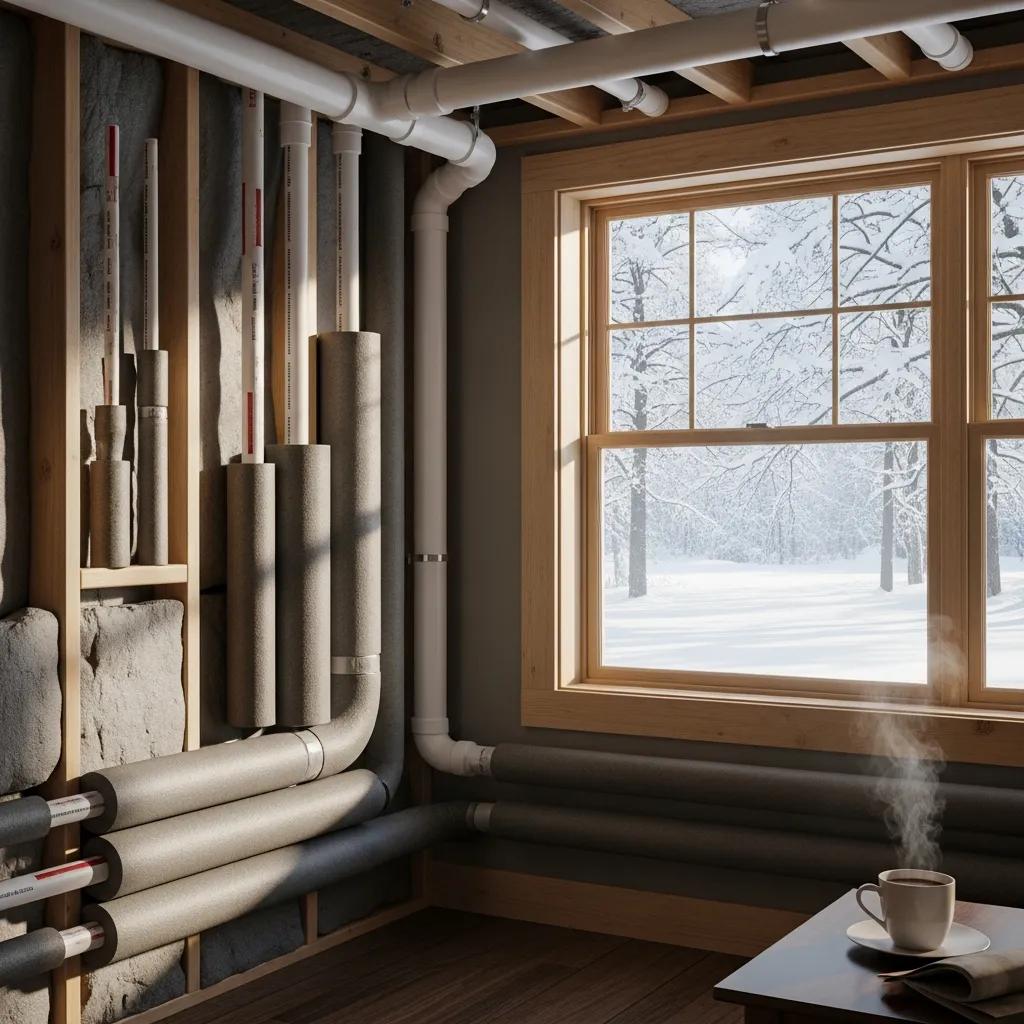
Practical Michigan Tips to Keep Your Pipes from Freezing
When water in a pipe freezes it expands, which can crack pipes and lead to expensive water damage. This guide walks Michigan homeowners through clear, practical steps to keep plumbing warm, insulate the most vulnerable runs, spot early signs of freezing, and act safely if a freeze happens. You’ll get why pipes freeze here, the best insulation choices, indoor prevention tips, how to protect outdoor or vacant systems, plus quick-recognition and emergency response steps. Along the way you’ll find checklists, comparison tables, and hands-on tips — everything from foam pipe insulation and heat tape to simple habits like dripping faucets. If you’d rather hire a pro, the guide points to local services for emergency thawing and winterization without replacing the homeowner steps shown here.
Why Pipes Freeze and How It Can Affect Your Home
Pipes freeze when cold air chills exposed or poorly insulated plumbing below 32°F, turning water to ice and creating internal pressure. That pressure can crack seams, split fittings, or rupture pipe walls, causing leaks that lead to flooding, mold, and structural damage. Knowing the main causes and likely consequences helps you focus prevention where it matters and avoid slow, hidden leaks. The lists below summarize common causes and typical outcomes so you can protect the riskiest systems first.
Common causes of indoor pipe freezing include:
- Pipes located in unheated spaces — crawl spaces, detached garages, or plumbing inside exterior walls.
- Cold drafts and air leaks that let outside air reach plumbing runs near the building envelope.
- Insulation gaps or missing insulation around pipes and where pipes pass through floors or walls.
Consequences of frozen pipes often include:
- Sudden loss of water at faucets and appliances, plus pressure-related damage to adjacent sections.
- Wet insulation, ruined drywall or flooring, and hidden leaks inside walls or ceilings.
- Follow-on problems like mold, electrical hazards, and expensive repairs.
Tackling the causes above lowers both the chance of freezing and the severity of any damage; the next section explains temperature thresholds and the physics behind ice in pipes.
What Temperature Causes Pipes to Freeze?
Pipes commonly start freezing around 20°F, but the exact point varies with exposure, insulation, and pipe material. Wind, drafts, and long cold snaps can cause pipes to freeze even when outdoor air is warmer, while well-insulated or interior plumbing can stay safe below that range. In Michigan, both brief deep freezes and extended subzero stretches are risky — watch vulnerable runs during prolonged cold and treat exterior-adjacent plumbing as a priority for insulation or heat.
How Pipe Freezing Leads to Bursts and Water Damage
Ice narrows or blocks flow and can form a plug that traps liquid between the ice and closed fixtures. As that trapped water freezes or pressure builds, forces can exceed a pipe’s strength, and failure usually happens at joints, seams, or corroded spots. A rupture can release a lot of water quickly, soaking building materials and leading to mold and structural problems if not dried fast. Because failures often start inside walls or ceilings, quick detection and professional mitigation are crucial to limit long-term costs.
Best Ways to Insulate Pipes for Winter
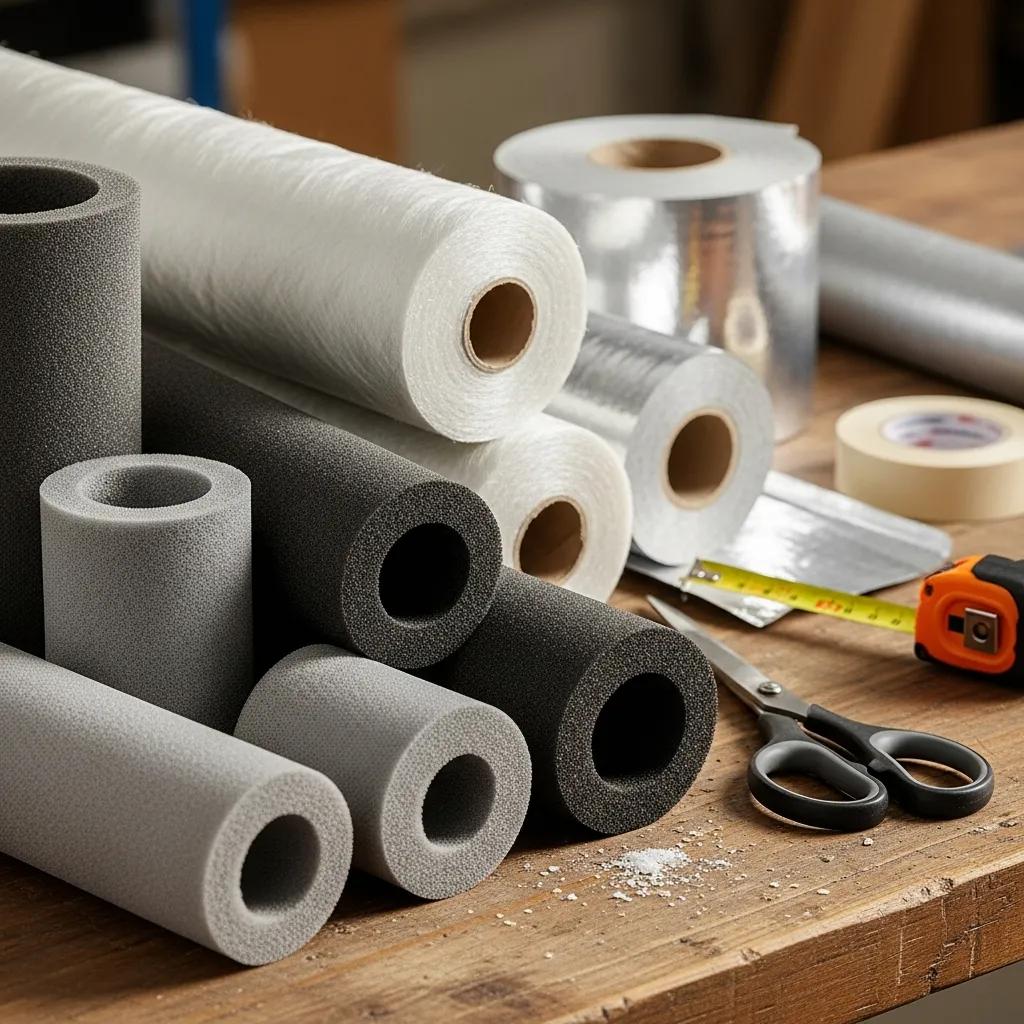
Good pipe insulation uses the right materials, full coverage of exposed runs, and sealing of nearby air leaks to keep temperatures up around plumbing. Options vary by location and pipe type: foam sleeves are simple for straight, accessible runs; fiberglass wrap suits irregular shapes or higher-temperature lines; and heat tape or trace cable adds active heat where pipes face severe cold. Choose based on required R-value, safety needs, and whether the job is a safe DIY or should be handled by a pro. The table below compares common choices to help you pick the best fit for each area of your home.
| Insulation Type | Characteristic | Best Use | DIY vs Professional |
|---|---|---|---|
| Foam pipe sleeves | Closed-cell foam — simple to install | Straight, accessible runs in basements and utility rooms | Good for DIY |
| Fiberglass wrap | Flexible, handles higher temperatures | Odd shapes, hot-water lines, tight spots | DIY with care; pro for tricky areas |
| Heat tape / heat trace | Electrical heating for active freeze protection | Exposed or exterior-adjacent pipes in severe cold | Often safer with professional installation |
Picking the right material and making sure coverage is continuous cuts cold spots and lowers freeze risk; read on for installation tips for basements, crawl spaces, and garages.
Which Insulation Materials Work Best Against Freezing?
Foam sleeves are affordable and effective for most indoor exposed runs and come in common pipe diameters. Fiberglass wrap with a vapor barrier fits odd shapes and handles hotter pipes while slowing heat loss. Heat tape or trace cable gives direct heat to pipe surfaces and is ideal for very exposed lines, but it has safety and control considerations — especially for long runs — so professional installation is often worth it. Match the material to exposure, pipe temperature, and access to get the best mix of safety, performance, and cost.
How to Insulate Pipes in Basements, Crawl Spaces, and Garages
Start by locating every exposed run in basements, crawl spaces, and garages, measure lengths, and note tight bends or runs close to exterior walls. In basements, slide foam sleeves over straight sections and tape seams; seal wall and floor penetrations to block drafts. In crawl spaces, insulate both pipes and joist bays and consider a vapor barrier to control moisture. Garages often need a combo of foam sleeves and heat tape when lines run along cold exterior walls — any electrical heating product should follow manufacturer instructions or be installed by a pro. When access is limited or pipe runs are complex, schedule an inspection or professional install to ensure continuous, safe coverage.
How to Stop Pipes from Freezing Indoors
Preventing indoor freezes mixes passive steps — insulation and sealing — with active management like steady heat and targeted warming of vulnerable runs. Simple daily actions help: open cabinet doors under sinks so warm room air reaches plumbing, keep thermostats steady during cold snaps, and use smart sensors to watch indoor temps. For persistent trouble spots, install heat tape or add crawl-space insulation for longer-term protection. The comparison below helps you choose the right combination of fixes for your situation.
| Action | Ease | Effectiveness | Recommended Scenario |
|---|---|---|---|
| Seal air leaks | Moderate | High | Penetrations in exterior walls and rim joists |
| Open cabinet doors | Easy | Moderate | Sinks on exterior-facing walls |
| Thermostat management | Easy | High | Nights or prolonged cold spells |
| Dripping faucets | Easy | Situational | Severe cold on isolated fixtures |
Combining sealing, insulation, and controlled heating creates layers of protection that greatly reduce freeze risk; the next section explains sealing and cabinet practices in more detail.
Why Seal Air Leaks and Keep Cabinet Doors Open?
Sealing gaps around plumbing keeps cold drafts from chilling pipe runs, which lowers the chance of ice forming on exposed sections. Common leak spots include openings around water meters, shut-off valves, recessed tubs, and holes where pipes pass through exterior walls — use caulk, spray foam, or weatherstripping to fix them. Opening cabinet doors under sinks lets warm room air circulate around the plumbing, helping to prevent localized cold pockets without extra materials. Doing both — seal the leaks and allow warm air to reach pipes — tackles the problem at the source and the symptom.
Does Letting Faucets Drip Help Prevent Freezing?
Yes. A slow drip during extreme cold keeps water moving so it’s less likely to freeze. A thin stream — roughly pencil-width — is usually enough and focuses water where it’s needed most. Use dripping only as a temporary emergency measure during sustained, severe cold and pair it with insulation and sealing for a long-term solution.
If you prefer professional help for heat tape, insulation upgrades, or a full winterization check, Frost and Kretsch Plumbing offers local insulation and winterization services and can schedule evaluations for complex or risky installs.
Strategies to Prevent Burst Pipes
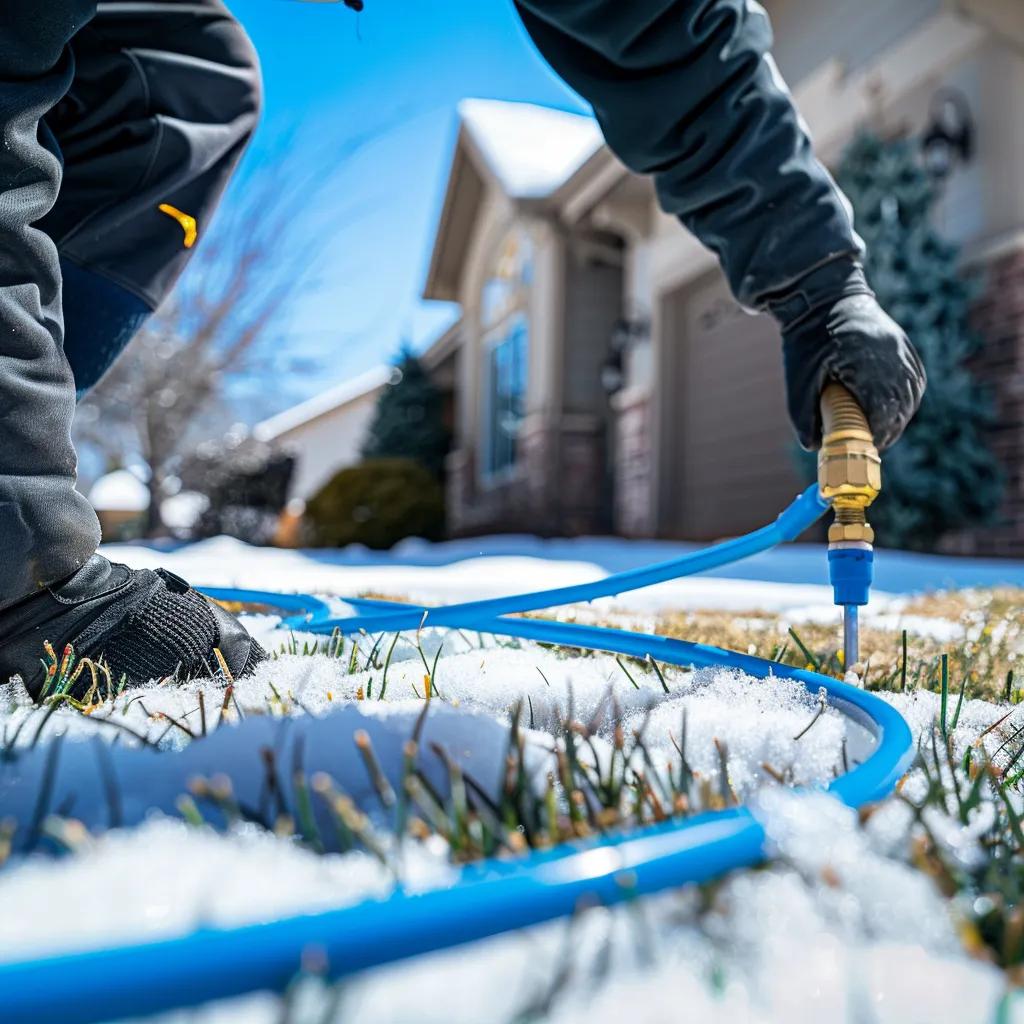
Avoiding burst pipes means insulating vulnerable runs, winterizing outdoor systems, and following vacancy protocols so trapped water can’t freeze and create pressure failures. High-level steps include sealing and insulating interior and exterior-adjacent pipes, draining outdoor hose bibs and irrigation lines, and using a vacancy checklist for unheated properties. The table below compares these strategies for residential and commercial settings and shows when professional winterization is the safer choice. A tailored mix of tactics reduces both the chance of a burst and the damage if freezing occurs.
| Strategy | Application | Pros | When to Call a Professional |
|---|---|---|---|
| Insulation upgrades | Residential & commercial | Cost-effective, passive protection | Complex commercial piping or inaccessible runs |
| Winterizing outdoor systems | Residential | Prevents trapped water in hose bibs and irrigation | Large sprinkler systems or uncertain drain-downs |
| Vacancy protocols | Residential & commercial | Removes freeze risk in unoccupied properties | Long vacancies or sensitive equipment present |
Use a coordinated plan — insulate, seal, drain — to build layered protection and lower the risk of catastrophic failure; the following sections cover outdoor winterization and vacancy protocols.
How Winterizing Outdoor Faucets and Sprinkler Systems Helps
Winterizing removes the water that would freeze inside outdoor supply lines, preventing ice plugs and pressure-related ruptures. Basic steps are shutting off exterior supply valves, draining exposed lines, and using insulated hose-bib covers. For irrigation systems, a professional blow-out with compressed air is often the safest, most thorough option. Insulating meter boxes and exposed valves also reduces the chance of meter freezes. Because sprinkler systems can be large and pressurized, a pro winterization service often saves time and reduces the risk of damage.
How to Winterize Vacant Homes and Unheated Areas
For long-term vacancy, shut off the main water supply and drain the system. Use propylene-glycol antifreeze only where recommended (traps and appliances) — never use automotive antifreeze in potable lines. If you can’t maintain a minimum heat, fully winterize plumbing and remove water from lines. Check the property regularly or hire a winterization service to make sure no water remains in water heaters, toilets, or external lines.
Professional winterization is especially wise for long vacancies, commercial storage properties, or complicated piping where incomplete drainage could cause damage.
Signs of Frozen Pipes and What to Do Right Away
Spotting frozen pipes early and acting safely can keep a small freeze from turning into a major water-loss event. Look for no or reduced water flow, frost or condensation on exposed pipes, and unusual sounds like banging or gurgling as ice shifts. These clues let you isolate affected sections and take measured steps. The checklist below gives immediate actions to reduce pressure, protect property, and call for emergency help if needed. If the situation doesn’t improve, professional thawing may be required.
Immediate actions to take when you suspect frozen pipes:
- Shut off the main water supply to limit flow in case a pipe has already burst.
- Open faucets served by the affected line to relieve pressure and let melting water escape.
- Do not use open flames or improvised high-heat sources — use safe warming methods and call a pro if you’re unsure.
Those steps stabilize the situation and lower the chance of major flooding while you decide whether to call for professional thawing or repair.
How to Recognize No-Flow, Frost, or Other Symptoms
Loss or reduced flow at a single fixture usually points to a localized freeze — check nearby fixtures to see if it’s isolated. Frost, ice, or heavy condensation on exposed pipes is a clear sign, and noises like creaks, pops, or rushing water behind walls can mean ice is shifting or a pipe is starting to leak. Lightly tap accessible pipe sections to find hollow versus solid stretches that suggest ice plugs. Inspect exterior walls and ceilings for bulging or discoloration that could signal hidden leaks. If you see active leaking, shut off the main right away and follow emergency steps.
First Steps When You Suspect Frozen Pipes
Turn off the main water supply to prevent sudden flooding, then open faucets on the affected circuits to relieve pressure and give melting water an outlet. Try gentle thawing only on exposed pipes — a hair dryer, warm towels, or an electric space heater are safe methods when used carefully. Never use open flames. If frozen sections are inside walls, ceilings, or other inaccessible areas, or if you smell gas or see heavy water flow, stop DIY attempts and call a professional for emergency thawing and repair. After stabilizing the situation, document any water damage for insurance and arrange repairs or insulation upgrades to prevent a repeat.
After taking these steps, consider contacting Frost and Kretsch Plumbing for emergency frozen-pipe thawing and repair. Their 24/7 response and safe thawing equipment are available when homeowner measures aren’t enough or the risk is high.
Why Choose Frost and Kretsch Plumbing for Prevention and Repair?
Frost and Kretsch Plumbing offers local, emergency-ready services for frozen-pipe thawing, winterization, and related repairs with clear homeowner-focused benefits. We provide 24/7 emergency response, use safe thawing equipment, and handle repairs from water mains to water heaters, sump pumps, drains, sewer work, and excavation when needed. Our team is licensed, experienced, and follows transparent pricing, backed by a satisfaction guarantee. Serving Macomb, Oakland, and Wayne counties, we bring local knowledge about Michigan freeze patterns and common home vulnerabilities. If you need winterization, heat tape installation, or emergency thawing, our local profile makes it easy to request service or schedule an inspection.
What Sets Our 24/7 Emergency Service and Satisfaction Guarantee Apart?
We’re available around the clock so homeowners facing a sudden freeze or burst can get timely help when containment and quick thawing matter most. We use the right thawing equipment to minimize secondary damage and provide clear pricing so you know what to expect. Licensed, experienced technicians and a satisfaction guarantee mean emergency response and follow-up repairs are handled reliably and with accountability. That combination gives homeowners a local resource they can trust in urgent situations.
How We Serve Macomb, Oakland, and Wayne Counties with Local Know‑How
Serving Macomb, Oakland, and Wayne counties, Frost and Kretsch Plumbing adapts winter-prevention advice and emergency response to local freeze patterns and common regional issues like older homes with exterior wall plumbing. Our local presence helps us get to jobs faster and recommend winterization steps that work in Michigan winters, including protection for meters and exterior valves. Residents and property managers in these counties can count on our team to simplify scheduling for inspections, winterization, and emergency thawing when cold weather strikes.
Frequently Asked Questions
What are the long-term effects of frozen pipes on a home?
Frozen pipes can cause long-term damage if not fixed quickly. When pipes burst they can flood walls, floors, and ceilings, leading to mold that’s expensive to remove and can affect indoor air quality. Structural components can be weakened and repair costs — plus possible insurance impacts — add up. Preventing freezes and addressing any problems immediately reduces long-term risk.
How can I tell if my pipes are at risk of freezing?
Look for exposed plumbing in unheated areas, drafts near pipe runs, and poor or missing insulation. If temperatures near those pipes drop toward 20°F, risk rises. Other warning signs are reduced water flow or odd noises from pipes. Regular checks before and during cold spells help you spot vulnerable sections and take action.
Are there safe DIY methods to thaw frozen pipes?
Yes. First, shut off the main water supply if you suspect a rupture. Open faucets on the affected line to relieve pressure. For exposed pipes, gently warm them with a hair dryer, heating pad, or warm towels, starting at the faucet and working back toward the frozen section. Never use open flames or torches.
What should I do if I find a burst pipe?
If you find a burst pipe, shut off the main water right away to stop flooding. Open faucets to drain the system, document damage with photos for insurance, and call a professional plumber for emergency repairs. Quick action limits damage and speeds recovery.
How often should I check my plumbing for freeze risks?
Check plumbing at least once a year, ideally before winter arrives. Inspect for exposed pipes, gaps in insulation, and drafts that could chill plumbing. During cold snaps, monitor vulnerable areas more often. Regular inspections help you prevent frozen pipes before they happen.
What are the benefits of hiring a professional for pipe insulation?
Pros bring experience selecting the right materials and ensuring full coverage to eliminate cold spots. They have the tools and safety knowledge for hard-to-reach areas and can recommend long-term solutions that reduce repeat problems. Professional work can give you peace of mind and better protection through the winter.
Ensure Your Plumbing Stays Flowing All Winter
Preventing frozen pipes protects your home from costly water damage and keeps your water flowing through Michigan’s coldest months. With the right insulation, air-sealing, and temperature management — plus simple daily habits — you can greatly reduce freeze risk. If you want professional help, Frost and Kretsch Plumbing offers winterization, heat tape installation, and 24/7 emergency thawing tailored to local needs. Contact us to learn how we can help keep your plumbing safe all winter long.