
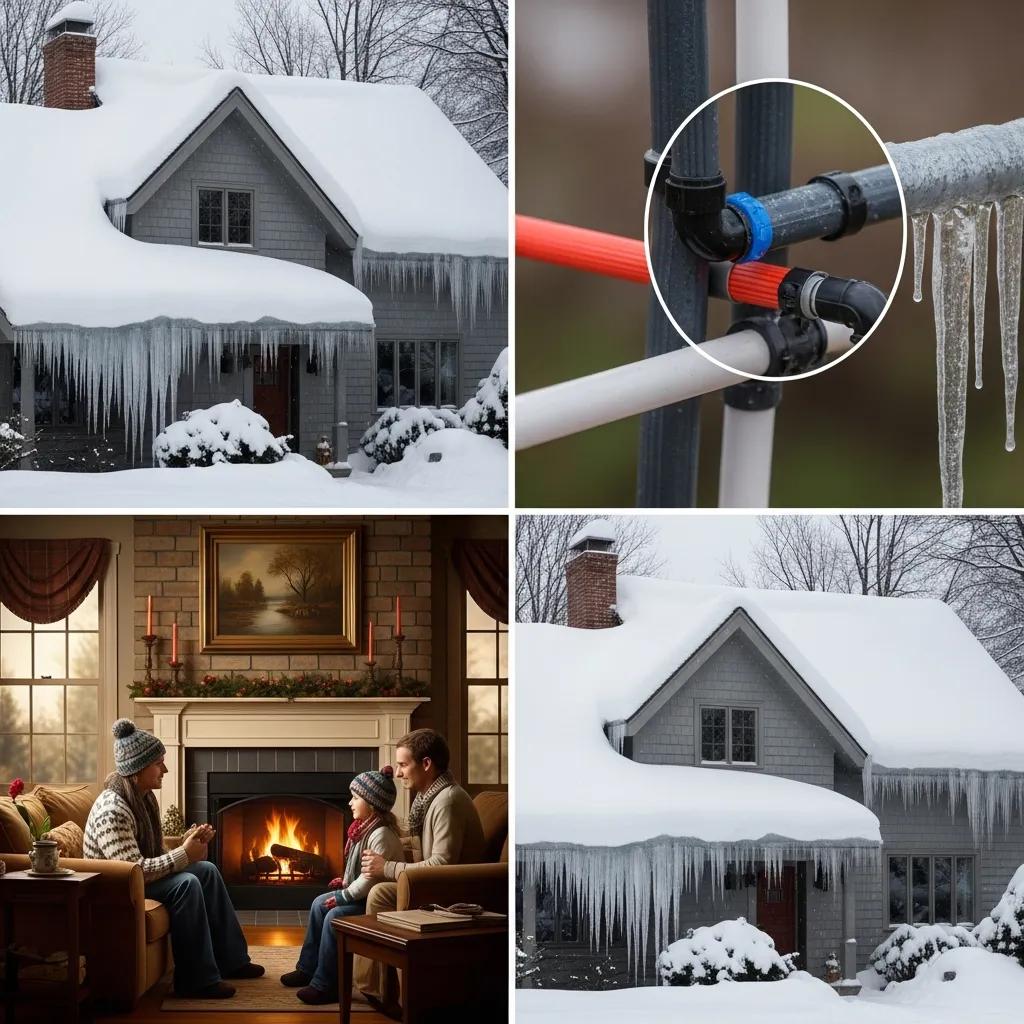
Tips to Prevent Frozen Pipes in Michigan This Winter
Frozen pipes can cut off your water and lead to expensive repairs and water damage when Michigan turns cold. Ice forms when standing water inside a pipe freezes and expands, putting pressure on the pipe that can crack or split it. The best reason to prevent freezing is simple: avoid damage, downtime, and a costly cleanup. This guide explains why pipes freeze here, where they’re most at risk, and clear, actionable steps you can take — from insulation and outdoor winterization to indoor heating tips and safe thawing. It also explains when a DIY fix is enough and when it’s time to call a licensed emergency plumber. Frost and Kretsch Plumbing offers 24/7 emergency response, transparent pricing, and a satisfaction guarantee; we inspect, winterize, and perform emergency thawing or burst-pipe repairs for homeowners and businesses across Macomb, Oakland, Wayne counties, and nearby communities. Read on for step-by-step tips, material recommendations, quick checklists, and next steps to protect your plumbing before the deep freeze hits.
Why Do Pipes Freeze in Michigan Winters?
Pipes freeze when the water inside loses heat faster than it’s replaced. As water turns to ice it expands and can crack pipe walls or fittings. Heat loss speeds up when pipes are uninsulated, cold air gets in, or outdoor temperatures stay low for long stretches. Wind and shallow bury depths make the problem worse in Michigan’s swingy winter weather. Knowing how freezing happens helps you choose the right fixes: insulate exposed runs, seal drafts, and keep warm air near plumbing that runs beside exterior walls. The checklist below shows the most common vulnerable spots so you can quickly assess risk around your property.
- Exposed supply lines in unheated basements, attics, or crawl spaces.
- Pipes that run along exterior walls or through poorly insulated wall cavities.
- Outdoor spigots, hose bibs, and irrigation lines that can trap standing water.
- Long or narrow pipe runs with little heat exposure from the building envelope.
These are the places to check first during a cold snap and where to add insulation or local heat to lower freeze risk.
What Temperature Causes Pipes to Freeze?
Pipes often start to freeze when air temperatures drop toward 20°F (−6°C), but the exact point depends on exposure, insulation, and pipe material. Wind chilling unprotected pipe surfaces speeds heat loss, and pipes inside exterior walls can freeze even when outdoor lines do not because framing conducts cold. Materials matter: PEX tolerates expansion better than rigid copper and is less likely to burst immediately, but any water-filled pipe can freeze if conditions persist. Watch outdoor lows and check for indoor cold spots — an infrared thermometer or simply feeling exposed pipes during a cold spell will tell you when to add insulation or local heating.
Which Areas in Homes and Businesses Are Most Vulnerable?
Some locations combine low heat, poor airflow, and exposure — making them the most likely to freeze. Focus inspections on peripheral and transitional spaces where building heat can’t reach easily. In commercial buildings, check service risers, rooftop mechanical closets, and exterior-facing restrooms. In homes, pay attention to basements, crawl spaces, attics, garages, and unheated utility closets. Documenting these vulnerable runs before winter helps you prioritize insulation, heat tape, or rerouting where practical.
What Are the Best Pipe Insulation Methods for Winter?
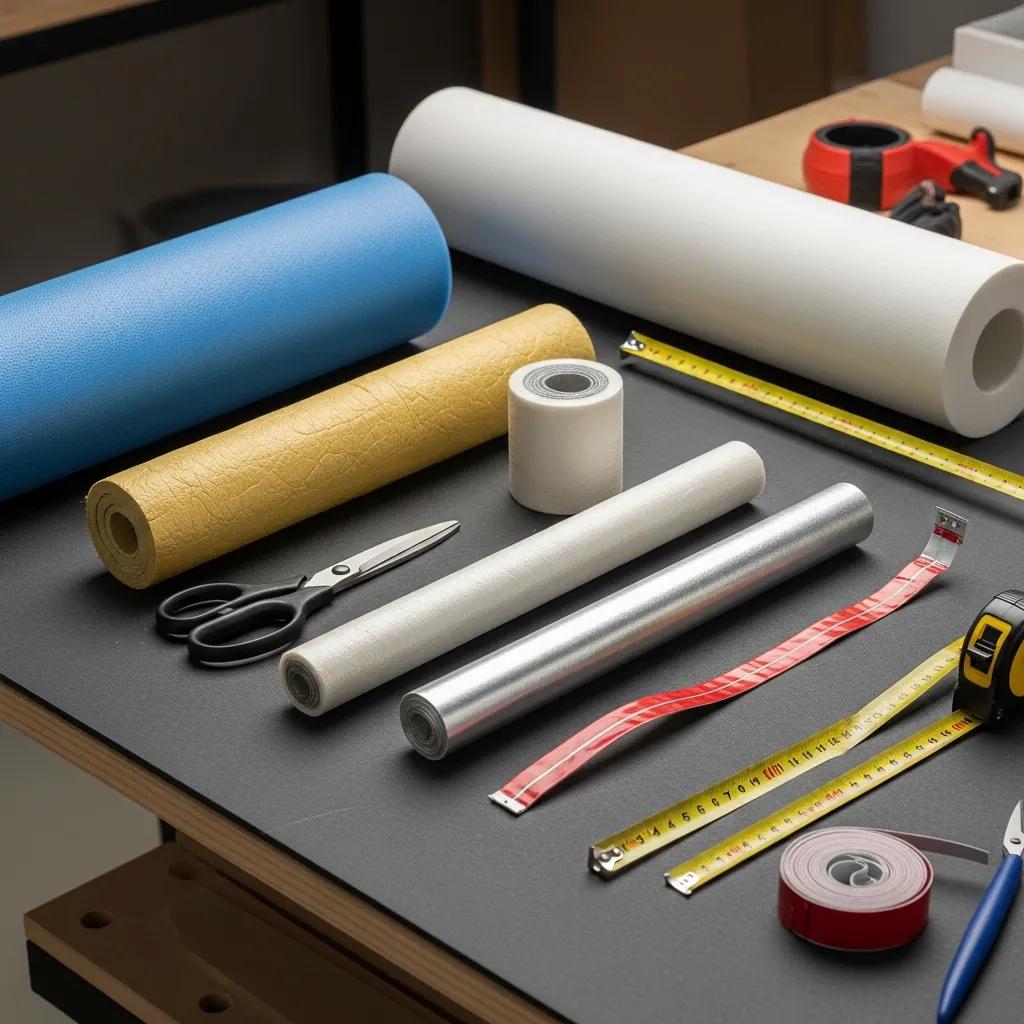
Good insulation slows conductive heat loss and increases the time it takes a pipe to freeze. The most practical methods are foam pipe sleeves for exposed supply lines, fiberglass for larger or irregular pipes, and thermostat-controlled heat tape when active heating is required in especially cold spots. Choose an approach that balances R-value, ease of installation, durability in cold weather, and safety — especially with heat tape, which must be installed to manufacturer specs. The table below compares common insulation choices to help you pick what’s right for Michigan winters.
Insulation types differ in R-value, best uses, benefits, and how well they hold up in cold-weather plumbing.
| Insulation Type | Characteristic | Best Use Case |
|---|---|---|
| Foam pipe sleeve | Closed-cell foam; easy to cut and fit | Exposed indoor copper or PEX lines in basements and garages |
| Fiberglass wrap | Higher temperature tolerance; good for larger pipes | Commercial runs, recirculation lines, and long exterior wall runs |
| Heat tape (electric) | Active heating; often thermostat-controlled | Pipes in very cold or hard-to-reach spots where passive insulation isn’t enough |
Use this comparison to balance cost and performance: foam is the fastest DIY fix, fiberglass is more permanent, and heat tape gives active protection where needed.
Which Pipe Insulation Materials Work Best in Cold Climates?
For most Michigan homes, closed-cell foam sleeves offer a good balance of R-value and simple installation — they’re the top DIY choice for exposed supply lines in basements, garages, and utility rooms. Fiberglass with a vapor-barrier jacket works better on larger-diameter pipes or where higher temperature tolerance is required, though it needs more careful fitting and protection from moisture. Heat tape is a reliable active option when insulation alone won’t cut it; choose thermostat-controlled models and follow safe installation practices to avoid electrical hazards. Pick materials based on pipe type, access, and whether the run sits next to an exterior wall or in an unheated cavity.
How and Where Should You Apply Pipe Insulation?
Start by inspecting exposed runs and measuring lengths and diameters. Cut insulation so it fits snugly over straight sections and use the right fittings or wrap for elbows and valves. Seal seams with appropriate tape and close joints at fittings to create continuous coverage. Use removable insulation around shut-off valves and service connections so future access is easy. Don’t crush the insulation when fastening it, and leave room for maintenance. For heat tape, follow the manufacturer’s instructions and keep it clear of combustible materials. Prioritize insulation along exterior walls, runs beside garages, and pipes in crawl spaces or attics for the biggest freeze-prevention benefit.
How Can You Winterize Outdoor Plumbing to Prevent Freezing?
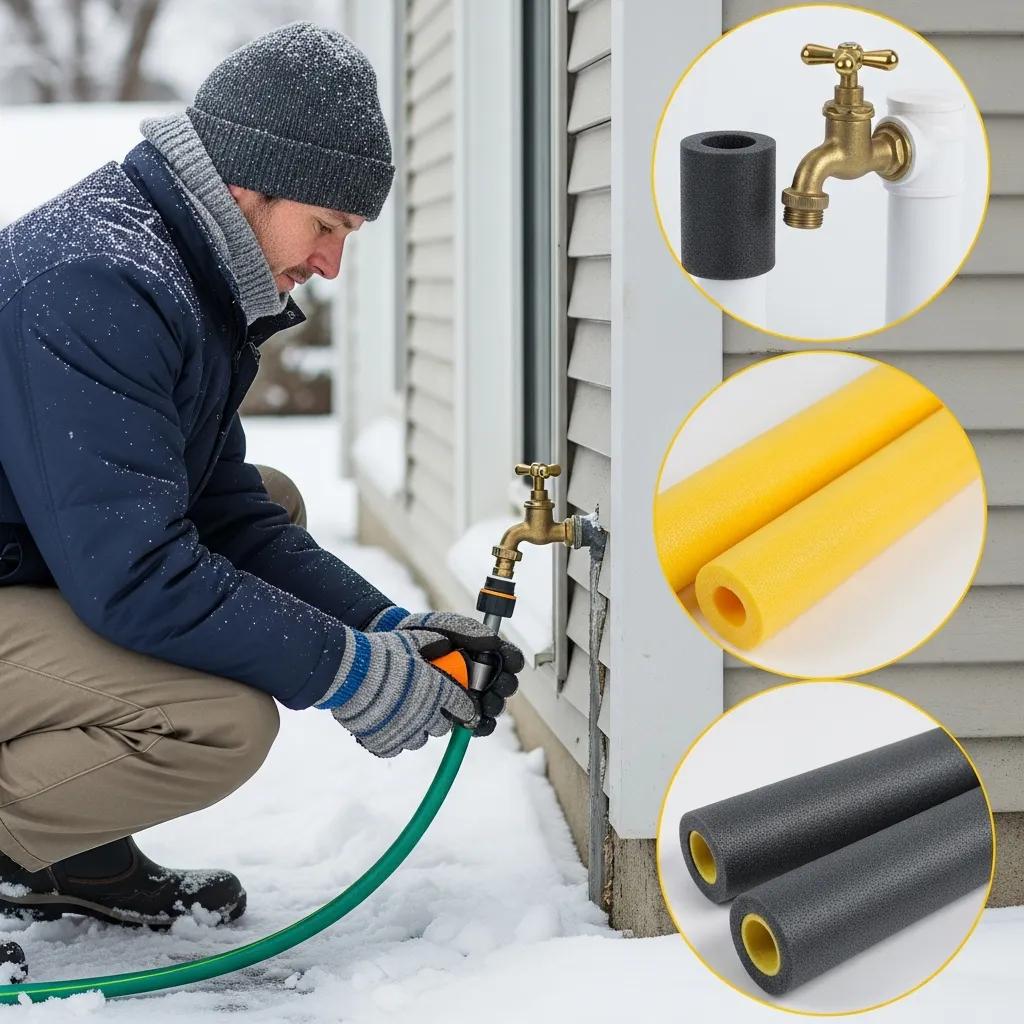
Winterizing outdoor plumbing removes standing water from exterior lines so it can’t freeze and damage house connections. Core tasks include disconnecting and draining hoses, shutting off and draining exterior shutoff valves, covering outdoor spigots, and deciding whether your irrigation system needs a professional blowout. Also look at shallow supply lines that may need extra insulation or rerouting if your property sees repeated deep freezes. The checklist below lists essential outdoor winterization steps you can do yourself and when to call a pro.
- Disconnect and store garden hoses so spigots and bibs can drain fully.
- Find and shut off the interior valve for exterior lines, then open outdoor faucets to clear trapped water.
- Install insulated faucet covers over exposed spigots and add foam wrap to visible exterior lines.
Doing these steps lowers the chance of a freeze at the house connection. For irrigation systems with underground controllers and long lateral lines, a professional blowout removes residual water far more reliably than gravity drainage alone.
Winterization tasks vary in time, skill, and tools required. Use the table below to pick approaches that fit your comfort level and equipment.
| Task | Complexity | Typical Time-to-Complete |
|---|---|---|
| Disconnect hoses & drain spigots | Low | 10–30 minutes per spigot |
| Close interior shutoff & drain exterior lines | Low–Medium | 15–45 minutes |
| Install insulated faucet covers | Low | 5–10 minutes per spigot |
| Irrigation blowout (professional recommended) | High | 30–90 minutes depending on system size |
What Are the Best Practices for Winterizing Outdoor Faucets and Sprinkler Systems?
Start by removing hoses, shutting off the interior isolation valve, and opening the exterior spigot so water can drain — leave spigots slightly open to let any trapped water escape. For sprinklers, a compressed-air blowout is the most reliable method to clear lines and prevent underground freeze damage; professionals set the correct pressure to protect PVC. Use rigid insulated faucet covers for above-ground spigots and foam sleeves for visible supply lines. Time your winterization after the first hard-freeze warning but before prolonged sub-freezing stretches to avoid service interruptions.
How Does Dripping Faucets Help Prevent Frozen Pipes?
Letting a faucet drip during extreme cold keeps water moving and reduces the chance of standing water freezing. Open the faucet furthest from the main shutoff and let a steady trickle flow — cold water is fine; hot water wastes energy. Dripping is a temporary emergency tactic during sudden cold snaps and should be paired with insulation and other preventive steps. If dripping doesn’t restore flow or multiple fixtures are affected, stop and call a professional to avoid hidden ice jams or a compromised main.
What Indoor Heating Strategies Help Protect Pipes from Freezing?
Keeping indoor temperatures steady and improving the building envelope are practical ways to prevent frozen pipes. Maintain thermostat settings that protect plumbing runs — generally above 55°F for vacant properties and higher during extended cold — and use zone heating for vulnerable areas. Open cabinet doors under sinks so warm air can circulate around plumbing, and use portable heaters safely for short-term localized heat when needed. Seal drafts, add insulation to crawl spaces and exterior wall cavities, and improve attic barriers to reduce thermal bridges that pull heat away from pipes.
How Should Thermostat Settings Be Adjusted During Winter?
For occupied homes, keep a steady thermostat setting that balances comfort and pipe protection — a common recommendation during severe cold is 60–65°F to avoid cold pockets around plumbing. For vacant properties, don’t drop below about 55°F and consider remote monitoring or smart-thermostat alerts to catch rapid temperature drops. Avoid aggressive overnight setbacks in rooms with exterior plumbing. Gentle, predictable schedules and remote alerts give you time to respond before pipes reach critical low temperatures.
Why Is Sealing Air Leaks Around Pipes Important?
Air leaks where pipes pass through walls or floors bring cold drafts that lower local temperatures and speed freezing. Sealing those gaps with caulk or spray foam restores the thermal barrier. Typical spots include sill plates, openings around service lines, attic penetrations, and plumbing chase holes. Use non-expanding foam for small gaps and expanding spray foam for larger voids, while keeping future access for repairs in mind. For significant insulation needs, consult a contractor to evaluate wall cavity insulation or crawlspace encapsulation for long-term protection.
What Should You Do If Your Pipes Freeze?
Quick recognition and response can cut the chance of bursts and water damage. Early signs include little or no water flow, frost on exposed pipes, unusually cold cabinet faces, and odd noises when faucets are opened. Use safe thawing methods like warm air from a hair dryer, warm towels, or a properly placed space heater — never open flames or uncontrolled heat. If you see a rupture or bulging pipe walls, shut off the water and call a professional right away. Keep buckets handy to catch meltwater and protect floors and belongings while you act.
The numbered emergency steps below summarize what to do immediately if you suspect frozen pipes:
- Locate and shut off the main water valve to stop flooding if you detect a leak or burst.
- Open faucets on affected and downstream fixtures to relieve pressure and let meltwater escape.
- Apply gentle, even heat to frozen sections with a hair dryer or warm towels, watching closely for leaks.
- Move belongings and protect surfaces from water with towels or containers.
- Call a licensed emergency plumber if thawing doesn’t restore flow, a pipe is bulging, or you see a rupture.
Following these steps stabilizes the situation and prepares you for repairs; quick action helps limit restoration costs and mold risk.
How Can You Identify Frozen Pipes Early?
Early detection comes from regular checks during cold weather and watching for subtle signs. Look for cold spots along pipe runs, frost or condensation on lines, reduced or inconsistent water flow, and bursts of air when running faucets — these often show up before a full freeze. A non-contact infrared thermometer helps find unusual surface cold spots. Inspect areas like exterior walls, crawl spaces, and plumbing near garages. If you spot trouble, act quickly with targeted insulation, local heat, or a professional assessment to prevent escalation.
What Are Safe DIY Methods to Thaw Frozen Pipes?
Safe DIY thawing is slow and controlled: open faucets, apply steady warm air with an electric hair dryer or low-setting heat gun while moving along the pipe, and wrap warm towels to transfer heat gradually. Never use open flames or torches — they can damage pipes and start fires. Keep extension cords out of wet areas and follow electrical safety. Thaw small sections at a time and watch for leaks; if you see cracking, bulging, or persistent dripping after thawing, stop and call a professional who can use specialized equipment and assess repair needs.
When Is It Necessary to Call a Professional Plumber?
Call a professional when frozen pipes are hard to reach, when multiple fixtures lose water, when DIY thawing fails, or when you see signs of a rupture like pooling water or bulging pipe walls. Licensed plumbers have safe thawing equipment and the experience to restore flow without causing more damage, and they can recommend permanent repairs or replacements to prevent repeats. Red flags for immediate professional help include frozen mains, visible leaks after thawing, and water damage behind walls or ceilings. Frost and Kretsch Plumbing offers 24/7 emergency response, safe thawing with industry equipment, and clear estimates — serving Macomb, Oakland, and Wayne counties.
How Does Frost and Kretsch Plumbing Provide Emergency Frozen Pipe Repair?
When a freeze or burst happens, we follow a straightforward workflow: isolate the water, thaw frozen sections safely, assess damage, and repair or replace affected piping quickly. Frost and Kretsch Plumbing focuses on fast emergency response from licensed technicians using safe thawing machines and transparent pricing backed by a satisfaction guarantee. Our techs evaluate whether the pipe is exposed, in-wall, or underground, decide if a temporary thaw or full replacement is needed, and recommend winterization steps to lower future risk. The emergency checklist below explains what our technicians do and what you can expect while waiting for help.
| Scenario Element | Technician Action | Customer Expectation |
|---|---|---|
| Frozen exposed pipe | Apply controlled heat and add insulation | Restore flow quickly with minimal disruption |
| In-wall frozen section | Use safe thawing equipment and inspect for leaks | Possible access panels or small repairs |
| Burst/ruptured pipe | Shut off water, isolate the zone, repair or replace the section | May require drywall repair or mitigation |
What Immediate Actions Should You Take During a Burst Pipe Emergency?
In the first minutes after a burst, find and shut off the main water supply to stop flooding, then open faucets to drain remaining water and relieve pressure. If water reaches electrical outlets or appliances, turn power off at the breaker only if it is safe and you are not standing in water. Move furniture and valuables away from pooling water when possible, document damage for insurance, and call an emergency plumber for immediate thawing and repair. While you wait, keep the area safe, avoid standing water, and watch for structural issues.
What Are the Typical Costs and Factors Affecting Frozen Pipe Repairs in Michigan?
Repair costs vary with pipe accessibility, location (exposed, in-wall, or underground), the extent of damage, and whether water-remediation is needed. A quick response usually lowers total cost by limiting downstream damage. Labor, materials, and any excavation or drywall repair affect final estimates, and after-hours emergency service can change pricing. The table below outlines common scenarios and the main cost drivers so property owners understand why estimates differ.
| Repair Scenario | Primary Cost Driver | Typical Outcome |
|---|---|---|
| Exposed pipe thaw & repair | Labor and material for patching | Quick, lower-cost fix |
| In-wall thaw & spot repair | Accessing wall cavities and drywall repair | Moderate cost with restoration work |
| Underground rupture | Excavation and replacement work | Higher cost due to digging and restoration |
This guide covered causes, prevention, and emergency responses for frozen pipes in Michigan — mixing practical DIY steps with clear triggers for calling a licensed plumber. For inspection, winterization, or 24/7 emergency thawing and repair by licensed technicians serving Macomb, Oakland, and Wayne counties and nearby communities, Frost and Kretsch Plumbing offers fast response, transparent pricing, and a satisfaction guarantee to help protect your property through the cold months.
Frequently Asked Questions
What are the signs that my pipes may be freezing?
Look for reduced water flow, frost on exposed pipes, or unusually cold spots on walls or cabinet faces. You might also hear gurgling or other odd noises when you turn on a faucet — signs of trapped air or ice. If you see any of these, act quickly to avoid a burst. Regular checks during cold weather catch problems early and reduce repair costs.
How can I prevent my indoor pipes from freezing during a power outage?
During an outage, keeping indoor temperatures up is key. If you expect a long outage, consider battery-powered heating options approved for indoor use. Keep cabinet doors open so warm air reaches pipes, and let a faucet drip to keep water moving. Insulating vulnerable pipes gives extra protection against freezing when power is out.
Are there specific plumbing materials that are more resistant to freezing?
Yes. PEX (cross-linked polyethylene) is more flexible and can expand a bit without bursting, which makes it a good choice in cold climates. Copper is durable but more prone to bursting when frozen. When replacing or installing pipes, consider PEX or be sure to insulate copper lines well.
What should I do if I suspect a pipe has burst?
If you suspect a burst, shut off the main water supply immediately to prevent flooding. Open faucets to drain the system, check for pooling water, and move valuables away from the affected area. Document damage for insurance and call a licensed plumber right away — quick action helps limit damage and repair costs.
How can I prepare my plumbing for an extended winter vacation?
Before leaving for an extended trip, insulate exposed pipes, shut off the main water supply, and drain pipes by opening faucets and flushing toilets. Consider non-toxic antifreeze for toilet bowls and traps if recommended, set the thermostat to at least 55°F, and ask a neighbor to check the property periodically.
What are the risks of using heat sources to thaw frozen pipes?
Using the wrong heat source can be dangerous. Open flames, torches, or very high-heat devices can damage pipes or start fires. Use gentle heat like a hair dryer or heating pad and monitor closely for leaks. If you’re unsure or the pipe is hard to reach, call a professional for safe thawing.
Conclusion
Preventing frozen pipes protects your home or business from costly repairs and water damage during Michigan’s coldest months. Simple steps — insulation, outdoor winterization, and steady indoor heat — go a long way. For full winterization or 24/7 emergency help, contact Frost and Kretsch Plumbing. Our licensed technicians offer fast response, clear pricing, and a satisfaction guarantee to keep your plumbing safe all winter long.