Choosing Water‑Efficient Appliances for Your Home: Expert Installation and Eco‑Friendly Upgrades
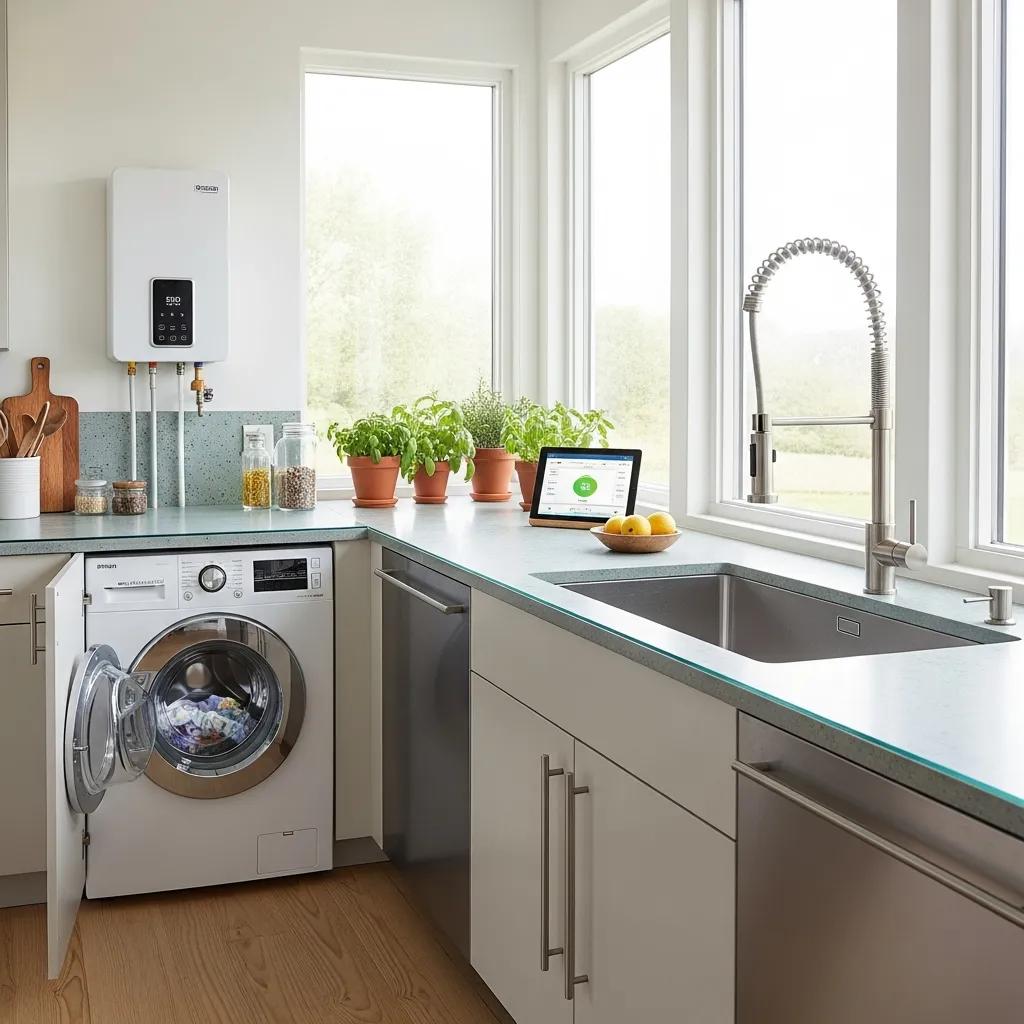
Water‑efficient appliances lower household water use by doing more with less—using less water per use while still getting the job done. In this guide we walk through common water‑saving upgrades—low‑flow toilets, aerated faucets, ENERGY STAR dishwashers, high‑efficiency washers, and tankless water heaters—how they save money and reduce environmental impact, and why professional installation matters. You’ll get clear, actionable steps for choosing certified products, the plumbing services needed to make them perform as promised, how smart water technology supports efficiency, and routine maintenance to protect long‑term savings. We include checklists, installation steps, rebate and incentive notes for homeowners in Macomb, Oakland, and Wayne counties, and guidance on where local plumbing expertise fits in. Terms like ENERGY STAR, WaterSense, tankless water heaters, low‑flow toilets, and smart leak detectors are used throughout so you can make decisions that capture utility rebates and reliable savings.
What Are the Benefits of Installing Water‑Efficient Appliances?
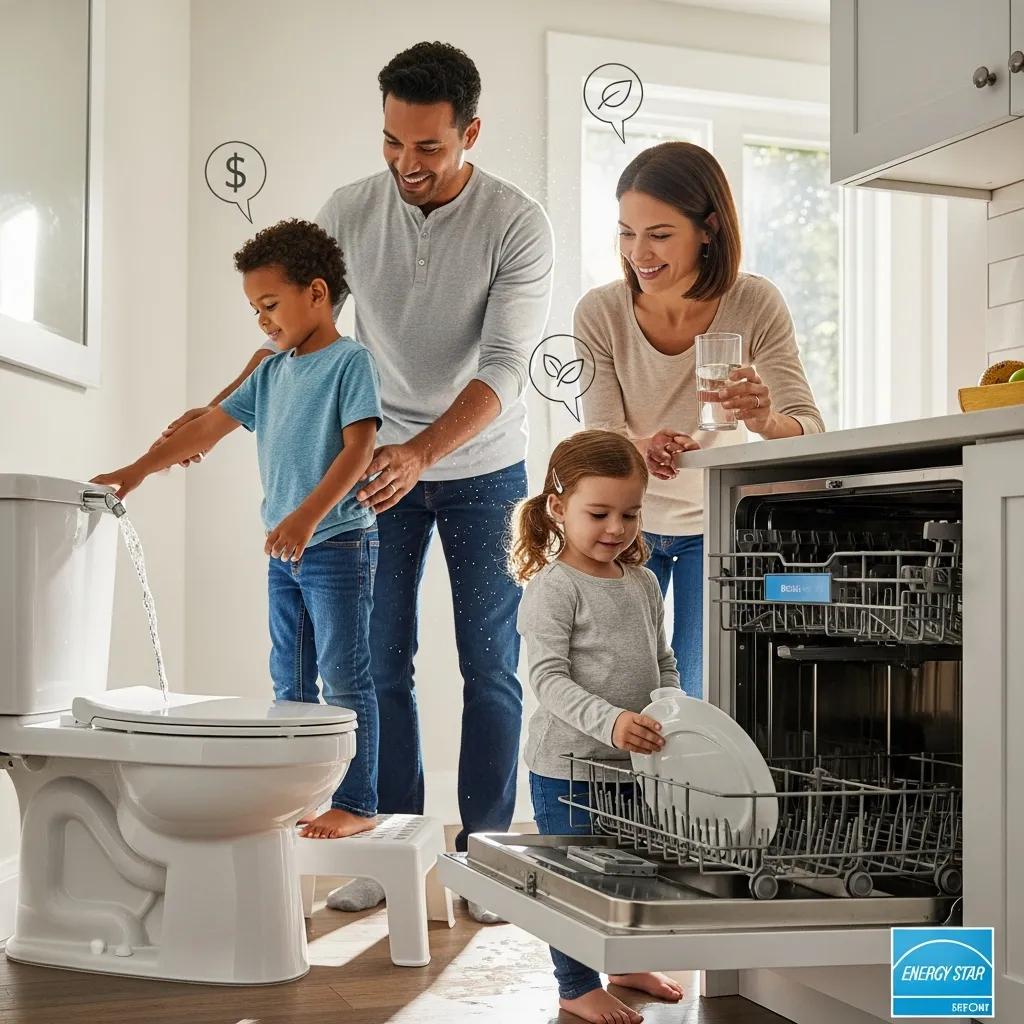
Water‑efficient appliances lower the amount of water you use, reduce the energy needed to heat that water, and frequently cut monthly utility bills. They also ease demand on local water supplies and sewage systems. How they do it varies—some limit flow, others optimize cycles to use less water per load, and tankless heaters avoid the standby heat loss of storage tanks. The result for homeowners is lower water and water‑heating costs, smoother home performance, and a smaller household carbon footprint. Knowing these benefits helps you choose upgrades that deliver the quickest payback and biggest environmental impact.
Water‑efficient upgrades give homeowners three clear advantages:
- Lower utility bills: Using fewer gallons per use and more efficient water heating cuts monthly costs.
- Greater resource resilience: Lower household demand eases pressure on local supply and treatment systems.
- Rebate eligibility: Certified products often qualify for manufacturer, utility, or municipal incentives that reduce upfront costs.
The table below compares common appliance categories by their main efficiency trait and typical benefit, so you can weigh options before scheduling an install.
| Appliance Category | Primary Efficiency Attribute | Typical Outcome |
|---|---|---|
| Tankless Water Heater | On‑demand heating; no standby loss | Lower energy use for water heating; smaller footprint |
| Low‑Flow Toilet | Reduced gallons per flush (GPF) | Noticeable reduction in indoor water use |
| ENERGY STAR Dishwasher | Optimized cycles; lower water per cycle | Less hot water use and shorter cycles—saves energy and water |
| High‑Efficiency Washing Machine | Lower water per load; higher spin extraction | Fewer gallons per load and reduced dryer energy use |
Use this comparison to focus retrofit choices on devices that fit your household’s routine and budget. Many local homeowners choose a nearby installer to make sure efficiency gains are real and rebates get captured. Frost and Kretsch Plumbing is family‑owned and operated, serving Macomb, Oakland, and Wayne counties with 24/7 emergency service and hands‑on installation support to keep projects code‑compliant and stress‑free.
How Do Water‑Efficient Appliances Reduce Utility Bills and Environmental Impact?
They save money by cutting the gallons you use and the energy to heat or move that water. They lower environmental impact by reducing demand on treatment plants and shrinking greenhouse gas emissions from water heating. Replacing older fixtures, dishwashers, and washers with ENERGY STAR or WaterSense‑rated models reduces repeat water use and optimizes hot‑water cycles—both of which show up as lower meter readings and smaller seasonal energy bills. Tankless, on‑demand heaters remove standby losses found in tanks, improving efficiency for homes with intermittent hot‑water needs. That’s why picking the right product and getting it installed correctly are essential to achieve the savings you expect.
Which Local Rebates and Incentives Support Water‑Efficient Upgrades in Michigan?
Federal, state, and utility programs often offer rebates for water‑efficient fixtures and high‑efficiency water heaters—especially when you buy certified models like ENERGY STAR or WaterSense. Qualifying usually requires proof of purchase and installation, and programs may name specific certifications or installer credentials. Check with your utility and local government to find rebates for toilets, dishwashers, washers, and tankless water heaters and to confirm document requirements. Many homeowners find it helpful to work with an installer who already knows the paperwork and product criteria.
Frost and Kretsch Plumbing can help identify eligible programs and perform installations that meet rebate documentation standards, assisting homeowners across Macomb, Oakland, and Wayne counties to claim local incentives while ensuring code‑compliant installation and testing.
How to Choose the Right Water‑Efficient Appliances for Your Home
Start by checking certification labels and understanding key water‑use metrics (gallons per flush, liters or gallons per cycle). Match product features to how your household uses water and to any retrofit limits. Look at energy and water ratings, compare total cost of ownership (not just the sticker price), and confirm plumbing, venting (for heaters), and electrical or gas compatibility. Decide whether smart‑enabled models or built‑in leak detection fit your monitoring goals. And remember: some upgrades are simple retrofits while others—like tankless heaters or irrigation integrations—need more site prep.
Checklist for selecting water‑efficient appliances:
- Confirm certification: Look for ENERGY STAR or WaterSense labels and review the spec sheet for water use per cycle or per flush.
- Assess compatibility: Verify supply lines, venting, and pressure work with your existing plumbing.
- Calculate total cost: Compare lifetime energy and water savings against upfront cost and available rebates.
- Plan installation: Determine if additional plumbing, electrical, or permit work is required.
| Appliance | Attribute to Check | What to Check |
|---|---|---|
| Dishwasher | Water/energy rating | ENERGY STAR label; gallons per cycle |
| Washing Machine | Water factor/efficiency | High‑spin extraction; water per load |
| Toilet | Gallons per flush | WaterSense certification; single or dual‑flush options |
| Water Heater | Delivery method | Tank vs. tankless; venting and fuel compatibility |
Following this decision flow helps you narrow choices to models that balance certified efficiency, plumbing compatibility, and rebate potential. If you’d like an on‑site assessment before buying, Frost and Kretsch Plumbing offers local evaluations and installation throughout Macomb, Oakland, and Wayne counties to confirm compatibility and scope.
What Features Define ENERGY STAR and WaterSense Certified Appliances?
ENERGY STAR and WaterSense certify products that meet strict energy or water‑efficiency standards. ENERGY STAR focuses on energy performance across appliances; WaterSense focuses on water use in fixtures like toilets and faucets. Certified products carry a label and usually a spec sheet that spells out expected savings and the test standards used. For homeowners, the practical step is comparing labeled water use—GPF for toilets, gallons per cycle for appliances—and mapping those numbers to your household’s habits to estimate annual savings. Choosing certified models makes qualifying for rebates easier and gives a reliable baseline for expected performance.
How Do Tankless Water Heaters Compare to Traditional Models?
Tankless water heaters heat water on demand as it flows through a heat exchanger, so they don’t have the standby energy losses of storage tanks and take up less space. For homes with intermittent hot‑water use, tankless units often use less energy because they only heat what’s needed. Installation differences include venting needs, gas or electrical capacity, and possible piping upgrades. Tankless units require periodic descaling in hard‑water areas and routine checks of venting and combustion where applicable, while tank systems need tank maintenance and constantly hold heated water. Deciding between the two depends on your household demand, space, and any fuel or plumbing upgrades—questions an on‑site assessment can answer best.
What Plumbing Services Are Required for Water‑Efficient Appliance Installation?
Professional installation usually follows a predictable sequence to make sure appliances run at rated efficiency and meet code: site assessment, water‑pressure checks, supply and drain hookups, flow and leak testing, and commissioning. The assessment finds compatibility issues and needed changes like pressure regulation, venting, or backflow prevention. Hookups include secure supply lines, proper drains, and coordination with electrical or gas contractors when required. Final testing covers pressure and leak checks, flow verification, and manufacturer commissioning steps to protect warranties and performance. Some upgrades require permits and inspections—your licensed plumber can handle filings and coordinate inspectors.
Common installation steps homeowners should expect:
- Site assessment: Verify space, piping, and venting compatibility.
- Hookup and integration: Install supply lines, drains, valves, and fittings.
- Testing and commissioning: Perform pressure tests, leak checks, and performance verification.
| Service | Typical Tasks | Why It Matters |
|---|---|---|
| Site Assessment | Inspect piping, pressure, and venting | Ensures compatibility and avoids retrofit surprises |
| Hookup & Integration | Connect supply/drain lines and install valves | Creates a safe, leak‑free system with proper flow |
| Testing & Commissioning | Pressure/leak checks and flow validation | Confirms the appliance meets ratings and protects warranty |
Frost and Kretsch Plumbing is a family‑owned, local company serving Macomb, Oakland, and Wayne counties, Michigan. Our services include residential and commercial plumbing, 24/7 emergency repairs, installations, maintenance, water main and sewer work, sump and sewage ejection pump installs, sewer camera inspections, drain cleaning, water heater services (including tankless), and fixture installations (toilets, tubs, showers, sinks, faucets, garbage disposals). What sets us apart: 24/7 emergency response, transparent pricing, a 100% satisfaction guarantee, experienced licensed technicians, and a focus on local homeowners. Letting a licensed team handle your installation reduces the chance of leaks, lost rebates, or code problems and preserves long‑term efficiency.
Why Is Professional Installation Essential for Water‑Saving Dishwashers and Washing Machines?
Professional installation avoids common mistakes that cut efficiency—incorrect pressure settings, improper drain loops, or loose fittings that leak. Installers make sure flow regulators, pressure‑reducing valves, and wastewater hookups are sized correctly and complete manufacturer commissioning steps that protect warranties. A licensed plumber also ensures your installation follows local codes and provides paperwork useful for rebate claims. For many homeowners, the added assurance of a professional install means better long‑term performance and fewer unexpected service calls.
How Does Frost and Kretsch Plumbing Ensure Quality and Satisfaction in Installations?
We combine local experience with clear pricing and a satisfaction guarantee to deliver dependable installations. Our licensed technicians cover residential and commercial work and are available 24/7 for urgent plumbing problems that can affect appliance efficiency. From on‑site assessments to professional hookups and follow‑up testing, we make sure devices meet performance expectations and local codes. Working with a locally focused team helps homeowners in Macomb, Oakland, and Wayne counties secure rebates and keep systems operating efficiently over time.
How Does Smart Water Technology Enhance Water Efficiency at Home?
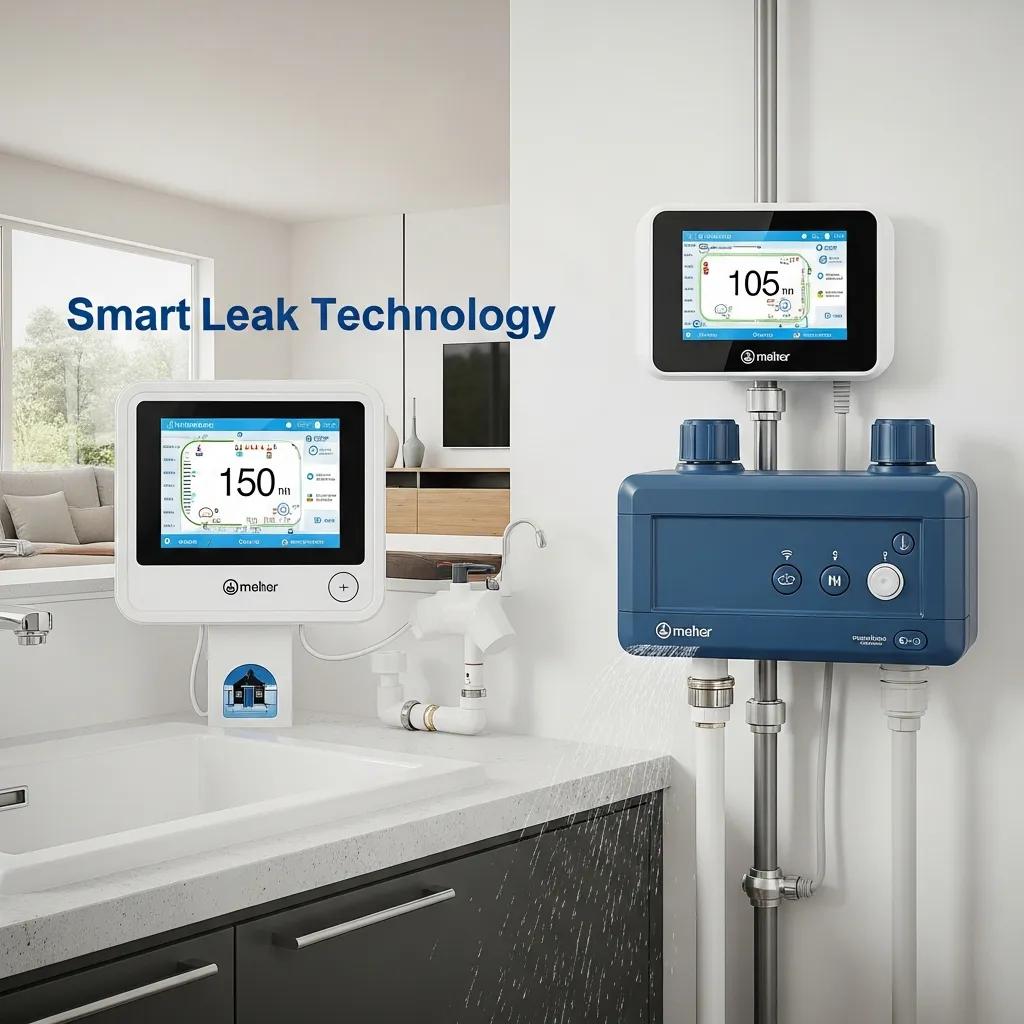
Smart water tech—smart leak detectors, whole‑home monitors, and smart irrigation controllers—boost efficiency by spotting leaks early, giving real‑time usage data, and automating schedules to match actual needs. These systems link sensors and valves to hubs that analyze flow patterns and alert you to anomalies so you can act fast. Smart irrigation uses weather and soil data to avoid unnecessary watering. Paired with efficient appliances, smart devices create a feedback loop where data drives better behavior and automated conservation, improving savings and system resilience.
- Early leak detection and quick response to limit water loss and damage.
- Detailed usage analytics that uncover hidden leaks and inefficiencies.
- Smarter irrigation control that prevents overwatering based on weather and soil conditions.
What Are the Benefits of Smart Leak Detectors and Whole‑Home Water Monitoring?
Smart leak detectors and whole‑home monitors send instant alerts for unusual flows, let you shut water off remotely or automatically, and keep historical usage records to spot slow leaks or phantom flows. Early detection of an away‑from‑home leak or a slab leak can limit damage and water loss, cutting repair and water costs. These systems also flag gradual increases in baseline usage that point to failing fixtures. Combined with professional plumbing support, smart monitoring becomes a practical tool to protect property and maintain long‑term efficiency.
How Can Smart Irrigation Systems Integrate with Home Plumbing?
Smart irrigation controllers work with irrigation manifolds, flow sensors, and shutoff valves to manage water delivery using weather and soil data—reducing outdoor overwatering. Integration points include adding flow sensors to irrigation supply lines, installing dedicated shutoffs for zones, and ensuring backflow prevention devices are properly sized to protect drinking water. Retrofitting older systems may need valve replacements, flow sensors, or controller upgrades; new installs can specify integration‑ready parts. Professional installation guarantees correct valve sizing, accurate flow sensing, and compliant backflow prevention—key to achieving predicted water savings and safe operation.
What Maintenance Tips Help Sustain Water‑Efficient Plumbing Systems?
Routine maintenance keeps savings intact by preventing efficiency loss from mineral buildup, worn parts, or hidden leaks. Regular tasks include cleaning aerators and filters, descaling tankless water heaters per manufacturer guidance, checking toilet flappers and fill valves, and watching baseline water usage for unexplained rises. Periodic inspections confirm seals, fittings, and valves are tight and that smart alerts are working. Proactive upkeep preserves performance, extends equipment life, and protects warranties.
Key maintenance actions homeowners should perform regularly:
- Clean faucet aerators and showerheads to remove mineral buildup.
- Check toilets for silent leaks with a dye test or your smart monitor.
- Schedule tankless heater descaling if you have hard water.
- Review smart‑monitoring reports for early signs of inefficiency or leaks.
How to Maintain Tankless Water Heaters for Optimal Performance?
Tankless heaters need periodic descaling and inlet filter cleaning to prevent mineral buildup on the heat exchanger, which reduces efficiency and flow. Maintenance typically includes flushing the unit with a descaling solution per the manufacturer, cleaning inlet screens, and checking venting and combustion clearances on gas models.
Watch for reduced flow or inconsistent water temperature—those are common signs service is needed.
When you see warning signs or reach routine service intervals, a licensed technician can descale the unit, inspect combustion parts if applicable, and confirm safe, efficient operation.
What Are Common Issues and Solutions for Water‑Saving Toilets and Faucets?
Common problems include running toilets caused by worn flappers or misadjusted fill valves, weak flushes from partial clogs, and aerator buildup that causes sputtering or reduced flow. Home fixes include replacing flappers, adjusting fill valves, cleaning aerators with vinegar to dissolve mineral deposits, and clearing partial drain clogs. For recurring issues, persistent leaks, or installation concerns, call a licensed plumber for a correct diagnosis and permanent repair that keeps your efficiency goals on track. Timely attention preserves savings and prevents water damage.
Frequently Asked Questions
1. What types of water‑efficient appliances are available for home use?
Common water‑efficient options include low‑flow toilets, high‑efficiency washing machines that use less water per load, ENERGY STAR dishwashers that optimize water and energy use, and tankless water heaters that deliver hot water on demand without standby losses. Smart irrigation systems and leak detectors also improve overall water management. Each option contributes to measurable water and cost savings.
2. How can I ensure that my water‑efficient appliances are installed correctly?
Hire a licensed plumber experienced with these systems. A pro will assess your plumbing, make needed adjustments, follow manufacturer setup steps, and test the installation to confirm efficient operation and code compliance. Proper installation protects performance, warranty coverage, and rebate eligibility.
3. Are there specific maintenance practices for water‑efficient appliances?
Yes. Keep faucet aerators and showerheads clean, check toilets for leaks, and flush tankless heaters periodically to remove scale. Monitor water use to catch leaks early, and schedule regular inspections with a licensed plumber to address wear and keep everything working efficiently.
4. What should I consider when selecting smart water technology for my home?
Consider compatibility with your existing plumbing, the features you need (real‑time monitoring, leak detection, automated irrigation), and whether you want professional installation. Also think about integration with other smart‑home systems. Reliable devices and professional setup make smart water tech more effective and easier to manage.
5. How do I find local rebates for water‑efficient appliances?
Start with your utility and local government websites—many offer rebates for certified appliances. ENERGY STAR and WaterSense list programs too. Keep purchase and installation records, and consult a licensed plumber familiar with local programs to help maximize your savings.
6. What are the environmental benefits of using water‑efficient appliances?
They reduce water consumption, easing strain on local supplies and treatment facilities, and lower energy use for heating water—reducing greenhouse gas emissions. These savings support local ecosystems and broader sustainability goals, while also cutting household costs.
7. Can I install water‑efficient appliances myself, or should I hire a professional?
Some homeowners can handle basic installs, but professional installation is recommended. A licensed plumber ensures correct setup, code compliance, and optimal efficiency. Improper installation can cause leaks, poor performance, and voided warranties—costly problems a pro can help you avoid.
Conclusion
Upgrading to water‑efficient appliances saves money, reduces your environmental footprint, and can qualify you for local rebates when you choose certified products. Picking the right model and having it installed by a licensed plumber ensures those savings are real and long lasting. Ready to get started? Contact Frost and Kretsch Plumbing to discuss options, schedule an assessment, or book an installation for homeowners in Macomb, Oakland, and Wayne counties.